
Experts Matter. Find Yours.
Connect for media, speaking, professional opportunities & more.

Research Suggests Future Tropical Storm Trends Related to Climate Change
The National Oceanic and Atmospheric Administration (NOAA) has predicted a "near-normal" 2019 Atlantic hurricane season with nine to 15 named storms, four to eight of which could become hurricanes, including two to four major hurricanes. Hurricane forecasting is an imprecise science, but current research indicates several important trends regarding future tropical storms and climate change, says Stephen Strader, PhD, a severe storm specialist and assistant professor in Villanova’s Department of Geography and the Environment. "Research has suggested that in the future there will likely be fewer tropical storms and hurricanes, but those that do occur are expected to be more intense. This is likely due to the combination of changes in wind shear (i.e., change in wind speed and direction as one goes up in the atmosphere) and warmer ocean temperatures that provide 'fuel' for tropical cyclones," says Dr. Strader. Climate scientists also suggest that tropical storms making landfall will be more likely to "stall out" due to climate change influences on the upper-level atmospheric air pattern, he adds. The combination of more intense tropical storms, greater rainfall rates and the propensity for these storms to stall or slow down once they make landfall will likely result in greater future flooding risk to some major U.S. cities, such as Houston, New Orleans, Tampa Bay and Miami, according to Dr. Strader. Recent examples of this phenomenon include Hurricanes Harvey and Irma in 2017 and Florence and Michael in 2018. "Although NOAA has suggested a near normal tropical storm season, it only takes one devastating storm making landfall to have devastating consequences," Dr. Strader notes.


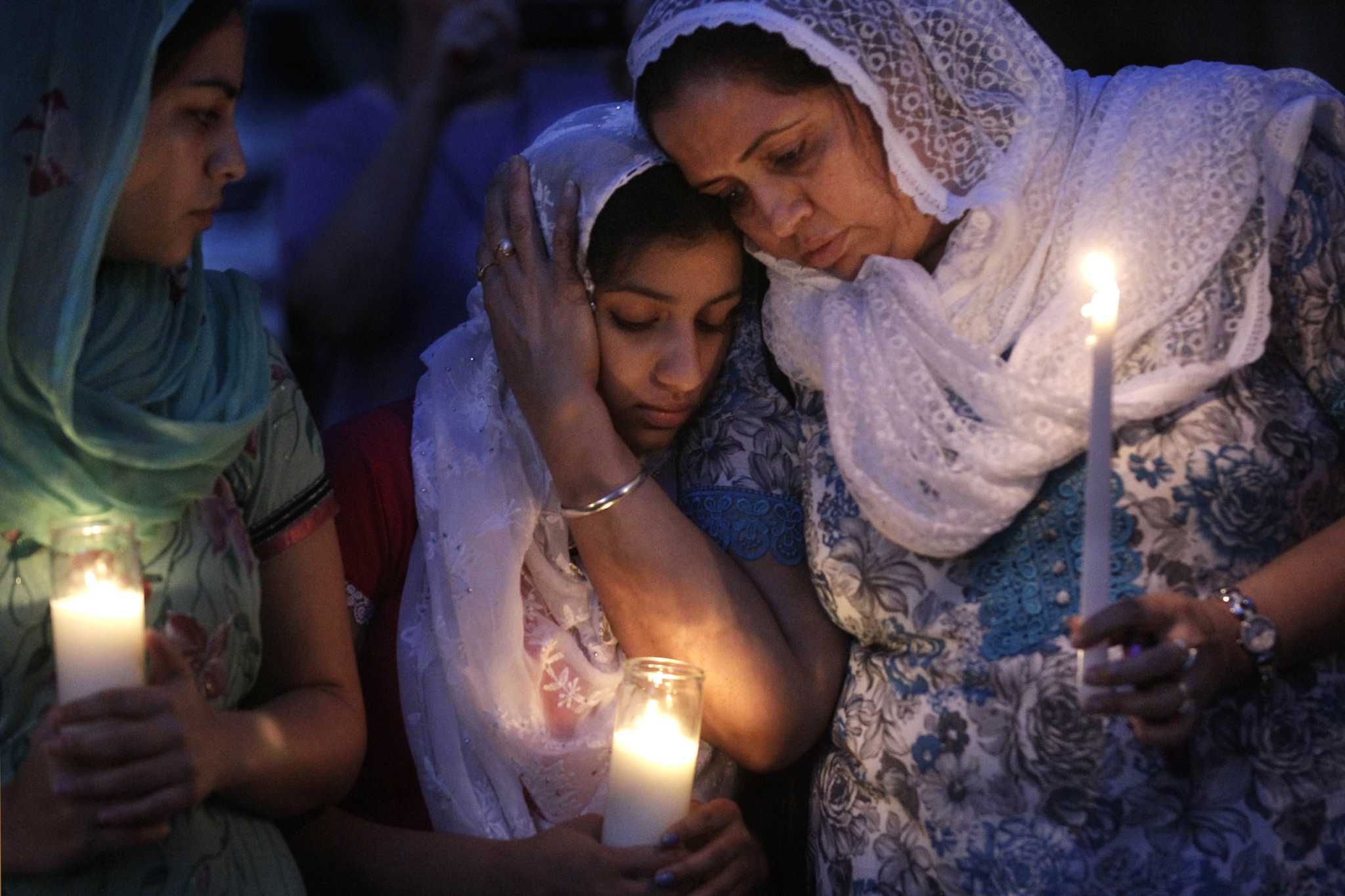
They are incidents that are now more common than a lot of people want to admit – and research is showing that mass shootings are taking a serious psychological toll on our country’s population. UMW’s Laura Wilson’s research was recently cited in media throughout the country for her work analyzing PTSD and its affects on witnesses to these events. “PTSD estimates 28 percent of people who have witnessed a mass shooting develop post-traumatic stress disorder (PTSD) and about a third develop acute stress disorder. Laura Wilson, an assistant professor of psychology at the University of Mary Washington in Virginia conducted a meta-analysis — an examination of data from 11 studies of PTSD symptoms among more than 8,000 participants who ranged from those who'd witnessed shootings to those who just lived in the communities in a 20-year period. She found the greater the exposure — someone who was at the scene or who lost a friend or family — the greater risk of developing PTSD. But, in her work, Wilson has found other factors, too, including previous psychological symptoms and a lack of social support, also played a role in increasing the likelihood. "Mass shootings are a different type of trauma," Wilson says. "People are confronted with the idea that bad things can happen to good people. ... Most people have a hard time reconciling the idea that a young, innocent person made the good decision to go to school, was sitting there, learning and was murdered. That does not make sense to us. ... It just rattles us to our core." And yet, some people don't fully appreciate the lasting psychological wounds of those who escaped physical harm.” June 02, Associated Press Are you covering this topic, or would you like to know more? That’s where UMW can help. Laura C. Wilson is a clinical psychologist whose expertise focuses on post-trauma functioning, particularly in survivors of sexual violence or mass trauma (e.g., terrorism, mass shootings, combat). Dr. Wilson is available to discuss this topic with media – simply click on her icon to arrange an interview.



The ‘Heaven 11’: Gospel Music Expert Lists 11 Most Influential Black Gospel Songs
June is African American Music Appreciation Month Photo by Robert Rogers, Baylor Marketing & Communications Baylor Professor Robert Darden attends Baylor University's 2019 Pruit Symposium, "Lord, Make Me An Instrument: Black Sacred Music at the Intersection of Gospel and Jazz." WACO, Texas (May 31, 2019) – Robert F. Darden, professor of journalism, public relations and new media at Baylor University and a former gospel music editor for Billboard Magazine, is leading a national movement to preserve the fast-disappearing legacy of African American sacred music on vinyl. To celebrate African American Music Appreciation Month in June, Darden, who is founder and director of Baylor’s Black Gospel Music Restoration Project, compiled the “Heaven 11” – a list of the 11 most influential black gospel songs. “There is no way to quantify the ‘greatest’ gospel song of all time, but certain songs have been more influential than others through the years,” said Darden, who selected songs from the 1940s through the 1980s. (Listen to the “Heaven 11” on this Spotify playlist, created by Baylor Proud.) The list includes Darden’s comments about each selection: 1. “Move on Up (A Little Higher)” “The Queen of Gospel Mahalia Jackson’s first big hit, and one of the best-selling gospel songs of all time. It was also understood to be an early ‘Freedom Song’ in the African-American community.” 2. “Take My Hand, Precious Lord” “Perhaps the best-known, most beloved of all gospel songs. Written by Thomas Dorsey after the loss of his wife and infant child, it is still sung today at virtually every African-American funeral service in the country.” 3. “Oh Happy Day” “This song by Edwin Hawkins was the first gospel song to be a hit single in the 1960s, and had a revolutionary combination of gospel choir, stirring chorus and a thoroughly modern beat.” 4. “The Reason Why We Sing” “Kirk Franklin did to the ‘80s and ‘90s what Hawkins did to the ‘60s and Andrae Crouch did to the ‘70s, combined straight-ahead gospel with the beat of the day, while paying tribute to the old gospel classic, ‘His Eye is on the Sparrow.’” 5. “People Get Ready” “This tune by Curtis Mayfield is not really a gospel song, but it was so compelling that it was adopted by both the Civil Rights Movement and the African-American church. There are a number of great versions, including the Chambers Brothers, the Blind Boys of Alabama and even Rod Stewart.” 6. “We Shall Overcome” “This is the ‘signature’ song of the Civil Rights Movement, an adaptation of an old gospel tune that has been honed by the fire and blood of a thousand movement events and is still sung by oppressed people around the world.” 7. “Peace Be Still” “This song by the Rev. James Cleveland and the Angelic Choir of the First Baptist Church of Nutley, New Jersey, is the song and the arrangement that made young black people want to join mass choirs and sing. After the assassination of President John F. Kennedy, ‘Peace Be Still’ was the gospel anthem that the black church turned to.” 8. “Through It All” “Andrae Crouch and the Disciples forever changed gospel music, opening it up lyrically and musically. He was also a brilliant composer – you could just as easily substitute “My Tribute,” “The Blood,” “Soon and Very Soon” and any one of several other enduring classics here.” 9. “Touch the Hem of His Garment” “This song by the Soul Stirrers, featuring Sam Cooke, helped invent the hard-charging gospel quartet sound. The popularity of this song helped convince Cooke, the writer and featured singer, to launch a mainstream performing career.” 10. “Mary, Don’t You Weep” “The great old spirituals often make great gospel songs. This is one by the Caravans, featuring Inez Andrews, and is one of my personal favorites.” 11. The next great gospel song “We haven't heard it yet. Few people still alive even know of its existence. But it could be in the next batch of long-lost gospel classics by a hitherto unknown gospel artist donated to the Black Gospel Music Restoration Project.” Search-and-rescue mission to preserve black gospel music Darden founded Baylor’s Black Gospel Music Restoration Project (BGMRP) more than a decade ago in a search-and-rescue effort to identify, acquire, preserve, digitize and catalog recordings from the black gospel music tradition. This music, from the Golden Age of Gospel from 1945 to 1975, was quickly vanishing as albums made the transition to CDs. “Thousands of at-risk songs have been saved for future generations,” Darden said. “These recordings are priceless, irreplaceable and historic in a way that scholars are only now realizing.” Through the work of the Baylor Libraries’ Digital Projects Group, recordings from the BGMRP are available online in the Baylor Libraries Digital Collection, and in some cases includes other materials, such as taped interviews, photographs, press packets, tour books and programs, newspaper and magazine clippings and sheet music. Music from the BGMRP also has been included in a permanent exhibit featuring African-American musical history at the Smithsonian Institution’s National Museum of African American History and Culture, which opened in 2016 in Washington, D.C. The interactive exhibit, “Musical Crossroads,” has featured these key recordings from the BGMRP: · “The Old Ship of Zion” by The Mighty Wonders of Aquasco, Maryland (1972) · “Amen” by Wings over Jordan (1953) · “I Won’t Be Back” by The Caravans (1962) · “Over My Head” by Wings Over Jordan (1953) · “There’s a Tree on Each Side of the River” by The Davis Sisters (1957) Visit Baylor’s Black Gospel Music Restoration Project website to learn more and to listen to the collection of digitized recordings. ABOUT BAYLOR UNIVERSITY Baylor University is a private Christian University and a nationally ranked research institution. The University provides a vibrant campus community for more than 17,000 students by blending interdisciplinary research with an international reputation for educational excellence and a faculty commitment to teaching and scholarship. Chartered in 1845 by the Republic of Texas through the efforts of Baptist pioneers, Baylor is the oldest continually operating University in Texas. Located in Waco, Baylor welcomes students from all 50 states and more than 90 countries to study a broad range of degrees among its 12 nationally recognized academic divisions.


From Asthma and Tick Bites to Dengue Fever, Nurses Tackle Health Impacts of Climate Change
According to statistics compiled by the National Aeronautics and Space Administration (NASA), carbon dioxide levels are at their highest in more than 650,000 years. In addition, 18 of the 19 warmest years ever have occurred since 2001, according to NASA. The World Health Organization reports that between 2030 and 2050 climate change is expected to cause 250,000 additional deaths per year from malnutrition, malaria, diarrhea and heat stress. “Many people don’t realize how much climate change can affect their health,” says Ruth McDermott-Levy, PhD, MPH, MSN, RN, director of the Center for Global and Public Health at Villanova’s M. Louise Fitzpatrick College of Nursing. “We see increases in ground level ozone from the changes in our climate here in the United States and in Europe. And we see the impact of climate change on our patients every day.” Earlier this year, Dr. McDermott-Levy spent several months in Finland collecting nurses’ observations on the impact of climate change. “In Finland extreme cold causes deaths, but increasing heat waves have become a health risk, too. This is especially a risk for the chronically ill and the elderly. And nurses will need to consider heat-related issues when they discharge elderly patients from the hospital to their homes.” In addition to health issues related to climate change, the increasing extreme weather events that bring on flooding and wildfires also disrupt the health care delivery supply chain, making much needed medications, medical supplies, and access to health care providers a greater challenge in delivering care.


Belief in the ‘Prosperity Gospel’ Does Not Turn People into Successful Entrepreneurs
But the belief that God financially rewards the faithful can fuel values linked to entrepreneurial thinking, Baylor University study finds Belief in the “Prosperity Gospel” — that God financially blesses faithful followers — does not turn individuals into successful entrepreneurs. But prosperity beliefs can fuel values linked to entrepreneurial thinking, such as power and achievement, according to a Baylor University study. However, researchers found no direct relationship between prosperity beliefs and willingness to take risks, and little connection to recognizing opportunities. Risk-taking and identifying opportunities are typical traits of entrepreneurs, according to the national study. “As revealed in our findings, a belief that God will provide financial benefit to the faithful is not enough to push someone to launch a business,” said lead author Kevin D. Dougherty, Ph.D., associate professor of sociology in Baylor’s College of Arts & Sciences. “The relationship between prosperity beliefs and starting a business is indirect and inconsistent.” The study — Prosperity Beliefs and Value Orientations: Fueling or Suppressing Entrepreneurial Activity” — is published in the Journal for the Scientific Study of Religion. For the study, researchers analyzed data from a nationally representative survey of 1,066 working adults. Their goal was to connect prosperity beliefs, human values, entrepreneurial attitudes and entrepreneurial action. They found that values — both by themselves and in conjunction with religious beliefs — are important predictors of how and whether individuals might launch a business. Participants responded to a three-item scale to measure beliefs that faith and faithful behavior lead to success at work and in business. The items included: “God promises that those who live out their faith will receive financial success;” “Believers who succeed in business are evidence of God’s promised blessing;” and “I believe faithful believers in God receive real financial benefits in this life.” Participants also responded to questions relating to The Theory of Basic Human Values, which recognizes such universal values as openness to change, achievement, security, power and benevolence. In general, “entrepreneurs tend to think differently than non-entrepreneurs, prizing achievement and self-direction while downplaying tradition and conformity,” said co-author Mitchell J. Neubert, Ph.D., professor of management in Baylor’s Hankamer School of Business. Value orientations of self-enhancement and openness to change are associated with recognizing opportunities and taking risks — entrepreneurial behaviors that correlate with creating new businesses. While prosperity beliefs by themselves show little direct impact on entrepreneurship, they do influence the impact of values and attitudes related to creating a business. Prosperity beliefs can strengthen the relationship between self-enhancement values and opportunity recognition, but they seem to reduce the relationship between openness to change and willingness to take risks. Another significant finding pertains to gender. Men and women who accept prosperity beliefs are no different in their willingness to take risks or start businesses, said co-author Jerry Z. Park, Ph.D., associate professor of sociology in Baylor’s College of Arts & Sciences. In general, risk-taking and business startups are more common among men. The study also shows that education and experience are key predictors of entrepreneurship, but those resources may be difficult to acquire for some prosperity believers because of social and economic circumstances. While individuals in that group have hope, it seems contingent on divine action rather than human action, Neubert said. “Can prosperity preachers Joel Osteen and T.D. Jakes save the U.S. economy? Probably not. But nor are they damning it,” Dougherty said. “The type of positive, self-help gospel they preach can enhance specific value orientations that are related to entrepreneurial thinking and entrepreneurial behavior.” *The research was supported by a National Science Foundation grant. ABOUT BAYLOR UNIVERSITY Baylor University is a private Christian University and a nationally ranked research institution. The University provides a vibrant campus community for more than 17,000 students by blending interdisciplinary research with an international reputation for educational excellence and a faculty commitment to teaching and scholarship. Chartered in 1845 by the Republic of Texas through the efforts of Baptist pioneers, Baylor is the oldest continually operating University in Texas. Located in Waco, Baylor welcomes students from all 50 states and more than 90 countries to study a broad range of degrees among its 12 nationally recognized academic divisions. ABOUT THE COLLEGE OF ARTS & SCIENCES AT BAYLOR UNIVERSITY The College of Arts & Sciences is Baylor University’s oldest and largest academic division, consisting of 25 academic departments and seven academic centers and institutes. The more than 5,000 courses taught in the College span topics from art and theatre to religion, philosophy, sociology and the natural sciences. Faculty conduct research around the world, and research on the undergraduate and graduate level is prevalent throughout all disciplines. Visit www.baylor.edu/artsandsciences.




Georgia Southern researchers find adverse childhood experiences associated with short sleep duration
Georgia Southern University professors from the Jiann-Ping Hsu College of Public Health (JPHCOPH) recently completed a study that shows adverse childhood experiences are associated with short sleep duration in adults. Recently, the study was published in SLEEP, the benchmark international journal for sleep and circadian science. The JPHCOPH team looked at nationally representative data from 22,403 adults. Participants in the study who had adverse childhood experiences were more likely to have short sleep duration (less than 6 hours per night) than those without such experiences. Each adverse experience increased the likelihood of insufficient sleep by over 20%, and the association remained throughout adulthood. The study participants were part of the 2011 Behavioral Risk Factor Surveillance System, conducted by the Centers for Disease Control, in which they completed questionnaires detailing childhood experiences of abuse, neglect and household challenges as well as how many hours they sleep nightly as adults. Short sleep duration was not accounted for by mental health challenges or poor physical health, which suggests there are different underlying causes. Over 60% of adults in the U.S. report having experienced at least one adverse childhood experience. The results emphasize the importance of childhood neurodevelopment on long-term health outcomes. Also, the data provides new information on how long adverse childhood experiences may affect sleep and calls for further investigation of the role of childhood experiences in people with sleep challenges. Do you need to know more? Are you looking at stories or to cover how adverse childhood experiences impact sleep and how the long-term effects can follow that individual into adulthood? Let our experts help. Kelly Sullivan, Ph.D., is an expert in epidemiology and neurological diseases and Haresh Rochani, DrPh, is the director of the Karl Peace Center for Biostatistics in the Jiann-Ping Hsu College of Public Health at Georgia Southern University. Both experts are available to speak to this topic – simply click on either icon to arrange an interview.


The return on measles and how this once eradicated disease is making an epic comeback
Once long gone and considered a thing of the past – measles is back in America. The childhood disease that was usually easily contained by a simple shot along with vaccinations for mumps and rubella, used to ensure that our communities and the general population enjoyed herd immunity and remained for the most part safe from these once dangerous and highly-contagious diseases. But things have changed, and this year America has set a record … unfortunately taking public health a few steps back along with it. “Less than two weeks ago, the number of measles cases reported in 2019 broke the previous recent annual record, beating 667 cases reported in 2014. At the time, that was the highest number of cases reported since the disease was eliminated in the U.S.” May 06, 2019 – ABC News It’s a two-pronged problem and not so easy to unravel, first of all: Is it a matter of effective communication? Is public health losing the battle to online fake news? Are parents taking for granted the value of vaccinations? Does government need to intervene with mandatory immunizations? As well, there’s the bigger picture to consider… Who isn’t getting vaccinated and why? What’s the risk to the general population? And who are the compromised people who justifiably can’t be immunized and what threat does this pose to them? There are a lot of questions out there as well as a lot of false information – and that’s where our experts can help. Dr. Jessica Smith Schwind researches emerging infectious diseases in global health settings. She is an expert in the areas of epidemiology and disease detection. Dr. Melissa Carrion is an Assistant Professor in Women, Gender and Sexuality Studies and her current research is focused on maternal vaccine refusal and what are the common messages and experiences that influence these decisions. Both are available to speak with media regarding this issue – simply click on either icon to arrange an interview.


United Nations Report Warns of Potential Extinction of One Million Plant and Animal Species
The United Nations has issued an assessment sounding the alarm that one million plant and animal species are at risk of extinction due to human-related changes to the Earth’s natural landscapes. This poses a dire threat to ecosystems upon which people all over the world are dependent for survival, according to a New York Times report. The human degradation of the environment has further been exacerbated by global warming, it added. “Biodiversity is caught between the stark, local effects of human action, like deforestation, and the diffuse but steadily worsening global effects like climate change. This report says the combination is more devastating than the sum of its parts,” stated Adam Langley, PhD, an associate professor in Villanova University’s Department of Biology. Consumerism is a driving factor in the rapidly deteriorating situation, Dr. Langley said. “It’s becoming clear that no amount of information can overwhelm the will of the consumer, whether it's the greed of the wealthy or desperation of the poor. Producers and consumers act out of personal interests, not out of their fondness for wildlife.” Government action must lead the way in alleviating the severity of the direction in which biodiversity loss is headed, according to Dr. Langley. “To make the drastic changes we need, the solutions must come from the top. Governments must recognize the enormous subsidy we receive from intact ecosystems in the form of food, fiber, clean water and air. In our world, valuing biodiversity means putting a price on it—and paying the price when we degrade it.” He added, “When I see reports like this, I’m struck that, in the history of Earth, we are the first species that is able for foresee an extinction event. We can predict it in painful detail. Avoiding that demise would be truly unique, but we’ve yet to see if human nature has that capacity.”


Do the religious really have a right NOT to vaccinate? Contact our experts to find out.
As measles, mumps and other once easily controlled and previously eradicated diseases are now spreading across states and communities in America – the great vaccination debate is once again in full swing. The fact is – vaccinations work. The world’s leading health organizations have proven that beyond a shadow of a doubt. But these days, more and more people are opting out of vaccinating themselves and their children – for a variety of reasons. The most recent is in Florida where children can opt out for necessary medical or religious reasons. This year, more than 25,000 students have claimed religion as their reason not to be inoculated. And, it’s a number that’s increasing every year. There are concerns among public health experts in Florida that this decision-making is being empowered by the online and well funded anti-vaccination groups who can reach massive amounts of people with its misinformation. And outbreaks are occurring as a result. Medically compromised people are at risk. So, is it time for states to reconsider religion when allowing children not to be vaccinated? Is there a way to prevent the system from further abuse? And what are the consequences to the greater population if this continues to grow at the near exponential pace it is? Or … is this a right that is protected and beyond question? There are a lot of questions and that’s where the experts from Cedarville University can help with multiple angles regarding this topic. Dr. Marc Sweeney is the Founding Dean of the School of Pharmacy at Cedarville University. Dan DeWitt, Ph. D. is the Director of the Center for Biblical Apologetics and Public Christianity at Cedarville University. Both experts are available to speak with media regarding this growing issue – simply click on either of their icons to arrange an interview.

Deal or no deal – is Britain about to go bust with Brexit?
It’s pretty much deal or no deal. After a couple of years on negotiating, glad-handing, spinning and voting – Britain is now looking down the barrel of leaving the European Union with no deal in place. With two years to figure things out, it seems infighting and politics have help Theresa May and Britain in a stagnant stalemate when it comes to agreeing on any sort of term for the U.K. to leave the E.U with some semblance of a trade agreement in place. So, what can we expect in the days before April 12? What’s the hold-up now? Is the economy really in jeopardy and what will that mean globally? And is it a big deal? Is it a matter of renegotiating after the deadline or does Britain risk leaving an enormous amount of trade leverage on the table? There’s so much up in the air right now with Brexit - and that’s where the experts from Cedarville University can help. Dr. Glen Deurr's research interests include nationalism and secessionism, comparative politics, and international relations theory. Glen is available to speak to media regarding the rise of extremism – simply click on his icon to arrange an interview.
