Experts Matter. Find Yours.
Connect for media, speaking, professional opportunities & more.

How UF researchers are helping Floridians to build resilience
When Hurricane Idalia hit the Big Bend region of Florida in 2023, Jeff Carney and his team were watching. A coalition of architects, planners, and landscape architects led by Carney worked closely with the tiny Gulf island of Cedar Key, which is particularly vulnerable to hurricanes, to prepare for this moment. The researchers had modeled for city officials how a major storm would flood the city’s core services. “Idalia caused flooding exactly where the maps said it would, including city hall, the historic downtown, older homes, and many streets,” Carney said. After the storm, Cedar Key moved city hall to higher ground, as outlined in the plan. And just in time. Barely a year later, Cedar Key was hit even harder by Hurricane Helene. Between the storms, Carney’s group had worked with the city to refine their storm preparation. The new plan focused more on resilience-boosting projects, like improving drainage around the city. Cedar Key finalized their plans just weeks before Helene. “A lot of the projects we put forward in this plan are in the process of seeking additional funding after Helene,” Carney said. A professor of architecture at the University of Florida, Carney directs the Florida Institute for Built Environment Resilience, or FIBER. A research institute in UF’s College of Design, Construction and Planning, FIBER engages with communities to understand how the designs of buildings and cities expose Floridians to risks — not just storms, but also excessive heat, poor air quality, even a lack of health care. FIBER faculty then work with cities to mitigate these hazards. By preparing for emergencies, upgrading buildings, and providing targeted services, communities across Florida are bolstering the resilience of their residents, all with expert help from UF researchers. Preparing to weather big storms That kind of resilience is especially important for some of Florida’s most vulnerable residents. Older and poorer Floridians face higher-than-average risks from natural disasters and other environmental hazards. That vulnerability was apparent in Cedar Key as it weathered the last two hurricane seasons. Centered around aquaculture and tourism, Cedar Key seems in many ways to be thriving. Yet, with the feel of a small fishing village, roughly 13% of its nearly 1,000 full-time residents are considered to be financially disadvantaged, according to U.S. Census data. Poorer residents may also have a harder time walking away from coastal communities devastated by storms. With savings invested into damaged homes and jobs tied to the local area, less-wealthy residents often have no choice but to stay and rebuild. Carney’s team helps people see the opportunities for rebuilding with a clearer vision of a future where rising sea levels are a reality. “You capture people’s attention and excitement when you can offer them options that are not doomsday,” said Carney, who has been working in Pine Island and Matlacha in Southwest Florida’s Lee County to help residents affected by recent storms prepare for the future. “There’s a lot of opportunity for rebuilding as long as you don’t try to have it be business as usual. We help people see how redevelopment can provide a community asset for the future,” he added. “We try to paint the picture of all the possible scenarios so people can find their own comfort level. It puts them in the driver’s seat.” Aging with fewer choices While that kind of agency is empowering, it can be harder to come by as people retire and find themselves facing tough decisions on fixed incomes. That’s a common experience in Florida, which has a larger proportion of seniors than any other state, due in part to its popularity as a retirement destination. More than 10% of Americans over the age of 65 live below the federal poverty line. This population often finds themselves moving to less safe places as they age. “Older people with more social vulnerability — such as low income or poor health — have a tendency to move to worse places,” said Yan Wang, Ph.D., a professor of urban and regional planning in the UF College of Design, Construction and Planning. “They are more likely to move to places with less economic stability, with less access to health care, and with more exposure to extreme weather.” Wang and postdoctoral researcher Shangde Gao, Ph.D., recently published a study that uncovered the risks low-income seniors face when moving. Compared to their peers with higher incomes, poorer seniors were more likely to end up in neighborhoods lacking access to health care facilities. To address these kinds of disparities, UF Health has launched mobile health units that can reach people who have trouble traveling to health centers, including low-income seniors. The Mobile Outreach Clinic provides primary care and referrals for specialists. And the newly launched cancer screening vehicle, which serves all of North Central Florida, can help catch the disease in the early stages when it is easiest to treat. It’s not just finding health care that’s a struggle. Older adults from minority racial groups were also more likely to increase their exposure to poor air quality and to natural disasters like flooding and hurricanes when they moved, Wang and Gao discovered. “If we understand the trend and causes of these income disparities better, we could better prepare some places with more health care resources or better hurricane preparation for these older populations,” Wang said. Building safer, healthier homes That preparation is happening right now in Jacksonville, not just for big storms but for the everyday nuisances and hazards — even the ones people are exposed to in their own homes — that threaten people’s lives and health. The Jacksonville Restore and Repair for Resiliency research initiative was founded to address these kinds of risks while improving energy efficiency. The R3 initiative, as it’s known, is a home remodeling program organized by a slew of community partners and supported by FIBER research on the impact of housing quality on health. The project aims to keep longtime residents of the Historic Eastside in their homes while addressing the home hazards that put people at risk for medical complications like asthma attacks and emergency room visits. “The designs of buildings impact human health and well-being,” said Lisa Platt, Ph.D., the lead researcher with the Jacksonville program and an assistant professor of interior design with FIBER. “Our research is helping the team prioritize the home improvements that will benefit residents’ health the most.” Jacksonville’s Eastside faces a lot of challenges. The population is older than the city as a whole. Roughly three-quarters of residents are over the age of 60, and the poverty rate is over 40%. Yet more than a third of residents own their own homes. Often passed down from previous generations, some of the houses are now over a century old and struggle to keep the intense Florida heat and humidity out. Platt’s research has modeled how things like high heat days — only growing more common in a warming world —are associated with increased emergency room use and poor perceived physical and mental health. That science helps guide the community partners to prioritize providing air conditioning and better insulation to protect Historic Eastside residents. To date, the Jacksonville program is targeting up to 70 homes for renovation. Builders have fixed holes in roofs, replaced drafty windows, and hooked up air conditioning for the first time, keeping the heat and humidity at bay and protecting residents’ health. Now the R3 initiative is applying for federal grants to expand the program. “I think the best way to approach this kind of community action research is with humility and outreach. Community members have amazing expertise. I always say, ‘I can build models to analyze the problem, but you are the ones that are the experts,’” Platt said. “That’s where UF can be most useful, is coming in from a perspective of service.”


New AI model predicts harmful videos before they go viral
Certain short-form videos on major social media platforms can trigger suicidal thoughts among vulnerable viewers, according to new research led by the University of Delaware's Jiaheng Xie. His team developed an AI model that can predict and flag these videos. In the study, published Nov. 17 in Information Systems Research, UD professor Jiaheng Xie and his co-authors showed how AI can assist with safety by predicting high-risk videos before they go viral by looking through both the content and what people write in the comments. • Distinguish what creators choose to post from what viewers think or feel after watching. • Separate known medical risk factors from emerging social media trends, such as viral heartbreak clips or challenges that may influence teens. • This system is especially novel because it predicts the high-risk videos before they reach large audiences. Xie is available for a Zoom interview to share how the model was developed and how it could potentially change the way platforms such as TikTok moderate.


New findings from a recent survey conducted by CAA Manitoba (CAA MB) highlight a concerning trend: substance use, particularly cannabis, is on the rise both recreationally and behind the wheel. “Cannabis is more accessible than ever, and that means more Manitobans are not only choosing to drive after consuming it but are also getting behind the wheel soon after and expressing increased confidence in their ability to do so,” says Ewald Friesen, manager, government & community relations for CAA Manitoba. The data shows that 24 per cent of drivers admitted to consuming cannabis before driving, which is up six per cent from last year, while ten per cent of Manitobans reported driving after consuming cannabis in the past few months, a three per cent increase from 2024. Among cannabis-impaired drivers, most (63 per cent) say they drove within three hours of consumption, which is up 10 per cent from last year. Over a third of cannabis-impaired drivers acknowledged feeling high while driving. In addition to the survey conducted by CAA MB, a recent study with funding support from CAA, conducted by the University of Saskatchewan, examined 50 drivers aged 19 to 30 to assess how consuming edible cannabis influences collision risk. This age group of young drivers, identified as having the highest crash rates and a greater tendency toward risky driving behaviour, offers new insights into the impact of cannabis on driving. Drivers often have a false sense of confidence when driving high. This study examined how consuming edible cannabis affects collision risk. Findings indicate that critical driving skills, including reaction time, lane discipline, and speed control, were impaired even shortly after consumption. Contrary to popular belief that cannabis edibles take hours to take effect, this study shows that impairment is evident 90 minutes after consumption. When asked if they felt safe to drive after consuming edibles, only four per cent felt safe getting behind the wheel 90 minutes after eating an edible cannabis product. What is interesting about this is that in a controlled environment, young drivers feel unsafe driving under the influence of cannabis. However, the study conducted by CAA MB shows that drivers often have a false sense of confidence when they have driven high in the past. “This study marks an important first step in understanding how cannabis edibles impact driving performance,” adds says Friesen. “Too often, decisions about whether someone is fit to drive are made in the moment, relying on judgment rather than evidence. Cannabis impairment studies like this are essential. Each one brings new learnings that help us refine our approach and ensure that safety is never left to chance.” According to CAA Manitoba’s data, more drivers have reported feeling confident in their driving ability (77 per cent), which is up ten per cent from 2024. More drivers this year (33 per cent) also say that they are unsure about how much cannabis is needed for effects to kick in, up six per cent from 2024. Alarmingly enough, more than half of Manitobans are unaware that the penalties associated with driving under the influence of alcohol, drugs, or a combination of substances are the same. “Drivers may face enhanced roadside sanctions, including an administrative penalty of $700, vehicle impoundment, mandatory Ignition Interlock participation for one year, an impaired driver assessment and movement of 10 levels down the Driver Safety Rating scale,” says Friesen. “Depending on the severity of convictions, impaired drivers may be charged further under the Criminal Code of Canada.” This holiday season, CAA Manitoba is asking that those who do consume cannabis, alcohol or other drugs to plan ahead by making alternate arrangements, such as a designated driver or using a rideshare service, to get home safely. Methodology CAA MB The online survey was conducted by DIG Insights from June 27 to July 14, 2025, with 514 Manitoba drivers aged 19 and older. Based on the sample size of n=514 and with a confidence level of 95 per cent, the margin of error for this research is +/- 3%.) Methodology of University of Saskatchewan study The study collected extensive data from 50 young adult drivers (aged 19–30), resulting in 250 assessments across multiple realistic driving scenarios using a simulator after consuming a 10mg THC edible.



When Markets Wobble (Part 2): How Canadians Can Use Home Equity as Their Ultimate Cash Wedge:
In an earlier post I laid out one of the foundational blocks of your retirement defense system: the "Cash Wedge" - that boring-but-brilliant cushion of cash, GICs, and T-Bills that protects you from selling investments when markets wobble. The Cash Wedge is the mild-mannered superhero of your retirement plan. It buys you time, flexibility, and peace of mind, as it gives you permission to wait for markets to recover— Now if you missed Part 1, go back and give it a quick read here. For Canadian homeowners — especially those whose wealth is mostly in their property — there are additional options that allow you to use your equity as a second buffer, dramatically strengthening your financial resilience. How Home Equity Strategies Can Help You Create a Backup Wedge for Retirement Here's the risk that catches thousands off guard: sequence-of-returns risk combined with home equity concentration. Translation: While you own your home, you encounter problematic market conditions early in retirement while withdrawing, and your options narrow quickly. Author Wade Pfau's research demonstrates that home equity can serve as a "buffer asset," shielding investments during economic downturns. Instead of selling investments when markets are down, it might be smarter to temporarily access a pre-arranged HELOC or reverse mortgage. Once markets recover, you can repay the credit line. This isn't debt panic — it's strategic damage control. Warren Buffett's Wisdom Applied to Canadian Retirement As an investor, Warren Buffett is the epitome of control and discipline. His now famous quote rings true in these times. “The stock market is a device for transferring money from the impatient to the patient.” Translation for retirees: Keep dry powder. Own quality investments. Don't chase fads. And stop looking for the bottom — nobody knows where it is until it's in the rear-view mirror. The Canadian "Brick-and-Mortar" Retirement Strategy Listen up, homeowners. Canadians whose retirement plan is pretty much: buy a home, pay it off, and repeat; "we're mortgage-free" with pride. This strategy is very common and effective. But let's be honest: if your home is part of your retirement plan, economic changes matter even more. If you’re in this camp, you need to accept the facts and plan how you'll use your equity to secure your retirement. It’s better to have a ready, aim, fire approach than the more typical fire, ready, aim! When markets decline, central banks often cut rates. Lower rates can support real estate — but they don't guarantee rising prices. Meanwhile, inflation drives up costs, buyers' budgets fluctuate, property values can soften, and retirees feel the impact most quickly. Even a modest dip in home values creates real erosion in net worth when your home carries the bulk of your financial future. The Case for Securing Home Equity Access Now It's much easier to qualify for credit when home values are higher, finances are stable, and you're not already in a pinch. Your options: Home Equity Line of Credit (HELOC) This includes products like Manulife One: Competitive rates and flexible options — but retirees often face income qualification barriers. Reverse Mortgage: No income needed, no payments required. Plus, the No Negative Equity Guarantee — you can never owe more than your home is worth — but retirees dislike debt! HESA (Home Equity Sharing Agreement): You get cash now in exchange for sharing a percentage of your home's future appreciation. No monthly payments, not technically debt, but you give up a share of future gains. This isn't about needing money today. It's about safeguarding your future from having to sell, downsize, or rely on credit card debt because the economy experienced a mood swing. It's insurance — with a door handle. Building Your Cash Wedge: Step-by-Step Calculate 12–24 months of living expenses. Select where to store each layer (high-interest Savings Account, cashable GICs, T-Bills). Refill the wedge with income from dividends, distributions, or planned draws Monitor your situation closely. If your income is tight: consider arranging a home-equity line or reverse mortgage as a backup wedge - not an emergency scramble. Review annually — cost of living changes, inflation changes, and so should your wedge. The Bottom Line for Canadian Retirees The real question isn't "Do I need a Cash Wedge?" It's "Can I afford NOT to have one?" Retirees have limited capacity to earn income to cover shortfalls. Budgets can tighten unexpectedly. Inflation doesn't seek permission. And sometimes the thing we think we'll never need becomes the lifeline that secures our retirement. Your retirement security comes from: Owning quality investment Building reliable dividend income Preparing smart home-equity backstops Keeping emotions out of financial decisions Avoiding saving too much while living too little The Cash Wedge is the most boring tool in your retirement plan — and the most powerful. Yet most financial plans ignore it. Don't. Sue Don’t Retire… ReWire!!! Want to become an expert on serving the senior demographic? Just message me to be notified about the next opportunity to become a "Certified Equity Advocate" — mastering solution-based advising that transforms how you work with Canada's fastest-growing client segment.


MEDIA RELEASE: New CAA Study Sheds Light on Edible Cannabis and Collision Risk Among Young Drivers
A recent study with funding support from CAA, conducted by the University of Saskatchewan, examined 50 drivers aged 19 to 30 to assess how consuming edible cannabis influences collision risk among young drivers. This demographic, which is known for having a higher tendency to engage in risky driving behaviour, currently holds the highest crash rates nationwide. “This study marks an important first step in understanding how cannabis edibles impact driving performance,” says Michael Stewart, Community Relations Consultant for CAA South Central Ontario. “Too often, decisions about whether someone is fit to drive are made in the moment, relying on judgment rather than evidence. Cannabis impairment studies like this are essential. Each one brings new learnings that help us refine our approach and ensure that safety is never left to chance.” The findings indicate that critical driving skills, including reaction time, lane discipline, and speed control, were impaired. Consumption times may vary to feel the effects of edible cannabis from driver to driver. However, the study found that impairment was most evident at 90 minutes after consumption, so its effects may not be noticeable until a motorist is already behind the wheel. When asked if they felt safe to drive after consuming edibles, only four per cent felt safe getting behind the wheel 90 minutes after eating an edible cannabis product. What is interesting about this is that in a controlled environment, young drivers feel unsafe driving under the influence of cannabis. However, a recent survey of 1,510 Ontario drivers from CAA SCO shows that drivers often have a false sense of confidence when they have driven high in the past. The perception of safety doesn’t match reality The survey found that the number of people admitting to cannabis-impaired driving in Ontario (nearly 20 per cent) has remained stable compared to last year. However, a concerning trend has emerged, with more cannabis-impaired drivers (78 per cent) saying they are confident in their driving abilities while under the influence – a 13 per cent overall increase from 2021. Why is this concerning? The perception of safety doesn’t match reality. More than a third of cannabis-impaired drivers acknowledged feeling high while driving, relying on their personal judgment for signs of impairment, such as drowsiness, slowed reaction time, or brain fog. “This misplaced confidence can lead to dangerous decisions, increasing the risk of collisions and endangering road users,” adds Stewart. “We must recognize that getting behind the wheel is not just a personal choice it’s a responsibility that affects the safety of everyone on our roads.” Growing issue of poly-use The research also points to a growing issue of poly-use, or the consumption of multiple substances and is on the rise. This trend adds another layer of complexity to road safety efforts, as the combined effects of different substances can further impair judgment and reaction times. Most respondents (57 per cent) say they consume cannabis in combination with other substances – most commonly, alcohol. However, painkillers, psilocybin, ecstasy, and MDMA are on the rise. CAA SCO continues to advocate for safer roads by encouraging motorists to make responsible choices. The message is clear: do not get behind the wheel when impaired. “While we’re all aware that alcohol-impaired driving can be dangerous, we should also take the same attitude towards cannabis-impaired driving,” says Stewart. “With the holiday season coming up, cannabis can be consumed legally and responsibly but should never be used when driving.” CAA is asking that those who do consume cannabis, alcohol or other drugs to plan ahead by making alternate arrangements, such as a designated driver or using a rideshare service, to get home safely this holiday season. Methodology The online survey was conducted by DIG Insights from June 27 to July 14, 2025, with 1,510 Ontario drivers aged 19 and older. Based on the sample size of n=1,510 and with a confidence level of 95 per cent, the margin of error for this research is +/- 2%.) Methodology of the University of Saskatchewan study The study collected extensive data from 50 young adult drivers (aged 19–30), resulting in 250 assessments across multiple realistic driving scenarios using a simulator after consuming a 10mg THC edible.


Let's get one thing straight: the stock market doesn't care that you're retired. It doesn't care that you finally cleaned out that drawer full of ancient T4 slips, promised yourself you'd stop checking your RRIF balance daily, or told your spouse, "This year, we're sticking to the plan." The Market Doesn't Care About Your Retirement Date Markets wobble because they wobble. Headlines panic. Analysts disagree sharply — and confidently. And somewhere, a retiree stands in front of the fridge, wondering whether to sell everything or simply turn off the news. But retirement isn't a day-trading contest; it's a decades-long longevity project. The aim is to generate reliable income, maintain sleep-at-night discipline, and avoid the common mistake among retirees of saving too much while living too little. Your Retirement Income Defense: Sectors That Weather Any Storm Read the news, and you'll see a constant blizzard of rising prices created by our neighbours to the south. Not just little price increases, but if economists are right about what we can expect, it's best to “inflation-proof” yourself - before you need it. But keep in mind, every downturn follows the same pattern: a few key sectors keep humming while everything else goes through a mild identity crisis. The Classic Defensive Trio for Canadian Retirees: Consumer Staples (groceries, household essentials) Utilities (keeping the lights on and heat up) Healthcare (aging doesn't pause for recessions) Research on past downturns shows these sectors experienced significantly smaller losses than the S&P 500 during selloffs. When markets tantrum, these industries act like the sensible cousin who says, "We'll get through this. Have a muffin." Canadian-Specific Additions: Telecoms (we'll cut many things, but not Wi-Fi) Pipelines (fee-for-service revenue, though rate-sensitive) Combine these with low-volatility or dividend ETFs, and your portfolio suddenly feels less like a roller coaster and more like a slow-moving Via Rail train: reasonably steady, unfussy, and you still get to where you're going. The Cash Wedge: And Why You Need One Think of your retirement plan as a three-layer cake: Long-term investments (stocks, dividend ETFs, balanced portfolios) Intermediate safety assets (short GICs, T-bills, high-interest savings) Cash you can actually live on (your wedge) Your Cash Wedge sits at the very front of the line — a 12–24-month cushion of living expenses held in stable, boring, absolutely-not-newsworthy places: High-interest savings accounts Short-term GICs Treasury bills Cashable deposits It's essentially the "dry powder" you need to ride through market volatility without panic-selling. Three Critical Risks Your Cash Wedge Protects Against 1. Sequence-of-Returns Risk in Early Retirement This is the risk that markets drop early in your retirement while you're withdrawing. It's the silent killer of portfolios. A cash wedge buys you: Time for dividends to arrive Time for markets to recover Time for calm to return 2. Emotional Decision-Making During Market Downturns When markets fall, too many retirees experience "sell-and-suffer syndrome": They sell low Lock in losses Delay recovery Reduce the lifespan of their savings 3. Portfolio Depletion at Critical Moments Without a cash wedge, every withdrawal during a downturn digs a deeper hole. With a cash wedge, withdrawals can pause while investments rebound. "Think of a cash wedge as retirement jiu-jitsu — using stability to neutralize volatility." How to Calculate Your Ideal Cash Wedge Size There's no magic number, but here's a practical framework: 12 months of essential expenses for retirees with pensions or steady income sources 18 months for those relying heavily on investments 24 months for anyone highly risk-averse or aging in place on a fixed budget This isn't a pile of cash sitting in a chequing account — it's a structured, laddered buffer. Why Canadian Retirees Often Resist Building a Cash Wedge I've heard all of these comments over the years from many retirees: "Cash earns nothing." Not true anymore — HISAs and T-bills offer competitive yields. "I don't want my money sitting around doing nothing." It isn't doing nothing — it's protecting your future income. "I've always been fully invested." Retirement changes the rules. What worked during the accumulation phases of retirement can be dangerous during deaccumulation. The Cash Wedge is not an investment strategy. It is an income preservation strategy — the most important one in retirement. Real-Life Example: The 2020 Market Crash Test Remember 2020? Stock markets dropped nearly 35% in just weeks. Let's consider two couples with similar assets: Couple A : had a 2-year cash wedge Couple B : had none Couple A simply shifted withdrawals from their wedge, not their portfolio. Couple B sold their best assets at their worst prices — causing permanent damage. This is why I tell retirees: "The Cash Wedge protects your portfolio from you." It’s 12–24 months of living expenses kept in cash, high-interest savings accounts (HISA), short-term GICs, or T-Bills. It's not exciting. No one flaunts a 6-month GIC at brunch. But the emergency fund prevents disaster: selling investments at the worst possible time. It buys you time. It buys you calm. It buys you the uninterrupted ability to buy groceries. The Cash Wedge alone is powerful. But for Canadian homeowners — especially those whose wealth sits mostly in their property — there’s a second buffer that can dramatically strengthen your financial resilience: your home equity. We'll explore that in Part 2 of this post tomorrow. Sue Don’t Retire… ReWire!!! Want to become an expert on serving the senior demographic? Just message me to be notified about the next opportunity to become a "Certified Equity Advocate" — mastering solution-based advising that transforms how you work with Canada's fastest-growing client segment.

Experts share practical guidance for a healthier, happier holiday season
The holiday season is a time of tradition, connection and celebration – but it also brings its own set of challenges, from food safety concerns to emotional stress. University of Delaware experts are available to speak with reporters and provide practical, research-backed guidance to help audiences make the most of the season. Avoid common food safety mistakes Holiday meals are a centerpiece of celebration, but preparing them safely is essential. Diane Oliver, UD Health and Well-being Extension agent, has identified the top five mistakes people make when handling and preparing turkey – and how to avoid them. She can offer timely food safety tips to ensure families enjoy their meals without risk. Protect your mental well-being The holidays can stir up complex emotions as families come together. UD psychology professors Franssy Zablah and Zachary Meehan can provide expert insight into how to maintain mental wellness, manage stress, and set healthy boundaries during holiday gatherings. Find genuine holiday joy Beyond checklists and shopping, how do people actually experience lasting happiness during the holidays? Assistant professor Amit Kumar can share research-backed strategies on pursuing meaningful, authentic joy rather than fleeting holiday pressure. Preserve your decorations for years to come Family ornaments and decorations often carry sentimental value. Art conservation expert Debra Hess Norris can explain how to properly store and care for holiday decorations so they remain vibrant and intact year after year. Connect with these experts All of these University of Delaware experts are available for media interviews and commentary. Reporters and editors interested in speaking with them can reach out to mediarelations@udel.edu for a quick response and support.


Detecting Fraud Using Emerging Technology: Innovating Beyond Traditional Controls
Fraud and financial crime are evolving at a pace that challenges even the most established detection systems. From cyber-enabled schemes and complex financial misappropriations to subtle internal manipulations, traditional audit and compliance methods are often too slow or too narrow to keep up. In a world where billions of data points can hide a single irregularity, the investigative advantage now lies in speed, intelligence, and technological adaptability. J.S. Held’s Ken Feinstein recently authored an article exploring how artificial intelligence, machine learning, and advanced data analytics tools are transforming how organizations uncover and prevent fraud. In his piece, “Detecting Fraud Using Emerging Technology: Don’t Be Afraid to Innovate,” Feinstein illustrates how the integration of digital investigation techniques — from automation to predictive analytics — is reshaping the fraud-detection landscape, helping companies not just react to wrongdoing but anticipate and deter it. Ken Feinstein specializes in investigative data analytics and has over 25 years of experience. He provides data analytics solutions spanning multiple sectors, including retail and consumer products, life sciences, technology, financial services, and industrial products. His clients include law firms and Fortune 500 legal and compliance teams for whom he delivers large-scale, complex investigations, regulatory response matters, proactive anti‐fraud efforts, and compliance programs. View his profile here Why This Matters As fraudsters exploit digital tools and globalized networks, detection efforts must evolve in kind. Regulators expect faster, data-driven investigations, and boards demand real-time risk visibility. Those who innovate with AI-enabled detection and forensic analytics are better positioned to protect assets, reputation, and shareholder trust. Looking to know more? Connect with Ken Feinstein today by clicking on his icon below.


UF expert answers questions about local risk of bird flu
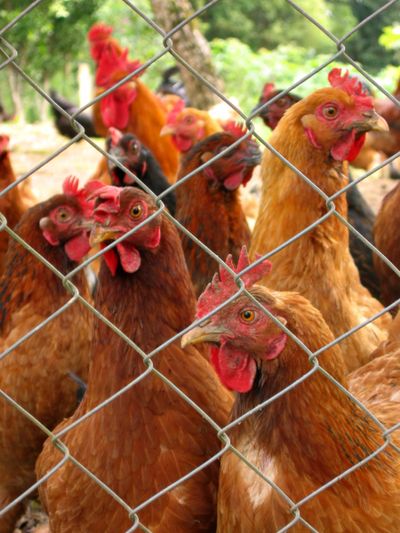
Consumers may have noticed the rising price of eggs and even some shortages at grocery stores lately due to H5N1 avian influenza, but as cases of human and animal infections continue to rise, how concerned should you be about the virus? Benjamin Anderson, Ph.D., an assistant professor in the University of Florida College of Public Health and Health Professions’ Department of Environmental and Global Health and lead for UF’s Emerging Pathogens Institute bird flu response team answers some questions about the risk of infection to humans and animals from bird flu and how to protect yourself. Who is at risk? Currently, the Centers for Disease Control and Prevention says the risk to humans is low. “That is correct on an overall level,” Anderson said. There is no human-to-human transmission right now. Anderson said that while there have been an “alarming” number of human cases, the number of infections is still fewer than 100. Of those, most have resulted in mild illness and were in people who had direct exposure to infected animals. So far, there has been only one death attributed to the current outbreak of H5N1, known more commonly as bird flu – a man in Louisiana who was infected by a backyard flock. “We do have a lot of people who keep chickens,” Anderson said. “Because of the situation in Louisiana, this has, I think, piqued the concern even more so among folks who might have backyard poultry to recognize that is a potential pathway for transmission.” If you see a dead chicken, do not touch it or try to investigate yourself. Instead, report it to the Florida Department of Agriculture and Consumer Services. Report dead wildlife, including migratory birds, to the Florida Fish and Wildlife Commission. Anderson said while the risk to the public is currently low, the future risk, including human-to-human transmission that could result in a pandemic, is still uncertain. Right now, he said, “Unless you’re handling poultry or working with or near dairy cattle, where bird flu outbreaks have been ongoing, your risk is relatively low.” Can I catch the virus from my backyard bird feeder? Gainesville is on a major flyway for migratory birds – a draw for birdwatching enthusiasts, particularly in the winter. This may be how bird flu has made its way into backyard flocks, since infected migratory birds shed the virus in their waste. So far, there is no data that suggests bird feeders could pose a significant transmission risk to people, and no reported human cases of bird flu have been traced to feeders. “However, when I say there’s no data, that means there’s no data. It hasn’t been investigated,” Anderson said. Waterfowl such as ducks and geese are more likely to carry the virus than songbirds. But if backyard birdwatchers are concerned, he said, take precautions such as wearing gloves and disinfecting bird feeders. And whether there’s an elevated risk of bird flu or not, always take care to avoid touching bird feces, which can contain salmonella. “Using some common sense, good hygiene practices, is going to be an effective way of protecting yourself,” he said. Are my outdoor cats in danger? Outdoor cats are susceptible to bird flu through exposure to dairy cattle, wild birds and contaminated raw milk. There is also new evidence of some sources of raw cat food being contaminated with H5N1. H5N1 causes severe infection in cats, with neurological symptoms that could mimic rabies. Infected cats may be disoriented, lethargic or disinterested in food. Florida residents can contact the Florida Health Department if they notice these symptoms in their pet. “If you see something unusual, seeking out professional care for that animal is an important thing to do,” Anderson said. As of now, it’s unclear whether cats can transmit the virus to humans, but as it adapts, transmission to other species could become easier and more widespread. What about eggs and poultry from the farmers market? Florida state statutes require sellers to register as a food supplier and meet certain criteria for food handling safety. But the regulations can be unclear to some small, local egg and poultry producers, and others operate under the radar. “I wouldn’t say that if you go to a farmers market, it’s a guarantee that the products you’re buying are produced under the proper regulations,” Anderson said, but the regulations themselves can be unclear. Some things you can do to keep yourself safe are asking the vendor if they’re registered and permitted with the state’s agriculture agency and checking that the products are labeled. Per the statutes, eggs must be refrigerated at all times between packaging and sale to the consumer. And definitely steer clear of raw milk, which has been tied to several human and animal H5N1 infections and always carries a risk of salmonella. “Don’t drink it, and don’t give it to your animals,” Anderson said. Is there a vaccine? How else can I protect myself? There is a vaccine for bird flu. While it isn’t currently being administered to humans in the U.S., Anderson said some agriculture workers in Europe have received it. “There is a potential justification for starting to release some of the stock of the H5N1-specific vaccine,” but it would come with tradeoffs, he said, such as maintaining stockpiles and keeping the vaccine matched well to an evolving virus. In his opinion, though, it makes sense to start the process now, both to protect workers who are already at higher risk of contracting the virus, and to begin collecting data on how well the vaccine is working. The idea that the U.S. should hold off on releasing a vaccine until bird flu becomes a pandemic is contrary to protecting public health, he said, adding that the tipping point for him was seeing the virus start to show up in backyard poultry. “That’s the rationale that I base my opinion off of,” Anderson said.

Forensic Meteorology in Insurance: Bridging Weather Science, Claims, and Liability
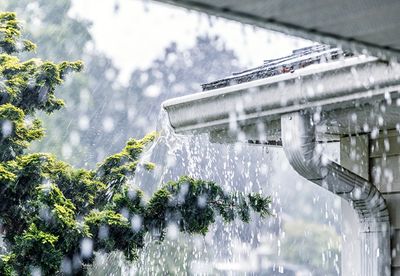
When severe weather strikes, the insurance industry is not only contending with damage and loss, but also with the question: Did this storm event actually occur, and did it trigger the risk covered under policy terms? J.S. Held's forensic meteorologist Daniel Schreiber authored an article explaining how Certified Consulting Meteorologists substantiate (or refute) storm-event claims by reconstructing what the weather actually did at a loss location. In his article “Forensic Meteorology in Insurance: How Do Certified Consulting Meteorologists Help with Storm Damage Claims & Disputes?” Schreiber illustrates how the overlap of a valid insurance policy, a damaging event, and a verified storm forms the core of many disputed claims. Dan Schreiber is a Certified Consulting Meteorologist with over ten years of experience in military, aviation, and severe weather operations. Mr. Schreiber has provided consulting and expert services for both plaintiff and defense law firms and insurance adjusters, appraisers, umpires, and policyholders throughout North America. He has been consulted and/or retained as an expert in over 850 matters and has testified in both depositions and during trials in state and federal courts. View his profile here Why This Matters In an era of escalating extreme weather events and heightened exposure for insurers, the science of forensic meteorology — the application of certified weather expertise to claims investigation and litigation — is becoming indispensable. Professional meteorology, as it relates to insurance claims handling and the litigation process, is becoming increasingly recognized, and the employment of meteorologists within the insurance industry is growing. Schedule an interview with Daniel Schreiber to learn more about how forensic meteorologists can help with insurance claims and disputes by clicking on his icon below.