
Experts Matter. Find Yours.
Connect for media, speaking, professional opportunities & more.

Higher education, biotech and innovation - will the future be part of the 2024 campaign?
As the RNC brings national attention to Milwaukee, discussions are expected to cover pivotal topics such as biotechnology, innovation, and higher education. And as the Republican National Convention 2024 begins, journalists from across the nation and the world will converge on Milwaukee, not only to cover the political spectacle but also to dig deeper on the key issues that may decide the election. To help visiting journalists navigate and understand these issues and how and where the Republican policies are taking on these topics our MSOE experts are available to offer insights. Dr. Wujie Zhang, Dr. Jung Lee, Dr. Eric Baumgartner, Dr. Candela Marini, and Dr. John Walz are leading voices nationally on these important subjects and are ready to assist with any stories during the convention. Dr. John Walz President Expertise: Thought leadership on higher education, relevancy and value of higher ed View Profile “Engineering is not a very diverse field,” Walz said. “I want to continue to push those boundaries and make our programs open, to see more and more under-represented students come here and succeed here, and do well here.” MSOE president John Walz works to make 'hidden gem' not so hidden. Milwaukee Journal Sentinel May 17, 2023 Dr. Wujie Zhang Professor, Chemical and Biomolecular Engineering Expertise: Biomaterials; Regenerative Medicine and Tissue Engineering; Micro/Nano-technology; Drug Delivery; Stem Cell Research; Cancer Treatment; Cryobiology; Food Science and Engineering (Fluent in Chinese and English) View Profile “We accidentally noticed that we can make the hydrogel particle red blood cell shaped,” he explains. “We started then to make artificial red blood cells to mimic pretty much all aspects of red blood cells.” You're Somebody's Type MKE Lifestyle January 24, 2020 Dr. Jung Lee Professor, Chemical and Biomolecular Engineering Expertise: Bioinformatics, drug design and molecular modeling. View Profile Dr. Eric Baumgartner Executive Vice President of Academics Expertise: Thought leadership on higher education, relevancy and value of higher ed, role of A.I. in future degrees and workforce development. View Profile MSOE serves as an educational resource to Wisconsin companies is building an A.I.-ready workforce. In 2018 MSOE was the first in the nation to launch a B.S. in Computer Science with a sole focus on A.I. and machine learning. Wisconsin Governor’s Task Force on Workforce and Artificial Intelligence December, 2023 Dr. Candela Marini Assistant Professor Expertise: Latin American Studies and Visual Culture View Profile “Contrary to stereotypical images of Native Americans trying to stop ‘progress’ by fighting against mines and pipelines projects, the Menominees’ sustainable forestry stands out as a clear example of resource management that actually thinks about, and works for, the future,” said Marini. The MSOE Mindset visits the Menominee Indian Reservation MSOE Online April 11, 2019 . . . Media Relations Contact To schedule an interview or for more information, please contact: JoEllen Burdue Senior Director of Communications and Media Relations Phone: (414) 839-0906 Email: burdue@msoe.edu . . . About Milwaukee School of Engineering (MSOE) Milwaukee School of Engineering is the university of choice for those seeking an inclusive community of experiential learners driven to solve the complex challenges of today and tomorrow. The independent, non-profit university has about 2,800 students and was founded in 1903. MSOE offers bachelor's and master's degrees in engineering, business and nursing. Faculty are student-focused experts who bring real-world experience into the classroom. This approach to learning makes students ready now as well as prepared for the future. Longstanding partnerships with business and industry leaders enable students to learn alongside professional mentors, and challenge them to go beyond what's possible. MSOE graduates are leaders of character, responsible professionals, passionate learners and value creators.


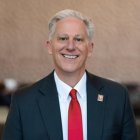



Milwaukee-Based Experts Available During 2024 Republican National Convention
Journalists attending the Republican National Convention (RNC) are invited to engage with leading Milwaukee School of Engineering (MSOE) experts in a range of fields, including artificial intelligence (AI), machine learning, cybersecurity, urban studies, biotechnology, population health, water resources, and higher education. MSOE media relations are available to identify key experts and assist in setting up interviews (See contact details below). As the RNC brings national attention to Milwaukee, discussions are expected to cover pivotal topics such as national security, technological innovation, urban development, and higher education. MSOE's experts are well-positioned to provide research and insights, as well as local context for your coverage. Artificial Intelligence, Machine Learning, Cybersecurity Dr. Jeremy Kedziora Associate Professor, PieperPower Endowed Chair in Artificial Intelligence Expertise: AI, machine learning, ChatGPT, ethics of AI, global technology revolution, using these tools to solve business problems or advance business objectives, political science. View Profile Dr. Derek Riley Professor, B.S. in Computer Science Program Director Expertise: AI, machine learning, facial recognition, deep learning, high performance computing, mobile computing, artificial intelligence View Profile Dr. Walter Schilling Professor Expertise: Cybersecurity and the latest technological advancements in automobiles and home automation systems; how individuals can protect their business operations and personal networks. View Profile Milwaukee and Wisconsin: Culture, Architecture & Urban Planning, Design Dr. Michael Carriere Professor, Honors Program Director Expertise: an urban historian, with expertise in American history, urban studies and sustainability; growth of Milwaukee's neighborhoods, the challenges many of them are facing, and some of the solutions that are being implemented. Dr. Carriere is an expert in Milwaukee and Wisconsin history and politics, urban agriculture, creative placemaking, and the Milwaukee music scene. View Profile Kurt Zimmerman Assistant Professor Expertise: Architectural history of Milwaukee, architecture, urban planning and sustainable design. View Profile Biotechnology Dr. Wujie Zhang Professor, Chemical and Biomolecular Engineering Expertise: Biomaterials; Regenerative Medicine and Tissue Engineering; Micro/Nano-technology; Drug Delivery; Stem Cell Research; Cancer Treatment; Cryobiology; Food Science and Engineering (Fluent in Chinese and English) View Profile Dr. Jung Lee Professor, Chemical and Biomolecular Engineering Expertise: Bioinformatics, drug design and molecular modeling. View Profile Population Health Robin Gates Assistant Professor, Nursing Expertise: Population health expert: understanding and addressing the diverse factors that influence health outcomes across different populations. View Profile Water Resources Dr. William Gonwa Professor, Civil Engineering Expertise: Water Resources, Sewers, Storm Water, Civil Engineering education View Profile Higher Education Dr. Eric Baumgartner Executive Vice President of Academics Expertise: Thought leadership on higher education, relevancy and value of higher ed, role of A.I. in future degrees and workforce development. View Profile Dr. Candela Marini Assistant Professor Expertise: Latin American Studies and Visual Culture View Profile Dr. John Walz President Expertise: Thought leadership on higher education, relevancy and value of higher ed View Profile Media Relations Contact To schedule an interview or for more information, please contact: JoEllen Burdue Senior Director of Communications and Media Relations Phone: (414) 839-0906 Email: burdue@msoe.edu About Milwaukee School of Engineering (MSOE) Milwaukee School of Engineering is the university of choice for those seeking an inclusive community of experiential learners driven to solve the complex challenges of today and tomorrow. The independent, non-profit university has about 2,800 students and was founded in 1903. MSOE offers bachelor's and master's degrees in engineering, business and nursing. Faculty are student-focused experts who bring real-world experience into the classroom. This approach to learning makes students ready now as well as prepared for the future. Longstanding partnerships with business and industry leaders enable students to learn alongside professional mentors, and challenge them to go beyond what's possible. MSOE graduates are leaders of character, responsible professionals, passionate learners and value creators.

Discovery may lead to more precise treatments for advanced colorectal cancer Researchers at ChristianaCare’s Cawley Center for Translational Cancer Research at the Helen F. Graham Cancer Center & Research Institute have demonstrated for the first time that microRNA (miRNA) expression leads to a diversity of cancer stem cells within a colorectal cancer tumor. This diversity of cancer cells may explain why advanced colorectal cancer is difficult to treat. Study results have been in the Journal of Stem Cell Research and Therapy. The findings broaden the understanding of how miRNA expression adds to cancer stem cell diversity and may lead to more precise anti-cancer treatments for patients with advanced colorectal cancer. The research builds on prior discoveries by scientists at the Graham Cancer Center about how cancer stem cell activity contributes to the development and spread of colorectal cancer. “Our research shows — at least in the laboratory — that there are different subpopulations of cancer stem cells in a tumor, and they may be driving the growth of the cancer,” said Principal Investigator Bruce Boman, M.D., Ph.D., MSPH, FACP, medical director of Cancer Genetics and Stem Cell Biology at the Graham Cancer Center. “In one subpopulation of cancer stem cells, its miRNA will shut down the stem cell genes that are expressed in another subpopulation, and vice versa, within the same tumor.” From left: ChristianaCare researchers Lynn Opdenaker, Ph.D., Brian Osmond, Bruce Boman, M.D., Ph.D., Chi Zhang, Victoria Hunsu, Caroline Facey, Ph.D. Not pictured Victoria Stark, MS. The study focused on the composition of cancer stem cells within a colorectal cancer cell line (HT29) in the laboratory setting. Researchers evaluated the different cancer stem cell subpopulations that were identified by examining patterns of miRNA expression in each subpopulation and looking for differences. The researchers found that each of the four diverse subpopulations that were studied (ALDH, LRIG1, CD166 and LGR5) had a different miRNA expression or gene signature. The researchers found that miRNA expression could inhibit the expression of messenger RNA (mRNA), which carries instructions from the DNA to encode specific proteins within cells. Therefore, miRNA, by controlling gene expression, dictate which proteins are contained in the stem cells. The researchers discovered the miRNA that are upregulated in certain cancer stem cell subpopulations are downregulated in other cancer stem cell subpopulations. In this way, differential miRNA expression leads to cancer stem cell heterogeneity within colorectal tumor tissue. “It’s an early research finding and needs to be followed up with other experiments, but it has clear relevance to the clinic,” Boman said. “The question is: Can you target the miRNA to make cancer more sensitive to certain treatments? Because we know what the current anti-cancer treatments are targeting, we may be able to modulate or manipulate the cancer, so it becomes more sensitive to the treatment.” Identification of a network of genes regulated by microRNAs in a cancer stem cell subpopulation. For more than a decade, ChristianaCare’s researchers have contributed to the understanding of the role that cancer stem cells and miRNA expression play in the development and spread of colorectal cancer. This latest finding builds on earlier discoveries that examined a link between two cellular signaling pathways: retinoic acid (RA) signaling and wingless-related integration site (WNT) signaling, which are dysregulated by different gene mutations in colorectal tumors. The RA signaling pathway induces growth arrest and differentiation of cancer stem cells. Notably, retinoic acid is effective against other types of cancer such as leukemia. The role of the WNT signaling pathway has an opposite effect on tumor growth. The WNT signaling pathway is activated by a mutation in the APC (adenomatous polyposis coli) gene in about 90% of cases of colorectal cancer. In APC mutant tissue, dysregulated miRNA expression may underlie an imbalance between the RA and WNT signaling, which then leads to intratumoral cancer stem cell heterogeneity. Still, this mechanism that may enable the cancer to proliferate could also provide clues on how to more effectively treat cancer. “If you’ve got an imbalance between these two signaling pathways, then you’ve likely got a growth driver,” Boman said. “The question is: Can you suppress the WNT signaling and enhance the retinoic acid signaling?” It may be possible to increase the sensitivity of colorectal cancer to retinoic acid-type drugs, and therapeutically shift the balance between different cancer stem cell subpopulations, thereby suppressing cancer growth. More research is needed to determine how targeted cancer therapies containing retinoic acid-type drugs may be made more effective against advanced cancer. This research will be presented at the annual meeting of the American Association for Cancer Research in Orlando, Florida, April 14-19. This research project was supported by a grant from the Lisa Dean Moseley Foundation.


Potential long-term treatment for asthma found - new research
New approach tackles one of the causes of asthma, not just its symptoms In treated mice, symptoms virtually disappeared within two weeks Further research needed before the treatment can be trialled in humans. A possible way to tackle one of the underlying causes of asthma has been developed by researchers from Aston University and Imperial College London. In tests in mice, the researchers were able to virtually eliminate asthmatic symptoms within two weeks and return their airways to near normal. Just under 5.5 million people in the UK receive treatment for asthma and around 1,200 people die of the disease each year. Asthma causes the airways to become thickened and constricted, resulting in symptoms such as wheezing and shortness of breath. Current treatments, including steroids, provide short term relief from these symptoms, by either relaxing the airways or reducing inflammation. However, no current drugs address the structural changes asthma makes to the airway and lungs, in order to offer a longer-lasting treatment. Lead researcher, Dr Jill Johnson, from Aston University’s School of Biosciences, said: “By targeting the changes in the airway directly, we hope this approach could eventually offer a more permanent and effective treatment than those already available, particularly for severe asthmatics who don’t respond to steroids. However, our work is still at an early stage and further research is needed before we can begin to test this in people.” The research focused on a type of stem cell known as a pericyte, which is mainly found in the lining of blood vessels. When asthmatics have an allergic and inflammatory reaction, for example to house dust mites, this causes the pericytes to move to the airway walls. Once there, the pericytes develop into muscle cells and other cells that make the airway thicker and less flexible. This movement of the pericytes is triggered by a protein known as CXCL12. The researchers used a molecule called LIT-927 to block the signal from this protein, by introducing it into the mice’s nasal passages. Asthmatic mice that were treated with LIT-927 had a reduction in symptoms within one week and their symptoms virtually disappeared within two weeks. The researchers also found that the airway walls in mice treated with LIT-927 were much thinner than those in untreated mice, closer to those of healthy controls. The team are now applying for further funding to carry out more research into dosage and timing. This would help them to determine when might be the most effective time to administer the treatment during the progress of the disease, how much of LIT-927 is needed, and to better understand its impact on lung function. They believe that, should this research be successful, it will still be several years before the treatment could be tested in people. The research was funded by the Medical Research Council, part of UK Research and Innovation and is published in Respiratory Medicine.


Up in smoke? With vaping on the edge of banishment, let our experts help with your coverage
The U.S. Food and Drug Administration (FDA) has paused a ban on the sale of Juul Labs' e-cigarettes, saying an additional review of the company's marketing application is required. The once thriving company won a temporary reprieve a couple of weeks ago after a federal appeals court stayed the FDA's ban, following an appeal from Juul for an emergency review of the regulator's order. Juul has always been in the spotlight, in part because of its prominent placement atop the e-cigarette chain, but with the company facing a potential demise, it could be the first casualty, with the rest of the vaping industry in the government's sights. Dr. Zubair Karim, assistant professor in the Department of Interdisciplinary Health Sciences at Augusta University, fields a few questions and lends his expert perspective on this topic. With the ban on Juul products, could this result in a ban on other companies’ e-cigarette products as well, or was there something specifically about Juul that caused their ban? This is the first steps toward the banning of the e-cigarette, i.e., Juul, where the FDA took a significant and bold step. Gradually, this will open the path for banning of the other e-cigarette products. There are no differences in the Juul and other products but Juul became more popular in our young generation. Many local and state jurisdictions have recently begun enacting laws that prohibit e-cigarette usage that smoking is banned, although some state laws with comprehensive smoke-free laws will still allow for vaping to be permitted in bars and restaurants while prohibiting e-cigarettes in other indoor places. On a more basic level, what are platelets (where are they, and what do they do) and do we know what has caused them to react more negatively compared to traditional smoking? Platelets are small and colorless stem cell fragments present in our blood. They are disk-shaped and don’t have a nucleus. It plays an important role in maintaining vascular integrity based on their ability to respond to lesions in a vessel wall. Hyperactivity of platelets is known to cause spurious clot formation and occlusive loss of blood flow, leading to strokes and heart attacks, whereas hypoactivity causes bleeding diathesis with life-threatening consequences. Several studies have been reported that smoking induces oxidative stress, leading to increased platelet activation, whereas nicotine causes the damage of endothelial lining of the arterial and venous system and ultimately leads to the severe life-threatening consequences. What are thrombotic events and why should someone be worried about them? Thrombosis is the formation of a blood clot (partial or complete blockage) within blood vessels, whether venous or arterial, limiting the natural flow of blood. There are several complications depending on where the thrombosis is located. The most serious problems include stroke, heart attack and serious breathing problems, which is called pulmonary embolism. If the patients are not treated in a timely manner, it will lead to life-threatening conditions. However, progression of the disease can be prevented by following changes in our lifestyle such as increasing physical activity, quitting smoking, losing weight, eating a balanced diet, quitting junk food and managing other health conditions. How do nicotine and other harmful chemical levels compare in vaping vs. traditional cigarettes? Both smoking and vaping have similar side effects and cause serious health risks in the long run. Scientists do not fully understand the long-term health effects of electronic cigarettes (e-cigarettes), yet science indicates that they are not a safe alternative to smoking. In the last several years it has been observed that vaping is growing in popularity among teenagers. Moreover, e-cigarettes contain a large dose of nicotine, a substance known to slow the development of brains in fetuses, children and teens. Furthermore, vaping involves breathing in aerosol that contains several chemicals, including nicotine and flavoring through an e-cigarette or other devices. Also, the liquid present in the e-cigarettes which creates the vapor is dangerous to adults and children if they swallow, inhale, or get it on the skin. Nonetheless, vaping also delivers dangerous chemicals, including diacetyl, cancer-causing chemicals, heavy metals, volatile organic compounds (VOCs), and such toxic chemicals that are not generated in traditional cigarettes. In summary, long-term vaping causes similar toxic impact to overall health compared to traditional cigarettes. This court case will be getting a lot of attention and could determine the future of the e-cigarette industry. If you're a journalist looking to know - then let Augusta University's expert help. Karim is available to speak with reporters about vaping and e-cigarettes. Simply click on his icon now to arrange an interview today.


While a huge focus is on health and mortality during the coronavirus outbreak, not to be forgotten are those who are grappling with death from natural causes, diseases, accidents and crime. Funerals and visitations are the customary means of support friends and loved ones — but restricted travel and social distancing poses challenges. Here are suggestions about grieving from Candi Cann, Ph.D., associate professor in the Baylor Interdisciplinary Core of the Honors College and author of “Virtual Afterlives: Grieving the Dead in the Twenty-first Century”; and Bill Hoy, clinical professor of medical humanities and author of “Do Funerals Matter: The Purposes and Practices of Death Rituals in Global Perspective.” Q: Funerals and visitations are such a time of hugs, hand-holding, prayers, closeness — simply being there. How might travel restrictions, social distancing and concerns for personal health interfere — and how can family and friends be supportive? CANN: I think live-streaming of funerals is a great option and allows people to be present from a distance. Most companies also offer virtual guestbooks where one can leave a teddy bear or flowers, light candles, etc., online in honor of the person. Many cemeteries are also moving online so that each gravestone will have a corresponding virtual memorial, filled with the deceased person's playlist, videos, pictures and memories. Of course, as with all technology, the capability of funeral homes varies from business to business, but my guess is that from an industry perspective, we are going to see a jump in virtual and online offerings as the funeral industry tries to stay relevant and contemporaneous. Also, if presence is important, one can choose disposal options that allow for the return of the deceased into the home, such as being cremated into cremains, or made into a diamond that one wears, or a record that one plays. You can insert cremains into the vinyl and make a record, or a glass sculpture with the cremains mixed into the glass. So, you don't have to be separated from the dead. HOY: I agree that live-streaming may have to suffice, but our experience shows it is a poor second choice. From time immemorial, we have seen that physical presence is vital, and I think that is what is so alarming to me about some of the current discussion in our culture. I was taking care of AIDS patients in Los Angeles in the 1980s when we saw some of the same disenfranchisement of grief, requiring direct cremation of the body and in some cases, forbidding the gathering of people in funeral rituals. It did not turn out to be a psychosocially sound practice and is creating a high level of concern on the part of my clinical colleagues. Q: Have there been times in history when this has been an issue as well when it comes to contagious disease? Have people taken safeguards before? HOY: Two notable examples were the 1918-19 Influenza Epidemic — unfortunately misnamed Spanish Flu — and the 2014-15 Ebola crisis in West Africa. In both cases, high numbers of dead coupled with high levels of contagion caused health authorities to create quarantines and eliminate gatherings such as funerals. Recent research out of the Ebola epidemic indicates that at least in some cases, these measures were counterproductive in that “secret” burials took place and those who had money were able to bribe officials to look the other way. I think we want to be especially vigilant to make sure we are being economically and socially just in the policies we put in place. Fortunately, we do have media to help bridge those gaps now that were not available in those other events, so that will almost certainly help. I am going to stop far short, however, of suggesting that media even approaches a point of providing the same psycho-social-spiritual benefit that sharing a space, rubbing shoulders and sharing tears do. CANN: The most recent epidemic in the United States was the AIDS epidemic in the 1980s and 1990s. By October of 1995, there were over half a million cases of people with AIDS, and many people did not know how to treat or interact with those who were infected. And just this month, a second person was cured of HIV with a stem cell transplant. I have lots of faith in our scientists and that they will be able to create an effective vaccination or cure for COVID-19. Q: Besides finding new or different ways to express support and love to others, what about oneself? We hear about self-isolation – what about self-comfort and self-care in other ways? HOY: This is a great time for self-reflection. What I am doing for myself are the things I recommend to others. Besides being vigilant about what I eat and getting out in the fresh air, I am taking care of myself by limiting my exposure to media. I have not been a big user of social media anyway, but I recommend to folks to be very careful about that because the COVID-19 misinformation is rampant. Instead, I check the National Institutes of Health website once each day for scientific updates, and I have taken all the news update alerts off my phone. Instead, I am trying to give more time to talking with family and friends by phone and video conferencing, journaling and reading. Of course, like other professors, I am spending time talking with students and getting ready to take my classes online next week. In my personal Bible study time, I decided I would spend some time looking at Scripture passages that address fear and have particularly enjoyed hearing God’s perspective on this. CANN: I think one of the hardest things about death is that life goes on without the dead. The birds keep chirping, the flowers keep blooming, people keep being worried about the most mundane matters — and that's difficult when a part of our world has stopped. But this is also what is beautiful about death. It forces us to see life all around us — its fragility, its constancy and its beauty. So, for me, self-care in grief is talking about death, talking with others about the one we lost and living again — in honor of the person who died who doesn't get to be here living anymore. As we embrace life, I strongly recommend that people reach out to friends and family. Social distancing does not need to mean social isolation. I'm also going on regular walks and spending time outside. We need to stay healthy and in shape during this time. Some people are finding it fun to do group-gaming and discovering new ways to spend time with family and friends either virtually in games or via video. Catholic churches are offering drive-through Eucharist and confession, Protestant churches are live-streaming their services and youth groups, Islamic mosques are live-streaming prayers and Buddhist temples are live-streaming meditation sessions. ABOUT BAYLOR UNIVERSITY Baylor University is a private Christian University and a nationally ranked research institution. The University provides a vibrant campus community for more than 17,000 students by blending interdisciplinary research with an international reputation for educational excellence and a faculty commitment to teaching and scholarship. Chartered in 1845 by the Republic of Texas through efforts of Baptist pioneers, Baylor is the oldest continually operating University in Texas. Located in Waco, Baylor welcomes students from all 50 states and more than 90 countries to study a broad range of degrees among its 12 nationally recognized academic divisions.


CRISPR is the genetic game changer – but are we ready?
CRISPR is here to stay – and the daily advances of this technology and stem cell therapy seem to be moving at a near exponential speed. “CRISPR Therapeutics of Zug, Switzerland, reported that one patient with sickle cell anemia and another with beta thalassemia appear to have benefited from the same CRISPR-based intervention for up to 9 months, STAT reports. (The company gave STAT an early look at the data but did not allow outside commenters to see the results.) Before the treatment, both patients required multiple infusions each year of red blood cells. CRISPR Therapeutics, collaborating with Vertex Pharmaceuticals, removed blood stem cells from their bodies and modified them with CRISPR to knock out a gene that shuts down production of fetal hemoglobin. When the edited cells were put back in each patient’s body through a stem cell transplant—which required a toxic chemotherapy to kill their own stem cells—both people produced high levels of fetal hemoglobin and no longer needed transfusions.” November 19 – Science Mag CRISPR and how it will shape the future of genetics, health care and society are the subject of great debate, hope and concern and if you are a journalist covering this topic and need an expert source for insight and perspective – let us help. Dr. Michael Davis researches cardiac regeneration, stem cell therapy and preservation at the Georgia Tech College of Engineering where he also is the Associate Chair for Graduate Studies in Biomedical Engineering. Michael is available to speak to media regarding this topic, simply click on his icon to arrange an interview.



Cord blood awareness – let our experts help with coverage
July is Cord Blood Awareness Month. In the simplest of terms, cord blood is found in the blood vessels of the placenta and the umbilical cord and collected after a baby is born and after the umbilical cord is cut. The benefits of cord blood transplantation are many, according to the Human Cord Blood Stem Cell Core Laboratory at Augusta University: Can be stored for personal use (biological insurance) or donated for others to use Important for ethnic minorities for whom bone marrow donors are difficult to locate Less risk of infectious disease contamination Less stringent HLA-matching required for use in transplantation Fewer side-effects after transplantation Cord blood transplantation can be used in the treatment of leukemia and other blood disorders, sickle cell disease, bone marrow failure diseases, immune deficiency diseases, neuroblastoma and more. “Cord blood is useful because it is a source of stem cells that form into blood cells. Cord blood can be used for transplantation in people who need regeneration, that is, ‘regrowth,’ of these blood-forming cells,” says Keith Wonnacott, Ph.D., chief of the Cellular Therapies Branch in FDA’s Office of Cellular, Tissue, and Gene Therapies. “For instance, in many cancer patients, the disease is found in the blood cells. Chemotherapy treatment of these patients kills both cancer cells and the healthy blood-forming stem cells. Transplanted stem cells from cord blood can help regrow the healthy blood cells after the chemotherapy.” – USFDA website Cord blood and stem cell research are often in the news and sometimes even the subject of serious debate. Are you a journalist looking to cover Cord Blood Awareness Month, or do you have questions for ongoing stories? That’s where our experts can help. Dr. Jatinder Bhatia is an expert on infant nutrition, neonatology, and ECMO for the Medical College of Georgia at Augusta University. Dr. Bhatia is available to speak with media regarding cord blood, its uses and the research behind it – simply click on his icon to arrange an interview.