
Experts Matter. Find Yours.
Connect for media, speaking, professional opportunities & more.

Babies react to taste and smell in the womb – new research
Scientists have recorded the first direct evidence that babies react differently to various smells and tastes while in the womb Study took 4D ultrasound scans of 100 pregnant women to see how their unborn babies responded to flavours from foods eaten by their mothers The research team, which also included scientists from Aston University, scanned some mothers to see fetal facial reactions to the kale and carrot flavours. Scientists have recorded the first direct evidence that babies react differently to various smells and tastes while in the womb by looking at their facial expressions. A study led by Durham University’s Fetal and Neonatal Research Lab, UK, took 4D ultrasound scans of 100 pregnant women to see how their unborn babies responded after being exposed to flavours from foods eaten by their mothers. Researchers looked at how the fetuses reacted to either carrot or kale flavours just a short time after the flavours had been ingested by the mothers. Fetuses exposed to carrot showed more “laughter-face” responses while those exposed to kale showed more “cry-face” responses. Their findings could further our understanding of the development of human taste and smell receptors. The researchers also believe that what pregnant women eat might influence babies’ taste preferences after birth and potentially have implications for establishing healthy eating habits. The study is published in the journal Psychological Science. Humans experience flavour through a combination of taste and smell. In fetuses it is thought that this might happen through inhaling and swallowing the amniotic fluid in the womb. Lead researcher Beyza Ustun, a postgraduate researcher in the Fetal and Neonatal Research Lab, Department of Psychology, Durham University, said: “A number of studies have suggested that babies can taste and smell in the womb, but they are based on post-birth outcomes while our study is the first to see these reactions prior to birth. “As a result, we think that this repeated exposure to flavours before birth could help to establish food preferences post-birth, which could be important when thinking about messaging around healthy eating and the potential for avoiding ‘food-fussiness’ when weaning. “It was really amazing to see unborn babies’ reaction to kale or carrot flavours during the scans and share those moments with their parents.” The research team, which also included scientists from Aston University, Birmingham, UK, and the National Centre for Scientific Research-University of Burgundy, France, scanned the mothers, aged 18 to 40, at both 32 weeks and 36 weeks of pregnancy to see fetal facial reactions to the kale and carrot flavours. Mothers were given a single capsule containing approximately 400mg of carrot or 400mg kale powder around 20 minutes before each scan. They were asked not to consume any food or flavoured drinks one hour before their scans. The mothers also did not eat or drink anything containing carrot or kale on the day of their scans to control for factors that could affect fetal reactions. Facial reactions seen in both flavour groups, compared with fetuses in a control group who were not exposed to either flavour, showed that exposure to just a small amount of carrot or kale flavour was enough to stimulate a reaction. Co-author Professor Nadja Reissland, head of the Fetal and Neonatal Research Lab, Department of Psychology, Durham University, supervised Beyza Ustun’s research. She said: “Previous research conducted in my lab has suggested that 4D ultrasound scans are a way of monitoring fetal reactions to understand how they respond to maternal health behaviours such as smoking, and their mental health including stress, depression, and anxiety. “This latest study could have important implications for understanding the earliest evidence for fetal abilities to sense and discriminate different flavours and smells from the foods ingested by their mothers.” Co-author Professor Benoist Schaal, of the National Centre for Scientific Research-University of Burgundy, France, said: “Looking at fetuses’ facial reactions we can assume that a range of chemical stimuli pass through maternal diet into the fetal environment. “This could have important implications for our understanding of the development of our taste and smell receptors, and related perception and memory.” The researchers say their findings might also help with information given to mothers about the importance of taste and healthy diets during pregnancy. They have now begun a follow-up study with the same babies post-birth to see if the influence of flavours they experienced in the womb affects their acceptance of different foods. Research co-author Professor Jackie Blissett, of Aston University, said: “It could be argued that repeated prenatal flavour exposures may lead to preferences for those flavours experienced postnatally. In other words, exposing the fetus to less ‘liked’ flavours, such as kale, might mean they get used to those flavours in utero. “The next step is to examine whether fetuses show less ‘negative’ responses to these flavours over time, resulting in greater acceptance of those flavours when babies first taste them outside of the womb.”


Up in smoke? With vaping on the edge of banishment, let our experts help with your coverage
The U.S. Food and Drug Administration (FDA) has paused a ban on the sale of Juul Labs' e-cigarettes, saying an additional review of the company's marketing application is required. The once thriving company won a temporary reprieve a couple of weeks ago after a federal appeals court stayed the FDA's ban, following an appeal from Juul for an emergency review of the regulator's order. Juul has always been in the spotlight, in part because of its prominent placement atop the e-cigarette chain, but with the company facing a potential demise, it could be the first casualty, with the rest of the vaping industry in the government's sights. Dr. Zubair Karim, assistant professor in the Department of Interdisciplinary Health Sciences at Augusta University, fields a few questions and lends his expert perspective on this topic. With the ban on Juul products, could this result in a ban on other companies’ e-cigarette products as well, or was there something specifically about Juul that caused their ban? This is the first steps toward the banning of the e-cigarette, i.e., Juul, where the FDA took a significant and bold step. Gradually, this will open the path for banning of the other e-cigarette products. There are no differences in the Juul and other products but Juul became more popular in our young generation. Many local and state jurisdictions have recently begun enacting laws that prohibit e-cigarette usage that smoking is banned, although some state laws with comprehensive smoke-free laws will still allow for vaping to be permitted in bars and restaurants while prohibiting e-cigarettes in other indoor places. On a more basic level, what are platelets (where are they, and what do they do) and do we know what has caused them to react more negatively compared to traditional smoking? Platelets are small and colorless stem cell fragments present in our blood. They are disk-shaped and don’t have a nucleus. It plays an important role in maintaining vascular integrity based on their ability to respond to lesions in a vessel wall. Hyperactivity of platelets is known to cause spurious clot formation and occlusive loss of blood flow, leading to strokes and heart attacks, whereas hypoactivity causes bleeding diathesis with life-threatening consequences. Several studies have been reported that smoking induces oxidative stress, leading to increased platelet activation, whereas nicotine causes the damage of endothelial lining of the arterial and venous system and ultimately leads to the severe life-threatening consequences. What are thrombotic events and why should someone be worried about them? Thrombosis is the formation of a blood clot (partial or complete blockage) within blood vessels, whether venous or arterial, limiting the natural flow of blood. There are several complications depending on where the thrombosis is located. The most serious problems include stroke, heart attack and serious breathing problems, which is called pulmonary embolism. If the patients are not treated in a timely manner, it will lead to life-threatening conditions. However, progression of the disease can be prevented by following changes in our lifestyle such as increasing physical activity, quitting smoking, losing weight, eating a balanced diet, quitting junk food and managing other health conditions. How do nicotine and other harmful chemical levels compare in vaping vs. traditional cigarettes? Both smoking and vaping have similar side effects and cause serious health risks in the long run. Scientists do not fully understand the long-term health effects of electronic cigarettes (e-cigarettes), yet science indicates that they are not a safe alternative to smoking. In the last several years it has been observed that vaping is growing in popularity among teenagers. Moreover, e-cigarettes contain a large dose of nicotine, a substance known to slow the development of brains in fetuses, children and teens. Furthermore, vaping involves breathing in aerosol that contains several chemicals, including nicotine and flavoring through an e-cigarette or other devices. Also, the liquid present in the e-cigarettes which creates the vapor is dangerous to adults and children if they swallow, inhale, or get it on the skin. Nonetheless, vaping also delivers dangerous chemicals, including diacetyl, cancer-causing chemicals, heavy metals, volatile organic compounds (VOCs), and such toxic chemicals that are not generated in traditional cigarettes. In summary, long-term vaping causes similar toxic impact to overall health compared to traditional cigarettes. This court case will be getting a lot of attention and could determine the future of the e-cigarette industry. If you're a journalist looking to know - then let Augusta University's expert help. Karim is available to speak with reporters about vaping and e-cigarettes. Simply click on his icon now to arrange an interview today.

Questions about colon cancer? Our experts are here to help with your coverage
Every year, National Colorectal (colon) Cancer Awareness Month is observed during the month of March in an effort to raise awareness of the importance for colon cancer screenings. The recognition offers health care providers the opportunity to educate the general public about a disease that can be preventable, but can sometimes be seen as difficult for patients to discuss with their doctors. In the spirit of education, one of Augusta University’s experts has provided some insight into the subject of colon cancer. Dr. Asha Nayak-Kapoor is an associate professor of medicine in the Division of Hematology/Oncology in the Department of Medicine at the Medical College of Georgia at Augusta University. Nayak is certified by the American Board of Internal Medicine in Hematology and Oncology Specialties. Q: What are the primary risk factors for colon cancer? “Risk factors for colon cancer include: being overweight or obese, not being physically active, certain types of diets, smoking, alcohol use, being older, a personal history of colorectal polyps or colorectal cancer, a personal history of inflammatory bowel disease, a family history of colorectal cancer or adenomatous polyps, having an inherited syndrome. Common symptoms of colorectal cancer include: bloody stool or rectal bleeding, an ongoing change in bowel habits (diarrhea, constipation, chance in stool consistency), abdominal pain or cramping, gas or persistent abdominal discomfort, you feel like your bowels are not voiding completely, weakness, fatigue, or unexplained weight loss.” Q: How can a person protect themselves from the risks of colon cancer? “Colon cancer is largely preventable if patients undergo screening tests, like a surveillance colonoscopy starting at 45 years or earlier depending on family history. Many lifestyle-related factors have been linked to colorectal cancer. In fact, the links between diet, weight, and exercise and colorectal cancer risk are some of the strongest for any type of cancer. Getting to and staying at a healthy weight may help lower your risk. A diet that's high in red meats (such as beef, pork, lamb, or liver) and processed meats (like hot dogs and some luncheon meats) raises your colorectal cancer risk. Cooking meats at very high temperatures (frying, broiling, or grilling) creates chemicals that might raise your cancer risk. It’s not clear how much this might increase your colorectal cancer risk. Stop smoking. It is best not to drink alcohol. People with a history of colorectal cancer in a first-degree relative (parent, sibling, or child) are at increased risk. The risk is even higher if that relative was diagnosed with cancer when they were younger than 50, or if more than one first-degree relative is affected.” Q: It sometimes seems that colon cancer prevention is aimed more towards men compared to women, but cancer.org lists the risks at 1 in 23 (4.3%) for men and 1 in 25 (4.0%) for women. Is there a reason why perhaps a stigma about colon cancer affecting men more has been created? “According to focus group studies, it can be seen as a taboo topic that is uncomfortable to discuss, and it is not discussed as openly in public as prostate and breast cancer screenings. It can seem embarrassing or humiliating, and can be seen as distasteful dealing with prolonged bowel preparation.” Nayak is a member of several committees, including Onyx and Bayer Speaker Bureau for Nexavar, MCG Cancer Center Molecular Oncology Programme, and MCG Cancer Center Gastrointestinal Tumor Board Committee. If you are a journalist looking to know more about colorectal cancer and would like to speak with an expert for your stories, then let us help. Nayak is available to speak with media about this important subject. Simply click on her icon now to arrange an interview today.


Major study reveals the lasting impact of Covid lockdowns
New research from the University of East Anglia reveals first-hand the lasting impact that lockdowns may have had on people’s mental and physical health. The UK’s first Covid lockdown was announced by Prime Minister Boris Johnson exactly two years ago today. Just a few days later, researchers at UEA launched a major project to track the mental and physical health of the nation through lockdowns and beyond. More than 1,000 participants carried out daily surveys – with questions on a range of lifestyle behaviours including physical activity, diet, sleep, smoking, drinking, and drug use. Some of the participants were then interviewed by the research team, to try to understand what was happening for people from their own viewpoints. Listen to what they had to say in our oral history project Lockdown Voices. New findings published today show how people responded very differently to social restrictions depending on their existing circumstances. For those who were less well-off to start with, adapting to lockdown was more difficult, and health behaviours typically worsened to a greater extent. In contrast, those who were better off at the start of the pandemic demonstrated faster adaptation and were more able to respond positively to restrictions, for example by taking to online exercise classes. It is likely that any lasting impact to mental and physical health will therefore be much greater for those who were worse off to start with. Those with good social links and healthy behaviours already in place described in their interviews how they were able to adapt to lockdown and thrive, whereas some of the more vulnerable in our communities had fallen into unhealthy spirals. Prof Caitlin Notley, from UEA's Norwich Medical School, said: “When the first lockdown was announced back in 2020, we started surveying participants from around the UK daily. Our initial results showed that people were eating less fruit and veg, getting less exercise and drinking more alcohol. “It quickly became apparent that lockdown may have lasting consequences for the physical and mental health of the nation. “We wanted to see whether people’s lifestyles changed in the long-term so we continued the study by carrying out regular surveys with the participants, and interviewing some people to find out more.” Now, two years on, the team’s results show how health inequalities are likely to have widened. Prof Notley said: “Social restrictions imposed as a result of the coronavirus pandemic have had a significant impact on health behaviours at the individual and population level. “It’s fair to say that all of our participants’ lives were disrupted by lockdown and they were forced to adapt. “But people responded to the lockdowns very differently and their experiences of social restrictions varied considerably. “Fundamentally, people were hindered or helped by their existing support structures and resources, such as access to technology to engage with the outside world, or private outdoor space. “Those people who had good friends, community links and who were already health conscious, were able to respond positively and better able to cope. “They were able to adapt to the ‘new normal’, use technology to keep in touch with friends and relatives, order veg boxes, carry on with a healthy diet and take part in healthy pursuits in new and innovative ways such as online fitness classes or ‘doing Joe Wicks’. “But lockdowns are very likely to have caused a sustained widening of social and health inequalities. “Those who remained in work outside the home, or who were retired, were the least impacted overall. But those who were unemployed, younger, on a lower income, clinically unwell or told to fully shield were particularly impacted by strict restrictions. “For these more vulnerable people, supportive social factors were taken away or severely restricted. Anxiety and depression worsened, and unhealthy behaviours like exercising less, drinking more alcohol, and eating a poor diet increased. “As we work through the ‘roadmap to recovery’, emphasis needs to be placed on a collaborative, community-based approach, with a focus on what makes us well. “Encouraging membership of community exercise groups, for example, may help those most impacted to engage again with healthy behaviours to keep them well. We also need to pay attention to how those who are less well-off responded more negatively to the policy of lockdown, so that lessons can be learnt for the future,” she added. ‘Disruption and adaptation in response to the coronavirus pandemic – assets as contextual moderators of enactment of health behaviours’ is published in the British Journal of Health Psychology.


Flavoured vapes less harmful to young people than smoking, could help teen smokers quit
Flavoured vapes are much less harmful to young people than smoking, and could help teen smokers quit tobacco – according to new research from the University of East Anglia. A new study published today looks at young peoples’ use of vape flavours, reporting the views and experiences of more than 500,000 under 18s. It finds that flavours are an important aspect of vaping that young people enjoy, suggesting that flavoured products may help them switch away from harmful tobacco smoking. But the researchers warn that more needs to be done to make sure that youngsters who have never smoked are not attracted to vaping. Lead researcher, Prof Caitlin Notley, from UEA’s Norwich Medical School, said: “There has been a lot of concern that young people may start vaping because they are attracted to e-liquid flavours, and that it could potentially lead them to start smoking tobacco. “We wanted to find out more about the links between vape flavours, the uptake of vaping among young people, and whether it leads to regular vaping and, potentially, tobacco smoking.” The research team studied all available evidence (58 studies) on young peoples’ use of e-liquid flavours. Prof Notley said: “We found that flavoured e-liquids are an important aspect of vaping that young people enjoy. This suggests that flavoured products may encourage young people to switch away from harmful tobacco smoking towards less harmful vaping. “Flavours may be an important motivator for e-cigarette uptake – but we found no evidence that using flavoured e-liquids attracted young people to go on to take up tobacco smoking. “And we also found no adverse effects or harm caused by using liquid vape flavours. “However, there is also a need to monitor flavour use to ensure that young people who have never smoked are not attracted to taking up vaping. “Ensuring the continued availability of a range of e-liquid flavours is likely to be important in encouraging young people who smoke to switch to vaping as a less harmful alternative,” she added. The team found that the overall quality of the evidence on use of e-cigarette flavours by young people was low. In particular, many studies did not clearly define e-liquid flavours and could not therefore be included within the review. The study was led by UEA in collaboration with researchers at University College London, the University of Bristol and University Hospitals Bristol and Weston NHS Foundation Trust. ‘Youth Use of E-Liquid Flavours – A systematic review exploring patterns of use of e liquid flavours and associations with continued vaping, tobacco smoking uptake, or cessation’ is published in the journal Addiction on November 17, 2021.
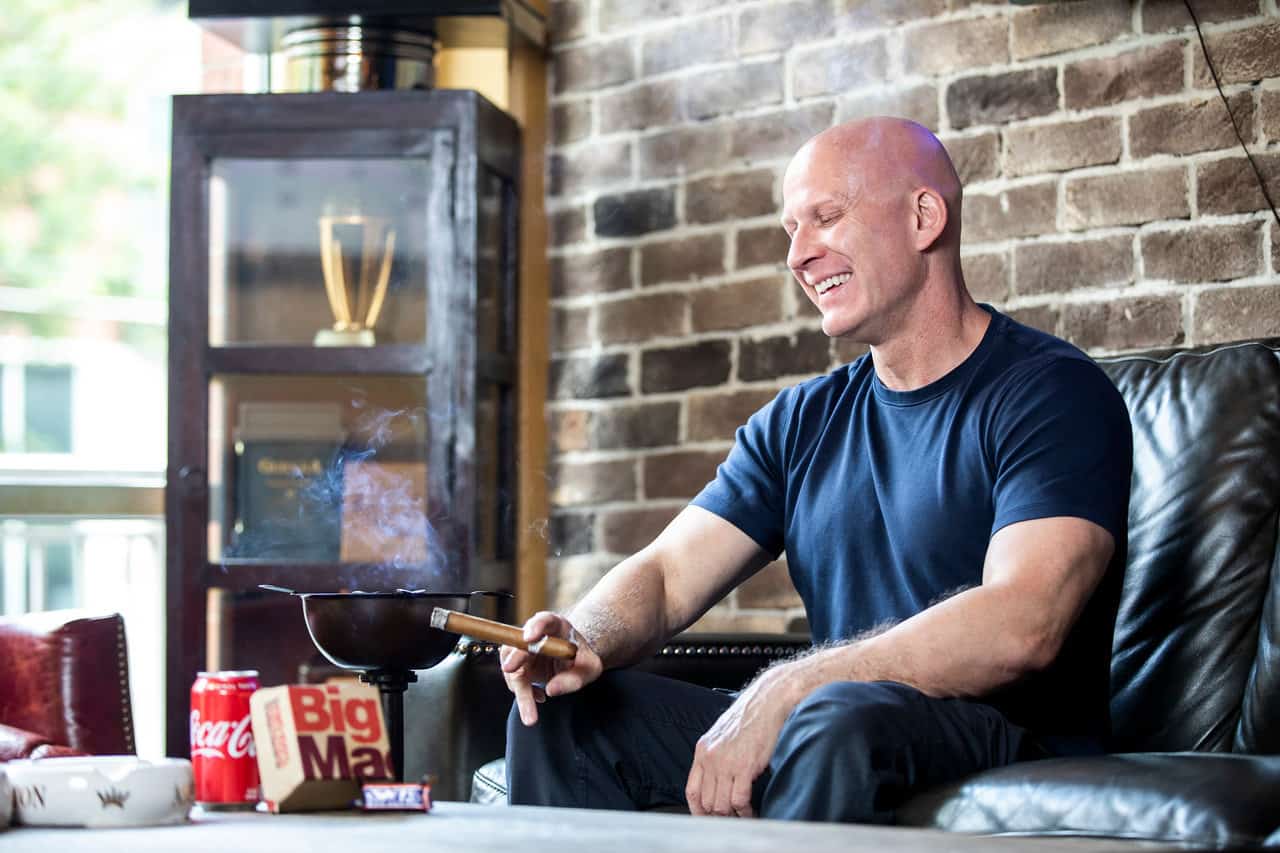
When it comes to marketing, the endgame is almost always to increase brand awareness, strengthen relationships between companies and consumers, and boost market share. But counter-marketing efforts are often employed to reduce consumption of “vice” goods such as cigarettes, sugary sodas, and fast food. Earlier this year, Michael “Mike” Lewis, professor of marketing, faculty director, Emory Marketing Analytics Center, published “Investigating the Effects of Excise Taxes, Public Usage Restrictions, and Anti-Smoking Ads across Cigarette Brands.” in the Journal of Marketing. Mike, along with co-authors, Yanwen Wang PhD14, associate professor of marketing and Canada research chair in Marketing Analytics at the University British Columbia, and Vishal Singh, professor of marketing, Leonard N. Stern School of Business, New York University, took a closer look at the role counter-marketing plays in the consumption of “vice” goods. Given that many “vice” categories are dominated by high-equity brands such as Marlboro, McDonald’s, and The Coca-Cola Company, the authors wanted to explore whether or not strong brands “might also affect the efforts of advocacy groups and regulators to disrupt these relationships and reduce consumption,” they note in their paper. The research focused specifically on the interplay between branding and counter-marketing with respect to cigarette consumption. By focusing on brand manufacturers rather than on regulators and consumers, the authors believe they’ve closed a gap. “The literature on smoking cessation has largely ignored the impact of branding on efforts to reduce cigarette consumption,” they write. “This is an oversight given that marketing researchers have found that brand-consumers’ relationships have significant effects on consumer decision-making.” A full article on the research is attached and is well worth the read. In that piece, readers will learn more about how the researchers expected that strong brands would take advantage of their increased customer loyalty and diminished price sensitivity to protect them from counter-marketing tactics. And while it might be counter-intuitive, the author’s research suggests that market leading cigarette brands would be better off pushing for excise taxes on cigarettes (versus smoking restrictions), as such tax increases would be attractive to government agencies (by increasing government revenue), and big brand cigarette companies would capture more market share. In other words, when it comes to combating counter-marketing efforts, “brand managers may devise strategies or lobbying efforts based on their category position,” suggest the researchers. “This isn’t a clear-cut battle of good versus evil. It’s more a matter of a brand’s people advocating for one position,” said Lewis. “A position that’s going to make them more resilient to some of these tactics.” In addition to big brand cigarette companies, the paper’s findings have implications for brands that anchor other vice categories, such as McDonald’s and The Coca-Cola Company, entities that have been the target of counter-marketing campaigns by various anti-obesity groups. According to Lewis, Wang, and Singh’s research, much of the response by these brands to the counter-marketing attempts has been centered around public relations, but the authors see opportunities to employ “different tactics” that are “appropriate for different brands,” they write. "Relationships between consumers and relatively weak brands may be disrupted using taxes, while for strong brands, the appropriate tactic seems to be usage restriction that limit public consumption. Our results suggest that brand building is the correct response to taxes, whereas usage restrictions would call for other responses, such as lobbying.” If you are a reporter looking to know more about this subject or if you have questions, then let our experts help. Professor Michael Lewis is an Associate Professor of Marketing at Emory University’s Goizueta Business School. In addition to exploring trends in the overall marketing landscape, Lewis is an expert in sports analytics and marketing. He is available for interview - simply click on his icon to arrange a discussion today.



Queen's Speech: Measures to tackle obesity and food advertising bans
Two University of Warwick experts comment on measures to tackle obesity and food advertising that have been announced in the Queen’s Speech at the State Opening of the UK Parliament today. Dr Paul Coleman (pictured), from Warwick Medical School and the Warwick Obesity Network, said: We welcome the government's intention to tackle rising rates of obesity by restricting the advertising of products high in fat, sugar or salt (HFSS) shown on TV before 9pm and a total online advertising ban However, the government must focus on all forms on online advertising, not simply traditional commercials. This ban must cover online ‘advergames’, which encourage children to win points by placing branded food item in the mouth of children’s characters. These games are notoriously difficult for the government to regulate. While we also welcome the decision to incentivise individuals to both eat better and exercise more, the government must recognise that increased wages, rather than one-off payments, are needed to ensure all families can access healthy food For many families the main barrier in purchasing healthy food is cost, with families regularly limiting the amount of money spent on food to cover the cost of other essentials. All families require the financial means to purchase healthy food. We would like to see new targets to end household food insecurity by the year 2030. Dr Thijs van Rens of the University of Warwick Department of Economics and the Warwick Obesity Network, said: Required calorie labelling for large out-of-home businesses is a welcome start to address the restaurant and take-away sector, where many people get a large and increasing share of their food. A ban on "junk food" advertising on TV and online is long overdue. While we welcome the government renewed commitment to announce a ban on advertising, it is now time to take action. We are still waiting on the government to publish the result of its consultation on this matter, which was announced in November of last year. In the meantime, overweight and obesity are set to overtake smoking as the biggest cause of preventable death in the UK. Overweight is the silent killer that we can do something about, just as deadly as Covid-19 and much more under our control. Advertising is one of the elements of an environment that nudges, forces and tricks parents and children into buying and consuming food that makes them unhealthy, overweight and eventually kills them. Effective action against HFSS food advertising means banning advertising anywhere where children are likely to see it, which means both on telly and online


Starter vape packs to be handed out in hospitals
A new trial from the University of East Anglia will see smokers attending hospital emergency departments given e-cigarette starter packs to help them quit. The initiative comes as a Cochrane Review - the international gold standard for high quality, trusted health information – about vaping is updated today. The review, led by the University of Oxford and involving the UEA team, shows how nicotine electronic cigarettes could increase the number of people who stop smoking compared to nicotine replacement therapy – such as chewing gum and patches – and compared to electronic cigarettes that do not contain nicotine. The new trial will offer stop smoking advice and an e-cigarette ‘starter pack’ to patients attending hospital emergency departments for any reason, to try to encourage and support them to quit smoking – even for those who might not have considered it before. The new trial is funded by the National Institute for Health Research (NIHR) and will be run by the Norwich Clinical Trials Unit at UEA. Prof Caitlin Notley, from UEA’s Norwich Medical School, said; “Many people who smoke want to quit, but find it difficult to succeed in the long term. “Electronic cigarettes mimic the experience of cigarette smoking because they are hand-held and generate a smoke-like vapour when used. They can be an attractive option for helping people switch from smoking, even if they have tried and failed in the past. “We know that they are much less harmful than smoking tobacco, and that they have been shown to help smokers quit. Trial co-lead Dr Ian Pope, also from UEA’s Norwich Medical School and an emergency physician, said: “Emergency Departments in England see over 24 million people each year of whom around a quarter are current smokers. “Attending the Emergency Department offers a valuable opportunity for people to be supported to quit smoking, which will improve their chances of recovery from whatever has brought them to hospital, and also prevent future illness.” The study will run over 30 months across five hospitals in England and Scotland – at the Norfolk and Norwich University Hospital, the Royal London Hospital and Homerton University Hospital in London, Leicester Royal Infirmary and the Royal Infirmary of Edinburgh. Smokers who agree to take part will be randomly assigned to receive either smoking advice during their emergency department wait, an e-cigarette starter pack and referral to local stop smoking services, or just written information about locally available stop smoking services. Both groups of patients will be asked if they are still smoking one, three and six months after they attended hospital. The research team hope to eventually recruit around 1,000 smokers to the trial. Prof Notley said: “We’ll be looking at the number of people who successfully quit smoking across both groups, to see which intervention works best. We’ll also work out how much it would cost to roll the scheme out nationally,” she added. ‘Electronic cigarettes for smoking cessation (Review)’ is published by the Cochrane Library on April 29, 2021.

Public health crises such as COVID-19 — in which people may feel powerless and receive conflicting information — can lead to a flare-up of unsafe religious sentiments, says Baylor University epidemiologist Jeff Levin, Ph.D., who cites past persecution of religious and ethnic minorities who were blamed unfairly for spreading disease. While some possibly unreliable projections about COVID-19 are being spread, containment — and common sense — are key, Levin says. In addition, research shows that maintaining one’s spiritual life can help people remain strong in the face of health challenges and encourage them to reach out to help others. Levin is University Professor of Epidemiology and Population Health, director of the Program on Religion and Population Health in Baylor University’s Institute for Studies of Religion and adjunct professor of psychiatry and behavioral sciences at Duke University School of Medicine. He recently lectured at Duke about the COVID-19 outbreak, on infectious disease pandemics in general and on religious dimensions of the present crisis. In this Q&A, he speaks about these issues. Q. What do you feel is the most important message that needs to get out about the coronavirus outbreak? LEVIN: There are still folks out there saying, “Ah, this is nothing” or “It's all hype.” I'm not that guy. This is very serious. Still, I believe that some misinformation is getting out there that's scaring people, and that's not a helpful thing. I have some concerns about how the facts and nuances of this outbreak have been communicated to the public. In the past few weeks, the news and internet and social media have been inundated with some very alarming projections, some of which in my opinion may be off perhaps by an order of magnitude. This is due in part to mistaken calculations being made by people, including M.D.s who don't understand the parameters of disease transmission or the concepts that epidemiologists use to track outbreaks. This also includes some government officials who are miscommunicating issues regarding risk, pathogenesis and prognosis, and this information is then being picked up by the media and projected out to the general public. Suddenly, even laypeople people are throwing around very technical epidemiologic jargon — exposure, infectivity, case fatality, herd immunity, transmission, incubation period, flattening the curve — without knowing exactly what these words mean or how they’re used, and some faulty messages are getting out. There’s a pressing need for responsible public voices who can help separate the signal from the noise, but those voices seem to be scarce. But regardless, whatever the projections are — good, bad, or ugly — so much hinges on containment. If we manage that properly, such as through all the good advice we’ve been given about social distancing, washing our hands, disinfecting surfaces and so on, we'll get through this with minimal — a relative term — casualties. If we ignore this advice, things can go south in a hurry. It only takes one clinical case getting loose in the community to create a secondary outbreak. Noncompliance can easily create an army of “Typhoid Marys” in communities across the country. In any outbreak due to any pathogenic agent, such as the SARS-CoV-2 virus, there are things we can do, one, to break the chain of transmission and, two, to minimize the damage to ourselves. There’s a public health response and a personal response. The public health effort is focused on how to limit exposure and transmission, which is exactly what needs to happen. There are policies that we should follow as far as our own behavior and social interactions and as far as the environment we live in where the virus is circulating. We’ve all become familiar with what these things are. But there’s the other side of the coin. In epidemiologic terms, exposure does not imply infectivity. Not everyone who is exposed to the virus will become infected. Infectivity in turn does not imply pathogenicity. Not everyone who is infected, who receives a positive test, will become a clinical case, will become sick. And finally, not everyone who comes down with COVID-19 and manifests signs and symptoms of disease will have a virulent enough case that will require intensive medical care or hospitalization, and only a minority of those will lose their life. Most, we believe, will recover just fine. So the folks who are at risk of a very serious outcome are a subset of a subset of a subset of folks who are exposed to the virus. The problem right now is that we don’t have a definitive grasp on these percentages. So we all need to do everything that we can not just to limit exposure and transmission but to strengthen ourselves to withstand the natural course of infection and disease. Epidemiologists call this “host resistance.” Q. What can we do to strengthen our resistance to the infection and the disease? How does faith figure into this? LEVIN: We know from decades of research that so many things that we can do in our daily lives can help us to withstand and recover from illness. We can eat right — avoid junk food and overeating and consuming toxins. We should avoid smoking and abusing alcohol, we need to get enough sleep and manage our stress, we need to get some exercise and fresh air. We all know all of this, but in difficult times it’s easy to fall into inaction and depression, which itself can depress the immune system and impair our ability to stay healthy or to recover. One of the important things that we can do, and decades of research support this, is to maintain continuity in our spiritual life. Studies show that people with a strong ongoing faith commitment can marshal an ability to remain resilient and deal with stress and even have better medical outcomes. There is a longstanding research literature on the physical and mental health benefits of hope and optimism and positive attitudes, including in the context of one’s spiritual life, and including due to the tangible and emotional support that faith and being a part of faith communities give us. Faith matters. But this isn’t a magic bullet, and I want to be careful about overstating things. Folks who expect that by being a diligent Christian or Jew, believing in God, going to religious services — in person or online — showing strong faith, studying Scriptures regularly, that by doing all this somehow a pathogenic agent won’t enter their body or won’t cause signs or symptoms of disease — I think they’re laboring under some false expectations. They’re asking belief or faith to do things that are very difficult for me to envision. Maybe that’s just the scientist in me talking, although I too am a person of faith. On the other hand, our faith can indeed be part of keeping us strong and helping us to recover. But we ought to combine expressions of faith with careful efforts to limit our exposure and contain the outbreak, and to wisely seek medical care if we start to not feel well. The Bible encourages us with verses like “put on the full armor of God,” but at the same time if you stand out in the pouring rain you can’t sanely expect not to get rained on. Q. Will this outbreak lead to a resurgence of religious belief? Are there examples of this from history? LEVIN: Yes, there are, but not necessarily in a positive way. Times of crisis like this, especially when people feel powerless and are receiving conflicting information, can lead to a dangerous flare-up of unwholesome religious sentiments, including scapegoating. Look at the Black Plague of the 14th century. From a third to over one half of Europe perished, and the one constant in every country affected by the epidemic, besides the millions of bodies piling up, was a consistent and organized effort to massacre Jews, who were blamed for the disease. Lest we think those days are behind us, look at how we responded to the brief Ebola crisis in the U.S. in 2014, which ramped up hatred toward Mexican immigrants. Or consider the present outbreak, and the terrible animosity directed at Asian Americans. We aren’t immune to this kind of behavior, especially when we feel a sense of dread or hopelessness or a sense that our prayers to God have failed and that we are receiving a divine chastisement or punishment. It’s easy then to lash out and try to identify a “demonic” source for our travail and try to seek vengeance. There is also precedent for waves of apocalypticism, fear that the end of the world is nigh. We saw this during the 1918 influenza pandemic, and it gave rise to much of the end-times thinking that persists to the present day. So faith can sustain us, even benefit us physiologically, but it can also embitter us and make us do evil or drive us to become obsessed or crazy. Q. Are there other more positive ways that faith or spirituality come into play here? LEVIN: Sure, I can think of a few. There’s a bioethical dimension. Our faith traditions remind us of our obligations to others, especially those in grave need who lack the requisite material or social resources to care for themselves. This outbreak is a social-justice teaching moment for us as a society, and along with the medical and public health dimensions there are profound lessons in moral theology to learn and act on. Will we slip into a xenophobic fear-based response, self-absorbed with our own personal needs, or will we use this time, this enforced vacation for so many of us, to reach out to those in need? I have strong opinions about this. We have been given an opportunity to be selfless and act lovingly toward others, to represent the best of what faith has to offer. Or we can choose to reinforce the most selfish and hateful and ungodly aspects of what humans are capable of. This is a choice facing every one of us. There’s also a pastoral dimension here. Each of us, not just clergy or healthcare chaplains or pastoral counselors, has a role to play in offering consolation and reassurance to our fellow brothers and sisters. And also real, tangible assistance. Our family is Jewish, and we’re reminded in Exodus that we’ve been called to be “a nation of priests.” I think the same can be said for all of us, in our respective communities. We can also be thought of as a nation, or a community, of pastors. And in that role there is much for us to do. We can be a source of accurate information to counter the insidious memes circulating on social media. We can organize our neighbors and fellow congregants to provide help to people and families who need it. We can become leaders in our faith communities to help maintain study, prayer and worship activities while we are unable to attend church or synagogue. We can love and support those who are suffering and remind them of God’s love for us. These messages matter. Maybe it’s not realistic to expect them to cause a virus to not take hold or to become less virulent, but they can strengthen our ability to recover from this outbreak, both individually and as a community of people. ABOUT BAYLOR UNIVERSITY Baylor University is a private Christian University and a nationally ranked research institution. The University provides a vibrant campus community for more than 17,000 students by blending interdisciplinary research with an international reputation for educational excellence and a faculty commitment to teaching and scholarship. Chartered in 1845 by the Republic of Texas through efforts of Baptist pioneers, Baylor is the oldest continually operating University in Texas. Located in Waco, Baylor welcomes students from all 50 states and more than 90 countries to study a broad range of degrees among its 12 nationally recognized academic divisions.


Vaping injuries and deaths on the rise — Augusta University experts talk health risks
As the nationwide death toll due to vaping-related lung disease rose to 17 this week, this topic has been making headlines lately as concerned medical providers, parents and even politicians are now demanding action. This week, Augusta University Medical Center reported its first patient with a vaping-related lung injury was admitted to the ICU. More than 500 cases of lung damage and seven deaths linked to vaping have been reported across the U.S. in the last few weeks, according to the Centers for Disease Control and Prevention. “It took decades and decades of smoking for us to realize that we had a lot of older people carrying around oxygen tanks and that they were doing damage to their lungs over an extended period of time,” said Dr. Phillip Coule, vice president and chief medical officer for Augusta University Health System. “My concern is we have people thinking that this is safe and we’re not going to know that true effect of this, in terms of the damage occurring to people’s lungs, for years.” Augusta University experts are available to discuss the wide range of questions related to vaping, including: Rise of vaping-related illnesses/deaths Known and unknown health risks Misnomer that vaping is safer High rate of teen/young adult usage “The CDC made a landmark statement: That all of our efforts to get children and adolescents and young adults to move away from nicotine have been ‘erased’ – that’s a very powerful word,” said Dr. Martha Tingen, associate director of Cancer Prevention, Control and Population Health at the Georgia Cancer Center. The health risks related to e-cigarette use are impossible to ignore, she said. “Some students are having a major experience immediately after they smoke, that they are having shallow breathing and they can’t get their breath. When they are admitted into the hospital and go to the emergency room, they are seeing that they actually have some lung damage and they are setting themselves up for future, more intensive lung disease problems,” Tingen said. Dr. Coule serves as vice president and chief medical officer for AU Health System and associate dean for clinical affairs at the Medical College of Georgia at Augusta University. Dr. Tingen is a behavioral nurse scientist targeting the prevention of tobacco use in children. She can speak with media regarding the problems e-cigarettes pose for our society. Our experts are available to discuss the wide range of topics concerning e-cigarettes and vaping – simply click on either expert’s icon to arrange an interview.
