
Experts Matter. Find Yours.
Connect for media, speaking, professional opportunities & more.

Artificial intelligence has been hogging headlines around the world in recent months. In late March 2023, an unprecedented coalition of tech CEOs signed an open letter calling for a moratorium on AI training. The race to empower powerful artificial minds should be paused, argued signatories (including Elon Musk) to give humanity time to review and reassess the potential risks of developing “human-competitive intelligence”–intelligence that “no one–not even their creators–can understand, predict, or reliably control.” Concerns about the unchecked rise of AI are not new, and global media is increasingly sounding the alarm, citing concerns that range from invasion of privacy to an existential threat to human existence. Weighing in on this with compelling new evidence around the “unintended consequences” of AI is research by Goizueta’s Ramnath Chellappa and Information Systems PhD candidate, Jonathan Gomez Martinez. Uncovering the Threat Their paper, Content Moderation and AI: Impact on Minority Communities, takes a hard look at how the use of AI in social media could disadvantage LGBTQ+ users. And what they find is worrying. Chellappa, who is Goizueta Foundation Term Professor of Information Systems & Operations Management, explains that he and Gomez Martinez homed in on Twitter to explore how unchecked artificial language moderation might (mistakenly) censor the use of “otherwise toxic” language by failing to understand the context or nuanced use of the LGBTQ+ lexicon. Examples of this include “reclaimed language”—verbiage that would be a slur in other contexts—but is reclaimed and prosocial if used by the originally targeted community. Their paper, Content Moderation and AI: Impact on Minority Communities, takes a hard look at how the use of AI in social media could disadvantage LGBTQ+ users. And what they find is worrying. Chellappa, who is Goizueta Foundation Term Professor of Information Systems & Operations Management, explains that he and Gomez Martinez homed in on Twitter to explore how unchecked artificial language moderation might (mistakenly) censor the use of “otherwise toxic” language by failing to understand the context or nuanced use of the LGBTQ+ lexicon. Examples of this include “reclaimed language”—verbiage that would be a slur in other contexts—but is reclaimed and prosocial if used by the originally targeted community. “This is a community that has ‘reclaimed’ certain words and expressions that might be considered offensive in other contexts. Terms like ‘queer’ are used within the community both in jest and as a marker of identity and belonging. But if used by those outside the community, this kind of language could be deemed inflammatory or offensive.” Gomez Martinez adds: “We wanted to measure the extent to which AI’s lack of a nuanced understanding of what is ‘acceptable’ affects minority users’ online interactions. As humans, we understand that marginalized communities have long used ‘reclaimed words’ both in jest and as a kind of rallying cry. Our intuition was that the machine simply wouldn’t understand this without context—context that is more immediately apparent to people.” Determining the Impact of AI-Based Moderation To test this, he and Chellappa looked at data from social media behemoth, Twitter. During the pandemic in 2020, the platform made a significant shift to AI-based content moderation to accommodate stay-at-home measures. Data from Twitter’s proprietary Academic Research API afforded Gomez Martinez and Chellappa access to a complete listing of historical tweets and replies before, during and after this period. Together they analyzed a total of 3.8 million interactions (1.8 million tweets and 2.0 million replies) from a panel of 2,751 users, of which 1,224 self-identified as LGBTQ+ in their Twitter bios. Their study ran over four months, from January to May 2020, before, during and after the switch to machine-based moderation. Using the same tools that Twitter moderators deploy to moderate interactions, Gomez Martinez and Chellappa were able to measure any increase or decrease in pro-social, in-group teasing and toxic language among LGBTQ+ users: terms such as “bitch” or “queer,” which research shows to be a form of ritualized insults—dubbed “reading” by the community—which can appear inappropriate or incoherent to outsiders, says Chellappa. “Analyzing the language, we find a notable reduction in the use of terms that could be considered toxic. When the AI moderation is in effect, you see these users’ language become more vanilla,” he adds. Quantifiably so, in fact. Chellappa and Martinez find a 27 percent reduction in the use of reclaimed language among LGBTQ+ users. And while that doesn’t sound like much, it’s significant for the community, says Gomez Martinez. Using in-language and reading each other is one way for this marginalized group to create a sense of community and social status. Not just that, we know from research that LGBTQ+ people use slurs and insults as a way of preparing themselves emotionally and psychologically for hostile interaction with heterosexual individuals. This kind of teasing and playing helps build resilience, so any reduction in it is significant.” Jonathan Gomez Martinez Good Intentions May Breed Unexpected Consequences So what does this mean for social media, for the LGBTQ+ community or any marginalized group for that matter, that might be prone to automated censorship? And how does any of this play out in the context of broader concerns around AI? For Chellappa and Gomez Martinez, there is a major hazard in granting technology any degree of control over how human beings interact. And it’s rooted in the mismatch between good intentions and unexpected consequences. Their paper, one of the first to dig into the impact of AI on actual business and society, lays bare some of the real-world impact AI has already had on marginalized people. While this study looks at the LGBTQ+ community, it could equally apply to any group that is prone to bias or exclusion—racial minorities or any other underrepresented demographic. “Wherever you have user-generated content, you are likely to find communities with their own, unique way of interacting. We looked at LGBTQ+ Twitter users, but you could also look at the African American community, for instance.” Ramnath K. Chellapa At a time when social media platforms have become almost newslike in their influence, this is a concern. On the one hand, censoring certain demographics might earn Twitter et al an unwanted reputation for being anti-LGBTQ+ or racist, he adds. But there are even bigger stakes here than bad publicity. “Twitter has long aspired to be a kind of global town square,” says Gomez Martinez. “But you end up pretty far from that scenario if only some voices are truly heard, or if you start reinforcing biases because you are using a time-saving technology that is not equipped yet to understand the complexity and nuance of human interaction.” AI isn’t there yet, say Chellappa and Gomez Martinez. And they caution against using AI indiscriminately to expedite or streamline processes that impact human communication and interchange. If we don’t keep track of it, their research shows that AI has the potential to start dictating and moving people into normative behavior—effectively homogenizing us. And that’s a problem. Looking to know more? Ramnath Chellappa is available to speak with media. Simply click on his icon now to arrange an interview today.



Extreme heat is stretching the United States' electricity infrastructure to maximum capacity, and the reported disjointedness of the country's three electric grids has made it more difficult to deliver wind and solar power as reinforcements. Willett Kempton, professor of marine science and policy at the University of Delaware, led the development of a way to use electric car batteries to make grids more stable and resilient. Kempton advocates using electric storage through V2G technology to make electricity more reliable at a lower cost today and to enable the grid to use more renewable energy in the future. Kempton, associate director of vehicle-to-grid (V2G) technology for UD's Center for Research in Wind (CReW), pioneered technology for vehicle-to-grid (V2G) vehicles, which are capable of absorbing excess energy when demand for power is low and returning some back to the electric grid when the demand for power is high.


CorpusCast with Dr Robbie Love: Dr Clyde Ancarno & Professor Insa Nolte on Anthropology
Hello, hello, hello, everyone! Welcome back to Corpuscast, the podcast that brings you the fascinating world of Corpus Linguistics. Can you believe it? We're already on episode 19! Since our launch in January 2022, we've been exploring the incredible impact of Corpus Linguistics on society. And trust me, today's episode is going to blow your mind! As always, I'm your host Robbie Love, a linguist from Aston University. Today, we dive deep into the realm of anthropology, the study of human societies and cultures. Get ready for an engaging discussion on the origins of humanity, the evolution of civilizations, and the incredible diversity that exists across our world. Our special guests for today's episode are none other than Professor Insa Nolte, a leading anthropologist from the University of Birmingham, and Dr. Clyde Ancarno, a brilliant corpus linguist and senior lecturer in Applied Linguistics and Education at King's College London. Together, Insa and Clyde collaborated on a groundbreaking research project in Southwest Nigeria, exploring how members of different religious groups coexist peacefully. Their findings shed light on the intricate social structures that maintain harmony within diverse communities. Join us as we delve into the thought-provoking questions that shape our understanding of humanity. Who are we and where do we come from? How have civilizations transformed throughout history? What factors contribute to the functioning of our societies? This captivating conversation will unveil the incredible insights brought forth by Corpus Linguistics and its intersection with anthropology. Discover how language and culture intertwine to shape our identities and communities. Don't miss out on this enriching episode! Tune in to Corpuscast below, and let's embark on this captivating journey together. Subscribe to Corpuscast on YouTube, Apple Podcasts, Spotify or wherever you get your podcasts, for more thought-provoking episodes exploring the boundless possibilities of Corpus Linguistics in education, health, technology, and beyond. Stay curious, stay inspired! ? #Corpuscast #Anthropology #CorpusLinguistics #Humanity #Culture #Diversity #Podcast #LanguageResearch


#Expert Research: Biodegradable ultrasound implant could improve brain tumour treatments
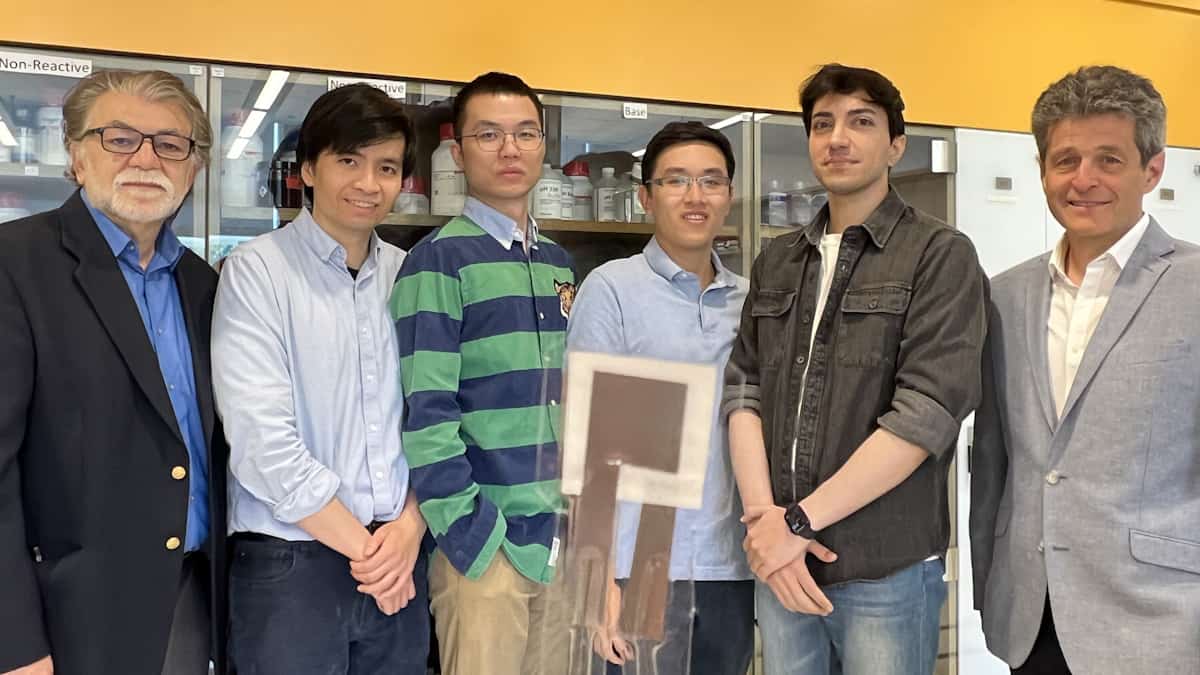
One of the challenges in treating certain types of brain cancer is the way that the blood-brain barrier prevents chemotherapy drugs from reaching the tumors they're meant to target. UConn's Thanh Nguyen, a biomedical and mechanical engineer, is developing new technology that could improve how we are able to treat brain tumors. He recently spoke with Physics World about this groundbreaking research: A new type of biodegradable ultrasound implant based on piezoelectric nanofibres could improve outcomes for patients with brain cancer. Researchers led by Thanh Nguyen from the the University of Connecticut’s department of mechanical engineering fabricated the devices from crystals of glycine, an amino acid found in the human body. Glycine is not only non-toxic and biodegradable, it is also highly piezoelectric, enabling the creation of a powerful ultrasound transducer that could help treat brain tumours. Brain tumours are particularly difficult to treat because the chemotherapy drugs that would be effective in tackling them are blocked from entering the brain by the blood–brain barrier (BBB). This barrier is a very tight junction of cells lining the blood vessel walls that prevents particles and large molecules from making their way through and damaging the brain. However, ultrasound can be safely used to temporarily alter the shape of the barrier cells such that chemotherapy drugs circulating in the bloodstream can pass through to the brain tissues. Currently, to achieve such BBB opening requires the use of multiple ultrasound transducers located outside the body, together with very high intensity ultrasound to enable penetration through the thick human skull bone. “That strong ultrasound can easily damage brain tissues and is not practical for multiple-time applications which are required to repeatedly deliver chemotherapeutics,” Nguyen tells Physics World. By contrast, the team’s new device would be implanted during the tumour removal surgery, and “can generate a powerful acoustic wave deep inside the brain tissues under a small supplied voltage to open the BBB”. The ultrasound would be triggered repeatedly as required to deliver the chemotherapy that kills off the residual cancer cells at tumour sites. After a set period of time following treatment the implant biodegrades, thereby eliminating the need for surgery to remove it. The research, reported in Science Advances, demonstrated that the team’s device used in conjunction with the chemotherapy drug paclitaxel significantly extended the lifetime of mice with glioblastomas (the most aggressive form of brain tumour) compared with mice receiving the drugs but no ultrasound treatment. This is fascinating research and if you are interesting in covering this topic, then let us help. Professor Nguyen focuses on biointegrated materials and devices at nano- and micro-scales for applications in biomedicine, and he's available to speak to media about his research. Simply click on his icon now to arrange an interview today.



ChristianaCare ranked as 81st best hospital in the United States and the only health system in Delaware to make the list For the fifth consecutive year, ChristianaCare has earned a spot in Newsweek’s exclusive list of the World’s Best Hospitals – United States, recognized for consistently being at the forefront in care, research and innovation. “Receiving this honor year after year is a testament to the work ChristianaCare caregivers do each day to create health together so that every person can flourish,” said ChristianaCare President & CEO Janice E. Nevin, M.D., MPH. “At its core our mission is a simple, yet profound, one. We take care of people. And I am so proud of everyone in this organization for what five-straight years of being called one of the World’s Best Hospitals says about the exceptional quality of the care we provide.” Headquartered in Wilmington, Del., ChristianaCare ranked 81st in the United States in the annual list that ranks 2,300 hospitals in 28 countries. “ChristianaCare has gained a global reputation thanks to our unwavering focus to provide expert, high-quality care,” said Kert Anzilotti, M.D., MBA, chief medical officer at ChristianaCare. “This award belongs to all our caregivers, who continuously seek new knowledge, are true to their word and are committed to delivering exceptional care to every patient we serve.” Compiled by Newsweek and the global data firm Statista, the lists are based on the following data sources: Recommendations from tens of thousands of doctors, health care professionals and managers across the world. The survey asked participants to recommend hospitals in their own country as well as in other countries. The survey did not permit recommendations of the health professional’s own hospital. Patient surveys originating from publicly available data that included areas such as their general satisfaction with the hospital and their satisfaction with their medical care. Hospital quality metrics such as data on the quality of care for specific treatments, data on hygiene measures and patient safety, and data on clinician-patient ratios. The Patient Reported Outcome Measures (PROM) surveys, which are standardized, validated questionnaires completed by patients to measure their well-being and quality of life. The recognition by Newsweek echoes other quality recognitions that ChristianaCare has received during the past 12 months: For the third consecutive year, Healthgrades named ChristianaCare one of America’s 50 Best Hospitals for 2023. Healthgrades also ranked ChristianaCare as one of America’s 50 Best Hospitals for five service lines: cardiac care, coronary intervention, joint replacement, spine surgery and gastrointestinal surgery. For the seventh consecutive year, the College of Healthcare Information Management Executives named ChristianaCare a Most Wired Health Care Technology Leader. U.S. News & World Report rated ChristianaCare as the No. 42 hospital in the nation for obstetrics and gynecology and a High Performing Hospital for Maternity. U.S. News & World Report also rated ChristianaCare as high-performing in orthopedics. For the second consecutive year, Forbes ranked ChristianaCare as one of the Best Employers for Diversity and Inclusion in the United States. The Human Rights Campaign Foundation gave ChristianaCare’s Christiana Hospital and Wilmington Hospital the top score in the Human Rights Campaign Foundation’s most recent Healthcare Equality Index.


If you’re looking for comment on this week’s announcement about government’s proposed £50bn investment in creative industries we have a design expert available. Dr Tim Whitehead is associate dean and senior lecturer, engineering and technology, Aston University. He believes that although the Tory's promise spending for the creative industries they need to invest in education first. His full response is attached and below: “This week the government announced a plan to boost the creative industries by £50bn by 2030 and invest £77m in funding for the sector. “This news is fantastic and long overdue. The UK design economy contributes £97.4bn GVA and for every £1 invested in design we see a return of £4 to the wider economy. “The creative sector is a major British export with film, TV, music being some of the biggest exports. However, we also have physical products; If you’ve ever used an iPhone, a Dyson or ridden on a London double decker bus then you’ve used world class British design. “The funding is welcome, however we really need investment in our schools to teach creativity and align this with recent announcements in maths education. “The majority of our most successful designers / creative engineers started with Design and Technology at school. “Between academic years 2009-10 and 2021-22, the proportion of pupils taking Design and Technology GCSEs fell from around 42% to 27% in all schools in England. With only a minor increase in pupils taking Art and Design GCSE which increased from 27% to 29% over the same period. “There is a big gap here, and we really need to ensure that children have access to a creative education as school. “By embedding creativity into the next generation it will help foster new creative engineers data scientists etc. and the next Dyson.” Dr Tim Whitehead, associate dean and senior lecturer, engineering and technology, Aston University For inquiries contact Nicola Jones, Press and Communications Manager, on (+44) 7825 342091 or email: n.jones6@aston.ac.uk

Aston University wins £1.8m to boost West Midlands low carbon markets
• Aston University and local industry to develop technology to convert organic material into commercially valuable products • Sawdust, diseased trees and dried chicken litter among what can be transformed into sustainable bioproducts • West Midlands companies are invited to join a cluster to develop new low carbon products for growing markets. Aston University is to receive £1.8 million to transform the West Midlands into a powerhouse of low-carbon product development and commercialisation. The University will be building on its existing research facilities to lead the region’s Biochar CleanTech Accelerator as part of the West Midlands Innovation Accelerator. The project was set up with the aim to secure export contracts for low carbon products worth over £200 million, to be made by a regional industrial cluster. It is hoped that the development of a low-carbon business cluster in the West Midlands will open up new domestic and export markets to help rebuild the region’s engineering and manufacturing status. Biochar, a sustainable form of charcoal, can be used as a soil and plant growth enhancer. It stores carbon in the ground, so there are fewer greenhouse gases in the atmosphere. Other products such as oils can be used as low carbon fuels for boilers and engines and the liquid by-product can be used for low carbon weedkiller, fungicide and plant growth. Aston University’s innovative technology is installed at its urban biochar demonstrator in south Birmingham. The project is based on the strengths of the University’s Energy and Bioproducts Research Institute (EBRI) and its Centre for the Circular Economy and Advanced Sustainability (CEAS). Tim Miller, director of engagement at EBRI, said: “This new development has the potential to rebuild product development, engineering and manufacturing in our region. “The project aims to commercialise knowledge, facilities and the results of long-term university research for the benefit of the environment and our regional economy. “Using the University’s existing expertise and facilities we have the potential to launch new technology-based opportunities as they emerge and mature, The Biochar CleanTech Accelerator is part of the West Midlands Innovation Accelerator which was first announced in the government’s 2022 Levelling up White Paper and started this spring. It is funded through a share of a £100m from Innovate UK, to be divided by three regional innovation accelerators over the next two years. Launched by the West Midlands Combined Authority (WMCA) in March 2023, it will target investment on projects enabling new solutions around Medical and Clean Technologies, to further reinforce the region’s position at the frontier of the UK innovation revolution. The University will also play a key role in two other projects in the West Midlands Innovation Accelerator. Companies interested in joining the cluster can get further information at https://www.aston.ac.uk/biochar-cleantech-accelerator or emailing biochar@aston.ac.uk


ChristianaCare Earns IABC Gold Quill Award for Innovation in Media Relations
ExpertFile-powered “Our Experts” site wins top international industry award for program that helps journalists reach health experts – fast ChristianaCare, with its collaborative partner ExpertFile, has been recognized with a 2023 Gold Quill Award from the International Association of Business Communicators (IABC) for its “Our Experts” media database. Designed to easily and quickly connect journalists to subject-matter experts, this online resource has been recognized with the top prize — “Award of Excellence” in the Communications Management, Media Relations category. “Good communication is foundational to our mission of serving as expert, caring partners in the health of our neighbors,” said Karen Browne, vice president of marketing and communications at ChristianaCare. “Through the development of our online database as a resource for journalists, we are making our experts more accessible to provide timely, accurate health information to the diverse communities we serve.” The IABC Gold Quill Awards showcase business communication excellence and are among the most prestigious awards programs in the communications industry. Each entry is scored independently by evaluators who judge the award submission on criteria that include stakeholder analysis, strategic and tactical planning, quality of execution and measurable results. “It’s impressive to see how ChristianaCare has reimagined how it can more proactively serve the community by being more approachable to journalists,” said Peter Evans, co-founder and CEO of ExpertFile. “We’re excited to share this prestigious industry award with them.” ChristianaCare’s innovation was driven out of a desire to improve the reach, impact and efficiency of its media relations efforts — amid rapidly increasing demand — without the need to add more resources. In just two years, ChristianaCare’s “Our Experts” media database has received more than 20,000 online visits and helped to generate more than 200 news stories. The IABC Gold Quill Awards showcase business communication excellence and are among the most prestigious awards programs in the communications industry. Each entry is scored independently by evaluators who judge the award submission on criteria that include stakeholder analysis, strategic and tactical planning, quality of execution and measurable results. “It’s impressive to see how ChristianaCare has reimagined how it can more proactively serve the community by being more approachable to journalists,” said Peter Evans, co-founder and CEO of ExpertFile. “We’re excited to share this prestigious industry award with them.” ChristianaCare’s innovation was driven out of a desire to improve the reach, impact and efficiency of its media relations efforts — amid rapidly increasing demand — without the need to add more resources. In just two years, ChristianaCare’s “Our Experts” media database has received more than 20,000 online visits and helped to generate more than 200 news stories. Powered by the ExpertFile software platform, the ChristianaCare “Our Experts” site provides a digital media toolkit with advanced search and digital content features to help journalists discover experts and access resources that make it easier for them to complete stories and meet their deadlines. Nearly 140 ChristianaCare experts are featured in the database today, and that figure continues to grow. On the heels of the success of “Our Experts,” ChristianaCare is planning to launch later this year a new Speakers Bureau that will leverage the ExpertFile technology to strengthen and support local community engagement. “As a nonprofit health care organization, ChristianaCare makes it a priority to ensure we’re using our resources wisely and effectively,” said Shane Hoffman, communications director. “By using technology to streamline processes and make it easier to connect our experts to the media and community organizations who need their expertise, we’re working smarter — not harder — in service of our mission.”
Florida Tech Scientist to Study Deep-Space Agriculture After Planetary Society Grant Award
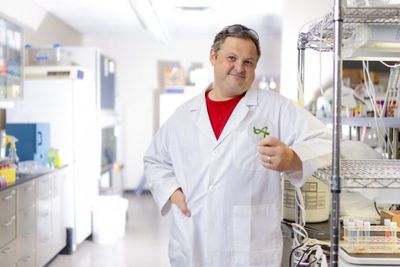
No matter where humans travel, sustenance remains a necessity. Finding a bite to eat during a visit to New York, for example, is no problem. When the destination is a bit farther away, such as Mars, the options are not as plentiful there or on the long journey to get there. That’s where Florida Tech’s Andrew Palmer comes in. He and other scientists are exploring ways to feed our explorers, and a new competitive grant from the Planetary Society will fund work that examines the two most likely ways to produce food during travel to these far-flung spots: in soil or something like soil, or in water. Palmer and his team were awarded a $50,000 Science and Technology Empowered by the Public (STEP) grant, the Planetary Society recently announced. Their project: “Evaluation of food production systems for lunar and Martian agriculture.” For the next year, they will grow radish microgreens, lettuce and tomatoes in identical environmental conditions with one major exception: one batch will be grown hydroponically, and another will be grown in regolith – like lunar or Martian soil. The aim of the experiment is to characterize and compare the two methods, both of which have merits and shortcomings. “It may be that a combination of these approaches, tailored to the diverse needs of different crops, is the best way to provide sustainable and productive agriculture,” Palmer said. “Until now, there have been no direct comparison studies between hydroponic and regolith-based systems for any crop targeted for space applications. We are excited to address this knowledge gap.” The team, which includes experts in plant physiology and biochemistry as well as space agriculture and systems efficiency analysis, will test their hypothesis that faster growing crops like microgreens will be better suited for hydroponic systems even in the long term, while slower-growing crops like tomatoes may favor a regolith-based production system. Palmer and his co-investigator, Rafael Loureiro from Winston-Salem University, are joined by collaborators J. Travis Hunsucker and Thiara Bento from Florida Tech, Laura E. Fackrell at the Jet Propulsion Laboratory and Jéssica Carneiro Oliveira at Universidade Federal do Estado do Rio de Janeiro, Brazil. Care to delve a little deeper? Palmer and a second STEP grant recipient, Dartmouth College professor Jacob Buffo, spoke to the Planetary Society senior communications advisor Mat Kaplan about their respective projects. The segment with Palmer begins at the 23:57 mark and the piece is linked above. Looking to know more about what it will take to feed our deep-space explorers? Then let us help with your questions and coverage. Dr. Andrew Palmer is an associate professor of biological sciences at Florida Tech and a go-to expert in the field of Martian farming. He is available to speak with media regarding this and related topics. Simply click on his icon now to arrange an interview.


Georgia Southern adding two engineering doctorates this fall
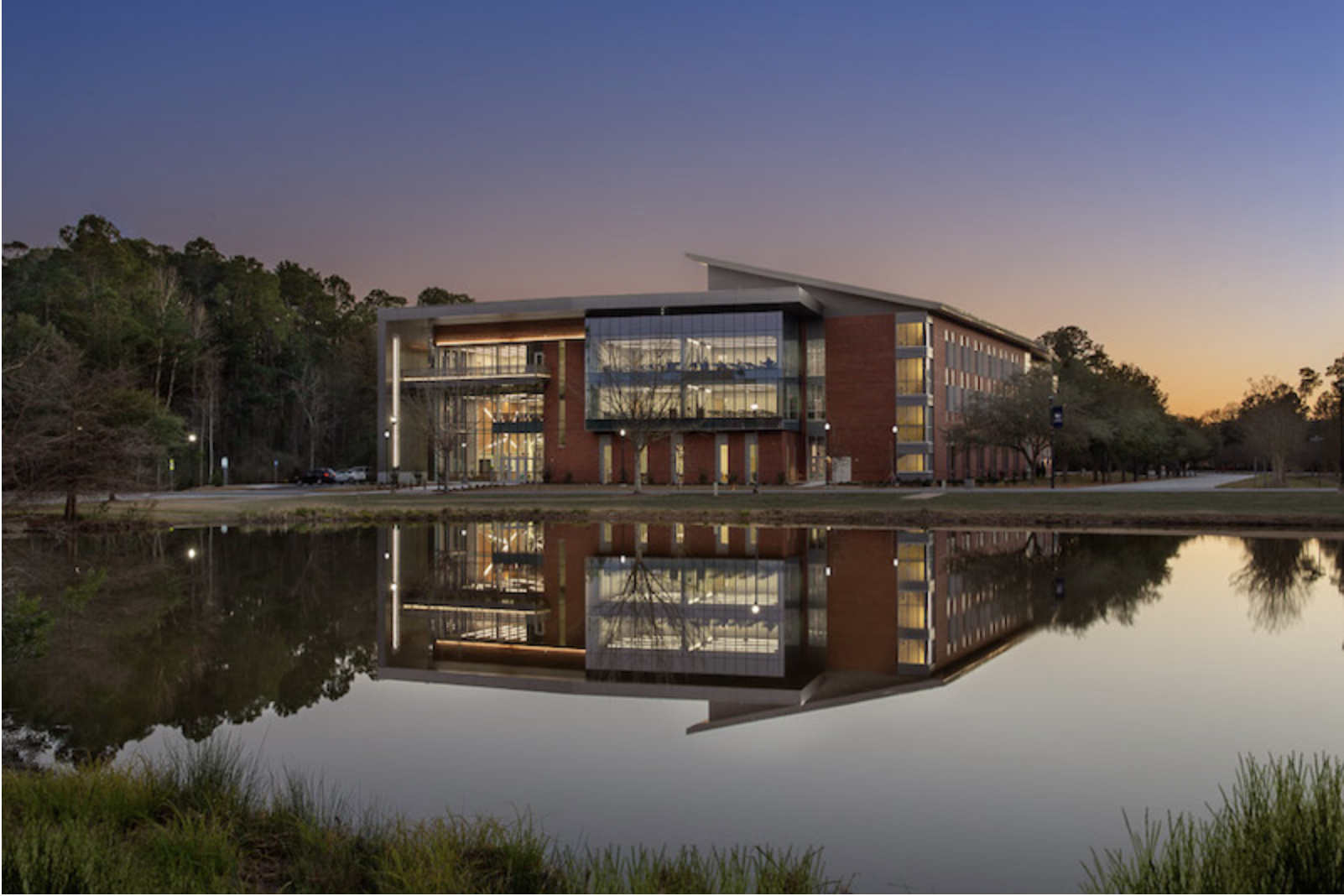
Georgia Southern University is launching two new engineering doctorates – a Ph.D. in applied computing degree and a Ph.D. in engineering – after approval of the programs this week from the University System of Georgia’s Board of Regents. With almost 4,000 students in its programs, Georgia Southern’s Allen E. Paulson College of Engineering and Computing identified the need for the new graduate degrees to sustain growth in the discipline, continue to aid workforce development in the region, add substantially to the university’s research capabilities, and provide additional teacher-scholars for Georgia. “In line with Georgia Southern’s Strategic pillars, the new Ph.D. programs will greatly enhance the University’s research capabilities and further advance key partnerships in the region,” said Carl Reiber, Ph.D., Georgia Southern’s provost and vice president for academic affairs. “A strong Ph.D. program improves faculty recruiting and is a prerequisite for applying for research grants from sources such as the National Science Foundation, the National Institutes of Health, the Department of Energy and the Department of Defense.” The proposed engineering Ph.D. program will have concentrations in civil, electrical, advanced manufacturing and mechanical engineering, and will fuel future multidisciplinary research synergies with other departments and centers within Georgia Southern in fields such as natural sciences, environmental sustainability, public health and education. Greater scholarly collaborations with sister institutions within the university system and beyond are also envisioned. The Ph.D. in engineering program will have a positive impact on the economic and technological development of Southeast Georgia, contributing significantly to the growth of the I-16 technology corridor. The Ph.D. in applied computing degree program will be offered jointly by the Department of Computer Science and the Department of Information Technology within the Allen E. Paulson College of Engineering and Computing at Georgia Southern Universit. The program will provide students with the requisite foundation to conduct basic and applied research to solve advanced technical problems in computing foundations, cybersecurity and machine learning. The program aims to promote the education of individuals who will become exceptional researchers, high-quality post-secondary educators, and innovative leaders and entrepreneurs in the field of applied computing. It will advance research and the generation of new knowledge in applied computing and support the growing knowledge-based economy in Southeast Georgia. The mission of the Ph.D. in applied computing degree program is to ensure student, graduate and faculty success by preparing graduates with the skills and depth of knowledge to advance the computing disciplines through application and scholarship. It will mentor students who will support faculty in their scholarly pursuits as they prepare to assume professional computing and computing-related positions that utilize their applied technical skills, problem-solving aptitude and scholarly abilities upon graduation. “The addition of these two new degree programs is part of Georgia Southern University’s commitment to be a world-class institution that provides a population of advanced graduates who can contribute to regional economic development and public-impact research,” Reiber said. “The programs will enhance the vitality and growth of the bachelor’s and master’s computer science and information technology degree programs by expanding the academic and research missions of the Allen E. Paulson College of Engineering and Computing." For more information about these new engineering doctorates coming to Georgia Southern this fall research or to speak with Carl Reiber, Ph.D., Georgia Southern’s provost and vice president for academic affairs — simply reach out to Georgia Southern's Director of Communications Jennifer Wise at jwise@georgiasouthern.edu to arrange an interview today.
