
Experts Matter. Find Yours.
Connect for media, speaking, professional opportunities & more.

ChristianaCare MICU becomes first in United States to renew Beacon Award for Excellence for fifth-consecutive three-year cycle ChristianaCare’s Medical Intensive Care Unit (MICU) has earned an unprecedented honor from the American Association of Critical-Care Nurses. Among the thousands of intensive care units in the United States, ChristianaCare’s MICU is the first unit in history to earn a Beacon Award for Excellence from the association, also known as AACN, five times in a row. The Beacon Award is one of the highest achievements in nursing. The recognition lauds hospital units that employ evidence-based practices to improve patient and family outcomes. The award provides gold, silver and bronze levels of recognition to hospital units that exemplify excellence in professional practice, patient care and outcomes. Of the six Beacon Award-winning patient care units currently in the state of Delaware, five are at ChristianaCare: MICU (gold – five-time winner). Cardiovascular Critical Care Complex (gold – three-time winner). Transitional Medical Unit (silver). Surgical Critical Care Complex (silver). Transitional Surgical Unit (silver). ChristianaCare was one of 34 hospitals in the nation in 2021 with multiple units receiving Beacon Awards. Beacon Award designations are active for three years. “Through their relentless and uncompromising pursuit to deliver care that is nonpareil, the nurses of ChristianaCare’s MICU have become the paragon of what our profession can accomplish,” said Ric Cuming, EdD, MSN, RN, NEA-BC, FAAN, ChristianaCare’s chief nurse executive and president of ChristianaCare HomeHealth. “The success of our ChristianaCare MICU, even in the face of this pandemic, also has inspired our health system’s other intensive care units to achieve unprecedented gains in safety and quality that have been recognized with the AACN’s Beacon Award, the touchstone by which all critical care nursing excellence and quality are measured.” Success in caring for patients amidst COVID-19 ChristianaCare’s values of love and excellence are at the heart of the 24-bed MICU at Christiana Hospital, which holds the most Beacon Awards in Delaware. This year’s award is especially meaningful on the heels of yet another difficult surge of COVID-19. “It is a testament to our nurses and the entire care team that we continued to reach milestones in patient safety and satisfaction even during the COVID-19 pandemic,” said Carol Ritter, MSN, RN, CCRN-K, CNML, who has been nurse manager on the MICU for 10 years and a leader on the unit during all of its Beacon Award wins. “Everyone brings a level of expertise to the unit. We truly serve together.” Beacon awards celebrate the professional dedication that a nursing team demonstrates in going above and beyond to provide respectful, expert care. “Meaningful recognition takes on even greater relevance and importance as we continue to meet the challenges of the COVID-19 pandemic,” said AACN President Beth Wathen, MSN, RN, CCRN-K. “Being recognized as a Beacon unit underscores these teams’ ongoing commitment to providing safe, patient-centered and evidence-based care to patients and families. This achievement is a tremendous honor to those who have worked so hard to achieve excellence in patient care and positive patient outcomes.” ChristianaCare is one of only 152 health care institutions in the nation and the only in Delaware to have gold-level units. In 2008, the MICU was the first unit in the state to receive the Beacon Award. MICU’s culture of continuous improvement The MICU’s commitment to data-driven, evidence-based care proved especially valuable during the pandemic’s early days. Prone positioning, a technique to help patients with acute respiratory distress syndrome (ARDS) to breathe better, had been a longtime practice in ChristianaCare’s ICU. ChristianaCare critical care nurses Maureen Seckel, MSN, APRN, ACNS-BC, CCNS, FCCM, FCNS, and Dannette Mitchell, MSN, APRN, ACNS-BC, CCRN, published an article in AACN Advanced Critical Care that described ChristianaCare’s pioneering adoption of this technique, which ultimately became standard practice nationally in the treatment of patients with COVID-19 and ARDS. “On our unit, we empower the team to provide evidence-based care and have the tools to guide the practice,” Seckel said. “Because of this we were able to incorporate a highly effective, life-saving measure into COVID-19 care early in the pandemic.” Continuous improvement is a hallmark of the unit. The MICU has seven Comprehensive Unit-based Safety Program teams that follow data-collection processes to view trends and compare them to national standards to improve care and outcomes. “The whole unit is involved in collecting data to assess and make changes,” said MICU nurse Olivia Ross, BSN, RN, CCRN. Among the MICU’s accomplishments are excellent outcomes in preventing common hospital-acquired infections, even during the pandemic: Zero instances of catheter-associated urinary tract infections in three years. Zero instances of central line bloodstream infections in one year. The unit’s dedication to being exceptional today and even better tomorrow also focused inward during the pandemic. During a time of constant change, the team recognized the need for support to handle the unprecedented stress and strain of the pandemic. “To give the most vulnerable patients the highest levels of care on a consistent basis, we needed to take care of ourselves and one another too,” Ritter said. Ritter and team leaders committed to open-door policies throughout the pandemic, and they partnered with ChristianaCare’s Center for WorkLife Wellbeing to enable licensed psychologists to round on the unit, offering real-time check-ins with caregivers to provide support. The Beacon Award has been a resounding lift and reward for the MICU team members. “Having this recognition, especially during times of distress in the community and the world, signifies excellent nursing care,” said MICU nurse Paige Merring, MSN, RN, CCRN. “And to me it signifies an amazing team and great outcomes, which is the primary purpose of why we are all here.”



$100K student scholarship pool available for 2022 summer courses in Ireland Six professors from Georgia Southern University’s College of Education (COE) recently broadened their horizons during a trip to Ireland as they learned from and shared insight with instructors and educational leaders in the Wexford County community. Led by Howard Keeley, Ph.D., director of the University’s Center for Irish Research and Teaching, COE faculty traveled to Georgia Southern’s learning center in Wexford, Ireland, to observe Irish educational settings and exchange ideas with local leaders just ahead of a summer study abroad program opportunity for Georgia Southern students in which $100,000 of scholarship funding is available. “The main thing we did was get in front of leaders in the education space in Ireland,” stated Keeley. “We spoke to a number of folks who are either principals or vice principals or, in some way, senior administrators in a variety of schools including all-boys, all-girls, religious, secular and mixed schools.” The group included Catherine Howerter, Ph.D., associate professor of elementary and special education; Kip Sorgen, Ph.D., assistant professor of leadership, technology and human development; Alex Reyes, Ph.D., assistant professor of middle grades and secondary education; Amanda Wall, Ph.D., associate professor of middle grades and secondary education; Betsy Barrow, Ed.D., assistant professor of middle grades and secondary education; and Dan Calhoun, Ph.D., professor of leadership, technology and human development. Reyes, who trains pre-service and in-service teachers to work with culturally and linguistically diverse students, was excited to travel to Wexford after a study abroad program in Czech Republic she spearheaded with Wall was canceled in March 2020 due to the pandemic. Intrigued by Ireland, a plurilingual country, she was curious to see how Wexford’s environment might benefit students culturally. “I thought it was really exciting,” said Reyes. “All of the street signs are in Irish, even though English is the main language spoken. That prioritizing of that cultural heritage is fascinating. It was great to learn that the students in their primary and secondary schools take Irish language and culture as a subject every year.” She was especially motivated by a field trip to an Irish-language school, Meanscoil Gharman, which serves middle and high school students. With the exception of one daily class in English, teachers and students conducted all lessons in Irish. “It was really interesting to see that perspective,” she said. “There has been a revitalization of that culture. I thought that was fascinating to see how that can be handled in school.” In addition, Reyes was duly impressed with the country’s prioritization of social and emotional literacy for children, and the mandated well-being hours that are incorporated into daily school routines as a result of the pandemic. A program that promotes hygiene and an anti-bullying campaign also fit into the wellness curriculum. “It really impressed me that as a nation they prioritize the wellness of students, and how language and cultures can really be supported in a meaningful way,” Reyes said. “It’s affirming to see a proactive approach that has positive outcomes. Now, thinking ahead, we can look at how we can create opportunities for our students to experience this kind of approach.” Sorgen, who teaches in the educational leadership program at Georgia Southern, was interested in Ireland’s professional preparation. “None of them had advanced degrees, like what we offer at Georgia Southern,” noted Sorgen. “Learning about how to be a principal in Ireland is on-the-job training. In Georgia, there are specific educational requirements for our school administrators guided by professional standards. In Ireland, they generally ascend through the ranks, which makes professional mentoring essential to their success. We are exploring ways our educational leadership students could learn from Irish administrators about their experience, specifically with mentoring.” He also foresees the international partnership as a two-way exchange. “Given educational leadership programs are not common in Ireland, our faculty are considering ways in which we could use our expertise to foster leadership development of principals and teachers in Wexford,” said Sorgen. “We would utilize the Georgia Southern Wexford campus to host some of these sessions, furthering Georgia Southern’s relationship within the Wexford community.” Keeley also arranged meetings with education policy makers, including an extended meeting with an Irish congressman who is a representative for the County of Wexford in the Irish national parliament and chairs the joint committee for the Irish equivalent of the House and Senate Committee on education and higher education. “That was a tremendous opportunity for our faculty to talk to somebody at the highest level of government in Ireland, creating Irish state policy on education,” said Keeley. “And I know from the feedback we got from our College of Education colleagues that particularly for those in higher education, that to them was a really useful, next-step experience.” The trip exceeded expectations. “It was a fantastic learning experience for everyone,” said Keeley. “We had lots of high-level and also very practical experiences, and I could see our College of Education team thinking, ‘How can I bring what I’m learning, what I’m experiencing in this moment, into my classroom, into my curriculum, into my prospective study abroad courses in a way to build student success for our Georgia Southern folks.’ I think it was a great visit.” Complementing the faculty’s trip, a COE Irish study abroad program on diverse education in Ireland was recently approved for Summer 2022 and will give education students the opportunity to take one or two courses with the study abroad component. This will be a part of a broader study abroad program in Wexford, presented by the Honors College and the Center for Irish Research and Teaching, with assistance from the Office of the Provost and the Office of Global Engagement. The costs for undergraduate students at Georgia Southern’s Wexford campus will be offset by a $100,000 scholarship fund with awards of $1,000 for each student accepted into the program. “For students traveling to Wexford, Ireland, this summer, we will be able to defray the cost of the program through a generous travel scholarship through the Georgia Southern University Foundation,” said Dustin Anderson, Ph.D., associate provost for Student Success. “The donation makes these the most affordable multi-week programs that we ever have been able to offer.” Keeley is thrilled the gifts from generous donors will enable a number of students to earn valuable global experiences. “For students to have an opportunity to have international lives is powerful, and it’s powerful in ways that sometimes we can’t even predict,” he said. “Just the very fact of being abroad is going to change any of us, right? It can have a really transformative effect to feel a sense that, you know, as a student, ‘I can do this,’ and then a sense after the fact, ‘I did this,’ and just that in itself is educational. Giving students a safe space in Wexford, Ireland, to grow and feel that they are in a sense global citizens and bring the best of America, bring the best of Georgia, bring the best of the states from Savannah to Ireland, and learn to be an ambassador. That’s wonderful.” In addition to the education courses, students will also be able to choose from a Wexford-Savannah honors inquiry and an interdisciplinary program open to all students on human migration with courses in geography, religious studies, public health and a CORE study abroad course. Students interested can learn more about the program by clicking here and can email Kristin Karam in the Office of Global Engagement for more information about the scholarships. Georgia Southern University-Wexford is a global hub for learning housed in a historic building constructed in 1812. The space now features state-of-the-art classrooms and student apartments. Georgia Southern is the first public university in the United States to open an outreach learning facility in Ireland. If you're a reporter looking to know more about this initiative, then let our experts help. Howard Keeley, Ph.D., is the director of the Center for Irish Research and Teaching at Georgia Southern University. He is available - simply click on his icon now to arrange an interview today.


Dr. Janice Nevin named among Modern Healthcare’s 2022 ‘Top 25 Women in Health Care’
Nevin praised for her work expanding ChristianaCare’s efforts in health equity, value-based care and emerging technology ChristianaCare President and CEO Janice E. Nevin, M.D., MPH, has been named one of Modern Healthcare’s Top 25 Women in Healthcare for 2022. This is the second time Dr. Nevin has received this distinction. Modern Healthcare chose awardees – female executives from different sectors of the health care industry – who are guiding health care improvement by influencing policy and care delivery models across the country. A panel of judges and the top editors of Modern Healthcare made the selections. The publication focused on Dr. Nevin’s leadership in ChristianaCare’s use of innovation and technology to aid in the battle against COVID-19 and improve health equity. It also called attention to her leadership in ChristianaCare’s collaboration with Highmark Health; through a new joint venture company, ChristianaCare and Highmark are combining their expertise and capabilities to create better health and to make health care more affordable for everyone by taking costs out of the system. “I am deeply gratified by this award, but it is even more so a recognition of the incredible work all of ChristianaCare’s caregivers do every day to create better health,” said Dr. Nevin. “Living our values of love and excellence, we are transforming care and becoming not just a health system—but a system that truly impacts health.” Dr. Nevin has overseen growth at ChristianaCare during the past year that includes a joint venture with AccentCare (formerly Seasons Hospice & Palliative Care) to expand in-home hospice and palliative care services throughout Delaware and a recently announced letter of intent to acquire Crozer Health, as well as the continued integration into the health system of Union Hospital in Cecil County, Maryland, which joined ChristianaCare in January 2020. At the same time, she has worked tirelessly to ensure the system continued its tradition of clinical excellence while maintaining financial health and stability. This year, ChristianaCare was recognized for the second consecutive year by Healthgrades as one of America’s 50 Best Hospitals and by Forbes as one of the best health systems to work for in the United States. Dr. Nevin continues to promote caregiver wellbeing and health equity. For the work of ChristianaCare’s Center for WorkLife Wellbeing to support its caregivers, ChristianaCare earned a 2021 Joy in Medicine recognition from the American Medical Association. The American Hospital Association’s Institute for Diversity and Health Equity named ChristianaCare a 2021 Carolyn Boone Lewis Equity of Care Award honoree for demonstrating health equity as a priority across the organization. “ChristianaCare is lucky to have Dr. Nevin’s leadership,” said Nicholas M. Marsini, Jr., chair of the ChristianaCare board of directors. “Having Modern Healthcare recognize her extraordinary efforts and passion is a wonderful acknowledgement of what we see on an ongoing basis. Dr. Nevin is incredibly invested in the wellbeing of ChristianaCare’s workforce, the communities we serve and the future of the U.S. healthcare system.” The recognition also highlighted Dr. Nevin’s work in promoting gender equity – from building an executive cabinet evenly split between women and men to the creation of ChristianaCare’s Gender Equity Taskforce, which focuses on issues like pay equity and leadership access. The profiles of all the winners were featured in the February 21 issue of Modern Healthcare.

ChristianaCare and The Wistar Institute advance partnership with new cancer research strategies
ChristianaCare’s Helen F. Graham Cancer Center & Research Institute is advancing its historic partnership with the Ellen and Ronald Caplan Cancer Center of The Wistar Institute in Philadelphia with three new research projects under way. The new research projects consist of a population health study targeting triple negative breast cancer. Other projects focus on a new therapeutic target for epithelial ovarian cancer, the most lethal gynecologic cancer in the developed world, and the development of “mini organs” derived from stem cells. Targeting triple negative breast cancer Delaware has one of the highest incidence rates of triple-negative breast cancer in the United States. This highly aggressive cancer has few treatment options, because the cells test negative for three known treatment targets – estrogen, progesterone and HER2 protein receptors. Working with patient data from the Graham Cancer Center, researchers are investigating potential contributing factors such as diet, alcohol use and genetic variants among women, and the effects of these on cancer metabolism. The team will also examine spatial relationships between cancer “hot spots”—geographic areas with a higher-than-expected prevalence—and modifiable risk factors. Key resources for the study are blood and tissue samples from the Graham Cancer Center’s Tissue Procurement Center and its statewide High-Risk Family Cancer Registry. The research team will be led by Director of Population Health Research at ChristianaCare Scott Siegel, Ph.D., and Lead Research Scientist Jennifer Sims Mourtada, Ph.D., at the Graham Cancer Center’s Cawley Center for Translational Cancer Research (CTCR). They will join Zachary Schug, Ph.D., at Wistar’s Molecular and Cellular Oncogenesis Program. Researching novel therapy for ovarian cancer The latest study supported by the Graham Cancer Center’s Tissue Procurement Program targets KAT6A expression as a novel therapy for ovarian cancer caused by a specific genetic mutation, called PP2R1A. Epithelial ovarian cancer is the most common form of ovarian cancer and the leading cause of gynecologic cancer deaths in the United States. Chemoresistance to currently available platinum-based drugs like cisplatin represents a major treatment challenge, as more than 50 percent of affected women ultimately relapse and die from this disease. Wistar’s Rugang Zhang, Ph.D., leader of the Immunology, Microenvironment and Metastases Program, is focused on developing novel therapeutics for subtypes of ovarian cancer that currently have no effective therapies and on improving the current standard of care. Dr. Zhang’s previous work suggests that KAT6A signaling plays a critical role in ovarian cancer progression. Targeting this signaling pathway could be an effective strategy for treating ovarian cancer. Working with Dr. Zhang on this project are Graham Cancer Center gynecologic oncologists Mark Cadungog, M.D., director of Robotic Surgery, and Sudeshna Chatterjee-Paer, M.D., and Cawley CTCR’s Stephanie Jean, M.D., director of Gynecologic Oncology Research. Also collaborating with the team is Wistar’s Alessandro Gardini, Ph.D., assistant professor in the Gene Expression & Regulation Program. ‘Mini organs’ offer hope for therapeutics Dr. Sims-Mourtada at the Cawley CTCR will lead a new program to culture organ-specific tissue from stem cells that could change the way diseases are studied and treated. These so called “mini organs” or “organoids” are three-dimensional tissue cultures grown in the lab that replicate the complexity and functions of a specific tissue or organ found in the body. Organoids offer scientists a better model for how drugs and other therapeutics might interact with a patient’s particular type of tumor, opening new avenues for precision medicine. “The ability to grow each patient’s tumor in a three-dimensional organoid along with our capability to create patient-derived xenograft or animal models as part of our PDX core, will allow us to fully capture the effects of genetic as well as gene altering behavioral and environmental influences that are lacking in current research models,” said Dr. Sims-Mourtada. “Our collaboration with Wistar to build these programs raises our clinical platform to the next level for studying new cancer biomarkers and treatments.” Advancing a Pioneering Partnership The Graham Cancer Center made history when it signed a first-of-its-kind agreement in 2011 with The Wistar Institute, pairing a National Cancer Institute, NCI-designated basic research institution with a community cancer center that is also an NCI Community Oncology Research Program (NCORP). “Our partnership with Wistar has attracted national recognition as a model of collaboration that leverages cutting-edge research to benefit cancer prevention and therapy statewide,” says Nicholas J. Petrelli, M.D., Bank of America endowed medical director of ChristianaCare’s Helen F. Graham Cancer Center and Research Institute. “With Wistar, our productive collaborations over the last decade continue to drive discovery research toward clinical trials to benefit patients here at the Graham Cancer Center and in communities everywhere.” “The Graham Center has been an ideal partner in our mission,” said Dario C. Altieri, M.D., Wistar president and CEO and director of the Ellen and Ronald Caplan Cancer Center. “Our scientists at Wistar have access to clinically-annotated primary patient specimens of the highest quality. As the majority of patients at the Graham Cancer Center are treatment naïve, this collaboration affords an opportunity to conduct unique, high impact mechanistic and correlative studies that will ultimately advance important scientific discoveries that hopefully will lead to better cancer therapies.”

As the war rages in Ukraine, what's next? Augusta University expert answers key questions
For a month now, the world has watched the invasion of Ukraine by Russian forces. The war has dominated news coverage since before the invasion, with journalists asking why Russia would invade a sovereign country and whether this could expand to an all-out war in Europe for the first time since World War II? There are still many questions to be asked, which is why we’ve enlisted Dr. Craig Albert, from Augusta University. Albert has been speaking extensively with the media answering key questions about the invasion. Q: How has Russia ramped up their war efforts and are the latest attacks a signal that they are going "all in" in taking over Ukraine? “Right now, Russia is still not fighting the war they are prepared for. In other words, they have a massive war-machine but are still only using small parts of it in this war. There are several reasons for this: they may not want to expose their hands to great powers; they may want to bring Ukraine back to the fold, so annihilating them, vis-à-vis, Grozny, might not be the best play. As it is, Russia is still poised to take Kyiv within a few months unless Ukraine has alliance boots on the ground, which is not likely since it will raise the specter of WWIII." Q: What do you expect we will see next? "I think we will most likely see the rise in dirty war tactics and techniques, with more mercenaries, more artillery bombardment, and more foreign fighters joining on both sides, especially former NATO special operations forces moving into the Ukraine International Legion, and well-paid Syrians on the side of Russia. With this increase in contract soldiers, we can expect more human rights atrocities and atrocities committed against soldiers as well as a relaxation of Geneva rules for armed conflict amongst combatants." Q. Do you expect to see Russia direct more cyber warfare the U.S. way? "I expect a steady, prolonged consistent cyber-conflict campaign waged by Russia against Ukraine and its allies, including the US. I don’t expect an escalation on this front at least at it applies to NATO forces. Russia is saving its most savvy cyberweapons for a possible larger-scaled conflict against a major power." If you’re a journalist looking to know more about what lies ahead as the war between Ukraine and Russia continues and how it may impact the United States, then let us help with your questions and coverage. Dr. Craig Albert is director of the Master of Arts in Intelligence and Security Studies at Augusta University. He is a leading expert on war, terrorism, and American politics. This is an important national and international issue. Albert is available to speak with media – simply click on his name to arrange an interview today.


(WILMINGTON, Del. – March 15, 2022) For the second consecutive year, Forbes magazine has ranked ChristianaCare as one of the best large health systems to work for in the United States. ChristianaCare ranked as the 29th best health system overall, within Forbes’ list of the 500 best large employers in the United States. ChristianaCare was the only health system in Delaware to make Forbes’ list. “At ChristianaCare, we anticipate the needs of others, help with compassion and generosity, and show respect to everyone,” said Neil Jasani, M.D., MBA, FACEP, chief people officer at ChristianaCare. “These values and behaviors start with our workforce, as we create a supportive environment that enables our caregivers to find joy in their work and provide consistently excellent care to everyone we serve.” While the pandemic has taken a significant toll on the health care workforce nationally, ChristianaCare has been recognized for its success in supporting its caregivers. The American Medical Association recently recognized ChristianaCare with the highest honor in its Joy in Medicine program, which recognizes health systems that demonstrate a commitment to preserving the wellbeing of health care team members by engaging in proven efforts to combat work-related stress and burnout. This work has been largely driven by ChristianaCare’s innovative Center for WorkLife Wellbeing, which was founded in 2016 to tackle the growing national problem of burnout in health care and help caregivers to reconnect with joy and meaning in their work. All employees at ChristianaCare are referred to as “caregivers.” Other highlights of how ChristianaCare creates a great place to work include: Benefits that include medical, dental and vision coverage, as well as a wellness incentive program and free healthy lifestyle coaching and care management, as well as access to ChristianaCare’s innovative and always-on virtual primary care, which makes health care options for busy caregivers more convenient than ever. Twelve weeks of paid parental leave for the birth or adoption of a child. An organizational commitment to anti-racism and a robust Inclusion and Diversity program that includes 10 employee resource groups (ERGs). Forbes ranks ChristianaCare as the No. 1 overall employer for diversity and inclusion in Delaware and No. 14 among U.S. health systems nationwide. A caregiver recognition program that supports a culture of gratitude and rewards caregivers who exemplify the core values of ChristianaCare. Care@Work, which provides backup care services when working families are faced with a disruption in regular childcare or other dependent care coverage. Free medical plan option for caregivers under certain income thresholds. Competitive pay at all levels. ChristianaCare was the first health system in Delaware to adopt a $15 minimum wage, in 2018. To create the list of America’s Best Large Employers, Forbes partnered with the market research firm Statista, which surveyed 60,000 Americans working for businesses with at least 1,000 employees. All responses were anonymous. Using a scale of zero to 10, the respondents rated how likely they were to recommend their employer to others. The participants also nominated organizations other than their own. The final ranking features companies with the most recommendations.
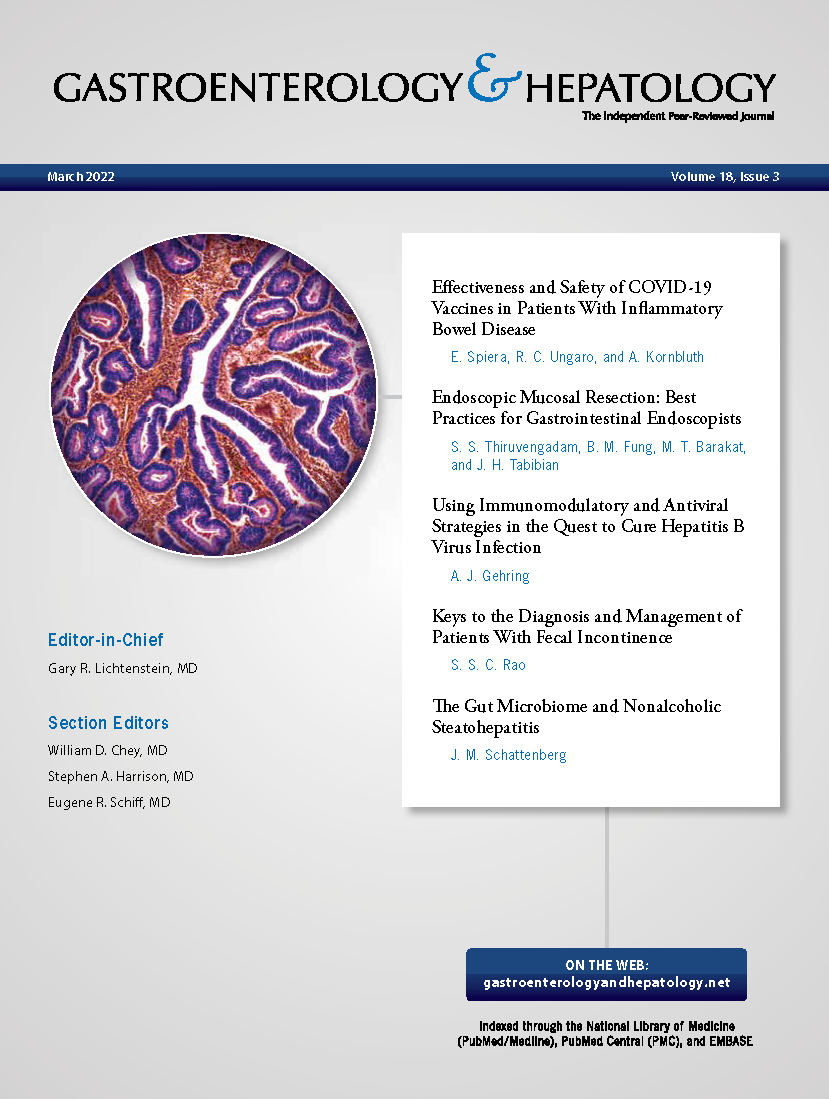
Bowel or fecal incontinence, according to the Mayo Clinic, “is the inability to control bowel movements, causing stool (feces) to leak unexpectedly from the rectum. Also called bowel incontinence, fecal incontinence ranges from an occasional leakage of stool while passing gas to a complete loss of bowel control. Common causes of fecal incontinence include diarrhea, constipation, and muscle or nerve damage. The muscle or nerve damage may be associated with aging or with giving birth.” Dr. Satish Rao is a seasoned gastroenterologist and an expert in digestive health, particularly the brain-gut connection. Rao, a professor of medicine at the Medical College of Georgia at Augusta University, recently offered a Q&A on the topic of fecal incontinence with the journal Gastroenterology & Hepatology. What is the prevalence of fecal incontinence in the adult population? Surveys have indicated a prevalence of approximately 9% to 10% in the United States. A recent study reported a 14% prevalence, although this study was Internet-based and, thus, may not have included many elderly patients, as they may not be as computer-savvy as younger patients. It is safe to say that one in seven Americans currently suffers from fecal incontinence. Prevalence appears to be equal in men and women, although women outnumber men almost three to one when it comes to gastroenterology clinic visits and health care-seeking. Men may be too embarrassed to bring the issue of fecal incontinence to the attention of a physician, but when asked about it, they will admit and discuss it. Also, extracting information from a patient about fecal incontinence depends on how the question is asked. Asking patients whether they have daily leakage vs whether they ever have had leakage or have had leakage in the past month will elicit different responses that a clinician may interpret differently. It is important to remember that leakage is not a physiologic event that a healthy adult should have at any time, even once a month or once a year. Not having the capacity to control bowel evacuation or having leakage unaware of its occurrence signals an abnormality. What are notable risk factors for fecal incontinence? In women, pregnancy can be a risk factor, particularly if giving birth involves pelvic tissue damage, such as injury inflicted by forceps use or the unfortunate occurrence of a significant tear. Neurologic or back injuries are other common risk factors. Also, chronic diarrhea can progress to fecal incontinence owing to severe irritation of the rectum or irritants in stool. Further, any condition that changes the ability of rectal capacity can result in fecal incontinence. These circumstances can include surgery or radiation to the rectal area. Hear from a patient and learn more about Rao's research using magnetic stimulation to treat fecal incontinence. What treatment modalities are currently available? Simple, conservative treatment consists of educating patients about fecal incontinence and instructing them to avoid precipitating events. For example, although many people love to have a meal followed by a cup of coffee and a walk, such a sequence of activities is ill-advised for an incontinent patient: the meal provokes a gastric-colonic response, coffee is a powerful colonic stimulant, and exercise also stimulates motility. This triad creates the perfect storm for a stool leakage or accident while the patient is out on the after-dinner walk. Antidiarrheal therapies can be very effective but only in approximately 15% to 20% of patients. Another treatment is biofeedback, which can correct muscle weakness using behavioral techniques. Biofeedback provides resolution in approximately 50% to 70% of patients. The traditional model of office-based biofeedback requires that the patient make 6 or even up to 10 visits to a specialty clinic. This may mean that some patients must drive very long distances to an appropriate care facility that is staffed with trained personnel or physical therapists. This scenario presents a significant challenge for many patients, which is increasingly being recognized by health care professionals and researchers. Good devices for home-based biofeedback have been scarce; however, such a device was recently approved by the US Food and Drug Administration. The research center at Augusta University has tested it in a clinical trial setting and found it to be quite effective as a home biofeedback treatment. Dextranomer is another treatment modality. It involves injection of small beads of dextran polymers into the anorectal region. The beads form a protective cuff or a buffer to stop stool leakage. Another treatment modality is sacral nerve stimulation using the Medtronic InterStim system. The patient is outfitted with a pacemaker-like device with wires that continuously stimulate the sacral nerves that control stool events. In the case of a torn muscle, suturing the torn ends to reduce the size of the anorectal opening is usually useful for women postpartum, although the effect may not be sustained in the long term. What emerging treatments and research should clinicians be aware of? One emerging treatment developed at Augusta University’s Clinical Research Center is called translumbosacral neuromodulation therapy (TNT). TNT is similar to TAMS and involves the fecal delivery of magnetic energy through an insulated coil to the lumbosacral nerves that regulate anorectal function. The pulses generated are of the same strength as those of magnetic resonance imaging. The team at Augusta University’s research center has shown that TNT mechanistically improves nerve function and substantively improves stool leakage. A sham-controlled study and long-term study are currently underway at Augusta University and Harvard University’s Massachusetts General Hospital. These studies are being sponsored by the National Institute of Diabetes and Digestive and Kidney Diseases. A multicenter study sponsored by the National Institutes of Health that the team at Augusta University also is involved with is the FIT (Fecal Incontinence Treatment) trial. This randomized study compares biofeedback with dextranomer injection. Also, as mentioned, tools are becoming available for home biofeedback that should allow many more affected patients to receive treatment because they can do so in the comfort of their own home. The research center at Augusta University is working on a novel home biofeedback protocol for the treatment of constipation and fecal incontinence. Thus, novel noninvasive tools are emerging for fecal incontinence. The repertoire of current and emerging tools holds the promise of improved outcomes for patients with fecal incontinence. Rao is also the founder of the Augusta University Digestive Health Center. He is available to speak to media regarding any aspect of digestive health -- simply click on his icon now to arrange an interview today.

UCI expert sources for the Russia/Ukraine Conflict
On Friday, Feb. 25, 2022, UCI’s School of Social Sciences hosted a webinar titled, “Understanding the Russia-Ukraine Crisis.” Several of the experts below offered perspective on key issues surrounding the escalating conflict between Russia and Ukraine. You can watch or listen to the webinar here: https://www.socsci.uci.edu/newsevents/news/2022/2022-02-25-understanding-the-russia-ukraine-crisis.php UCI faculty members available to comment, and their areas of expertise, are found below. Matthew Beckmann, Associate Professor, Political Science. Professor Beckman studies the organizational structures and operational strategies presidents can use to pick their team, invest their time, focus their attention, channel their effort, discipline their thinking, coordinate their subordinates, and, most importantly, make decisions. Contact: beckmann@uci.edu Jeffrey Kopstein, Professor, Political Science. In his research, Professor Kopstein focuses on interethnic violence, voting patterns of minority groups, and anti-liberal tendencies in civil society, paying special attention to cases within European and Russian Jewish history. As pertains to the Russia/Ukraine conflict, he can speak to politics in Russia and Ukraine, Authoritarianism, NATO and the transatlantic alliance, and European Union policy. Contact: kopstein@uci.edu Erin Lockwood, Assistant Professor, Political Science. Professor Lockwood’s research areas include international political economy and global financial politics. She can speak to questions related to economic sanctions, financial sanctions/financial infrastructure and payments systems more generally (for example, the prospect of cutting off Russian access to the SWIFT financial communications system.) Contact: eklockwo@uci.edu David Meyer, Professor, Sociology, Political Science and Planning, Policy & Design. Professor Meyer’s research examines the relationships between social movements and the political contexts in which they emerge. Topics surrounding the Russia/Ukraine conflict that align with his expertise include sanction strategy; the resistance strategy that might emerge in Ukraine in the face of occupation; the history of the Cold War and its influence today; and the possibility of a powerful peace/isolationist movement emerging in the U.S. Contact: dmeyer@uci.edu Gustavo Oliveira, Assistant Professor, Global & International Studies. Professor Oliveira is a specialist in global political economy and critical geopolitics, focusing on the BRICS countries (Brazil, Russia, India, China, and South Africa) and international commodity markets, especially agricultural trade and natural resource governance. He can speak to the basis of the Russia/Ukraine conflict on natural resources, and the repercussions of the conflict for international commodity markets, inflation, and disruptions to global food supply chains. He can also speak about the anti-war movements in Russia, Europe, the United States, and broader political repercussions of the conflict in Brazil, Latin America, and the U.S. Contact: gustavo.oliveira@uci.edu Stergios Skaperdas, Professor, Economics and Director of the Center for Global Peace and Conflict Studies. His general area of research is political economy, the interaction of economics and politics. Among other issues, he has studied conflict and wars, the role of the modern state in economic development, and the interaction of globalization and geopolitics. Contact: sskaperd@uci.edu Etel Solingen, Distinguished Professor, Political Science and Thomas T. and Elizabeth C. Tierney Chair in Peace and Conflict Studies. Solingen studies the reciprocal influence between international political economy and international security, globalization and its discontents. She can discuss the crisis in terms of historical precedents (of international crises), the utility of sanctions, bargaining in crisis, Russia’s economic decline and how it bears on the current crisis. Contact: etel.solingen@uci.edu Media Contacts: • Tom Vasich, Communications Officer, UCI | 949-285-6455 | tmvasich@uci.edu • Heather Ashbach, Executive Director of Marketing and Communications, School of Social Sciences | 719-651-3224 | hashbach@uci.edu


ChristianaCare’s renowned Center for Heart & Vascular Health has earned the highest quality rating—three stars—from the Society of Thoracic Surgeons (STS) for its patient care and outcomes in isolated coronary artery bypass grafting (CABG) procedures. The prestigious three-star rating places ChristianaCare among the elite health care organizations for heart bypass surgery in the United States and Canada. The STS star rating system is one of the most sophisticated and highly regarded overall measures of quality in health care, rating the benchmarked outcomes of cardiothoracic surgery programs across the United States and Canada. The star rating is calculated using a combination of quality measures for specific procedures performed by an STS Adult Cardiac Surgery Database participant. “Earning a three-star rating for heart bypass surgery places us among the top heart hospitals in the nation,” said Ray Blackwell, M.D., the W. Samuel Carpenter Chief of Cardiac Surgery at ChristianaCare. “Delaware residents can be confident that they have one of the best heart surgery teams in the nation right here, close to home, at ChristianaCare.” The three-star rating from STS adds to ChristianaCare’s long list of awards for quality heart care. For the past two years, the Center for Heart & Vascular Health has earned the designation HeartCARE Center National Distinction of Excellence from the American College of Cardiology for its commitment to high quality cardiovascular care. In addition, the Center for Heart & Vascular health received the American Heart Association’s 2021 Mission: Lifeline Gold Quality Achievement Award for the treatment of patients who suffer severe heart attacks; the 2021 Get With The Guidelines NSTEMI Silver Award for patients with a less severe form of heart attack; and the 2021 Get With The Guidelines Gold Plus Award for Heart Failure. “Our Center for Heart & Vascular Health and our community have much to be proud of,” said Kirk Garratt, M.D., medical director of the Center for Heart & Vascular Health. “We provide great outcomes, and we also listen to patients and families and work to ensure that the stressful experience of surgery is as easy as it can be. That kind of commitment leads to this kind of recognition.” Heart Disease Remains a Leading Killer in the U.S. According to the American Heart Association (AHA), heart disease remains a leading killer in the nation—claiming more than 600,000 lives each year. In addition, the AHA anticipates the effects of COVID-19 are likely to influence cardiovascular health and mortality rates for many years. “February is American Heart Month, and there is no better time for us to take stock of our heart health than now,” Dr. Garratt said. “The COVID-19 pandemic has presented new challenges to people living with chronic conditions such as heart disease. People with heart conditions are at greater risk of complications from the virus and also continue to need assistance managing their heart health. If you are a heart patient, please do not postpone your regular visit with your cardiologist.” The STS is a not-for-profit organization that represents more than 7,600 surgeons, researchers and allied health care professionals worldwide who are dedicated to ensuring the best possible outcomes for surgeries of the heart, lung and esophagus, as well as other surgical procedures within the chest. The STS National Database was established in 1989 as an initiative for quality improvement and patient safety among cardiothoracic surgeons. “The Society of Thoracic Surgeons congratulates STS National Database participants who have received three-star ratings,” said David Shahian, M.D., chair of the Task Force on Quality Measurement. “Participation in the Database and public reporting demonstrates a commitment to quality improvement in health care delivery and helps provide patients and their families with meaningful information to help them make informed decisions about health care.” About the Center for Heart & Vascular Health ChristianaCare’s Center for Heart & Vascular Health is among the largest, most capable regional heart centers on the East Coast. It is one of the only centers in the region that integrates in a single location and under one roof cardiac surgery, vascular surgery, vascular interventional radiology, cardiology and interventional nephrology. Its team of experienced cardiovascular surgeons and heart experts perform nearly 700 open-heart procedures each year and treat more than 8,000 total heart and vascular cases annually. For more information, visit https://christianacare.org/services/heart/.


Troops are amassing along both sides of the border separating Russia and Ukraine. Diplomatic efforts from leaders from across Europe are in high gear as the concerns of an invasion and potentially all-out war between Russia and Ukraine could send the region into chaos. As the world watches and both sides gather allies for support, there are a lot of questions to ask, history to explore and explanations needed about what’s going on now and why. Dr. Craig Albert, associate professor of political science and director of the Master of Arts in Intelligence and Security Studies at program at Augusta University, sat down with ABC News to answer some of those lingering questions. Q: What is the reason for Russia’s interest in Ukraine? "If NATO allows Ukraine to become a member of NATO, which is what Putin is fearing here, he might think that they might want to go to Belarus next. Where else are they going to go? Georgia, the Republic of Georgia? Putin does not want NATO literally bordering the Russian federation. He thinks that’s a threat and would allow NATO to put missiles and missile defense in those countries, which as you know, is much more of a direct threat to Russia." Q: Maybe it comes down to the possibility of military threats. Why does the US care what’s happening way over there? "So, when you have any type of European possible land mass war, conventional war, that’s going to be a cataclysmic problem for the world. I think of the untold numbers of dead that would happen in some type of land conventional war, kinetic operations on Europe. The last time we had something like that was the wars in the former Republic of Yugoslavia in the early ’90s. That resulted in up to 300,000 to 400,000 dead in two or three years. So, we live in a globalized world, so if you have Eastern or Central Europe that gets confronted with a massive conventional war, that’s going to effect the security and the economy of the entire world including us." Q: So, is it just the US being world police again? "Each side is viewing the other as acting aggressively and I think both sides are just trying to sure up their defenses, just trying to make sure that they can handle the current situation. The United States is entering in what’s called a status quo power cycle, where the United States just wants the power of the international arena to stay where it is.” With news reports of an invasion potentially happening soon, there will be an enormous amount of coverage on this topic – and that’s where the experts from Augusta can help with your stories. Dr. Craig Albert is director of the Master of Arts in Intelligence and Security Studies at Augusta University. He is a leading expert on war, terrorism, and American politics. This is an important national and international issue. Albert is available to speak with media – simply click on his name to arrange an interview today.