
Experts Matter. Find Yours.
Connect for media, speaking, professional opportunities & more.

Study reveals the inside of your car is dirtier than the average toilet
A study by researchers in the College of Health and Life Sciences at Aston University and commissioned by Scrap Car Comparison has revealed that the inside of our cars have significantly higher levels of germs on them than the average toilet. The researchers took samples from car interiors with varied ownership histories, to establish bacterial contamination levels within the vehicles and to highlight how thoroughly people clean their cars. The results revealed that motorists should be cleaning the inside of their cars more frequently, with harmful bacteria likely to be discovered in most cars out on the road today. In particular, the study found that the car boot plays host to significantly high levels of bacteria, with E.coli likely to be found in every boot and potentially on your driver’s seat. More commonly known as faecal bacteria, the findings pose a clear concern for anyone that puts their fruit and vegetables in the boot after a trip to the shops or enjoys a drive-thru dinner in the driver’s seat. Dr Jonathan Cox, a senior lecturer in microbiology at Aston University, said: “The results of this study are fascinating, as they help to show that despite cleaning our cars, the older they are, the dirtier they generally are. “This becomes key when thinking about areas such as the car boot or driver’s seat. Many of us have placed loose food shopping in our boots, or dropped the odd crisp onto our seat, before picking it up and eating it.” Other areas tested included the gearstick, dashboard and backseat which also saw higher levels of bacterial contamination than is found on the average domestic toilet. Bacteria found included Pseudomonas, a bacterium with strains that can’t easily be treated with antibiotics and Staph Aureus, a germ associated with coughs and sneezes that in some cases is linked to MRSA. The researchers identified the filthiest areas of a car: 1. Boot - 1,425 bacteria identified 2. Driver’s seat - 649 bacteria identified 3. Gearstick - 407 bacteria identified 4. Back seat - 323 bacteria identified 5. Dashboard - 317 bacteria identified 6. Steering wheel - 146 bacteria identified. There was also a correlation discovered between the age of a car, and the levels of bacteria likely to be found within it. The older cars sampled for the study exhibited higher bacteria loads than those that have been on the road for a shorter amount of time. However, the researchers found that out of all areas of our cars, the steering wheel was generally found to be the cleanest. This high-contact area saw very low levels of bacterial contamination and could be due to the uplift in hand sanitiser use following the COVID-19 pandemic. Dr Cox added: “These results highlight that we should change how we think about our cars and cleanliness. Often, we will clean our cars based on whether they ‘look’ clean versus whether they actually are clean. But you would never even think about eating off your toilet seat. “Upholstery should ideally be given a deep clean and in future I will always clean any used car I might purchase!” Dan Gick, managing director at Scrap Car Comparison, commented: “Taking care of your car, from making sure it’s running well to keeping it clean, all work towards ensuring it has a long life and is a car you love mile after mile. The last thing you want is for your car to become a risk on the roads, as well as a risk to your health. “We hope the results of this study help to highlight the importance of taking good care of your car inside and out. It’s worth thinking about how often you clean the inside of your house and apply the same thought process to your car, especially if you tend to drive it every day”.


Antimicrobial resistance now causes more deaths than HIV/AIDS and malaria worldwide – new study
Antimicrobial resistance is spreading rapidly worldwide, and has even been likened to the next pandemic – one that many people may not even be aware is happening. A recent paper, published in Lancet, has revealed that antimicrobial resistant infections caused 1.27 millions deaths and were associated with 4.95 million deaths in 2019. This is greater than the number of people who died from HIV/AIDS and malaria that year combined. Antimicobial resistance happens when infection-causing microbes (such as bacteria, viruses or fungi) evolve to become resistant to the drug designed to kill them. This means than an antibiotic will no longer work to treat that infection anymore. The new findings makes it clear that antimicrobial resistance is progressing faster than the previous worst-case scenario estimates – which is of concern for everyone. The simple fact is that we’re running out of antibiotics that work. This could mean everyday bacterial infections become life-threatening again. While antimicrobial resistance has been a problem since penicillin was discovered in 1928, our continued exposure to antibiotics has enabled bacteria and other pathogens to evolve powerful resistance. In some cases, these microbes are resistant even to multiple different drugs. This latest study now shows the current scale of this problem globally – and the harm it’s causing. Global problem The study involved 204 countries around the world, looking at data from 471 million individual patient records. By looking at deaths due to and associated with antimicrobial resistance, the team was then able to estimate the impact antimicrobial resistance had in each country. Antimicrobial resistance was directly responsible for an estimated 1.27 million deaths worldwide and was associated with an estimated 4.95 millions deaths. In comparison, HIV/AIDS and malaria were estimated to have caused 860,000 and 640,000 deaths respectively the same year. The researchers also found that low- and middle-income countries were worst hit by antimicrobial resistance – although higher income countries also face alarmingly high levels. They also found that of the 23 different types of bacteria studied, drug resistance in only six types of bacteria contributed to 3.57 million deaths. The report also shows that 70% of deaths that resulted from antimicrobial resistance were caused by resistance to antibiotics often considered the first line of defence against severe infections. These included beta-lactams and fluoroquinolones, which are commonly prescribed for many infections, such as urinary tract, upper- and lower-respiratory and bone and joint infections. This study highlights a very clear message that global antimicrobial resistance could make everyday bacterial infections untreatable. By some estimates, antimicrobial resistance could cause 10 million deaths per year by 2050. This would overtake cancer as a leading cause of death worldwide. Next pandemic Bacteria can develop antimicrobial resistance in a number of ways. First, bacteria develop antimicrobial resistance naturally. It’s part of the normal push and pull observed throughout the natural world. As we get stronger, bacteria will get stronger too. It’s part of our co-evolution with bacteria – they’re just quicker at evolving than we are, partly because they replicate faster and get more genetic mutations than we do. But the way we use antibiotics can also cause resistance. For example, one common cause is if people fail to complete a course of antibiotics. Although people may feel better a few days after starting antibiotics, not all bacteria are made equal. Some may be slower to be affected by the antibiotic than others. This means that if you stop taking the antibiotic early, the bacteria that were initially able to avoid the effect of the antibiotics will be able to multiply, thus passing their resistance on.

Citizen Science project set to explore the microbiome of kitchen chopping boards
Researchers in the College of Health and Life Sciences at Aston University have been awarded funds to explore the microbiome of the kitchen chopping board with the help of ‘citizen scientists’. The grant is from UK Research and Innovation (UKRI) and the Food Standards Agency (FSA) as part of a larger project to investigate food standard challenges. The new citizen science project plans to recruit participants from underrepresented communities in the West Midlands to investigate levels of foodborne bacteria in the home and produce educational materials for their communities. Citizen science projects put the public at the heart of the research process. Rather than being the subjects of the research, citizens are actively involved in collecting and analysing data, and even deciding what questions they want to ask and co-developing the approaches with researchers citizen science also gives participants the opportunity to directly contribute to scientific research and influence policy. The research team in the School of Biosciences will recruit citizen scientists through its students, who will act as ambassadors in their own households and communities. The team will create methods for sampling bacteria from chopping boards and gather their observations with their team of citizen scientists and ambassadors. This will enable the researchers to identify the bacteria present and determine their antimicrobial resistance (AMR) profiles, providing opportunities for ambassadors and citizens to perform lab research. The researchers, alongside their ambassadors and citizens, will then co-design and disseminate educational materials on food hygiene tailored to their target communities and based on the findings of the study. Dr Alan Goddard, senior lecturer in the School of Biosciences and project lead, said: "Many foodborne infections begin in the home, often through poor hygiene where chopping boards provide an opportunity for raw foods to cross-contaminate. “This is why this project is an exciting opportunity to work with our students and communities to investigate a microbiological problem that causes significant disease every year. By working with the public, we get privileged access to authentic environments and can ensure our solutions are appropriate." At present, around 40 per cent of outbreaks of foodborne infections in Europe occur at home, with approximately 2.4 million cases of food poisoning occurring in the UK annually, leading to 180 deaths. A common source of such infections is poor food hygiene, with chopping boards, where raw foods may cross-contaminate, playing a key role in the infection chain. Misunderstandings, or poor food hygiene, may therefore contribute a significant disease burden. Professor Anthony Hilton, executive dean of the College of Health and Life Sciences said: “This exciting project brings together the expertise of University researchers with the natural inquisitiveness of members of the public to co-develop and undertake a research project which has the potential for real impact in reducing the burden of foodborne disease in the home.” The FSA and UKRI have awarded a total of £200,000 to fund six projects in order to bring the public and researchers together to investigate food standards challenges. All six projects include exploring the bacteria on home grown produce, parents testing the safety of baby formula, and people with food hypersensitivities analysing the allergens in food bought online. The citizen science projects are all linked to the FSA’s Areas of Research Interest themes, covering issues such as antimicrobial resistance (AMR), food hypersensitivity and food safety and hygiene in the home. The funding was delivered in collaboration with the Biotechnology and Biological Sciences Research Council (BBSRC) and the Economic and Social research Council (ESRC), both part of UKRI. It is part of a wider effort to coordinate activities and develop a joined-up approach to tackle the challenges of maintaining safe food in the UK. Professor Robin May, Chief Scientific Advisor for the FSA said: "I’m delighted that the FSA is supporting these exciting citizen science projects across the country. In addition to delivering invaluable data, these projects will allow the communities we serve to help build the evidence on which policy decisions are made. We are committed to using science and evidence to tackle the latest food-related issues and citizen science is a fantastic way of doing this." The citizen science project investigating the microbiome of the kitchen chopping at Aston University will start in January 2022, concluding in July 2022.

Metal-Breathing Bacteria Could Transform Electronics, Biosensors, and More
When the Shewanella oneidensis bacterium “breathes” in certain metal and sulfur compounds anaerobically, the way an aerobic organism would process oxygen, one of the materials it can produce is molybdenum disulfide, a material that could be used to enhance electronics, electrochemical energy storage, and drug-delivery devices. Shayla Sawyer, an associate professor of electrical, computer, and systems engineering at Rensselaer, has centered much of her research on the unique abilities of this bacterium. Her lab’s exploration in this area could be an important step toward developing a new generation of nutrient sensors that can be deployed on lakes and other water bodies. Compared with other anaerobic bacteria, one thing that makes Shewanella oneidensis particularly unusual and interesting is that it produces nanowires capable of transferring electrons. “That lends itself to connecting to electronic devices that have already been made,” Sawyer said. “So, it’s the interface between the living world and the manmade world that is fascinating.” Sawyer is available to talk about this unique and innovative area of research, and the potential to develop the next generation of electronics and sensors.


A leading London based architectural metalwork company, specialising in the design, fabrication and installation of bespoke metal products has entered into a Knowledge Transfer Partnership (KTP) with Aston University, with the aim of developing antimicrobial coatings as a way to reduce infection in high risk environments. The Aston University research team will work with John Desmond Limited to develop high end metallic products that can be used where there is a high risk of the spread of bacteria. The antimicrobial coating will be developed for use in communal areas on products such as handrails, balustrades, push plates, door handles and faceplates, – all of which are common in high traffic areas such as hospitals, doctors surgeries, dental practices, schools and transportation hubs. A Knowledge Transfer Partnership (KTP) is a three-way partnership between a business, an academic partner and a graduate, called a KTP Associate. The UK-wide programme helps businesses to improve their competitiveness and productivity through the better use of knowledge, technology and skills. Aston University is the leading KTP provider within the Midlands. Microbiologists from Aston University’s College of Health and Life Sciences and materials scientists from its College of Engineering and Physical Science will establish the effectiveness of the antimicrobial coatings against a panel of bacteria under a range of conditions to further optimise the surface performance. The team will support John Desmond Ltd to establish an in-house microbiology laboratory to enable extensive testing of the developed coatings which will be carried out under lab conditions. Information from the lab tests will provide supporting evidence to prospective clients of the antimicrobial coating’s efficacy, expected lifespan and performance under varying conditions. Ian Desmond, owner of John Desmond Ltd, said: “We are very excited to be working with Aston University on this ground-breaking project to develop industrial coatings capable of reducing the spread of infection within public spaces. “We are confident that with the expert knowledge and experience that the Aston University team brings to this collaboration, we will succeed in formulating a potent cost-effective means to protect all of us from the threat of micro-organisms, and their impact on the environment in which we live and work.” The Aston University academic team consists of Dr Tony Worthington, associate professor in clinical microbiology and infectious disease; Professor Anthony Hilton, and executive dean of the College of Health and Life Sciences, and Dr Richard Martin from the Aston Institute of Materials Research in the College of Engineering and Physical Science. Professor Anthony Hilton said: “I’m delighted to be able to work on this exciting project with John Desmond Ltd, bringing together a multi-disciplinary team of scientists and engineers from across Aston University to work with an industry partner. “Knowledge exchange between academia and industry is a core element of Aston University’s strategy and it is exciting to be part of a team developing a product which has the potential to have real impact in preventing and controlling infection.” Dr Richard Martin, Aston Institute of Materials Research, said: “Over the past year, we have all become aware of just how important it is to limit the spread of microorganisms. This project is an exciting opportunity to develop new antimicrobial coatings that will significantly reduce the transmission of microorganisms from touchpoint surfaces such as door handles and handrails." The research team have found that claims for the effectiveness of the anti-microbial properties of products already on the market are not always backed with scientifically rigorous evidence. As a result of this, these products have not been able to penetrate markets such as healthcare, where generic claims are not sufficient for buyers to change suppliers. This KTP will establish a body of testing and efficacy data which will support the application and use of antimicrobial coatings in a range of settings where control of bacteria on environmental surfaces is critical for infection prevention and control. You can visit our website for more information about The College of Health and Life Sciences and The College of Engineering and Physical Science at Aston University.


Six reasons why potatoes are good for you
The humble potato has been given a bad rap. What was once a cheap staple of many countries’ diets has instead been branded in recent years an “unhealthy” food best avoided. Eating too much of any type or group of food (like carbohydrates) isn’t healthy, and some research suggests eating too many potato products in particular might be associated with higher blood pressure. But it’s typically the way we prepare and consume potatoes (like frying them) that cause negative effects. In fact, potatoes contain a lot of vitamins and other nutrients that are important for health. Here’s six reasons why potatoes are good for you. 1. Vitamin C People typically associate vitamin C with oranges and citrus fruit. But an important source of vitamin C in British diets for most of the 20th century actually came from potatoes. On average, a small (150g) potato provides us with about 15% of our daily vitamin C. Get your news from people who know what they’re talking about. Vitamin C is important as not only does it support immune function and contain antioxidants, it plays an essential role in forming connective tissue, which helps our joints work – and holds our teeth in place. This is why vitamin C deficiency (scurvy) is linked to teeth falling out. Read more: How the humble potato fuelled the rise of liberal capitalism – podcast 2. Vitamin B6 Vitamin B6 is an essential co-factor (a small molecule) in the body. It helps over 100 enzymes in the body function properly, allowing them to break down proteins – a process key to good nerve function. This may also be why B6 is linked to good mental health. Typically, a small potato will contain around a quarter of an adult’s recommended daily intake of B6. 3. Potassium Having potassium in our cells is important for regulating the electrical signalling in muscles and nerves. So, if potassium gets too high or low, it can stop our heart working. Roast, baked and fried potatoes contain higher levels of potassium than boiled or mashed potatoes, with a jacket potato containing around a third of the recommended daily intake. This is because boiling diced potatoes can cause around half of the potassium to leak out into the water. However, people with kidney disease – which can limit the ability to remove excess potassium from the body – may need to limit the number of potatoes they eat. And if you do roast or fry your potatoes, be careful how much oil you use. 4. Choline Choline is a small compound which attaches to fat to make phospholipids, the buildings blocks of cell walls, as well as the neurotransmitter acetylcholine (which helps us contract muscles, dilate blood vessels, and slow heart rate). Potatoes contain the second highest levels of choline, next to protein-rich foods, like meat and soya. It’s vital to consume enough choline as it’s essential for a healthy brain, nerves, and muscles. And subtle differences in our genes may mean some of us are naturally more deficient in making choline. A jacket potato contains around 10% of a person’s daily choline requirements. Choline is particularly important in pregnancy, as the growing baby is making lots of new cells and organs. 5. Good for our stomach Cooking and cooling potatoes before eating them allows resistant starch to form. This healthy starch helps our bodies in many ways, including by acting as a prebiotic (which are important for a healthy gut microbiome). The cooling of fluffy, cooked starches causes them to collapse. While this actually makes them harder to digest, this means that the bacteria in our colon then ferments them, producing compounds similar to vinegar called short-chain fatty acids. These fatty acids nourish our guts and keep it healthy. Short-chain fatty acids can also alter our metabolism in a good way, helping lower blood fat and blood sugar levels. This – together with their high water and low-fat content – makes boiled and steamed potatoes a low calorie, nutrient dense and filling food. 6. Naturally gluten free Potatoes are also naturally gluten free, so are a great option for people with coeliac disease or who need to avoid gluten. The same is true for sweet potatoes, which also have a lower glycaemic index – which means they don’t cause a sharp spike in blood sugar, which may help control weight and appetite. However, sweet potatoes are slightly higher in calories and carbohydrates than regular potatoes – though they contain more beta carotene (a form of vitamin A). Potatoes on your plate Some people may choose to avoid potatoes due to concerns about weight gain – but a typical boiled potato is only around 130 calories, which is actually fewer calories than a banana of the same size. But it’s important to remember how potatoes are prepared and what they’re eaten with. Boiling or steaming (possibly with cooling to increase the resistant starch) is the best way to keep the number of calories per gram low. Baking will increase calories per gram (as water is lost), as can mashing with butter or cream. The least healthy way to eat potatoes is as chips or crisps, as they soak up oil like a sponge. You’ll also want to avoid green potatoes. This happens when the potato has been stored in light and produces a toxin which can irritate our gut. Otherwise, for most people including potatoes as part of a healthy and varied diet may actually be a good thing. And alongside being healthy, potatoes also have environmental advantages. They require less water than rice to produce, and less greenhouse gases than both rice and wheat – which may be yet another good reason to include potatoes in your diet. Originally posted on The Conversation - Six reasons why potatoes are good for you

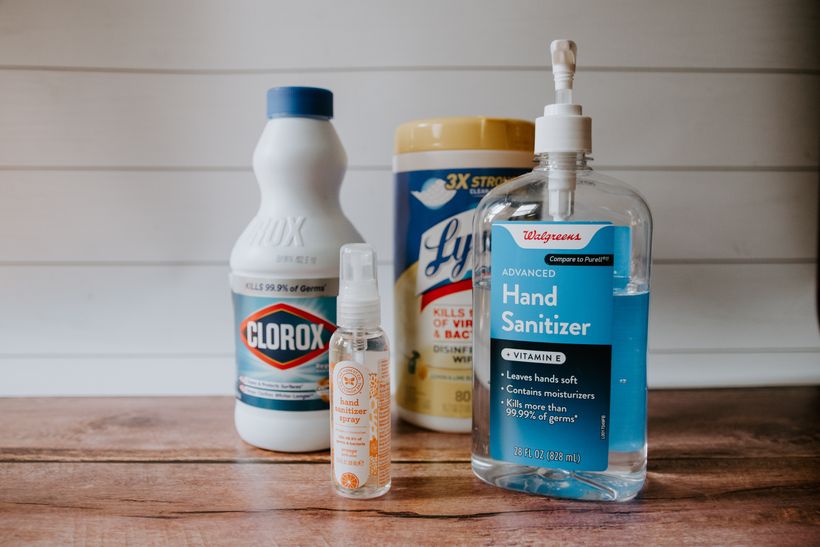
The days of wiping down groceries may be coming to an end, but will Americans' reliance on hand sanitizer follow suit? This week, the Centers for Disease Control and Prevention (CDC) released a report confirming that the risk of catching the coronavirus from surfaces is low. Kevin Minbiole, PhD, chair of the Department of Chemistry at Villanova University, weighs in on hand sanitizer use—and whether too much sanitizing is a bad thing. "I think that a lot of the concern on the overuse of hand sanitizer a decade ago or so was the overuse of triclosan, a strong antimicrobial agent that would persist in wastewater," said Dr. Minbiole, referring to a theory that arose following the H1N1 pandemic in 2009. At that time, scientists expressed worry that bacteria were becoming resistant to hand sanitizer. "It seemed like overkill to go beyond soap and water or simply ethanol (alcohol)—or to add triclosan into hand soap," Dr. Minbiole continued. While Dr. Minbiole does not dismiss this theory, he notes, "I believe there was merit to the concerns of overapplying antibiotics and antiseptics when they were not needed." Looking to the future, Dr. Minbiole does not see hand sanitizer playing as big a role. "I don't foresee a backlash so much here, as folks recognize that this particular virus is more of an airborne concern," he says.


Toolkit is easily incorporated into any laboratory science course Wilmington, Del., April 1, 2021 – St. Georges Technical High School in southern New Castle County, Delaware is the first high school in the United States to use ChristianaCare Gene Editing Institute’s innovative CRISPR in a Box Educational Toolkit™ in a science class. CRISPR in a Box brings to life the much-heralded CRISPR gene editing technology – the “genetic scissors” that allow scientists to edit DNA. The toolkit is designed for educational sessions in secondary and post-secondary schools and is suitable for remote learning. “Gene editing is the future of medicine,” said Eric Kmiec, Ph.D., director of ChristianaCare’s Gene Editing Institute. “Our partnership with the Delaware Department of Education will help cultivate the next generation of genetic scientists and enhance Delaware’s position as a leader in the biosciences.” “We are thrilled that students at St. Georges Technical High School will be the first In the United States to experience a live demonstration of CRISPR gene editing using our Innovative CRISPR in a Box educational toolkit,” said Siobhan Hawthorne, Education and Community Outreach leader at ChristianaCare’s Gene Editing Institute. “This toolkit will provide STEM students with a visual understanding of how the exciting CRISPR technology can unlock medical treatments to improve lives.” Delaware Secretary of Education Susan Bunting praised her department's partnership with ChristianaCare's Gene Editing Institute to develop the “Seeds of STEM” course that teaches high school students about gene editing. “Gene editing approaches diseases in new ways and will have significant impact in the health care and agriscience fields,” Bunting said. “This is a great example of an industry and education partnership investing in youth by providing hands-on knowledge and skills around emerging technology.” “We are so fortunate that ChristianaCare’s Gene Editing Institute reached out to our program to plan a high school ‘first’ opportunity with this new CRISPR experiment,” said Danya Espadas, one of the St. Georges biotech teachers. “Giving students the chance to use a cutting-edge, 21st century tool for medicine in their own high school lab – to have that technology at their fingertips – transcends what they see in a textbook or a video. By being able to do it themselves, it makes it real for them.” Espada said the experiment focuses on editing a gene of a non-infectious E.coli bacteria to become resistant to an antibiotic, thereby allowing researchers to create a new class of antibiotics that cannot be overcome by bacteria that are gene resistant. “We’re talking about eventually saving lives, here,” she said. “What can be more important than that?” The tools in CRISPR in a Box have been designed based on the pioneering discoveries of the Gene Editing Institute that are currently being used to explore next-generation medical therapies and diagnostics for diseases, including lung cancer and sickle-cell anemia. Component items in the toolkit include the CRISPR/Cas complex, a target DNA molecule, a mammalian cell free extract and a synthetic DNA molecule. All materials in the kit are safe, synthetic materials. There are no live cultures or viruses involved. The kit is meant to provide a hands-on demonstration of CRISPR’s capabilities, and not allow for manipulations of living organisms. “The kit is easy and fun to use,” said Kristen Pisarcik, research assistant at the Gene Editing Institute who has taught students at Delaware Technical Community College which first used the toolkit. “In a short period of time students will reliably and successfully complete the laboratory activity and be able to see the results of gene editing,” she said. Since the foundations of the kit touch upon key themes in biology, it can be readily incorporated into practically any science or biology course with a laboratory component, “One of the beauties of CRISPR in a Box is that there is no need to purchase specialized equipment. If a teaching lab can support bacterial cultivation, it can perform the in vitro gene editing lab activity,” Pisarcik said. CRISPR in a Box is the evolution of a partnership between the Gene Editing Institute, Delaware Technical Community College and Rockland Immunochemicals that began in 2017 with a National Science Foundation grant to develop the first-ever gene editing curriculum for community college students. Video and photo collection of first class in U.S. to use CRISPR in a Box™ educational gene editing toolkit. About ChristianaCare’s Gene Editing Institute The Gene Editing Institute, a worldwide leader in CRISPR gene editing technology and the only institute of its kind based within a community health care system, takes a patient-first approach in all its research to improve the lives of people with life-threatening disease. Since 2015, researchers at the Gene Editing Institute have been involved in several ground-breaking firsts in the field, including the development of the first CRISPR gene editing tool to allow DNA repairs outside the human cell which will rapidly speed therapies to patients and a unique version of CRISPR called EXACT that reduces the number of off-target edits to other areas of the genome, which is vital for further research and patient applications. Its researchers are currently developing a patient trial for lung cancer using CRISPR and employing the technology to combat the COVID-19 pandemic. About the biotech program St. Georges Technical High School The Biotech career program of study at St. Georges Technical High School is the first such program offered in a Delaware high school. With two teachers and approximately 100 students in grades 10-12, the program presents advanced content in biology and chemistry with opportunities for students to learn basic laboratory techniques and procedures and to maintain and operate common instruments and equipment used in a biotechnology laboratory. St. Georges is a comprehensive career and technical high school with 1,100 students who study in one of 16 different career pathways.



A Lego-Like Approach to Improve Nature’s Own Ability to Kill Dangerous Bacteria
The Centers for Disease Control and Prevention considers antibiotic resistance one of the most urgent public health threats, one that affects communities worldwide. The ramifications of bacteria’s ability to become resistant to antibiotics can be seen in hospitals, public places, our food supply, and our water. In their search for solutions, researchers at Rensselaer Polytechnic Institute have been looking to nature. In a paper recently published in Biomacromolecules, the team demonstrated how it could improve upon the ability of nature’s exquisitely selective collection of antimicrobial enzymes to attack bacteria in a way that’s much less likely to cause bacterial resistance. “The idea is that we could take nature’s approach and just make it better,” said Jonathan Dordick, a chaired professor of chemical and biological engineering and a member of the Center for Biotechnology and Interdisciplinary Studies (CBIS). In order for bacteria to grow and live, they naturally produce autolysin enzymes that can break down their own cell walls, allowing those cells to divide and multiply. In attacking one another, bacteria take advantage of a similar process, using an antibacterial protein known as a bacteriocin to kill a bacterium. Bacteria can also be attacked by bacteriophages, which are viruses that infect bacteria. They produce phage endolysin enzymes, which attack the bacterial cell from the inside. All three types of enzymes are broadly known as cell lytic enzymes, as they catalyze the breakdown of the bacterial cell wall. “It’s very difficult for bacteria to become resistant to the action of these enzymes,” Dordick said. “For example, if they became resistant to an autolysin, they wouldn’t divide.” Like building blocks, most cell lytic enzymes are modular. They’re made up of one binding domain which attaches to the cell wall, and a catalytic domain that breaks holes in the cell wall — effectively destroying the targeted bacteria. “The idea was: Could we use a Lego-like approach here? Could we take a binding domain from one enzyme and can we mix it with a binding domain or catalytic domain of another one?” Dordick said. The issue of antibiotic resistant bacteria and disease is a serious one and of great concern to the medical community. If you’re a journalist covering this topic or are looking to know more about the ongoing research into this field – let our experts help. Jonathan S. Dordick is the Howard P. Isermann Professor of Chemical and Biological Engineering at Rensselaer Polytechnic Institute where he is also the Senior Advisor to the President for Strategic Initiatives. Dr. Dordick is available to speak with media regarding this topic - simply click on his icon to arrange an interview.


Pharmaceutical aerosols are painless, fast-acting and less likely to cause side effects than medicines delivered via pills or injections. Yet inhaled therapies are often avoided because of the challenges associated with targeting how aerosol particles are deposited within the lung. “Current inhalers produce fairly large particles, so approximately 90 percent of the medication gets lost in the mouth and throat. It’s swallowed and wasted. This prevents many medications from being delivered through the inhalation route, even though there are a number of advantages to be gained, such as improved efficacy and reduced side effects,” said Worth Longest, Ph.D., the Louis S. and Ruth S. Harris Exceptional Scholar Professor in the Department of Mechanical and Nuclear Engineering in the VCU College of Engineering. Simply making the particles smaller isn’t a solution. “The problem with making the particles smaller is that they go in really well — but they also come straight back out during exhalation,” said Michael Hindle, Ph.D., the Peter R. Byron Distinguished Professor in the VCU School of Pharmacy. With three National Institutes of Health R01 grants totaling more than $7 million, Longest and Hindle are applying a combined engineering and pharmaceutical approach to make inhaled medications more effective and available. In “High-Efficiency Aerosol Delivery Using the Excipient Enhanced Growth Concept: A Human Proof of Concept Study,” Longest and Hindle have created a novel platform that produces particles that are tiny when they enter the lungs — but grow in size as they travel down the warm, humid airways. This platform comprises a device that uses a mixer-heater to produce tiny particles, about one-fifth the size of those from conventional inhalers. With this delivery concept, a pharmaceutical powder or liquid is enhanced with a hygroscopic excipient, essentially a substance that attracts water. “Your lungs are full of water,” Hindle said. “So if you put something inside your lungs that likes water, it’s going to swell and grow in size and not be expelled.” Using sodium chloride — salt — as the hygroscopic excipient, they have tested their system in vitro. The results have been promising. “We’ve flipped the needle,” Longest said. “Previously, only 10 percent of the initial dose would reach the lung, and that 10 percent was poorly targeted within different lung regions. With our approach, you can get 90 percent in and distribute that 90 percent evenly, or target a specific lung region.” The researchers will begin testing their method on adults in two human proof-of-concept trials beginning in late 2019 and early 2020. In two separate, but related, NIH studies, Longest and Hindle are adapting this concept for patients ranging in age from newborn to six. Each project proposes a device approximately the size of a lipstick tube that contains a pediatric formulation (liquid or powder) enhanced with a hygroscopic excipient. There are currently no inhalers on the market specifically designed for children or infants, even though their inhaling patterns and volumes differ from those of adults. Pediatric patients therefore must use adult-sized devices. One study focuses on targeted lung delivery of the antibiotic tobramycin to children with cystic fibrosis, a population prone to respiratory infection because of overproduction of mucus in the lungs. Pediatric cystic fibrosis patients with lung infections usually receive the medication via, 20-minute nebulizer treatments daily, sometimes up to four per day. Longest and Hindle’s proposed alternative is a pediatric dry powder inhaler that is fast and easy to use. Because its particles are engineered to reach the deep lung, it is expected to eradicate infection more efficiently because there is less risk of resistant strains of bacteria forming in undertreated regions of the lung. The other study focuses on delivery of surfactant aerosols to premature infants. Surfactant is a substance found in healthy lungs that keeps the tissue supple enough to expand and contract properly. The respiratory system is among the last to develop in utero, so in newborns and preemies, this substance is sometimes not fully developed — or not present at all. When these infants experience severe respiratory distress, the current protocol is to intubate and administer large doses of liquid surfactant to the lung by way of the throat. This highly invasive and potentially dangerous procedure causes distress and blood pressure fluctuations. In this third NIH-funded study, the researchers are also developing a tiny, small volume nebulizer and a dry powder inhaler for efficient, noninvasive respiratory support for infants.
