
Experts Matter. Find Yours.
Connect for media, speaking, professional opportunities & more.

Comprehensive Sleep Wellness Center Opens on Newark Campus
More than 70 million Americans suffer from sleep-related problems. To address this growing need, ChristianaCare has opened a new comprehensive sleep wellness center in the Medical Arts Pavilion II on the ChristianaCare Newark Campus. The ChristianaCare Sleep Wellness Center, accredited by the American Academy of Sleep Medicine, is an outpatient program that provides expert diagnosis and treatment of sleep disorders. The nearly 5,000 square foot, seven-bed facility builds on the success of ChristianaCare’s previous sleep diagnostic center, now incorporating clinical care and diagnostic testing at the same site. The center is staffed by board-certified sleep medicine specialists who provide in-lab and at-home sleep testing, as well as a behavioral health specialist who offers cognitive behavioral therapy for insomnia. The center offers onsite and virtual appointments. “At the ChristianaCare Sleep Wellness Center, we offer the full range of sleep care services in one place, with the expertise to help people with all kinds of sleep disorders,” said Shilpa Kauta, M.D., medical director of the ChristianaCare Sleep Wellness Center. “Sleep disorders affect members of every race, socioeconomic class and age group, but despite the high prevalence of sleep disorders, many people remain undiagnosed and untreated,” she said. National surveys show that more than 60 percent of adults have never been asked about the quality of their sleep by a physician. “It’s important for people to know that if they have problems related to sleeping, they should talk to their doctor about it, or call us at the Sleep Wellness Center. Sleep disorders can affect overall health—and they are often very treatable.” The Sleep Wellness Center provides expert, multidisciplinary diagnosis and care for every kind of sleep problem, including: Obstructive sleep apnea. Restless leg syndrome. Narcolepsy. Parasomnias, such as sleepwalking. As part of the ChristianaCare team, the expert staff at the Sleep Wellness Center coordinates with disease-based programs at ChristianaCare to integrate sleep services into cardiac care, weight loss surgery and renal transplant care. They also partner with surgeons to manage hypoglossal nerve stimulation therapy, a major advancement in obstructive sleep apnea treatment. Patients at the Sleep Wellness Center undergo a personal sleep history, medical background and physical examination. If appropriate, a polysomnography (sleep study) may be ordered to monitor and record brain waves, heart rate, blood oxygen level, breathing and eye movements. Poor Sleep Health is a National Problem According to the National Institutes of Health, of the 70 million Americans suffering from sleep-related problems, more than 50% are likely to have a chronic disorder, such as insomnia, obstructive sleep apnea, restless leg syndrome and narcolepsy. People who suffer from sleep disorders are also more likely to have chronic diseases like hypertension, diabetes, depression, obesity and even cancer. The impact on American life and economy is enormous as sleep deprivation and untreated sleep disorders are estimated to cost over $100 billion annually in lost productivity, medical expenses, sick leave, property and environmental damage. “With information collected through testing, our sleep experts can determine the source of a sleep problem and begin a treatment plan to help patients improve their quality of life,” Kauta said. The address and phone number of the new center: ChristianaCare Sleep Wellness Center 4735 Ogletown Stanton Rd. Suite 2210 Newark, DE 19713 302-623-0610


When Our Feelings Become Physical: Understanding Our Bodily Responses To Emotion
Alicia Walf is a neuroscientist and senior lecturer at Rensselaer Polytechnic Institute whose research interests are fueled by the broad question: Why are there individual differences in stress? This question led to studying hormones' actions for growth and plasticity in the brain and body. She has since refined her pursuit to include consideration of body, brain, and mind relationships as they relate to memory, perception, social cognition, and emotions. Dr. Walf has taken a cross-species and cross-discipline approach in her work. Dr. Walf’s studies of the effects and mechanisms of stress and well-being often occur in the “wild,” such as in architectural built environments, artistic installations, interactions with technology, contemplative practices, conference rooms, and classrooms. Here, Walf examines what we know and what we have yet to learn about the physical manifestations of our emotions. Over 100 years ago, the earliest ponderings of how feelings are reflected in our body were described. Also, several decades ago, the first personality associated with an intense stress response was Type A personality. This personality type is characterized by quickness to anger and competitive drive as well as the negative consequences of chronic stress on the cardiovascular system. Recent work in mice shows that increasing heart rate produces an anxiety-like state (Hsueh et al., 2023, Nature). Now, a focus is trying to link changes in the body with feelings to brain mechanisms. Even after all of these years of study, we do not fully understand if there is a signature bodily response associated with specific feelings. For example, both anger and love (and other feelings that have been studied like jealousy) are associated with changes in the body that look indistinguishable from stress. The heart beat quickens, the eyes widen and the pupils become larger, blood rushes to the muscles and surface of the body. As surface body temperature and blood flow rises with these changes, a blush may become apparent on our cheeks. Indeed, a study showed that people have similar responses in describing which areas of the body are activated or deactivated in different emotional states; that is, where they feel these emotions in their body (Nummenmaa et al., 2013, PNAS). In this study, people said that love most greatly activated the head and trunk, whereas anger’s activation of the body was more focused on the head, arms, and chest. We can agree that love and anger – and all the strong feelings we have – mentally feel quite different from each other and we also have different behaviors. Those differences are likely due to a cognitive component, or how we assess the current situation in relation to what we know and our past experiences. Neuroscientists would argue that there are likely different brain circuits active in an angry and love state (and others), but those precise mechanisms are yet to be figured out. To date, we understand that feelings of love activate a reward pathway. Neurochemical differences may also play a role. For example, release of dopamine in this reward pathway and oxytocin in areas involved in social bonding are tied to love. The challenge of understanding the links between these expressions of emotions in the body to the mechanisms in our brain remains. Walf is available to speak with media - simply click on her icon now to arrange an interview today.



Is there a link between CTE and mass shootings? Let our expert explain
This spring news of mass shootings has dominated the headlines almost weekly with stories of tragedy in Michigan, Tennessee, Kentucky and Alabama. To date, there have been an estimated 160 mass-shootings in America this year. In the wake of each tragedy, Americans are left asking 'How this could happen?' and 'Why did this happen?' In the case of the April 10 shooting in Louisville, the parents of the gunman are also seeking answers as they claim prior trauma and CTE may have played some part in the shooter's actions and motivation. It's a theory that's getting a lot of attention from doctors and journalists. The family of Connor Sturgeon – who was killed after he fatally shot five people Monday morning at the Old National Bank in Louisville, Kentucky – plans to have his brain tested for chronic traumatic encephalopathy, commonly known as CTE, his father and a spokesperson for the family told CNN on Thursday. “Yes, Connor is being tested for CTE. Probably will take a while to get results,” Todd Sturgeon, Connor Sturgeon’s father, texted to CNN. Pete Palmer, a family friend who is speaking for the Sturgeons, said the family and the state medical examiner are looking to have Connor Sturgeon’s brain tested. April 14 - CNN There's a lot to know when reporting on CTE, especially when it involves the potential links to tragedy and a mass shooting. And that's where clinical experts can help and make sure reporters have the details, terminology and facts correct when covering such important topics. With over 40 years of clinical practice, Wayne Hulon is an American Board Certified Psychotherapist, and is also recognized by the State of Georgia as a Licensed Professional Counselor. In addition to his private practice, Wayne serves as a member of the American College of Psychotherapy and is currently serving as its Executive Director. Wayne is available to speak with media regarding this subject - simply click on his icon now to arrange an interview today.


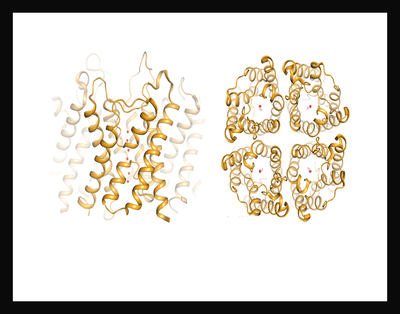
• Leading scientist wins €2.2 million ERC Advanced Grant • The five-year project will explore early dementia interventions through understanding how an aquaporin water channel regulates glymphatic clearance • ERC Advanced Grant funding is amongst the most prestigious and competitive of the EU funding schemes. A world leading scientist in the College of Health and Life Sciences at Aston University has been awarded a €2.2 million ERC Advanced Grant to understand how the movement of a protein known as aquaporin-4 in the brain can help slow cognitive decline. The FORTIFY project, which will run for five years, is led by Professor Roslyn Bill in the School of Biosciences. She will apply her discovery of the movement of aquaporin-4 to understand how the cleaning mechanism in the brain works during sleep. The research will focus on how aquaporin-4 controls the glymphatic system, which is the mechanism that allows us to clear waste products from our brains while we sleep. Her hypothesis is that the movement of aquaporin-4 in the brain changes the effectiveness of this cleansing mechanism - which lessens as people age. A greater understanding of this process could lead to an early intervention treatment that could slow the onset of dementia, such as Alzheimer’s and Parkinson’s Diseases. ERC Advanced Grant funding is amongst the most prestigious and competitive of the EU funding schemes, providing researchers with the opportunity to pursue ambitious, curiosity-driven projects that could lead to major scientific breakthroughs. Professor Bill said: “Every three seconds someone in the world develops dementia and there is no cure. I want to stop that from happening. By understanding the molecular mechanisms of brain waste clearance, we have an opportunity to develop medicines that can slow the onset of dementia, very much in the same way that statins are prescribed to control heart disease”. Roslyn Bill discovered that the water channel protein aquaporin-4 increases the permeability of brain cells to water after a brain or spinal cord injury. Around 60 million people a year suffer such injuries following falls or accidents. For example, after a skiing accident in the French Alps in 2013, Michael Schumacher suffered a severe head injury. He was placed in a medically induced coma and underwent several surgeries to treat his injuries. Until now doctors have only been able to manage the symptoms of brain injury (swelling on the brain) through interventions that may require surgery. Professor Bill and her team are due to start clinical trials in summer 2023, to test a method to stop the swelling from happening in its tracks, building on her discoveries. Roslyn’s new ERC-funded project, FORTIFY, will focus on how aquaporin-4 controls fluid flow in the healthy, uninjured brain. In this round of Advanced Grants, the European Research Council (ERC) is awarding €544 million to 218 outstanding research leaders across Europe, as part of the Horizon Europe programme. The grants will support cutting edge research in a wide range of fields, from medicine and physics to social sciences and humanities. The grant is awarded to established, leading researchers with a proven track-record of significant research achievements over the past decade. The funding will enable the researchers to explore their most innovative and ambitious ideas. Mariya Gabriel, European Commissioner for Innovation, Research, Culture, Education and Youth, said: “ERC grants are a top recognition and a significant commitment from our best researchers. The €544 million funding puts our 218 research leaders, together with their teams of postdoctoral fellows, PhD students and research staff, in pole position to push back the boundaries of our knowledge, break new ground and build foundations for future growth and prosperity in Europe” Maria Leptin, ERC President, added: "These new ERC Advanced Grantees are a testament to the outstanding quality of research carried out across Europe. I am especially pleased to see such a high number of female researchers in this competition and that they are increasingly successful in securing funding. “We look forward to seeing the results of the new projects in the years to come, with many likely to lead to breakthroughs and new advances.”



• Institute of Health and Neurodevelopment to host children’s activities at Birmingham’s science museum Thinktank on Saturday 18 March • British Science Week is a ten-day celebration of science, technology, engineering and maths • Brain Awareness Week highlighted with research showcased in glass box exhibition space on University campus. Aston Institute of Health and Neurodevelopment (IHN) is celebrating British Science Week (10-19 March) and Brain Awareness Week (13-19 March) by hosting an activities day for children at the Birmingham science museum Thinktank, alongside a social media campaign to help educate and inform the public on its latest research. Each year, the British Science Association runs a ten-day celebration of science, technology, engineering and maths called British Science Week. It is closely followed by Brain Awareness Week, a yearly global campaign to increase public awareness of brain research. The week-long celebration is organised by the Dana Alliance with a goal to educate and highlight the importance of research in developing new treatments, preventions and possible cures for brain diseases. Both campaigns align closely with the work of the Aston Institute of Health and Neurodevelopment, with the Institute’s researchers keen to use the week to host activities and share their research and information about the brain health with the public. Activities to highlight both British Science Week and Brain Awareness week include a social media campaign sharing research updates from members and surprising brain facts on Twitter (@Aston_IHN), a brain research exhibition in the glass box space in the Aston University main entrance, as well as an activity session at the Birmingham science museum Thinktank in Millennium Point. The meet and greet with IHN researchers will take place on Saturday 18 March between 11.00 and 16.00. Children and families can speak to researchers about their work and take part in interactive activities, such as memory games and eye-tracking experiments. Professor Jackie Blissett, co-director of IHN said: “British Science week and Brain Awareness week are really important campaigns for us. Brain Awareness week is the perfect time to showcase our research and engage with the public on what we do here at IHN. “We work in close collaboration with the NHS to help research potential treatments for children who experience a range of brain related conditions. We put children at the heart of what we do, with the aim of unlocking the potential of research to support children’s health and development as well as answering the questions that matter to children, their families and the services that support them.” Visitors to the exhibition on the Aston University campus are encouraged to share their thoughts about the exhibition and their pictures on Twitter, tagging @Aston_IHN. For more information about Aston Institute of Health and Neurodevelopment visit its website and for more information about studying psychology and neuroscience at Aston University visit our course pages.


Aston University professor elected Fellow of Royal Microscopical Society
Professor Igor Meglinski is a physicist, scientist and biomedical engineer He pioneered the application of circularly polarised light for cancer detection His research is at the interface of physics, optics and imaging modalities. Igor Meglinski, professor of mechanical, biomedical and design engineering in the College of Engineering and Physical Sciences at Aston University, has been elected as a Fellow of the Royal Microscopical Society (RMS). Professor Meglinski is a physicist, scientist, and biomedical engineer whose research interests are at the interface between modern physics, optics and imaging modalities, focusing on the exploration of novel photonics-based phenomena and their implementation to practical applications in medicine, biology, life sciences and health care industries. Among other achievements, Professor Meglinski pioneered the application of circularly polarised light for cancer detection. best known for his development of fundamental studies and translation research dedicated to imaging of cells and biological tissues utilising polarised light, dynamic light scattering and computational imitation of light propagation within complex tissue-like scattering medium. His current research projects include the application of coherent polarised light for cancer diagnosis, functional imaging of blood and lymph flows, neuroimaging and brain malformation studies. He is also exploring human visual perception of polarised light and helical wave fronts, the fundamentals of shaped light with orbital angular momentum and quantum entanglements transfer in turbid tissue-like scattering medium, screening of cells, cell’s organelles and cells interaction. He has authored and co-authored more than 400 scientific papers and presented over 800 presentations at major international conferences in the field, including over 200 keynote and plenary talks and invited lectures. The Royal Microscopical Society is a learned society dedicated to the promotion and development of microscopy and imaging. Its members come from a wide range of backgrounds, including undergraduates, research students, users of microscopy in industry and academia, microscopy manufacturers and suppliers and research leaders in their various fields within the biological and physical sciences. Professor Igor Meglinski said: “I was delighted to be invited to become a Fellow of the Royal Microscopical Society. “It is always a pleasure to be recognised for your work, such as my recent research which could provide a more accurate method of blood flow diagnosis in skin to help people with diabetes.”

Researchers reveal CBD can counter epileptic seizures in children
• Aston University epilepsy model used to illustrate the mechanisms of seizure activity • Results suggest how CBD can be useful in the treatment of childhood epilepsy • New insight into potential future interventions for hard-to-treat epilepsy. Researchers at Aston University have contributed to the discovery of a previously unknown way in which cannabidiol (CBD), a non-psychoactive component of cannabis, can reduce seizures in many treatment-resistant forms of childhood epilepsy. A group of international collaborators, led by scientists at NYU Grossman School of Medicine, including a team from the Aston Institute of Health and Neurodevelopment at Aston University, found that CBD blocked signals carried by a molecule called lysophosphatidylinositol (LPI). LPI is found in our brain’s neurons and is thought to amplify nerve signals as part of normal function but can be hijacked by some epilepsies to promote seizures. The study, published in the journal Neuron, expanded on previous findings showing that CBD blocks the ability of the molecule LPI to amplify nerve signals in a brain region called the hippocampus. The current study argues that, for the first time, the molecule also weakens signals that counter seizures, further explaining the value of CBD treatment and the generation of seizure activity in epileptic people. As part of the research group, the Aston University team used a leading model of epilepsy, developed by Professor Gavin Woodhall, to perform recordings of electrical signals in brain cells taken from epileptic rodents, some of which had been treated with CBD. By doing this, they were able to pinpoint the molecular mechanisms by which CBD acts to prevent seizure activity in epileptic brains. Professor Woodhall, co-director of Aston Institute for Health and Neurodevelopment, said: “These new insights into epilepsy and the mechanism by which CBD works to stop seizures is the fruit of years of collaboration between neuroscientists in the UK and USA and our industry partner, GW Pharma. We are hopeful that it will lead to even better treatments in future”. Dr Stuart Greenhill, senior lecturer in neuroscience, Aston Institute for Health and Neurodevelopment added: "We are delighted that our epilepsy model is being used to make such meaningful breakthroughs in the mechanisms of epilepsy and is paving the way for a wider range of future treatments". Corresponding author Richard W Tsien, chair of the Department of Physiology and Neuroscience at NYU Langone Health, said: “Our results deepen the field’s understanding of a central seizure-inducing mechanism, with many implications for the pursuit of new treatment approaches. “The study also clarified, not just how CBD counters seizures, but more broadly how circuits are balanced in the brain. Related imbalances are present in autism and schizophrenia, so the paper may have a broader impact.” The results build on how each neuron “fires” to send an electrical pulse down an extension of itself until it reaches a synapse, the gap that connects it to the next cell in a neuronal pathway, and how this activity can change in a network which is likely to generate epileptic seizures. For more information about Aston Institute of Health and Neurodevelopment (IHN) please visit our website.


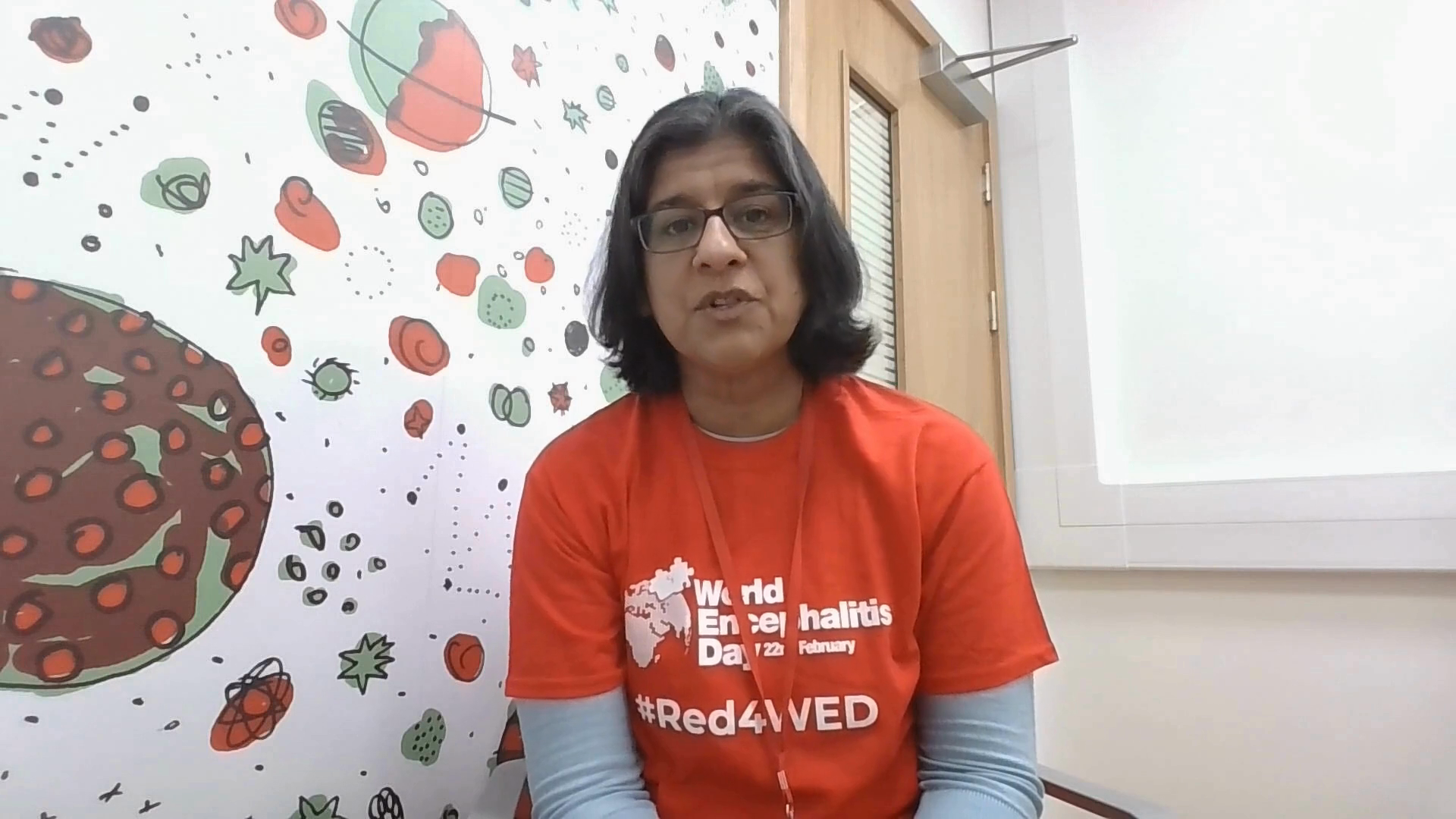
Aston University turns red to highlight World Encephalitis Day
• Aston Institute of Health and Neurodevelopment (IHN) researchers support World Encephalitis Day on 22 February • Aston University library will be lit up in red – the official campaign colour • Staff and students are encouraged to wear red and tweet their photos in support of the campaign Researchers and staff at Aston Institute of Health and Neurodevelopment (IHN) are marking World Encephalitis Day (22 February) by lighting up the Aston University library on its campus near Birmingham city centre. The library will be lit up in red – the official colour of the campaign - to support and raise awareness of encephalitis and all those affected by the condition. The global awareness campaign, introduced by the charity the Encephalitis Society, is based on the theme of Code Red – an emergency alert code used in hospitals. Encephalitis is inflammation of the brain. It is caused either by an infection invading the brain or through the immune system attacking the brain in error. According to the Encephalitis Society, anyone at any age can develop the condition, with up to 6,000 cases in the UK each year and potentially hundreds of thousands worldwide. In the USA there were approximately 250,000 patients admitted to hospital with a diagnosis of encephalitis in the last decade. Researchers at Aston Institute of Health and Neurodevelopment are working closely with patients affected by the disease through their child-focused research programme. Dr Sukhvir Wright, honorary consultant neurologist at Birmingham Children's Hospital, and Wellcome Trust clinical research career development fellow at IHN, said: “IHN researchers know first-hand what children and families affected by encephalitis go through on a daily basis. That’s why we are fighting to answer the questions that matter most to this community through our work. “Our research includes, developing disease models to help try and improve treatments. We do brain imaging to identify biomarkers that might help predict outcomes and at the bedside of our patients we contribute up-to-date practical information and support for children and their families. This work is carried out closely in partnership with the Encephalitis Society.” As part of the awareness campaign IHN researchers are calling upon staff and students to show their support by wearing red on Wednesday 22 February - and share their pictures on social media. Please use the hashtags #Red4WED #WorldEncephalitisDay #TeamAston and remember to tag @Aston_IHN. For more information about Aston Institute of Health and Neurodevelopment (IHN) please visit our website.

Aston University to celebrate 100 years of pharmacy education and research
Aston Pharmacy School to celebrate 100 year anniversary during 2023 The history of teaching pharmacy at Aston University dates back to the 1890s In 2016 the Pharmacy School was awarded a Regius Professorship by HM Queen Elizabeth II. Aston University is gearing up to celebrate 100 years of pharmacy education and research this year. In 1923 the Birmingham Municipal Technical School started to offer full time pharmacy courses to applicants from the general public. The roots of pharmacy education at Aston University date back to the 1890s and more significantly to 1919 when it first started teaching the subject as part of the Chemistry department at the Birmingham Municipal Technical School - as part of a funded package of training and education for returning servicemen after the First World War. In 1923 the pharmacy training provision expanded, taking on six specialist pharmacy staff within the pharmacy section of the Department of Chemistry. That year the Technical School began to offer full time pharmacy courses open to applications from the general public. In 1926 Harry Berry was appointed as head of a separate Department of Pharmacy - following an inspection by the University of London and a positive report. This distinct identity was further cemented a year later in 1927, when Neville Chamberlain, who was the then Minister for Health, opened the new teaching facilities in the School of Pharmacy in the Birmingham Central Technical College. Since then, the University has graduated thousands of pharmacy students with more than 2700 graduates in the last 20 years. Aston University’s Pharmacy School is now recognised as one of the outstanding pharmacy schools in the UK and has been at the forefront of scientific advances over the last 100 years. Its researchers developed the $2 billion blockbuster drug Temozolomide, the leading treatment for brain tumours and it created the UK's first Masters programme for hospital pharmacists. In 2016, Aston Pharmacy School was awarded a Regius Professorship by HM Queen Elizabeth II to mark her 90th birthday. It was the first time a pharmacy school had been given the award, a rare and prestigious honour bestowed by the Sovereign to recognise exceptionally high-quality research. The first holder of the title of Regius Professor of Pharmacy at Aston University was Keith Wilson, a pharmacy academic who helped to shape current and future pharmacy education both within the UK and internationally. Dr Joe Bush, head of Aston Pharmacy School, at Aston University said: "100 years of pharmacy education is a major milestone. We are immensely proud of all our achievements, from producing exceptional graduates who make a significant contribution to the professional workforce in a variety of near-patient settings, to our research discoveries and developments which have positively impacted patient healthcare and the high quality of this research having been recognised via the award of the first ever Regius Chair for Pharmacy. “It is an honour to be a part of Aston Pharmacy School, whose humble beginnings have grown to produce world class research and exceptional graduates. I look forward to celebrating with the rest of the school over the course of the year.” Celebrations of the centenary anniversary will include a celebratory lunch for staff, former staff, students and alumni to recognise the significant contributions that the school has made in research discoveries and teaching. The school will host an exhibition about the last 100 years of pharmacy at Aston University, with a range of historical artefacts on display in the entrance to the University’s main building and there will be a social media campaign to highlight key facts about the last 100 years of pharmacy at Aston University. Did you study pharmacy at Aston University? We would love to hear from you with any stories, memories from your student days. And we would love to hear about where your pharmacy career has taken you. Please get in touch with our alumni team here.

Approximately 30 University Police officers recognized for mental health training
Student mental health is a constant concern on a university campus. It is not uncommon for someone in distress to call 9-1-1. A police officer could be the first person to interact with a person who needs specialized attention. To help evaluate and properly handle such situations, every officer at Georgia Southern has completed Crisis Intervention Training (CIT), presented by the Georgia Public Safety Training Center in collaboration with the Georgia Department of Behavioral Health and Developmental Disabilities, and the Georgia Chapter of the National Alliance on Mental Illness. The training ensures that people with mental illnesses and other brain disorders will receive treatment in lieu of incarceration in most cases. On top of that training, the University System of Georgia offers two additional programs to law enforcement officers: QPR Suicide Prevention Training – QPR stands for Question, Persuade and Refer – the three simple steps anyone can learn to help save a life from suicide. Just as people trained in CPR and the Heimlich maneuver help save thousands of lives each year, people trained in QPR learn how to recognize the warning signs of a suicide crisis and how to question, persuade and refer someone to help. Adult Mental Health First Aid (MHFA) Training – MHFA is a skills-based training course that teaches people how to identify, understand and respond to signs of mental illness and substance use disorder. for police officers to help recognize and handle mental health issues and mental health disorders. So far, almost 30 police officers at Georgia Southern University have completed the three different training programs, earning each officer a Mental Health Initiative pin. “I am very proud of these officers, and appreciate them taking the time to better prepare for handling any situation they may encounter,” said Laura McCullough, chief of police at Georgia Southern. “The pins they now wear are a symbol of the care they invest in our community.” State and University officials lauded the officers’ achievements. “This law enforcement mental health certification program could not come at a better time for our university communities, given the state of mental health in our country and on our campuses,” said Jodi Caldwell, director of Georgia Southern’s Counseling Center. “Law enforcement personnel are increasingly the first responders to individuals experiencing mental health emergencies. It comes as no surprise to the staff of the Counseling Center that Georgia Southern’s University police department is leading the way in Georgia for law enforcement interest and willingness to become trained in recognizing and responding to individuals in mental health distress.” Caldwell spoke at a ceremony last month to present the pins and honor the officers. Also attending were Alexis Belvin, Georgia Southern’s SGA President and Chip Reese, Ed.D., former system project director for the University System of Georgia (USG) Mental Health Initiative. “The USG Mental Health Initiative was launched during COVID to allow us to focus more intentionally on the needs of our students,” Reese said. “We have expanded clinical counseling services and supported mental health and wellness resources and programming across the state. I’m particularly proud of the QPR and MHFA training and hope it will better equip the officers who are already on the first ones we call whenever someone needs help.” The following officers were awarded the Mental Health Initiative Pin: Tim Alderman, Josh Barker, Richard Bashlor, Charles Bowen, Ian Craig, Laurence Croy, Steven Cushner, Sam Derr, Christion Doyle, Bailey Dyches, Jonathan Finley, Danny Garrigus, Kenneth Glover, Clay Gracen, Sarah Grey, Lanier Griswold, Patrick Holloway, Tyrone McBride, Chris McBride, Erk McCurdy, BJ McKellar, Alex Morris, Todd Olsen, Kurt Purtee, Dexter Renfroe, Erick Riner, Lamar Stephens, and Crystal Thomas. Looking to know more - then let us help. Jodi Caldwell, director of Georgia Southern’s Counseling Center, is available to speak regarding this important topic - simply click on here icon here or simply reach out to Georgia Southern Director of Communications Jennifer Wise at jwise@georgiasouthern.edu to arrange an interview today.

