
Experts Matter. Find Yours.
Connect for media, speaking, professional opportunities & more.

Teacher mindfulness doesn't begin on the first day of classes in the late summer or early fall. It is an invaluable skill that can be practiced and perfected all throughout the year, especially when teachers are on summer break. Leigh McLean is an an associate research professor in the School of Education and Center for Research in Educational and Social Policy at the University of Delaware. In her program of research, she investigates how teachers’ emotions and emotion-related experiences including well-being impact their effectiveness. Her work particularly focuses on how teachers’ emotions impact their instructional practices, and the role that early-career teachers’ emotions play as they transition into the career. She holds expertise in quantitative, mixed-methods, and longitudinal study design and implementation, multileveled data analysis, and classroom observation. Below she gives a few tips on how teachers can begin preparing themselves – and by extension their future students – for all the ups and downs of the upcoming school year. Engage in restorative rest this summer. One of the ways to prepare for the upcoming school year is to get restorative rest. It's important to let your brain disengage for a short time, but it's also beneficial to set aside time, before the school year begins, to think about the past school year. What went well? What might you want to do differently?? What techniques are you hoping to improve in the coming school year? As we as a society still reel from the COVID-19 pandemic, meaningfully reflect on the past four years and ask yourself what you've see with your students. What might they need to succeed this upcoming year? How can you facilitate an environment where students are getting supports for the unique challenges that the pandemic created? Incorporate mindfulness into your daily habit. A mindfulness practice is a daily regime of awareness, contemplation, and processing of all the things going on both within and outside of you. Mindfulness is a key skill when it comes to the larger goal of emotional understanding and regulation, and it has been shown to be a particularly helpful practice for teachers. However, you cannot expect to dive into mindfulness on day one of a new school year, it take practice. A great place to start is to pay attention to your emotions and work on emotional awareness in the weeks leading up to the school year. Shift your thinking fromo "emotions are noise that get in the way" to "My emotions are important signals that I have to pay attention to." This type of shift can be difficult to do for the first time in the heat of teaching so summer is a great time to practice these techniques. As educators, teachers experience the full range of human emotions every day, and they are usually the only adults in the room. While this might at the outset seem intimidating, teachers have the unique opportunity to use their emotions intentionally as cues for their students to pick up on. Dr. Jon Cooper, Director of Behavioral Health for the Colonial School District in New Castle, Delaware noted: "We want teachers to be the emotional thermostat, not the thermometer," and "We want them to intentionally set the emotional tone of the classroom." During the summer, think about how to set classroom norms and expectations to be responsive to your emotions and those of your students in a way that will create a more mindful classroom all around. This could look like including a classroom norm stating that aAll emotions are ok, even the bad ones. It could also look like acknowledging in your classroom management approaches that there is a difference between emotions and behaviors; so while all emotions are ok, not all behaviors that come from those emotions are ok. Take yourself through a school day and anticipate the needs of your students. One major mindfulness practice is taking yourself through a typical school day and identifying parts where students are most likely to have difficulties. Do students have challenging moments during small groups? Is there a lot of math anxiety going on in your class? Try structuring your day, approach, even your expressions so that you set yourself and your students up for success during these moments that are more likely to be challenging. Utilize mindfulness websites and apps. There are websites and apps teachers can use to further incorporate mindfulness into their daily lives, including: The Center for Healthy Minds UCLA's Free Mindfulness App For more tips... McLean is available for interviews and can expound on the ways teachers can set themselves – and their students – up for success. Click on her profile to connect.


Veronica Chandler’s north Wilmington home is her sanctuary, and it shows. From the soft instrumental music to the scent of lavender to the comfy seats that invite visitors to put up their feet, the message is clear – rest, relax, recharge. Original artwork by Veronica Chandler In this space, Chandler celebrates her rediscovered self, and it’s a journey she shares with all who visit. Part of the cozy feeling in her home comes from the artwork that lines the walls – mostly her own paintings and drawings created over the last six years as she navigates the challenges and triumphs of motherhood and discovers new ways to care for herself and those she loves. After experiencing anxiety, panic attacks and profound depression following the birth of her daughter in 2018, Chandler sought help at the ChristianaCare Center for Women’s Emotional Wellness, where a combination of medication and therapy helped her feel healthier and reconnected. She also returned to a former passion – art. “When I started painting, I found a way of silencing my brain, of calming it down. Being able to just focus on one thing on its own let my body regulate my nervous system,” she said. “I didn’t know what was happening to me. I just felt amazing.” More than ‘baby blues’ Perinatal mood and anxiety disorders are among the most common complications that occur in pregnancy or in the first year after delivery, according to the American College of Obstetricians and Gynecologists. Although many parents experience feelings of anxiety, fatigue and sadness in the first days with a new baby, postpartum depression can occur several months after childbirth. Symptoms are often more severe and can include extreme stress. Despite increased awareness efforts in recent years, perinatal mood and anxiety disorders – including postpartum depression, which occurs in up to 20% of all births – remain underdiagnosed, untreated or undertreated, even though the health impact extends beyond the person giving birth, said Malina Spirito, Psy.D., MEd, director of the Center for Women’s Emotional Wellness. The center opened in 2013 to help patients and their loved ones understand the challenges associated with perinatal mood and anxiety disorders. Since then, the program has tripled the number of clinicians and expanded services to include inpatient and outpatient consultations, ongoing psychotherapy and psychiatric medication management. “Just because we know something is common does not mean we have to put up with it, especially because the effects will be lasting if we don’t address them,” Spirito said. “Perinatal mood disorders have an impact on the overall health of a family. When a mom feels better, the relationships they have with the people around them are better as well.” Breaking the ‘super mom’ stereotype Looking back, Chandler recognizes her struggles with sleeping and anxiety following the birth of her first child may have been signs of postpartum depression. The symptoms went away only to return after her daughter was born two years later. Veronica Chandler sought help from the ChristianaCare Center for Women’s Emotional Wellness for postpartum depression. Caring for herself helped her rediscover her love of creating art. Although overjoyed by her growing family, Chandler deeply missed her mother, who lived in her native Ecuador. Added to those challenges were longer stays in the hospital for Chandler, who had a Caesarean section birth, and for her daughter, who had some minor health issues. In the weeks after giving birth, Chandler battled dizziness caused by anemia. Though exhausted by caring for a newborn, she couldn’t sleep. She constantly felt on edge, and her skin itched without relief. Worried when her symptoms didn’t abate after three months, Chandler’s husband broached the idea of postpartum depression. For Chandler, it was a relief another person noticed something was wrong, but she was scared to think about what might be needed to get better. “I think we’re programmed by our cultures and by our beliefs to think that we need to be ‘super moms’ and give everything we have,” said Chandler, who grew up in Ecuador and moved to the United States after marrying her husband. “I was in such a fog that I didn’t know I could still shine and be happy and content. The default for so many moms is to pour until there’s nothing left.” ‘Rediscovering who I was’ Chandler sought help at the Center for Women’s Emotional Wellness and soon began taking an anti-depressant as part of her treatment. She also saw a therapist to talk about the feelings she was experiencing. “Therapy was such a big part of this whole journey of rediscovering who I was. When you talk and someone listens, you figure things out,” Chandler said. While on a trip to Arizona with a cousin, Chandler discovered kachina dolls, a Native American art form often used to provide guidance to young people and instill the connection between nature and the spirit. The intricately designed images further fueled Chandler’s reignited passion for art. That passion helped Chandler manage the additional challenges brought on by the COVID-19 pandemic when her anxiety and depression resurfaced. Using painting, sculpture and other media, she has examined her own feelings relating to motherhood, family and society. Her work has been featured internationally in Vogue and closer to home in local art galleries. “Some people like to cook, and some people like to write. Art is my creative outlet that allowed me to come back to who I am,” she said. “We all have to release that creativity in some way.” Entering care sooner While the Center for Women’s Emotional Wellness has always focused on pregnant and postpartum patients, it has grown to address mental health needs related to preconception health, including artificial reproductive technology such as in vitro fertilization, Spirito said. The center also sees patients grieving a pregnancy or neonatal loss. More people are thinking about their mental health before they give birth, said Malina Spirito, Psy.D., MEd, director of the ChristianaCare Center for Women’s Emotional Wellness. “One of the most notable observations I’ve seen over the years is that birthing people are entering care sooner. It isn’t uncommon for women to seek out consultation prior to getting pregnant about how to manage their mood disorder should they become pregnant,” said Megan O’Hara, LCSW, a behavioral health therapist with the Center for Women’s Emotional Wellness. “Patients are educating themselves now and expecting their providers to consider their mental health as well as their physical health when getting care.” Women’s mental health care also has become more accessible, said Cynthia Guy, LMSW, MSCC, a women’s health behavioral consultant with the Center for Women’s Emotional Wellness. Behavioral health services are available in every ChristianaCare women’s health practice, including virtual and in-person care. “I can be the bridge connecting the patient with the resources they need to help them manage symptoms and what they are going through,” Guy said. Filling the cup As a result of her own experiences, Chandler teaches classes to help other mothers create their own art as a means of expression. It’s a small way of helping them to fill their own cup. The woman who once hid in her own closet to hide her feelings speaks openly about mental health with the hope people will lose their preconceived ideas about depression and anxiety. “I am so thankful for the journey and the many people I’ve met that have postpartum depression,” she said. “When we talk about what makes the best moms, I think the best mom is a healthy mom who is in balance and harmony.”



New research from Goizueta’s Diwas KC unpacks the dual impact of Prescription Drug Monitoring Programs on opioid prescriptions and heroin overdose deaths. More than two million individuals in the US are experiencing Opioid Use Disorder (OUD). The CDC defines OUD as “a problematic pattern of opioid use that causes significant impairment or distress.” Around 130 people die of opioid overdoses every day. Perhaps more startlingly, four million people over the age of 12 have reported using pain medication recreationally, including opioids. Prescription opioids are a highly-regulated class of drug. They interact with the opioid receptors on nerve cells throughout the body, as well as the brain, which reduces the intensity of pain signals to the body. For many, they are a necessary prescription to get through the pain of surgery or injury, as the body heals itself. Unfortunately, the function of opioids in the body—releasing endorphins and boosting feelings of pleasure, as well as reducing pain—also make them highly addictive. PDMP: A Successful Federal Mandate The United States continues to see increases in deaths from opioid overdoses. So, federal and state governments have been working in enact policies that are designed to decrease those fatalities. One of the methods states are using to prevent common abuse patterns like “doctor shopping,” which is the pattern of visiting multiple physicians to obtain prescriptions, is the Prescription Drug Monitoring Program (PDMP), designed to be used in conjunction with Health Information Technology (HIT) programs. PDMP serve two purposes: identifying drug-seeking behaviors in patients, and identifying physicians with patterns of inappropriate prescribing. Nearly all 50 states have enacted PDMPs of some degree. Some programs require physicians to check the PDMP before prescribing restricted pharmaceuticals, but in others it’s only suggested. Intrastate communication between PDMPs is not always possible, however. The Unintended Consequences The use of PDMPs has been shown to reduce the number of opioid prescriptions, the intended outcome of the program. Enter a recently published study by Diwas KC, Goizueta Foundation Term Professor of Information Systems & Operations Management. The research shows that during time the research was conducted, prescriptions for opioids declined by 6.1%. However, the research also brought to light a very serious and unintended consequence of the implementation of PDMPs. The study concluded that while the implementation of PDMPs did reduce opioid prescriptions, it did not reduce overall numbers of prescription opioid deaths. In fact, it may have contributed to a 50% increase in heroin overdose fatalities. “The heroin increase was definitely something we were not expecting, it was a total surprise,” says KC. "It was something that we had hypothesized. You’ve got a bunch of individuals who have used prescription opiates and had presumably been dependent. Now with the passage of this PDMP law, it has become more difficult to obtain prescription opiates. Therefore, some people might be forced to turn to the street version of it." Diwas KC “We didn’t expect the effect size it to be as significant as it is,” says KC. Heroin and commonly prescribed opioids like oxycodone and hydrocodone are very similar on a biochemical level. What’s more, they generate a similar sensation in the body, according to KC. That’s why he and his team had the initial hypothesis that some addicted individuals, when unable to get prescription medication, might turn to street drugs, which are much more dangerous on many levels. “There are many aspects to this. One has to do with the potency and the toxicity of the things you get on the streets. There are very little checks and balances on those. There’s no control in quality for sure,” KC says. He also notes the lack of checks and balances on the frequency of usage. “So the frequency of usage, the quality of the substances you’re putting inside your body, and possibly the circumstances of acquiring it might also be very risky too.” A Dual Impact The research concludes that mandating PDMP use is an example of a successful use of policy for intervention. It does, in fact, decrease the number of opioid prescriptions available to patients. That’s critical information for policy makers and physicians to take in. And it’s a solid reason to keep using and expanding PDMP usage, according to KC. "I should point out very clearly that the policy did have the intended effect of reducing prescriptions. So, it definitely benefited people who might otherwise have become addicted." Diwas KC “By reducing unnecessary prescriptions it might have limited the number of people who would have gotten hooked on the drugs in the first place. So there’s definitely the benefit of that,” says KC. “It’s just that when the policy was implemented, there was also this side effect because of people who were already using it. So, when those people were forced to look for alternatives, that’s when things got bad.” Research papers like this one show an important side of using data to mark successes and failures of government policies. Taken on the surface, data can show a policy’s impact for the greater good. But a deeper dive into the surrounding data—like the increase in heroin use after the implementation of PDMPs—gives everyone a better idea of the full impact of this mandate. "Policies have intended as well as unintended consequences. In this case of PDMP it had the desired effect of reducing prescriptions. That probably helped a lot of people not get addicted to opiates in the first place." Diwas KC “But sometimes policies also have unintended consequences,” says KC. “Like in the case of people who were already addicted to painkillers suddenly stopping it, causing them to take drastic actions, and that’s what happened for some of the people in the study. Policies need to consider the possibility of unintended consequences and take actions to also mitigate those unintended consequences.” Interested in knowing more? Diwas KC is the Goizueta Foundation Term Professor of Information Systems & Operations Management. He is available to talk about this important topic - simply click on his icon now to arrange an interview today



First in Delaware to Offer MR-Guided Ultrasound for Treatment of Essential and Parkinson’s Tremor
Revolutionary technology gives patients immediate relief from debilitating tremors without the need for invasive surgery. ChristianaCare is the first health care provider in Delaware to offer FDA-approved focused ultrasound treatment for people suffering from essential tremor and Parkinson’s disease. The new option – called MR-guided focused ultrasound – uses sound wave energy to destroy precise areas of brain tissue that is the source of the tremor. No surgical incision or anesthesia is necessary, and many patients experience immediate and significant reduction in tremors, which can make daily activities challenging. Dr. Martello explains that the procedure involves the use of high-frequency sound waves directed with pinpoint precision by magnetic resonance imaging to ablate, or burn, the focal point deep within the brain that is causing tremors. “This minimally invasive technology dramatically improves the lives of patients with essential tremor and tremor-dominant Parkinson’s who haven’t fully responded to traditional treatments,’’ said Justin Martello, M.D., director of the Parkinson’s and Movement Disorders Programs, and Focused Ultrasound Program at ChristianaCare. What is tremor? Tremor is a neurological condition that includes involuntary shaking or trembling movements in one or more parts of the body. It most commonly affects the hands and can make daily tasks such as writing, eating and using a computer or phone extremely difficult. Tremor affects approximately 1% of the population overall and 5% of adults age 60+. It is expected to increasingly impact Delawareans as the state’s population ages. Essential tremor is the most common type of tremor. It can occur at any age but is most common in older adults. Tremor is also the most well-known symptom of Parkinson’s disease. An estimated 1.5 million Americans suffer from Parkinson’s disease, a progressive neurodegenerative disease that affects movement and can also affect speech, balance and cognitive function. A newer, better option for patients who don’t respond to medications The procedure of MR-guided focused ultrasound involves the use of high-frequency sound waves directed with pinpoint precision by magnetic resonance imaging to ablate, or burn, the focal point deep within the brain that is causing tremors. Patients are fitted with a frame affixed to a specialized helmet that combines the focused energy of more than 1,000 high-frequency sonic beams directed through the skull. The treatment does not require cutting through the skull, or radiation, as in gamma knife technology. “Today, there are basically three options for managing tremor,” said Pulak Ray, M.D., of Delaware Neurosurgical Group and associate director of the Focused Ultrasound program. “The first is medication, which is effective and affordable for many patients, but its effectiveness tends to diminish over time. The second is deep-brain stimulation, which is the most invasive and costly treatment option. The newest is MR-guided ultrasound, which tends to be the preferable option for most patients who do not respond well to medication, because it is a simple, non-invasive outpatient procedure that is highly effective, safe and produces instant results.” Benefits of MR-guided Focused Ultrasound MR-guided focused ultrasound reduces tremor immediately, with shorter recovery time, lower risk of side effects and lower associated health care expenses compared to surgical alternatives. This treatment dramatically improves patient experience and quality of life for people with Parkinson’s disease or essential tremor. For many patients, MR-guided ultrasound reduces their dependence on caregivers to assist with activities of daily living. Candidates must first undergo a CT scan to ensure a skull density sufficiently thick to accommodate the procedure. The patient is awake during the procedure and situated within an MRI machine for real-time imaging of the brain. The physician tests the precise location by heating the area, then ensuring the patient is able to control tremors by tracing lines on a spirograph. At that point, the physician then permanently ablates the focal point, usually a sphere a few millimeters in length. “Our team is very excited to bring this technology to Delaware and to open up access to potentially life-changing treatment that until now has required long wait times and significant travel for patients,” said Kim Gannon, M.D., Ph.D., medical director of the comprehensive stroke program and physician executive of Neuroscience Service Line at ChristianaCare. “Many tremor patients have suffered for years or even decades with this debilitating and progressive condition and helping them live a more active and independent lifestyle is extremely rewarding.” MR-guided focused ultrasound is covered by Medicare and most insurance plans.

Innovative EEG Brain Monitoring Program Provides Optimal Care for Critically Ill Patients
ChristianaCare has launched an innovative electroencephalogram (EEG) brain monitoring program that represents a significant leap forward in the diagnosis and management of neurological conditions. The easy-to-use EEG program is the first of its kind that can be performed at the bedside to measure the electrical activity of the brain, providing a vital sign for brain function to help diagnose seizures more quickly. ChristianaCare is the first hospital system in Delaware to use the Ceribell point-of-care EEG monitoring system, which can reduce the time it takes to diagnose certain neurological conditions from hours to mere minutes. Using the system, clinicians have immediate access to EEG information so they can triage at-risk patients in just five minutes and monitor patients for treatment optimization. “With this new program, our team of expert clinicians will have the diagnostic information they need to provide high-risk patients with the right care at the right time, ensuring the best outcomes for our patients and their families,” said Kim Gannon, M.D., Ph.D., service line leader for Neurosciences at ChristianaCare. New technology detects ‘silent seizures’ Critically ill patients are at high risk of harmful brain electrical discharges called seizures. Some of these patients experience a type of “silent seizure” with no noticeable symptoms (non-convulsive) that can only be detected using EEG. If prolonged, non-convulsive seizures can lead to permanent brain injury and higher risk of morbidity and mortality. Demonstration of EEG device on patient at ChristianaCare Newark Campus. As a result, guidelines from the Neurocritical Care Society recommend EEG should be initiated within 15-60 minutes when these seizures are suspected. Meeting these guidelines has proven difficult due to the limitations of conventional EEG systems, which were not designed for use in emergency situations. Even top academic centers that have 24/7 EEG capabilities may experience wait times of four hours or more for conventional equipment. When relying on clinical judgement alone while waiting for these conventional EEG systems, diagnostic accuracy has been shown to be only slightly better than chance (65%). The value of this new technology for patients is that it provides accurate results quickly so that the care team can intervene early. “The neuroscience and critical care teams at ChristianaCare believe that ‘time is brain’ not only applies to stroke but also when dealing with seizure,” Gannon said. Gannon is referring to the fact that for every minute that passes when someone is having a stroke, 1.9 million brain cells are lost, increasing the chance of disability or death. That same kind of speed and urgency can now more easily be brought to bear for patients when a seizure is suspected. “This monitoring system is easy to use and can be set up in about five minutes,” said Richard Choi, D.O., medical director of the Neurocritical Care Unit at Christiana Hospital. “It consists of a simple headband, pocket-sized recorder with intuitive software and an on-line portal for remote viewing. Using the system, we can review EEG data, assess response to treatment and optimize care, all in real-time.” Neurosciences at ChristianaCare ChristianaCare’s multidisciplinary neurosciences team provides comprehensive and advanced care for neurologic illnesses across the acute and ambulatory settings. As the largest and most comprehensive neurology practice in Delaware with more than 55,000 patient visits last year, ambulatory subspecialties include stroke, epilepsy, multiple sclerosis, movement disorders, neuromuscular disorders, headaches/migraines, pediatric neurology and Botox specialists. The inpatient team of experts includes neurosurgeons, neurointerventional surgeons, neurocritical care physicians and vascular neurologists. The Newark Campus serves as the only comprehensive stroke center in the state and includes the only Epilepsy Monitoring Unit in Delaware.


New research shines a light on how expert mapmakers at Ordnance Survey see the world differently
OS Remote Sensing Services survey team updating OS MasterMap using the latest aerial imagery (Image credit: OS) Aston University psychologists worked with Ordnance Survey to assess how surveyors use 3D aerial images when making maps Humans naturally assume light comes from above, but experienced surveyors can interpret visual cues to assess topography regardless of the light direction It is the first time it has been shown that experience can radically alter natural human assumptions about lighting and could improve surveyor training. Researchers at Aston University have found differences between experienced Ordnance Survey (OS) mapmakers and novices in the way that they interpret aerial images for mapmaking, which could lead to improved training processes for new recruits. OS is well known for its travel and walking maps, but is also responsible for maintaining Great Britain’s national geographic database. Every time a building is demolished or developed, or a new road and path built, the map must be updated. Aerial photographs are taken of the area that has changed, either from a plane or using drones, and expert mapmakers, known as remote sensing surveyors, will examine the images to identify change and accurately redraw the map of the area. Image pairs are presented stereoscopically, one to each eye, allowing the remote sensing surveyors to see in 3D and correctly assess the topography, such as ditches, hills and hedges. Led by Professor Andrew Schofield, a team from Aston University’s College of Health and Life Sciences, together with Dr Isabel Sargent, previously at OS, carried out a study to understand how remote sensing surveyors interpret the shadows and highlights in images. The researchers asked six trained remote sensing surveyors and six novices to assess 10,000 stereoscopic aerial images of hedges and ditches, which had been heavily masked with image distortions. The stereoscopic images the aerial surveyors use for mapmaking are usually taken on sunny days. The human brain is naturally wired to interpret light as coming from above. However, the light does not come from above in the OS aerial images, it depends on the position of the sun. In the UK, north of the equator, light comes slightly from the south, thus appearing to come from below in images viewed by the surveyors. The researchers wanted to see how manipulating the direction of the light would affect the surveyors. Professor Schofield and the team swapped the image pairs between the eyes in half of the trials, so that hedges might look like ditches, and ditches look like hedges. The images were also flipped vertically on half the trials, changing the direction of the light source. Expert surveyors were found to rely on the stereoscopic cues – the difference in images seen by the two eyes – when performing the task. Novices were more likely to rely on lighting cues – highlights and shadows – to judge the shape and relief of an object, and assumed, as is natural, that the lighting came from above. With the manipulated images, this meant that novices frequently made mistakes. Experts were more accurate, even when the images had been turned upside down, and some had learnt to assume that the light source came from the south, or below. This is the first time anyone has shown that the natural assumption that light comes from above, which is common amongst many animal species, can be changed through long term experience. The researchers say that it could be used to develop new visual training techniques for remote sensing surveyors. For example, intensive exposure to repeated, difficult images can improve performance via a process called perceptual learning. Professor Schofield said: “This is a very exciting result. Others have shown that the light-from-above assumption can be altered by a few degrees, but no one has ever found complete reversals following long term experience. Dr Sargent said: “This result will help Ordnance Survey to understand the expertise of their staff and improve surveyor training and procedures.” Remote sensing surveyor Andy Ormerod, who worked on the study, said: “This research proves that experienced remote sensing surveyors can see the world differently. Whereas non-surveyors are used to seeing the world from one perspective, our brains have learned to view the world as seen from aerial imagery.” Journal of Vision DOI:10.1167/jov.24.4.11


Professor Roslyn Bill discusses her research into brain cell membranes with Dr Matt Derry Serious brain injuries and dementia are affected by the flow of water through a protein called aquaporin-4 in brain cell membranes Aquaporins are responsible for clearing the build-up of waste products in brain cells in a process Professor Bill likens to a ‘dishwasher for your brain’. Professor Roslyn Bill, co-founder of Aston Institute for Membrane Excellence (AIME), joins Dr Matt Derry to discuss her research into brain cell membranes in the latest Aston Originals podcast. Water moves in and out of brain cells through tiny protein channels in the cell membrane called aquaporins. One in particular, aquaporin-4, is the focus of Professor Bill’s research. In 2020, she was lead author on a paper published in prestigious journal Cell on how the channels open and close and how this can be controlled. Uncontrolled water entry into brain cells can occur after head trauma, causing swelling which leads to severe brain injuries of the type suffered by racing driver Michael Schumacher after a skiing accident. Finding drugs to control this water movement could lead to treatments to prevent brain swelling in the first place. This research into brain swelling and the contribution of aquaporins led Professor Bill to research into Alzheimer’s, a common form of dementia, which is also related to the action of aquaporins. Alzheimer’s is caused by a build-up of waste products in brain cells. In a process Professor Bill likened to a ‘dishwasher for your brain’, aquaporins are responsible for clearing this waste as we sleep. Professor Bill was selected for an Advanced Grant by the European Research Council (ERC) in 2023, which is being funded by UK Research and Innovation (UKRI). The funded project will further investigate the process, and whether it might be possible to develop a drug to boost the ‘brain dishwasher’, which could be taken to slow or even prevent cognitive decline due to ageing. Bringing together this biological research with the polymer research of AIME, chemists like Dr Derry will help in the drug development and could also lead to totally different applications. Professor Bill said in the podcast to Dr Derry: “We can take the knowledge that we have of how these proteins work in cells and try and apply them to interesting applications in biotechnology. And this is where the sort of work that you (Dr Derry) do comes in, where you can develop plastic membranes, polymer membranes, and then take learning from the biology and try and make really, really good ways of purifying water, for example.” For more information about AIME, visit the webpage. The website also includes links to the previous AIME podcast and details about open positions.

#Expert Podcasts: How CARF Accreditation supports development and adds value
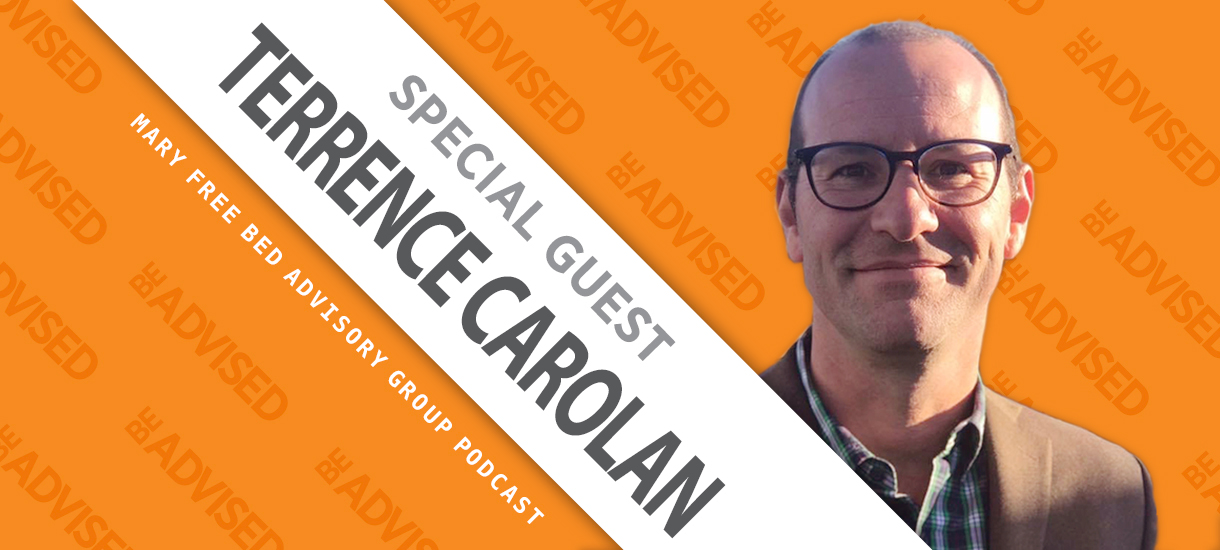
Thinking about accreditation for your rehabilitation facility? The newest Be Advised podcast is for you. Mary Free Bed’s Advisory Group podcast, Be Advised, is diving into the benefits of CARF Accreditation for health and human service organizations. The Commission on Accreditation of Rehabilitation Facilities (CARF) has been accrediting organizations since 1966. The guest for this episode is Terrence Carolan, managing director of the Medical Rehabilitation and Aging Services for CARF International. Carolan has more than 20 years of experience in the field of medical rehabilitation as an administrator, provider, and educator. He holds two master’s degrees, one in physical therapy and one in business administration. Before joining CARF as the managing director, Terrence was a CARF surveyor for more than 10 years. In his managing director role, Terrence oversees CARF’s medical rehabilitation area which includes standards for: Comprehensive Integrated Inpatient Rehabilitation Program Outpatient Medical Rehabilitation Program Residential Rehabilitation Program Home and Community Services Concussion Rehabilitation Program Interdisciplinary Pain Rehabilitation Program Occupational Rehabilitation Program Occupational Rehabilitation Program–Comprehensive Services Vocational Services Independent Evaluation Services Case Management CARF also accredits specialty programs in the areas of: Pediatrics Amputation Brain injury Cancer Spinal Cord Injury Stroke Be Advised is hosted by Joyal Pavey, vice president of the Mary Free Bed Advisory Group. On this episode of Be Advised, Joyal and Terrence discuss: What makes CARF unique? The national and international span of CARF Common questions about the accreditation process Advice for first time accreditation What’s next for CARF in the coming five years You can check out the podcast here: Looking to know more about accreditation or connect with Terrence? View his profile below to arrange an interview today.


Rethinking Caregiving Support for the Sandwich Generation
The "sandwich generation" refers to adults who are simultaneously caring for their children as well as older parents or relatives. This places unique strains on caregivers, who must balance their family responsibilities with work and their own self-care. As Guy Weissinger, PhD, MPhil, RN, the Diane Foley Parrett Endowed Assistant Professor at Villanova University's M. Louise Fitzpatrick College of Nursing, notes, many feel like they are being "shortchanged" on both sides—unable to fully support their children or their aging relatives. The result is stress, guilt and difficult decisions about how to allocate limited time and resources. "Hard decisions are also a psychological tax," Dr. Weissinger says. "You have to use the resource of time and brain energy to weigh the options, so it compounds on itself every time they intersect. And that's complicated and hard." These challenges have only increased due to larger societal shifts, according to Melissa O'Connor, PhD, MBA, RN, FGSA, FAAN, the M. Louise Fitzpatrick Endowed Professor in Community and Home Health Nursing in the College of Nursing. "For the first time in the history of the world, older adults will outnumber children in the United States by 2035," said Dr. O'Connor. This rise in numbers of older adults foreshadows a looming caregiving crisis, as more seniors will require care without enough nurses and family caregivers to meet the need. The sandwich generation can also feel overwhelmed due to lack of training in managing complex care needs. As Dr. O'Connor states, there is "no caregiver school"—instead it's "baptism by fire." Learning wound care, managing feeding tubes, giving medications and handling dementia behaviors on the fly can take an emotional toll. Caregiver stress and burnout have also been linked to declines in physical and mental health, and financial strain, as well as increased elder abuse (though unintentional), she says. Dr. O'Connor believes that home health services can serve as a critical resource for supporting overwhelmed sandwich generation caregivers. Home health nurses, aides, therapists and social workers can provide skilled care, educate family members, assess safety and coordinate services. "Home health can make or break someone's success at staying home,” Dr. O'Connor says. "It can also make or break the stress levels of patients and caregivers. If caregivers have support, they can do a really good job." However, misconceptions about home health care persist. Many do not understand what home health services entail or worry about strangers entering their home. Although refusing home health may seem like the safer option to some, the consequences of caregivers trying to provide care without assistance can be dire. Isolated and overwhelmed caregivers who don't have support oftentimes end up seeing their older adult parents experience health declines that necessitate nursing home placement, which takes a financial toll on families as well. From Dr. Weissinger's perspective, the caregiving crisis is a "family and a systems issue." "This is a systematic problem, so we need policy changes at the state, national and organizational levels to address it. We can't solve society-level problems through individual responses," he says. Supporting caregivers and easing this crisis will require policy changes at the highest levels along with a societal shift in how we view and assist caregivers. Though individual families feel the squeeze, truly addressing the caregiving crisis demands broad, systemic solutions. With an aging population, the need for action in the form of policy change is more urgent than ever.


Managing Menopause: Mind-Body Solutions for Hot Flashes, Sleep and Well-Being
In recognition of World Menopause Day, Baylor psychologist shares research on hypnotherapy's beneficial effects in relieving hot flashes (Image credit: Rana Hamid via Getty Images) The natural aging process of perimenopause and menopause can create a wide range of symptoms for women, with hot flashes and poor sleep being the most frequently reported – and most disruptive – symptoms. World Menopause Day is recognized on Oct. 18, and one Baylor University researcher has been on a 20-year mission to identify safe and effective options to hormone replacement therapy (HRT) to help women find relief from hot flashes and improve sleep and well-being during the menopause transition. Gary Elkins, Ph.D., professor of psychology and neuroscience and director of the Mind-Body Medicine Research Laboratory at Baylor University, is among the nation’s leading researchers on hypnotherapy and mind-body approaches, including continued funding by the National Institutes of Health (NIH) to evaluate the efficacy of a self-hypnosis intervention to reduce hot flashes and improve sleep, as well as other outcomes. “It is important to recognize that hot flashes are a natural part of menopause,” Elkins said. “They are not caused by stress or personality but are due to the decline in estrogen that occurs naturally with aging.” Perimenopause (the hormonal transition leading up to menopause) and menopause (the cessation of menstrual cycles) is the natural aging process marked by the decline in the reproductive hormone estrogen and progesterone in women and can last anywhere from seven to 20 years. Menopause usually begins around age 52 or can result from breast cancer treatment or hysterectomies. Although HRT remains the most effective treatment for hot flashes, it is not appropriate for everyone. A major NIH study found that HRT led to an increased risk of breast cancer and cardiovascular disease in some post-menopausal women and breast cancer survivors. Elkins’ research is aimed at giving women choices for their own healthcare, including alternatives such as hypnotherapy. “While hypnotherapy is not widely understood by many people, it can regulate hot flashes and improve sleep by managing how temperatures are perceived and regulated in the brain,” Elkins said. “Hypnotherapy is a mind-body therapy, similar to mindfulness and guided imagery, that involves the focus of attention, a relaxed state and therapeutic suggestions.” Elkins’ research on hot flashes and sleep and hypnotherapy has been clinically shown to reduce hot flashes by up to 80%, more effective than any other hot flash management tool available, with the exception of HRT. He also has found that hypnotherapy, as a mind-body intervention, can reduce hot flashes to a degree comparable to HRT, improve sleep quality by over 50% and reduce anxiety while increasing well-being. “Hypnotherapy involves daily practice of 15-minute hypnotic relaxation sessions that teach your brain to adapt to your body’s changing hormone level. Mental images for coolness and control are used to empower women to take control of the two most troublesome menopause symptoms – hot flashes and sleep,” Elkins said. Elkins offers the following suggestions for women to empower them and help them find relief from hot flashes, anxiety and interrupted sleep. Remember that hot flashes are a normal part of the perimenopausal/menopausal transition, and the effects a woman experiences are real. Talk to your doctor about options that may work for you. Everyone is an individual, and it is important to find what works best for you. A combined approach of mind-body hypnosis therapy along with low-dose medications can be helpful for some women. It can be helpful to keep a daily diary of your hot flashes to monitor them. Get good sleep. Poor sleep and night sweats can make hot flashes worse. Be knowledgeable about things that have not been shown to work, such as fans, cold packs and certain herbs. Seek support from family and friends. Elkins has developed the Evia from Mindset Health App to give women easy access to hypnotherapy for hot flashes. The app comes with a free trial that delivers evidence-based hypnotherapy intervention for women during the menopause transition and beyond.

