
Experts Matter. Find Yours.
Connect for media, speaking, professional opportunities & more.

NYS Lags Behind in Payouts to Help Unemployed, Injured Workers
Gregory DeFreitas, professor of economics and director, Center for Study of Labor and Democracy, was interviewed by Newsday for a story on a report from the New York State Comptroller’s Office that shows that the state lags behind others when it comes to cash payouts for several social safety net programs meant to help unemployed or injured workers. Dr. DeFreitas explained that the state’s unemployment benefits system was challenged during the COVID-19 pandemic. The state still owes the federal government $6.2 billion in debt from borrowing funds to pay out a record number of unemployment claims spurred by pandemic job losses, according to the report. “We’re only one of three states in debt like that,” Dr. DeFreitas said. “What that means is we really can’t raise benefits until we repay that $6.2 billion or raise taxes.”


The Anxiety of Election Season
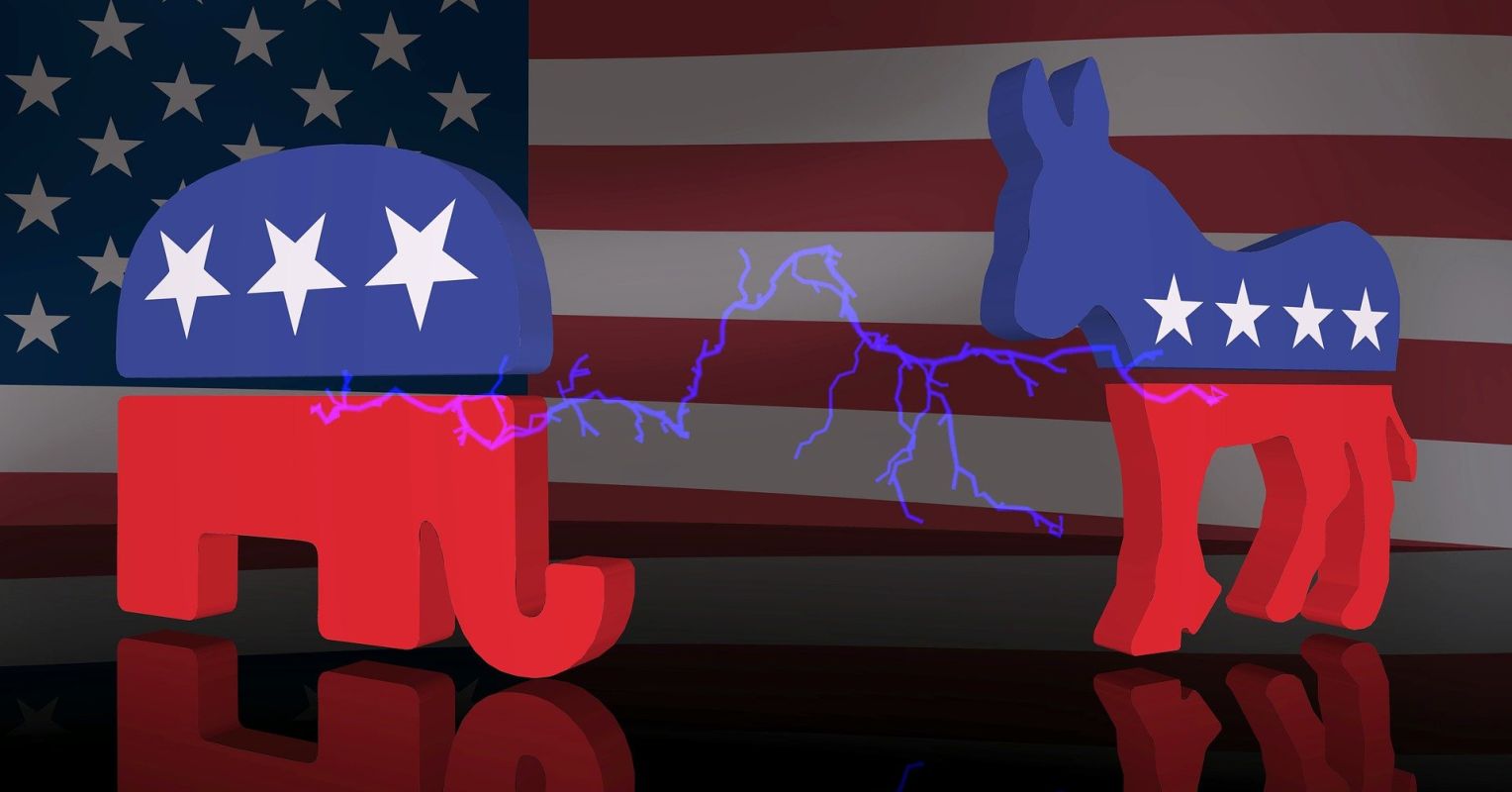
After the results of the U.S. presidential election were announced, many Americans celebrated. But many voters instead found only stress and anxiety. After an election of rhetoric that foretold the end of democracy if the opposing candidate won, there seems to be a unique amount of post-election stress. How did election rhetoric affect this outcome, and can we expect future elections to cause this same stress? Political expert, Dr. Mark Caleb Smith, discussed the anxiety that many Americans felt even before the election and how it can be dealt with moving forward. Here are some key takeaways from his recent interview: This election cycle caused so many Americans to lose sleep that the term "electsomnia" was coined. Has the anxiety of election season always been present, or has the presence of social media paved a way for this problem? Constant access to information about the election is a probable reason for many voters' anxiety. How can Americans keep themselves informed without causing unnecessary damage to their mental health? This is not the first complicated or difficult election that the United States has faced. Now that this election season is over, how can Americans—both those who are satisfied and those who are frustrated by the results—move forward while recognizing that politics does not define them? If you are a journalist covering the election results and voters' responses, our experts are here to help with all of your questions and stories. Dr. Mark Caleb Smith is the Director of the Center for Political Studies at Cedarville University. Mark is available to speak with the media regarding election emotions and the election results. Simply click on his icon or email mweinstein@cedarville.edu to arrange an interview.


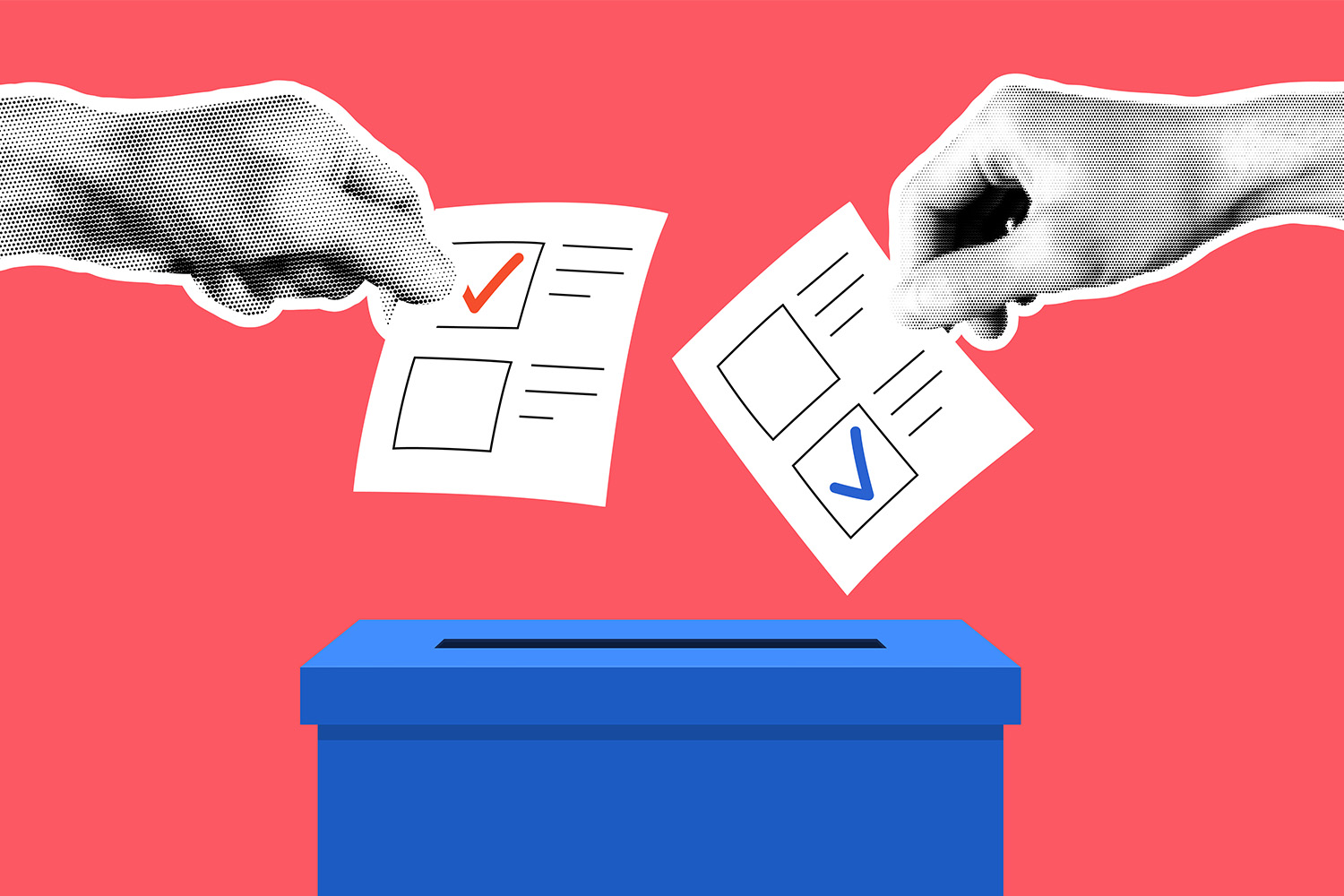
It's the right of every citizen - and with a presidential election less than two weeks away, a team of social workers from UConn are working to make sure every voice is heard as the U.S. choses a new leader on Nov. 5. Voting Is Social Work - a campaign led by Tanya Rhodes Smith, director of the Nancy A. Humphreys Institute for Political Social Work at the UConn School of Social Work - is getting a lot of attention for its work engaging social workers to help empower some of the most vulnerable and disenfranchised groups to get registered and cast their ballots in local elections. “Voting is complicated, and it’s intimidating, especially for vulnerable populations, like the unhoused, the formerly incarcerated, or those living in congregate care,” says Rhodes Smith. “We know that being a non-voter is a very isolating space, because voting is highly relational. Campaigns generally ignore non-voters— you don’t get campaign materials, or someone knocking on your door. Information on candidates in state and local elections in communities with low turnout can be very hard to find or even nonexistent.” That’s where social workers, explains Rhodes Smith, can play an important role in helping disenfranchised voters understand their rights – and register to vote. Money, Power, and Resources As co-founders since 2015, UConn’s Humphreys Institute has been the institutional home for Voting Is Social Work. Also known as the National Social Work Voter Mobilization Campaign, Voting Is Social Work supports nonpartisan voter engagement as central to social work’s mission, ethical mandate, and impact. “We’ve always believed that social work has the power to transform democracy,” says Rhodes Smith, “and we believe every social worker – and social service agency – should include nonpartisan voter engagement into their practice and work. Because we reach non-voters – those who are least likely to vote.” October 16 - UConn Today It's an initiative catching attention across the country. Research has linked voting to higher earning and education, better health outcomes, and lower rates of recidivism. But education is key, particularly for individuals with special circumstances, like the formerly incarcerated, people living in congregate care, and the unhoused. Homelessness comes with a new, unique set of challenges during an election cycle. However, homeless residents have protections, including voting rights. Nationwide, only 10% of unhoused people vote each year, according to the Institute of Political Social Work at the University of Connecticut. Many social workers in Connecticut are working to educate unhoused residents about their voting rights, according to UConn Social Work professor Tanya Rhodes Smith, director of the Nancy A. Humphreys Institute for Political Social Work. “When you ask somebody if they would like to check their voter registration, they may say, ‘I'm not eligible,’ or ‘I've never voted,’ and that's really important information for you to know,” Rhodes Smith said. “It really tells a story about them.” About 60% of eligible voters turnout in presidential election years, but increasing voting rates is important for local elections as well, Rhodes Smith said. “When you have 10% to 15% [voter turnout], that's not an accountable government, that's a government that's accountable to the 10% to 15%,” Rhodes Smith said. “We've seen it over and over in Bridgeport, that nothing changes because that turnout rate doesn't go up, and so there is no accountability when you have an unhealthy democracy.” October 10 - WNPR Looking to know more about this important work? If so, let us help. Tanya Rhodes Smith specializes in policy development, nonprofit administration, voter engagement and legislative advocacy. She's available to speak with media about this important topic - simply click on her icon now to arrange an interview.


ExpertSpotlight: A Look Back at the First American Election
The first U.S. election, held in 1789, marks a pivotal moment in the founding of American democracy, establishing a framework that has shaped the nation's political landscape for centuries. As the world’s first modern constitutional republic, this election not only elected George Washington as the first president but also introduced a new system of governance that emphasized the balance of power and individual rights. The significance of this event reaches far beyond the political sphere, touching on issues of civic engagement, representation, and the evolution of democratic ideals. Key sub-topics that may interest journalists and the public include: The Founding Fathers’ Vision for Democracy: Exploring the role of key figures like George Washington, John Adams, and Thomas Jefferson in shaping the U.S. political system, and how their ideas still influence governance today. Evolution of the Electoral Process: Examining how the original electoral system was structured, including the Electoral College, and how it has changed over time in response to shifting political dynamics. Voter Rights and Representation: Analyzing who was eligible to vote in 1789 compared to today, shedding light on the ongoing struggle for voting rights and representation for marginalized groups. Impact on Modern Democracies: Investigating how the U.S. election model influenced other nations' democratic structures and how it continues to serve as both an inspiration and a subject of debate. The Role of Media and Public Discourse: Looking at how the first election was communicated to the public and the early role of newspapers, pamphlets, and public speeches in shaping voter opinion. Legacy of George Washington’s Presidency: Reflecting on George Washington’s leadership style, his decision to step down after two terms, and the precedent it set for future presidential transitions. The history of the first U.S. election offers a lens through which to explore broader questions about governance, the role of leadership, and the ongoing evolution of democracy, providing journalists with numerous story angles relevant to both historical analysis and contemporary political discourse. Connect with an expert about the history of US elections: To search our full list of experts visit www.expertfile.com

#Expert Q and A: Disinformation and Elections
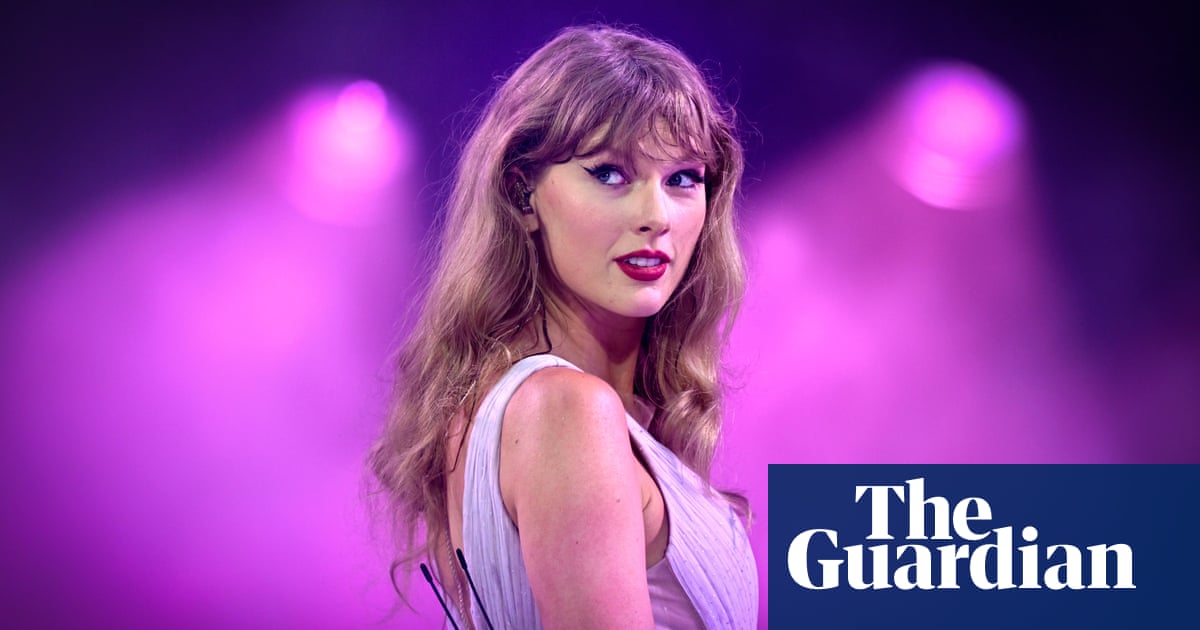
Question: Taylor Swift recently took to her Instagram page to “set the record straight” about an AI version of her that had “endorsed” Former President Donald Trump. What are some of the things people can look for to know if a celebrity has indeed endorsed a candidate? Answer: People can go to the celebrity’s social media page to see their recent social media activity. On the page, people can search for information regarding political endorsements. People should be aware that many fake and parody social media accounts exist for celebrities, so people need to make sure they locate the real social media accounts of the celebrity in question. Also, people can search reputable news sources to see if there is any verifiable information (i.e., the information has been verified by other reputable news sources) regarding celebrity endorsements. Question: In an era where it is too easy for anyone to alter images or video, what are some of the dangers that can be associated with these deep fakes? How can this negatively impact the election, and just life in general with having this kind of misinformation out there? Answer: There can be multiple concerns regarding disinformation and elections. One, if voters make decisions about whether to vote for a candidate based on disinformation/misinformation, this is a concern for elections because in a democracy the hope is that voters can make informed voting decisions based on accurate information. Second, if millions of people are exposed to disinformation/misinformation and only a small percentage of those are not aware that the disinformation/misinformation is false, this could have significant effects for elections. The reason is that in recent presidential elections, and likely in the upcoming election, the margin of victory in some swing states can be less than 1% of the total state vote in some cases. Thus, if only a small percentage of individuals who are exposed to disinformation/misinformation believe the information is true, and the disinformation/misinformation affects their voting decisions, that could have significant effects on the election outcome of a given swing state. Furthermore, we know that the election outcome of each swing state has important implications for the overall presidential election outcome. Question: Do celebrity endorsements still help or hurt candidates? Answer: The empirical evidence linking specific celebrity endorsements to election outcomes is mixed. Based on existing research, we can’t say that a specific celebrity endorsement led to an election victory or loss. However, there has been some interesting research from Harvard (2024) that shows that celebrity endorsements do matter for elections by potentially increasing voter interest, voter engagement and voter registration. One example is in September of 2023 when Taylor Swift made an Instagram post encouraging individuals to vote. Immediately afterward, 35,000 individuals registered to vote on the non-partisan voter registration website Vote.org . So, while we can’t say that a certain celebrity endorsement will directly affect an election outcome, celebrities can move the needle in terms of voter interest, voter registration, and potentially voter turnout, which can influence election outcomes. Interested in learning more - let us help. Lance Hunter, PhD, is a professor of political science with a background in international relations. He is available to speak with media about this important topic - simply click on his icon to arrange an interview today.


University of Delaware's Center for Political Communication unveils new vision, goals and leadership
The University of Delaware's Center for Political Communication (CPC) is excited to announce a transformative new chapter with the unveiling of its updated vision, goals and leadership for 2024 and beyond. Since its founding in 2010, the CPC has been at the forefront of innovative public opinion research on politics and media, always with an eye towards protecting and improving American democracy. With this new chapter, the CPC is actively integrating political psychology (the study of how and why people make political judgments and form political beliefs) into the study of public opinion and media effects. “Our vision is responsible democracy-centered journalism informed by our rigorous research on Americans’ thoughts, feelings, knowledge and behaviors,” says Dr. Dannagal Young, incoming Director of the Center for Political Communication. “In a few weeks, will be releasing new data on Americans’ knowledge and beliefs about abortion – an issue on which there are widespread misperceptions. Later this fall we are also launching an interdisciplinary initiative to understand the relationship between Americans’ personal wellbeing and their support for democratic institutions and norms.” By producing high-quality research at the intersection of media, politics and psychology, the CPC strives to elevate public conversations and inform news coverage to improve democratic health. Additionally, the Center seeks to serve as a vital resource for journalists, offering expert commentary and empirical data to encourage democratically responsible journalism. With this new direction comes new leadership, bringing together a team of esteemed scholars from Political Science, Communication and Journalism: Director Dr. Dannagal Young, Professor in the Departments of Communication and Political Science and International Relations, TED speaker, and author of Wrong: How Media, Politics, and Identity Drive our Appetite for Misinformation (Johns Hopkins, 2023) and Irony and Outrage: The Polarized Landscape of Rage, Fear, and Laugher in the U.S. (Oxford, 2020). Areas of Expertise: Misinformation, Political Satire, American Politics, the Psychology of Media Effects. Associate Director Dr. Erin Cassese, Professor in the Departments of Political Science and International Relations, Communication, and Women and Gender Studies, co-author of Abortion Attitudes and Polarization in the American Electorate (Cambridge, 2024). Areas of Expertise: Gender, Abortion, Public Opinion, Campaigns and Elections. Director of Research Dr. Phil Jones, Associate Professor in the Department of Political Science and International Relations, current Editor-in-Chief at Public Opinion Quarterly. Areas of Expertise: Electoral Politics and Public Opinion. Director of Engagement Dr. Lindsay Hoffman, Associate Professor in the Departments of Communication and Political Science and International Relations, and research leader for the American Council of Trustees and Alumni two-year Braver Angels project funded by the John Templeton Foundation. Areas of Expertise: Communication across Difference, Media Technologies, and Political Participation. Delaware Politics Director Dr. Paul Brewer, Professor in the Departments of Communication and Political Science and International Relations, co-author of Science in the Media: Popular Images and Public Perceptions (Routledge, 2021), former editor of the International Journal of Public Opinion Research. Areas of Expertise: Delaware Politics, Media effects, Political and Science Communication, Public Opinion, and Perceptions of Science. Delaware Debate Director: Nancy Karibjanian, Director of the University of Delaware’s Journalism program, faculty member in the Department of Communication, and former Director of the CPC with 30 years of broadcast experience. Areas of Expertise: Broadcast Journalism, and Delaware Debates. The CPC’s goals reflect its commitment to a vibrant and collaborative research environment that engages scholars and students at all levels. The CPC will continue to spearhead interdisciplinary research across the domains of communication, political psychology, public opinion, media effects, and public policy. The Center offers applied research opportunities for both graduate and undergraduate students in communication and political science, as well as an undergraduate minor in political communication, thus mentoring the next generation of scholars and practitioners. The CPC is proud to put its academic research to work in service of American democratic health.


The History of the Electoral College
As one of the most debated and misunderstood components of American democracy, the Electoral College plays a crucial role in determining the outcome of U.S. presidential elections. Understanding the history and purpose of the Electoral College is essential for grasping how American elections work and why this system continues to generate controversy. This topic is newsworthy not only because of its impact on election results but also due to ongoing discussions about its relevance in a modern democracy, potential reforms, and its influence on campaign strategies. The Electoral College intersects with broader societal issues such as representation, voter equity, and the balance of power between states, which include: The origins of the Electoral College and the Founding Fathers’ intentions How the Electoral College has influenced the outcomes of past presidential elections The ongoing debate over whether the Electoral College should be reformed or abolished The impact of the Electoral College on voter turnout and representation The role of swing states and how they shape campaign strategies Legal challenges and Supreme Court decisions related to the Electoral College Covering the election? Let us help! Connect with a political expert about the History of the Electoral College: To search our full list of experts visit www.expertfile.com Photo Credit: Clay Banks

Cuba's history is a rich tapestry of revolutionary fervor, cultural vibrancy, and political intrigue that has captivated the world for decades. This topic is particularly newsworthy due to its significant impact on global geopolitics, its unique social and economic experiments, and its vibrant cultural contributions. Understanding Cuba's past is essential for comprehending current issues in Latin America and the ongoing influence of socialist ideologies. Key story angles for journalists could include: The Cuban Revolution: Exploring the causes, key figures like Fidel Castro and Che Guevara, and the revolution's lasting impact on Cuban society and politics. US-Cuba Relations: Analyzing the historical and contemporary dynamics between Cuba and the United States, including the embargo, the Bay of Pigs invasion, and recent diplomatic efforts. Economic Policies and Reforms: Investigating Cuba's socialist economic model, the challenges it faces, and recent reforms aimed at modernizing the economy. Healthcare and Education: Highlighting Cuba's achievements and challenges in healthcare and education, often touted as successes of the revolutionary regime. Human Rights and Political Freedom: Examining issues of political repression, human rights abuses, and the struggle for freedom and democracy in Cuba. Cultural Influence: Featuring Cuba's rich cultural heritage, including its contributions to music, dance, and literature, and how culture serves as a form of resistance and identity. By delving into these aspects, journalists can provide a comprehensive and nuanced understanding of Cuba's history, offering readers diverse perspectives and in-depth coverage of a nation that continues to influence global conversations on politics, culture, and human rights. Connect with an expert about the History of the Cuba: To search our full list of experts visit www.expertfile.com Photo credit: Jason Gamble

Covering the latest in Venezuela?
The history of Venezuelan politics is a compelling narrative that reflects the dynamic interplay of power, ideology, and social change in Latin America. This topic is particularly newsworthy due to its relevance in understanding current global geopolitical shifts, the rise and fall of political regimes, and the enduring struggle for democracy and human rights. Venezuela's political history offers insights into the impacts of oil wealth, populism, and international interventions, making it a rich subject for journalistic exploration. Key story angles for journalists could include: The Rise of Populism: Exploring the emergence and impact of populist leaders in Venezuelan history, particularly focusing on Hugo Chávez's Bolivarian Revolution. Economic Boom and Bust: Analyzing the role of oil wealth in shaping Venezuela's political landscape, from periods of prosperity to economic crises. Human Rights and Social Movements: Investigating the human rights situation in Venezuela, including the struggles of political dissidents, social activists, and the general population. International Relations and Influence: Examining Venezuela's foreign policy, its alliances, and the impact of international sanctions and interventions on its political stability. Democratic Erosion and Authoritarianism: Tracing the decline of democratic institutions and the rise of authoritarian practices in Venezuela, highlighting key turning points and figures. Future Prospects and Reform: Featuring expert analysis on the potential paths forward for Venezuela, including political reforms, economic recovery plans, and the role of the international community. By delving into these aspects, journalists can provide a comprehensive and nuanced understanding of Venezuelan politics, offering readers diverse perspectives and in-depth coverage of a nation at the crossroads of significant historical and contemporary challenges. Connect with an expert if you need to know more about the History of Venezuelan Politics: To search our full list of experts visit www.expertfile.com Photo credit: Micho

Can political polarization threaten American democracy?
Partisan hostility in the United States is at a fever pitch and is a dominant theme in the 2024 election cycle. But how much does it matter to everyday life in America? What is really at stake? James Druckman, a professor of political science at the University of Rochester who is widely considered one of the country's foremost experts on political polarization and its impact on American democracy, is poised to answer those questions and back up his conclusions with data. His latest book, Partisan Hostility and American Democracy: Explaining Political Divisions and When They Matter, outlines the potential consequences of extreme partisan animus by distilling empirical evidence gathered between 2019 and 2021. The upshot? Partisan hostility alone is unlikely to lead to the collapse of American democracy. But it nonetheless has a deleterious effect on democracy and could erode democratic institutions and functioning over time. In the end, the book concludes, American democracy hinges more on how political leaders respond to the polarization than the polarization itself. Druckman has been cited by The New York Times columnist Thomas Edsall as among the political scientists in the country "working on getting us to hate one another less."

