
Experts Matter. Find Yours.
Connect for media, speaking, professional opportunities & more.

The harmful impact of stigma on individuals struggling with opioid addiction
People in recovery from opioid use disorder often struggle with decisions to tell others about their past substance use, treatment, and/or recovery. Although disclosures that go well can lead to social support that is helpful for recovery, disclosures that go poorly can lead to stigma that can harm recovery. Valerie Earnshaw, associate professor in the College of Human Development and Family Sciences at the University of Delaware, specializes in speaking about addiction and stigma and can speak on this phenomenon. She recently spoke about this topic a the annual Marion H. Steele Symposium at UD. Earnshaw charted the growth of the opioid crisis in the United States, discussed stigma as a complex social process with the power to affect health outcomes and shared her work on an intervention she designed to help people with the disclosure process. She can be contacted by clicking her "View Profile" button.


Aston University scientist to help make crop monitoring easier and cheaper
Photonics expert Dr Sergey Sergeyev to help make crop monitoring easier and cheaper with remote sensing The technology can be placed on drones and flown over crop fields to provide real-time information about crop health Remote sensing is an essential tool to provide real-time information about crops to estimate yields. An Aston University photonics expert has received a Royal Society Industry Fellowship grant to help make crop monitoring easier and cheaper with remote sensing technology. Dr Sergey Sergeyev of Aston Institute of Photonic Technologies (AIPT) has received £174,000 to improve polarimetric LIDAR, a technology that uses light to remotely observe plants. LiDAR, an acronym for Light Detection and Ranging, involves light sent from a transmitter which is reflected from objects. Devices with this technology can be placed on drones and flown over crop fields to provide real-time information about crop health to help farmers forecast the success of their crops. Polarimetric synthetic-aperture radars (SARs) and polarimetric LiDARs are the most advanced, cost-effective sensors for crop monitoring. They are often used onboard aircraft and satellites and have been in use for three decades. However, current polarimetric LIDAR systems have low spatial resolution, a slow measurement speed and use expensive components that limit their cost effectiveness. Dr Sergeyev will be working in collaboration with Salford-based digital and AI farming company Fotenix to meet farmers' need for a cost-effective solution to check if their plants are adequately watered and disease-free. The team will aim to advance recently patented AIPT technology of the polarimetric LIDAR, making it affordable for farmers in the UK and worldwide. The project, called POLIDAR, will run from 2024 to 2025. Dr Sergeyev said: “Aston University’s patented technique will be modified by using a laser emitting four time-delayed pulse trains with different states of polarisation. By comparing the input states of polarisation and states of polarisation of light reflected from plants, it will reveal information about the distance to plants and plants' leaf texture, such as water stress and pathogen infection. Unlike state-of-the-art solutions we suggest an all-fibre design with a minimum number of bulk components that reduces the footprint, cost and weight. Dr Sergeyev added: “My project's motivation is driven by the global and UK agenda on increased food production, requiring novel remote sensing approaches towards ICT farming. “As declared at the World Summit on Food Security in 2017, the growth in the world's population requires increased and more efficient agricultural production. “Remote sensing is an essential tool to systematically address the challenging task of enhanced agricultural efficiency by providing real-time information about crop traits for yield estimation.” The announcement coincides with UNESCO Day of Light which marks the role light plays in science, culture and art, education and sustainable development. It is held on 16 May every year, the anniversary of the first successful operation of a laser. ENDS World Summit on Food Security in 2017 The future of food and agriculture: Trends and challenges (fao.org) https://www.fao.org/3/i6583e/i6583e.pdf UNESCO Day of Light The International Day of Light is a global initiative that provides an annual focal point for the continued appreciation of light and the role it plays in science, culture and art, education, and sustainable development, and in fields as diverse as medicine, communications, and energy. The broad theme of light will allow many different sectors of society worldwide to participate in activities that demonstrates how science, technology, art and culture can help achieve the goals of UNESCO – education, equality, and peace. The International Day of Light is held on May 16th every year, the anniversary of the first successful operation of the laser in 1960 by physicist and engineer, Theodore Maiman. The laser is a perfect example of how a scientific discovery can yield revolutionary benefits to society in communications, healthcare and many other fields. About Aston University For over a century, Aston University’s enduring purpose has been to make our world a better place through education, research and innovation, by enabling our students to succeed in work and life, and by supporting our communities to thrive economically, socially and culturally. Aston University’s history has been intertwined with the history of Birmingham, a remarkable city that once was the heartland of the Industrial Revolution and the manufacturing powerhouse of the world. Born out of the First Industrial Revolution, Aston University has a proud and distinct heritage dating back to our formation as the School of Metallurgy in 1875, the first UK College of Technology in 1951, gaining university status by Royal Charter in 1966, and becoming The Guardian University of the Year in 2020. Building on our outstanding past, we are now defining our place and role in the Fourth Industrial Revolution (and beyond) within a rapidly changing world. For media inquiries in relation to this release, contact Nicola Jones, Press and Communications Manager, on (+44) 7825 342091 or email: n.jones6@aston.ac.uk


300 million tonnes of rice straw are burned after harvest in Asia every year Aston University will be contributing to new international project to unlock renewable energy potential Its researchers will lead on calculating the greenhouse gas emissions savings of new systems. Aston University researchers are helping to make rice straw processing in India and the Philippines less environmentally damaging. The University will be contributing to a new international collaboration, the Renewable, Inclusive Carbon-negative Energy (RICE) project, funded by Innovate UK Energy Catalyst programme to unlock renewable energy for rice farmers. Already the University has worked with UK company Straw Innovations in the Philippines and now the two are expanding their collaboration to benefit more of the continent. Aston University working with UK company Straw Innovations and Indian enterprise, Takachar Rice straw is a crop waste byproduct and each year across Asia 300 million tonnes of it go up in smoke when burnt after harvest. This releases emissions and air pollutants that triple risks of increased respiratory diseases and accelerate climate change. India and the Philippines are the world’s second and eighth largest rice producers respectively and together they produce 130 million tonnes of both rice and straw per year. Aston University and Straw Innovations and will be collaborating with an Indian award winning small and medium sized enterprise, Takachar. The firm has developed small scale, low-cost, portable equipment which can convert agricultural waste on-site into higher value bioproducts such as fertilizer blends, chemicals and biofuels. "The company will develop a super-sized version which is 10 times bigger than their current device, make it adaptable to rice mills, and will send it to Straw Innovations, so the two firms can test out different business models for farmer adoption/benefit. Straw Innovations will also send their machines from the Philippines to India mid-project and the two countries will test out different business models for farmer adoption/benefit. And for the first time they will tap into the heat produced in the waste process to dry rice, instead of using diesel or kerosene. University researchers will lead on assessing the sustainability of the project, calculating the greenhouse gas emissions savings of the new systems introduced by Straw Innovations and Takachar. Sustainability expert Dr Mirjam Röder will also engage with the farming community and rural stakeholders to quantify how the systems can increase farmer incomes, equality of opportunity, food security and decarbonisation benefits, whilst highlighting any trade-offs. Dr Röder who is based at Aston University’s Energy & Bioproducts Research Institute (EBRI) said: “Environmentally, rice produces 48% of all global crop emissions, due to methane from flooded fields. This is halved when the straw is removed and reduced further when its carbon is stored in biochar. We are aiming for carbon negative which means removing carbon dioxide (CO₂) from the atmosphere or sequestering more CO₂ than is emitted. “Our new research leads on from our rice straw bio gas hub project with Straw Innovations, SEARCA and Koolmill and we’re pleased to be building further relationships with new partners in India. In January Biomass and Bioenergy published a paper about the topic written by Dr Röder, the director of EBRI Professor Patricia Thornley and Craig Jamieson of Straw Innovations called The greenhouse gas performance and climate change mitigation potential from rice straw biogas as a pathway to the UN sustainable development goals. Craig Jamieson from Straw Innovations said "We’ve been pioneering rice straw work with the team at Aston University for the past seven years. We're delighted to continue that strong partnership and widen it to include Takachar in this new project. “Takachar is a leader in making biochar from crop residues and our partnership with them is very strategic. We look forward to combining our new improved straw harvesting technology with their scaled-up biochar production. It will be a step change, creating a new, more efficient system for carbon negative energy and soil improvement for rural communities across Asia." Vidyut Mohan who founded Takachar said: “We are excited to partner with Aston University and Straw Innovations. “Our combined solutions can significantly move the needle in reducing crop residue collection costs and biochar production costs for carbon removal." Notes to Editors Rice straw is a crop waste byproduct and each year across Asia 300 million tonnes of it go up in smoke when burnt after harvest https://tinyurl.com/2afjhhsj To read The greenhouse gas performance and climate change mitigation potential from rice straw biogas as a pathway to the UN sustainable development goals visit https://www.sciencedirect.com/science/article/pii/S0961953424000254, Biomass and Bioenergy Volume 182, March 2024, 107072 Mirjam Röder and Patricia Thornley Energy & Bioproducts Research Institute (EBRI), College of Engineering and Physical Sciences, Aston University, Aston Triangle, Birmingham, B4 7ET, United Kingdom Craig Jamieson Straw Innovations Ltd., Lawes Open Innovation Hub, Rothamsted Research, West Common, Harpenden, HERTS, AL5 2JQ, United Kingdom https://doi.org/10.1016/j.biombioe.2024.107072 About Aston University For over a century, Aston University’s enduring purpose has been to make our world a better place through education, research and innovation, by enabling our students to succeed in work and life, and by supporting our communities to thrive economically, socially and culturally. Aston University’s history has been intertwined with the history of Birmingham, a remarkable city that once was the heartland of the Industrial Revolution and the manufacturing powerhouse of the world. Born out of the First Industrial Revolution, Aston University has a proud and distinct heritage dating back to our formation as the School of Metallurgy in 1875, the first UK College of Technology in 1951, gaining university status by Royal Charter in 1966, and becoming The Guardian University of the Year in 2020. Building on our outstanding past, we are now defining our place and role in the Fourth Industrial Revolution (and beyond) within a rapidly changing world. For media inquiries in relation to this release, contact Nicola Jones, Press and Communications Manager, on (+44) 7825 342091 or email: n.jones6@aston.ac.uk



Homes heated by human sewage could be a reality thanks to Aston University
Project to transform sewage sludge into clean water and energy awarded a share of £4.5 million by Ofwat Involves extracting energy from the waste produced during sewage and water treatment Gases obtained can be used to power engines or heat people’s homes. An Aston University project that could transform sewage sludge into clean water and energy has been awarded a share of £4.5 million by Ofwat. The University project with engineering consultancy ICMEA-UK involves extracting energy from the waste produced during sewage and water treatment and transforming it into hydrogen and/or methane. The gases can then be used to power engines or heat people’s homes. The aim is to create a sustainable and cost-efficiently run wastewater processes, plus extra energy. The initiative was one of ten winners of Ofwat’s Water Discovery Challenge, of which the Aston University scientists and two industrial partners have been awarded £427,000. Dr Jude Onwudili based at Aston University’s Energy and Bioproducts Research Institute (EBRI) is leading the team of scientists who will work with the partners to develop a trial rig to transform solid residues from wastewater treatment plants to hydrogen and/or methane. The two-stage process will involve the initial transformation of organic components in the sludge into liquid intermediates, which will then be converted to the fuel gases in a second stage. The project is called REvAR (Renewable Energy via Aqueous-phase Reforming), and Dr Onwudili will be working with lead partner and engineering consultancy company ICMEA-UK Limited and sustainable infrastructure company Costain. REVAR combines the use of hot-pressurised water or hydrothermal conditions with catalysts to achieve high conversion efficiency. The technique can treat sewage sludge in just minutes, and it is hoped that it will replace existing processes. In 2013, a Chartered Institution of Water and Environmental Management report stated that the sector is the fourth most energy intensive industry in the UK. Dr Onwudili said: “This project is important because millions of tonnes of sewage sludge are generated in the UK each year and the water industry is struggling with how to effectively manage them as waste. “Instead, they can be converted into valuable feedstocks which are used for producing renewable fuel gases, thereby increasing the availability of feedstocks to meet UK decarbonisation targets through bioenergy. “We will be taking a waste product and recovering two important products from it: clean water and renewable energy. Overall, the novel technology will contribute towards meeting UK Net Zero obligations by 2050 and ties in with the University’s purpose to make our world a better place through education, research and innovation.” The Water Discovery Challenge aims to accelerate the development and adoption of promising new innovations for the water sector. Over the next six months, winners will also receive non-financial support and will be able to pitch their projects to potential water company partners and/or investors. The 10 winning teams are from outside the water industry and were chosen because of their projects’ potential to help solve the biggest challenges facing the sector. The competition is part of the Ofwat Innovation Fund, run by the water regulator Ofwat, with Challenge Works, Arup and Isle Utilities and is the first in the water sector to invite ideas from innovators across industries. Helen Campbell, senior director for sector performance at Ofwat, said: “This competition was about reaching new innovators from outside the sector with different approaches and new ideas, and that’s exactly what the winners are doing. “The products and ideas recognised in this cross-sector challenge will equip water companies to better face challenges of the future – including achieving sustainability goals and meeting net zero targets – all while providing the highest-quality product for consumers.” ENDS A Blueprint For Carbon Emissions Reduction in the UK Water Industry The Chartered Institution of Water and Environmental Management https://www.ciwem.org/assets/pdf/Policy/Reports/A-Blueprint-for-carbon-emissions-reductions-in-the-water-industry.pdf Ofwat Innovation Fund Ofwat, the Water Services Regulation Authority for England and Wales, has established a £200 million Innovation Fund to grow the water sector’s capacity to innovate, enabling it to better meet the evolving needs of customers, society and the environment. The Innovation Fund, delivered in partnership with Challenge Works (formerly known as Nesta Challenges) and supported by Arup and Isle Utilities, is designed to complement Ofwat’s existing approach to innovation and to help deliver against Ofwat’s strategy which highlights the role of innovation in meeting many of the challenges the sector faces. About ICMEA-UK Based in Sheffield, in the North of England, ICMEA-UK is the UK arm of an established Italian innovative engineering company - ICMEA SRL. They are an innovative Engineering consultancy company, and work in partnership with a range of other organisations to provide innovative, bespoke solutions to problems where an Engineering solution is required. About Costain Costain helps to improve people’s lives by creating connected, sustainable infrastructure that enables people and the planet thrive. They shape, create, and deliver pioneering solutions that transform the performance of the infrastructure ecosystem across the UK’s energy, water, transportation, and defence markets. They are organised around their customers anticipating and solving challenges and helping to improve performance. By bringing together their unique mix of construction, consulting, and digital experts they engineer and deliver sustainable, efficient, and practical solutions. About Aston University For over a century, Aston University’s enduring purpose has been to make our world a better place through education, research and innovation, by enabling our students to succeed in work and life, and by supporting our communities to thrive economically, socially and culturally. Aston University’s history has been intertwined with the history of Birmingham, a remarkable city that once was the heartland of the Industrial Revolution and the manufacturing powerhouse of the world. Born out of the First Industrial Revolution, Aston University has a proud and distinct heritage dating back to our formation as the School of Metallurgy in 1875, the first UK College of Technology in 1951, gaining university status by Royal Charter in 1966, and becoming The Guardian University of the Year in 2020. Building on our outstanding past, we are now defining our place and role in the Fourth Industrial Revolution (and beyond) within a rapidly changing world. For media inquiries in relation to this release, contact Nicola Jones, Press and Communications Manager, on (+44) 7825 342091 or email: n.jones6@aston.ac.uk


National Teacher's Day is tomorrow! Covering? let us help!
Celebrating National Teacher's Day is not just about recognizing the individuals who dedicate their lives to education; it's a moment to reflect on the pivotal role teachers play in shaping society's future. From instilling knowledge and critical thinking skills to fostering creativity and empathy, educators mold the next generation. The significance of this day extends beyond the classroom, touching upon broader themes that resonate with the public: The evolving landscape of education in a digital age Challenges and innovations in teaching methods and curricula The impact of teachers on students' mental health and well-being Addressing inequalities in access to quality education The role of teachers in promoting diversity, equity, and inclusion Supporting and empowering educators amidst changing societal needs As we commemorate National Teacher's Day, it's an opportune moment to delve into these critical issues and highlight the invaluable contributions of teachers in shaping a brighter future for all. Connect with an Expert about Education and Teaching in America: Kitty Kelly Epstein, Ph.D. Faculty Trustee + Doctoral Faculty - School of Leadership Studies · Fielding Graduate University Brendan Cantwell Associate Professor · Michigan State University Kristina R. Llewellyn Associate Professor, Department of Social Development Studies · Renison University College, University of Waterloo Amanda L. (Glaze) Townley Associate Professor · Georgia Southern University Marta Baltodano Professor Emeritus · Loyola Marymount University To search our full list of experts visit www.expertfile.com Photo Credit: Kenny Eliason


A monumental anniversary approaches as we commemorate the 1931 opening of the Empire State Building, an architectural marvel that has stood as an emblem of innovation and human achievement for nearly a century. Beyond its towering presence on the New York City skyline, this anniversary is a poignant moment to reflect on the enduring legacy of this iconic structure and its resonance with the public, encapsulating themes of perseverance, ingenuity, and urban development. Here are several compelling story angles that journalists may find ripe for exploration: Historical significance and architectural marvel: Delve into the fascinating backstory of the Empire State Building, exploring the engineering feats and human endeavor that brought this skyscraper to life. Evolving skyline and urban identity: Examine how the Empire State Building has shaped the cultural and visual landscape of New York City, and its enduring significance in an ever-changing metropolis. Sustainable initiatives and environmental impact: Explore the building's initiatives toward sustainability and energy efficiency, offering insights into its role as a model for sustainable urban development. Economic impact and tourism: Investigate the economic impact of the Empire State Building on local communities, tourism, and its enduring appeal as a global tourist destination. Cultural resonance and popular culture: Uncover the building's rich cultural legacy, from its appearances in film, literature, and art, to its symbolic significance in popular imagination. Preservation efforts and historical conservation: Shed light on ongoing efforts to preserve and maintain the architectural integrity and historical significance of this iconic landmark for future generations. Connect with an Expert about Architecture and the Empire State Building: Dana Cupkova Associate Professor · Carnegie Mellon University Richard Campanella Associate Dean for Research, Senior Professor of Practice - Architecture and Geography · Tulane University Eric Corey Freed Founding Principal · OrganicARCHITECT Peter Christensen Arthur Satz Professor of the Humanities and Professor of Art History · University of Rochester Dennis Shelden Director, Center for Architecture Science and Ecology (CASE) · Rensselaer Polytechnic Institute To search our full list of experts visit www.expertfile.com Photo Credit: Ben Dumond

Changes to Philadelphia's Tax Structure Could Represent "Pivotal" Economic Shift
On March 14, Philadelphia mayor Cherelle Parker delivered her first budget proposal in a 75-minute address to City Council. Throughout her speech, the new mayor touched on subjects ranging from corridor cleaning and housing programs to police spending and anti-violence grants. However, one set of items was absent from her $6.29 billion plan and presentation. In a break from recent administrations, Mayor Parker abstained from calling for cuts to the city's wage or business taxes. She also refrained from speaking on adjustments to Philadelphia's tax structure, which depends more heavily than other municipalities on wage taxes and has a relatively light property tax burden. Theodore Arapis, PhD, chair of Villanova University’s Department of Public Administration and an expert on fiscal policy in local governance, believes that changes to how Philadelphia levies and handles taxes, particularly on the real estate front, should be discussed further. "[Having property taxes play a larger role] represents a pivotal shift towards creating a more resilient and efficient revenue system," said Dr. Arapis, after reviewing the mayor's plan. "The current reliance on wage taxes is subject to considerable volatility, undermining fiscal stability. In contrast, property taxes offer a more inelastic and predictable revenue stream, suggesting a strategic move towards them would be beneficial for the city." Dr. Arapis also maintains that, with Harrisburg's go-ahead, Philadelphia's real estate taxes could be structured in a way that effectively facilitates business growth, while ensuring that homeowners are not unduly burdened. "Differentiating tax rates between commercial and residential properties could strike a delicate balance—spurring economic development while maintaining equitable tax distribution," he stated. "This segmentation could stimulate business activity by creating favorable conditions for commercial enterprises, which is essential for Philadelphia's economic vitality." Additionally, Dr. Arapis contends that tweaks to the city's tax abatement policy, which is currently in the process of a gradual phaseout, could further provide for inclusive and sustainable growth. "Tax abatements have been utilized as a policy tool to stimulate property revitalization and neighborhood renewal. However, these measures often carry unintended consequences that disproportionately impact existing residents," he shared. "Specifically, such incentives can precipitate a rise in property values and, consequently, a hike in the tax burdens of non-abated properties. This dynamic can exacerbate gentrification, leading to the displacement of longstanding community members. "To address the complexities of tax abatement policies in fostering affordable [and accessible] housing, a nuanced strategy is vital. A more equitable distribution of housing affordability could be achieved by, say, mandating that at least 50% of units in new developments meet affordability criteria... [and diversifying] the approach to income targeting, perhaps through a tiered system that caters to various income levels [and indexes] these categories to local inflation and wage growth." Despite the content of her first budget proposal and address, Mayor Parker likely shares some similar perspectives on tax reform and structural adjustments. Prior to entering office, during her years as a City Council member and days on the campaign trail, the acting executive worked to lower Philadelphia's wage tax, acknowledged the untapped potential of property taxes and expressed her desire for a differentiation of property tax rates. Before pursuing these measures further, as The Philadelphia Inquirer reports, Mayor Parker is probably (1) holding off until the newly announced Tax Reform Commission shares its findings, (2) ensuring that there are no immediate, major disruptions to the city's flow of revenue, as she launches her "safer, cleaner, greener" agenda, and (3) waiting for state lawmakers to make greater progress on raising the minimum wage and restructuring the Commonwealth's tax legislation, namely the uniformity clause. The mayor did, however, make one notable tax-related recommendation in her budget plan: She proposed an increase to the school district's share of real estate tax revenue from 55% to 56%, which could boost funding for the district by $119 million over five years. "The redistribution of real estate taxes between the school district and the city is commendable as an initial measure," observed Dr. Arapis. "However, without a comprehensive reform of the real estate tax system, encompassing regular property reassessments and adjustments to mill rates, this change is likely to yield only ephemeral benefits."


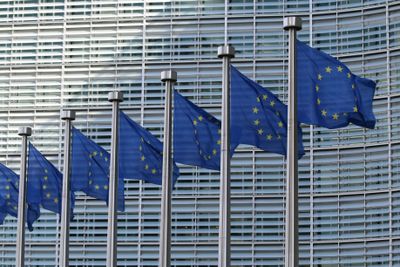
Two decades ago, the European Union welcomed ten new member states, including Cyprus, Czech Republic, Estonia, Hungary, Latvia, Lithuania, Malta, Poland, Slovakia, and Slovenia. This historic expansion not only reshaped the geopolitical landscape of Europe but also holds significance for global politics, economics, and cultural integration. Understanding this event's importance requires recognizing its impact on various fronts, from fostering regional stability to influencing trade dynamics and promoting cross-cultural exchange. Key sub-topics that may interest journalists and the public include: European Integration and Unity: Exploring how the expansion has contributed to the European Union's efforts towards unity, cooperation, and peace among member states. Economic Implications: Analyzing the economic effects of the expansion on both existing and new member states, including trade patterns, investment flows, and disparities in development. Political Dynamics: Investigating the political changes within the European Union, such as shifts in power dynamics, decision-making processes, and the challenges of governance in a larger union. Cultural Exchange and Identity: Examining the cultural exchange and diversity resulting from the inclusion of new member states, and how it has enriched the European cultural tapestry. Challenges and Achievements: Assessing the successes and ongoing challenges faced by the European Union post-expansion, including issues related to migration, integration, and institutional reforms. Future Prospects: Speculating on the future of the European Union, considering factors like potential further expansions, the rise of Euroscepticism, and the Union's role in global affairs. The 20th Anniversary of the Expansion of the European Union marks a significant milestone in the continent's history, offering journalists and the public alike a chance to reflect on the achievements, challenges, and the future trajectory of European integration. Connect with an Expert about the EU: Carolyn Dudek Professor of Political Science · Hofstra University Dr Martin Brenncke Lecturer in Law · Aston University David R. Dorondo Professor · Western Carolina University To search our full list of experts visit www.expertfile.com Photo Credit: Guillaume Périgois

Climate change research trailblazer elected to prestigious list of AAAS Fellows
University of Delaware professor Rodrigo Vargas has been elected as a fellow of the American Association for the Advancement of Science (AAAS) — one of the largest scientific societies in the world and publisher of the Science family of journals. The new class of AAAS Fellows includes 502 scientists, engineers and innovators across 24 disciplines, who are being honored for their scientifically and socially distinguished achievements. Vargas, professor of ecosystem ecology and environmental change in UD’s College of Agriculture and Natural Resources, is recognized "for distinguished contributions to carbon dynamics across the terrestrial-aquatic interface, development of environmental networks, novel data analysis tools and his leadership in creating a more diverse scientific workforce." Deborah Allen, who retired from UD in 2019 as a professor of biological sciences, was also names as a fellow. She was cited “for transformational contributions to STEM education nationally and internationally, particularly for developments in problem-based learning and faculty development.” Vargas is an ecosystem ecologist who studies how nature-based solutions can help address global environmental change in both terrestrial and coastal ecosystems, Vargas uses a variety of research methods, including data mining, machine learning, remote sensing, measurements of greenhouse gas fluxes and modeling techniques for forecasting applications.

Veterinary deal would increase UK agrifood exports to EU by more than a fifth, research shows
A veterinary deal would increase agri-food exports from the UK to the EU by at least 22.5%, say researchers Agri-food exports overall are worth £25 billion to the UK economy, but the two years since the new trading rules were put in place have seen a fall of 5% in exports to the EU from 2019 levels, during a period where the sector has otherwise grown. Team from Aston University and University of Bristol have analysed trade deals and export figures worldwide to estimate impact of a new veterinary deal on UK–EU exports A veterinary deal with the European Union could increase UK agricultural and food exports by over a fifth, according to new research. The team, from Aston University’s Centre for Business Prosperity and the University of Bristol, analysed the agricultural and veterinary aspects of trade deals around the world to estimate their impact on exports. They then modelled the potential impact of different types of agreement on UK exports to the EU. Veterinary Agreements specifically focus on regulations and standards related to animal health and welfare, as well as to the safety of animal-derived products such as meat, dairy, and seafood. They aim to align, harmonise, or recognise veterinary requirements and certifications, and reduce the number of inspections between countries to facilitate the safe and efficient trade of live animals and animal products. The EU–UK Trade and Cooperation Agreement (TCA), implemented in January 2021, eliminates tariffs and quotas but does not remove non-tariff barriers to trade. These can be particularly burdensome for agricultural and animal-derived food (agri-food) exports, involving complex rules and requirements, production of extensive documentation and veterinary checks. The UK agri-food sector is a cornerstone of the UK economy, with exports worth £25 billion and employing 4.2million people. Although the sector is growing overall, exports to the EU shrank in 2022 by 5% compared to 2019, in part due to the new trade arrangements. This has led to calls for an EU–UK veterinary agreement from business and agri-food organisations, including the Confederation of British Industry, British Chambers of Commerce, UK Food and Drink Federation, Chartered Institute of Environmental Health and British Veterinary Association. Analysing data from the World Bank on 279 trade agreements and export statistics from over 200 countries, the researchers found that shallow agreements, that went little further than provisions already covered by World Trade Organisation (WTO) rules, had significant negative impacts on agri-food exports. However, where trade agreements went beyond WTO provisions to include more commitments on sanitary and phytosanitary (SPS) measures (which aim to protect countries against risks relating to pests, diseases and food safety) and were legally enforceable, they had a robust, positive impact on exports, particularly exports of animal products and food. Applying this to the UK–EU relationship, the team estimate that a veterinary agreement that went beyond the existing TCA provisions would increase agri-food exports from the UK to the EU by at least 22.5%. Imports from the EU would also increase by 5.6%. In the 203 countries studied for the research, positive effects of deep trade deals that included provisions on agriculture took between 10 and 15 years to manifest. But the UK might not have to wait so long, according to report co-author Professor Jun Du, Director of Aston University’s Centre for Business Prosperity. “There is no blueprint out there that mirrors the UK–EU relationship. Most veterinary agreements are agreed as part of a trade deal between countries that haven’t previously had close alignment and it takes a while for the benefits to take effect. “Until recently, the UK had frictionless agri-food exports to the EU, so it’s possible that a supplementary veterinary agreement to reduce some of the frictions created by Brexit could allow trade that previously existed to pick up again quite quickly.” However clear the economic arguments, the legal and political barriers to a veterinary agreement still remain. The researchers address these in their report, suggesting that the best format for the additional measures would be as a supplementary agreement to the TCA. The key question for the UK government in negotiating such an agreement would be what the EU demanded in return. “The closest model is the EU-Swiss relationship, which sees Switzerland largely follow EU law,” said report co-author from the University of Bristol, Dr Greg Messenger. “That’s unlikely to be an option for the UK. As we wouldn’t expect to eliminate all paperwork, we could both agree that our rules meet each other’s standard for phytosanitary protection. As most of our rules are still essentially the same as the EU, that wouldn’t require any major change, though we’d have to agree a greater level of coordination in relation to the development of new rules.” The report was written jointly by Professor Du, Dr Messenger and Dr Oleksandr Shepotylo, senior lecturer in economics, finance and entrepreneurship at the Centre for Business Prosperity, Aston Business School.

