
Experts Matter. Find Yours.
Connect for media, speaking, professional opportunities & more.

Aston University launches degree in nursing starting in 2023
Nursing Studies BSc (Hons) will specialise in nursing adults Students will spend 50% of their time in work placements in the West Midlands region The nursing programme is based in Aston Medical School Aston University has launched a degree in nursing with its first intake starting its three-year course in September 2023. Approved by the Nursing and Midwifery Council (NMC), the Nursing Studies BSc (Hons) will specialise in nursing adults with a focus on community nursing, with work placements offered in hospital and community settings to best reflect where the NHS most urgently needs nurses. According to NHS Digital there are around 47,000 UK vacancies, that is a vacancy rate of 11.8% and in the Midlands region, in the first quarter of 2022 there were 9,336 nursing vacancies – making the West Midlands a hot spot for vacancies. The University is now taking applications for its first cohort of up to 40 students who will be based in Aston Medical School. They will be due to graduate in 2026, eligible to register with the Nursing and Midwifery Council as a Registered Nurse (Adult). Professor Anthony Hilton, pro-vice-chancellor and executive dean of the College of Health and Life Sciences, said: “I am delighted we now offer Nursing Studies which comes at a time when we are seeing a national shortage of nurses in the NHS and more locally in Birmingham we are seeing a significant gap in nurses trained in adult and community care settings. Nursing will be co-located within Aston Medical School to provide opportunity for truly interprofessional learning with our medical, pharmacy and wider groups of healthcare students. “We are excited to work with our local NHS Trusts to offer clinical practice education, in combination with our new state of the art health simulation facilities. We look forward to launching in 2023 and developing high quality nursing graduates to support the NHS workforce of the future.” Students will spend 50% of their time on work placements at various local hospital trusts including Sandwell and West Birmingham (with its new hospital opening in 2024), The Royal Orthopaedic Hospital NHS Foundation Trust, University Hospitals Birmingham – this includes The Queen Elizabeth Hospital, Solihull Hospital, Birmingham Heartlands and Good Hope Hospital, as well as Birmingham Community Healthcare Trust. There will also be opportunities for placements within various nursing homes, hospices and GP practices. There are significant opportunities for interprofessional learning with other healthcare students - because the nursing cohort will study some taught sessions alongside students in Aston Medical School, Pharmacy, Optometry and Audiology. New state-of-the-art healthcare simulation facilities will be used to support practical and clinical skills training. The simulation suite includes two hospital wards, a residential flat, an immersive room and high-fidelity mannequins. Jayne Murphy, programme lead adult nursing, Aston University: “Nursing is dynamic and challenging and requires a huge skill-set from specialist clinical skills to essential skills of communication, problem-solving and professionalism.” “There is no better time to start a career in nursing. The opportunities post-qualifying are endless and our students will have the potential to make a significant difference to people’s lives when they are often at their most vulnerable.” “Our nursing students will work with some truly inspirational people who will support them to be the best nurse they can be. The small cohort sizes at Aston University mean they will have a personalised experience in a supportive environment to help our students flourish during their studies and in their first post as a registered nurse.” Dr Alexander Rhys, NMC Assistant Director of Professional Practice, said: “Congratulations to Aston University which has become one of the latest education institutions approved against our standards to deliver a pre-registration nursing programme. It's vital that nursing and midwifery students receive the high-quality education they need to join our register and deliver the safe, effective and kind of care that people have the right to expect. We look forward to supporting Aston University as it educates the nurses of the future”. We are now taking applications for BA (Hons) Nursing Studies (Registered Nurse Adult Nursing) starting in September 2023. To find out more about the course or how to apply, please visit the course pages on our website. Deadline for applications is 25 January 2023.


Birmingham MP officially opens £1.5 million healthcare simulation facilities at Aston University
Paulette Hamilton MP officially opens healthcare simulation facilities at Aston Medical School and School of Optometry State-of-the-art facilities including medical simulation room with high fidelity manikins for students to practise real life scenarios opens The first in Europe ocular simulation suite allows students to refine skills in examining the health of the eyes and experience a wide range of eye disease. New £1.5 million healthcare simulation facilities have officially opened at Aston Medical School and in the School of Optometry at Aston University. The state-of-the-art facilities were formally opened by Paulette Hamilton, member of parliament for Birmingham Erdington, on Friday 2 December at a ribbon cutting ceremony that was attended by Aston University Vice-Chancellor Professor Aleks Subic as well as other members of the University executive and staff from the College of Health and Life Sciences. Commenting on the new facilities Paulette Hamilton MP said: “It’s been brilliant to visit and officially open the new healthcare simulation facilities at Aston University. “I know from my time as a nurse how important it is to have access to good training and the latest equipment. These fantastic facilities will give students the best possible learning experience as they prepare to enter their profession, providing healthcare in Birmingham and beyond.” Hosted by Professor Anthony Hilton, Pro-Vice-Chancellor and Executive Dean of the College of Health and Life Sciences, guests were invited to take a tour of the new facilities including a clinical skills simulation room which allows students to practise in emergency settings and an ocular simulation unit facility, the only one in Europe. Professor Hilton said: "We are delighted these new facilities have opened in time for the start of the new term and that students can benefit from practising their clinical skills in a variety of scenarios. “The acute care simulation room will allow for simulated emergency resuscitation scenarios that are very difficult to teach in real life situations, such as heart attacks, acute breathlessness and severe allergic reaction and will be of great value in training students of medicine, pharmacy and optometry.” The healthcare simulation facilities will be used by students studying medicine, pharmacy and optometry, where they will be able to practise in emergency settings using high quality manikins where they will simulate treating patients for acute conditions such as a heart attack or learning how to intubate a patient onto a ventilator. Professor Aleks Subic, Vice-Chancellor, Aston University said: “The launch of the Aston University healthcare simulation facilities marks an important milestone in the development of our digital health precinct within the Birmingham Knowledge Quarter. By establishing world-class medical imaging, advanced visualisation, and digital diagnostics capabilities we are in fact bringing Industry 4.0 to healthcare. “Our students from the Aston Medical School and School of Optometry in particular, will benefit immensely from this development as they will be able to detect a wide range of clinical conditions and diseases and explore different interventions and scenarios, safely within a simulated environment.” The high-fidelity acute care simulation room will also be equipped with recording facilities, a debrief room and control room. The funding has allowed for the purchase of other training equipment such as a hospital grade bed and single task trainer simulation equipment. For example, male and female catheterisation models, pelvic and rectal trainers, venepuncture arms, breast trainers and abdominal trainers. The facilities were part funded by the Office for Students which awarded the University £806,226 to set up the ‘high fidelity’ simulation A&E room with further expenditure by Aston University on the ocular simulation unit. The ocular simulation facility is unique in Europe. It allows students to refine their skills in examining the health of the front and back of the eyes and to experience a wide range of eye disease. One of the simulators allows students to utilise their smartphones to practise at home. They can gain direct feedback and be assessed by the simulators, allowing more flexible, diverse and intensive learning than can be achieve with clinical practice placements. Professor Liz Moores, deputy dean of the College of Health and Life Sciences, said: “The College of Health and Life Sciences is thrilled with this investment. The enhanced facilities will help to support many of our healthcare students, including those now applying for our new nursing degree. It will also support us with the introduction of the new pharmacy and optometry education standards, providing a step change in our ability to simulate a wide range of clinical scenarios.” For more information about studying in the College of Health and Life Sciences please visit our website.

Students studying medicine, pharmacy, nursing, optometry and audiology to benefit from the investment in a new simulation facility over the next three years The Office for Students has granted Aston University £4.8 million to develop future healthcare professionals The investment in digital clinical equipment and health simulation facility will better prepare students for the future of work. Students in the College of Health and Life Sciences at Aston University are to benefit from a major £4.8 million investment in new facilities funded by the Office for Students to further expand and develop the University’s suite of state-of-the-art healthcare simulation and laboratory facilities. Students studying medicine, pharmacy, nursing, optometry and audiology will benefit from capital funding to support new equipment and facilities over the next three years. This latest funding follows on from an initial £1.5 million investment into healthcare simulation facilities on the University campus which were officially opened in December 2022 by Paulette Hamilton MP. The funds will be used to create and equip a simulated hospital ward facility and a simulated patient home environment for healthcare students. Nursing Studies is now recruiting for its first intake of students in September 2023. Pharmacy students will also gain a new wet lab and asepsis suite. The optometry simulation suite, unique in Europe, will be further enhanced with augmented reality simulation, allowing students to learn and refine their skills in a realistic instrument environment, with simulated patients with a wide range of eye conditions. Investment in other additional optometry equipment, including an additional optomap retinal screening device, will also allow the eye clinic to triage patients for the eye hospital, reducing patient waiting times, particularly in assessing conditions such as macular degeneration. Aston Medical School will be equipped with the creation of an immersive room and an anatomy and physiology teaching facility. Professor Liz Moores, Deputy Dean of the College of Health and Life Sciences, said: “The College of Health and Life Sciences is thrilled with this investment. The enhanced facilities will help to support many of our healthcare students, including those now applying for our new nursing degree. It will also support us with the introduction of the new pharmacy and optometry education standards, providing a step change in our ability to simulate a wide range of clinical scenarios.” Professor Aleks Subic, Vice-Chancellor at Aston University, said: “This strategic investment will ensure that our students are learning in the very best facilities with access to state-of-the-art digital technologies. The new facilities will enable us to prepare students fully for future careers that are strategically important to the healthcare sector and society. This is about bringing Industry 4.0 to healthcare.” Professor James Wolffsohn, Head of the School of Optometry and Audiology at Aston University, said: “With the huge hospital waiting lists, particularly post-COVID, with those in ophthalmology being the highest, it is essential that primary care can take more of the patient load to allow hospitals to focus on surgery and complex cases. This investment will allow us to better train our optometry and audiology students to be able to triage patients and to manage more conditions within community practice.” Jiteen Ahmed, Head of Technical Services in the College of Health and Life Sciences at Aston University, said: “It is fantastic to see such a large investment in our facilities to support many of our healthcare programmes. Technical staff at Aston University will be playing a key role in the design of the facilities, ensuring that we provide the most up to date and innovative technologies to meet the needs of the programmes. “I am very excited to see the involvement of technical staff as they will play a significant role in ensuring our students meet key learning outcomes in our facilities at the University.” For more information about studying in the College of Health and Life Sciences please visit our website.

ExpertFile-powered “Our Experts” site makes health experts findable and accessible to media at a click of a button ChristianaCare and its collaborative partner ExpertFile have been recognized with a 2022 Silver Quill Award from the International Association of Business Communicators (IABC) for its "Our Experts" media database. Designed to easily and quickly connect journalists to subject-matter experts, this online resource has been recognized with the top prize – an “Award of Excellence” in the Communications Management, Media Relations category. The IABC Silver Quill Awards showcase business communication excellence and are acknowledged as among the most prestigious awards programs in the communications industry. “I’m proud to accept the Silver Quill Award on behalf of our organization and our incredible Communications team, including our ExpertFile partners,” said Shane Hoffman, communications director at ChristianaCare. “The ‘Our Experts’ platform has given us next-level ways to engage our experts and share our knowledge as a trusted source of health care information. It has also helped us re-imagine the traditional online news room experience and turn it into a truly new and innovative way to serve the needs of both journalists and our community.” IABC’s Silver Quill awards honor the dedication, innovation and passion of communicators on a global scale. Each entry is scored independently by evaluators who judge the award submission on factors that include: stakeholder analysis, strategic and tactical planning, quality of execution and measurable results. Since launching in March 2021, the "Our Experts" media database has received more than 20,000 online visits and has resulted in more than 200 news stories. “We are honored to earn this Silver Quill Award with our client, ChristianaCare,” said Peter Evans, CEO of ExpertFile. “Despite the pressures of the pandemic, their team collaborated closely with us to create a world-class program that continues to help a variety of audiences discover and connect every day with credible medical experts and groundbreaking research.” Powered by the ExpertFile software platform, the ChristianaCare “Our Experts” site provides a digital media toolkit with advanced search/digital content features to help journalists discover experts and access resources that make it easier for them to complete stories and meet their deadlines. Awarding top honors “with distinction,” the IABC judging panel provided a number of detailed comments on the “ChristianaCare Experts Program”: “Very well-done website. Nice content that is well organized and searchable. From planning and implementation to measurement afterward the program shows great work.” “Great work in the time of COVID. Your knowledge of journalists and their challenges. during COVID was spot-on.” “I liked the media advisories. Having been on both sides of the reporter/media relations thing, I like clear and simple. You achieved this!” “If I were a reporter, the advisory would be invaluable when I needed an expert.” “Very specific and focused on business-results. Great work here.” “Very comprehensive! You thought of everything without getting bogged down in unnecessary details.” Nearly 100 ChristianaCare experts are featured in the database today, and that number continues to grow. “As communicators in health care, it has always been important for us to provide timely, accurate, easy-to-understand information to the communities we serve so that people can make informed decisions about their health,” said Karen Browne, vice president of marketing and communications at ChristianaCare. “The COVID-19 pandemic added an entirely new level of urgency to our role as communicators, and it made it even more important for us to build strong relationships with our partners in the news media so that they can deliver compelling, actionable health information to the community—from experts they can trust.” The pandemic also highlighted the need to do more with less. ChristianaCare’s innovation was driven out of a desire to improve the reach, impact and efficiency of its media relations efforts—amid rapidly increasing demand—without the need to add additional resources. “With our partners at ExpertFile, we leveraged ExpertFile’s outstanding technology platform to create a database of our experts that helps reporters and news producers find the sources they need quickly, and it enables our team to nimbly manage their requests and facilitate interviews in a way that makes the absolute best use of our resources,” Hoffman said. “The ExpertFile team worked as our strategic thought partners throughout this process, and they’ve really embraced our desire for innovation that drives results. They’ve helped us to work smarter and do more without adding a lot of additional resources. Together, we’ve built a system and process that is helping us to communicate in new and better ways—and we’re just getting started.” About ChristianaCare Headquartered in Wilmington, Delaware, ChristianaCare is one of the country’s most dynamic health care organizations, centered on improving health outcomes, making high-quality care more accessible and lowering health care costs. ChristianaCare includes an extensive network of primary care and outpatient services, home health care, urgent care centers, three hospitals (1,299 beds), a freestanding emergency department, a Level I trauma center and a Level III neonatal intensive care unit, a comprehensive stroke center and regional centers of excellence in heart and vascular care, cancer care and women’s health. It also includes the pioneering Gene Editing Institute. ChristianaCare is nationally recognized as a great place to work, rated by Forbes as the 2nd best health system for diversity and inclusion, and the 29th best health system to work for in the United States, and by IDG Computerworld as one of the nation’s Best Places to Work in IT. ChristianaCare is rated by Healthgrades as one of America’s 50 Best Hospitals and continually ranked among the nation’s best by U.S. News & World Report, Newsweek and other national quality ratings. ChristianaCare is a nonprofit teaching health system with more than 260 residents and fellows. With its groundbreaking Center for Virtual Health and a focus on population health and value-based care, ChristianaCare is shaping the future of health care.


ChristianaCare Names Its Breast Center: The Tatiana Copeland Breast Center
ChristianaCare has named its Breast Center The Tatiana Copeland Breast Center at the Helen F. Graham Cancer Center & Research Institute in recognition of Gerret and Tatiana Copeland’s generous financial support. The Copelands, local philanthropists and business entrepreneurs, provided a $1.2 million gift to the Graham Cancer Center in 2019 for breast cancer prevention and research for underrepresented women. Tatiana Copeland previously provided $800,000 to fund the purchase of two 3D mammography units. As a result of their philanthropic leadership, the Graham Cancer Center was one of the first facilities in the nation to offer 3D mammography. “ChristianaCare is deeply grateful to the Copelands for their generous support of the Helen F. Graham Cancer Center & Research Institute,” said Janice Nevin, M.D., MPH, ChristianaCare president and CEO. “They have made a tremendous difference in the lives of so many women in and around Delaware. We are deeply honored to name the Breast Center after Tatiana.” In a private event celebrating the naming, Dr. Nevin read a personal letter from President Joe Biden and First Lady Jill Biden that was sent to Tatiana about her support of the Breast Center. “Tatiana is a woman with extraordinary vision and a compassionate heart,” wrote President Biden. “As a breast cancer survivor, she has taken her pain and turned it into purpose, ensuring that all those who come in for testing at the Breast Center will receive extraordinary care. She has put lifesaving and life-altering care within the reach of those who need it most. And through it all, she has pushed for progress, fought for patients and kept hope alive.” “The Copelands share our commitment to providing our patients with the very best breast care, diagnosis and treatment,” said Nicholas J. Petrelli, M.D., Bank of America endowed medical director of the Helen F. Graham Cancer Center & Research Institute. “Their generous gifts have enabled women from Delaware and surrounding communities to receive expert, compassionate care right here at the Breast Center without ever having to leave the state. The Copelands have a way of discovering a need and then making the impossible possible.” “As longtime Graham Cancer Center supporters and as a breast cancer survivor myself who received wonderful treatment here, we are confident our investment in the Breast Center will continue to enable women to receive the same care that I did,” Tatiana Copeland said. “The atmosphere of the Breast Center is very comforting — like a nurturing hospital,” she said. “Everybody is very caring and attentive. Dr. Petrelli has created a team effort that is truly admirable. We hope our support inspires others to join us in the fight against cancer.” At The Tatiana Copeland Breast Center, patients are supported by an exceptional care team that includes radiologists, surgeons, radiation oncologists, genetic counselors and support staff. On-site capabilities include: 3D mammography. Digital mammography. Dedicated breast MRI. Breast ultrasound. Minimally invasive breast biopsies. Financial resources. Delaware’s first Center for Breast Reconstruction. According to the Delaware Division of Public Health, breast cancer is the most common cancer diagnosed among women in Delaware and the second leading cause of cancer death among women in the state after lung cancer. The Graham Cancer Center conducts community outreach to educate women about the importance of breast cancer detection and early prevention, including specially designed programs for underrepresented communities, including Black, Latinx and Asian women. “The Copelands’ ongoing generosity and support have helped us elevate the level of care at the Breast Center,” said Dia Williams, vice president of Philanthropy at ChristianaCare. “This gift will have an impact for generations to come.” To learn more about ChristianaCare’s philanthropy opportunities, visit https://christianacare.org/donors.


Can you be hacked while using your mobile device? In a word, yes — here’s how to protect your data
October is Cybersecurity Awareness Month and being aware of all your devices is as important as ever before. Most people are online every day, which opens themselves up to a threat of being hacked. Whether it be a mobile device, laptop, or personal computer, everyone needs to have cyber awareness. Steven Weldon, director of the Cyber Institute at Augusta University’s School of Computer and Cyber Sciences said many straightforward things that can be done to protect devices, such as having lock screens, making sure operating systems are up to date and simply recognizing how, when and where devices are being used. “Smart phones today are probably the most capable computing device that we have and we have it on us all the time,” said Weldon. “The data that can be extracted from these devices can be put together to build a pattern of life on us: where we go, what we do and when we do it. All of this data is potentially at risk if we’re not being careful about who gets access to our smart phones. That’s a great reason to lock the screen and require at least a password or pin to unlock the phone.” Gokila Dorai, PhD, assistant professor in the School of Computer and Cyber Sciences, suggests using biometrics to enhance security. “I would strongly recommend for women, young adults even teenagers, if it’s possible for you to have biometrics as a way to unlock your device, then go for that. These unique ways of unlocking a device would add a layer of protection,” said Dorai. Dorai is one of the growing experts in the field of mobile forensics and her research projects are federally funded. In addition, several SCCS faculty are mentoring undergraduate and graduate students working on cutting edge research related to mobile device security and digital forensics. She also suggested adding a two-factor authentication or multi-factor authentication to add an extra layer of security. When out in the public, it’s easy to connect a mobile device to an unprotected Wi-Fi network. Doing so could open up sites you visit to a hacker. Weldon suggests people should be careful of what apps are used when on public Wi-Fi, since they may expose a lot of personally identifiable information. His suggestion is to use a virtual private network to help protect data that’s being transmitted and received. “We should recognize the data on our smart phones and protect them accordingly,” added Weldon. “Recognizing the value and sensitivity of the data on our smart phones can guide us in how we protect these devices. We may not think as much about the security and privacy of our smart phones as we do about our laptops and desktops. When we think about everything we use our smartphones for, how ubiquitous they are in our lives, we come to realize just how central they are to today’s lifestyle in the digital age.” It’s tough to identify when a mobile device has been hijacked, so both Weldon and Dorai suggest paying close attention to any unusual behavior, even small things such as a battery draining faster than usual. Both are indicators you may need to take corrective actions. Dorai added the government can do more to protect a person’s privacy. “With the introduction of more and more Internet of Things devices in the market, with several different manufacturers, there’s a lot of user data that’s actually getting exchanged. These days, the most valuable thing in the world is data. So stricter measures are required,” she said. She indicated it needs to be a collaborative effort between industry, academia, government, and practitioners to come together and work on ideas to strengthen security. “Yes we want security. We are willing to put up with a little bit of friction for additional security. We want it easy and we generally want it free,” said Weldon. “We don’t read licensing agreements, but we would generally be willing to take certain actions, make certain tradeoffs, to be more secure.” One other major concern are apps in general. While Google Play Store and Apple routinely remove some apps that may be out of date or have security vulnerabilities, they may still be running on a user’s device. “Mobile applications may also hide from you in plain sight in the sense the app icons may not be showing up on the screen, but still they are running in the background,” added Dorai. In essence, the device user is the first line of defense. Taking all the necessary steps to prevent a third party from getting your information is of the utmost importance in the digital age. “I believe a big part of it this discussion is about user awareness. We want that free app but that app is asking for a lot of permissions. There’s an old saying in cybersecurity: if you are not paying for the product, you are the product. There’s also another saying: if it’s smart, it’s vulnerable,” said Weldon. Are you a reporter covering Cybersecurity Awareness Month? If so - then let us help with your stories. Steven Weldon is the Director of Cyber Institute at the School of Computer and Cyber Sciences at Augusta University and is an expert in the areas of cellular and mobile technology, ethics in computer science, scripting and scripting and automation. Gokila Dorai is an Assistant Professor in the School of Computer and Cyber Sciences at Augusta University and is an expert in the areas is mobile/IoT forensics research. Both experts are available for interviews - simply click on either icon to arrange a time today.


MEDIA RELEASE: Winter weather looming: CAA Manitoba advising motorists to prepare for the unexpected
Winnipeg, MB, November 04, 2021 – As temperatures drop and winter approaches, it’s a reminder that unpredictable driving conditions often come when we least expect it. CAA Manitoba (CAA MB) is advising motorists to get their vehicles ready now before wintry weather hits. “It’s time to prepare your vehicle by installing winter tires and getting your battery checked by a professional,” says Heather Mack, manager of government and community relations at CAA MB. “We are encouraging motorists to be winter wise and plan ahead for heavy snowfalls, slippery road conditions and frigid temperatures before they happen.” Winter tires take on all the challenges brought on by cold weather including snow, ice, slush, wet and dry roads, but to fully optimize your vehicle’s handling, stability and braking it’s important to install four matching tires once the temperature consistently dips below 7°C. “Compared to all-season tires, winter tires stay flexible in cold temperatures—whether or not there’s snow on the ground—giving you better traction,” says Mack. “This may reduce your stopping distance by a few feet which can be the reason for preventing a collision.” Save time by getting your tires changed right in your driveway by booking CAA’s Mobile Tire Change service and enjoy convenient, safe and reliable at-home assistance performed by expert technicians. While installing your winter tires, CAA recommends also asking your mechanic to check your car battery. “Even a fully charged battery can lose power when the temperature dips below 0° Celsius,” says Mack. “It’s important to have your car battery tested in the fall to ensure it’s ready for the winter.” If your battery is giving you problems or you are unsure if it’s time to replace it, you can call CAA’s Mobile Battery Service at *222 to have a trained CAA MB Battery Service Representative come test your battery and provide a helping hand. Not sure if your car battery will make it through the winter months? Watch for the following warning signs that a battery may need to be replaced: Your vehicle cranks slowly when trying to start. It takes 175 to 250 amps of battery power to get a car going. If your car is slow to start, you might be dealing with an insufficient charge. Your headlights dim while idling. When idle, a car may draw more power than the alternator alone can produce, so your battery kicks in. If your headlights dim when you are idling but brighten when you rev the engine, it could mean a drained battery. Your digital systems power down quickly. Electronics like the radio, GPS, dash cams and other accessories, especially in modern cars, use battery power when the engine is off. If they stop functioning properly, it could suggest a weak battery. You hear a grinding, clicking or buzzing noise when you turn on the ignition. It’s important to be able to distinguish the reason why your vehicle may be making noises, usually, these sounds mean your battery has lost its charge but if you’re still unsure, get your vehicle checked by a professional. Your vehicle has stalled. The stored energy in your car battery is essential for starting the engine, without its juice, you won’t be going very far.

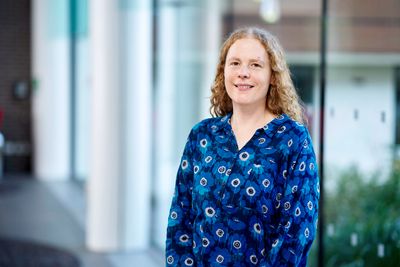
Aston Institute of Health and Neurodevelopment to host third in a series of livestreamed public lectures This episode of Molecules to Minds will explore Dr Laura Shapiro’s research into how children’s experiences of learning to read impacts on how they learn in the future The one-hour livestream will be followed by a Q&A and round table discussion Aston Institute of Health and Neurodevelopment (IHN) will host a livestreamed public lecture in the series Molecules to Minds on Aston University’s digital channel Aston Originals on Thursday 3 November 2022. Dr Laura Shapiro, a reader in psychology, will present her lecture ‘From gobbledygook to goblins: how a child learns to crack the written code’. Laura will reveal the hurdles and fortunes on the journey from spoken to written language and will discuss how our experience of learning to read changes the way we learn forever. Dr Shapiro's research focuses on the causes and consequences of children’s language and literacy development and is shaped both by fundamental scientific questions and by the concerns of practitioners and policymakers. The lecture will be co-presented with James McTaggart from the Highland Council, Scotland and hosted by Professor Jackie Blissett, co-director of IHN. Laura said: “Most adults take reading for granted, yet for a beginner reader, writing is just gobbledygook. The ability to crack the written code underpins all subsequent learning and provides the key to discovering new worlds and fictional friends.” After the livestreamed lecture, Dr Shapiro and guests will host a Q&A and round table discussion, where audience members can address researchers with their questions. The panel includes a variety of guests: James Cook, headteacher at Cawdor Primary, Scotland, Roxanne Mahroof, a parent and Dr Pamela Wadende a senior lecturer in education at Kisii University, Kenya. Dr Shapiro added: “Being able to read is like a key to the adult world: it underpins our ability to learn. Our research shows that strong language skills are needed to learn to read, and the journey to mastery is a long one. “The good news is that getting better at reading helps you learn more from each thing you read, and in turn spurs you to read more widely. Warning: reading can be addictive.” The lecture is targeted at anyone interested in literacy development in children and young people, including academics, teachers, parents and young people themselves. The livestream will take place at 16:00 – 17:00 BST on Thursday 3 November on the Aston Originals YouTube channel. To register for this event please visit our Eventbrite page.


Simple 20-20-20 screen rule really does help with eye strain, research shows
Scientists find that a short break to look away from screen every 20 minutes improves symptoms of eye strain for computer users Aston University researchers used special software to monitor participants’ gaze for two weeks, measuring symptoms before and after First time that guidance has been scientifically validated. It’s long been recommended as a way of easing eye strain while working at a computer screen. Now the 20-20-20 rule – taking a break of at least 20 seconds, every 20 minutes, to look at least 20 feet away - has been confirmed by scientists at Aston University to help ease some of the symptoms of prolonged computer use. It’s estimated that at least half of people using computers in their regular work have some form of digital eye strain, resulting in eye surface problems including irritation and dryness, or vision issues such as headaches or blurred vision. Humans normally blink around 15 times each minute. When staring at screens, this number decreases generally to half that rate or less. That can lead to dry, irritated, and tired eyes, but twenty seconds focusing elsewhere is long enough for the eyes to relax enough to reduce the strain. This is the first time that the 20-20-20 guidance rule has been properly validated. Researchers at Aston University’s College of Health and Life Sciences set up their study with the help of 29 participants who suffer from symptoms of eye strain. Special software downloaded onto the participants’ own laptop computers used the built-in laptop camera both to check if a user was sitting at the screen and to monitor their gaze direction every few seconds. After 20 minutes of continuous screen viewing, the programme flashed up a message, asking users to rest for 20 seconds while looking at any distant target around 20 feet away, such as out of the window or across a room. The message couldn’t be removed until the task was performed correctly, as measured by the app. Participants’ digital eye strain symptoms were measured before and after two weeks of using the reminders, and one week after completing the study. Results showed a marked decrease in symptoms including dryness, sensitivity and discomfort. Professor James Wolffsohn, Professor of Optometry at Aston University, who led the research in collaboration with the University of Valencia, Spain, said: “The one previous study merely asked people to carry out the suggestions; but here the access control on the software meant we could be sure that participants really had looked away every 20 minutes. We saw a consequent improvement in the symptoms of the group as a whole.” Researchers noted that after the study, the participants’ eye symptoms returned to what they had been before the intervention. Professor Wolffsohn says: “We are planning to conduct longer term studies to see whether we can teach eyelid muscle memory impulses to blink more often during digital viewing, to help mitigate this chronic issue without long term use of reminders.” The findings confirm that people should try and take breaks from their screens. He added: “Although we used sophisticated software, it’s easy for others to replicate the effect by setting a timer on their phone, or downloading a reminder app. It’s a simple way of reminding yourself to take regular breaks for the good of your eyes.” The effects of breaks on digital eye strain, dry eye and binocular vision: Testing the 20-20-20 rule was published in Contact Lens and Anterior Eye journal.

The minister for tech and the digital economy met with representatives from Aston University’s College of Engineering and Physical Sciences and Solihull College & University Centre during a visit to the new Greater Birmingham and Solihull Institute of Technology (GBSIoT) Hub on 2 August. Damian Collins MP was given a tour of the new facility by Rosa Wells, executive director for employment and skills and IoT at Solihull College & University Centre. The Institute of Technology focuses on engineering and advanced manufacturing and is a partnership between local further education colleges, universities and industry partners. It will support learners from across the region to progress to high-skill technical jobs in industry through clear, supported pathways. Construction of the GBSIoT Hub building is nearing completion and will be welcoming students in the coming weeks. During the visit, the minister was shown the cyber physical manufacturing rig, a scaled-down version of a factory of the future, which will create a simulated working environment for IoT learners. The minister then met with executive dean Professor Stephen Garrett and deputy dean Professor Kate Sugden for a tour of Aston University’s Advanced Prototyping Facility conducted by senior project manager Paul Gretton. The facility supports businesses by increasing awareness of the opportunities available through 3D printing to improve the efficiency and effectiveness of existing designs, and to develop new products all the way through to producing prototypes. The visit also included a showcase of Aston University’s Autopod, a state-of-the-art autonomous vehicle funded by the Greater Birmingham and Solihull Local Enterprise Partnership and the Institute of Technology which is used for research and as a teaching tool. Professor Garrett said: “Aston University has a proud history of delivering high-quality technical education and world-leading research. We were delighted to be able to showcase our facilities to Damian Collins MP, whilst discussing our commitment to equipping students with the knowledge and skills they need to succeed in STEM careers.” Damian Collins MP said: “It’s been brilliant to visit the pioneering facilities at Aston University today, especially seeing the cyber rig which will give students first class training to enter the industry with confidence. “Having these opportunities will help young people gain skills they need for future jobs, supporting the UK’s world leading advanced manufacturing and digital industries.” The minister toured the facilities at Aston University as part of his wider visit to the Birmingham 2022 Commonwealth Games. For more information about the College of Engineering and Physical Sciences please visit our website.