Experts Matter. Find Yours.
Connect for media, speaking, professional opportunities & more.
Budget 25 – initial reactions related to personal financial wellbeing
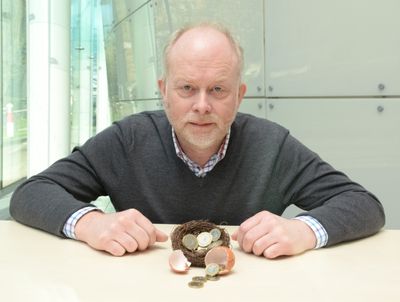
As the director of the Aston Centre for Personal Financial Wellbeing, and a professor of taxation, I obviously take particular interest in the annual budget day as it sets a tone for much of the personal finance changes that are likely to occur in the near future. The lead up to this year’s budget had unprecedented levels of speculation with much of the press and commentators trying to get attention with ever more it seemed wilder guessing of what the chancellor might do – largely unhelpfully and worrying people and the markets unnecessarily. Almost all of this proved wide of the mark as the budget didn’t increase any of the main taxes at all, and where it might nudge National Insurance contributions (NICs) up for some, this won’t be for a few years and only in a small area (pension payments for employees) that won’t actually affect most people. Small and cautious steps to reform The reason for all this speculation of key changes needed was that everyone suspected there was a big hole in the national finances. This was shown not to be the case. In fact, predictions provided in the budget documents are we’d in fact be in budget surplus by the end of this parliament period even before the changes announced take effect. This was a surprise to many and meant the chancellor could actually focus on at least some small and cautious steps towards reforming how our tax, benefit and government spending systems work. What she proposed therefore is currently predicted will raise circa £26bn and give the government ‘head-room’ to cope with economic changes later rather than needed to fill a feared financial black hole now – good news all round! This meant what we actually got was lots of smaller changes with fewer ‘rabbit out of a hat’ big tax surprises than we have had in recent years – a welcome steadying trend I hope will continue. She also promised some short-term spending that can be paid for with a combination of extra borrowing now and with increased taxes later – again a trend of recent budgets. If these tax changes actually happen in the end, then it will be down to what happens between now and when these were proposed to commence – by no means a guarantee these will ever happen. Later budgets, or other rule changes in the future, could easily retract or counter them (all chancellors like to announce planned tax changes aren’t going to happen for obvious political gain reasons!). Income tax changes The largest share of the extra £26bn raised will come from extending the income tax thresholds for a further period – now to 2031. These have been fixed (at £12,570 for example for the point at which income tax starts to need to be paid on personal incomes) since at least 2023, some well before this. This matters, as, when wages rise due to inflation, people are not better off in reality (you get more income but things cost more), but may end up paying more tax than before as the thresholds haven’t increased with inflation to the same degree (what we call ‘fiscal drag’). As such, holding these thresholds fixed for longer will raise extra money for the government (predicted to be over £12bn a year in 2030-31 for example) – largely unnoticed as to many it doesn’t feel like the tax rise it clearly is. The threshold fixing extension announced today will mean that as many as 700,000 more people will start to pay some income tax when they wouldn’t currently, and up to 1 million more people will start to pay higher rates of tax than currently – all without being actually better off in real terms. Some call this stealth tax, but it feels very real when it starts to affect you if your total taxable incomes fall near these threshold levels. There were in total more than 70 other tax measure changes in this budget – a huge number and lots to get your head around. However, most of these will not affect most people and are relatively small in nature – targeted at making the tax system a little fairer (i.e. those on higher incomes, with more savings, dividends, receiving additional income from property they own etc – paying more taxes as a proportion of the total amount raised in tax from all sources). This is clearly welcome news (at least for those not being asked to pay this extra) in the current climate. The biggest changes for financial wellbeing As a research centre focusing on individual and family financial wellbeing, what do we think are the specifics announcements made that are most likely to affect people – several headline announcements are worth highlighting: - 1. The removal of the two-child limit on benefit eligibility is obviously a key headline – long touted as a key reason larger families are much more likely to be in poverty than smaller families. This is a key change that many Labour MPs wanted to see happen and the chancellor has delivered on it. This is very welcome news – although it won’t start to affect these families until after April 2026 to give time to bring these measures into place – but then predicted to lift 450,000 children out of poverty. 2. As part of making the tax system more progressive, a brand-new tax was announced on very expensive houses in England – to be snappily called the High Value Council Tax Surcharge (or HVCTS) – although expect it to be called the ‘mansion tax’ by everyone! The UK’s main local tax (council tax) isn’t going to be reformed as such in this change – despite being the target of much speculation that it is just too regressive to leave unreformed any longer after we haven’t revalued houses in most of the UK since 1991. This will instead be an additional tax, commencing in April 28, on those whose properties are valued (now) at £2m or more – with higher rates rising to those with properties over £5m. Clearly this will affect relatively few in most of the UK (only expected to affect 1% of properties nationally), but will affect some and will raise extra revenues (expected to raise circa £400m+ a year) to directly support provision of local services – much needed in many parts of the UK. 3. New taxes on electric cars – given fuel duty is not paid by those who drive electric cars (as they don’t buy petrol or diesel) there have been calls for new taxes to be charged to electric car drivers. While these cars may be better for the environment when driven, they continue to wear roads and contribute to congestion. The government is proposing a per mile charge from April 28 (to be called the Electric Vehicle Excise Duty or eVHD) for these vehicles which will be painful for electric car divers – not least as this cost as not known when purchase decisions were made. No-one likes a tax charged on something you have already made the decision to buy so expect this to be unpopular. It is proposed currently to cost EV drivers around £20/month – about half the rate of fuel duty on average – and expected to raise circa £2bn a year by 2030-31. I expect this tax will become more nuanced in future perhaps as technology enables perhaps different charges to be applied to use of congested city roads compared to open rural driving perhaps - we will see. 4. National Insurance deductibility for pension contributions via salary sacrifice schemes operated by many employers for their employees is to be capped at £2,000 (although only from April 29 – so no immediate effect). This now very widely used approach to making pension contributions if you are an employee that in effect avoids you having to pay NIC on this income going into your pension. For those with larger pension contributions the bit that can be made before NIC is due on the extra this will be capped in the future to £2,000 per year – again affecting those who receive higher pension contributions most and affecting those at the bottom of the income spectrum, little if at all (74% of employees are predicted not to be affected). Is this a breach of the Labour manifesto promises not to increase the main taxes? For some it certainly seems that way. What didn’t happen? There are many smaller measures to explore, or ones that are not coming into effect for the next year or more that might have been missed from the news headlines but that will almost certainly affect lots of people. To name just a few (including highlighting several things NOT going to happen – which will obvious not save people money per se, but help by not costing them more): - above inflation increases to national minimum (‘living’) wage for all age groups from April 2026 (+4.1% for those over 21)– although still not raising this to ‘real living wage’ levels. further extension of holding off on the 5p/litre fuel duty rise not increasing prescription charges (staying at £9.90 for the next year) confirming state pension rises by 4.8% from next April (worth £575/year) confirming £150 winter fuel payments again this winter to over 6 million homes freezing regulated rail fares – preventing the usual annual increases from January (the first time this has happened in 30 years) extending the government’s Help to Save scheme to more benefit recipients than previously No immediate impact for most Overall, this is therefore probably a welcome budget for many, those on lower incomes will likely get the most from these measures, if all are applied as proposed, but most won’t see much of an immediate impact immediately – and with the largest benefit likely to all on larger families in receipt of benefits from next April.


VR Technology Offers Lessons in Navigating a Snow Squall
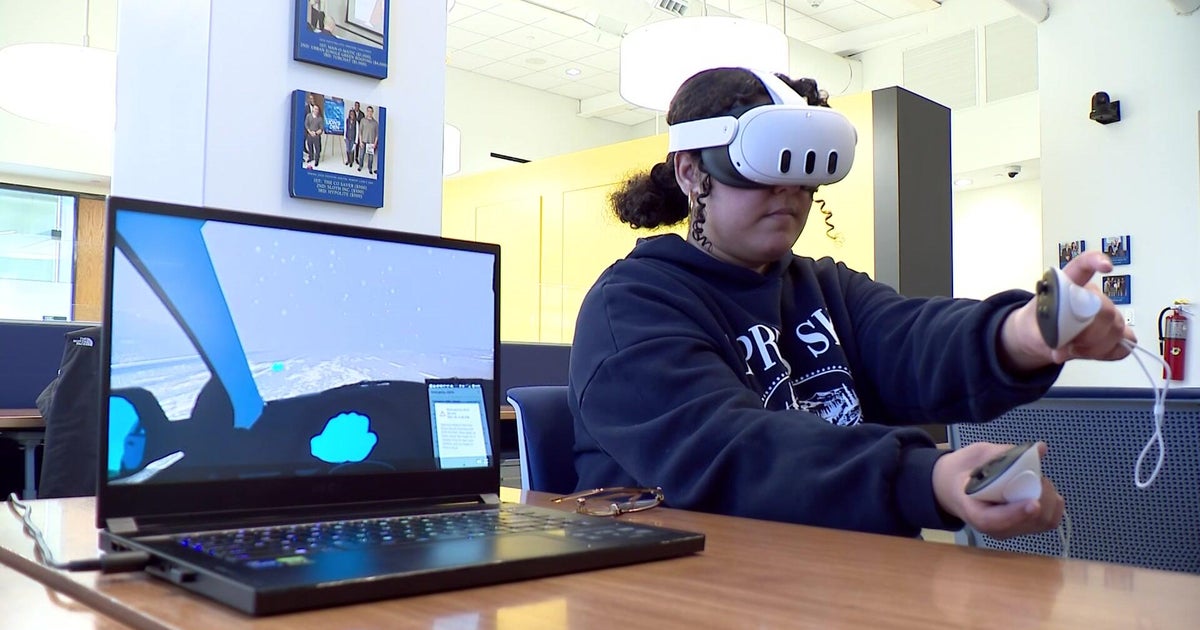
WCBS-TV, WPIX 11, and WNYW Fox 5 interviewed Dr. Jase Bernhardt, Hofstra associate professor of geology, environment, and sustainability, about his virtual reality program designed to teach the public about the danger of driving in a snow squall. Funded by a $100,000 Road to Zero Community Traffic Safety Grant from the National Safety Council, Dr. Bernhardt’s project emphasizes the importance of heeding emergency weather advisories and what drivers should do if they are on the road when a snow squall occurs. Users wear a headset and hold a device – like a video game controller – in each hand to replicate the movements of a steering wheel. Bernhardt’s collaborators include Assistant Professor of Sustainability Sasha Pesci; software developer Frank Martin ’22, ’23, who earned both a BS and an MS in Computer Science from Hofstra University; and John Banghoff and other meteorologists at the U.S. National Weather Service (NSW) Office, State College, PA.


How UF researchers are helping Floridians to build resilience
When Hurricane Idalia hit the Big Bend region of Florida in 2023, Jeff Carney and his team were watching. A coalition of architects, planners, and landscape architects led by Carney worked closely with the tiny Gulf island of Cedar Key, which is particularly vulnerable to hurricanes, to prepare for this moment. The researchers had modeled for city officials how a major storm would flood the city’s core services. “Idalia caused flooding exactly where the maps said it would, including city hall, the historic downtown, older homes, and many streets,” Carney said. After the storm, Cedar Key moved city hall to higher ground, as outlined in the plan. And just in time. Barely a year later, Cedar Key was hit even harder by Hurricane Helene. Between the storms, Carney’s group had worked with the city to refine their storm preparation. The new plan focused more on resilience-boosting projects, like improving drainage around the city. Cedar Key finalized their plans just weeks before Helene. “A lot of the projects we put forward in this plan are in the process of seeking additional funding after Helene,” Carney said. A professor of architecture at the University of Florida, Carney directs the Florida Institute for Built Environment Resilience, or FIBER. A research institute in UF’s College of Design, Construction and Planning, FIBER engages with communities to understand how the designs of buildings and cities expose Floridians to risks — not just storms, but also excessive heat, poor air quality, even a lack of health care. FIBER faculty then work with cities to mitigate these hazards. By preparing for emergencies, upgrading buildings, and providing targeted services, communities across Florida are bolstering the resilience of their residents, all with expert help from UF researchers. Preparing to weather big storms That kind of resilience is especially important for some of Florida’s most vulnerable residents. Older and poorer Floridians face higher-than-average risks from natural disasters and other environmental hazards. That vulnerability was apparent in Cedar Key as it weathered the last two hurricane seasons. Centered around aquaculture and tourism, Cedar Key seems in many ways to be thriving. Yet, with the feel of a small fishing village, roughly 13% of its nearly 1,000 full-time residents are considered to be financially disadvantaged, according to U.S. Census data. Poorer residents may also have a harder time walking away from coastal communities devastated by storms. With savings invested into damaged homes and jobs tied to the local area, less-wealthy residents often have no choice but to stay and rebuild. Carney’s team helps people see the opportunities for rebuilding with a clearer vision of a future where rising sea levels are a reality. “You capture people’s attention and excitement when you can offer them options that are not doomsday,” said Carney, who has been working in Pine Island and Matlacha in Southwest Florida’s Lee County to help residents affected by recent storms prepare for the future. “There’s a lot of opportunity for rebuilding as long as you don’t try to have it be business as usual. We help people see how redevelopment can provide a community asset for the future,” he added. “We try to paint the picture of all the possible scenarios so people can find their own comfort level. It puts them in the driver’s seat.” Aging with fewer choices While that kind of agency is empowering, it can be harder to come by as people retire and find themselves facing tough decisions on fixed incomes. That’s a common experience in Florida, which has a larger proportion of seniors than any other state, due in part to its popularity as a retirement destination. More than 10% of Americans over the age of 65 live below the federal poverty line. This population often finds themselves moving to less safe places as they age. “Older people with more social vulnerability — such as low income or poor health — have a tendency to move to worse places,” said Yan Wang, Ph.D., a professor of urban and regional planning in the UF College of Design, Construction and Planning. “They are more likely to move to places with less economic stability, with less access to health care, and with more exposure to extreme weather.” Wang and postdoctoral researcher Shangde Gao, Ph.D., recently published a study that uncovered the risks low-income seniors face when moving. Compared to their peers with higher incomes, poorer seniors were more likely to end up in neighborhoods lacking access to health care facilities. To address these kinds of disparities, UF Health has launched mobile health units that can reach people who have trouble traveling to health centers, including low-income seniors. The Mobile Outreach Clinic provides primary care and referrals for specialists. And the newly launched cancer screening vehicle, which serves all of North Central Florida, can help catch the disease in the early stages when it is easiest to treat. It’s not just finding health care that’s a struggle. Older adults from minority racial groups were also more likely to increase their exposure to poor air quality and to natural disasters like flooding and hurricanes when they moved, Wang and Gao discovered. “If we understand the trend and causes of these income disparities better, we could better prepare some places with more health care resources or better hurricane preparation for these older populations,” Wang said. Building safer, healthier homes That preparation is happening right now in Jacksonville, not just for big storms but for the everyday nuisances and hazards — even the ones people are exposed to in their own homes — that threaten people’s lives and health. The Jacksonville Restore and Repair for Resiliency research initiative was founded to address these kinds of risks while improving energy efficiency. The R3 initiative, as it’s known, is a home remodeling program organized by a slew of community partners and supported by FIBER research on the impact of housing quality on health. The project aims to keep longtime residents of the Historic Eastside in their homes while addressing the home hazards that put people at risk for medical complications like asthma attacks and emergency room visits. “The designs of buildings impact human health and well-being,” said Lisa Platt, Ph.D., the lead researcher with the Jacksonville program and an assistant professor of interior design with FIBER. “Our research is helping the team prioritize the home improvements that will benefit residents’ health the most.” Jacksonville’s Eastside faces a lot of challenges. The population is older than the city as a whole. Roughly three-quarters of residents are over the age of 60, and the poverty rate is over 40%. Yet more than a third of residents own their own homes. Often passed down from previous generations, some of the houses are now over a century old and struggle to keep the intense Florida heat and humidity out. Platt’s research has modeled how things like high heat days — only growing more common in a warming world —are associated with increased emergency room use and poor perceived physical and mental health. That science helps guide the community partners to prioritize providing air conditioning and better insulation to protect Historic Eastside residents. To date, the Jacksonville program is targeting up to 70 homes for renovation. Builders have fixed holes in roofs, replaced drafty windows, and hooked up air conditioning for the first time, keeping the heat and humidity at bay and protecting residents’ health. Now the R3 initiative is applying for federal grants to expand the program. “I think the best way to approach this kind of community action research is with humility and outreach. Community members have amazing expertise. I always say, ‘I can build models to analyze the problem, but you are the ones that are the experts,’” Platt said. “That’s where UF can be most useful, is coming in from a perspective of service.”


New findings from a recent survey conducted by CAA Manitoba (CAA MB) highlight a concerning trend: substance use, particularly cannabis, is on the rise both recreationally and behind the wheel. “Cannabis is more accessible than ever, and that means more Manitobans are not only choosing to drive after consuming it but are also getting behind the wheel soon after and expressing increased confidence in their ability to do so,” says Ewald Friesen, manager, government & community relations for CAA Manitoba. The data shows that 24 per cent of drivers admitted to consuming cannabis before driving, which is up six per cent from last year, while ten per cent of Manitobans reported driving after consuming cannabis in the past few months, a three per cent increase from 2024. Among cannabis-impaired drivers, most (63 per cent) say they drove within three hours of consumption, which is up 10 per cent from last year. Over a third of cannabis-impaired drivers acknowledged feeling high while driving. In addition to the survey conducted by CAA MB, a recent study with funding support from CAA, conducted by the University of Saskatchewan, examined 50 drivers aged 19 to 30 to assess how consuming edible cannabis influences collision risk. This age group of young drivers, identified as having the highest crash rates and a greater tendency toward risky driving behaviour, offers new insights into the impact of cannabis on driving. Drivers often have a false sense of confidence when driving high. This study examined how consuming edible cannabis affects collision risk. Findings indicate that critical driving skills, including reaction time, lane discipline, and speed control, were impaired even shortly after consumption. Contrary to popular belief that cannabis edibles take hours to take effect, this study shows that impairment is evident 90 minutes after consumption. When asked if they felt safe to drive after consuming edibles, only four per cent felt safe getting behind the wheel 90 minutes after eating an edible cannabis product. What is interesting about this is that in a controlled environment, young drivers feel unsafe driving under the influence of cannabis. However, the study conducted by CAA MB shows that drivers often have a false sense of confidence when they have driven high in the past. “This study marks an important first step in understanding how cannabis edibles impact driving performance,” adds says Friesen. “Too often, decisions about whether someone is fit to drive are made in the moment, relying on judgment rather than evidence. Cannabis impairment studies like this are essential. Each one brings new learnings that help us refine our approach and ensure that safety is never left to chance.” According to CAA Manitoba’s data, more drivers have reported feeling confident in their driving ability (77 per cent), which is up ten per cent from 2024. More drivers this year (33 per cent) also say that they are unsure about how much cannabis is needed for effects to kick in, up six per cent from 2024. Alarmingly enough, more than half of Manitobans are unaware that the penalties associated with driving under the influence of alcohol, drugs, or a combination of substances are the same. “Drivers may face enhanced roadside sanctions, including an administrative penalty of $700, vehicle impoundment, mandatory Ignition Interlock participation for one year, an impaired driver assessment and movement of 10 levels down the Driver Safety Rating scale,” says Friesen. “Depending on the severity of convictions, impaired drivers may be charged further under the Criminal Code of Canada.” This holiday season, CAA Manitoba is asking that those who do consume cannabis, alcohol or other drugs to plan ahead by making alternate arrangements, such as a designated driver or using a rideshare service, to get home safely. Methodology CAA MB The online survey was conducted by DIG Insights from June 27 to July 14, 2025, with 514 Manitoba drivers aged 19 and older. Based on the sample size of n=514 and with a confidence level of 95 per cent, the margin of error for this research is +/- 3%.) Methodology of University of Saskatchewan study The study collected extensive data from 50 young adult drivers (aged 19–30), resulting in 250 assessments across multiple realistic driving scenarios using a simulator after consuming a 10mg THC edible.



MEDIA RELEASE: New CAA Study Sheds Light on Edible Cannabis and Collision Risk Among Young Drivers
A recent study with funding support from CAA, conducted by the University of Saskatchewan, examined 50 drivers aged 19 to 30 to assess how consuming edible cannabis influences collision risk among young drivers. This demographic, which is known for having a higher tendency to engage in risky driving behaviour, currently holds the highest crash rates nationwide. “This study marks an important first step in understanding how cannabis edibles impact driving performance,” says Michael Stewart, Community Relations Consultant for CAA South Central Ontario. “Too often, decisions about whether someone is fit to drive are made in the moment, relying on judgment rather than evidence. Cannabis impairment studies like this are essential. Each one brings new learnings that help us refine our approach and ensure that safety is never left to chance.” The findings indicate that critical driving skills, including reaction time, lane discipline, and speed control, were impaired. Consumption times may vary to feel the effects of edible cannabis from driver to driver. However, the study found that impairment was most evident at 90 minutes after consumption, so its effects may not be noticeable until a motorist is already behind the wheel. When asked if they felt safe to drive after consuming edibles, only four per cent felt safe getting behind the wheel 90 minutes after eating an edible cannabis product. What is interesting about this is that in a controlled environment, young drivers feel unsafe driving under the influence of cannabis. However, a recent survey of 1,510 Ontario drivers from CAA SCO shows that drivers often have a false sense of confidence when they have driven high in the past. The perception of safety doesn’t match reality The survey found that the number of people admitting to cannabis-impaired driving in Ontario (nearly 20 per cent) has remained stable compared to last year. However, a concerning trend has emerged, with more cannabis-impaired drivers (78 per cent) saying they are confident in their driving abilities while under the influence – a 13 per cent overall increase from 2021. Why is this concerning? The perception of safety doesn’t match reality. More than a third of cannabis-impaired drivers acknowledged feeling high while driving, relying on their personal judgment for signs of impairment, such as drowsiness, slowed reaction time, or brain fog. “This misplaced confidence can lead to dangerous decisions, increasing the risk of collisions and endangering road users,” adds Stewart. “We must recognize that getting behind the wheel is not just a personal choice it’s a responsibility that affects the safety of everyone on our roads.” Growing issue of poly-use The research also points to a growing issue of poly-use, or the consumption of multiple substances and is on the rise. This trend adds another layer of complexity to road safety efforts, as the combined effects of different substances can further impair judgment and reaction times. Most respondents (57 per cent) say they consume cannabis in combination with other substances – most commonly, alcohol. However, painkillers, psilocybin, ecstasy, and MDMA are on the rise. CAA SCO continues to advocate for safer roads by encouraging motorists to make responsible choices. The message is clear: do not get behind the wheel when impaired. “While we’re all aware that alcohol-impaired driving can be dangerous, we should also take the same attitude towards cannabis-impaired driving,” says Stewart. “With the holiday season coming up, cannabis can be consumed legally and responsibly but should never be used when driving.” CAA is asking that those who do consume cannabis, alcohol or other drugs to plan ahead by making alternate arrangements, such as a designated driver or using a rideshare service, to get home safely this holiday season. Methodology The online survey was conducted by DIG Insights from June 27 to July 14, 2025, with 1,510 Ontario drivers aged 19 and older. Based on the sample size of n=1,510 and with a confidence level of 95 per cent, the margin of error for this research is +/- 2%.) Methodology of the University of Saskatchewan study The study collected extensive data from 50 young adult drivers (aged 19–30), resulting in 250 assessments across multiple realistic driving scenarios using a simulator after consuming a 10mg THC edible.


Canada's First Lifetime Fixed-Rate Reverse Mortgage: A Game-Changer or Just Another Option?
Every so often, a retirement product emerges that makes even a seasoned boomer take notice and remark, "Well, isn't that interesting?" The Globe and Mail reported that Bloom Finance has introduced Canada's first "lifetime fixed-rate reverse mortgage." What’s a Lifetime Fixed-Rate Reverse Mortgage? A Fixed Rate Reverse Mortgage is a financing option that gives you a permanently locked-in interest rate for as long as you hold the loan—not just for a typical five-year term. This could appeal to many Canadians entering retirement: It means you can unlock tax-free equity from your home without worrying that future rate hikes will eat into your cash flow or erode your long-term plans. What makes this even more appealing is the nature of a reverse mortgage itself. You’re not required to make monthly payments You retain full ownership of your home Your rate simply determines how your balance grows over time. When that rate is fixed for life, it removes one of the biggest sources of uncertainty, allowing retirees to plan confidently, protect more of their equity, and use their home as a stable financial tool rather than a source of stress. In short, a fixed-rate reverse mortgage combines the predictability retirees crave with the flexibility they need—something increasingly hard to find in today’s jittery rate environment. Bloom's New Lifetime Reverse Mortgage: Why People Are Talking Reverse mortgages allow homeowners aged 55+ to access up to roughly 55% of their home's equity without taxes, without monthly payments, and without affecting OAS or GIS. In the past, concerns have centred on the compounded interest and the uncertainty of future rates. Bloom's new Lifetime Reverse Mortgage offering aims to ease this stress by offering a fixed rate for life. Currently, that rate is 6.69%. The rates are a bit higher than other reverse mortgage products on the market. For comparison here are some current rates at the time of publication: Home Trust's (6.44% for a 5-year fixed rate) Equitable Bank (6.54%) HomeEquity Bank's (6.64%) 5-year fixed rates. Looking Beyond the Rates of Reverse Mortgages Bloom's real appeal with this new product is emotional: no more renewal surprises. For retirees on fixed incomes, the stability of a fixed rate feels different. It's like a weighted blanket for your financial nervous system. Think of it as an insurance policy against rising interest rates. And boomers love insurance. We insure our hips, luggage, vacations, eyeglasses, cell phones, and emotions (usually at the spa). So, a mortgage rate that stays stable? Yes, please. But let’s look beyond the mechanics of this product. We need to discuss a force even greater than compound interest: luck. Let's Talk About Luck (aka: The Retirement Wild Card) Here's a truth many boomers seldom admit: financial success isn't only about planning. It's about timing. It's about circumstance. And yes… pure, unfiltered luck. As humans — especially we entitled boomers — we tend to overemphasize our achievements and downplay our faults. And let's be honest: we don't like admitting when we're wrong. Society often rewards the strong and wrong more than the weak and right. (If you're unsure, just watch any political panel for 30 seconds.) Even Warren Buffett — the patron saint of rational investing — made a spectacularly poor decision when he bought Dexter Shoe for $433 million in Berkshire stock. The company later became worthless. Buffett described it as the worst deal of his life. If the Oracle of Omaha can make a mistake, the rest of us can certainly recognize how luck has influenced our real estate stories. And oh, did luck influence the boomer journey. We bought homes when they were affordable; when interest rates were character-building, and avocado appliances were peak chic. Then real estate skyrocketed. Homes doubled, tripled, quadrupled. Not because we were geniuses — but because we were standing in the right place at the right time. Let's be even more honest: A boomer's worst day in real estate is a millennial's dream day. We might not like admitting it, but it's true. And yes — boomers get to show off a little because we also carried the burden of our failures: recessions, layoffs, 19% mortgage rates, renovation disasters, and property taxes that still make us weep into our soup. But luck? She was definitely in the room. Now that we've named her, we can begin speaking honestly about how to use the equity we possess — wisely, deliberately, and with eyes wide open. Let's Discuss the Numbers (Because We Ought To) Here's where the real impact happens. Say you're 70 and you take out a $200,000 reverse mortgage at Bloom's lifetime rate of 6.69%. Over 20 years, with compounding interest and no payments, you'd owe approximately $724,000. Now, if you took out a traditional reverse mortgage at 6.54% over those same 20 years (not including rate hikes, though they're likely), you'd owe approximately $707,000. That's a $17,000 difference — not a high price to pay for lifelong comfort. But There Are Trade-Offs The early-exit penalties are steep: · 8% in year one · Decreasing until year five · Then three months' interest thereafter Penalties are waived if you downsize, move to assisted living, or pass away. But if you leave for other reasons? You're responsible for the costs. Translation: Only select this reverse mortgage product if you genuinely plan to stay put. Zooming Out: The Full Menu of Equity Options This lifetime reverse mortgage is just one tool in a broad (and expanding) equity-release toolkit. Others include: ADUs (Accessory Dwelling Units): Build a suite, rent it out, house a caregiver, or create multigenerational living. Offers independence and income potential. Downsizing: The classic move. Big house to small house to building a solid cash cushion. Emotionally complex, financially empowering. HELOCs (Home Equity Lines of Credit): Offer flexible, interest-only repayment options. Manulife One: The Swiss Army knife of HELOCs. Perfect for disciplined retirees. HESA (Home Equity Sharing Agreements): No payments or interest — you exchange future house appreciation for cash today. Traditional Reverse Mortgages: Similar to Bloom in structure but without the lifetime rate. And yes — boomers have more equity-access options than any generation in Canadian history. Not arrogance. Just facts. And increasingly relevant ones. Research shows that 91% of older adults in Canada prefer to age at home rather than move to an institution, with 92.1% of Canadian seniors currently living in private dwellings in the community. Honest Questions to Ask Yourself Before Signing for Any Type of Loan Wondering if you should take the leap? Before you even consider signing anything, pour yourself something warm (or stronger) and ask a few honest questions. · Am I emotionally ready, or just tired of worrying about money? · Am I genuinely content to remain in this home forever, or am I romanticizing the past? · Where are interest rates heading — and how will that affect my comfort level? · What exactly do I need cash flow for — income, essentials, opportunities, legacy, or "finally something for ME"? · Have I thought about how this decision might affect my children and inheritance? · What future choices could this create — or prevent? · And the biggest question of all: if Plan A fails, is Plan B truly realistic… or just wearing yoga pants and pretending? Because here's the real truth: the happiest retirees aren't the ones who got lucky — they're the ones who used their luck with purpose, timing, and emotional clarity. Bloom's lifetime reverse mortgage isn't a miracle cure, nor is it a trap. It's simply one tool — and for the right person, it provides emotional stability and financial predictability. Here's What Matters Before you sign for a reverse mortgage, HELOCs, or anything else with an acronym and a sales commission attached, here's my professional advice: Get the full picture so you can make decisions that truly work for your life — not merely to meet someone else's sales quota. The "best" financial move isn't the one that appears impressive on a spreadsheet. It's the one that allows you to sleep peacefully at night. The one that grounds you emotionally and supports you financially. Retirement isn't the end of the story. It's the chapter where you finally get to blend strategy with self-awareness, confidence with clarity, and luck with a bit of laughter. And if life insists on being unpredictable? Then outsmart it, outlaugh it, and choose the equity tools that help your future self say, "Nice move." Love, Aunt Equity" aka Sue "Don't Retire… ReWire!!!" Want to become an expert on serving the senior demographic? Just message me to be notified about the next opportunity to become a "Certified Equity Advocate" — mastering solution-based advising that transforms how you work with Canada's fastest-growing client segment.



Expanding Comprehensive Cancer Services to Middletown, Delaware
ChristianaCare’s Helen F. Graham Cancer Center & Research Institute is expanding access to high-quality, comprehensive cancer care for residents in Middletown and nearby communities. These services will be offered at the new Middletown Health Center, now under construction and expected to open in May 2027. “Our vision is to expand and grow our services throughout the region so that more patients can access high-quality cancer care close to home,” said Thomas Schwaab, M.D., Ph.D., Bank of America Endowed Medical Director of the Helen F. Graham Cancer Center & Research Institute. “By bringing our full cancer-care team and advanced technology to Middletown, we can provide highly precise, coordinated treatment while maintaining the same high standard of care our patients expect.” The cancer care services offered at the Middletown Health Center will reflect the same high-quality, comprehensive care provided at ChristianaCare’s Helen F. Graham Cancer Center & Research Institute in Newark. Patients will have access to specialists across all major cancer types, supported by the Graham Cancer Center’s participation in the National Cancer Institute Community Oncology Research Program (NCORP), which brings advanced treatments and clinical trials directly to the community. In Middletown, this means coordinated multidisciplinary treatment planning, advanced radiation therapy, infusion services, consultations with oncologists and surgeons, nurse navigation, supportive care, clinical trial participation and both in-person and virtual visit options. Advanced Technology Enhances Precision and Comfort When services open in Middletown, patients will have access to advanced radiation therapy using the Varian TrueBeam linear accelerator, one of the most sophisticated radiation therapy systems available. TrueBeam delivers highly precise, image-guided treatments for a wide range of cancers, allowing physicians to target tumors more accurately while minimizing radiation to healthy tissue. “The TrueBeam system represents a major step forward in how we deliver radiation therapy,” said Adam Raben, M.D., chair of Radiation Oncology at ChristianaCare. “Treatments that once took 30 minutes can now be completed in just a few minutes, with real-time imaging ensuring precision. This means better tumor control, fewer side effects and a more comfortable experience for patients.” A Growing Community with Expanding Health Care Needs Middletown is one of Delaware’s fastest-growing communities, with its population projected to rise 8% by 2029, nearly twice the statewide rate, according to the US Census Bureau. Since 1990, the town’s population has grown more than 550%, and the number of residents age 65 and older has increased 24% since 2020, driving demand for accessible, high-quality health care. With continued growth and an aging population, cancer service demand in Middletown is expected to increase by 11% over the next decade, according to health care forecasts from Sg2, a Vizient company, underscoring the need for expanded local care options. Expanding Access to Meet Future Cancer Care Demand By expanding services in Middletown, ChristianaCare is responding to both the region’s population growth and the increasing need for cancer care. The new site will help patients receive timely diagnosis and treatment while reducing travel time and improving coordination with the full Graham Cancer Center team. “As our community grows, so too does the need for locally accessible, state-of-the-art cancer services,” said Schwaab. “This expansion represents a pivotal investment in the health of the Middletown—Odessa—Townsend corridor and beyond.” $92 Million Investment in Middletown’s Health The $92.3 million Middletown Health Center reflects a deep investment in the health and vitality of the state. It is part of ChristianaCare’s larger plan, announced in July 2025, to invest more than $865 million in Delaware over the next three years. In addition to cancer care, the Middletown Health Center will offer a full range of services, including primary and specialty care, women’s health, behavioral health, cardiovascular care, pediatrics, neurology, imaging, diagnostics and lab testing. The center’s healing environment will also include walking trails and abundant natural light, making high-quality, convenient and coordinated care more accessible and welcoming for patients and families. The 87,000-square-foot Health Center will be located at 621 Middletown Odessa Road, next to ChristianaCare’s existing freestanding emergency department.


RPI Awarded Air Force Grant to Monitor Growing Traffic Between Earth and Moon
As nations and private companies prepare to ramp up the number of missions to the Moon, researchers at Rensselaer Polytechnic Institute (RPI) and Texas A&M University have secured a $1 million grant from the Air Force Office of Scientific Research to develop a system to track and monitor resident space objects — including spacecraft, satellites and debris — moving through the vast cislunar space between the Earth and the Moon. The initiative, called RCAT-CS (Reconfigurable Constellations for Adaptive Tracking in Cislunar Space), will develop intelligent networks of sensor satellites that can be reconfigured to perform resilient tracking of objects as they maneuver through this complex orbital environment. "Right now, we're seeing an explosive growth in cislunar missions, including everything from commercial lunar landers and orbiters to next-generation spacecraft that secure national interests in this contested domain," said engineering professor Sandeep Singh, Ph.D., RPI’s lead investigator on the project. "But our ability to track what's happening out there hasn't kept pace. Ground-based sensor systems have blind spots and cannot reliably provide measurements. A space-based constellation is the answer, but placing spacecraft in orbit is expensive and solving the resource constraint problem is essential." The cislunar region presents unique challenges for space domain awareness applications. Competing gravitational forces from the Earth and the Moon create complex orbital dynamics, while the sheer distances involved make tracking difficult. When spacecraft and satellites perform maneuvers in this space or behave unexpectedly, current systems can lose track of them entirely. RCAT-CS will tackle these problems by designing constellations of space-based sensors that can dynamically reposition themselves based on what they're observing. Professor Singh and his colleagues will develop novel algorithms to detect maneuvers made by tracked objects, balance fuel costs, track performance of the sensing satellites, and quantify the uncertainties underlying it all. The system addresses critical safety and security needs as cislunar space becomes increasingly congested and contested. The research will also advance fundamental knowledge in orbital dynamics and autonomous space systems, with implications for mission planning, collision avoidance, and safe coordination of a growing cislunar economy. Additionally, the project will train the next generation of space engineers in cutting-edge technologies essential for American leadership in space operations. “Congratulations to Professor Sandeep Singh and his team on securing a research grant in the important area of lunar space exploration,” said Shekhar Garde, Ph.D., the Thomas R. Farino Jr. ’67 and Patricia E. Farino Dean of the School of Engineering. “RPI has always been at the frontier of space exploration, from George Low’s work on the Apollo program to the forthcoming Artemis II mission, led by Commander Reid Wiseman ’97.” “Professor Singh’s work will not only advance research, it will strengthen RPI’s recently launched Aerospace Engineering undergraduate program by bringing the latest research into our classrooms,” Garde added. Looking to know more? Shekhar Garde, Ph.D. is available to discuss this topic. Simply click on his icon now to arrange an interview today.



As sustainability moves from niche topic to boardroom central, companies face an increasingly complex global environment of regulatory divergence, disclosure demands and reputational risk. A recent article by J.S. Held's John Peiserich examines how multinational firms can respond effectively to the “crosscurrents” of ESG compliance, litigation exposure and evolving definitions of corporate responsibility. John Peiserich specializes in environmental risk and compliance. With over 30 years of experience, John provides consulting and expert services for heavy industry and law firms throughout the country with a focus on Oil & Gas, Energy, and Public Utilities, including serving as an expert witness in arbitration proceedings and in state and federal courts. View his profile here Key Insights: Sustainability now touches every major business function — environmental, social, and governance — and must be embedded in strategy rather than treated as an add-on. Regulatory landscapes are diverging: while the U.S. federal approach remains fragmented, individual states like California are moving ahead with mandatory climate and emissions-related corporate disclosures. In contrast, the European Union’s Green Deal and related frameworks promote a more unified regulatory model, creating operational tension for multinational corporations. Litigation and disclosure risk are increasing, with “greenwashing” (overstating sustainability achievements) and “greenhushing” (avoiding or under-reporting ESG performance) emerging as major board-level concerns. Effective risk management now requires scalable data systems, transparent communication, strong governance, and agility to adapt across multiple regulatory regimes. Why this matters: The widening divide between jurisdictions — and intensifying scrutiny of corporate sustainability claims — means ESG compliance can no longer be treated as a checkbox exercise. Organizations that fail to anticipate regulatory expectations or align ESG strategy with business goals risk legal exposure, reputational harm, and missed opportunities for value creation. Strategic Insights for Corporate Leadership on Sustainability Boards and executives must adjust their mindset, seeing sustainability not as a burden but as a catalyst for growth and differentiation. Proactive investment in research, development, and stakeholder engagement will help organizations seize new opportunities and maintain credibility in a fast-changing world. Documentation and transparency are vital defenses against legal challenges, while ongoing monitoring of policy and market trends ensures adaptability. Ultimately, the most successful companies will treat sustainability as an essential tenet of strategy—aligning profit, purpose, and governance to secure their position in the global marketplace. Navigating the crosscurrents of sustainability requires courage, judgment, and a commitment to continuous learning. By embracing these principles, corporations can build a future that is not only profitable but also just, resilient, and worthy of the trust placed in them by shareholders and society alike. Looking to know more or connect with John Peiserich about this important topic? Simply click on his icon now to arrange an interview today.


Aston University’s approach to a global challenge Across industries, companies face mounting pressure to cut carbon, improve resource efficiency, and contribute to the UN Sustainable Development Goals (SDGs). Yet many firms still struggle to move from vision statements to measurable action. At Aston Business School, Dr Breno Nunes, reader in sustainable operations management, is developing practical frameworks that help organisations embed sustainability at their core. His concept of 'sustainability fitness' captures how firms can build the capabilities they need to adapt, compete, and thrive in the transition to a net zero economy. “Many organisations want to be sustainable but struggle to operationalise what that means. My work is about bridging that gap — helping businesses translate strategies into practice.” — Dr Breno Nunes The sustainability fitness concept involves both meeting human needs and respecting environmental limits. While it can also be applied at the societal and individual level, Dr Nunes focuses on organisations, where capability building delivers the fastest, measurable change. Corporate sustainability fitness examines how a firm is able to survive and meet its own needs, while aligning itself to wider essential needs of society and operating within limits imposed by its surrounding natural environment. From research to real-world action Dr Nunes’ research examines how organisations design, implement, and monitor sustainability strategies across operations, supply chains, facilities, and product development. He is the main author of the book Sustainable Operations Management: Key practices and cases, which applies the issues of sustainability to all strategic decisions of operations. His work is already making a tangible difference, including international partnerships in Brazil, Canada, and the US, bringing cross-cultural insights into organisational transformation, as well as for various companies and organisations. In an Innovate UK Knowledge Transfer Partnership (KTP) with automotive supplier Metal Assemblies, Dr Nunes and Professor Alexeis Garcia Perez, professor of digital business and society at Aston University, are working to calculate and report the carbon cost of metal components used in car production, tackling one of the industry’s biggest sustainability challenges. The digitalisation of processes will allow Metal Assemblies to meet customers' requirements and position itself as a trusted and transparent supplier of low-carbon components. In another KTP with Brockhouse Group, a forging manufacturer in the West Midlands, Dr Nunes worked with Aston colleague Dr Muhammad Imran, reader in mechanical, biomedical and design engineering. Together they developed a sustainable manufacturing strategy centred on carbon reduction and process improvement. The work involved the development of an energy dashboard, allowing analysis of data on gas and electricity consumption. The project also included analysis of alternatives for energy recovery systems, and development of routines and procedures to improve the manufacturing process. As a result, Brockhouse group is more competitive to supply in non-captive markets. Dr Nunes has also been involved with a collaboration with Birmingham Botanical Gardens to integrate sustainability into policy and practice, expanding the use of business sustainability theories to nonprofit sectors. Sustainability can be embedded across different areas of organisations while seeking financial stability. As an environmental education charity, it is important to for Birmingham Botanical Gardens to 'practise what it preaches'. It was recently awarded almost £20m from various grants (including Heritage Lottery) in a capital project, thanks to having sustainability at the core of renovation plans. These projects highlight Aston University’s role in bridging academia, industry, and policy — ensuring research findings reach the boardroom as well as the factory floor. Key insights from the research Dr Nunes’ studies highlight several critical factors for turning sustainability from intention into measurable results: • Organisational capabilities are central to embedding sustainability. These include empowering sustainability “champions” (institutional entrepreneurs), supportive structures, superior technologies, and the ability to learn and balance economic, environmental, and social performance. • The tensions in implementing sustainability vary not just by function (supply chains, governance, innovation) but also by an organisation’s maturity level. • Start with the low-hanging fruit: tools like self-assessments, capability diagnostics, and learning games allow firms to act at lower cost before committing to full environmental impact assessments or formal reporting. • Collaboration between academia, industry, and policymakers accelerates real-world impact. Why this matters The stakes are high. Businesses worldwide are expected to reduce carbon emissions, demonstrate social responsibility, and remain competitive in a rapidly changing global economy. Aston University’s research shows that strengthening sustainability capabilities not only improves environmental outcomes but also boosts resilience and cost savings. In pilot projects, teams working with Dr Nunes have achieved up to 30% reductions in both cost and carbon emissions — proof that sustainability can drive operational performance as well as compliance. Looking ahead: expanding the Sustainable Growth Hub The next phase of Dr Nunes’ work centres on Aston’s Sustainable Growth Hub, which is being developed as a reference point for SMEs seeking sustainability solutions. In 2025, the Hub will: • Launch its first industry club cohort and expand its team. • Roll out new self-assessment tools to size sustainability needs and decarbonisation goals. • Introduce new learning formats and follow-up courses to Aston’s Green Advantage programme, alongside sessions to play a new corporate sustainability game. • Host events to bring together businesses, policymakers, and the wider sustainability management community. • Attract new research grants and publish results to share knowledge across both academic and practitioner circles. These initiatives aim to equip organisations not only to meet today’s challenges, but to anticipate tomorrow’s. Get involved Follow Dr Nunes via his profile below, and soon through the Sustainability Fitness website. Businesses can also attend Aston Business School events to explore workshops, tools, and courses first-hand. About Dr Breno Nunes Dr Breno Nunes is reader in sustainable operations management at Aston Business School and president of the International Association for Management of Technology (IAMOT). He serves as associate editor of the IEEE Engineering Management Review and has published widely on sustainability strategy execution and innovation. Aston University’s work in sustainable operations — shaped by researchers like Dr Nunes — is helping organisations worldwide move from ambition to action, building the 'sustainability fitness' needed for a net zero future.