Experts Matter. Find Yours.
Connect for media, speaking, professional opportunities & more.

Fort Stewart, Georgia Southern University, sign agreement to offer graduate courses on base
Representatives from Georgia Southern University and Fort Stewart signed an official memorandum of understanding Monday morning that clears the way for Georgia Southern to offer a slate of in-demand graduate courses this fall on base. Col. Manuel F. Ramirez, garrison commander at Fort Stewart and Hunter Army Airfield, and Kyle Marrero, president of Georgia Southern University, signed the agreement in front of officials from both organizations and the University’s live bald eagle mascot, Freedom, at Fort Stewart’s SFC Paul R. Smith Army Education Center. With the agreement, Georgia Southern will offer the following degree programs at the Fort Stewart education center: Master of Business Administration Master of Health Administration Master of Science in Information Technology Master of Arts in Professional Communication and Leadership Professional Communication and Leadership – Graduate Certificate Cybercrime – Graduate Certificate “This is truly a collaboration that will provide incredible opportunities and possibilities for our soldiers and our family members here on the installation,” Ramirez said. “Here at Fort Stewart, we’ve always believed in investing in our most precious asset, which is our people. And today, this partnership is a shining testament to that belief. By adding Georgia Southern to our stable of schools here at the Education Center, we’re opening doors to advanced education, professional development, and then a brighter future for all of our soldiers and their family members and all those people who call Fort Stewart home.” This partnership allows soldiers and their families to advance their career prospects by equipping them with the knowledge and skills and preparing them for increased responsibility in the Army and afterward, he said. Marrero said the courses that will be offered are being configured to allow Soldiers and their families to pursue higher education without disrupting their duties or relocating, allowing them to strike a healthier work-life balance while investing in their personal growth. Marrero thanked the teams behind the agreement and noted that the courses will be flexible and compressed to meet the unique needs of military-connected students. Marrero said this partnership between Fort Stewart and Georgia Southern University creates valuable educational opportunities for soldiers and their families by offering accessible and high-quality master’s degree programs on-site. It’s also the latest example of the University’s commitment to the military, which has led to Georgia Southern being named a “Military-Friendly” school for six years in a row and a “Gold School” for 2023-2024 by Viqtory Media, publisher of G.I. Jobs, STEM Jobs and Military Spouse magazines. “We have had a rich history of partnerships here,” Marrero said. “For us, this is a beginning and a continuation of the belief in the transformational power of education. We are proud and excited to be your partner. Thank you so much for this opportunity.” To learn more about the courses being offered at Fort Stewart and Hunter Army Airfield, visit think link below: If you are interested in knowing more about this partnership or would like to speak with Kyle Marrero, president of Georgia Southern University, simply contact Georgia Southern's Director of Communications Jennifer Wise at jwise@georgiasouthern.edu to arrange an interview today.


ChristianaCare expands Health Literacy Partnership through Support from Highmark Health
ChristianaCare has received an $80,000 grant from Highmark Blue Cross Blue Shield (BCBS) Delaware to support the Health Literacy Council of Delaware. Funded through Highmark’s BluePrints for the Community grant program, the money will be used to fund education and awareness for clinicians and other caregivers on best practices in making health care information much easier for patients to understand. “Health literacy is essential to good health,” said Greg O’Neill, MSN, APRN, AGCNS-BC, director of Patient & Family Health Education at ChristianaCare. “Personal health literacy is the degree to which individuals are able to find, understand and use information and services to inform their health-related decisions and actions. At ChristianaCare we are committed to communicating with our patients in ways that enable them to understand so that they can make informed decisions and achieve their best health. “We are deeply grateful that Highmark Health Options shares our commitment to health literacy. Their generous grant will enable us to support our caregivers in their efforts to deliver clear, consistent communication to every patient in every interaction, improving their lives.” In addition to work within health care in Delaware through the Health Literacy Council, the grant also will be used by ChristianaCare to provide education in the community to support increased health literacy and enable people to make informed, healthy choices. Housed by the Delaware Community Foundation, Highmark’s BluePrints for the Community has contributed over $35 million to the community since its inception in 2007. It was established to increase access to care and reduce health care disparities in Delaware. In addition to ChristianaCare, the Health Literacy Council of Delaware is supported by the Delaware Division of Public Health and the University of Delaware’s Partnership for Healthy Communities. “Highmark Blue Cross Blue Shield Delaware and Highmark Health Options are actively engaged with statewide literacy improvement efforts and are pleased to support the Health Literacy Council of Delaware,” said Nick Moriello, president of Highmark Blue Cross Blue Shield Delaware. “By ensuring Delawareans have the tools and resources they need to understand their health information, while simultaneously making inclusive accommodations as health care organizations, we can promote better health decisions and ultimately improve health outcomes.”


Baylor Expert: Día De Los Muertos - A Celebration of Life and Death
Día De Los Muertos – or Day of the Dead – has grown in popularity in the United States over the past decade, with the 2017 Disney/Pixar film, Coco, bringing greater attention to the holiday and its colorful sugar skulls and skeleton decorations. Although these decorations can be found in stores next to Halloween items, this unique Mexican holiday – celebrated Nov. 1 through Nov. 2 – isn’t another version of Halloween but a way for families to honor and remember their loved ones who have died, said Baylor University death studies scholar and author Candi Cann, Ph.D. It’s importance to world culture as recognized in 2008 when UNESCO inscribed the holiday in the Representative List of Intangible Cultural Heritage of Humanity. Cann, who is an associate professor of religion in the Honors College at Baylor, said it’s not surprising that the holiday is becoming popular outside of Mexico. There are no other traditions in the United States about death that are not mournful. The opportunity to celebrate loved ones in a way beyond the funeral process resonates with people, Cann said. “It’s a beautiful tradition that helps people with the grief process,” she said. Día De Los Muertos is time for past and present generations to come together. Unlike Halloween, interacting with the dead isn’t scary, but more like a family reunion, Cann said. “On that day, the dead return to visit the living,” she said. “It is a time to have fun and celebrate our connection to our ancestors.” Traditional Día De Los Muertos Celebrations can include: Calaveras – The most recognized symbol of the holiday, sugar skulls are offered as gifts to both the living and the dead. A representation of the La Calavera Catrina, the skulls are decorated with colorful icing, sequins or feathers. The Ofrenda – Families will set up altars in their house or at the grave site to honor their family members. The Ofrenda is colorfully decorated with pictures of the deceased along with paper banners, candles, marigolds, small gifts, favorite foods and calaveras. Costumes – Colorful costumes with vibrant skull makeup reminiscent of the Calaveras are another way to celebrate Día De Los Muertos. Children and adults alike can dress up in Calaveras makeup. The purpose is not to look macabre but to be a festive way to celebrate all members of the family living and dead. Food and Drink – This not only is an offering to the deceased but a way for the living to come together and share a meal with their loved ones. Traditional dishes included tamales, Pan de Muerto (or “Bread of the Dead”) and Pan dulce. Cann suggests if you are interested in celebrating Día De Los Muertos, start by finding a community festival or parade, such as Saturday’s Día De Los Muertos Parade & Festival at Indian Spring Park in downtown Waco. “This is a great way to learn more about the holiday and how you can celebrate with your family,” Cann said. “Most importantly, keep the focus on the family. The heart of the holiday is on remembering and honoring our loved ones.”


Frequent tanning can signal excessive concern over image and vulnerability to taking health risks, researcher says Getty Images People who often sunbathe or use tanning beds are more likely to try risky weight-loss methods and have cosmetic surgery, as well as get tattoos and piercings. But while people who seldom tan also may try unsafe diets and cosmetic surgery, they rarely opt for tattoos or piercings, according to a Baylor University study. "When compared to infrequent tanners, frequent body-tanners — regardless of whether they are tanned by ultraviolet light from the sun, ultraviolet light from a tanning bed or methods such as tanning sprays that do not involve UV light — showed significantly higher behavioral intentions to engage in risky appearance-related behaviors overall," said Jay Yoo, Ph.D., associate professor of family and consumer sciences in Baylor's Robbins College of Health and Human Sciences. "Safer tanners, on the other hand, are more concerned about modifying their bodies in ways such as tattoos and piercing that may carry a stigma," Yoo said. Most skin cancer prevention campaigns have emphasized avoidance of getting sunburned, reducing UV exposure and applying sunscreen, but they have neglected the individual's experience with social and appearance concerns, he said. But "Excessive tanning can serve as a possible sign of overt concern over body image, with vulnerability to greater health risks," Yoo said. His research article — "A Study of the Relationships between Tanning Methods and the Intention to Engage in Risky Appearance-Related Behaviors" — is published in Family and Consumer Sciences Research Journal. Data for the study was collected from an online survey of 395 female college students in the southern United States. The major contributor to skin cancer is frequent exposure to ultraviolet rays, with skin cancer the most common — and one of the most preventable — types of cancer, according to the American Cancer Society. Ironically, previous research has found that many people choose to tan because they believe a tan makes them look thinner and more fit, Yoo said. Tanning has gone in and out of fashion, Yoo noted. Tans at one time were associated with lower classes who worked outdoors — in contrast with the Southern belles of more than a century ago, who used parasols to protect their skin and to look pale and refined. In the 1920s, fashion designer Coco Chanel started a fad after accidentally getting sunburned while visiting the French Riviera, Yoo said. Tanning remained popular, with high-fashion models often sporting tans, whether from UV exposure or sprays and bronzers. And these days, some people sport tattoos along with their tans, he said. The study found that: Frequent tanners who expose themselves to UV rays through sunbathing or tanning beds have the strongest intentions to engage in a wider range of risky appearance-related behaviors when compared to infrequent tanners or spray tanners. Such behaviors include extreme weight control methods, such as diet pills, self-induced vomiting, laxatives and diuretics; cosmetic surgery and Botox injections; spa treatments, such as hair removal by waxing (which has been associated with rashes and infections) and gel nail polish (done with UV curing and associated with DNA damage to the skin that can result in premature aging and possibly cancer; and tattoos or piercings. Infrequent tanners, as well as "safe" tanners who seek to achieve an ideal tan without ultraviolet methods (sprays, lotions or bronzers) are much less likely to engage in behaviors that may convey certain stereotypes, such as tattoos or piercings with visual symbols or messages. But they are willing to try other risky appearance-related behaviors. Yoo suggested that intervention strategies adapted for healthcare providers to reduce UV exposure and skin cancer could use stigmatization — perhaps through images of tattooed or pierced individuals who also are tanned. "A negative stigma attached to UV exposure can create ambivalence in our society about achieving a tanned appearance," Yoo said. "This could decrease the popularity of tanning in much the same way the negative stereotyping of smoking and education about its health risks have reduced the number of people who smoke." He noted that in the 1940s and 1950s, smoking was idealized, especially in Hollywood movies, but "there has been a cultural shift," he said. "One way to change the appeal of tanning would be to make it un-cool," Yoo said. "If I tan and people look at me funny, I'm not going to tan anymore." While another way to stigmatize tanning would be to stress the health consequences, "for young people it may be more effective to emphasize the appearance," Yoo said. "The tanning that makes me attractive now may be counteracted for the long haul because at 50 or 60, I may have leathery skin. "Given that tanning emerged as a fashion trend, gradual attitudes toward dangerous tanning can be made possible in a similar fashion," he said.


Nicholas Petrelli, M.D., Receives Lifetime Achievement Award
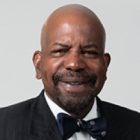
Nicholas Petrelli, M.D., Bank of America Endowed Medical Director of ChristianaCare’s Helen F. Graham Cancer Center & Research Institute, has received the Lifetime Achievement Award from Tulane University School of Medicine in New Orleans, Louisiana. Petrelli is a 1973 graduate of the school. Dr. Petrelli, center, receives the Lifetime Achievement Award from Julius L. Levy, Jr., M.D., past president, Tulane Medical Alumni Association, left, and Lee Hamm, M.D., senior vice president & dean of the School of Medicine, and the James R. Doty Distinguished Professor and Chair, Tulane University School of Medicine, New Orleans, Louisiana. The award recognizes an alumnus of the school who has made significant contributions to the field of medicine and has offered outstanding leadership in the community. Under Petrelli’s leadership at ChristianaCare since 2001, the Helen F. Graham Cancer Center & Research Institute has become a national model for multidisciplinary cancer care and a top enroller in U.S. clinical research trials. The Graham Cancer Center is a National Cancer Institute Community Oncology Research Program and one of only five hybrid academic community cancer centers in the nation. Through the work of the Graham Cancer Center and partnerships with health care providers, community organizations and the state to improve the prevention, diagnosis and treatment of cancer, Delaware’s cancer mortality rate has dropped twice as fast as the national rate. In addition, the state is outpacing the nation in reducing deaths from a number of cancers. Delaware has gone from number one in cancer mortality 22 years ago to number 17 today. Petrelli has numerous achievements in cancer care and research. He has established several firsts for Delaware, including a multidisciplinary disease center site, the Cawley Center for Translational Cancer Research, a tissue procurement center, an adult genetic counseling program, a statewide high-risk family cancer registry consisting of more than 500,000 individuals and an innovative oncology express unit to provide patients with cancer a way to address urgent care needs without having to go to the emergency department. Among his accomplishments on the national level are the first primary care practice established at a cancer center and the first gene editing research program integrated into a community cancer center. Through a unique research partnership with the Ellen and Ronald Caplan Cancer Center of The Wistar Institute, he has brought cutting-edge cancer treatments and diagnostics to Delawareans. And in a ground-breaking collaboration among the government, community organizations and the Graham Cancer Center nearly 10 years ago, Delaware ended the disparity between Black and white people for colorectal cancer screenings and mortality, which continues to this day. Petrelli has received numerous awards and has authored 360 peer-reviewed manuscripts and 31 book chapters. He has served on advisory panels of the National Cancer Institute, the American Society of Clinical Oncology, the American Cancer Society and the Society of Surgical Oncology. He was president of the Society of Surgical Oncology from 2007 to 2008. In 2013 he received the Order of the First State Award, the highest honor in the state, from Delaware Gov. Jack Markell. In 2019 he received the James Tilton award (named for the first U.S. Army Surgeon General) from the Medical Society of Delaware.

We've all been there. A relationship ends and the rebound begins. Now since the beginning of time it seems everyone from friends, family and advice columnists have had different opinions and perspectives on how each of us should approach 'the rebound.' And earlier this month, The Atlantic decided to connect with Georgia Southern's Amy Hackney, Ph.D., a psychology professor, to weigh in with her expert opinion. “Rebound relationships” have a terrible reputation. A romance ignited shortly after another ends seems chaotic—like an opportunistic ricochet rather than an intentional search for compatibility. After a breakup, people are commonly told to take their time grieving before they start dating again. And people dating someone who’s fresh off a breakup are told to be wary—of being used as a distraction, or being treated carelessly by someone fumbling through their own heartache. But research doesn’t seem to support the idea that rebound relationships are inherently toxic or doomed to fail. When someone fresh from a split starts dating, it’s true that they might not be totally over their ex. But new relationships can help people move on from old ones. In one study of participants recovering from breakups, those who’d found a new partner were more confident in their own desirability, more trusting of other people, and less likely to say that they still had feelings for their old partner. Another examined rebounders who’d been in their new relationships for a year and a half on average. The quicker those subjects had jumped into that rebound, the higher they rated on measures of well-being and self-esteem. Amy Hackney, a psychology professor at Georgia Southern University, found something similar when she investigated what helped college students get over breakups. “The sooner they began dating someone new, the faster that they felt that they had recovered from that prior relationship,” she told me. Although that might conflict with conventional wisdom, she thinks it fits with basic social psychology: A partner provides validation, care, and companionship, and when they go away, there’s no reason someone else can’t take their place. Perhaps that sounds unromantic, but according to Hackney, it’s healthy to be reminded—promptly—“how many people we really can have fulfilling relationships with.” As Neil Sedaka would sing 'Breaking up is hard to do' and so too is getting back into the dating game. If you're a journalist looking to know more about this topic - then let our experts help. To connect with Amy Hackney — simply reach out to Georgia Southern's Director of Communications Jennifer Wise at jwise@georgiasouthern.edu to arrange an interview today.

Summer is about a week away and many Manitobans are gearing up for cottage getaways and local road trips. But with inflation impacting gas prices and the overall cost of living, CAA Manitoba (CAA MB) has compiled a list of the simple ways motorists can maximize their fuel economy. “While Manitobans love getting out on the road and exploring with friends and family during the summer months, high gas prices have made motorists more mindful of their fuel economy,” says Ewald Friesen, Manager Government and Community Relations, CAA MB. “Luckily, the easiest and most effective way to improve the fuel economy of any car is to modify your driving habits.” Motorists can maximize their fuel economy as they hit the road this summer by incorporating the following tips: Plan your route. Plan the most efficient route to your destination and avoid backtracking and unnecessary mileage. Remove unnecessary items from your vehicle. An extra 100 pounds can reduce fuel economy up to 1 per cent. Try to also avoid the use of rooftop luggage carriers as items transported on top of the car significantly increase aerodynamic drag, which reduces fuel economy. Control your speed. Fuel consumption starts to increase when you hit 90km/h. For long stretches of road ahead, use cruise control to maintain your speed to save fuel. Drive conservatively. If you find yourself stuck in long weekend traffic, avoid "jack rabbit" starts, rapid acceleration and hard braking, which can lower fuel economy by 15 to 30 per cent at highway speeds and 10 to 40 per cent in stop-and-go traffic. Keep up with regular car maintenance. Underinflated tires increase fuel consumption by up to four percent. With regular maintenance services you can help your vehicle run more efficiently. Savings can also start while fueling up, as CAA members save 3 cents per litre when they load their membership card in the Shell app or use it at the pump. While keeping fuel economy top of mind can help make your next road trip more affordable, you won’t be able to get much far with a dead battery. “Manitoba summers may be short, but they are mighty. A car battery can lose its charge 33 per cent faster in extreme heat compared to the frigid winter, draining the power necessary to start the car,” says Friesen. “The one thing you shouldn’t skip when preparing your car for your next road trip is having your car battery tested by a professional to ensure it is in good condition.” If you are a CAA member you can call CAA’s Mobile Battery Service at 1-866-740-6421 and a trained CAA Battery Service Representative will come to you to test, replace and dispose of your old battery.



Summer is about a week away and many Ontarians are gearing up for cottage getaways and local road trips. But with inflation impacting gas prices and the overall cost of living, CAA South Central Ontario (CAA SCO) has compiled a list of the simple ways motorists can maximize their fuel economy. “While Ontarians love getting out on the road and exploring with friends and family during the summer months, high gas prices have made motorists more mindful of their fuel economy,” says Nadia Matos, manager external communications, CAA SCO. “Luckily, the easiest and most effective way to improve the fuel economy of any car is to modify your driving habits.” Motorists can maximize their fuel economy as they hit the road this summer by incorporating the following tips: Plan your route. Plan the most efficient route to your destination and avoid backtracking and unnecessary mileage. Remove unnecessary items from your vehicle. An extra 100 pounds can reduce fuel economy up to 1 percent. Try to also avoid the use of rooftop luggage carriers as items transported on top of the car significantly increase aerodynamic drag, which reduces fuel economy. Control your speed. Fuel consumption starts to increase when you hit 90km/h. For long stretches of road ahead, use cruise control to maintain your speed to save fuel. Drive conservatively. If you find yourself stuck in long weekend traffic, avoid "jack rabbit" starts, rapid acceleration and hard braking, which can lower fuel economy by 15 to 30 percent at highway speeds and 10 to 40 percent in stop-and-go traffic. Keep up with regular car maintenance. Underinflated tires increase fuel consumption by up to four percent. With regular maintenance services you can help your vehicle run more efficiently. Savings can also start while fueling up, as CAA members save 3 cents per litre when they load their membership card in the Shell app or use it at the pump. While keeping fuel economy top of mind can help make your next road trip more affordable, you won’t be able to get much far with a dead battery. “Ontario summers may be short, but they are mighty. A car battery can lose its charge 33 per cent faster in extreme heat compared to the frigid winter, draining the power necessary to start the car,” says Matos. “The one thing you shouldn’t skip when preparing your car for your next road trip is having your car battery tested by a professional to ensure it is in good condition.” If you are a CAA member you can call CAA’s Mobile Battery Service at *222 and a trained CAA Battery Service Representative will come to you to test, replace and dispose of your old battery.

Expert comment on new NHS childhood obesity clinics
Dr Duane Mellor, Senior Teaching Fellow, Centre for Health & Society Aston Medical School and Associate Dean Public Engagement is available for comment on new NHS childhood obesity clinics "It would be about supporting the whole person living with obesity alongside their family. It is important that higher body weight is not a choice, but the result of biology and our modern environment. Families and young people need support to make healthier lifestyle choices easier. We need to focus on kind and effective ways to improve health, weight change is just a product when health behaviours change and should not be seen as the only or main aim." For more details contact Nicola Jones Press and Communications Manager 07825 342091 or n.jones6@aston.ac.uk


Pioneering UConn Researcher Regrows Human Bone Using a Biodegradable Implant
A pioneer in the field of regenerative engineering, UConn's Dr. Cato T. Laurencin is charging toward his goal of regenerating a human limb by the year 2030. In a step toward reaching that goal, Dr. Laurencin and his team have detailed their success in regrowing bone using a plant-derived molecule in a recent study published by PNAS, marking a major step toward affordable, safe bone regeneration and growing replacement limbs. Dr. Laurencin discussed this impressive breakthrough this week with Hearst Connecticut Media: Most bone fractures heal reasonably well with care. But in severe breaks, where sections of bones are missing, or in crush injuries bones don’t always heal very well. In those cases, self-grafts or donated grafts of healthy bone from other, non-broken bones can be used to help close the gaps. But bone grafts don’t always take. Since about 2001, recombinant bone morphogenic proteins have been used to help stimulate bone growth in injuries where bone wouldn’t otherwise heal but their use has limits. While they work on long bone fractures, like those in your limbs, they’re not used on more complex bones. In some experimental treatments with fractured pelvises, recombinant bone protein caused bone tissue to form outside the skeleton. Forming bone tissue outside the skeleton is one of the more troubling side effects of this treatment. Bone tissue engineering seeks to get around this by developing implants that use adult stem cells to direct the growth of new bone across breaks that bones could not heal on their own. Some of this work involves building custom implants designed to mimic the missing bone to guide bone healing. Others attempt to deliver the bone protein in an implant, stopping it from leaving the injury area, to prevent side effects. These bone treatments are also expensive. In a meta-analysis from 2006, researchers found that they cost more than standard care for severe fractures. But UConn team took a different approach, using the drug forskolin, a molecule derived from a plant in the mint family. Forskolin triggers cells to make something called “cyclic AMP” a messenger molecule that is normally made in response to hormones. This messenger molecule turns on a wide variety of cell functions depending on what cells in which locations it stimulates. “We were intrigued by being able to find some natural material that people were already consuming in quantity,” said Dr. Laurencin, “But obviously there’s a difference between ingesting it and putting it on one location, like a bone site.” Dr. Laurencin’s team created a biodegradable plastic implant impregnated with forskolin, testing this on rabbits. The implants guided the creation of new bone tissue after 12 weeks. If you're a journalist looking to know more about this groundbreaking research taking place at UConn, let us help with your questions and coverage. Dr. Cato Laurencin, CEO of the Cato T. Laurencin Institute for Regenerative Engineering at UConn, is available to for interviews. Simply click on his icon now to arrange a time to talk today.