
Experts Matter. Find Yours.
Connect for media, speaking, professional opportunities & more.

Do the math: We’re awake roughly 16 hours a day. We spend 10 of those hours staring at screens – phones, tablets, computers, TV, gaming devices. That’s 63% of our waking life. The first platform dedicated entirely to digital balance launching today reveals something even more startling: It's not that we lack willpower to change our behavior. It's that we lack confidence. New proprietary research from Offline.now shows that 8 in 10 people are ready to change their relationship with technology, but more than half are so overwhelmed with their digital habits, they don’t know where to start. “If you don’t learn how to manage the screens in your life, they will manage you,” says Eli Singer, Founder of Offline.now and author of Offline.now: A Practical Guide to Healthy Digital Balance. “When people tell us they feel overwhelmed, it’s not laziness. It’s a crisis of confidence. And confidence is something that can be built.” Digital Wellness Experts Address the Struggles No One Else Will These insights come from digital wellness experts in the Offline.now Digital Wellness Directory – a growing community of licensed professionals across North America specializing in ADHD, relationships, family dynamics, high-achievers, and sustainable behavior change. They’re not offering generic advice. They’re addressing specific digital struggles that define contemporary life. Psychotherapist Harshi Sritharan, who specializes in modern anxiety and ADHD, explains: “The biggest mistake people make is reaching for their phone or turning on their computer first thing in the morning. It injects your dopamine full of uncertainty. You’ve essentially told your brain the most important thing you have to do today is put out fires. I tell clients to delay that first scroll as long as possible and never hit ‘snooze’. You’re fragmenting your REM sleep and making yourself more exhausted. These aren’t willpower issues; they’re about understanding how blue light disrupts your circadian rhythm, especially for those with ADHD who already struggle with sleep regulation.” According to Sritharan, the breakthrough happens when people understand the dopamine cycles driving their dependence and “reframe how they connect with all their screens, whether it’s their phone, gaming console, or streaming TV.” High Achievers Can’t Unplug. The ‘Always-On’ Trap is Killing Productivity, Not Boosting It “A lot of high performers think they need better time management,” says Executive Function Coach, Craig Selinger. “But what they actually need are boundaries. They’ve built empires by being available 24/7, and their phones have become permission slips to say yes to everything.” The difference between old and new technology matters,” he explains. “Back in the day with TV, there was a clear demarcation of beginning and end, right? The episode ends and you move on. Now it’s like Minecraft or TikTok – there’s no ending. And mobility makes it sticky, because you’re physically carrying the drug with you, versus a TV that stayed in one room.” The breakthrough happens when they realize being unavailable on purpose isn’t a weakness. “Things like turning off notifications during deep work, or setting ‘do not disturb’ windows? Those aren’t luxuries. They’re the competitive advantages they’ve been missing.” Digital Dependency as a Third Party in a Relationship Licensed Marriage and Family Therapist Gaea Woods says digital devices are killing interpersonal relationships, not because tech is evil, but because “we use it unconsciously at the moments when connection matters most. When you’re scrolling at dinner, you’re telling your partner ‘my phone is more interesting and important than you’.” The breakthrough happens when couples set explicit agreements: response times, when devices go off-limits – and even what’s it’s OK with AI companions. “We’ve exited the era of meaningful communication without realizing it, and now we must deliberately rebuild it. Nature isn’t ‘Nice to Have’. It’s the Antidote to Screen Fatigue No One is Talking About After running a tech-free camp for 25 years, Personal Development Coach Mark Diamond says he’s seen what happens when kids get genuine face-to-face time interaction outdoors. “Their brains reset. The beauty and physical activity provide perspective that screens can never replicate. Digital dependency has eroded our ability to develop real human connections across all ages, not just teenagers. Screens should not replace the moments that define our wellbeing.” Why This Matters Now The stakes extend beyond personal frustration. Unchecked screen dependency is linked to rising rates of anxiety, deteriorating sleep quality, relationship breakdown, and what mental health experts call “continuous partial attention”, a state where we’re always connected, but never fully present. The Data Reveals When Change is Possible Beyond the confidence divide, Offline.now’s research uncovers the precise moments when users are most open to shifting their digital habits: Evenings from 6 pm-11:59 pm emerge as the “Go Time” window. 40% of self-assessment responders peak readiness to act. Sunday is “Reset Day, when 43% want to set boundaries for the week ahead. Saturdays offer natural opportunities for self-compassion and rest. Afternoons become the “Overwhelm Window”, with 57% feeling consumed by their screens. Critically, Fridays – despite having the highest overwhelm factor – are the worst time for interventions. Users are depleted and change rarely sticks. The Framework That Powers the Platform At the platform’s core is the Offline.now Matrix, a behavioral framework that maps the confidence and motivation levels of users to reveal their starting point: Overwhelmed, Ready, Stuck, or Unconcerned. Based on Singer’s book, Offline.now: A Practical Guide to Healthy Digital Balance, the approach replaces willpower-based advice with microlearning strategies – each taking 20 minutes or less – that track emotional triggers rather than just screen time totals. It offers 100 real-world alternatives to scrolling, from reorganizing a drawer to visiting a thrift shop, and reframes slip-ups as data, not disasters. “The books shows that lasting change doesn’t require deleting Instagram or TikTok tomorrow,” says Singer. “You need to win one personal victory today, and then another tomorrow. That’s how confidence rebuilds.” Propelled by University of Toronto’s Innovation Ecosystem Offline.now is a University of Toronto-affiliated startup, leveraging one of the world’s most powerful innovation networks. U of T is ranked among the top five university-managed business incubators globally and has helped create more than 1,500 venture-backed companies and secured more than CAD$14 billion in investment over the past decade. How Offline.now Works For individuals and families: Take the free self-assessment quiz using the Offline.now Matrix to map your motivation and confidence levels in under three minutes. Receive instant access to practical strategies, curated resources, and a searchable directory of digital wellness experts organized by specialty, location, and insurance coverage. For digital wellness professionals: Join a growing community of licensed mental health practitioners, certified behaviorial coaches, and registered social workers by creating your profile at Offline.now. The platform provides new client leads, professional development opportunities, and visibility in a rapidly expanding market. About Offline.now Offline.now is the first global platform dedicated entirely to achieving digital balance. Founder and author Eli Singer built one of North America’s first social media agencies before seeing technology shift from community-building to attention-harvesting. As a parent, he experienced firsthand the struggle to maintain digital balance. The platform combines proprietary behavioral research, expert guidance and counselling from licensed professionals, and science-backed strategies to help individuals and families build healthier relationships with their screens. Visit Offline.now at https://offline.now Expert Interview Availability Offline.now can arrange interviews with: Eli Singer, Founder – Vision for digital wellness; behavioral data insights Harshi Sritharan, Psychotherapist – Dopamine cycles, ADHD, anxiety and intentional tech use Craig Selinger, Executive Function Coach – Digital distraction in high achievers, family dynamics, ADHD Mark Diamond, Personal Development Coach – Outdoor wellness, sustainable behavior change, happiness, connection Gaea Woods, Licensed Marriage and Family Therapist – Communication, digital third-party relationships, phubbing Additional Resources Free self-assessment quiz - The Offline.now Matrix: https://offline.now/quiz Expert directory and booking: https://offline.now/experts/ Join the directory: https://offline.now/join/ Order Offline.now: A Practical Guide to Healthy Digital Balance: https://offline.now/book/






Federal Budget 2025: What's In It for Canadian Seniors?
Let's be honest: the word "budget" probably makes you want to take a nap. Or pour a stiff drink. Maybe both. We spent decades pinching pennies, brown-bagging lunches, and watching every dollar so we could finally retire and stop thinking about money every waking minute. Now here I am, telling you to read about a government budget. I know. I'm sorry. But stick with me—I promise to make this as painless (and possibly entertaining) as possible. Why You Should Care About the 2025 Federal Budget (Even If You Really Don't Want To) Some of you hate talking about money. I get it. But here's the thing: information is power, and denial isn't just a river in Africa (give it a second to land)—it creates unnecessary ignorance and real missed opportunities to regain some control over your financial life. Plus, this budget affects your kids and grandkids too. So even if you're sitting pretty, the people you love might not be. The Economy Right Now: A Very Quick Explainer You've probably noticed everything costs more. A lot more. Welcome to inflation, courtesy of today's tariff-happy trade wars. (And if you want a deeper dive into how inflation affects more than just your wallet, check out my earlier piece: "Inflation: It's not just for prices anymore".) Here's the short version: When governments slap tariffs on imported goods (think: "You want to sell your stuff here? Pay up!"), Companies pass those costs directly to you at checkout. Your grocery bill goes up. Your heating costs rise. Even that new garden hose costs more because, apparently, everything comes from somewhere else now. So when you're living on a fixed income—CPP, OAS, maybe some RRIF withdrawals—and prices keep climbing while your income stays flat, that's a problem. A big one. Enter: the federal budget. It's basically Ottawa's financial to-do list: where they'll spend money, what they'll cut, and (theoretically) how they plan to make your life easier. Or at least less expensive. What's Actually In This Federal Budget Thing (The Good Parts Only) I've waded through the charts, jargon, and multi-billion-dollar announcements so you don't have to. Here's what matters to you: 1. Your House: Now it's a Potential ATM Remember when turning your basement into a rental suite sounded expensive and complicated? Ottawa heard you. The Secondary Suite Loan Program is expanded: Borrow up to $80,000 at 2% interest (15-year term) to build a basement apartment, garden suite, or in-law unit. The refinancing rules are also relaxed: You can now refinance up to 90% of your home's post-renovation value to fund these projects. Translation: You can turn unused space into monthly rental income, house a caregiver, or create a spot for family—all while boosting your property value. It's like your house went to entrepreneurship school. For more on Additional Dwelling Units (ADUs), check out this post. 2. Slightly Less Painful Tax Season Ottawa is cutting the base federal tax rate for modest-income earners and cancelling the consumer carbon price on heating fuels. Translation: If you're still working part-time or living on CPP + OAS + RRIF withdrawals, expect slightly lower deductions and cheaper heating bills starting this winter. We're talking maybe $30–$50 more per month—not a windfall, but enough to buy groceries without wincing at the checkout. 3. Health Care: Maybe, Possibly, Getting Better The budget includes more money for provinces to spend on health care and long-term care reform. The goal? Shorter wait times and expanded home-care programs. Translation: The government says they're helping seniors age at home with dignity. Whether that actually happens depends on your province not blowing the money on consultants and photo ops. Keep your eyes on provincial announcements for new or expanded home-care subsidies. 4. Your Savings: Slightly Less Likely to Evaporate Budget 2025 confirmed Canada has the lowest debt-to-GDP ratio in the G7. They're also cracking down on bank fraud and scams targeting seniors. Translation: Lower national debt helps keep interest rates and inflation under control, protecting the real value of your fixed income. And Ottawa is finally recognizing that scammers love targeting retirees. (If you haven't already, read my piece on The Rise in Grandparent Scams—it's eye-opening.) About time. Watch for my upcoming article on a recent senior scam making the rounds—and my assessment of how banks can do much more to protect seniors. 5. $60 Billion in "Savings" (Don't Panic) You'll hear politicians bragging about cutting $60 billion. Before you worry they're gutting CPP or OAS, relax. They're trimming their own bureaucracy—less middle management, more digital tools, fewer wasteful meetings about meetings. Translation: They're supposedly spending less on themselves so they can spend more on things that matter—like housing, health care, and infrastructure. Whether they actually pull this off remains to be seen, but at least they're talking about it. So What Does All This Actually Mean? Look, I won't pretend this budget is a game-changer. It's not. But it does offer a few smart moves if you're willing to act. And let's remember: this is Carney's first budget. Changing financial policy and spending priorities takes time—and some patience on our part. Rome wasn't built in a day, and neither is a functional federal budget that actually helps everyday Canadians. Review your home equity. Could an ADU loan help you age in place and generate income? Audit your expenses annually. Cutting $100/month in spending equals roughly $1,500 in pre-tax income. That's real money. Stay vigilant against scams. Government protection is nice, but it starts with you not clicking sketchy emails and text messages. Ask about tax credits. Low-income seniors may qualify for increased refundable credits under provincial top-ups this year. This isn't a flashy budget. There are no big checks in the mail. But it does signal a shift toward pragmatism: help Canadians stay housed, healthy, and financially secure while Ottawa tightens its own belt. For Canadians 55+, that means: Slightly lower everyday costs More options to create income from your home Continued investment in health and home care A more stable economy to protect your savings Progress? Maybe. One cautious, bureaucratic step at a time. Your Next Move Take 30 minutes this week to think through how these programs could fit into your life. Could an ADU loan make aging in place possible? Could refinancing free up cash flow? Small adjustments now = big peace of mind later. And that's what being hit, fit, and financially free is all about. And hey—you just read an entire article about a government budget. Voluntarily. That deserves recognition. Go ahead, brag about it. You've earned it. Now go enjoy your retirement. You've definitely earned that too. Sue Don’t Retire…Re-Wire!!!



Op-Ed: Stablecoin 'rewards' are a risk to financial stability
Congress has long recognized that stablecoins should not function as unregulated bank deposits. The intent of the recently enacted GENIUS Act is clear: to prohibit stablecoin issuers from paying interest or yield to holders, maintaining a distinction between payment instruments and bank deposits which are not only used for payment purposes but also as a store value. Yet loopholes have already emerged. Some crypto exchanges and affiliated platforms now offer “rewards” to stablecoin holders that work much like interest, potentially undermining the stability of the traditional banking system and constraining credit in local communities. Terminology matters. Credit card rewards are funded by interchange fees and paid to encourage spending — you earn points for using your card. Stablecoin “rewards” are different. They’re funded by investing the reserves backing stablecoins, typically in Treasury bills or money market funds, and passing that interest income to holders. You earn returns for holding the stablecoin, not for using it. Economically, this is indistinguishable from a bank deposit paying interest. When a platform advertises “5% rewards” on stablecoin holdings, it’s generally backing those tokens with Treasuries yielding about 4.5%, then passing that yield to users. Whether labeled rewards, yield or dividends, the function is the same: interest on deposits. Banks perform a similar activity — taking deposits, investing in loans and paying depositors a return — but face far higher costs, including FDIC insurance, capital requirements and compliance obligations that stablecoin issuers largely avoid. This dynamic has a precedent. In the 1970s and early 1980s, Regulation Q capped bank deposit rates at 5.25% while inflation and Treasury yields soared above 15%. Money market funds filled the gap, offering market rates directly to consumers. Deposits fled smaller banks, which lost their funding base, while large money-center institutions gained reserves. The result was widespread disintermediation, the collapse of the savings and loan industry and the farm-credit crisis of the 1980s. Stablecoin “rewards” risk repeating that history. Just as money market funds exploited the gap between regulated deposit rates and market rates, stablecoin platforms exploit the difference between what banks can profitably pay and what lightly regulated issuers can offer by passing through Treasury yields with minimal overhead. Some ask why banks can’t just raise deposit rates. The answer lies in structure. Banks operate under a fundamentally different business model and cost framework. They pay FDIC premiums, maintain capital reserves and comply with extensive supervision — costs most stablecoin issuers don’t bear. Banks also use deposits to make loans, which requires holding capital against potential losses. Stablecoin issuers simply hold reserves in ultra-safe assets, allowing them to pass through nearly all the yield they earn. To match 5% “rewards,” banks would need to earn 6% to 7% on their loan portfolios — an unrealistic target in today’s environment, especially for smaller community banks. The consequence is not fair competition, but a structural disadvantage for regulated depository institutions. The Consumer Bankers Association warns this loophole could trigger a massive shift of deposits from community banks to global custodians. Citing Treasury Department estimates, the Association notes that as much as $6.6 trillion in deposits could migrate into stablecoins if yield programs remain permissible. Because the GENIUS Act’s prohibition applies narrowly to issuers, exchanges and intermediaries may still offer financial returns under alternate terminology. This opens the door to affiliate arrangements that replicate the essence of interest payments without legal accountability. Those reserves don’t stay in local economies. The largest stablecoin issuers hold funds at global custodians such as Bank of New York Mellon, in money market funds managed by firms like BlackRock or — if permitted — directly with the Federal Reserve. When a community-bank depositor moves $100,000 into stablecoins, that capital exits the local bank and concentrates at systemically important institutions. The community bank loses lending capacity; the megabank or the Fed gains reserves. The result is disintermediation with a concentrated risk profile reminiscent of the money-market fund crisis. The Progressive Policy Institute estimates that community banks — responsible for roughly 60% of small-business loans and 80% of agricultural lending nationwide — could be among the most affected. In Louisiana, where local banks finance small businesses and family farms, that risk is especially relevant. If deposits migrate to unregulated digital assets, community-bank lending could tighten, particularly in rural parishes and underserved communities. Research from the Brookings Institution reinforces the need for regulatory parity. The label “rewards” doesn’t change the fact that these payments are economically interest. Allowing intermediaries to generate yield without deposit insurance or prudential oversight could recreate vulnerabilities similar to those seen during the 2008 money market fund crisis. To preserve financial stability, policymakers should move to close the stablecoin-interest loophole. Clarifying that the prohibition on interest applies to all entities— not just issuers — would uphold Congress’ intent. Regulators such as the Securities and Exchange Commission, Commodities Futures Trading Commission and federal banking agencies could also treat “reward” programs as equivalent to deposit interest for supervisory purposes. Stablecoins offer genuine efficiencies in payments, but unchecked yield features risk turning them into unregulated banks. History shows what happens when regulatory arbitrage allows competitors to offer deposit-like products without oversight: deposit flight, institutional instability and capital flowing away from community lenders. Acting now could help sustain stability, protect depositors and preserve the credit channels that support community lending — especially in states like Louisiana, where community banks remain the backbone of Main Street.



Pumpkins have become a ubiquitous part of the autumn landscape. How exactly did that happen? Cindy Ott, associate professor of history at the University of Delaware and author of Pumpkin: The Curious History of an American Icon, has been featured twice on NPR this fall to discuss just that. On Morning Edition, she explored the evolution of the jack-o’-lantern – from Celtic folklore to the playful, child-friendly Halloween decorations of today – highlighting how pumpkins became symbols of rural life and harvest traditions. On All Things Considered, Ott traced the word “pumpkin” and the plant itself from Indigenous cultivation in the Americas to its status as a beloved autumn icon, showing how pumpkin imagery and nostalgia help sustain small family farms. Journalists covering food history, cultural traditions, seasonal trends or rural life will find Ott’s insights compelling, blending rigorous research with engaging storytelling. She can speak on pumpkins, jack-o’-lanterns, the cultural power of seasonal foods and how historical symbolism continues to shape modern American practices. Ott can be reached by emailing mediarelations@udel.edu.


Stepping Away from the Crown: Royals Giving Up Titles and Duties
Just last week, Prince Andrew announced that he would relinquish his title of Duke of York and other honours, citing that the ongoing allegations against him had become a distraction to the work of the royal family. He asserted this step was taken with the King’s agreement, stating he will no longer use the titles conferred upon him—even as he continues to deny any wrongdoing. A Legacy of Abdication and Renunciation Throughout royal history, stepping back from royal life or formally abdicating has taken many forms. The dramatic abdication of King Edward VIII in 1936—who gave up the British throne to marry Wallis Simpson—remains one of the most famous examples. Other monarchs, like Queen Christina of Sweden and Emperor Charles V, also renounced power to pursue personal convictions. Today’s examples are often more nuanced: royals “stepping down” from duties while retaining birthright status. The case of Prince Andrew fits in this evolving pattern of royal redefinition. Why Royals Leave (or Are Pushed Away) Motivations are diverse: personal choice, scandal, pressure, health, or changing views of leadership. Historically, abdications often responded to political crises. Now, with the monarchy under constant media and public scrutiny, stepping back can be seen as damage control or a bid for personal freedom—particularly in cases involving controversy. The Constitutional and Symbolic Ripples When a royal gives up titles or duties, multiple questions emerge: What role remains? (In Andrew’s case, he loses the Duke title but retains his princely status.) How does the monarchy manage public perception, continuity, and precedence? What are the implications for funding, patronages, and official duties? Such departures also force the institution to grapple with legacy, relevance, and the tension between duty and humanity. Monarchy in the Age of Transparency The modern era demands more from monarchy than ever before: accountability, relevance, and adaptability. When royals step aside—voluntarily or under pressure—it reshapes how the public sees royal duty. These shifts reflect broader questions: what role should individuals born into monarchy play? Can institutions evolve while retaining symbolic continuity? Connect with our experts about the history, symbolism, and modern evolution of royal abdications and withdrawals. To see our full database of experts, visit: www.expertfile.com


Why Brokers Are Canada’s New Mortgage Rockstars
There’s a quiet revolution happening in Canadian mortgage lending—well, as “quiet” as anything can be when two-thirds of Canadians are shouting, “We’d rather deal with a broker than a bank!” According to the most recent Mortgage Professionals Canada (MPC) Consumer Survey, 67% of Canadians now say they’d rather work with a mortgage broker than a bank. Among those who already have? A whopping 81% would do it again. That’s not just a statistic. That’s a standing ovation. The Great Mortgage Broker Boom According to recent MPC data, broker market share reached 33% in 2024—a four-point increase in just two years. Nearly half of all borrowers now choose brokers. The message is clear: Canadians are tired of sales reps; they want advocates who speak human, not policy manual. And who can blame them? With 1.2 million mortgages renewing in 2025 and average payments increasing by $513 a month, people aren’t just rate-shopping anymore—they’re seeking guidance, reassurance, and maybe a bit of hope. Let’s face it: they want their cake and still be able to heat their home too. Why This Matters—Especially for Seniors I work with Canadians aged 55+ every day, and about three-quarters of them are homeowners. They’ve done everything right: worked hard, paid off debt, raised families, and built wealth through their homes. But now, many feel… trapped by them. Here’s the reality: Mortgage renewals are costing hundreds more monthly (some facing 15–20% jumps) Inflation is eating into fixed incomes; and downsizing, aging in place, or tapping into home equity all feel like high-stakes decisions. Almost 80% of Canadians over 55 say their savings and pensions aren’t enough. (Source: Home Equity Bank Ipsos Survey) According to this same survey, half of respondents believe home equity is crucial for retirement—yet 76% feel pressured to downsize even if they’d rather not trade their garden for a balcony (or their favourite hairdresser for whoever’s closest to the condo). What they don’t need: A one-size-fits-all sales pitch from someone who thinks “retirement” means early-bird specials and Sudoku marathons. What they do need: A mortgage broker who listens, educates, compares options, and helps them sleep at night—not just sign on the dotted line. The Missing Link: Transactional vs. Conversion Sales Traditional mortgages are what we call commodities, sold using a transactional method. In this approach, the need is obvious—the customer wants a mortgage—and the focus is on competing for the best price and terms. It’s fast, efficient, and, let’s be honest, a little impersonal. It’s the classic hammer-and-nail approach: every client looks like a nail, and the broker just keeps swinging rates and terms until something sticks. That may work for a first-time buyer chasing the cheapest five-year fix—but for seniors? It’s about as effective as putting a Band-Aid on a broken arm. The 55+ demographic doesn’t want a hammer. They want a conversation. They want to understand how to stretch their pension income, cover rising expenses, and prepare for life’s curveballs—like healthcare costs or home repairs—without feeling like they’re going backwards financially. That’s why this is not a transactional sale; it’s a conversion sale. A transactional sale happens when someone already wants what you’re selling—you’re just facilitating the purchase. A conversion sale, however, is when the client doesn’t yet believe they need or want what you’re offering. You’re not closing a deal; you’re changing a mindset. And that’s the secret sauce for brokers working with older Canadians. You’re not selling debt—you’re offering financial flexibility. You’re helping people reframe home equity from a “last resort” into a retirement resource. How Brokers Can Shift the Conversation Lead with empathy, not economics. Ask about life goals, not loan size. Do they want to age in place, help kids, or reduce financial stress? Start with why, then move to how. Rebrand the conversation. Words matter. “Mortgage” can feel like failure. Try “home-equity strategy” or “retirement cash-flow plan.” You’re not adding debt—you’re unlocking options. Talk cash flow, not contracts. Focus on income versus expenses, inflation resilience, and emergencies. Discuss how home equity can supplement pensions, create predictable, guaranteed income (like our parents had), and—most importantly—boost that all-important sleep score. Include the family. Adult children often play a major role. Involve them early—these are emotional, multi-generational conversations, not just financial ones. Educate, don’t sell. Show examples, calculators, and real-life case studies. Transparency earns trust—and trust is the true currency in a conversion sale. When brokers shift from “rate pitching” to “retirement planning,” they go from hammer-swingers to problem-solvers—and that’s where the real magic (and business growth) happens. What Mortgage Brokers Bring to the Table The broker market is projected to grow at a 5% CAGR through 2030, driven by consumers demanding personalization over cookie-cutter lending. And the reverse-mortgage space just got a serious glow-up. Home Trust Bank has just entered the market, announcing its new Equity Access Reverse Mortgage product at this week's Mortgage Professionals Conference in Ottawa. That brings the total to four active lenders in Canada’s reverse-mortgage space: HomeEquity Bank, Equitable Bank, Home Trust Bank, and Bloom Finance Company. More lenders mean more credibility—or, as I like to call it, street cred for seniors. The kind that lets retirees walk down the street (or the fairway) with a little swagger, knowing their financial toolkit has options. With more players in the mix comes more choice, sharper pricing, and—most importantly—a sense that reverse mortgage products have finally crossed over from “fringe” to financially fashionable. Reverse mortgages are no longer the “we-don’t-talk-about-that” cousin at the financial family dinner—they’re sitting proudly at the adult table. The product is being normalized—treated as the legitimate, strategic retirement tool it has always been. So, brokers—be honest. Isn’t it time you caught up to the trend? Reverse mortgages have gone from taboo to totally credible. And if your clients still say, “We’re just not reverse-mortgage people,” that’s your cue to help them unpack that posture of financial marginalization. Because what they often mean is, “We don’t want to feel old, desperate, or dependent.” That’s not who they are—and that’s not what this product is. It’s not about retreating; it’s about reframing. Helping them see home equity as strength, not surrender. Because empowering clients to live comfortably, confidently, and cash-flow secure isn’t just good business—it’s the kind of advocacy that gives everyone involved a little swagger. Older Canadians Need Advocates—Not Just Advisors As a spokesperson for this group, I urge brokers to master Equity Literacy—the ability to explain complex tools like reverse mortgages and HELOCs in plain language. It’s about helping retirees access equity wisely, preserve benefits, and create peace of mind. Canadian reverse-mortgage debt reached $8.2 billion in mid-2024—an 18.3% year-over-year increase. (Source: Office of the Superintendent of Financial Institutions - OSFI). Canadians are catching on: their house can help them, not haunt them (could not resist the Halloween joke). Help seniors understand the range of uses for Reverse Mortgages like paying off high-interest debt, helping family through early inheritance or gifting, and supplementing retirement income to maintain independence. And here’s where brokers can really shine—by guiding family conversations about inheritance, housing, and aging in place. According to CMHC’s 2025 Mortgage Consumer Survey, 41% of first-time buyers used a gift or inheritance to cover mortgage costs. That's up from 30% the year before. Those gifts averaged nearly $80,000. The Bank of Mom & Dad just got promoted to Wealth Management HQ. To the Canadian mortgage broker industry You’re not just in the mortgage business—you’re in the dignity business. You help Canadians stay in their homes, reduce stress, and live comfortably in retirement. With home sales slowing and fewer purchase deals, this is your moment. Building expertise in the 55+ market isn’t just good karma—it’s good business. How to start: educate your database about equity-release benefits and tax-free cash flow; host workshops on “Aging in Place with Equity”; partner with financial planners, lawyers, healthcare providers—and yes, Realtors—to build a holistic approach to retirement housing. Involve adult children in every conversation; they’re tomorrow’s clients. The data says Canadians need you more than ever. And I’ll say it louder: so do I. Let’s make retirement planning better, smarter, and more human—one conversation at a time. So here’s the truth: the 55+ crowd doesn’t need rescuing—they need respect. They’re not clinging to the past; they’re funding their future. They don’t want pity; they want power—and they’ve earned it. This generation built Canada’s equity base—literally—and now it’s time they get to use it wisely, proudly, and on their own terms. Whether that means a new roof, a family gift, or finally taking that long-postponed trip to Italy, it’s not about borrowing money—it’s about buying freedom. So, brokers, financial pros, and anyone guiding retirees—remember: your role isn’t to sell products. It’s to spark possibilities. To help older Canadians move from fear to freedom, from “we’re not those people” to “why didn’t we do this sooner?” Because the real revolution in retirement isn’t about rates or renewals. It’s about reclaiming confidence, creating financially viable futures, and knowing you’ve made a real difference—something your clients will remember long after the ink dries. Trust me, that’s far more gratifying than handing out a 4.99% five-year fixed. I want to know what you think. Send me your feedback. Want more insights like this? Subscribe to my free newsletter here, where I share practical strategies, real-world stories, and straight talk about navigating retirement with confidence—not confusion. Plus, all subscribers get exclusive early access to advance chapters from my upcoming book. For Canadians 55+: Get actionable advice on making your home equity work for you, understanding your options, and living retirement on your terms. For Mortgage Brokers and Financial Professionals: Learn how to become the trusted advisor your 55+ clients desperately need (and will refer to everyone they know). This isn't just another revenue stream—it's your opportunity to build lasting relationships in Canada's fastest-growing demographic. Sue Don’t Retire…Re-Wire!
Aston University: From Metformin to modern obesity therapies
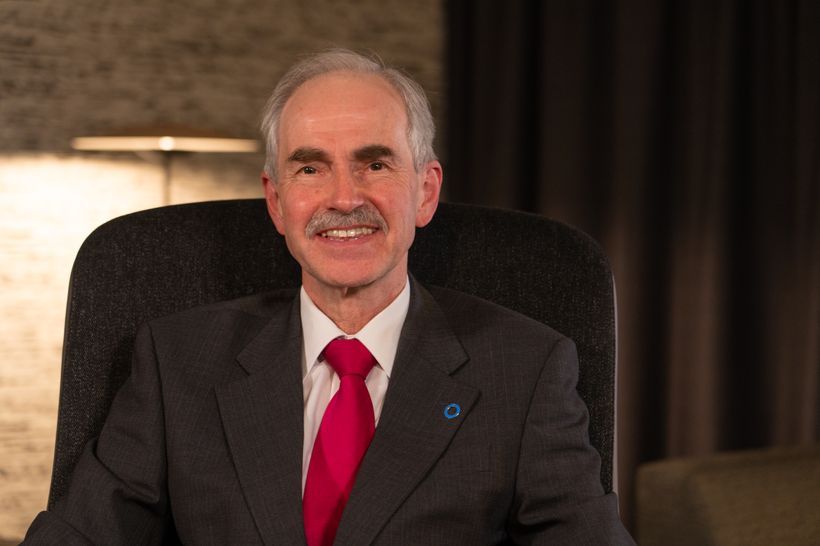
Early beginnings: from herbal medicine to modern drug The origins of a modern diabetes therapy can be traced back to Galega officinalis (goat’s rue), a herb used in European folk medicine for centuries to treat excessive thirst and urination. Its active chemical, guanidine, was found to lower blood sugar in animals in 1918, inspiring the synthesis of a family of drugs known as biguanides. Among these new drugs was metformin, created in 1922 and introduced as a treatment for diabetes in Europe in the late 1950s. However, by the 1970s, metformin was largely disregarded because other biguanide medicines were being withdrawn due to their side-effect of lactic acidosis. Revival in the 1990s: Aston’s role in rediscovery In the early 1990s, research at Aston University provided a decisive turning point. Professor Cliff Bailey and his colleagues revealed that metformin’s primary action occurred in the intestine, where it promoted glucose metabolism and reduced blood sugar without causing weight gain. Their studies clarified that concerns about lactic acid were largely due to misuse, not inherent toxicity. These findings reignited global interest in metformin. Professor Bailey presented his work as an expert witness to the US Food and Drug Administration in 1994, a critical step in securing approval of the drug in the US. He also assisted the European Medicines Agency during periodic reassessments. “My research has always focused on understanding how type 2 diabetes develops and how best to treat it.” Professor Clifford Bailey, Aston University. Establishing global first-line therapy Momentum built through the late 1990s. The UK Prospective Diabetes Study (1998) demonstrated that metformin not only improved blood sugar but also reduced cardiovascular risk, strengthening the case for its wider adoption. By 2012, the American Diabetes Association and the European Association for the Study of Diabetes recommended metformin as the preferred first-line treatment for type 2 diabetes. “We discovered that metformin worked somewhat differently from what was previously thought. By showing how it could be used safely and effectively, we helped pave the way for its wider acceptance.” Today, metformin is the most prescribed diabetes drug worldwide. It is included in the World Health Organization’s Essential Medicines List and has been taken by hundreds of millions of patients, profoundly reshaping global diabetes care. New directions: dapagliflozin and the SGLT-2 inhibitors After the success of metformin, Aston played a central role in the next wave of diabetes medicines. In the 2000s, Professor Bailey was principal investigator in clinical trials for dapagliflozin, the first of the sodium-glucose co-transporter-2 (SGLT-2) inhibitors. Unlike older therapies, SGLT inhibitors lower blood sugar by blocking reabsorption of glucose in the kidneys, causing excess glucose to be excreted in urine. Large international trials demonstrated additional benefits, including weight reduction, lower blood pressure, and improved outcomes for patients with kidney and heart disease. Since its launch in 2012, dapagliflozin has become the most widely prescribed SGLT-2 inhibitor, with more than five million patients treated. It is now embedded in global treatment guidelines, expanding therapeutic options to improve the control of blood glucose and body weight. Foundations for modern obesity therapies The influence of Aston University’s research extends beyond metformin and dapagliflozin. The University’s diabetes research team also studied gut hormones such as GIP (glucose-dependent insulinotropic peptide), which play a central role in regulating insulin secretion and fat metabolism. These early discoveries helped lay the groundwork for today’s incretin-based therapies, including combined GIP/GLP-1 receptor agonists such as tirzepatide. Now widely known as 'anti-obesity injections', these medicines emerged as diabetes treatments and are now transforming care for overweight people with and without type 2 diabetes. Key findings from the research at Aston University Metformin is now being investigated for its anti-ageing and fertility benefits Dapagliflozin shows promise against heart and kidney diseases and gout Gut hormones such as GIP may hold the key to entirely new treatment strategies Why does this matter? The work by Professor Bailey and his colleagues at Aston University has contributed to metformin’s recognition as the primary treatment worldwide for type 2 diabetes. Today, at least half of all patients in Western countries are prescribed metformin — an incredibly cost-effective medicine that continues to save lives. “We identified early on that gut hormones such as GIP were central players in the control of blood glucose and body weight — long before they became the basis for today’s new generation of anti-obesity medicines.” This original research helped lay the scientific foundation for breakthrough treatments like tirzepatide, widely hailed as a game-changer in obesity and diabetes care. Aston University also contributed to the development of dapagliflozin, the first in a new class of drugs that lower blood sugar while also protecting the heart and kidneys. “Millions of people worldwide are living longer and healthier lives because of therapies that have been underpinned by research at Aston University.” Looking ahead Type 2 diabetes remains one of the world’s most pressing health challenges, affecting more than 500 million people globally. Its progressive nature demands a continual search for safer, more effective treatments. From helping rescue a nearly forgotten drug in the 1990s to shaping the next generation of therapies, Aston University’s research has left an enduring mark on clinical practice, regulation, and patient outcomes. The legacy of this work is clear: millions of people worldwide are living longer, healthier lives because of medicines that Aston helped bring to the forefront of modern diabetes and obesity care. About Cliff Bailey is Emeritus Professor of Clinical Science and Anniversary Professor at Aston University in Birmingham, England. He has served on medical and scientific committees of Diabetes UK (formerly the British Diabetic Association), Society for Endocrinology, and European Association for the Study of Diabetes. He has served as a diabetes expert for the approval of new medicines by regulatory agencies including the European Medicines Agency and NICE. His research is mainly directed towards the pathogenesis and treatment of diabetes, especially the development of new agents to improve insulin action and reduce obesity, and the therapeutic application of surrogate beta-cells. Dr Bailey has published over 400 research papers and reviews, and four books, and he is particularly known for research on metformin. References to Case Studies and Key Sources Bailey CJ et al. Metformin: Changing the Treatment Algorithm for Type 2 Diabetes. Aston University REF Impact Case Study, 2014. Bailey CJ. Metformin: Historical Overview. Diabetologia, 2017. Bailey CJ & Day C. Treatment of Type 2 Diabetes: Future Approaches. British Medical Bulletin, 2018.



Who Decided 50 Means Beige Pants?
Recently, I was invited to my friend Paul's 80th birthday party. To his credit, he did it up right. We all dressed in an '80s theme, danced to '80s music, and he even hired a Michael Jackson impersonator. It was a blast—and it got me thinking. Why do we treat milestone birthdays as such big moments? And what flashes in your head when you read "80th birthday"? A rocking dance floor—or a rocking chair? The Big Deal About Big Birthday Numbers Somewhere along the way, we decided that birthdays ending in zero were cosmic mile-markers. Turn 50? Buy beige pants. Turn 70? Slow down. Turn 80? Put away your passport. Really? Who wrote this memo—and why weren't we asked to edit it? Here's the truth: age is a marker, not a mandate. You don't "have to" start coasting at 50. You might actually be hitting your stride. At 70, maybe you're still climbing mountains (literal or metaphorical). At 80, maybe it's not about stopping travel but upgrading to business class—because you've earned the legroom. The Year Before: A Release Valve Melissa Kirsch recently pointed out something fascinating in her recent New York Times article, "Banner Year: The Year Before a Milestone (39, 59, 79) Often Carries More Anticipation and Anxiety Than the Milestone Itself. You're approaching the summit," full of pent-up energy and maybe even dread. And then you get there—and it's oddly a relief. You've crested the hill. The anticipation is gone. You're not nearing 70 anymore—you are 70. Sometimes naming the number feels like releasing a pressure valve. The Psychology of Birthday Milestones Humans love structure. We love mental reset buttons—New Year's Day, Mondays, and yes, milestone birthdays. Psychologists refer to it as the "fresh start effect." It's why we so often decide to start new habits after birthdays or holidays. But here's where it gets tricky: we often judge our progress against societal norms we've internalized without question. Be married by 30. Have kids by 40—career set by 50. Start winding work down by 60. Head to the bleachers by 70—health issues by 80. You get the point. These invisible benchmarks can make milestone birthdays feel less like celebrations and more like report cards. Instead of asking "What awed me this decade?" we ask "Why haven't I achieved X by now?" UC Berkley, Psychologist Dacher Keltner, in his book titled Awe: The New Science of Everyday Wonder, reminds us that awe is a muscle we can develop through experiences such as music, nature, crowds, or small acts of gratitude. What if we countered our harsh self-judgments with awe instead? What if milestone birthdays became moments to marvel at what we've experienced rather than tally what we haven't accomplished? Instead of seeing milestones as end points, why not use them as launchpads? At 50, instead of coasting, maybe you finally train for that half-marathon—or half-marathon Netflix binge—both count. At 70, you don't have to slow down—you might adjust the pace. Hike the mountain, but pack the good snacks. At 80, don't stop travelling—travel better. Upgrade your flight, book the tour guide, or better yet, let your grandkids carry the luggage. Milestones are invitations, not limitations. The Self-Fulfilling Prophecy of Age What we whisper to ourselves about aging matters. A lot! Psychologist Robert Merton coined the now infamous term "self-fulfilling prophecy": hold an expectation, behave as though it's true, and—voilà—it becomes true. Becca Levy's Stereotype Embodiment Theory at Yale demonstrates how cultural age stereotypes become internalized, ultimately affecting our physical, cognitive, and psychological well-being. Decades of research confirm it: people who view aging positively live 7.5 years longer on average than those who don't. Your expectations are literally a health factor. So when we tell ourselves "70 means slowing down," guess what? We often slow down. But if we say, "70 means redirecting my energy," the body and mind rise to meet it. Real-Life Icons Who Didn't Get the Memo Need proof? Could you just look around? Barbara Walters retired at 84 and lived to 93. Andy Rooney continued to share his witty commentaries on 60 Minutes until the age of 92. Grandma Moses began painting in her 70s and built an entire art career. Laura Ingalls Wilder published her first Little House book in her 60s. Benjamin Franklin produced much of his most famous work after the age of 50. These aren't exceptions. They're reminders that energy, purpose, and influence aren't tied to the number of candles. Beyond Decades: Other Ways of Marking Time Why are we so obsessed with zero-ending birthdays? Some ancient Greek philosophers suggested dividing life into seven-year stages. Other traditions slice life into "seasons" or chapters. Victor Hugo famously quipped: "Forty is the old age of youth; fifty the youth of old age." I'd add: "Seventy is the mischievous middle age of wisdom, and eighty the encore tour." We may need to stop seeing decades as finish lines and start seeing them as chapters. The real story isn't the number—it's how you're writing the next page. Routines, Rituals, Traditions As I reflected on Paul's 80th birthday, I realized that birthdays are part of a bigger theme: how we structure our lives. We often use "routine," "ritual," and "tradition" interchangeably—but they aren't the same. Routines ground us—morning coffee, workouts, journaling. They stabilize our health and cater to every age group. These predictable patterns provide comfort, calmness, and a sense of direction. They're the scaffolding that holds our days together, especially during times of uncertainty or transition. And here's something beautiful: the best way to support someone older in your life is to make connection a routine. Tuesdays on the telephone with Toonie. Jeopardy on Wednesday with Gram. Sunday brunch with Dad. These aren't just nice gestures—they're anchors. They say "you matter" in the most reliable way possible: showing up, predictably, with love. Rituals connect us to meaning—lighting a candle, walking at dusk. They remind us of our values and create moments of intention in our lives. Rituals transform ordinary acts into sacred pauses. Traditions connect us to community—holiday dinners, family reunions. But some age as well as polyester leisure suits—time to remix them. Traditions connect us to community—holiday dinners, family reunions. But some age as well as polyester leisure suits—time to remix them. The key is to keep what serves us: comfort, connection, and a sense of continuity. However, we should abandon the "I should have accomplished X by now" narrative and replace it with one of celebration and gratitude. Ask not "Am I where society says I should be?" but rather "Am I building a life that feels meaningful to me?" One of my favourite traditions comes from Denmark: on birthdays, the Danish flag is placed at the celebrant's place setting. It's a small gesture, but it turns an ordinary meal into a moment of honour. Sometimes it's the little flags, not the giant balloons, that matter most. Practical Tips (With a Wink) Write Your Own Script: Stop asking, "What should I be doing at this age?" Ask instead, "What do I want to be doing?" Shrink the Feast, Keep the Fun: Big productions can be scaled down into smaller, more frequent micro-celebrations. Take a page from Frank Sinatra and do it "my way." Invest in Memories, Not More Stuff: Hot-air balloon ride VS another knick-knack. Say Yes First, Edit Later: Pickleball at 75? Say yes. Forget your shoes later. Celebrate in Advance: Start the party a month early. Stretch the milestone like an all-inclusive buffet. Here's a thought: the older we get—whether it's 80, 90, or more—the more we should celebrate. Why restrict joy to just one day? Turn it into a birthday week. Or even better, a birthday month. We've earned it. A Toast to Us Milestone birthdays aren't warnings to slow down; they're reminders to cherish the present. They're reminders to double down. They're invitations to rewrite rituals, remix goals, and re-ignite purpose. If younger generations can say "live your best life," then let's steal that line and run with it (but don't break a hip). At every age, every stage, we can choose growth over decline, curiosity over fear, and why over why not. So the next time you're invited to an 80th birthday, picture the dance floor, not the rocking chair. Paul sure did. When I asked what's next, he smiled and said: "Finding ways to make it to 90!" Raise a glass and repeat after me: "If not now…when?" Because we're not over the hill—we're still building trails on it, with snacks. Sue Don't Retire... ReWire!

ChristianaCare Breaks Ground on New Middletown Health Center
ChristianaCare today broke ground on its new Health Center at Middletown, marking a major milestone in bringing expanded, affordable and exceptional care to families in southern New Castle County and northern Kent County. The center is expected to open in spring 2027. The $92.3 million project reflects a deep investment in the health and vitality of the region and is part of ChristianaCare’s larger plan, announced in July, to invest more than $865 million in Delaware over the next three years. The 87,000-square-foot Health Center will rise at 621 Middletown Odessa Road, next to ChristianaCare’s existing freestanding emergency department. Designed as a modern, multidisciplinary hub, the facility will expand access to comprehensive services and create more than 70 new full-time jobs, boosting both community health and the local economy. “Today we take an exciting step forward for Delaware, as part of ChristianaCare’s $865 million investment to expand access and strengthen health across our state,” said Janice E. Nevin, M.D., MPH, President and CEO of ChristianaCare. “This new health center is a promise to Delawareans: that they will have access to exceptional care close to home, delivered with love and excellence. More than a building, it represents our vision for healthier communities, our deep commitment to those we serve, and a future where every neighbor can thrive.” A Holistic, Patient-Centered Experience The ChristianaCare Health Center at Middletown will bring together a wide range of services in one convenient location, including: Primary and specialty care. Women’s health, behavioral health, oncology, cardiovascular care, pediatrics, neurology, imaging, diagnostics and lab testing. Hybrid exam rooms with interactive digital tools that allow family members to join virtually. Calming waiting areas with sensory-sensitive design features, plus friendly floor ambassadors to help patients navigate the building. Healing environments that include walking trails and abundant natural light. “We are designing care around people, not around appointments or buildings,” said Pauline Corso, president of Ambulatory Network Continuity and Growth at ChristianaCare. “From easy parking to advanced care coordination, every detail of this new center is aimed at making health care more welcoming, more connected and more human.” A Community Partnership ChristianaCare has been part of the Middletown community since 2009, when it first acquired the land that is now home to the freestanding emergency department. Last year, that facility provided care for more than 32,000 patient visits. “This groundbreaking is a proud moment for our town,” said Ken Branner, mayor of Middletown. “ChristianaCare has been a trusted partner for many years, and this new facility shows a lasting commitment to our residents. It will bring top-quality care closer to home and create good jobs right here in our community.”


(Because “surviving” retirement is like saying you survived a salad bar—aim higher, my friend. Nobody hands out medals for dodging the croutons.) Retirement isn’t about hunkering down as if you’re waiting out a storm, counting your Werther’s Originals like gold coins until the grandkids arrive. It’s about creating Act Two—the remix of your life—that’s lively, connected, and wildly fulfilling. Think less “retirement home” and more “retirement launchpad.” The good news? You don’t need to be at any specific stage to benefit. Whether your pre-retirement and plotting your escape from the 9-to-5, mid-retirement and still adjusting your sails, post-retirement and wondering “what now?”, or simply looking for inspiration to “accidentally” leave on your spouse’s pillow, this guide is your playbook. So buckle up. Here are my "10 Commandments of Retirement Thrival"— think of them as your cheat codes for aging fabulously, with style, sass, and maybe even a standing ovation at the end of the show. 1. Thou Shalt Keep Moving Motion is lotion, darling. I’ve said this before, and I’ll keep saying it until it’s tattooed on your sneakers: your body doesn’t rust—it negotiates early retirement if you stop using it. Movement isn’t optional; it’s oxygen for your joints, muscles, and mood. Don’t ignore this commandment or file it under “tomorrow’s problem.” Tomorrow never squats, stretches, or gets 10,000 steps—you do. Start early and make it a routine. Walk, stretch, lift soup cans during commercials. If you feel daring, dance in the kitchen and startle the cat (extra points if the cat looks personally offended). The trick isn’t big gestures; it’s the small moves that add up to a second act full of energy instead of tired excuses. Fact check: The World Health Organization reports that inactivity causes 2–5 million preventable deaths annually. Translation: move it, or lose it. Maxim: Thou Shalt Keep Moving... lest ye creak louder than your old floorboards. And yes, jumping counts. Take it from someone who teaches four to five Zumba, Body Pump, RPM, Flex, and Flow, and yes, Kick Boxing to people of all ages. As a certified fitness instructor, I've seen the transformation that even the tiniest efforts can have. 2. Thou Shalt Guard Thy Health Hydrate, sleep, take your meds, and eat real food (and no, ketchup still doesn’t qualify as a vegetable, even if you put it on kale). Think of these as deposits into your “health account.” Skip too many deposits, and guess what? Your body’s cheques will bounce—hard. Let’s get specific: Water: Most of us aren't drinking enough of it. In fact, a 2024 Canadian study by Liquid I.V. reported that 63 per cent of respondents reported feeling regularly dehydrated. Yet, 74 percent of respondents were aware of the recommended daily amount of water they should drink (6-8 glasses of water per day). Yes, coffee helps a little, but wine doesn’t count. Also, keep in mind that as cooler weather approaches, dehydration can often become less noticeable. However, through skiing, snowboarding, skating, or simply the regular course of daily activity, hydration must be monitored just as much in the winter as in the summer. Hydration isn’t optional — it fuels your energy, digestion, and even cognitive sharpness. Forgetting to drink water? That's no excuse. Just download an app for your phone. The "Water Reminder" App is great and it's free! Sleep: Aim for 7–9 hours of sleep per night (CDC, 2024). Less than that doesn’t make you a hero; it makes you a cranky health risk. Chronic sleep deprivation is linked to heart disease, diabetes, obesity, and depression. Translation: bedtime is self-care, not surrender. Meds: Here’s the reality—According to the WHO, about 50% of people don’t take their medications as prescribed. Missing doses isn’t “oops, I forgot”—it’s a slow-motion sabotage of your health. Non-adherence leads to unnecessary hospital stays, complications, and yes, premature exits from the party. The solution? Create a system: use pill organizers, set alarms, download apps, or keep sticky notes on the fridge—whatever helps you stay consistent. Fact check: According to Harvard, good health routines can reduce the risk of chronic disease by up to 40%. That’s not a suggestion; that’s a bargain. Maxim: Guard thy health… lest thy golden years turn into waiting-room marathons 3. Thou Shalt Simplify Thy Finances Paper statements from 1983? Cute. But clutter isn’t just untidy—it’s risky. Scammers thrive on confusion nearly as much as raccoons love your green bin. Automate what you can, consolidate what you must, and shred the rest. Remember this fact: how we handle one aspect reflects how we handle everything. If your finances are a chaotic jumble of forgotten accounts and mysterious charges, you’re likely bringing that chaos into other areas of your life. Money can be daunting for many, but don’t make it worse by spreading it across multiple banks, credit cards, and half-finished spreadsheets. We want to engage with our finances, not withdraw from them because of overwhelm. And let’s be honest—leaving a financial mess for your heirs isn’t just uncool, it’s the opposite of building a legacy. Don’t be the reason your kids fight over who has to sift through shoeboxes of bank statements and expired loyalty cards. Make a pot of coffee, hold your nose, and simplify. If it feels too overwhelming, hire a trusted professional—yes, it’s an investment, but peace of mind pays dividends. Also, don’t wait. Tomorrow is not guaranteed, and too many people run out of tomorrows before they ever get around to cleaning up their finances. Here’s a simple formula: Simple = Automate, Consolidate, Eliminate, Delegate. (If it doesn’t fit one of those buckets, it’s clutter.) Fact check: Canadians aged 65 and older lose more than $500 million annually to fraud (Source: RCMP). A streamlined financial life makes you a smaller target. Maxim: Simplify thy finances… lest ye become the star of Scam-baiters: Seniors Edition. 4. Thou Shalt Build Emotional Resilience Retirement can be joyful or lonely. The key often lies in how you build your emotional toolkit. Start by finding a “third place” (somewhere outside of home or work): a coffee shop, gym, church, pickleball club, or karaoke night. Bonus points if it includes cake. But resilience isn’t just about where you go; it’s about what happens in your mind. Your self-talk is the constant soundtrack of your life. If there are many ways to get downtown, there must also be many ways to reframe what just occurred. Did you forget your keys? Maybe it’s an opportunity to practice your steps. Reframing is a vital life skill—it can turn setbacks into stepping stones, boost your confidence, and protect your self-image from unnecessary harm. Practicing resilience also involves enhancing your self-esteem. Read thinkers like Mel Robbins (famous for the “5 Second Rule”) who promote simple, actionable mindset shifts. Mental health pioneers such as Carl Rogers and Nathaniel Branden highlight self-compassion, strengths-based approaches, and Cognitive Behavioural Therapy (CBT) techniques as effective ways to reshape one’s self-image. Even parents and teachers have long recognized that positive reinforcement in childhood helps establish resilient adults. The good news? You can still re-parent yourself today by practicing gentler self-talk and focusing on your strengths. And remember: loneliness has a cost. According to the U.S. Surgeon General, chronic loneliness is as damaging as smoking 15 cigarettes a day. Emotional resilience isn’t optional—it’s a form of preventative health. Maxim: Build resilience... or you'll find yourself yelling at the weather forecast all alone. 5. Thou Shalt Know Thy Values Your values are your North Star. They guide your choices, shape your relationships, and keep you grounded when life gets messy. Forgive quickly, return Tupperware (with cookies, if you’re classy), and keep your promises—especially when caffeine is involved. As Teddy Roosevelt once said, “If you don’t stand for something, you will fall for everything.” And let’s be honest, falling gets riskier with age. For many of us, values become a cornerstone in later years—a kind of personal compass that points not just to what we do, but who we are. Passing on a good set of values is one of the greatest legacies you can leave. It’s something to be proud of, but here’s the trick: don’t hand them down like stone tablets from a mountaintop. Instead, offer them like an irresistible invitation—guidelines that inspire, not commandments that suffocate. Leave room for others to adapt, remix, and make them their own. That way, your values live on not as rigid rules, but as living gifts. Maxim: Know your values... lest you drift like a Costco cart with a broken wheel. 6. Thou Shalt Not Retire Without Purpose Purpose doesn’t have to mean curing cancer. It could be as simple as baking banana bread that makes your neighbours swoon, mentoring a younger colleague, painting watercolours, or volunteering at the food bank. What matters isn’t the scale—it’s the spark. Without purpose, retirement can feel like a never-ending long weekend, with Monday never arriving. That might sound good for a while, but trust me: eternal Saturdays get old fast. Here’s why this matters: Studies consistently show that purpose literally adds years to your life. A landmark 2002 Yale University study, led by psychologist Becca Levy, found that people with a positive outlook on aging lived an average of 7.5 years longer than those without. And Dan Buettner, author of The Blue Zones, has documented how centenarians around the globe credit purpose (or ikigai, as the Okinawans call it) as a key factor in their longevity. Purpose isn’t just a nice bonus; it’s a life extender. Finding your purpose can seem overwhelming, but start by taking small steps. Begin by removing what you don’t want—that’s often the most straightforward way forward. Purpose is also about creating a legacy. It’s not just about how you live, but how you’ll be remembered. You have the power to craft a story that outlives you, whether through relationships, creativity, community impact, or simple acts of kindness. This is why my personal mantra is: Don’t retire… rewire. Retirement isn’t an ending—it’s your opportunity to craft the most meaningful chapter yet. Maxim: Have purpose… lest ye binge more shows than Netflix can fund. 7. Thou Shalt Create Joy and Laughter Adults laugh about four times a day. Kids? Closer to 400. There is something drastically wrong with this statistic. Somewhere between filing taxes and misplacing our bifocals, we’ve lost our bearings—time to take them back. Joy and laughter aren’t luxuries—they’re vital for our survival. Here’s how to get your daily dose: watch I Love Lucy reruns (Lucy never fails), subscribe to a “joke-a-day” email, or better yet, send a funny joke to a friend or grandchild via text. Join a laughter yoga class, stream a comedy special, or dust off those “dad jokes” that make you roll your eyes. The goal isn’t polished comedy—it’s allowing yourself to be silly. And don’t overlook this: Laughter is both contagious and magnetic. People (yes, even your relatives) want to be around joy, not another monologue about your lumbago. Laughter is also a clever rebranding tactic. Instead of being “that cranky retiree,” you can update your image to “the one who brings the fun.” Need more on this? Check out my blog: What’s Your Brand, Boomer? Boomer?https://expertfile.com/spotlight/10790 Maxim: Create joy… lest ye petrify into a cranky old codger. 8. Thou Shalt Always Have Hope on the Calendar Hope is a date with tomorrow. It’s the promise of Taco Tuesday, a small road trip, or lunch with friends. It doesn’t need to be Paris—unless you’re offering, then yes, Paris (and I’ll pack light). Here’s why it matters: hope isn’t just feel-good fluff—it’s fuel. Research indicates that hope enhances resilience, reduces stress, and even strengthens the immune system. Viktor Frankl, a psychiatrist and Holocaust survivor, famously noted that prisoners in concentration camps who clung to hope—even a flicker—did better than those who gave up. Hope literally helps us survive, but more importantly, it allows us to thrive. Your mindset is the driving force behind how you present yourself to the world. A hopeful outlook radiates within you, affecting your energy, healing, and how you handle daily challenges. And here’s the surprise: hope is contagious. Surround yourself with hopeful people, read inspiring stories or books, and intentionally plan activities to look forward to. Pair it with gratitude—it’s the ideal companion—and you’ll cultivate a daily practice that enhances your mindful well-being. Remember: you have nothing to lose. Being “right” about your ailments, family drama, or the world’s troubles won’t help. But choosing happiness? That just might. I dare you. Maxim: Always have hope… lest thy days blur into “laundry o’clock.” 9. Thou Shalt Find Thy Person Everyone needs someone they can call at 8 p.m. who will actually answer (sorry, Siri doesn’t count—and Alexa is a terrible listener). Pick your person, and just as importantly, be theirs too. This isn’t about being needy — it’s about being human. Decades of research show that strong social connections aren’t just warm fuzzies; they’re lifelines. Harvard’s landmark Study of Adult Development — the longest-running study on happiness — found that close relationships are the single most significant predictor of long-term health and well-being, even more than wealth or fame. Meanwhile, the U.S. National Institute on Aging notes that loneliness is as harmful to physical health as smoking 15 cigarettes a day. Yes, fifteen. Your support system safeguards both your body and mind, resulting in lower blood pressure, enhanced immune function, sharper cognition, less depression, and a longer life. Friendship acts as preventive medicine. So don’t overlook this one. Arrange that coffee, send the silly meme, answer the late-night call. Your health relies on it. Maxim: Find thy person… lest ye end up pouring your heart out to Alexa, Alana or whatever her name is. 10. Thou Shalt Declutter Thy Life Decluttering isn’t just for closets—it’s for your mind, your finances, and your garage full of “vintage” ski poles that last saw snow in 1987. Think of it as spring cleaning for your soul. Bonus: Swedish Death Cleaning (döstädning, if you want to impress your friends at dinner parties) saves your kids from having to rent a dumpster in your honour. The Guardian popularized this movement, reminding us that downsizing possessions while we’re alive is the ultimate gift to loved ones—practical, compassionate, and oddly liberating. Here’s the flip side: hoarding—or its younger cousin, “not throwing anything out”—becomes more common as we age. It clutter not only our homes but also our minds, increasing stress, fall risks, and social isolation. The Mayo Clinic notes that hoarding is linked to depression and anxiety, and in older adults, it can seriously impact safety. Awareness is your first defence—don’t become a statistic. Follow the simple 1 item in, 1 item out” rule. When you bring home a new sweater, let go of an old one. If you buy a fancy gadget, put aside the bread maker that’s been collecting dust since 2002. Respect your space and maintain cleanliness, and you’ll enjoy more clarity, peace, and perhaps even more visits from relatives—who might stay for a cup of tea instead of rushing for the door. Maxim: Declutter your life... lest you become the star on Hoarders: Golden Years Edition. The Final Scroll As my friend Lottie often says, “Looking after yourself is a full-time job.” Authentic—but unlike your old 9-to-5, the boss is fantastic (you), the hours are flexible, and the benefits are, quite literally, life-extending—no HR paperwork needed. So live it. Share it. Laugh through it. Retirement isn’t about shrinking back — it’s about thriving forward. This is your encore, your second act, your chance to rewrite the script. You’ve got the commandments, the cheat codes, and hopefully, a few good jokes left in your pocket. Remember: joy, purpose, resilience, health, hope, and laughter aren’t extras—they’re essential. Add them daily like vitamins, and watch the years become richer, not just longer. And if all else fails? Put on some music, dance in your kitchen, and scare the cat or the neighbours if the curtains are open. Because retirement isn’t the end of the book—it’s the chapter where the hero (that’s you) finally gets to write their own plot twist. Don’t Retire—Rewire. Sue p.s. Want more retirement hacks (and a few laughs)? I share them weekly on my new Substack — with special offers and early invites to upcoming events. You can subscribe here: #RetirementReset #HealthyAging #FinancialWellness #PositiveAging #SecondActSuccess