
Experts Matter. Find Yours.
Connect for media, speaking, professional opportunities & more.
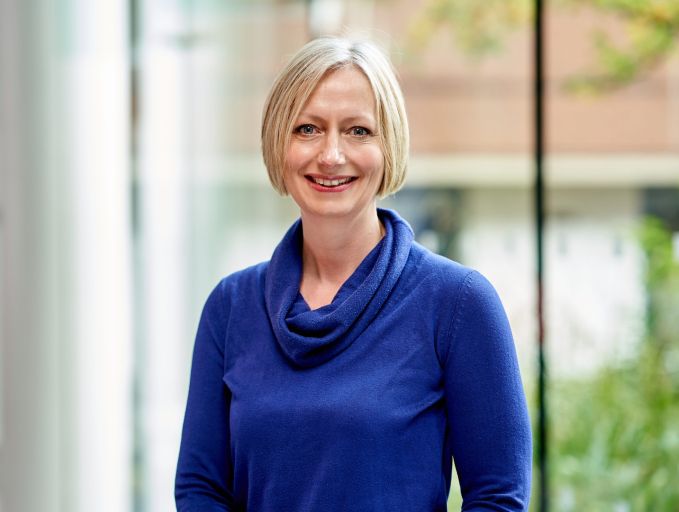
Aston University’s Dr Amanda Hall co-led the study with Dr Anisa Visram from the University of Manchester Deaf children and those with experience of childhood deafness have identified their top 10 research priorities including education and family relationships The project was funded by the National Deaf Children’s Society Deaf children and people with experience of childhood deafness from across the UK have come together to highlight what matters most to children affected by deafness and hearing loss, as part of a project funded by the National Deaf Children’s Society (NDCS). From 2023 to 2025, a team of parents, young people and health and education professionals set out to compile a list of the ‘Top 10’ most important questions that researchers should be trying to answer about childhood deafness and hearing loss. The project was co-led by Dr Amanda Hall, a senior lecturer in audiology at Aston University, and Dr Anisa Visram from the University of Manchester in conjunction with researchers at Lancaster University. The hope is that it will ultimately lead to more research into childhood deafness, in the specific areas it’s needed most. Children highlighted the potential impact of them missing out on things happening around them when interacting with their peers as their top priority, demonstrating the importance of social development for deaf children. Family relationships and educational needs ranked as high priorities for both adults and children, coming in the top 3 for both groups. Adults ranked educational needs as number 1, highlighting the importance of supporting deaf children in schools, particularly those with additional needs. Other important areas for research included understanding what support is needed for children with mild and unilateral (on one side) deafness, the impact of language deprivation on deaf children and how deaf children can be supported to understand their deafness and become empowered to advocate for themselves as they grow up into deaf adults. Several hundred respondents contributed to the project through a series of online surveys. Children were involved through activity-based focus groups. Respondents submitted over 1,200 ideas for research questions in the initial surveys. These were summarised into a list of 59 unique questions, and a second survey was used to prioritise the questions. The top 21 questions were then taken to two final full-day workshop where participants collaborated to choose their top 10 priorities. The research team used what’s known as a James Lind Alliance (JLA) priority-setting process to ensure the robustness of the project. Participants reported feeling valued as part of the project and satisfied that their feedback is reflected in the final lists. One of the children who took part in the workshop said: “I learnt that my voice matters and I can make a difference for me and other deaf children.” Dr Hall said: “It has been a real privilege to be part of this JLA partnership, working alongside deaf young people, families of deaf children and professionals to identify our two sets of top 10 research questions. We hope this is just the beginning of more research that reflects what matters most to deaf children, their families and professionals, and of more opportunities to work together.” Dr Visram said: “This has been an incredible project to work on with an amazing, committed, and diverse stakeholder group feeding into the process at all stages. We have formed important collaborations with deaf young people, parents of deaf children, and a whole range of professionals working with deaf children. The group plan to keep working together to promote the Top 10 lists and help develop research projects to start to answer these important questions.” Juliet Viney is a parent to a deaf child and has supported the project as a parent partner. She said: “It has been an absolute privilege working as a parent partner developing our Top 10 most important research questions for childhood deafness. This project has brought together and empowered deaf children and young people, parents and professionals from across the UK; using their valuable lived experiences to provide them with a strong voice to guide researchers towards addressing what is most needed to improve deaf children's educational, health, social and emotional outcomes. I am excited to see which questions will be pursued in further research and the positive impacts these will have on the lives of deaf children!” Dr Sian Lickess, Research and Analysis Lead at the National Deaf Children’s Society, said: “We are proud to have supported this important partnership, which has brought together the voices of deaf children, their families and professionals to shape future research priorities. The resulting Top 10 lists represent an important step toward ensuring research is aligned with real-world needs and is meaningful to those most affected. We look forward to the impact this work will have on improving outcomes for deaf children.” The full list of priorities identified can be found at: www.childdeafnessresearch.co.uk. As well as the National Deaf Children’s Society, several other partners have also contributed to the project. These include the Professor Kevin Munro’s National Institute for Health and Care Research (NIHR) Senior Investigator award, NIHR Manchester Biomedical Research Centre, PF Charitable Trust, Research England’s QR Participatory Research Fund to Lancaster University, and UKRI Future Leaders Fellowship MR/X035999/1.



University of Delaware secures $13.1M grant to transform Alzheimer’s research and prevention
A new five-year $13.1 million grant will greatly expand the ability of University of Delaware researchers to pursue ways to prevent and treat Alzheimer's disease. The gift from the Delaware Community Foundation (DCF) is one of the largest in state history for Alzheimer’s research. UD's Christopher Martens called the grant "transformational," as it will support the expansion of a statewide prevention study, enable the purchase of a state-of-the-art MRI machine and drive discovery of new diagnostic tools and treatments. “It will also help grow the number of researchers in Delaware focused on Alzheimer’s disease, promoting an interdisciplinary approach." said Martens, director of UD's Delaware Center for Cognitive Aging Research (DECCAR) and professor of kinesiology and applied physiology in the College of Health Sciences. Bringing together researchers from multiple fields to collaborate on a critical challenge like Alzheimer’s disease is a key strength of the University of Delaware, said Interim President Laura Carlson. “Every one of us has a family member or friend who has been deeply affected by Alzheimer’s. I’m proud that UD is working better to understand this terrible disease and partnering with others throughout the state to work on its prevention, diagnosis and treatment,” Carlson said. “We are grateful to the Delaware Community Foundation for their support, which allows us to escalate our research and expand our community outreach.” “No one has to look very far afield to witness and understand the tragedy of Alzheimer’s, and the research supported by this grant will help UD researchers come ever-closer to uncovering life-improving and life-saving solutions,” said Stuart Comstock-Gay, President and CEO of the Delaware Community Foundation (DCF). “The grant was provided through the generosity of late Paul H. Boerger, who made a substantial legacy gift to the fund he had established at the DCF in his lifetime, and his foresight will help so many.” The gift is aimed at achieving the following goals: • Tracking Alzheimer’s risk over time – Expanding Delaware’s largest study of brain aging from 100 to 500 participants to uncover who develops dementia and why. • A simple blood test for early detection – Developing a first-of-its-kind test that could diagnose Alzheimer’s years earlier than current methods. • Cutting-edge brain imaging – Installing a $3.2 million MRI machine on UD’s STAR Campus to reveal hidden brain changes linked to memory loss. • Spotting the earliest warning signs – Exploring how subtle shifts in language and menopause-related hormone changes may predict Alzheimer’s risk. • Fueling prevention and cures – Creating powerful data and tools that will accelerate new treatments and bring researchers closer to stopping Alzheimer’s. To reach Martens for an interview, visit his profile and click on the "contact" button. Interviews with DCF officials can be arranged by emailing MediaRelations@udel.edu.

Georgia Southern biology professor named 2025-26 Fulbright U.S. Scholar to Vietnam
Stephen Greiman, Ph.D., associate professor of biology in Georgia Southern University’s College of Science and Mathematics, has been awarded a 2025-26 Fulbright U.S. Scholar award to Vietnam where he will lead a teaching and research project focused on parasite diversity in bats. “Dr. Greiman is further proof that Georgia Southern faculty are among the best in their fields,” said Avinandan (Avi) Mukherjee, Ph.D., provost and executive vice president for Academic Affairs. “We are incredibly proud of this achievement and all the hard work that goes into such a celebrated milestone paying off.” Greiman’s Fulbright work will build on more than a decade of collaboration with Vietnamese scientists. During graduate school, he began working with parasitologists in Vietnam and participated in field expeditions in 2013 and 2014. That early partnership has since blossomed into multiple co-authored publications and enduring collegial friendships. Vietnam, Greiman explained, is a natural fit for this project. “Its exceptional biodiversity and the significant burden of parasitic infections across humans, domestic animals and wildlife make it a particularly relevant and meaningful host country for my research,” he said. “Our shared goal is to advance awareness and understanding of parasite diversity among students and the public.” During his grant period, Greiman will teach a parasitology course at Hai Duong Medical Technical University. He will also conduct field and laboratory research in partnership with the Vietnam Academy of Science and Technology’s Institute of Ecology and Biological Resources and the Department of Parasitology. His research will involve sampling and analyzing the parasites and microbiomes of Vietnamese bats—a project designed to engage both undergraduate and graduate students in hands-on scientific inquiry. “International collaborations often yield more impactful research than national projects alone,” Greiman noted. “This award not only strengthens our scientific goals but offers my family a chance to immerse ourselves in a new culture. It’s an experience we’re incredibly grateful for.” Beyond fieldwork, Greiman hopes the Fulbright project will open doors for new exchange programs between Georgia Southern and Vietnamese institutions. He envisions Georgia Southern students spending semesters abroad and returning with global perspectives that enrich their academic and personal growth. “The data and experiences I bring back will directly inform my courses, including parasitology and biology of microorganisms,” Greiman said. “I’ll also use our findings to support undergraduate and graduate research projects, pursue new grant opportunities and publish in high-impact journals.” He credits the Fulbright program with not only enabling his research abroad but also cultivating cultural exchange, particularly by allowing families to travel with awardees. His wife, who has a background in the arts, is excited to explore Vietnam’s artistic traditions, while their two young children will experience a culture far different from their own. “Vietnam is rich in natural and cultural history,” he said. “We’re looking forward to embracing it fully, both in the field and in everyday life.” Greiman’s selection is both a professional milestone and a personal journey—one shaped by long-standing collaborations, a deep commitment to global science, and the mentorship of Georgia Southern Vice President for Research and Economic Development David Weindorf, Ph.D. “Although I was initially hesitant to apply due to the program’s competitiveness, I was inspired by Dr. Weindorf’s own transformative experiences as a Fulbright Scholar and Specialist,” Greiman said. “His guidance and support helped me see the incredible potential of this opportunity—not just for my research, but for my family and our students.” That encouragement reflects a strong professional relationship rooted in mutual respect and a shared commitment to international collaboration. “I am so proud of Dr. Greiman’s selection as a Fulbright Scholar,” said Weindorf. “The benefits of the exchange will truly be lifelong, with new friends, colleagues and connections formed and cultivated. We look forward to celebrating the lives Dr. Greiman touches, both through his teaching and research, as a meritorious ambassador of Georgia Southern University.” For Greiman, the Fulbright award marks just the beginning of a broader vision. “This experience will generate foundational data for future National Science Foundation and National Institutes of Health proposals and deepen our international partnerships,” he said. “Being selected as a Fulbright Scholar is an extraordinary honor and a chance to contribute meaningfully to a global legacy of scholarship, cultural exchange and scientific discovery.” He encourages fellow faculty members considering the program to apply. “Go for it,” he said. “Your chances are zero if you don’t try. The Fulbright is one of the few opportunities that blends extended research, cultural immersion and family inclusion. It’s life-changing—and absolutely worth it.” If you're interested in knowing more about Stephen Greiman's work or more about his Fullbright award - simply contact Georgia Southern's Director of Communications Jennifer Wise at jwise@georgiasouthern.edu to arrange an interview today.


Seniors Pay the Highest Price When Politicians Dismiss Healthcare Evidence
Disclaimer: This is an opinion piece. It reflects the author's perspective and should not be considered medical advice. Please consult with your physician or healthcare provider to discuss your individual health and vaccination needs. If you’re experiencing health issues, don’t rely on blogs (even snappy ones)—rely on a qualified medical professional. Fall is here. Kids are back in class, pumpkin spice is back in mugs, and—like clockwork—news headlines are back stirring fear and doubt. This season, RFK Jr. is making noise about vaccines, throwing science under the school bus, and leaving some older Canadians wondering: Who should I trust—politics or science? Spoiler: if you’re betting on politics to keep you healthy, you might as well ask your neighbour’s cat for medical advice. So, let’s get back to basics: what shots you really need, why the science is solid, why politics muddies the waters, and how you can be your own best health advocate. Oh, and because you know me—I’ll sprinkle in a few “if only” vaccines we all wish existed. Science vs. Politics: Who Wins? Science: Vaccines work. They reduce severe illness, save millions of lives, and prevent outbreaks of diseases we thought we’d left in history books. COVID-19 vaccines alone are credited with saving over 1.4 million lives in Europe since 2020. Vaccines aren’t some modern fad cooked up in a lab—they’ve been saving lives since 1796, when English doctor Edward Jenner made a discovery that led to the first smallpox vaccines, which at the time was one of the deadliest diseases on earth. Fast forward to today, and the results speak for themselves. Data from the CDC shows that vaccines have slashed major diseases in the U.S. and Canada to the point where polio and smallpox haven’t been seen in decades—down from tens of thousands of cases every year in the 20th century. Even measles, which has made a resurgence due to rising vaccine skepticism, is still nowhere near the half-million infections Americans used to see annually. Thanks to vaccines, measles, pertussis, mumps, and rubella are now more likely to show up in a history book—or on a pub trivia night—than in your family doctor’s office. Over a century of data shows that vaccines don’t just work—they’ve rewritten medical history. A landmark CDC study published in JAMA by researchers Sandra W. Roush (MT, MPH) and Trudy V. Murphy, MD, with Centers for Disease Control and Prevention, Atlanta, Georgia did a major study comparing disease rates before and after vaccines became widespread. The results were jaw-dropping: Cases of diphtheria, mumps, pertussis, and tetanus dropped by more than 92%, and deaths by more than 99%. Endemic polio, measles, and rubella have been eliminated in the U.S and Canada. Smallpox is gone from the globe. Even newer vaccines introduced since 1980—like those for hepatitis A, hepatitis B, Hib, and chickenpox—cut cases and deaths by 80% or more. The evidence found by the CDC study was so overwhelming that the authors called vaccines “among the greatest achievements of biomedical science and public health” (Source: JAMA, 2007) The number of cases of most vaccine-preventable diseases is at an all-time low; hospitalizations and deaths have also shown striking decreases. Think about it. When was the last time someone at your dinner table worried about catching smallpox? Enter RFK Jr., stage left. He has wasted no time since his appointment as US Secretary of Health & Human Services to undermine confidence in the public health system. His recent moves—firing the CDC director, cutting mRNA funding (even for cancer vaccines!), and gutting expert panels—are sowing doubt faster than a Toronto raccoon opening a green bin. Even Dr. Martin Makary, Commissioner of Food and Drugs for the U.S. Food and Drug Administration (FDA), recently chimed in with an opinion piece published last week in The Wall Street Journal. His take? Vaccines should mostly be reserved for high-risk groups, healthy people don’t really need them, and maybe we should start running more placebo trials “just to be sure.” That sounds reasonable until you realize it’s the same playbook RFK Jr. uses: shrink access, shift the burden of proof endlessly, and treat vaccines like optional extras. When Politics Drowns Out Science, Seniors Pay the Highest Price When politics drowns out science, we pay the highest price. Because the truth is: our immune systems age just like our knees do—creaky and slower to respond. Vaccines aren’t optional; they’re essential. Demanding new placebo trials for vaccines we already know work is like asking a baker to prove yeast makes bread rise every single year. And framing vaccines as “only for the sick” ignores the basic truth: when coverage falls, outbreaks rise. Period. Vaccines for Canadian Adults & Seniors (Source: Health Canada) Vaccines aren’t just for kids—they’re part of healthy aging, too. Health Canada has issued clear guidelines on which shots adults and seniors should have on their radar, from flu and pneumonia to shingles and RSV. Think of it as a maintenance schedule for your immune system. That said, every person’s health history is unique, so always check with your doctor or healthcare provider before rolling up your sleeve. Flu shot (Seasonal Influenza Vaccine) – Protects against flu strains that mutate yearly (PHAC – Influenza Vaccine). Everyone should receive it annually; seniors may be eligible for a high-dose version. Pneumococcal (Pneu-C-20) – Shields you from pneumonia, bloodstream infections, and meningitis (PHAC – Pneumococcal Vaccine). One dose at 65+. Shingles (Recombinant Zoster Vaccine – RZV) – Stops the chickenpox virus (that never left your body) from staging a painful comeback tour (PHAC – Shingles Vaccine Guidance)—two doses, starting at age 50. Tdap (Tetanus, Diphtheria, Pertussis Vaccine) – Protects against lockjaw, a throat infection, and whooping cough (PHAC – Tdap Vaccine). One-time booster, then Tdap every 10 years. Polio (Inactivated Poliovirus Vaccine – IPV) – Keeps polio from making a comeback (PHAC – Polio Vaccine). Needed if you missed doses or travel to outbreak zones. RSV (Respiratory Syncytial Virus Vaccine) – Prevents serious lung infections in older adults (Health Canada – RSV Vaccine Information). Recommended for ages 75+ or in long-term care. MMR (Measles, Mumps, Rubella Vaccine) – Blocks childhood triple threats (PHAC – MMR Vaccine). One dose if born after 1970 and not immune. Varicella (Chickenpox Vaccine) – For those who have never had chickenpox (PHAC – Varicella Vaccine). Two doses under age 50; For those over 50, the shingles vaccine is recommended. The Vaccines We Wish Existed Because let’s face it: medicine has cured smallpox, but not small talk. RV – Rectitious Vision Correction: For correcting poor attitudes and selective hearing in spouses. FOMOVAX: Stops the green-eyed monster when your friends are on a Caribbean cruise and you’re at Costco. TechTonic: For when Zoom won’t unmute and your iPad keeps asking for your “Apple ID you made in 2009.” EarPeace: Selective hearing—blocks whining, amplifies compliments. WineNot: The Thanksgiving booster that helps you tolerate in-laws, politics talk, and Uncle Bob’s gravy complaints. MemoryMap: Protects against the “where did I put my glasses?” epidemic. Spoiler: they’re on your head. If only. Until then, we’ll have to stick with flu and shingles shots. Screening Schedule: The Other Half of the Health Checklist Keeping your health on track sometimes feels like managing a full-time maintenance schedule. After all, the human body has more moving parts than a Canadian Tire catalogue—so of course things need regular tune-ups. If vaccines are like scheduled oil changes for your immune system, screenings are more like the regular safety inspections—checking the brakes, the lights, and making sure nothing rattles when it shouldn’t. Our bodies have a knack for keeping secrets until it’s too late, which is why Health Canada and national guidelines recommend routine checks for cancer, heart health, bone strength, and more. Here’s the recommended Health Canada guidelines—your doctor may adjust based on your risk.: Cervical (Pap test): Every 3 years, ages 25–69 (CTFPHC – Cervical Cancer Guideline). Breast (Mammogram): Every 2–3 years, ages 50–74 (CTFPHC – Breast Cancer Screening). Colorectal (Colonoscopy or FIT test): Every 2 years (FIT) or 10 years (colonoscopy), ages 50–74 (CTFPHC – Colorectal Cancer Screening). Prostate (PSA test): Discuss with your doctor around age 50 (CTFPHC – Prostate Cancer Guideline). Lung Cancer Screening: For current/former heavy smokers, typically ages 55–74 (Canadian Partnership Against Cancer – Lung Cancer Screening). Bone Density (DXA scan): At 65+ or earlier if at risk (Osteoporosis Canada – BMD Testing). Blood Pressure & Cholesterol: Annual or as needed (Hypertension Canada Guidelines). Diabetes (A1C test): Every 3 years starting at 40 (Diabetes Canada – Clinical Guidelines). Your Fall Holistic Health Checklist Still with me? Here's a checklist that I personally follow as a seasonal tune-up—part vaccines, part screenings, part lifestyle hacks. It’s not about chasing perfection; it’s about making sure you’ve got the energy to keep doing what you love (and maybe even outpace the grandkids). Whether you’re just easing into retirement, solidly in the groove, or rocking your seventies with style, these age-by-age tips will help you stay sharp, strong, and one step ahead of sneaky health surprises. Pre-Retirees (55–64) • Annual flu shot • Covid-19 shot • Start shingles series (50+) • Tdap booster if due • Immunization catch-up (MMR, polio, varicella) • Screenings: Pap, mammogram, colon, bloodwork • Exercise, hydrate, and learn to say no—yes, that’s preventive care too. Post-Retirees (65+) • Annual flu shot (high-dose if offered) • Covid-19 shot • Pneumococcal vaccine • RSV vaccine (75+ or communal living) • Shingles vaccine if not done • Screenings: colon, prostate, bone density, cholesterol, diabetes • Keep bones strong: vitamin D, weight training, and occasionally lifting grandkids count. Active Retirees (70+) • All of the above • Review meds and fall-prevention strategies • Stay social—book clubs, golf leagues, dance classes. Loneliness is a silent epidemic. • Advocate for friends, spouses, and grandkids—because being the family health quarterback matters. Your Best Shot: Be Your Own (and Your Community’s) Advocate Vaccines and screenings are only half the story—the other half is using your voice. Seniors have enormous influence, and when you speak up, policymakers listen. Here are a few ways to make sure your concerns don’t get lost in the shuffle: Start local. Write a short letter or email to your Member of Parliament, MPP, or Mayor. Personal stories are more powerful than statistics—tell them why vaccines, screenings, and health services matter to you and your community. Pick up the phone. Constituency offices actually log every call, so even a five-minute conversation with a staffer goes on record. Think of it as Yelp for public policy. Go public. A letter to the editor in your local paper or a well-placed comment at a town hall gets noticed by decision-makers. Be persistent (but polite). Politics moves slowly, but steady nudges add up. You don’t need to storm Parliament—just keep knocking on the door. You’ve spent a lifetime paying taxes, raising families, and building communities—you’ve earned the right to be heard. And let’s be real: nobody wants to mess with a senior who’s got a phone, an email list, and time to follow up. This fall, don’t let politics steal your peace of mind. Don’t let headlines plant seeds of doubt. Vaccines and screenings aren’t about fear—they’re about freedom: freedom to keep moving, keep laughing, keep living the “Hip, Fit & Financially Free” life you deserve. And until they invent the "WineNot" booster or the "MemoryMap" shot, your best defence is still the good old-fashioned flu, shingles, and pneumonia vaccines—plus the screening tests that catch sneaky stuff early. So roll up your sleeve. Book that screening. Be your own health advocate. And while you’re at it, sign your spouse up for the RV shot—because an attitude adjustment should absolutely be a household vaccine. Stay healthy. Don't Retire - Rewire! Sue Resources Want to dig deeper? Here are links to a few of my other health and wellness posts where I share practical tips, a little humour, and more ways to keep your retirement years strong, savvy, and stress-free. > The Retirement Games: From Sprint to Marathon, The New Retirement Reality > Life Hacks in Retirement: Strategies for Aging Well Also for each vaccine mentioned, here are some links to trusted sources of information. Please consult with your physician or healthcare provider before commencing with any treatment. COVID-19 Public Health Agency of Canada (PHAC) - COVID-19: Spread, prevention and risks - https://www.canada.ca/en/public-health/services/diseases/2019-novel-coronavirus-infection/prevention-risks.html Flu Shot (Seasonal Influenza) Public Health Agency of Canada (PHAC) – Canadian Immunization Guide, Influenza Chapter: https://www.canada.ca/en/public-health/services/publications/healthy-living/canadian-immunization-guide-part-4-active-vaccines/page-10-influenza-vaccine.html Pneumococcal (Pneu-C-20) PHAC – Canadian Immunization Guide, Pneumococcal Chapter: https://www.canada.ca/en/public-health/services/publications/healthy-living/canadian-immunization-guide-part-4-active-vaccines/page-16-pneumococcal-vaccine.html Shingles (Recombinant Zoster Vaccine – RZV) PHAC – Shingles Vaccine Guidance: https://www.canada.ca/en/public-health/services/publications/vaccines-immunization/shingles-vaccine.html Tdap (Tetanus, Diphtheria, Pertussis) PHAC – Tdap Vaccine - https://www.canada.ca/en/public-health/services/publications/healthy-living/canadian-immunization-guide-part-4-active-vaccines/page-21-tetanus-diphtheria-pertussis-vaccine.html Polio (IPV) PHAC – Polio Vaccine Guidance - https://www.canada.ca/en/public-health/services/publications/healthy-living/canadian-immunization-guide-part-4-active-vaccines/polio-vaccine.html RSV (Respiratory Syncytial Virus) - Health Canada – RSV Vaccine Information - https://www.canada.ca/en/health-canada/services/drugs-health-products/vaccines/respiratory-syncytial-virus.html MMR & Varicella - PHAC – Measles, Mumps, Rubella, Varicella Chapters: https://www.canada.ca/en/public-health/services/publications/healthy-living/canadian-immunization-guide-part-4-active-vaccines.html


For many older adults in Sussex County, Delaware, navigating the health care system can feel overwhelming and difficulty accessing care can create gaps in care that ultimately lead to poor health. To help older adults more easily meet their health needs and be successful in navigating the system, ChristianaCare has brought a variety of services to Sussex County that are specially designed for this population. These include ChristianaCare’s expanding My65+ primary care program, the Swank Center for Memory Care and ChristianaCare HomeHealth—all services that work collaboratively with seniors to help them achieve their best health based on their individual needs. Download Photos. ChristianaCare My65+ ChristianaCare My65+ provides specialized primary care services for people 65 and older. ChristianaCare’s My65+ services include medication management, annual Medicare visits, chronic disease management, coordination with specialists and additional consultation time with health care providers. These services are tailored to meet the specific health needs of seniors. “I can’t express enough how wonderful the My65+ program at ChristianaCare has been for me,” said Linda Martin of Rehoboth, a patient of the My65+ Program. “When they opened the practice in Rehoboth, it made getting the care I need much more convenient. I truly appreciate how the professionals at ChristianaCare take the time to understand my health and offer support for my mother’s care. They have a memory specialist on-site who provides expert care for my mother. It feels like I’m part of a caring community.” ChristianaCare My65+ is available at locations in Rehoboth Beach and at a new primary care practice in Milford, which began accepting My65+ patients in May. “ChristianaCare recognizes the importance of addressing the unique health care needs of our senior community. Our focus is on delivering care that prevents diseases, manages chronic conditions and improves overall well-being, especially for older adults,” said Priya Dixit-Patel, M.D., physician executive for Core and Advanced Primary Care at ChristianaCare. Swank Center for Memory Care Recognizing the significant impact that memory-related conditions can have on individuals and their families, ChristianaCare’s Swank Center for Memory Care serves as a source of hope and support for those dealing with these challenges. A dedicated team of geriatricians, nurses, social workers and other professionals collaborates with patients and their families to offer support, education and guidance throughout the diagnosis and treatment process. “ChristianaCare has consistently been at the forefront of providing excellent patient care, and the Swank Center for Memory Care is another opportunity for us to enhance support for people 65 and older,” said Steven Huege, M.D., MSEd, The Swank Foundation Endowed Chair in Memory Care and Geriatrics at ChristianaCare. “By designing care that meets the specific needs of older adults, we can create a better experience and achieve improved outcomes for everyone involved. This initiative is an important part of our overarching vision to provide every older adult with the best care possible.” The Swank Center was selected by the Centers for Medicare & Medicaid Services (CMS) to participate in the new Guiding an Improved Dementia Experience (GUIDE) Model, aimed at enhancing care coordination and access to services for those living with dementia and their caregivers. Key support services will include comprehensive assessments, care coordination, respite care, a 24/7 support line and education. With locations in Wilmington, Smyrna and Rehoboth, the Swank Center for Memory Care serves patients throughout Delaware and the surrounding region. ChristianaCare HomeHealth ChristianaCare HomeHealth provides a variety of nursing care for all ages in managing chronic conditions, adapting to new diagnoses, and improving daily living activities. It is the leading provider of in-home nursing care and assistance in Delaware. “ChristianaCare HomeHealth designs a plan of care that is personalized for those we serve,” said Donna Antenucci, MHA, BSN, RN, interim president, ChristianaCare HomeHealth. “Treating older adults in their own home is a privilege and brings comfort physically and emotionally to those served and their family. “It is truly rewarding for us as providers of home health services to enhance people’s quality of life and improve their overall well-being. We are truly honored to be a part of their journey to wellness and healing while respecting the dignity of those we serve.” These services are available throughout the entire state and provide comprehensive care through skilled nursing, home health aides, rehabilitative services, and medical social workers. Specially trained professionals offer home care, including physical and speech therapy, to help individuals live independently and safely. ChristianaCare HomeHealth began as a Visiting Nurse Association (VNA) in 1922 and now has more than 350 caregivers who serve patients throughout the state. Currently, there is an active daily census of about 1,500 patients. The service admits approximately 10,000 patients each year across the state. Meeting the Needs of Sussex County’s Rapidly Growing Population Sussex County has been designated as a “Medically Underserved Area” by the federal government, with projections showing that the population will increase from 237,000 in 2022 to over 361,000 by 2050, further intensifying the demand for primary care services. The providers at ChristianaCare’s new Milford location will play a crucial role in addressing the growing health care needs of Sussex County. “My65+ and Swank Center for Memory Care Services are unique programs in Sussex County that are greatly needed because of the growing senior population,” said Anthony Paul Buonanno, M.D., MBA, primary care physician at My65+ at Rehoboth Beach. “The health care infrastructure has not been able to keep up with the demand, and it is essential to provide health care services close to home for Delawareans. I am proud to be part of a program that is innovative, necessary and useful to my community.” While ChristianaCare primary care is a relative newcomer to Sussex County, ChristianaCare already has a large primary care network in northern Delaware, southeastern Pennsylvania, southern New Jersey and Maryland.



Ashley Panichelli, M.D., has been appointed vice chair of the Department of Family and Community Medicine at ChristianaCare. In this role, Panichelli will support the department’s clinical and academic missions. She will help guide quality and safety initiatives and promote a culture of accountability, learning and psychological safety. She will advance education and professional development across faculty and residency programs, assist with strategic planning, mentorship and peer review, and strengthen collaboration across department leadership, faculty and staff. A Delaware native, Panichelli earned her medical degree from Sidney Kimmel Medical College at Thomas Jefferson University and completed her residency and chief residency in Family Medicine at ChristianaCare in 2018. She joined the residency program’s core faculty that same year and has since held several leadership roles, including clinical lead and associate program director. In 2022, she was named clinical director of Academic and Complex Primary Care, a role she continues to support. Panichelli is a clinical assistant professor at Sidney Kimmel Medical College and has been recognized with several honors, including the Delaware Academy of Family Physicians’ Teacher of the Year award and the Department’s Rising Star award. She completed ChristianaCare’s ACT course, the LEED-R elective, and the Harvard Medical Director Leadership Institute. She was an Emerging Leaders Institute scholar with the American Academy of Family Physicians Foundation. She reports to Erin Kavanaugh, M.D., FAAFP, chair of the Department of Family and Community Medicine.

Before you scroll past thinking, “Oh, another scam alert,” please pause. This isn’t your average “don’t answer spam calls” notice. What follows is an examination of the growing sophistication of grandparent scams—complete with call centers, scripts, and even AI voice cloning. More importantly, it’s about how to protect yourself and, especially, the older members of your family. Read on—not just for awareness, but for fundamental tools to keep your loved ones safe. Even Elvis Isn't Safe From Scammers You know the world has gone topsy-turvy when even the King of Rock 'n' Roll isn't immune to fraud. I've written before about the recent attempt to scam Elvis Presley's Graceland estate, but a recent story about senior fraud really got my blood boiling. U.S. authorities in Boston just charged 13 people connected to what I can only describe as a "grandparent scam industrial complex" – a sophisticated operation that bilked over 400 elderly Americans out of more than $5 million. These weren't your run-of-the-mill phone scammers calling from their basement. Oh no. These criminals were running call centers with scripts, managers, and daily money-making leaderboards like they were selling insurance, not breaking hearts. The math alone should make you furious: $5 million divided by 400 victims equals about $12,500 per person. That's not pocket change – that's someone's emergency fund, their vacation savings, or money they've been carefully setting aside for healthcare costs. The Grandparent Scam: Emotional Manipulation 101 If you're not familiar with grandparent scams, buckle up. These predators have turned family love into their business model, and they're disgustingly good at it. Here's their playbook: Step 1: The Panic Call – "Grandma, it's me! I'm in jail and need bail money RIGHT NOW!" Step 2: The Identity Theft – Using social media details (yes, those cute Facebook posts about little Johnny's soccer game), they sound convincingly like your grandchild. Some are even using AI voice-cloning technology. Step 3: The Time Crunch – Everything's an emergency. No time to think, no time to verify. Just panic and send money. Real emergencies, by the way, allow time for a phone call to confirm details. Step 4: The Collection – Cash via courier, rideshare driver pickup, wire transfers, even Bitcoin. Anything except the legitimate ways actual legal systems collect bail money (spoiler alert: the good guys don't send Uber drivers to your house). The Boston Grandparent Fraud Case: Scamming at Scale The level of organization in this Boston case reads like a twisted business manual. These criminals weren't just winging it – they had: • Dedicated "Opener" staff who made initial contact with victims • Specialized "Closers" who pretended to be lawyers demanding payment • Management training programs for their scam employees • Daily performance systems (because nothing says "organized crime" quite like gamifying elderly financial abuse) A number of things bothered me about this case The fraudsters got over $5 million from 400 victims. The simple math shows that, on average, each victim would have lost $12,500 – that’s not “walking around” money. I suspect many would have had to tap into a variety of savings accounts or possibly borrow from others to source funds on short notice. This creates an extra degree of hardship for victims who are struggling to manage on a fixed income. The average age of the victims was 84. This breaks my heart. The oldest in this cohort are especially vulnerable. At this age, many seniors live alone or are more isolated, making them easier prey for these deceitful tactics. Many of them are still uninformed about how these scams operate. The scammers showed a very high level of sophistication. According to court documents from the U.S. Department of Justice, District of Massachusetts (2025), the scammers operated a sophisticated “call center” with technology at multiple sites, enabling them to place a massive number of calls to unsuspecting victims. • These scams would begin with an “Opener” employee, who would call victims and read a script (see below) pretending to be a grandson or granddaughter who was in an accident. • Then, a “Closer” would allegedly follow up with another call, pretending to be their grandchild’s attorney, asking for a sum of money to pay for their grandchild’s fees due to the accident. Each of these call center locations had managers overseeing staff who trained, supervised, and paid employees. The most sickening part? They kept detailed records of how much money they stole each day, treating vulnerable seniors like ATM machines with feelings. Here is an actual photo of their “Leaderboard” taken as evidence in the Boston case. When it came to handling cash, they also had a plan for that. Most often, they used unsuspecting rideshare drivers whom they ordered to do a package pickup at the victim’s house. And these heartless criminals often went back for seconds and thirds. Using lines designed to trigger seniors into emptying their bank accounts. They would say things like "Oh, there's been a mix-up," or "A pregnant woman's baby was lost in the crash" – any lie to squeeze more money from people who'd already been devastated once. Now, I’ve been in enough boardrooms to know that leaderboards usually track sales of widgets, mortgages, or, at worst, how many stale muffins are left in the breakroom. But imagine walking into work and your boss says, “Congratulations, you scammed the most grandmas today—you win Employee of the Month!” That’s not just evil, it’s the kind of thing that should earn you a permanent bunk bed in a tiny jail cell. And using Uber drivers to pick up cash? Please. The only thing Uber should be picking up is takeout and slightly tipsy people at 11 p.m.—not Grandma’s retirement savings. Some of These Scams Are Coming From Inside Canada Here's where this story hits close to home. While we might imagine these scams operating from some far-off location, some of the biggest operations have been running right here in Canada. In March 2025, Montreal police arrested 23 people connected to a massive network that allegedly defrauded seniors across 40 U.S. states of $30 million over three years. The suspected ringleader, Montreal developer Gareth West, allegedly ran call centers from Quebec properties and laundered the proceeds into luxury real estate. West remains at large, proving that sometimes the worst criminals are hiding in plain sight in Canadian suburbs. The Canadian Reality Check According to the Canadian Anti-Fraud Centre, emergency or 'grandparent scams' have become one of the fastest-growing crimes targeting seniors in Canada, with reported losses rising from $2.4 million in 2021 to over $11.3 million in 2023. Here's where it gets even more interesting. Those figures are just the losses for gradparent fraud that are reported – experts estimate the true losses are at least ten times higher since only 5-10% of fraud victims come forward. Let that sink in: we could be looking at over $100 million in actual losses annually in Canada alone. Here’s the part that really stings: no one is exempt. Not me, not you, not even that friend who insists they “don’t answer unknown numbers.” (Sure, Jan. We all know you still pick up when it says “potential spam.”) This isn’t just about losing money—it’s about losing confidence. The shame, the self-doubt, and the “How could I fall for that?” spiral are often worse than the financial loss. I’ve seen strong, capable people withdraw after being scammed, too embarrassed to tell their own families. And honestly—I get the same chill when I read these stories: Would I have caught it in time? It’s a reminder that vigilance is like flossing—we all know we should do it daily, and yet… sometimes we forget until it hurts. Supporting an Elder Who’s Been Scammed Here’s where we need to step up as families and communities Practical Support: • Help them file a report with the police and the Canadian Anti-Fraud Centre. • Contact their bank to determine if the funds can be recovered. • Lock down social media and adjust privacy settings so future scammers have less ammunition. Emotional Support: • Listen without judgment. Don’t say, “I would never have fallen for that.” (Trust me—you might.) or “you know better, Granddad”. • Normalize the experience: this can happen to anyone. If AI can clone voices and manipulate emotions, it’s not about intelligence—it’s about being human. • Follow up regularly. Shame makes people pull back, so check in to ensure they’re not withdrawing or losing confidence. Your Family’s Fraud Fighting Toolkit Look, I've spent over 30 years in the financial industry, and I can tell you that preventing fraud is always easier than recovering from it. Here's your family's defence strategy: The P-A-U-S-E Method Pause – Don't act immediately, no matter how urgent the request sounds. Ask questions only family members would immediately know ("What's Mom's maiden name?") Use known phone numbers to call your grandchild directly and verify information Set up systems to protect family members (like a secret family password) Explain to others – share this information widely with all family members Know the Red Flags • Demands for immediate action (real emergencies allow verification time) • Requests for secrecy ("Don't tell Mom and Dad!") • Payment via courier, rideshare, wire transfer, or cryptocurrency • Emotional manipulation ("I'm so scared, Grandma!") • Any request for cash payment to resolve legal issues Family Password System Set up a secret word or phrase that only your family knows. Make it something memorable but not guessable from social media. "Fluffy" (your childhood dog) is better than a pet name you posted on a recent social media post. What to Do If You're Targeted Stop. Don't. Send. Money. Instead: • Hang up immediately • Call your local police to file a report • Report to the Canadian Anti-Fraud Centre: 1-888-495-8501 or visit antifraudcentre-centreantifraude.ca • If you've already sent money, contact your bank immediately • Tell other family members what happened – you're not the only target These criminals exploit the most powerful human emotions: love, fear, and the desire to protect our families. They've turned grandparents' natural instinct to help their grandchildren into a multi-million-dollar crime operation. But here's what they're banking on (pun intended): that we'll be too embarrassed to talk about it, too confused to verify it, and too panicked to think clearly. Don't give them that satisfaction. Remember, the average age of victims in the Boston case was 84. These aren't people who have time to recover from financial mistakes. Every dollar stolen from a senior is a dollar that won't be there for healthcare, housing, or basic dignity in their final years. We Can Fight Back Knowledge is power, and conversation offers protection. The more we discuss these scams openly – around dinner tables, in community centres, at family gatherings – the more we hinder these criminals from succeeding. Share this post with the seniors in your life. Not because they're naive, but because they're caring. And because caring people deserve to know how heartless criminals are trying to exploit their love. What is your family doing to protect against fraud? What are your strategies and ideas for keeping our loved ones safe? I’m also particularly interested in what financial institutions and various government agencies are doing these days to combat fraud and protect this vulnerable group. As I research this topic more, I’d love to hear from you. Remember: Real grandchildren in genuine emergencies can wait five minutes for you to confirm who you're talking to. Scammers can't. Helpful Resources: • Canadian Anti-Fraud Centre: 1-888-495-8501 • Report online: antifraudcentre-centreantifraude.ca • For more retirement security tips, visit retirewithequity.ca Stay safe. Don't Retire - Rewire! Sue

MSU team develops scalable climate solutions for agricultural carbon markets
Why this matters: Builds trust in carbon markets. This science-based baseline system dramatically improves accuracy, helping ensure carbon credits are credible and truly reflect climate benefits. Enables real climate impact by accounting for both soil carbon and nitrous oxide emissions, the approach delivers a full, net climate assessment. Scales across millions of acres. Tested on 46 million hectares in 12 Midwest states, this approach is ready for large-scale adoption, helping farmers transition to regenerative practices with confidence and clarity. New research from Michigan State University, led by agricultural systems scientist Bruno Basso, addresses a major problem in agricultural carbon markets: how to set an accurate starting point, or “baseline,” for measuring climate benefits. Most current systems use fixed baselines that don’t account for the soil carbon changes and emissions that would occur if business-as-usual practices were maintained on fields. Such inaccuracies can distort carbon credit calculations and undermine market trust. “The choice of baseline can dramatically influence carbon credit generation; if the model is inaccurate, too many or too few credits may be issued, calling market legitimacy into question,” said Basso, a John A. Hannah Distinguished Professor in the Department of Earth and Environmental Sciences, the Department of Plant, Soil and Microbial Sciences and the W.K. Kellogg Biological Station at MSU. “Our dynamic baseline approach provides flexible scenarios that capture the comparative climate impacts of soil organic carbon, or SOC, sequestration and nitrous oxide emissions from business-as-usual practices and the new regenerative system.” The research, published in the journal Scientific Reports, covers 46 million hectares of cropland across the U.S. Midwest, provides carbon market stakeholders with a scalable, scientifically robust crediting framework. It offers both the investment-grade credibility and operational simplicity needed to expand regenerative agriculture. Regenerative agriculture and carbon markets Regenerative agriculture includes practices like cover cropping, reduced or no tillage, diversified rotations, adaptive grazing and agroforestry. These methods restore soil health, enhance biodiversity, increase system resilience and help mitigate climate change by building SOC and reducing greenhouse gas emissions. Carbon markets offer a promising financial mechanism to accelerate regenerative transitions. By compensating farmers for verified climate benefits, they can act as either offset markets (for external buyers) or inset markets (within agricultural supply chains). However, the integrity of these markets hinges on reliable, science-based measurement, reporting and verification systems that integrate modeling, field data and remote sensing. A breakthrough multi-model ensemble approach To overcome limitations in traditional modeling, the MSU scientists and colleagues from different institutions in the U.S. and Europe deployed a multi-model ensemble, or MME, framework, using eight validated crop and biogeochemical models across 40,000 locations in 934 counties spanning 12 Midwestern states. The MME avoids model selection bias, lowering uncertainty in soil carbon predictions from 99% (with single models) to just 36% (with the MME). “This is a game changer for carbon markets,” said Basso. “It delivers a level of accuracy and scalability — from individual fields to entire regions — that current systems lack.” The MME platform also enables the creation of precalculated, practice-based dynamic baselines, reducing the burden of data collection and easing participation for producers. Improved mitigation assessments Unlike many approaches that consider only SOC, the MSU lead team’s study evaluates both SOC sequestration and nitrous oxide emissions to determine net climate impact. “This comprehensive assessment ensures that carbon credits represent true climate mitigation,” said Tommaso Tadiello, postdoctoral fellow in MSU’s Department of Earth and Environmental Sciences and co-author of the study. “A practice that increases soil carbon may improve soil health,” added Basso, “but it may not deliver actual climate benefits if it simultaneously increases nitrous oxide emissions. Our method provides a full accounting of the net climate effect.” The research team found that the combination of no-till and cover cropping delivered an average net mitigation of 1.2 metric tons of carbon dioxide-equivalent per hectare annually, potentially abating 16.4 teragrams of carbon dioxide-equivalent across the study area. This research was supported by the Michigan Department of Agriculture and Rural Development, U.S. Department of Energy’s Great Lakes Bioenergy Research Center, National Science Foundation Long-Term Ecological Research, Builders Initiative, The Soil Inventory Project, Generation IM Foundation, Walton Family Foundation, Morgan Stanley Sustainable Solutions Collaborative and MSU AgBioResearch.


Unexpected A-Level results? Here’s advice from a psychologist
On 14 August young people across England, Northern Ireland and Wales will receive their A Level results. Many will receive the grades they hoped for however those who receive results that aren’t as expected, either worse or better, there is the option of entering Clearing, the period when universities advertise remaining places on undergraduate courses Aston University is offering guidance to help secure a place on a degree course and those who already have their results can enter Clearing from 5 August. There is more information about the process on the Aston University website at https://www.aston.ac.uk/clearing/guide Going through the process of waiting for and receiving A Level results can be overwhelming Dr Natalia Stanulewicz-Buckley is a social health psychologist and is a lecturer in the School of Psychology and Aston Medical School at Aston University. She has the following advice for anyone who doesn’t get the grades for which they hoped: “What if your A-level results are not what you hoped for? Breathe. Feel. Regroup. The path ahead still holds endless possibilities. “As people get older and gain more life experience, they often realise that what once seemed like a humongous failure or disappointment, with time, bears a lighter load. So, what advice would I share with young people facing A-level results that may not have aligned with their expectations and hopes, and who might be facing Clearing or having to consider other options? “First of all, take a few long inhales and even longer exhales (for 3-4 minutes). This kind of breathing exercise can help you feel calmer when facing a stressful situation. “Next, acknowledge your feelings. It’s okay to feel disappointed, disheartened, or even angry when life doesn’t go according to plan. These emotions show that this outcome matters deeply to you. But they don’t mean that all is lost. “Take time to sit with your emotions and try to share your concerns with people who might be going through a similar experience, or with those you trust to support you - friends, siblings, family members, or teachers. There is truth in the saying, ‘A problem shared is a problem halved.’ “Once you've made space for your emotions and worked through them - remember, emotions are like waves; they arise, reach a peak, and then subside - you might feel more ready to consider your options. Believe me, there will be many, Clearing, taking a year out to travel or volunteer, doing an internship, and more. “Ask yourself, 'What path is most aligned with my plans and ambitions for the future?' Follow that answer. And who knows - perhaps in time, you’ll look back on this stressful moment and the decisions you made in response to it and realise that having to re-adjust your university plans was the best thing that could have happened. “As the saying goes, ‘When one door closes, another one opens.’ But most importantly, please be kind to yourself. Treat yourself as you would a close friend—with understanding, support, and compassion. It may be reassuring to remember that you did the best you could in the situation you were in, with the resources you had. That is all anyone could ever ask of you.” To interview Dr Stanulewicz-Buckley or for other media enquiries contact Nicola Jones, Press and Communications Manager, on (+44) 7825 342091 or email: n.jones6@aston.ac.uk To find out more about Dr Stanulewicz-Buckley’s work visit https://research.aston.ac.uk/en/persons/natalia-stanulewicz-buckley Courses available through clearing at Aston University can be viewed at https://www.aston.ac.uk/clearing/vacancies and anyone who is waiting for their results can register for Priority Clearing at https://www.aston.ac.uk/clearing#register to receive vacancy alerts, advice and tips. From 8am Thursday 14 August there will be three easy ways to apply for courses at Aston University through Clearing, either call 0800 917 5923 to speak with an adviser, submit a Clearing application form at https://www.aston.ac.uk/clearing/guide or use the online live chat service. Finally, students can message on Instagram at https://www.instagram.com/AstonUniversity/

Keep kids reading all summer: Expert tips to make it fun
As July winds down, those summer reading lists might still be sitting – unopened – on nightstands. But it’s not too late to spark a love of reading that lasts well beyond the school year. University of Delaware experts Roberta Michnick Golinkoff and Rebecca Joella specialize in early childhood literacy and know how to make reading feel less like homework and more like play. “We want to make reading fun, instead of a drag or something we have to push kids to do,” says Golinkoff. “Reading with the family totally normalizes it, and if kids think their family is excited about reading, they are more likely to be excited too.” She recommends turning reading into a screen-free family ritual or reading aloud together – even for kids who already know how to read. Joella agrees. "Visiting a local library is an excellent summer activity. Many libraries have summer reading programs for children that encourage reading, so participating in one of those is a lot of fun." Books like "Llama Llama Loves Camping" can lead to a backyard campout – tent, picnic and all. Some summer favorites include "Pete the Cat: Pete at the Beach," "Summer" by Alice Low and "Beach Day" by Karen Roosa – lighthearted stories that celebrate the season and build early literacy skills along the way. Worried about the “summer slide”? Golinkoff notes the impact is often greater for children from under-resourced families. That’s why she helped create Playful Learning Landscapes, transforming everyday public spaces into interactive learning hubs. She’s also leading a global effort to provide free bilingual e-books through the Stories with Clever Hedgehog project – originally launched to support Ukrainian children displaced by war. Golinkoff is available to share insights on early literacy, summer learning and why playful education works.
