
Experts Matter. Find Yours.
Connect for media, speaking, professional opportunities & more.

When Our Feelings Become Physical: Understanding Our Bodily Responses To Emotion
Alicia Walf is a neuroscientist and senior lecturer at Rensselaer Polytechnic Institute whose research interests are fueled by the broad question: Why are there individual differences in stress? This question led to studying hormones' actions for growth and plasticity in the brain and body. She has since refined her pursuit to include consideration of body, brain, and mind relationships as they relate to memory, perception, social cognition, and emotions. Dr. Walf has taken a cross-species and cross-discipline approach in her work. Dr. Walf’s studies of the effects and mechanisms of stress and well-being often occur in the “wild,” such as in architectural built environments, artistic installations, interactions with technology, contemplative practices, conference rooms, and classrooms. Here, Walf examines what we know and what we have yet to learn about the physical manifestations of our emotions. Over 100 years ago, the earliest ponderings of how feelings are reflected in our body were described. Also, several decades ago, the first personality associated with an intense stress response was Type A personality. This personality type is characterized by quickness to anger and competitive drive as well as the negative consequences of chronic stress on the cardiovascular system. Recent work in mice shows that increasing heart rate produces an anxiety-like state (Hsueh et al., 2023, Nature). Now, a focus is trying to link changes in the body with feelings to brain mechanisms. Even after all of these years of study, we do not fully understand if there is a signature bodily response associated with specific feelings. For example, both anger and love (and other feelings that have been studied like jealousy) are associated with changes in the body that look indistinguishable from stress. The heart beat quickens, the eyes widen and the pupils become larger, blood rushes to the muscles and surface of the body. As surface body temperature and blood flow rises with these changes, a blush may become apparent on our cheeks. Indeed, a study showed that people have similar responses in describing which areas of the body are activated or deactivated in different emotional states; that is, where they feel these emotions in their body (Nummenmaa et al., 2013, PNAS). In this study, people said that love most greatly activated the head and trunk, whereas anger’s activation of the body was more focused on the head, arms, and chest. We can agree that love and anger – and all the strong feelings we have – mentally feel quite different from each other and we also have different behaviors. Those differences are likely due to a cognitive component, or how we assess the current situation in relation to what we know and our past experiences. Neuroscientists would argue that there are likely different brain circuits active in an angry and love state (and others), but those precise mechanisms are yet to be figured out. To date, we understand that feelings of love activate a reward pathway. Neurochemical differences may also play a role. For example, release of dopamine in this reward pathway and oxytocin in areas involved in social bonding are tied to love. The challenge of understanding the links between these expressions of emotions in the body to the mechanisms in our brain remains. Walf is available to speak with media - simply click on her icon now to arrange an interview today.


Discovery may lead to more precise treatments for advanced colorectal cancer Researchers at ChristianaCare’s Cawley Center for Translational Cancer Research at the Helen F. Graham Cancer Center & Research Institute have demonstrated for the first time that microRNA (miRNA) expression leads to a diversity of cancer stem cells within a colorectal cancer tumor. This diversity of cancer cells may explain why advanced colorectal cancer is difficult to treat. Study results have been in the Journal of Stem Cell Research and Therapy. The findings broaden the understanding of how miRNA expression adds to cancer stem cell diversity and may lead to more precise anti-cancer treatments for patients with advanced colorectal cancer. The research builds on prior discoveries by scientists at the Graham Cancer Center about how cancer stem cell activity contributes to the development and spread of colorectal cancer. “Our research shows — at least in the laboratory — that there are different subpopulations of cancer stem cells in a tumor, and they may be driving the growth of the cancer,” said Principal Investigator Bruce Boman, M.D., Ph.D., MSPH, FACP, medical director of Cancer Genetics and Stem Cell Biology at the Graham Cancer Center. “In one subpopulation of cancer stem cells, its miRNA will shut down the stem cell genes that are expressed in another subpopulation, and vice versa, within the same tumor.” From left: ChristianaCare researchers Lynn Opdenaker, Ph.D., Brian Osmond, Bruce Boman, M.D., Ph.D., Chi Zhang, Victoria Hunsu, Caroline Facey, Ph.D. Not pictured Victoria Stark, MS. The study focused on the composition of cancer stem cells within a colorectal cancer cell line (HT29) in the laboratory setting. Researchers evaluated the different cancer stem cell subpopulations that were identified by examining patterns of miRNA expression in each subpopulation and looking for differences. The researchers found that each of the four diverse subpopulations that were studied (ALDH, LRIG1, CD166 and LGR5) had a different miRNA expression or gene signature. The researchers found that miRNA expression could inhibit the expression of messenger RNA (mRNA), which carries instructions from the DNA to encode specific proteins within cells. Therefore, miRNA, by controlling gene expression, dictate which proteins are contained in the stem cells. The researchers discovered the miRNA that are upregulated in certain cancer stem cell subpopulations are downregulated in other cancer stem cell subpopulations. In this way, differential miRNA expression leads to cancer stem cell heterogeneity within colorectal tumor tissue. “It’s an early research finding and needs to be followed up with other experiments, but it has clear relevance to the clinic,” Boman said. “The question is: Can you target the miRNA to make cancer more sensitive to certain treatments? Because we know what the current anti-cancer treatments are targeting, we may be able to modulate or manipulate the cancer, so it becomes more sensitive to the treatment.” Identification of a network of genes regulated by microRNAs in a cancer stem cell subpopulation. For more than a decade, ChristianaCare’s researchers have contributed to the understanding of the role that cancer stem cells and miRNA expression play in the development and spread of colorectal cancer. This latest finding builds on earlier discoveries that examined a link between two cellular signaling pathways: retinoic acid (RA) signaling and wingless-related integration site (WNT) signaling, which are dysregulated by different gene mutations in colorectal tumors. The RA signaling pathway induces growth arrest and differentiation of cancer stem cells. Notably, retinoic acid is effective against other types of cancer such as leukemia. The role of the WNT signaling pathway has an opposite effect on tumor growth. The WNT signaling pathway is activated by a mutation in the APC (adenomatous polyposis coli) gene in about 90% of cases of colorectal cancer. In APC mutant tissue, dysregulated miRNA expression may underlie an imbalance between the RA and WNT signaling, which then leads to intratumoral cancer stem cell heterogeneity. Still, this mechanism that may enable the cancer to proliferate could also provide clues on how to more effectively treat cancer. “If you’ve got an imbalance between these two signaling pathways, then you’ve likely got a growth driver,” Boman said. “The question is: Can you suppress the WNT signaling and enhance the retinoic acid signaling?” It may be possible to increase the sensitivity of colorectal cancer to retinoic acid-type drugs, and therapeutically shift the balance between different cancer stem cell subpopulations, thereby suppressing cancer growth. More research is needed to determine how targeted cancer therapies containing retinoic acid-type drugs may be made more effective against advanced cancer. This research will be presented at the annual meeting of the American Association for Cancer Research in Orlando, Florida, April 14-19. This research project was supported by a grant from the Lisa Dean Moseley Foundation.


• Professor Patricia Thornley welcomes latest UK energy security plans • But calls for more exploration of bioenergy with carbon capture and storage • She believes plans shouldn’t concentrate solely on energy such as wind and solar power. A leading biomass scientist at Aston University has welcomed the government’s announcement to ensure UK energy is more secure. However, Professor Patricia Thornley, director of Aston University’s Energy and Bioproducts Research Institute (EBRI), believes the government shouldn’t just concentrate on energy such as wind and solar power. She is calling for the government to explore the use of power bioenergy with carbon capture and storage (or power BECCS). On 30 March the Department for Energy Security and Net Zero published the Powering Up Britain: Net Zero Growth Plan, and the Powering Up Britain: Energy Security Plan to set out steps to make the UK more energy independent, secure and resilient. Professor Thornley believes that the UK’s carbon reduction targets could be tackled by delivering negative emission BECCS projects. The process uses sustainable biomass and waste materials to generate electricity in combination with carbon capture and permanent storage. Through this physical removal of greenhouse gases from the atmosphere, power BECCS is able to deliver negative emissions. Professor Thornley said: “It is wonderful to see the government moving forward with its carbon reduction plans, whilst recognising the scale of the challenge faced. “Bioenergy is delivering carbon reductions around the UK today - 62% of our renewable energy and around 13% of our electricity comes from biomass - and developing sustainable biomass conversion with carbon capture and storage (CCS) would be a natural progression for the UK. “So it is good to see commitment to CCS, but to fully leverage the UK’s negative emission potential we need BECCS technology to be rapidly deployed.” EBRI and the Supergen Bioenergy hub, which is led by Aston University, are working on applied research to progress this ambition. Professor Thornley added: “Our research at Aston University has demonstrated the potential for sustainable BECCS facilities to deliver a substantial proportion of UK required negative emissions but that the exact amount of negative emissions achieved can vary hugely with plant design and operational choices. So we hope to use our knowledge and research outputs to support UK deployment of sustainable bioenergy moving forward.“ As well as her research at Aston University, Professor Thornley has been contributing her expertise to a government working group exploring the sustainable use of biomass for two years. ENDS



Aston University establishes new independent investment company
Aston University is part of a group of eight universities which has established a new investment company Midlands Mindforge will accelerate the commercialisation of university research It aims to raise up to £250 million from investors. Aston University is one of eight research intensive universities in the Midlands to establish a new investment company to accelerate the commercialisation of university spinouts and early-stage IP rich businesses in the region. Midlands Mindforge Limited has been co-founded by Aston University, University of Birmingham, Cranfield University, Keele University, University of Leicester, Loughborough University, University of Nottingham and University of Warwick, collectively Midlands Innovation. This ambitious, patent capital investment company plans to raise up to £250 million from strategic corporate partners, institutional investors and qualifying individuals. It aims to transform ground-breaking science and technology into successful businesses with real-world impact. Midlands Mindforge will help to address the significant funding deficit for early-stage technology businesses in the region. Through the combination of additional capital and company-building skills, Midlands Mindforge will lay the foundations of a more vibrant ecosystem for emerging science-backed companies in areas such as Clean Technology, AI and Computational Science, Life Sciences and Health Tech. Professor Aleks Subic, Vice-Chancellor of Aston University, said: "Aston University has a strong track record in bringing together industry and academia to solve real world problems and drive innovation through applied and translational research. Â Investment raised through Midlands Mindforge will enable a step change that will ensure we get the very best outcomes for our research. "The impact of increased investment in research translation will be felt widely, with Midlands Mindforge supporting the growth of high value added businesses and jobs in the region and creating the right conditions to build future global companies. This is a hugely exciting time for Aston University and the wider Midlands Innovation group of universities, and I look forward to seeing the benefits that this strategic development will bring." Collectively, the eight founding universities have the most postgraduate students, the highest levels of annual income, more research disclosures and patents generated per unit of research spend in the last three years, in comparison to any other UK university grouping. Minister of State for Science, Research & Innovation George Freeman MP said: "Commercialising UK science & technology for global industrial adoption has never been more urgent for both the UK economy and the global resource challenges facing us. The Midlands Innovation universities are driving a new era of innovation from robotics and advanced manufacturing to life science and autonomous vehicles and much more. "As we in Government increase UK public R&D to a record £20 billion a year, the key is private finance backing spinouts and scale-ups. The Midlands is rapidly becoming a world class UK cluster of excellence and Midlands Mindforge will play a key role in bringing global investors to help back world class companies." Chairman of the Midlands Engine Partnership, Sir John Peace, said: "The Midlands has always been associated with exceptional invention and creativity, but has long experienced significant underinvestment and consequently productivity levels have lagged behind the rest of the UK. "This bold and ambitious initiative led by the Midlands Innovation universities has the potential to help close the investment gap, supporting our region to reach its true potential for sustainable economic growth. Midlands Mindforge will help to further fast-track commercialisation of research ideas, creating a more resilient economy and playing an important role in levelling up the Midlands." Andy Street, Mayor of the West Midlands, said: "A key part of my mayoral mission is to drive our regional recovery forward and help generate the high-quality jobs of the future in order to improve quality of life for local people. This exciting new investment vehicle will very much support that mission planting the seeds for long-term sustainable economic growth here in the West Midlands. "Many brilliant ideas and top businesses have spun out from Midlands universities and this new venture will help us to advance that agenda and retain more of our innovative success stories within our region. "Together we can better nurture the enterprising talent on our doorstep and this new endeavour creates a wonderful opportunity to do just that." For more information about Midlands Mindforge visit www.midlandsmindforge.com
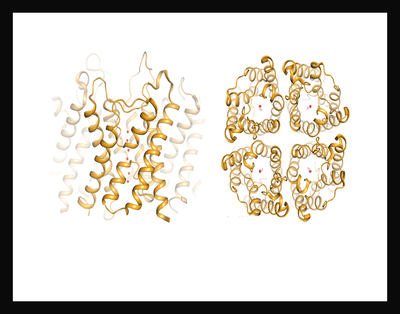
• Leading scientist wins €2.2 million ERC Advanced Grant • The five-year project will explore early dementia interventions through understanding how an aquaporin water channel regulates glymphatic clearance • ERC Advanced Grant funding is amongst the most prestigious and competitive of the EU funding schemes. A world leading scientist in the College of Health and Life Sciences at Aston University has been awarded a €2.2 million ERC Advanced Grant to understand how the movement of a protein known as aquaporin-4 in the brain can help slow cognitive decline. The FORTIFY project, which will run for five years, is led by Professor Roslyn Bill in the School of Biosciences. She will apply her discovery of the movement of aquaporin-4 to understand how the cleaning mechanism in the brain works during sleep. The research will focus on how aquaporin-4 controls the glymphatic system, which is the mechanism that allows us to clear waste products from our brains while we sleep. Her hypothesis is that the movement of aquaporin-4 in the brain changes the effectiveness of this cleansing mechanism - which lessens as people age. A greater understanding of this process could lead to an early intervention treatment that could slow the onset of dementia, such as Alzheimer’s and Parkinson’s Diseases. ERC Advanced Grant funding is amongst the most prestigious and competitive of the EU funding schemes, providing researchers with the opportunity to pursue ambitious, curiosity-driven projects that could lead to major scientific breakthroughs. Professor Bill said: “Every three seconds someone in the world develops dementia and there is no cure. I want to stop that from happening. By understanding the molecular mechanisms of brain waste clearance, we have an opportunity to develop medicines that can slow the onset of dementia, very much in the same way that statins are prescribed to control heart disease”. Roslyn Bill discovered that the water channel protein aquaporin-4 increases the permeability of brain cells to water after a brain or spinal cord injury. Around 60 million people a year suffer such injuries following falls or accidents. For example, after a skiing accident in the French Alps in 2013, Michael Schumacher suffered a severe head injury. He was placed in a medically induced coma and underwent several surgeries to treat his injuries. Until now doctors have only been able to manage the symptoms of brain injury (swelling on the brain) through interventions that may require surgery. Professor Bill and her team are due to start clinical trials in summer 2023, to test a method to stop the swelling from happening in its tracks, building on her discoveries. Roslyn’s new ERC-funded project, FORTIFY, will focus on how aquaporin-4 controls fluid flow in the healthy, uninjured brain. In this round of Advanced Grants, the European Research Council (ERC) is awarding €544 million to 218 outstanding research leaders across Europe, as part of the Horizon Europe programme. The grants will support cutting edge research in a wide range of fields, from medicine and physics to social sciences and humanities. The grant is awarded to established, leading researchers with a proven track-record of significant research achievements over the past decade. The funding will enable the researchers to explore their most innovative and ambitious ideas. Mariya Gabriel, European Commissioner for Innovation, Research, Culture, Education and Youth, said: “ERC grants are a top recognition and a significant commitment from our best researchers. The €544 million funding puts our 218 research leaders, together with their teams of postdoctoral fellows, PhD students and research staff, in pole position to push back the boundaries of our knowledge, break new ground and build foundations for future growth and prosperity in Europe” Maria Leptin, ERC President, added: "These new ERC Advanced Grantees are a testament to the outstanding quality of research carried out across Europe. I am especially pleased to see such a high number of female researchers in this competition and that they are increasingly successful in securing funding. “We look forward to seeing the results of the new projects in the years to come, with many likely to lead to breakthroughs and new advances.”


For the third time, Modern Healthcare has selected ChristianaCare President and CEO Janice E. Nevin, M.D., MPH, for its Top 25 Women Leaders list. The editors highlighted the bold strategic enterprise plan that Dr. Nevin has set for ChristianaCare, which focuses on vital areas, including addressing care disparities, effectively supporting employees, simplifying access to health services and accelerating transformation and growth. They noted a number of specific initiatives related to the strategic plan, such as the rollout of Moxi cobots, which have improved the workflows for nurses and patient care technicians by handling low-value tasks like deliveries. Modern Healthcare also cited that this past year ChristianaCare spun off its first-ever private, commercial startup company, CorriXR Therapeutics, which is using CRISPR gene editing technology to develop cancer therapeutics, starting with lung cancer. “Dr. Nevin has set ChristianaCare on a bold path forward,” said Nicholas M. Marsini, Jr., chair of the ChristianaCare Health System Board of Directors. “She leads the health system guided by our values of love and excellence, addressing difficult problems head on with courage and empathy. As ChristianaCare sets a model in so many ways for other health care organizations across the country, Dr. Nevin’s local and national impact make her most deserving of this recognition.” Dr. Nevin has been president and CEO of ChristianaCare since 2014. Under her leadership ChristianaCare has become one of America’s 50 Best Hospitals, according to Healthgrades. The system has also been lauded as one of the nation’s best large employers overall and specifically for inclusion and diversity. Modern Healthcare’s list of the Top 25 Women Leaders acknowledges and honors women executives from all sectors of the health care industry for their contributions to care delivery improvement, health equity, policy and gender equity in leadership. “They are innovators and team-builders advancing their organizations. They are mentoring co-workers while inspiring others to pursue careers in the industry,” said Mary Ellen Podmolik, editor-in-chief of Modern Healthcare. “And externally, they are forging coalitions to improve access to care for all patients. The women we’ve selected this year, from hundreds of nominations, are leading important advancements in the nation’s healthcare system.” This year’s honorees are profiled in the Feb. 20 issue of Modern Healthcare magazine and online at www.modernhealthcare.com/topwomenexecs.

Craig M. Harvey, Ph.D., has been selected to serve as the new dean of the Allen E. Paulson College of Engineering and Computing beginning July 1. “I am excited to welcome Dean Craig Harvey to Georgia Southern University as the next generation of leadership for the College of Engineering and Computing,” said Carl L. Reiber, Ph.D., provost and vice president for academic affairs. “Dean Harvey brings with him an understanding of what a vibrant and growing research university will need to move to the next level as our region expands in its engineering and computing needs.” Harvey comes to Georgia Southern University from Louisiana State University, where he serves as the associate dean for academic affairs of the College of Engineering, professor of Industrial Engineering and is the holder of the Donald W. Clayton University Professorship. He brings to Georgia Southern a wealth of knowledge in leadership, student growth and expansion and advanced engineering studies. “It will be a great honor to serve as the next dean of the Allen E. Paulson College of Engineering and Computing, a college that prepares graduates in engineering, construction and computing to be ready to take on the challenges facing Georgia and the country in the 21st century,” Harvey said. “I look forward to working with faculty, staff, students, alumni and industry to position the college to meet the future demands in both education and research in the state where my engineering career began.” His research interests include human computer interaction, usability engineering, human collaboration within complex environments, human factors engineering and safety engineering. Harvey worked full time as a maintenance engineer and captain at Grand Forks Air Base in North Dakota and served in the United States Air Force Reserves while earning a Ph.D. in industrial engineering from Purdue University. He holds a bachelor's in industrial engineering from Georgia Institute of Technology and a master's in industrial engineering degree from Purdue University in West Lafayette, Indiana. For more information — simply reach out to Georgia Southern Director of Communications Jennifer Wise at jwise@georgiasouthern.edu to arrange an interview today.


AI-Generated Content is a Game Changer for Marketers, but at What Cost?
Goizueta’s David Schweidel pitted man against the machine to create SEO web content only to find that providing an editor with bot-generated content trounces the human copywriter every time. Good news for companies looking to boost productivity and save cash, he says. But could there be other hidden costs? In December 2022, The New York Times ran a piece looking back on the year’s biggest consumer tech updates. The review was mixed. Ownership shifts in the world of social media garnered special mentions, but hardware innovations had been largely “meh,’ mused the Times. There was one breakthrough area that warranted attention, however: AI-powered language-processing tech capable of generating natural-looking text, the same technology that powers familiar chatbots. And one such technology could well be poised to “invade our lives in 2023.” Earlier in December, AI research lab OpenAI, released the latest update to its Generative Pre-Trained Transformer technology, an open source artificial intelligence. It’s latest iteration, ChatGPT, immediately went viral. Here was an AI assistant that sounded intelligent. Not only could it answer any question thrown its way without supervised training, but when prompted, it could also write blog posts, as well as find and fix bugs in programming code. ChatGPT could draft business proposals and even tell jokes. All of this at a speed that beggared belief. Since its first release in 2020, OpenAI’s GPT technology has powered through a slew of updates that have seen its capabilities leap forward “by light years” in less than 24 months, says Goizueta Professor of Marketing, David Schweidel. For businesses looking to harness this rapidly-evolving technology, the potential is clearly enormous. But aren’t there also risks that industry and consumers alike will need to navigate? Schweidel is clear that the academic community and initiatives such as the Emory AI Humanity Initiative have a critical role in asking hard questions—and in determining the limitations and dangers, as well as the opportunities, inherent in tech innovation—because, as he puts it, “these things are going to happen whether we like it or not.” Man Versus Machine To that end, Schweidel and colleagues from Vienna University of Economics and Business and the Modul University of Vienna have put together a study looking at how well natural language generation technologies perform in one specific area of marketing: drafting bespoke content for website search engine optimization, better known as SEO. What they find is that content crafted by the machine, after light human editing, systematically outperforms its human counterparts—and by a staggering margin. Digging through the results, Schweidel and his colleagues can actually pinpoint an almost 80 percent success rate for appearing on the first page of search engine results with AI-generated content. This compares with just 22 perfect of content created by human SEO experts. In other words, the AI content passed to a human is roughly four times more effective than a skilled copywriter working alone. Reaching these findings meant running two real-time, real-world experiments, says Schweidel. First, he and his colleagues had to program the machine, in this case GPT 2, an earlier incarnation of GPT. GPT relies on natural language generation (NGL), a software process that converts manually uploaded input into authentic-sounding text or content—comparable in some ways to the human process of translating ideas into speech or writing. To prepare GPT-2 for SEO-specific content creation, Schweidel et al. started with the pre-trained GPT-2, and then let the machine do the heavy lifting: searching the internet for appropriate results based on the desired keyword, scraping the text of the websites, and updating GPT-2 to “learn” what SEO looks like, says Schweidel. We partnered with an IT firm and a university to run our field experiments. This meant creating SEO content for their websites using GPT-2 and actual human SEO experts, and then doing A/B testing to see which content was more successful in terms of landing in the top 10 search engine results on Google. So this was an opportunity to put the AI bot to the test in a real-world setting to see how it would perform against people. The results point to one clear winner. Not only did content from GPT-2 outperform its human rivals in SEO capabilities, it did so at scale. The AI-generated content scored a daily median result of seven or more hits in the first page of Google search results. The human-written copy didn’t make it onto the first result page at all. On its best day, GPT showed up for 15 of its 19 pages of search terms inside the top 10 search engine results page, compared with just two of the nine pages created by the human copywriters—a success rate of just under 80 percent compared to 22 percent. Savings at Scale The machine-generated content, after being edited by a human, trounces the human in SEO. But that’s not all, says Schweidel. The GPT bot was also able to produce content in a fraction of the time taken by the writers, reducing production time and associated labor costs by more than 90 percent, he says. “In our experiments, the copywriters took around four hours to write a page, while the GPT bot and human editor took 30 minutes. Now assuming the average copywriter makes an annual $45K on the basis of 1,567 hours of work, we calculate that the company we partnered with would stand to save more than $100,000 over a five-year period just by using the AI bot in conjunction with a human editor, rather than relying on SEO experts to craft content. That’s a 91 percent drop in the average cost of creating SEO content. It’s an orders of magnitude difference in productivity and costs.” But there are caveats. First off, there’s the quality of the machine-generated content to consider. For all its mind-boggling capabilities, even the newly released ChatGPT tends to read somewhat sterile, says Schweidel. That’s a problem both in terms of Google guidelines and brand coherence. Human editors are still needed in order to attenuate copy that can sound a little “mechanical.” “Google is pretty clear in its guidelines: Content generated by machines alone is a definite no-no. You also need to factor in the uncanny valley effect whereby something not quite human can come off as weird. Having an editor come in to smooth out AI content is critical to brand voice as well as the human touch.” Asking the Big Questions Then there are the moral and metaphysical dimensions of machine learning and creativity that beg an important question: Just because we can, does that mean we should? Here, Schweidel has grave reservations about the future of ChatGPT and its ilk. The potential of this kind of technology is extraordinarily exciting when you think about the challenges we face from productivity to pandemics, from sustainable growth to climate change. But let’s be very clear about the risks, too. AI is already capable of creating content—audio, visual and written—that looks and feels authentic. In a world that is hugely polarized, you have to ask yourself: How can that be weaponized? At the end of the day, says Schweidel, the large language models powering these generative AIs are essentially “stochastic parrots:” trained mimics whose output can be hard to predict. In the wrong hands, he warns, the potential for misinformation—and worse—could well be “terrifying.” “Shiny new tech is neither inherently good nor bad. It’s human nature to push the boundaries. But we need to ensure that the guardrails are in place to regulate innovation at this kind of pace, and that’s not easy. Governments typically lag far behind OpenAI and companies like them, even academics have a hard time keeping up. The real challenge ahead of us will be about innovating the guardrails in tandem with the tech—innovating our responsible practices and processes. Without effective safeguards in place, we’re on a path to potential destruction.” Covering AI or interesting in knowing more about this fascinating topic - then let our experts help with your coverage and stories. David Schweidel is the Rebecca Cheney McGreevy Endowed Chair and Professor of Marketing at Emory University's Goizueta Business School. Simply click on David's icon now to arrange an interview today.


Aston University bioenergy researchers to improve measurement of industrial carbon dioxide
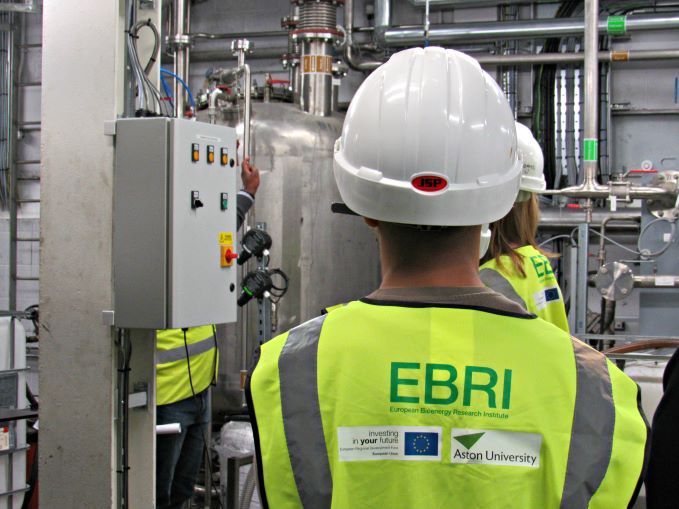
Researchers at Aston University are to take the UK a step nearer to net zero emissions by developing a better system of measuring industrial carbon dioxide. The government is giving the University £100,000 to improve measurement of CO2 streams from sites such as at power plants and factories. The Energy and Bioproducts Research Institute (EBRI) at Aston University is to develop a comprehensive guide based on industry and academic expertise. Industrial decarbonisation will play a major role in achieving the UK’s 2050 ambitious net zero emissions target, however current measurement guidelines need to be improved. The six-month project will be a collaboration between EBRI researchers and the company Progressive Energy and the Energy Institute. Progressive Energy will work alongside potential end-users and the Energy Institute will help to ensure the final guidelines are clear. The work is being led by Dr Paula Blanco Sanchez, who has more than 15 years of experience in bioenergy. She said: “This funding will help Aston University to address a major gap in the decarbonisation pathway. It will contribute to the UK’s net zero target and is another example of how the University is using its expertise to tackle real world problems. “Our experts in EBRI will provide research, industrial experience and knowledge in areas such as gas measurement, metric and analytics, life cycle and techno-economic assessments, and thermal conversion processes.” The funding has been awarded by the Industrial Decarbonisation Research and Innovation Centre (IDRIC) to achieve the net zero ambition set out in the UK Industrial Decarbonisation Strategy (2021). Bryony Livesey, challenge director, Industrial Decarbonisation Challenge, UKRI, said: “The announcement of this funding continues to build upon IDRIC’s whole system approach to decarbonising industry, enabling the UK to remain at the forefront of a global low-carbon future. These successful Wave 2 projects will build evidence on a range of areas from economics and emissions to skilled jobs and wider net zero policy, supporting UK’s green growth and net zero ambitions.” It’s hoped the Aston University project will lead to future collaborations and funding to support UK industry to decarbonise their businesses. In May, June and September the EBRI plant will be opening its doors to professionals who want to enhance their careers with a short hands-on course in Practical Process Engineering. For more information visit https://www.aston.ac.uk/study/courses/practical-process-engineering

Aston University research to support SMEs and mid-sized companies to be ‘future ready’
‘Future readiness’ is defined as a set of capabilities and orientations that enable companies to thrive in the future Researchers say SMEs and mid-sized companies’ leadership should focus on bridging their resilience gap and exploiting their high level of agility The report found circular economy can combat environment and social impact without sacrificing economic performance. A new report from Aston University has highlighted opportunities for small and medium sized enterprises (SMEs) and mid-sized companies to develop strategies and pathways to increase their future readiness. The report defines future readiness as “a set of capabilities and orientations that enable companies to thrive in the future”. For SMEs and mid-sized businesses to be future-ready, they must be successful on the three pillars of long-term growth, societal impact and adaptive capacity. Experts say they must be able to generate lasting financial strength driven by innovative business models, products and/or services, to affect society positively in line with environmental, social and governance (ESG) goals and to develop high levels of resilience and agility, which enables them to bounce back in difficult times and to identify and seize opportunities as they emerge, creating disruption in business models for the future. The report aims to support leadership teams and the wider ecosystem in understanding how they can help increase the capacity for smaller companies to thrive and positively impact the economy and environment, as well as aid the recovery from the pandemic. Experts also say that circular economy adoption, where the ‘make, use and throw away’ supply chain is converted to ‘take, make, distribute, use and recycle’, in SMEs and mid-sized companies creates a win-win situation for every supply chain stakeholder through sustainability measures to achieve economic, environment and social performance. The World Economic Forum will use the insights generated in this report to further support SMEs and mid-sized companies in their future readiness journey. This will be done through the creation of additional resources, including the continuous development of the Forum’s self-assessment and benchmarking tool on future readiness, the creation of a platform for informal peer-to-peer learning between companies and meet ups with key experts. Prasanta Kumar Dey, professor in operations and information management at Aston Business School and lead author of the report, said: “The post-COVID-19 era is significantly more challenging than most people had initially hoped. Heightened geopolitical tensions, the energy crisis, supply chain disruptions, hyperinflation and extreme weather events are just a few of the difficulties that will make the next decade a demanding one. “SMEs and mid-sized companies’ leadership should try to focus on bridging their resilience gap and exploiting their high level of agility, afforded by their smaller size, as a competitive advantage. “Future readiness capability building should not be developed as ad-hoc initiatives but should be embedded into key corporate strategies and decision-making processes, ideally from the beginning, so that it becomes part of the fundamental building blocks of the company. “While smaller companies can go a long way in building their future readiness, it is important to recognise the direct and important impact that their wider policy environment has on their ability to thrive. It is therefore crucial for policymakers, investors and other stakeholders to do what is in their capabilities to contribute to building the future readiness of this segment of the economy. “One of the high-impact areas of intervention at the system levels revolves around digital trade and includes implementing targeted measures to harmonize and drive trade data interoperability across borders and supply chains. This would greatly contribute to making it easier for smaller companies to trade internationally.” You can find out more about the report findings here.
