
Experts Matter. Find Yours.
Connect for media, speaking, professional opportunities & more.
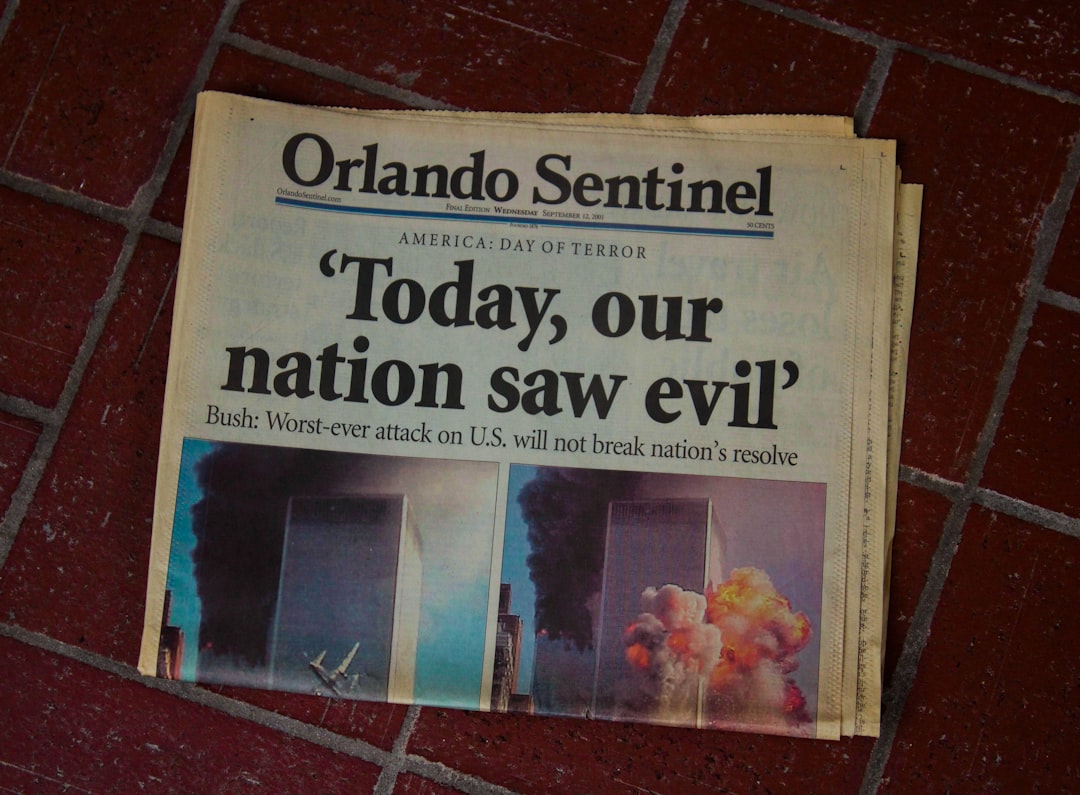
#ExpertSpotlight: The Day That Redefined America: 9/11 and Its Lasting Impact
September 11, 2001 marked a pivot in American history—a day when the nation’s sense of safety was shattered, and its collective identity reshaped. The attacks triggered sweeping changes in security, government authority, social behavior, and even cultural cohesion. Today, the legacy of 9/11 lives on in how we remember, govern, and connect. A Nation in Shock—and Unity On that fall morning, the U.S. witnessed a tragedy that killed nearly 3,000 people and devastated the nation’s psyche. In the immediate aftermath, grief turned into solidarity—as most Americans tuned into televised coverage, felt sadness, anger, and fear, yet paradoxically came together in an extraordinary show of patriotism and trust in institutions. In the months that followed, confidence in government reached levels unseen in decades—fueled by mourning, resolve, and a collective desire to heal. The Rise of “Homeland Security” & Executive Power Almost immediately, the U.S. government unleashed legal and structural transformations. The USA PATRIOT Act, passed just weeks later in October 2001, significantly expanded surveillance and law enforcement powers for domestic security—raising ongoing concerns about civil liberties. Alongside this, the Department of Homeland Security was created in 2002, bringing together 22 agencies to coordinate security against future threats and reinforcing a new era of national vigilance. Economic Shock and Air Travel Overhaul The attacks triggered immediate economic consequences: U.S. stock markets plunged, airlines and insurers suffered heavy losses, and GDP forecasts were revised downward. Meanwhile, the aviation sector underwent a rapid and lasting modernization in security protocols and flight routing. Notably, Canada’s Operation Yellow Ribbon absorbed diverted flights in the chaos, highlighting international cooperation amid crisis. Legal Precedents and Global Conflict Congress quickly approved the broad-ranging Authorization for Use of Military Force (AUMF), enabling the U.S. to pursue adversaries globally—a mandate that has since been interpreted far beyond its original context, shaping nearly two decades of “forever wars.” These legal expansions—and the accompanying conflicts in Afghanistan and Iraq—signaled a new global posture that redefined American foreign policy. Remembering, Serving, and the Legacy Continues In the years since, public memory of 9/11 has evolved—from solemn remembrance to proactive service. Patriot Day, proclaimed a national day of mourning and service, now encourages millions of Americans each year to volunteer in honor of those lost and the unity felt afterward. These acts of service continue to reflect the enduring spirit of resilience and community. Connect with our experts on the history, significance, and lasting impact of 9/11 on American life and policy. Check out our experts here : www.expertfile.com


Are you ready for some football?
From its modest beginnings in the late 19th century to becoming America’s most-watched sport, professional football has not only entertained generations but also transformed communities, economies, and culture. Today, the National Football League (NFL) stands as a global brand, symbolizing both the triumphs and tensions of American life. Early Beginnings Professional football took root in the 1890s, when athletic clubs in Pennsylvania began paying players under the table. In 1920, a group of teams formed the American Professional Football Association, later renamed the NFL in 1922. Early decades were marked by instability, but the league grew steadily, and by the 1950s, with the rise of television, football began capturing national attention. The 1958 NFL Championship Game—dubbed the “Greatest Game Ever Played”—cemented football as America’s sport of the future, setting the stage for the AFL-NFL rivalry of the 1960s and the eventual Super Bowl, first played in 1967. Economic Impact Football is now one of the most powerful economic engines in American sports. The NFL generates more than $18 billion annually, with billions flowing into local economies through stadium construction, tourism, and broadcasting rights. Super Bowl weekend alone can inject hundreds of millions of dollars into host cities. The game has also reshaped industries—from sports broadcasting and advertising to fantasy leagues and legalized sports betting. It drives sponsorships, merchandise sales, and jobs connected to media, hospitality, and infrastructure. Social and Cultural Significance Football’s reach extends beyond the field. It has served as a stage for some of America’s most important social conversations—from racial integration in the 1940s, to gender roles in sports media, to the modern debates over player safety and activism. Figures like Jackie Robinson in baseball broke barriers, but in football, trailblazers such as Kenny Washington (first African American to reintegrate the NFL in 1946) helped reshape opportunity and inclusion. In more recent years, high-profile advocacy by players on issues ranging from racial justice to mental health has placed the sport squarely in the middle of national debates. At the same time, concerns about concussions and long-term health risks have fueled public dialogue on workplace safety and medical ethics, echoing issues seen across many industries. A Lasting Legacy Football is more than a game. It has become a unifying tradition—whether through Friday night lights in small towns, college rivalries that galvanize entire states, or Super Bowl Sunday as an unofficial national holiday. Its economic and cultural significance continues to expand, reflecting both America’s passion for competition and its ongoing social evolution. Connect with our experts about the history and significance of professional football in America: Check out our experts here : www.expertfile.com
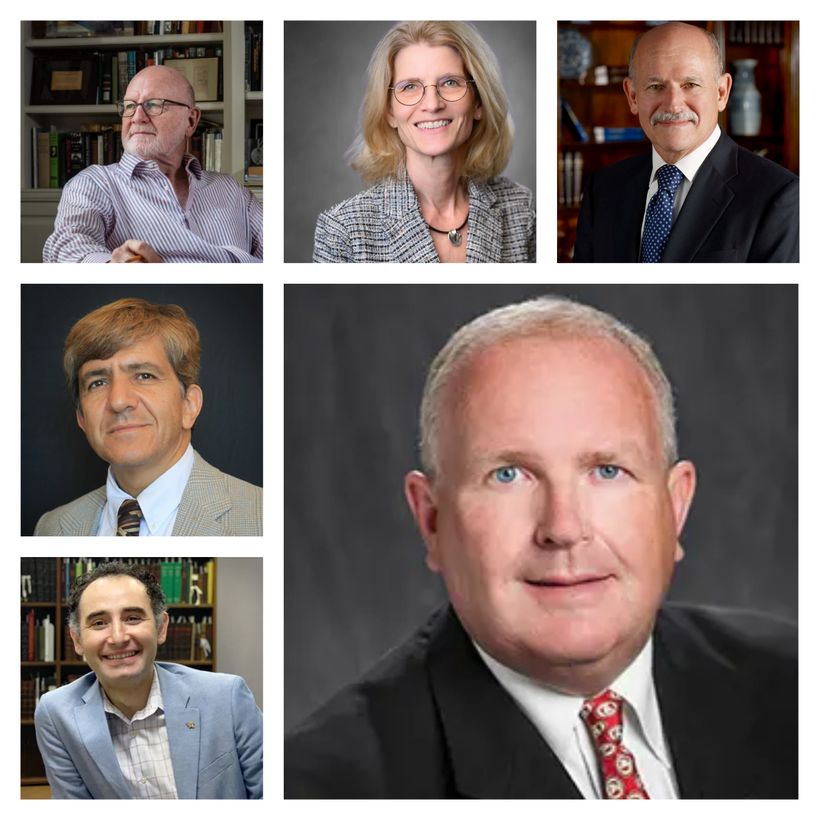
Largest Cohort in LSU History: Six Distinguished Faculty Members Named Boyd Professors
Named in honor of brothers Thomas and David Boyd, early presidents and faculty members of LSU, the Boyd Professorship recognizes faculty who bring honor and prestige to LSU through their national and, as appropriate, international recognition for outstanding achievements. Before today, only 79 faculty members from all of LSU’s campuses have ever achieved this distinguished rank. The newest cohort of Boyd Professors represent a wide variety of disciplines and hail from three of LSU’s eight campuses: LSU A&M, Pennington Biomedical Research Center, and LSU Shreveport. This group includes LSU Shreveport’s first-ever Boyd Professor, a landmark achievement for the campus and a testament to its academic distinction. As the largest group of Boyd Professors ever named at one time, this cohort underscores LSU’s rising reputation for research excellence across all of its campuses. “This is a moment of real pride for LSU. Naming six new Boyd Professors is not only historic in scale, it's a clear reflection of the extraordinary strength and momentum of our academic enterprise,” said Interim LSU President Matt Lee. “These scholars are advancing knowledge in ways that reach far beyond our campuses, and their work is helping to define LSU’s place on the national and global stage. I am especially proud to see LSU Shreveport represented for the first time, a milestone that reflects the growing excellence across our campuses. This achievement is a powerful reminder of our commitment to advancing scholarship and shaping the future through research, education, and service.” The newest Boyd Professors are: Mette Gaarde, Les and Dot Broussard Alumni Professor, Department of Physics and Astronomy, College of Science, LSU A&M John Maxwell Hamilton, Hopkins P. Breazeale LSU Foundation Professor, Manship School of Mass Communication, LSU A&M Steven Heymsfield, Professor of Metabolism and Body Composition, Pennington Biomedical Research Center Michael Khonsari, Dow Chemical Endowed Chair and Professor, Department of Mechanical Engineering, College of Engineering, LSU A&M Alexander Mikaberidze, Professor of History, Ruth Herring Noel Endowed Chair, College of Arts & Sciences, LSU Shreveport R. Kelley Pace, Professor, Department of Finance, E. J. Ourso College of Business, LSU A&M Nominations for the Boyd Professorship are initiated in the college, routed for review and support at the campus level, then considered by the LSU Boyd Professorship Review Committee, which seeks confidential evaluations from dozens of distinguished scholars in the candidate’s field of expertise. Once endorsed by the review committee, the nomination is forwarded to the LSU President and Board of Supervisors for consideration. With this distinction, a Boyd Professor’s compensation is elevated to reflect the stature of LSU’s most distinguished faculty, with a salary set at no less than the 95th percentile of full professors in comparable disciplines at peer public institutions across the southeastern United States. They also receive an annual stipend to further support their research and scholarly pursuits. Please join us in congratulating these faculty on this outstanding accomplishment.

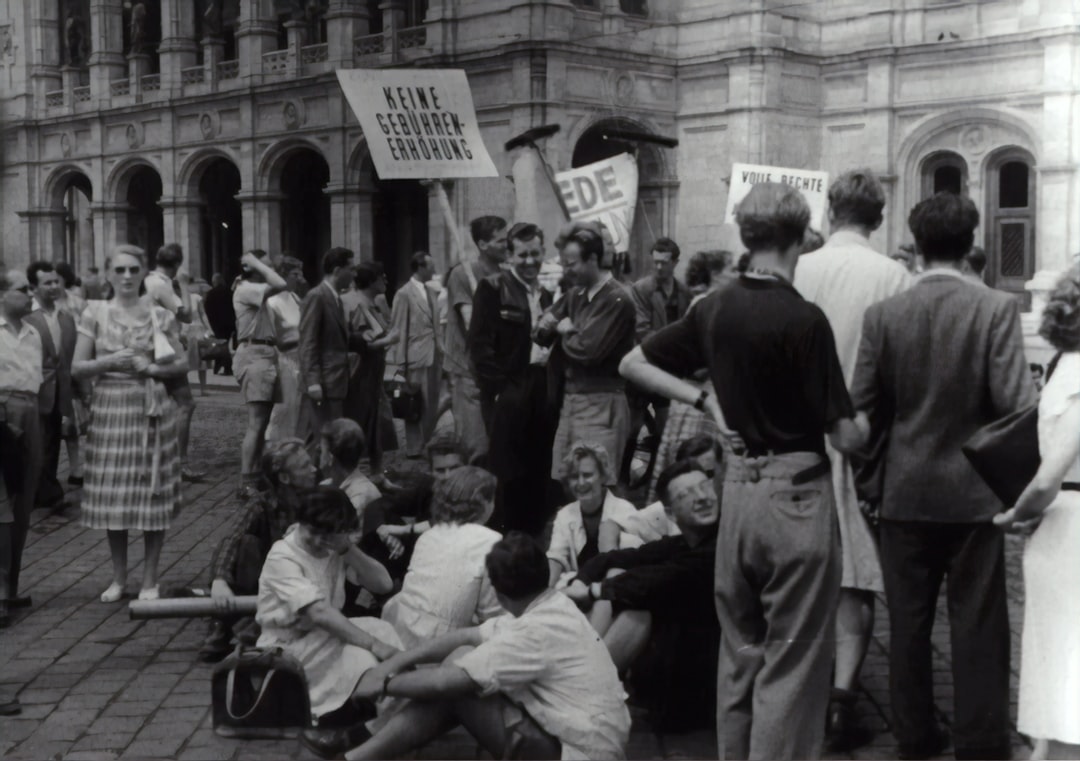
ExpertSpotlight: The History of Labor Day
What began as a modest parade in New York City has grown into a national holiday that honors the contributions of American workers and continues to spark conversations about labor rights today. Observed on the first Monday of September, Labor Day is both a tribute to the workforce and a cultural milestone marking the close of summer. From Parade to Holiday The first Labor Day celebration took place on September 5, 1882, when roughly 10,000 workers marched through New York City in a demonstration organized by the Central Labor Union. The parade, followed by a picnic and speeches, was designed to showcase the unity and strength of trade and labor organizations. The origins of the idea remain contested. Some credit Peter J. McGuire, co-founder of the United Brotherhood of Carpenters, while others point to Matthew Maguire, a machinist and secretary of the Central Labor Union. Regardless of its champion, the concept spread quickly. By the late 1880s, states began adopting Labor Day as an official holiday. In 1894, following a wave of labor unrest that included the Pullman Strike, President Grover Cleveland signed legislation declaring the first Monday in September a federal holiday. Labor Day vs. May Day Unlike May Day (May 1)—which became closely associated with international labor movements and the more radical legacy of the Haymarket Affair of 1886—Labor Day was intended as a uniquely American holiday. Its September placement emphasized unity and recognition without the confrontational overtones of May Day. Over time, this distinction gave Labor Day a broader cultural resonance in the United States. A Living Tradition While barbecues, parades, and retail sales now dominate many Labor Day weekends, the holiday’s deeper meaning endures. It is a reminder of the hard-won gains of the labor movement, from the eight-hour workday to workplace safety protections, as well as the continuing debates over wages, unionization, and economic fairness. Even traditions like the etiquette rule of not wearing white after Labor Day reflect how the holiday shaped cultural norms at the turn of the 20th century. Today, beyond its role as summer’s unofficial finale, Labor Day continues to honor the dignity and achievements of working people across the country. Connect with our experts about the History of Labor Day. Check out our experts here : www.expertfile.com

Colorado wildfires will have severe mental health impact on residents and firefighters
The historic wildfire season in Colorado includes some of the largest in its history, leading to firefighter burnout and resource shortages. University of Delaware epidemiologist Jennifer Horney says that first responders, as well as Colorado residents, will be at risk for both physical and mental health impacts of the fires. "The fires, and the expected flash floods and mud slides to follow, will also be a test of a reduced focus on, and investment in, federal disaster response and hazard mitigation," said Horney, professor and director of UD's epidemiology program. In addition to research on the impacts of natural disasters on public health, Horney also studies linkages between disaster planning and the actions communities and individuals take to prepare, respond and recover. To set up an interview, visit her ExpertFile profile and click on the "contact" button. Reporters can also email MediaRelations@udel.edu.



In an age of fast-moving misinformation, our expert teaches students how to spot what’s credible
As the new academic year begins, and at a time when misinformation often travels faster than facts, University of Rochester’s Kevin Meuwissen offers educators and young learners clarity and practical strategies for identifying credible sources. As an associate professor and chair of teaching and curriculum at the Warner School of Education and Human Development, Meuwissen focuses on how children and teens learn about politics and history — and how they can be taught to critically evaluate what they consume. “Young people pay close attention to who’s been consistently accurate,” he says. “They’re more likely to trust someone over time if their information holds up.” To empower students in our complex information environment, Meuwissen champions the so-called SIFT method — an easy-to-remember acronym and evidence-based toolkit that breaks down like this: • Stop! Pause before reacting or sharing • Investigate the source • Find better coverage • Trace claims back to their origin He also warns about how emotional framing, AI-generated visuals, deep fakes, and repeated exposure can distort judgment through the illusory truth effect — making misinformation feel believable even when it isn’t. His "Ever Wonder: How Can You Tell If A Source Is Credible?" video is a handy teaching tool. Meuwissen and his colleagues encourage teachers grappling with resistance over topics like climate science to consider not just evidence depth, but also students’ identities — political, cultural, and otherwise — when designing lessons. His approach emphasizes building trust, modeling thoughtful verification, and nurturing classroom norms rooted in accuracy — traits essential for forming discerning digital citizens. Kevin Meuwissen is available for interviews about identifying misinformation. He can be contacted through Warner School of Education Director of Communications Theresa Danylak at tdanylak@warner.rochester.edu.

In a landmark moment for ChristianaCare, more than 1,500 guests gathered on Saturday, July 26, to celebrate the grand opening of ChristianaCare Hospital, West Grove, the organization’s first neighborhood hospital in its 188-year history. The event was a vibrant showcase of community spirit, heartfelt connection and ChristianaCare’s unwavering commitment to delivering exceptional care. “This day was about more than opening our doors. It was about opening our hearts to the community,” said Pauline Corso, president of Ambulatory Network Continuity and Growth at ChristianaCare. “We are here to serve, to listen and to grow with the people of West Grove,” Corso said. “Today’s celebration was a joyful reflection of that commitment.” The West Grove campus was full of energy and excitement, with activities for all ages. Kids enjoyed face painting and bounce houses, while families took guided tours of the new hospital, sampled tasty treats and checked out emergency vehicles during the popular Touch-a-Truck experience. The ChristianaCare LifeNet helicopter was a crowd favorite. Guests were among the first to step inside the state-of-the-art facility and meet the caregivers who will soon deliver health care with excellence and love, right in the heart of southern Chester County. Set to open in mid-August, ChristianaCare Hospital, West Grove introduces a new model of emergency and acute care designed to meet the needs of the community. The exact opening date will be confirmed following final inspection by the Pennsylvania Department of Health, scheduled for the first week of August.


ChristianaCare Hospital, West Grove to Open Mid-August 2025
ChristianaCare is opening its first neighborhood hospital in the company’s 188 year history — ChristianaCare Hospital, West Grove. Set to open in mid-August, this facility offers a new model of emergency and acute care right in the heart of southern Chester County. The exact opening date will be confirmed following final inspection by the Pennsylvania Department of Health, which is scheduled to occur in the first week of August. A Modern Hospital, Right in the Neighborhood Located at 1015 West Baltimore Pike, the 20,000-square-foot hospital will operate 24/7, offering around-the-clock care in a modern, easy-to-access setting. Developed in partnership with Emerus Holdings, Inc., the nation’s leading developer of neighborhood hospitals, this facility brings high-quality acute and emergency care directly into the community. It will be staffed with board-certified emergency physicians, skilled nurses and clinical specialists, all dedicated to delivering patient-first, efficient and compassionate care. “It’s an honor and privilege to expand access to high-quality care for our neighbors in southern Chester County,” said Janice Nevin, M.D., MPH, president and CEO of ChristianaCare. “We will be opening our doors for the families in this community with a steadfast commitment to being their trusted health care partner. We’re grateful for the opportunity to bring love and excellence to those we will serve.” Convenient, Comprehensive Services ChristianaCare Hospital, West Grove is designed to meet a wide range of everyday medical needs. Key features include: A full-service emergency department with 10 treatment rooms. A 10-bed inpatient unit for overnight stays, observation and diagnostics. Advanced imaging and lab services, including ultrasound, CT scan and X-ray. Virtual access to specialists in such areas as cardiology, critical care and infectious disease. The emergency department is equipped to treat conditions such as falls, injuries, heart attacks and strokes. Patients requiring surgery or more complex care will be stabilized and seamlessly transferred to a hospital with more expanded service offerings based on the clinical needs of the patient. “This neighborhood hospital brings the right mix of services to support the health and well-being of our neighbors,” said Pauline Corso, president of ambulatory network continuity and growth at ChristianaCare. “We’re excited to bring care close to home to meet the needs of the community. We’re here to stay and grow alongside this community.” The project has received strong local support and was made possible in part by generous grants from the Commonwealth of Pennsylvania and the Chester County Board of Commissioners — Josh Maxwell, Marian Moskowitz, and Eric Roe — whose leadership helped bring this vision to life. Health Center Expands Access to Primary and Specialty Care As part of its long-term investment in the West Grove Campus, ChristianaCare has also purchased the building at 900 W. Baltimore Pike, across the street from the hospital. This facility currently houses a ChristianaCare primary care practice and imaging services, offering walk-in X-rays and scheduled mammography and ultrasound appointments. This health center will continue to evolve to meet the growing needs of the community. Meeting Regional Needs with a Broader Vision ChristianaCare is expanding its neighborhood hospital model to address care gaps across southeastern Pennsylvania. New hospitals are being planned for Aston and Springfield Townships in Delaware County, with the Aston location already under construction and expected to open in late 2026. In addition, ChristianaCare was the successful bidder for Crozer Health outpatient centers in Glen Mills, Havertown, Broomall and Media, further strengthening its regional footprint and ability to deliver timely, high-quality care. A Legacy of Care in Southeastern Pennsylvania ChristianaCare’s presence in the region is long-standing. The organization currently provides primary care at three Chester County locations — Kennett Square, Jennersville and West Grove — and recently opened a cardiology practice in West Grove. In neighboring Delaware County, the Concord Health Center in Chadds Ford offers a wide range of services, including primary care, women’s health, sports medicine, and behavioral health. Together, these sites serve as the medical home for more than 25,000 residents, underscoring ChristianaCare’s deep commitment to delivering accessible, high-quality care where it’s needed most.
Covering "meme stocks"? Our expert can help.
"Meme stock" fever in the financial markets is back and hotter than ever. If you're a reporter covering the trend now or in the future (because history suggests it'll boomerang), the University of Rochester invites you to reach out to Daniel Burnside, clinical professor of finance at the Simon School of Business, for insight. Burnside has held various roles in the investment, risk management and financial planning fields, and has worked extensively with both individual and institutional clientele. He recently helped Forbes explain the trend affecting stocks like Krispy Kreme and Kohl's and other brands, and offered advice on how investors should proceed. "You’re not investing in fundamentals, you’re betting on crowd psychology and social media dynamics,” Burnside told Forbes. Burnside encouraged potential investors to “keep it small.” “No more than, say, 5% of your portfolio,” he added. “It’s speculation, not strategy. If you can’t afford to lose it, you can’t afford to meme it.” Contact Burnside by clicking on is profile.

What did Ozzy Osbourne mean to music?
The world lost a heavy metal pioneer on Tuesday when Ozzy Osbourne, the frontman for the group Black Sabbath who went on to astounding commercial success as a solo artist, died at the age of 76. University of Rochester music professor John Covach can help frame the contributions the self-proclaimed “Prince of Darkness” made to the genre of heavy metal and popular music. “What’s That Sound?: An Introduction to Rock and Its History,” which Covach wrote with Carleton College professor Andrew Flory, is widely considered a landmark history of rock music. Covach can help distill heavy metal’s history and influences and Osbourne’s place in both. He recently helped The New York Times explain what made the album “Pet Sounds” a masterpiece for Beach Boys chief songwriter Brian Wilson. He has offered commentary to the New York Daily News on why artists might relinquish ownership of their music. Last year, he offered thoughts to The Boston Globe on the timeless appeal of aging rock ‘n’ rollers who are still packing arenas. Connect with Covach by clicking on his profile.
