
Experts Matter. Find Yours.
Connect for media, speaking, professional opportunities & more.
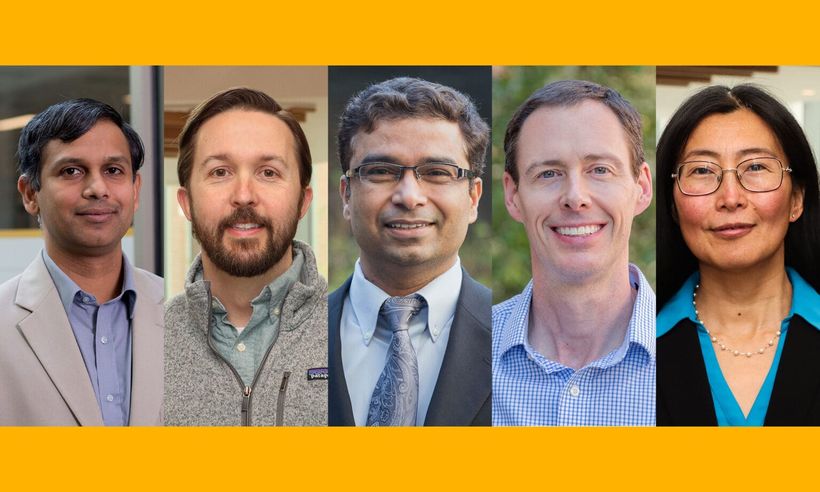
National Academy of Inventors welcomes five VCU College of Engineering researchers
The National Academy of Inventors (NAI) recently inducted five Virginia Commonwealth University (VCU) College of Engineering researchers as senior members. Chosen for their innovative engineering contributions, the honorees are recognized as visionary inventors whose groundbreaking research and patented technologies are driving meaningful societal and economic advancements across the national innovation landscape. “Invention represents the practical application of knowledge and stands as one of the many ways engineers can make a positive impact on their communities and the world,” said Azim Eskandarian, D.Sc, the Alice T. and William H. Goodwin Jr. Dean of the VCU College of Engineering. “This year’s honorees exemplify the interdisciplinary nature of our field, leveraging advanced concepts from mechanical, biomedical, chemical and pharmaceutical engineering to address today’s most pressing challenges. We are immensely proud that our dedicated researchers have earned recognition as members of the esteemed National Academy of Inventors.” The VCU College of Engineering NAI inductees are: Jayasimha Atulasimha, Ph.D. Engineering Foundation Professor Department of Mechanical & Nuclear Engineering An internationally recognized pioneer of straintronics, an approach to electrically control magnetism for ultra-low-energy computing, Atulasimha has made significant research contributions to next-generation memory, neuromorphic hardware and emerging quantum computing technologies. He holds four U.S. patents spanning energy-efficient magnetic memory, nanoscale computing architectures and medical tools. Atulasimha’s commercially viable inventions are funded by organizations like the Virginia Innovation Partnership Corporation and he leads multi-institutional collaborations that drive innovation in computing hardware, AI and quantum technologies with more than $10 million in funded research. Casey Grey, Ph.D. Postdoctoral Research Associate Department of Mechanical & Nuclear Engineering Bridging engineering and medicine, Grey’s work spans life‑saving stroke technologies, breakthrough respiratory and neurological care, and sustainable packaging. As a lead R&D scientist at WestRock, he helped create and commercialize the CanCollar® portfolio, a recyclable paperboard replacement for plastic beverage rings now used on five continents, eliminating thousands of tons of single‑use plastic annually. In medical device innovation, Grey’s patent and development work on a novel cyclic aspiration thrombectomy platform, currently in clinical trials, is advancing stroke treatment by enhancing clot removal efficiency and reducing long‑term disability. At the VCU College of engineering, Grey built a research and commercialization pipeline around neurological and respiratory technologies, securing eight provisional patents and leading multidisciplinary teams in neurology, neurosurgery, surgery, pharmacology and toxicology, internal medicine, and respiratory medicine. His work includes developing dry powder inhaler strategies for delivering life‑saving drugs to patients with acute respiratory distress syndrome (ARDS), a pediatric bubble CPAP system designed to protect brain development in premature infants, and non‑invasive, non‑pharmacological 40 Hz neuromodulation therapies to treat neurodegeneration and conditions with significant central nervous system complications, like sickle cell disease. In collaborations with the VCU Children’s Hospital and VCU Critical Care Hospital, Grey is leading two clinical studies that are translating these innovations to improve patient care. Ravi Hadimani, Ph.D. Associate Professor and Director of Biomagnetics Laboratory Department of Mechanical & Nuclear Engineering Hadimani founded RAM Phantoms LLC, a VCU startup company, commercializing anatomically accurate, MRI-derived brain phantoms for neuromodulation and neuroimaging applications. These brain phantoms help test and tune transcranial magnetic and deep brain stimulation technologies, improving clinical safety and enabling personalized therapy for patients. RAM Phantoms is also developing a highly-skilled workforce for employment in Virginia’s growing biomedical device industry. Beyond commercialization, Hadimani maintains a productive research program with more than $4.5 million in funding resulting in 125 original peer-reviewed publications, 17 current and pending patents, a book, and several book chapters. His biomagnetics lab serves as a training ground for undergraduate, graduate and Ph.D. students to hone their skills in innovation management, intellectual property strategy and startup development. Several students from Hadimani’s lab have engaged in translational research, patent co-authorship and start-up formation, cultivating a new generation of engineer-entrepreneurs equipped to drive future technological advances. Before joining VCU, Hadimani led the development of hybrid piezoelectric–photovoltaic materials that established FiberLec Inc., which commercialized multifunctional energy-harvesting fibers capable of converting solar, wind and vibrational energy into usable electricity. Worth Longest, Ph.D. Alice T. and William H. Goodwin, Jr. Distinguished Chair Department of Mechanical & Nuclear Engineering Uniting aerosol science, biomedical engineering and computational modeling, Longest is revolutionizing inhaled drug delivery. Working with collaborators, his lab has developed novel devices, formulations and delivery platforms that precisely target medications to the lungs, addressing conditions like cystic fibrosis, pneumonia, acute respiratory distress syndrome and neonatal respiratory distress syndrome. These innovations have resulted in multiple patents. Some of them have been licensed through commercial partnerships like Quench Medical, an organization advancing inhaled therapies for applications like lung cancer. Collaborating with the Gates Foundation and the lab of Michael Hindle, Ph.D., from the VCU Department of Pharmaceutics, Longest’s team developed a low-cost, high-efficacy aerosol surfactant therapy for pre-term infants based entirely on technology developed at VCU. The invention eliminates intubation, reduces dosage by a factor of 10, and cuts treatment costs. Over 9 million infant lives are projected to be saved by this technology between 2030 and 2050. Through a long-term collaboration with the U.S. Food and Drug Administration, Longest’s in vitro and computational methods provide federal regulatory guidance for generic inhaled medications. The VCU mouth-throat airway models developed under his leadership are used globally across the pharmaceutical industry and in government laboratories. Hong Zhao, Ph.D. Associate Professor Department of Mechanical & Nuclear Engineering Zhao holds 40 patents with innovations spanning additive manufacturing, stretchable electronics, inkjet printing technologies and superoleophobic materials that repel oils, greases, and low-surface-tension liquids. Her research has applications across health care, sustainable energy and advanced manufacturing. Prior to joining the College of Engineering, Zhao served as a senior research scientist and project leader at the Xerox Research Center, where she developed high-performance materials and printing technologies for commercial deployment. Her industry experience makes Zhao’s lab a hub for innovation and mentorship, with students engaging in innovative research and co-authoring publications. Zhao is an invited reviewer for more than 50 premier journals and grant agencies. “Working with distinguished researchers and innovators like those inducted into the National Academy of Inventors is a great honor for me,” said Arvind Agarwal, Ph.D., chair of the Department of Mechanical & Nuclear Engineering and NAI fellow. “They are an inspiration and showcase the kind of impact engineers can make. Having all five of these innovators as part of our department amplifies the scientific richness of our college and its societal impact. They advance the college’s mission of Engineering for Humanity, with research that brings a positive change to our world.” The 2026 NAI class of senior members, composed of 231 emerging inventors from NAI’s member institutions, is the largest to date. Hailing from 82 NAI member institutions across the globe, they hold over 2,000 U.S. patents.




With the opening of a new cardiology practice at its Wilmington campus, ChristianaCare is bringing life-saving treatment for peripheral artery disease (PAD) closer to home for people who live in and around the city of Wilmington. Peripheral artery disease happens when plaque builds up in the arteries and limits blood flow to the legs. This can cause pain, cramping and difficulty walking. If left untreated, it can lead to serious problems like limb loss, heart attack or stroke. “We’re on a mission to improve the heart and vascular health of our community, and one of the key ways we do that is to identify where people need access to care and ensure that it’s convenient, high-quality and accessible. ChristianaCare’s expansion of cardiology services to the Wilmington campus has made it easier for patients in Wilmington and the surrounding community to receive excellent heart and vascular care,” said Kirk Garratt, M.D., MSc, medical director of the Center for Heart and Vascular Health. “Importantly, it’s part of a multi-disciplinary effort to bring a focus on PAD that includes vascular surgery and interventional radiology. We’re expanding those services in the Wilmington community, too.” In Delaware, an estimated 45,000 to 50,000 people are living with PAD. The condition is more common among older adults and those with diabetes, high blood pressure or a history of smoking, all of which are widespread in the state. Because symptoms can be subtle, many people may not know they have it. That’s why awareness and early diagnosis are so important. Anyone who experiences leg pain, numbness or slow-healing sores should talk with their doctor. A simple test can measure blood flow, and with the right treatment or lifestyle changes, people can ease symptoms and lower their risk of serious complications. The new practice, located in the Gateway Building at Wilmington Hospital, 501 West 14th Street, 4th Floor, offers convenient access to diagnosis and treatment in the heart of the city. The practice is open on Wednesdays from 8 a.m. to 12 p.m., and hours will be adjusted based on patient demand. Meet the Cardiologist: Dr. Vikashsingh Rambhujun Board-certified interventional cardiologist Vikashsingh Rambhujun, MBBS, has cared for ChristianaCare patients for more than a decade and now sees patients at the Wilmington practice. Rambhujun earned his medical degree from SSR Medical College in Mauritius. He completed his residency in internal medicine at the NYU Grossman Long Island School in New York and did his fellowship in cardiovascular medicine and interventional cardiology at ChristianaCare. Rambhujun also spent a year doing interventional cardiology and endovascular medicine and interventions at Yale University Hospital in New Haven, Connecticut. His research has been published widely in medical journals. Rambhujun aims to help patients manage PAD before it becomes advanced. When appropriate, he can perform minimally invasive catheter-based procedures to open blockages in the arteries. “We have new patients with blockages that haven’t progressed to the point that they need a procedure, which is where we want to catch them,” Rambhujun said. “We can manage their cholesterol, blood pressure and other risk factors to prevent disease from progressing.” When Rambhujun began practicing in Wilmington, he made it a priority to speak at local community meetings, raising awareness about the warning signs of heart and vascular disease. His message is simple but urgent: don’t wait; seek treatment early. “We’re trying to help people keep their toes and feet,” he said. “When we treat blockages from peripheral artery disease, the difference can be dramatic,” he said. “Patients who once struggled to walk even a short distance because of pain can leave the hospital able to move freely again. Helping someone reclaim their basic freedoms to walk, stay active and enjoy life is incredibly rewarding.”



Expert Insight: Training Innovative AI to Provide Expert Guidance on Prescription Medications
A new wave of medications meant to treat Type II diabetes is grabbing headlines around the world for their ability to help people lose a significant amount of weight. They are called GLP-1 receptor agonists. By mimicking a glucagon-like peptide (GLP) naturally released by the body during digestion, they not only lower blood sugar but also slow digestion and increase the sense of fullness after eating. The two big names in GLP-1 agonists are Ozempic and Wegovy, and both are a form of semaglutide. Another medication, tirzepatide, is sold as Mounjaro and Zepbound. It is also a glucose-dependent insulinotropic polypeptide (GIP) agonist as well as GLP-1. Physicians have been prescribing semaglutide and tirzepatide with increasing frequency. However, both medications come with a host of side effects, including nausea and stomach pain, and are not suitable for every patient. Many clinics and physicians do not have immediate access to expert second opinions, as do the physicians at Emory Healthcare. Creating a Digital Twin That lack of an expert is one of the reasons Karl Kuhnert, professor in the practice of organization and management at Emory University’s Goizueta Business School, is using artificial intelligence to capture the expertise of physicians like Caroline Collins MD through the Tacit Object Modeler™, or TOM. By using TOM, developed by Merlynn Intelligence Technologies, Kuhnert and Collins can create her “decision-making digital twin.” This allows Collins to reveal her expertise as a primary care physician with Emory Healthcare and an Assistant Professor at Emory School of Medicine, where she has been leading the field in integrating lifestyle medicine into clinical practices and education. Traditional AI, like ChatGPT, uses massive amount of data points to predict outcomes using what’s known as explicit knowledge. But it isn’t necessarily learning as it goes. According to Kuhnert, TOM has been designed to learn how an expert, like Collins, decides whether or not to prescribe a drug like semaglutide to a patient. Wisdom or tacit knowledge is intuitive and rooted in experience and context. It is hard to communicate, and usually resides only in the expert’s mind. TOM’s ability to “peek into the expert’s mind makes it a compelling technology for accessing wisdom.” “Objective or explicit knowledge is known and can be shared with others,” says Kuhnert. "For example, ChatGPT uses explicit knowledge in its answers. It’s not creating something new. It may be new to you as you read it, but somebody, somewhere, before you, has created it. It’s understood as coming from some source." Karl Kuhnert “Tacit knowledge is subjective wisdom. Experts offer this, and we use their tacit know-how, their implicit knowledge, to make their decisions. If it were objective, everyone could do it. This is why we hire experts: They see things and know things others don’t; they see around corners.” Mimicking the Mind of a Medical Expert Teaching TOM to see around the corners requires Collins to work with the AI over the course of a few days. “Essentially what I do is I sit down with, in this case, a physician, and ask them, ‘What are thinking about when you make this decision?'” says Kuhnert. “The layperson might think that there are hundreds of variables in making a medical decision like this. With the expert’s tacit knowledge and experience, it is usually between seven and twelve variables. They decide based on these critical variables,” he says. "These experts have so much experience, they can cut away a lot of the noise around a decision and get right to the point and ask, ‘What am I looking at?’" Karl Kuhnert As TOM learns, it presents Collins with more and different scenarios for prescribing semaglutide. As she makes decisions, it remembers the variables present during her decision-making process. “Obviously, some variables are going to be more important than other variables. Certain combinations are going to be challenging,” says Collins. “Sometimes there are going to be some variables where I think, yes, this patient needs a GLP-1. Then there may be some variables where I think, no, this person really doesn’t need that. And which ones are going to win out? That’s really where TOM is valuable. It can say, okay, when in these difficult circumstances where there are conflicting variables, which one will ultimately be most important in making that decision?” The Process: Trusting AI After working with TOM for several hours, Collins will have reacted to enough scenarios for TOM to learn to make her decision. The Twin will need to demonstrate that it can replicate her decision-making with acceptable accuracy—high 90s to 100 percent. Once there, Collins’ Twin is ready to use. “I think it’s important to have concordance between what I would say in a situation and then what my digital twin would say in a situation because that’s our ultimate goal is to have an AI algorithm that can duplicate what my recommendation would be given these circumstances for a patient,” Collins says. “So, someone, whether that be an insurance company, or a patient themselves or another provider, would be able to consult TOM, and in essence, me, and say, in this scenario, would you prescribe a GLP-1 or not given this specific patient’s situation?” The patient’s current health and family history are critical when deciding whether or not to prescribe semaglutide. For example, according to Novo Nordisk, the makers of Ozempic, the drug should not be prescribed to patients with a history of problems with the pancreas or kidneys or with a family history of thyroid cancer. Those are just the start of a list of reasons why a patient may or may not be a good candidate for the medication. Kuhnert says, “What we’re learning is that there are so many primary care physicians right now that if you come in with a BMI over 25 and are prediabetic, you’re going to get (a prescription). But there’s much more data around this to suggest that there are people who are health marginalized, and they can’t do this. They should not have this (medication). It’s got to be distributed to people who can tolerate it and are safe.” Accessing the Digital Twin on TOM Collins’s digital twin could be available via something as easy to access as an iPhone app. “Part of my job is to provide the latest information to primary care physicians. Now, I can do this in a way that is very powerful for primary care physicians to go on their phones and put it in. It’s pretty remarkable, according to Colllins.” It is also transparent and importantly sourced information. Any physician using a digital twin created with TOM will know exactly whose expertise they are accessing, so anyone asking for a second opinion from Colllins will know they are using an expert physician from Emory University. In addition to patient safety, there are a number of ways TOM can be useful to the healthcare industry when prescribing medications like semaglutide. This includes interfacing with insurance companies and the prior approval process, often lengthy and handled by non-physician staff. “Why is a non-expert at an insurance company determining whether a patient needs a medication or not? Would it be better to have an expert?” says Collins. “I’m an expert in internal medicine and lifestyle medicine. So, I help people not only lose weight, but also help people change their behaviors to optimize their health. My take on GLP-1 medications is not that everyone needs them, it’s that they need to be utilized in a meaningful way, so patients will get benefit, given risks and benefits for these medications.” The Power of a Second Opinion Getting second, and sometimes third, opinions is a common practice among physicians and patients both. When a patient presents symptoms to their primary care physician, that physician may have studied the possible disease in school but isn’t necessarily an expert. In a community like Emory Healthcare, the experts are readily available, like Collins. She often serves as a second opinion for her colleagues and others around the country. “What we’re providing folks is more of a second opinion. Because we want this actually to work alongside someone, you can look at this opinion that this expert gave, and now, based on sourced information, you can choose. This person may be one of the best in the country, if not the world, in making this decision. But we’re not replacing people here. We’re not dislocating people with this technology. We need people. We need today’s and tomorrow’s experts as well,” according to Kuhnert. But also, you now have the ability to take an Emory physician’s diagnosing capabilities to physicians in rural areas and make use of this information, this knowledge, this decision, and how they make this decision. We have people here that could really help these small hospitals across the country. Caroline Collin MD Rural Americans have significant health disparities when compared to those living in urban centers. They are more likely to die from heart disease, cancer, injury, chronic respiratory disease, and stroke. Rural areas are finding primary care physicians in short supply, and patients in rural areas are 64 percent less likely to have access to medical specialists for needed referrals. Smaller communities might not have immediate access to experts like a rheumatologist, for example. In addition, patients in more rural areas might not have the means of transportation to get to a specialist, nor have the financial means to pay for specialized visits for a diagnosis. Collins posits that internal medicine generalists might suspect a diagnosis but want to confirm before prescribing a course of treatment. “If I have a patient for whom I am trying to answer a specific question, ‘Does this patient have lupus?’, for instance. I’m not going to be able to diagnose this person with lupus. I can suspect it, but I’m going to ask a rheumatologist. Let’s say I’m in a community where unfortunately, we don’t have a rheumatologist. The patient can’t see a rheumatologist. That’s a real scenario that’s happening in the United States right now. But now I can ask the digital twin acting as a rheumatologist, given these variables, ‘Does this patient have lupus?’ And the digital twin could give me a second opinion.” Sometimes, those experts are incredibly busy and might not have the physical availability for a full consult. In this case, someone could use TOM to create the digital twin of that expert. This allows them to give advice and second opinions to a wider range of fellow physicians. As Kuhnert says, TOM is not designed or intended to be a substitute for a physician. It should only work alongside one. Collins agreed, saying, “This doesn’t take the place of a provider in actual clinical decision-making. That’s where I think someone could use it inappropriately and could get patients into trouble. You still have to have a person there with clinical decision-making capacity to take on additional variables that TOM can’t yet do. And so that’s why it’s a second opinion.” “We’re not there yet in AI says Collins. We have to be really careful about having AI make actual medical decisions for people without someone there to say, ‘Wait a minute, does this make sense?’” AI Implications in the Classroom and Beyond Because organizations use TOM to create digital twins of their experts, the public cannot use the twins to shop for willing doctors. “We don’t want gaming the system,” says Collins. “We don’t want doctor shopping. What we want is a person there who can utilize AI in a meaningful way – not in a dangerous way. I think we’ll eventually get there where we can have AI making clinical decisions. But I don’t think I’d feel comfortable with that yet.” The implications of using decision-making digital twins in healthcare reach far beyond a second opinion for prescription drugs. Kuhnert sees it as an integral part of the future of medical school classrooms at Emory. In the past, teaching case studies have come from books, journals, and papers. Now, they could come alive in the classroom with AI simulation programs like TOM. "I think this would be great for teaching residents. Imagine that we could create a simulation and put this in a classroom, have (the students) do the simulation, and then have the physician come in and talk about how she makes her decisions." Karl Kuhnert “And then these residents could take this decision, and now it’s theirs. They can keep it with them. It would be awesome to have a library of critical health decisions made in Emory hospitals,” Kuhnert says. Collins agreed. “We do a lot of case teaching in the medical school. I teach both residents and medical students at Emory School of Medicine. This would be a really great tool to say, okay, given these set of circumstances, what decision would you make for this patient? Then, you could see what the expert’s decision would have been. That could be a great way to see if you are actually in lockstep with the decision-making process that you’re supposed to be learning.” Kuhnert sees decision-making twins moving beyond the healthcare system and into other arenas like the courtroom, public safety, and financial industries and has been working with other experts to digitize their knowledge in those fields. "The way to think about this is: say there is a subjective decision that gets made that has significant ramifications for that company and maybe for the community. What would it mean if I could digitize experts and make it available to other people who need an expert or an expert’s decision-making?" Karl Kuhnert “You think about how many people aren’t available. Maybe you have a physician who’s not available. You have executives who are not available. Often expertise resides in the minds of just a few people in an organization,” says Kuhnert. “Pursuing the use of technologies like TOM takes the concept of the digital human expert from simple task automation to subjective human decision-making support and will expand the idea of a digital expert into something beyond our current capabilities,” Kuhnert says. “I wanted to show that we could digitize very subjective decisions in such areas as ethical and clinical decision-making. In the near future, we will all learn from the wisdom codified in decision-making digital twins. Why not learn from the best? There is a lot of good work to do.” Karl Kuhnert is a Professor in the Practice of Organization & Management and Associate Professor of Psychiatry, School of Medicine and Senior Faculty Fellow of the Emory Ethics Center. If you're looking to connect with Karl to know more - simply click on his icon now to arrange a time to talk today.



Healthy Environment, Healthy People: The Intersection Between Climate and Health
How is climate change influencing our health? Why does climate change have a greater impact on vulnerable populations and low-income people? How does the U.S. health care system affect the climate? How can health care systems improve their impact on the climate and the environment? ChristianaCare’s inaugural Climate and Health Conference addressed these topics and raised possible solutions at the John H. Ammon Medical Education Center on the Newark, Delaware, campus on April 12. At the conference, the common denominator was this: An unhealthy environment can lead to illnesses and deaths from air pollution, high heat, contaminated water and extreme weather events. Health systems, government entities, community organizations and individuals all have a role to play in decreasing these effects. “Climate, the environment and health care systems are intertwined,” said Greg O’Neill, MSN, APRN, AGCNS-BC. “We need to pay close attention to this relationship so we can improve health for everyone.” O’Neill is director of Patient & Family Health Education and co-chair of the Environmental Sustainability Caregiver Committee at ChristianaCare. Climate change and intensifying health conditions Negative health effects are so closely tied to the environments where people live, work and play that The Lancet called climate change “the greatest global health threat facing the world in the 21st century [and] the greatest opportunity to redefine the social and environmental determinants of health.” At the conference, speakers addressed specific areas of concern. Asthma. Air pollutants, while largely invisible, are associated with asthma. What’s more, people who live in urban areas with little green space are more likely to have uncontrolled asthma, said speaker Robert Ries, M.D., an emergency medicine resident at ChristianaCare. And there’s the rub, he said: When people with asthma spend time in green spaces, it may improve their health. “In Canada,” he said, “some doctors prescribe nature – two hours a week for better overall health outcomes. Could we do that here?” Heat-related illness. Temperatures worldwide have been rising, increasing the likelihood of heat-related health incidents. Heat waves may be harmful to children and older adults, particularly those who don’t have access to air conditioning, swimming pools or transportation to the beach, said speaker Alan Greenglass, M.D., a retired primary care physician. Children visit the emergency room 20% more frequently during heat waves. Weather-related illness. Climate change is causing more floods, which may result in respiratory problems due to mold growth; and droughts, which may threaten water safety and contribute to global food insecurity, said speaker Anat Feingold, M.D., MPH, an infectious disease specialist at Cooper Health. Stress and anxiety. Climate change can affect mental health, even leading to “solastalgia,” which is distress about environmental change and its effect on one’s home, said speaker Zachary Radcliff, Ph.D., an adolescent psychologist at Nemours. He encouraged clinicians in the audience to keep this mental health concern in mind when seeing patients as it may become more prevalent. Cardiovascular disease risk. Frequent consumption of red meat increases the risk of cardiovascular disease, the top cause of death in the U.S. It’s also unhealthy for the environment, said speaker Shirley Kalwaney, M.D., an internal medicine specialist at Inova. Livestock uses 80% of available farmland to produce only 17% of calories consumed, creating a high level of greenhouse gas emissions. By comparison, plant-based whole foods decrease the risk of cardiovascular disease and diabetes. They use only 16% of available farmland, producing 82% of calories consumed. This makes reducing red meat in our diets one of the most powerful ways to lower the impact on our environment. Health equity and the environment People in low-income communities are more likely to live in urban areas that experience the greatest impacts of climate change, including exposure to air pollutants and little access to green space, said speaker Abby Nerlinger, M.D., a pediatrician for Nemours. A Harvard study in 2020 demonstrated that air pollution was linked with higher death rates from COVID-19 — likely one of the many reasons the pandemic has disproportionally harmed Black and Latino communities. Similarly, access to safe, affordable housing is essential to a healthy environment, said Sarah Stowens, Ed.D., manager of State Policy and Advocacy for ChristianaCare, who advocated for legislation including the Climate Solutions Act, another bill that increased oversight regarding testing and reporting of lead poisoning and a policy to reduce waste from topical medications. Opportunities for change in health care Reduce emissions from pharmaceuticals and chemicals. These emissions are responsible for 18% of a health system’s greenhouse gas emissions. One way to reduce this number is for clinicians to prescribe a dry-powder inhaler (DPI) instead of a metered-dose inhaler (MDI) when applicable and safe for the patient and to give patients any inhalers that were used in the hospital at discharge if they are going home on the same prescription. Hospitals have opportunities to reduce greenhouse gases while caring for patients, said Deanna Benner, MSN, APRN, WHNP, women’s health nurse practitioner and co-chair of ChristianaCare’s Environmental Sustainability Caregiver Committee. The health care sector is responsible for 8.5% of U.S. greenhouse gas emissions, the highest per person in the world. U.S. greenhouse gas emissions account for 27% of the global health care footprint. One way to significantly reduce the carbon footprint is to use fewer anesthetic gases associated with greater greenhouse gas emissions, Benner said. Limit single-use medical devices. Did you know that one surgical procedure may produce more waste than a family of four produces in a week? Elizabeth Cerceo, M.D., director of climate health at Cooper Health, posed this question during her talk. Sterilizing and reusing medical devices, instead of using single-use medical devices, she said, may meaningfully reduce hospital waste. ChristianaCare’s commitment to healthy environments and healthy people As one of the nation’s leading health systems, ChristianaCare is taking a bold, comprehensive approach to environmental stewardship. ChristianaCare reduced its carbon footprint by 37% in 2023 by purchasing emission-free electricity. ChristianaCare joined the White House Climate Pledge to use 100% renewable energy by 2025, reduce greenhouse gas emissions by 50% by 2030 and achieve zero net emissions by 2050. ChristianaCare has created an Environmental, Social and Governance structure to help advance a five-year strategic plan that delivers health equity and environmental stewardship. Nearly 150 staff members have become Eco-Champions, an opportunity to be environmental change-leaders in the workplace. In 2023, ChristianaCare’s successful environmental stewardship included: Reducing our carbon footprint by 37% by purchasing emission-free electricity. Recycling 96,663 pounds of paper, which preserved 11,485 trees. Reducing air pollution by releasing an estimated 33,000 fewer pounds of nitrogen oxides and sulfur oxides through the use of a cogeneration energy plant on the Newark campus. Donating 34,095 pounds of unused food to the Sunday Breakfast Mission in Wilmington, Delaware. Donating 1,575 pounds of unused medical equipment to Project C.U.R.E., ChristianaCare’s Virtual Education and Simulation Training Center and Delaware Technical Community College. “In quality improvement, they say you improve the things that you measure,” O’Neill said in expressing goals for continued success. In looking ahead, said Benner, “I really hope that this conference is the catalyst for positive change with more people understanding how climate is connected to health, so that we can protect health from environmental harms and promote a healthy environment for all people to thrive.”


Allen Friedland, M.D., MACP, FAAP, has been recognized with the Dema C. Daley Founders Award for his national impact as an educator, innovator and leader in internal medicine. Given by the Alliance for Academic Internal Medicine, the award honors internal medicine doctors who have greatly influenced undergraduate and graduate medical education and the development of training programs in internal medicine. Watch the video of Friedland’s acceptance speech here. “Dr. Friedland has been a tireless advocate and innovator for internal medicine, medicine-pediatrics, and residency education over two decades,” said Vinay Maheshwari, M.D., MHCDS, Hugh R. Sharp Jr., Chair of Medicine and physician executive of the Medical Group at ChristianaCare. “He is a mentor to countless physicians across the country and beloved by those who have had the privilege of working alongside him. What is most evident about Dr. Friedland is how much he cares about those he has taught locally and nationally – all of them will forever be a part of his family. This award is a testament to a lifetime career dedicated to graduate medical education.” Friedland is ChristianaCare’s section chief of Medicine-Pediatrics (Med-Peds) and has served as the director of ChristianaCare’s combined Internal Medicine-Pediatrics residency program for 25 years. He also teaches medical students at ChristianaCare, which is a branch campus of Sidney Kimmel Medical College at Thomas Jefferson University and Philadelphia College of Osteopathic Medicine. His accomplishments include: Spearheading the development of what is now known as ChristianaCare’s Center for Special Health Care Needs, dedicated to providing primary care and specialty care for adults ages 18 and older with complex medical and social conditions that originated in childhood. Creating the elective Leadership Excellence Education for Residents/Fellows (LEED-R), which partners emerging resident leaders with ChristianaCare senior leaders for mentorship, real-world experience in applying leadership education and the ability to share those learnings with other residents. Known affectionately by his colleagues as “Mr. Med-Peds,” Friedland has held leadership positions with all of the major national med-peds organizations. He co-founded the Med-Peds Academic Channel and received the Leadership Award from the Medicine-Pediatrics Program Directors Association. He recently launched a professional association named the Association of Med-Peds Physicians. Kimberly Bates, M.D., FACP, FAAP, director of the Internal Medicine Residency Program at Dignity Health – St. Rose Dominican, nominated Dr. Friedland for the award. Bates is a ChristianaCare Med-Peds alumna (Class of 2003). “Dr. Friedland is an exceptional human being and a natural leader and mentor who leaves a powerful imprint on every person he meets, whether they are students, residents, physician colleagues or patients,” Bates said. “He has dedicated his career to medical education, and he takes an innovative and problem-solving approach to all that he does.”


Questions about colon cancer? Our experts are here to help with your coverage
Every year, National Colorectal (colon) Cancer Awareness Month is observed during the month of March in an effort to raise awareness of the importance for colon cancer screenings. The recognition offers health care providers the opportunity to educate the general public about a disease that can be preventable, but can sometimes be seen as difficult for patients to discuss with their doctors. In the spirit of education, one of Augusta University’s experts has provided some insight into the subject of colon cancer. Dr. Asha Nayak-Kapoor is an associate professor of medicine in the Division of Hematology/Oncology in the Department of Medicine at the Medical College of Georgia at Augusta University. Nayak is certified by the American Board of Internal Medicine in Hematology and Oncology Specialties. Q: What are the primary risk factors for colon cancer? “Risk factors for colon cancer include: being overweight or obese, not being physically active, certain types of diets, smoking, alcohol use, being older, a personal history of colorectal polyps or colorectal cancer, a personal history of inflammatory bowel disease, a family history of colorectal cancer or adenomatous polyps, having an inherited syndrome. Common symptoms of colorectal cancer include: bloody stool or rectal bleeding, an ongoing change in bowel habits (diarrhea, constipation, chance in stool consistency), abdominal pain or cramping, gas or persistent abdominal discomfort, you feel like your bowels are not voiding completely, weakness, fatigue, or unexplained weight loss.” Q: How can a person protect themselves from the risks of colon cancer? “Colon cancer is largely preventable if patients undergo screening tests, like a surveillance colonoscopy starting at 45 years or earlier depending on family history. Many lifestyle-related factors have been linked to colorectal cancer. In fact, the links between diet, weight, and exercise and colorectal cancer risk are some of the strongest for any type of cancer. Getting to and staying at a healthy weight may help lower your risk. A diet that's high in red meats (such as beef, pork, lamb, or liver) and processed meats (like hot dogs and some luncheon meats) raises your colorectal cancer risk. Cooking meats at very high temperatures (frying, broiling, or grilling) creates chemicals that might raise your cancer risk. It’s not clear how much this might increase your colorectal cancer risk. Stop smoking. It is best not to drink alcohol. People with a history of colorectal cancer in a first-degree relative (parent, sibling, or child) are at increased risk. The risk is even higher if that relative was diagnosed with cancer when they were younger than 50, or if more than one first-degree relative is affected.” Q: It sometimes seems that colon cancer prevention is aimed more towards men compared to women, but cancer.org lists the risks at 1 in 23 (4.3%) for men and 1 in 25 (4.0%) for women. Is there a reason why perhaps a stigma about colon cancer affecting men more has been created? “According to focus group studies, it can be seen as a taboo topic that is uncomfortable to discuss, and it is not discussed as openly in public as prostate and breast cancer screenings. It can seem embarrassing or humiliating, and can be seen as distasteful dealing with prolonged bowel preparation.” Nayak is a member of several committees, including Onyx and Bayer Speaker Bureau for Nexavar, MCG Cancer Center Molecular Oncology Programme, and MCG Cancer Center Gastrointestinal Tumor Board Committee. If you are a journalist looking to know more about colorectal cancer and would like to speak with an expert for your stories, then let us help. Nayak is available to speak with media about this important subject. Simply click on her icon now to arrange an interview today.


It’s here and it’s time America got serious about Covid-19, known as coronavirus. The CDC is working overtime, and leading government health officials are scrambling to ensure hospitals are equipped, front-line health providers are ready and the public is informed. But with any emergency, there comes the risk of misinformation and unnecessary worry. As the new coronavirus outbreak becomes an ever-looming threat in the United States, state infectious disease specialists say the first step to staying safe is this: Remain calm. Also, don’t worry about buying a mask. “You really have to make sure you get the accurate information and not … ‘Lock your doors, close the windows, buy a generator and hope for the best,’” said Dr. Peter Gulick, an infectious disease expert at the Michigan State University's College of Osteopathic Medicine and director of the MSU Internal Medicine Osteopathic Residency program. That’s not only alarmist and bad advice, he said, it’s a waste of energy. The best advice — like these tips from the U.S. Centers for Disease Control and Prevention — is tried-and-true, Gulick said: Wash hands often with soap and water for at least 20 seconds. It’s especially important after using the bathroom, before eating, and after blowing your nose, coughing or sneezing. No soap and water? Use an alcohol-based hand sanitizer with at least 60 percent alcohol. Avoid touching your eyes, nose and mouth with unwashed hands. Avoid close contact with people who are sick. If you’re sick, stay home. Cover your cough or sneeze with a tissue, then throw the tissue in the trash. Clean and disinfect frequently touched objects and surfaces using a regular household cleaning spray or wipe. If you think you’ve come in contact with someone with the virus (there have been no confirmed cases yet in Michigan) contact your health provider immediately. February 26 – The Bridge Regrettably, that too can often lead to financial reactions that can ripple across the economy. Lately, the surging stock market has plunged with worries from investors and Wall Street about how America’s workforce will be impacted if the virus spreads. Friday ended the worst week the stock market has had since 2008. NBC News 6 sat down with the Dean of the Broad College of Business at Michigan State University, Sanjay Gupta, to talk more about the stocks and what to expect after this week. “The stock market is clearly spooked, and it has become nervous with whatever is going on in the business world,” said Gupta. What has ‘spooked’ the business world, is COVID-19. “The coronavirus is quarantined lots of factories, in fact the whole country,” said Gutpa. Gutpa says the halt in Chinese manufacturing also limits businesses and goods here in the United States. “In our day to day lives, either there will be some things that we count on that may not be available. It might be that the priciest of those things that we count on change, or go up dramatically because we are so dependent on a foreign source,” said Gutpa. February 29 – WLNS TV Covering an outbreak like Covid-19 isn’t easy, there are multiple angles to explore and it is vital that only the correct facts are shared by media to the millions of viewers, readers and listeners that are waiting for the latest information – and that’s where our experts can help. Sanjay Gupta is the Eli and Edythe L. Broad Dean of the Eli Broad College of Business. He is an expert in the areas of corporate and individual tax policy issues and finance. Peter Gulick is currently an associate professor of medicine at Michigan State University, College of Osteopathic Medicine, and serves as adjunct faculty in the College of Human Medicine and the College of Nursing. Both experts have already been sought out by the media for their expert insight on this issue – if you are interested in arranging an interview, simply click on either expert’s profile to arrange a time today.

Baylor Researchers Awarded Grant to Develop Diabetes Mobile Health App for Use in India
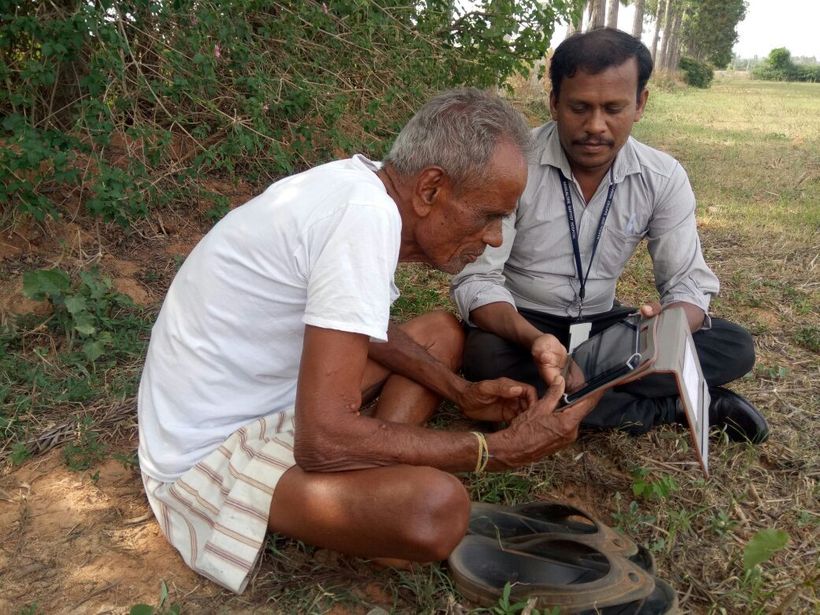
An interdisciplinary team of Baylor University researchers – from nursing and business information systems to art and video game design – and physicians from Bangalore Baptist Hospital in Bengaluru, India, were awarded a 21st Century Knowledge Initiative Grant from the U.S. India Education Foundation (USIEF) to develop a diabetes mobile health app to boost awareness and educate those in India who are most at risk for diabetes. The team is led by Shelby Garner, Ph.D., R.N., assistant professor in Baylor’s Louise Herrington School of Nursing, who has worked in India over the past six years to develop technological health resources. She cited statistics from the World Health Organization that show life expectancy in India is among the lowest in the South East Asian Region and is largely attributed to growing rates of non-communicable diseases, such as diabetes. Contextualized health education is one key to help raise awareness in the country, she said. “There is a need for culturally appropriate health education materials in India,” Garner said. “Our early research showed that technology, such as smartphones and internet accessibility, are widely available in India among health providers, but most technological educational resources were developed in the West and do not effectively translate to the Indian context.” Physicians from Bangalore Baptist Hospital will provide cultural context and help identify important medical content to be included in the app. “Our diabetes app will feature an interactive 3D animated video with gaming features to help educate patients at risk for diabetes,” Garner said. “Answers to questions addressed in the app include: What is diabetes? What happens if I have diabetes? How do I prevent and treat diabetes? What do I do now?” The app also serves as a data collection tool to help researchers determine if the video is improving participants’ knowledge on diabetes. Community health workers employed by Bangalore Baptist Hospital will use the app as they visit with people in rural villages and urban slums during door-to-door health education visits, Garner said. The research team will compare the app’s effectiveness with standard health educational resources previously used. Garner said the USIEF grant was awarded, in large part, due to the success of an earlier project that led to the development of a hypertension app. “Earlier this year, we tested the hypertension app among 346 people in one of the largest slums in Bengaluru, India, and in several rural villages surrounding Bengaluru,” she said. “The app was significantly effective in improving knowledge among participants. We used these results to justify the need to design more resources and applied for funding from the U.S. India Education Foundation.” From previous experience developing and employing the hypertension app, Garner said she knew this new project would require input from a variety of perspectives. “I’ve realized some of the ‘big picture’ challenges in health education, and it will take a team of experts to make this happen,” she said. Team members are: • Shelby Garner, Ph.D., R.N., assistant professor in Baylor’s Louise Herrington School of Nursing • Dr. Carol Elizabeth George, community health physician, Bangalore Baptist Hospital • Dr. Gift Norman, community health physician, Bangalore Baptist Hospital • Dr. Kingsly Victor, internal medicine physician, Bangalore Baptist Hospital • Hope Koch, Ph.D., associate professor of business information systems, Baylor’s Hankamer School of Business • Phil Young, Ph.D., assistant clinical professor of business information systems, Baylor’s Hankamer School of Business • Julia Hitchcock, M.F.A., associate professor of art, Baylor’s College of Arts & Sciences • Matthew Fendt, Ph.D., lecturer in computer science, Baylor’s School of Engineering and Computer Science The grant also will fund exchange teams of researchers and faculty from India to come to the U.S. and for Baylor team members to go to India to collaborate on the research for the next two years. The first team from India is due in late October. “We are really excited about the work we will do together with our Indian partners over the next two years,” Garner said. ABOUT BAYLOR UNIVERSITY Baylor University is a private Christian University and a nationally ranked research institution. The University provides a vibrant campus community for more than 17,000 students by blending interdisciplinary research with an international reputation for educational excellence and a faculty commitment to teaching and scholarship. Chartered in 1845 by the Republic of Texas through the efforts of Baptist pioneers, Baylor is the oldest continually operating University in Texas. Located in Waco, Baylor welcomes students from all 50 states and more than 80 countries to study a broad range of degrees among its 12 nationally recognized academic divisions. ABOUT LOUISE HERRINGTON SCHOOL OF NURSING The Baylor University Louise Herrington School of Nursing (LHSON) located in Dallas was established in 1909 as a diploma program within Baylor Hospital in Dallas, which is now Baylor University Medical Center, and in 1950 became one of the six degree-granting schools of Baylor University. The first Baccalaureate degrees were granted in 1950 establishing the school among the earliest baccalaureate nursing programs in the United States. In 1999, the School was renamed the Baylor University Louise Herrington School of Nursing after Louise Herrington Ornelas, a 1992 Baylor Alumna Honoris Causa, who made an endowment gift to the school. Accredited by the Commission on Collegiate Nursing, LHSON offers Bachelor of Science in Nursing (B.S.N.) degrees through a traditional program and FastBacc (one-year accelerated program). LHSON also offers an online Master of Science in Nursing (M.S.N.) Leadership and Innovation program, as well as Doctor of Nursing Practice (D.N.P.) programs to include Family Nurse Practitioner (F.N.P.), Nurse-Midwife (C.N.M.) and Neonatal Nurse Practitioner (N.N.P.). LHSON was featured in U.S. News & World Reportfor the 2018Best Graduate Schools ranking the D.N.P.program in the top 50 U.S.nursing schools at No. 46. The Baylor M.S.N.program is ranked at No. 56and the Nurse Midwifery Program ranked No. 10. Baylor’s M.S.N. in Nursing Leadership andInnovation Online Program ranked No. 39 in the 2018U.S. News Best Online Graduate Programs. For more information, www.baylor.edu/nursing.
