
Experts Matter. Find Yours.
Connect for media, speaking, professional opportunities & more.

An honor or a Herculean-sized task to host the Olympic Games?
In less than a month – the world will be watching as South Korea plays host, once again to the Olympic Games. With the Games come international attention, media scrutiny and bragging rights. What also comes with is serious price-tag and left-over infrastructure. The Olympics, which begin Feb. 9, will cost the host country approximately 14 trillion won ($12.9 billion) – almost double the original estimates of the 8 to 9 trillion won ($7 to 8 billion) South Korea stated when Pyeongchang won the bid in 2011. That’s a lot of money. And is it worth it? Do the Olympics carry the lustre they once did? Has any country actually been able to make money or put to good use all the facilities that are requires hosting events like luge, bobsledding, biathlons and all those extra arenas? Is it time for a single destination for the world to converge on each year? As costs go up – the urge to host internationally seems to go down. There are a lot of questions about hosting the Games and if the task is worth the price tag -that’s where the experts from Cedarville can help. Andrew Wonders is an Assistant Professor of Sport Business Management and was on planning committees for the Sydney and Salt Lake City Olympic games. He can give a behind-the-scenes look at what is taking place now leading up to the Olympics. Andrew is available to speak with media – simply click on his icon to arrange an interview. Source:


What can you expect from a Spotify IPO?
"Previous disclosures suggest that Spotify has done an excellent job of retaining paid subscribers, with monthly churn metrics well below their peers," says Assistant Professor of Marketing Dan McCarthy. "It will be very important for Spotify to flesh out this unit economics in the prospectus they will file before the listing. Investors will be particularly interested in how well Spotify has kept its acquisition costs down, free user engagement and free-to-paid conversion metrics." Source:


Movies like “Marshall” that are built around actors of color (Chadwick Boseman plays the iconic attorney) and have appeal to consumers of color historically see a significant surge in ticket sales in weeks five through eight – if producers are willing to keep them in theaters that long and allow for word-of-mouth advertising to build, said Tyrha Lindsey-Warren, Ph.D., clinical assistant professor of marketing in Baylor’s Hankamer School of Business. She studies consumer behavior, multicultural media, movies and entertainment. “I believe that Hollywood often pulls movies starring women and actors of color out of the theaters way too soon and before word-of-mouth has time to fully spread,” Lindsey-Warren said. “In my opinion, and according to our studies, Hollywood is leaving a great deal of money on the table.” Movies built around actors of color typically make money – in many cases as much or more than five times the budget, she said. For example, the 2017 comedy “Girls Trip,” which was built around four African-American female leads, was made for $19 million and has grossed more than $100 million at the box office. A challenge, Lindsey-Warren said, is that Hollywood expects to make its money back in the opening weekend. That strategy often doesn’t translate well to consumers of color. She cited a Nielsen study that showed African-Americans make an average 6.3 trips every year to see movies, and they tend to strongly support movies where there are characters like themselves and to whom they can relate. But they don’t rush to theaters for premier weekends. “Historically, African-American consumers have not been such early adopters of seeing movies on opening weekend and have typically waited to hear from trusted sources, by way of word-of-mouth, if the movie is worth seeing,” she said. “I call this behavior giving word-of-mouth time to spread. These are insights that Hollywood has not fully embraced regarding consumers of color and for movies built around actors of color.” Source:


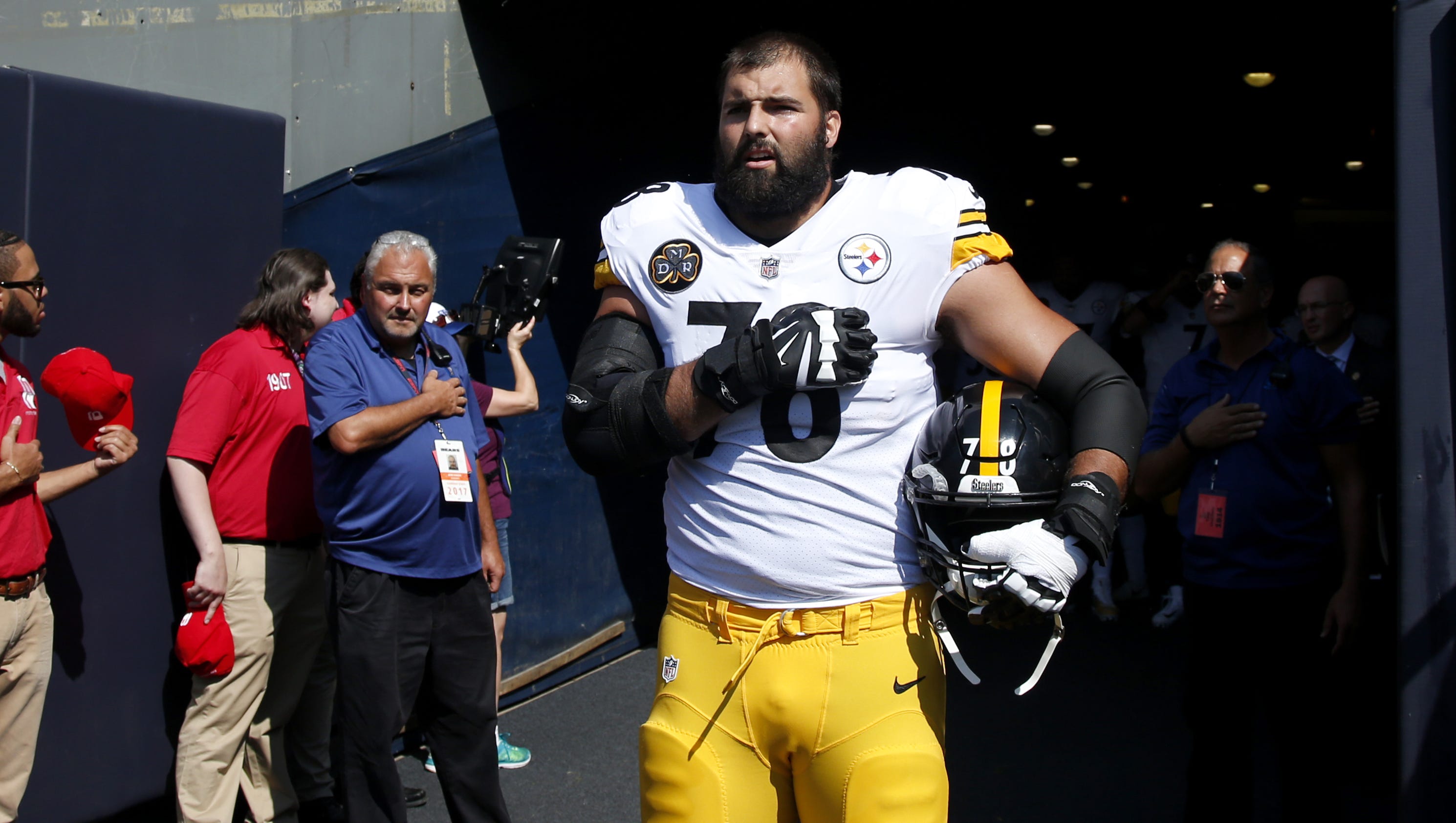
Impact of Protests on NFL Brand? Baylor Sports Sales Expert is Watching How 'Generations' Respond
Kirk Wakefield, Ph.D., is the Edwin W. Streetman Professor of Retail Marketing and director of Baylor University’s Sports Sponsorship & Sales program. He is an oft-quoted expert on marketing and branding of professional sports teams and serves as publisher and editor of The Baylor S3 Report (www.baylors3.com), the industry-leading publication featuring best practices in sports sales and marketing. In response to this season's protests during many of the NFL games, Wakefield said he is closely watching the “generations” of fans, particularly the season ticket holders. He explained that the average NFL season ticket holders are male, in their 40s and have a household income of more than $100,000. “I think the question is if the NFL can truly use this as a unifying rather than divisive tool. The dilemma is that the season ticket holder base is older and more prone to see it as divisive and offensive. But the younger set, tomorrow’s fan base, is likely to side with the players. So, brand equity could erode among current season ticket holders and, at the same time, gain interest and support from millennials – who have not been watching or attending as much.” Wakefield’s research in retailing covering more than two decades focuses primarily upon sports psychology, team sports marketing, entertainment marketing, and fan and consumer response to pricing and promotional tools. He has conducted fan research in almost every venue in sports including the NBA, NFL, MLB, MLS, NHL, and NASCAR. Source:
Baylor Consumerism Expert Discusses the Challenges of Gift Cards and Spending
James Roberts, Ph.D., The Ben Williams Professorship in Marketing in Baylor’s Hankamer School of Business and an expert on consumerism, is featured in this Chicago Tribune story about spending gift cards – a popular holiday present. Roberts commented on a study that showed consumers spend an average of $38 more than the value of their gift cards. “We’re going to be more free with our spending when ... we didn’t generate the money that’s paying for it. The fact that we’re paying with a credit card-like mechanism means we’re not going to be as mindful of the price. We’ll overpay or spend more money than we would otherwise,” Roberts said. This story was picked up in dozens of national publications, including the Atlanta Journal-Constitution, Stars and Stripes, Dayton (Ohio) Daily News, Palm Beach Post and the St. Paul Pioneer Press. Source:


What is a REIT? Why does it Matter?
Real estate is booming in Atlanta and now, it appears, there's more interest from the Northeast. What is a REIT? Why is this important? Goizueta Business School's Roy Black lead's the school's renowned real estate focus and can make sense of it all. Source:

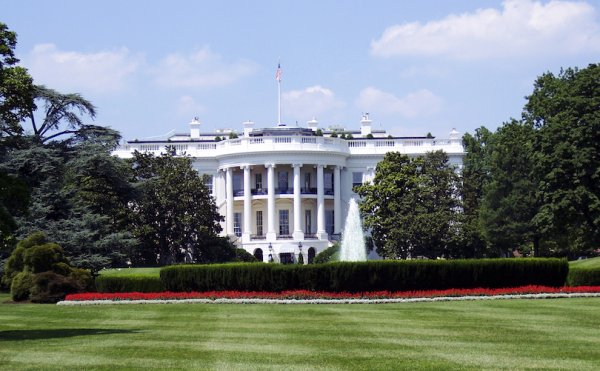
Trade, security and America First – Does Donald Trump’s new National Security Strategy make sense?
On Monday, President Donald Trump released his National Security Strategy. In a bold delivery that was almost more of a campaign speech than a policy announcement, President Trump was focused on terrorism, dictatorships, cyberterrorism and even referenced immigration as a potential threat to national security. Trump referred to China and Russia as "rival powers" who "seek to challenge American influence, values and wealth” but seemed more diplomatic than worried. "We will attempt to build a great partnership with those and other countries, but in a manner that always protects our national interest," Trump said But what will this mean for the Trump Administration and America moving forward? Will America’s polices become more assertive? Will the pursuit to eradicate ISIS and terrorist threats expand? Trump also referenced trade, never leaving out the opportunity to maintain his agenda of keep America’s economy and his efforts to strengthen it on the public’s radar. But what does this have to do with national security? There are a lot of questions still to be answered. That’s where the experts from Augusta University can help. Dr. Craig Albert is an expert on American politics and political philosophy. He was recently appointed director of Augusta University’s new Masters of Arts in Intelligence and Security Studies. Dr. Albert has experience with all forms of national and local news organizations and is available to speak to media regarding this latest development in Washington. Simply click on his icon to arrange an interview. Source:


Baylor Experts Share New "Phone Snubbing" Research. This time it's "Boss Phubbing!"
Baylor University marketing professors and smartphone use experts James A. Roberts, Ph.D., and Meredith David, Ph.D., published their latest study – “Put Down Your Phone and Listen to Me: How Boss Phubbing Undermines the Psychological Conditions Necessary for Employee Engagement” – in the journal Computers in Human Behavior. Roberts and David are known nationally and internationally for researching the affects of smartphone use on relationships. “Phubbing (phone snubbing) is a harmful behavior,” Roberts said. “It undermines any corporate culture based on respect for others. Thus, it is crucial that corporations create a culture embodied by care for one another.” Their newest study examines “boss phubbing” (boss phone snubbing), which the researchers define as “an employee’s perception that his or her supervisor is distracted by his or her smartphone when they are talking or in close proximity to each other” and how that activity affects the supervisor-employee relationship. “Our research reveals how a behavior as simple as using a cellphone in the workplace can ultimately undermine an employee’s success,” the researchers wrote. “We present evidence that boss phubbing lowers employees’ trust in their supervisors and ultimately leads to lower employee engagement.” The study found: * 76 percent of those surveyed showed a lack of trust in a supervisor who phubbed them * 75 percent showed decreases in psychological meaningfulness, psychological availability and psychological safety * The lack of trust and decreases in those key areas led to a 5 percent decrease in employee engagement Roberts and David suggest several steps that managers could take to change the culture and mitigate the negative effects of smartphone use. * Create a culture in which supervisors do not feel pressure to immediately respond to emails and messages from their superiors while meeting with their employees. * Structure performance criteria in a manner which motivates bosses to build healthy superior-subordinate relationships. This might include annual ratings by their subordinates. * Train supervisors and employees on the importance of face-to-face interactions and sensitize them to the potentially negative consequences of phubbing on employee attitudes and engagement. * Set formal smartphone policies by setting clear rules for smartphone use, access and security – and detail specific consequences for violating those rules. Source:
