
Experts Matter. Find Yours.
Connect for media, speaking, professional opportunities & more.

Historical Significance of the Papal Name
In the wake of the historic election of Pope Leo XIV, the first American to ascend to the papacy, scholars and observers alike are reflecting on the global, historical and theological implications of his early statements and symbolic choices. His decision to take the name Leo – a name not used for over a century – immediately evokes comparisons to both Leo XIII and Leo I (Leo the Great), popes known for their firm leadership and dynamic engagement with the world. Baylor University’s Elisabeth Rain Kincaid, J.D., Ph.D., director of the Institute for Faith and Learning and an expert on early modern theology and Catholic Social Thought, said choosing the name Leo is significant, especially in today’s world. Through his choice of name, rhetorical style and theological references, the new pope is signaling a clear vision for a Church that is simultaneously grounded in tradition and open to global dialogue, Kincaid said. Kincaid is currently at work on a monograph – “Business Ethics for a Flourishing Life: Catholic Social Thought in the Modern Workplace” – in which she argues for the continued importance of Leo XIII’s thought for modern life. If you're covering the news about Pope Leo XIV and are looking to know why Cardinal Robert Prevost chose that name - we can help. Elisabeth Rain Kincaid is an author, speaker, teacher, and theologian. She has published broadly in peer-reviewed journals and popular publications. She is a frequent speaker at conferences, churches, and professional events on topics including business ethics, virtue and character, Christian engagement with law and politics, and work and vocation. She is currently the Director for the Institute for Faith and Learning at Baylor University. In her teaching, she draws upon her years of experience as a white-collar criminal defense attorney and a private equity professional, along with her ministry experience. Elisabeth is available to speak with media about this topic - simply contact Shelby Cefaratti-Bertin, M.A., Assistant Director of Media and Public Relations at Baylor University, Shelby_Cefaratti@baylor.edu or 254-327-8012 to arrange an interview today.


Julian Ku Reviews Book on U.S. Economic Warfare and Separation of Powers
Hofstra Law Professor Julian Ku wrote a book review on Edward Fisherman’s Chokepoints: American Power in the Age of Economic Warfare in the National Review. In his review, he provides legal insight on the United States’ use of economic warfare and how it can interfere with the separation of powers in government.


Retirement: For Better, For Worse, and for Much More Time Together
Retirement is supposed to be your golden reward—freedom from alarm clocks, endless Zoom meetings, and performance reviews. But no one warned you about the relationship performance review that arises when you and your partner suddenly find yourselves spending over 100 hours a week together. For some, it’s bliss; for others, it feels like a full-time job without an HR department. While grey divorce (divorce after age 50) is on the rise in Canada, separation isn’t inevitable. However, marital harmony is also not guaranteed. The truth lies somewhere in between—and that’s where things become interesting. Retirement isn't merely a lifestyle change—it’s a complete identity shake-up, which can create stress even in the strongest relationships. Grey Divorce: An Increasing Trend Though Canada’s overall divorce rate reached a 50-year low in 2020, divorce among people over 50 is increasing—this trend is dubbed grey divorce. According to Statistics Canada, this demographic is increasingly re-evaluating their relationships as they retire (CBC News, 2024). The same pattern is unfolding south of the border, with the AARP reporting a steady rise in senior divorces in the U.S. Grey divorce isn’t just emotionally taxing—it can be financially devastating. Women, in particular, bear the brunt. A study by the National Center for Family & Marriage Research found that divorced women over 50 have 45% less wealth than their married peers. In Canada, the Canadian Institute of Actuaries has warned that divorce later in life can significantly erode retirement savings and delay or derail financial plans. Role Confusion One retired executive shared that after decades of being chauffeured to work, he assumed retirement meant his wife would now be his driver. “I thought she’d just take over that role, as he climbed into the back seat,” he said, genuinely confused. She had other plans that did not involve sitting behind a wheel, taking coffee orders, or navigating roundabouts. He had not yet made the emotional or physical shift from being served to becoming equal. That transition is more complicated than it sounds—and more common than you'd think. When one partner’s identity is career-driven and the other manages the home, retirement necessitates a complete recalibration. Power dynamics shift, control issues surface, and resentment simmers if left unacknowledged. Housework ≠ Heartwork If you're home full-time now, guess what? You’re not a guest anymore. The dishes, the vacuuming, the grocery runs—these are now shared responsibilities. Nothing breeds resentment faster than an unequal workload. Retirement doesn’t mean “relax”; rather, it signifies redistributing the work of life. Unspoken truths will find their voice. Let’s face it—decades of unexpressed frustrations don’t remain buried. They begin to comment on how someone folds laundry, stacks the dishwasher, or leaves the cap off the toothpaste. Retirement magnifies everything: the quirks you used to laugh off? Mansplaining! What habits did you ignore because life was busy? Now they’re front and center. And what bad habits did you have before? They don’t improve with age—they get worse. Emotional and Mental Health Insights Relationship difficulties can trigger anxiety, depression, and loneliness, especially among men who may have smaller support networks outside their marriages. A 2020 study in the Journal of Gerontology found that post-divorce social isolation is closely linked to declining physical and mental health in later life. Not all couples want to—or need to—divorce to find peace. Increasingly, older Canadians are exploring “Living Apart Together” (LAT) arrangements, where partners maintain separate residences while remaining in a committed relationship. Research by the Vanier Institute and AARP suggests that LAT relationships allow for autonomy while maintaining emotional connection—a potential middle ground for couples who struggle with full-time togetherness in retirement. For many, retirement means the loss of structure, identity, and purpose, particularly for those who have closely tied their sense of self to their professional roles. This loss can create irritability, aimlessness, and tension in a partnership. As Harvard Business Review put it, retirement can be especially tough for men because “so many men are bad at retirement” (HBR, 2021). This emotional void often spills over into the relationship, testing its resilience. Retirement often brings a sudden reshuffling of roles at home. Many men who may have spent decades focused on their careers struggle to adjust to a more balanced domestic lifestyle. The Canadian Centre for Policy Alternatives notes that retirement can expose long-standing gendered inequalities in household labour, leading to friction, resentment, and, at times, relationship breakdown. How to Thrive—Together or Apart The goal isn’t perfection; it’s peace, fulfillment, and ample personal space to breathe. Here’s how to get there: creatively, practically, and honestly. 1. Have the Real Conversations Ask the questions you avoided when life was too busy: • “Are we happy?” • “What do you want out of the next ten years?” • “Are there things we’ve never talked about that matter now?” Unspoken expectations are relationship landmines. Bring them to light—gently and often. 2. Separate Bedrooms, United Front Don’t frown; they are more common than you might think and less scandalous than it sounds. Separate sleep equals better rest, less irritation, and sometimes a more intentional intimate life. Please don’t consider it a breakup; position it as a better mattress strategy. 3. The Basement Suite or In-Law Apartment Plan This represents the sweet spot between staying together and going entirely separate. Living in the same house with clearly defined zones provides each partner with breathing room and independence, especially when you’ve grown apart but don’t want to disrupt finances or family. Ground rules are essential: • Who is responsible for what costs? • Shared meals or separate? • New partners—yay or nay? It’s not perfect, but it can be practical. 4. A Second Space: Cottage, Trailer, or Tiny Cabin A humble trailer or rustic cabin might save your marriage. It’s not about luxury—it’s about space, autonomy, and silence when needed. Whether alternating weekends or solo sabbaticals, having a backup place to go can restore harmony at home. 5. Travel Separately (Sometimes) One of you wants to hike Machu Picchu, while the other prefers to nap in Muskoka. You don’t have to compromise; you can take turns. Alternate between solo trips, friend getaways, or short solo retreats. You’ll both return refreshed—and more engaged. 6. Discover New Purpose (or Income) A restless, lost, or bored partner can quietly sabotage the household. Encourage: • Volunteering • Consulting or part-time work • Mentoring • Taking courses or teaching others • Rediscovering old passions If Divorce Is the Best Option At times, the most honest act is to end a marriage with kindness. If this is the only option, there are important factors to consider: Financial Reality Check • Assets will be divided, including the house, pensions, RRSPs, etc. • Expenses double: two homes, two insurance policies, and two fridges to stock. • Retirement income may not be sufficient for both lives. • Legal costs and timing matter more than ever now—because the time to recover financially is limited. There are no pensions in tears. Therefore, if you choose this route, plan ahead. Family Impact • Adult children might feel shocked—or even angry. • Grandchildren can pose challenging questions. • Long-term friendships may weaken. • Shared traditions may require reinvention. This process can be amicable. A new term has emerged among women caring for their ill or aging ex-husbands: “Wasbands.” These women step up with empathy rather than obligation. Vows no longer bind them; instead, they are guided by compassion. Honestly, humanity wins in these situations. There is still love, respect, and history—even if it’s no longer romantic. That is not failure; it is growth. Rewrite the Rules Retirement is not a dead end; it’s a creative reawakening—if you approach it that way. Retirement is a significant life transition—not just financially, but relationally. Like any other chapter in life, it requires renegotiation, mutual respect, and a willingness to evolve. Some couples find deeper intimacy, while others redefine their relationships entirely. The good news? Whether it's under one roof or two, retirement can still be a time of connection, discovery, and, yes, romance. But it also requires some good, old-fashioned adulting. Yes, *adulting*—that modern word we usually reserve for paying bills, booking dental appointments, and reading the fine print. It turns out it’s equally essential in retirement. Emotional maturity, communication, boundary-setting, and a shared approach to evolving roles are all keys. Think of it like the Sonnet Insurance commercials that cheekily remind us adulting is hard but worth it. Retirement is also a factor, especially when approached with intention and a sense of humour. This is your last chapter. Make it a good one. Whether you stay together, sleep apart, live separately under one roof, or consciously uncouple, do it with clarity, kindness, and courage. The goal isn’t a perfect love story; it’s a fulfilling life for both of you. When in doubt, take a walk (alone if necessary). Share a joke. Communicate like adults. And for the love of long-term care insurance, remember: resentment compounds faster than interest. If you enjoyed this article or thought, “Oh wow, this is exactly what my friend/parent/relative needs to read,” please share it. You can also subscribe to the Retirement Literacy newsletter for more smart, candid, and occasionally cheeky insights on navigating life after full-time work. Let’s make retirement not just the end of work, but the start of something meaningful, fulfilling, and a little fabulous. Don’t Retire…Rewire! p.s. Know someone who’s about to retire?— Why not share this worksheet? It’s the best pre-retirement checklist they never knew they needed. 6 Questions to Ask Before Retiring Together Retirement reshapes your schedule, your identity—and your relationship. Before you hand in your keycard, ask these candid questions with your partner. Because the toughest part of retirement isn’t money—it’s time. And you’ll be spending a lot more of it together. 1. What Do You Want This Chapter of Life to Look Like? Dreams misaligned can lead to daily friction. Do you crave adventure while your partner seeks peace and quiet? Map it out—together. 2. How Much Time Do We Really Want to Spend Together? “Always together” sounds sweet—until it feels stifling. Define your ideal balance between shared time and personal space. 3. What Roles Are We Playing Now—And Do They Need to Change? Retirement often means rebalancing housework, caregiving, and emotional labor. What’s fair now that you’re both at home? 4. Are There Any Long-Standing Frustrations We’ve Avoided Talking About? Retirement shines a spotlight on old resentments. It's better to talk than to silently stew over how the dishwasher is loaded. 5. How Will We Handle Money Decisions as a Team? With changing income and more shared expenses, financial transparency and joint planning are more crucial than ever. 6. What Will Give Each of Us a Sense of Purpose—Individually? A restless or bored partner can bring tension into the home. Talk about passions, volunteer work, or part-time pursuits that bring meaning. Want more smart, candid insights? Visit www.retirementliteracy.com to start rewriting your next chapter with clarity and confidence.


An Expert Guide to the Papacy and Pope Francis
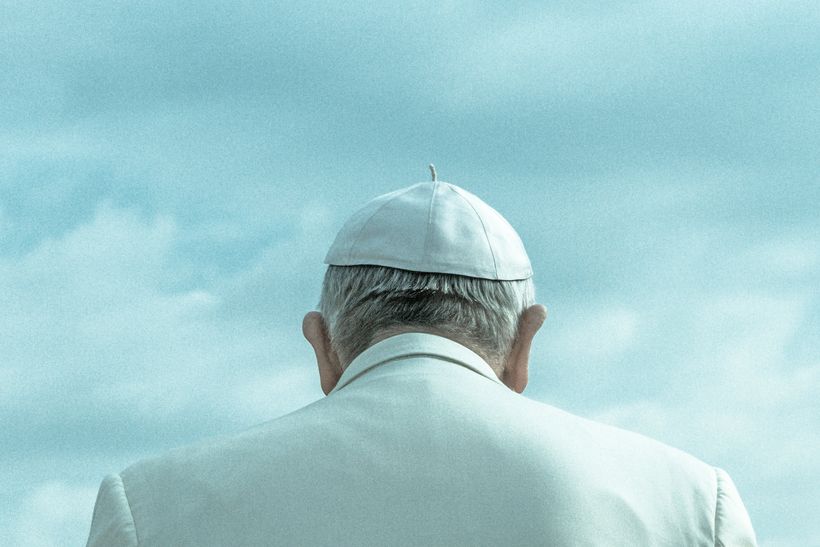
The death of Pope Francis marks a pivotal moment for the Catholic Church, ending a papacy that redefined the Church's relationship with the modern world. As the College of Cardinals prepares to gather in conclave, Catholics across the globe are closely watching to see whether the next pontiff will build upon Francis' legacy or chart a new course. The following experts are available to provide insight into a range of related topics, including Pope Francis' enduring impact and what lies ahead for the world's 1.4 billion Catholics: Massimo Faggioli, PhD Professor, Theology and Religious Studies Dr. Massimo Faggioli is a world-renowned expert on the history and administrative inner workings of the Catholic Church, with specific expertise in the papacy, Vatican II, the Roman Curia, liturgical reform, new Catholic movements and Catholicism and global politics. As quoted on NPR: "Historically, we see in different conclaves a certain swinging of the pendulum. What the conclave and the next pope cannot do is to ignore and deny the changing features of global Catholicism, which is much less European, much less white, less North American and more Global South..." Kevin Hughes, PhD Chair, Theology and Religious Studies Dr. Kevin Hughes is a leading historical theologian, offering insights into the life, legacy and impact of Pope Francis. He can also speak to the significance of the Pope in Catholicism and the influence of his teachings on the global Catholic Church. As quoted on Scripps News: "[Pope Francis' selection] was really the Church extending beyond the limits of its European imagination. His Latin American identity was really crucial to embracing a new moment within the Church and opening the door in so many ways, and I think he bore witness to that throughout his papacy." Jaisy Joseph, PhD Assistant Professor, Systematic and Constructive Theology Dr. Jaisy Joseph is a trained ecclesiologist, able to address a wide range of topics relating to the papacy, conclave process and Catholic Church. Previously, she has commented on the Church's presence in Asia and the Global South, offering expert commentary on its growth, challenges and shifting influence. As quoted by ABC News Digital: "[The election of someone from the Global South would be] a move in that direction of how to be a global church. That move from a Eurocentric church to a truly global church—I think that's what Francis really inaugurated." Patrick Brennan, JD Professor of Law; John F. Scarpa Chair in Catholic Legal Studies Professor Patrick Brennan is an expert on the conclave process and the main rules that govern it. He can also speak to topics such as the contemporary and historical importance of secrecy in the conclave, what the cardinals may be looking for in the next Pope and the factors that cause similarities and differences from one conclave to the next. As quoted on Fox 29's Good Day Philadelphia: "The purpose of the general congregation is for the cardinals, who don't know each other in some cases, to get to know each other better as they learn about the current state of the Church and together decide on the needs of the Church and priorities for the new pontificate." Brett Grainger, ThD Associate Professor, Study of Spirituality and American Religious History Dr. Brett Grainger is a go-to source for discussions of the changing face and role of modern spirituality in America. He serves as an expert on contemporary religious trends and can also speak to the broader public reaction to Pope Francis' passing, especially outside of the Catholic faith. As quoted by Courthouse News Service: "People are disaffiliating from a tradition—that doesn't necessarily mean in fact that they don't believe in God anymore...What's more important is 'Is this giving me life? Is this making my life more meaningful? Is this giving me the kind of energy and purpose that I'm looking for?' That's where religion is going." Michael Moreland, JD, PhD Professor of Law and Religion; Director, Eleanor H. McCullen Center for Law, Religion and Public Policy Dr. Michael Moreland is a renowned scholar of constitutional law, religious freedom, public policy and ethics. He can provide expert commentary on items related to the Catholic right and the state of religious politics in the United States. As featured on NBC News Digital: Michael Moreland said the mass appeal of "Conclave" captured how, even in a secular modern age, there is still pervasive intrigue around "the ancient rituals of the Catholic Church." "The significance of the theological and spiritual aspects of Catholicism and this process of electing a pope was kind of reduced into partisan politics," he said. Ilia Delio, OSF, PhD Josephine C. Connelly Endowed Chair in Christian Theology Sister Ilia Delio addresses topics in her work such as theology and evolution, technology and human becoming and understandings of Catholicity in a world of complexity. She can provide expert insight into Laudato si', Pope Francis' position on the environment, the relationship between science and religion and integral ecology. As featured in the National Catholic Reporter: "We are clearly an Earth in crisis," with a reversal necessary to secure a sustainable future, said Ilia Delio... Delio posed a series of questions: about the relationship between religion and science; what Laudato si', and Christianity more broadly, can offer ecological movements; and whether the concept of kinship or creation as family might better reflect humanity's place within nature than "care for creation." To speak with any of these faculty experts, please contact mediaexperts@villanova.edu.





James Sample Called Upon for Constitutional Law Expertise
Maurice A. Deane School of Law at Hofstra University Professor James Sample was called upon to provide his feedback and expertise in constitutional law for ABC News, CBS News, and MSNBC.


Julian Ku Writes Article on Logan Act
Maurice A. Deane Distinguished Professor of Constitutional Law Julian Ku recently wrote the article, “Governor Newsom’s tariff gambit risks violating federal law,” for The Daily Journal. Ku argues that Governor Gavin Newsom of California risks prosecution for trying to negotiate tariff exemptions for California companies. His efforts could potentially violate the Logan Act, which prohibits any unauthorized American citizens from negotiating with foreign governments on matters of dispute with the United States.

Media Appearances by James Sample – Latest Highlights
Professor of Law James Sample provided legal insights on New York City Mayor Eric Adams’ federal corruption case being dismissed “with prejudice,” with CBS News New York. Sample also provided commentary to CBS News Radio on a federal judge’s order to return Kilmar Abrego Garcia from an El Salvador prison, and on Elon Musk’s cash incentives for individuals who vote against “activist judges” with German news network ZDFheute.

President Trump Uses Law Enforcement to Access Independent Agencies
Dr. Meena Bose, Hofstra University professor of political science, executive dean of the Public Policy and Public Service program, and director of the Kalikow Center for the Study of the American Presidency, is featured in The Washington Post article: “Trump uses power and police to help DOGE access independent agencies.” “It’s a clear strategy of asserting executive power and challenging any willingness or efforts to restrict that power,” said Dr. Bose.


Maurice A. Deane School of Law at Hofstra University Professor James Sample provided expert constitutional analysis to CNN, ABC News and CBS Radio on recent news of President Trump seeking a potential third term.

Sample Discusses Court Hearing on Alien Enemies Act
Maurice A. Deane School of Law at Hofstra University Professor James Sample recently joined MSNBC and CNN to discuss the federal court hearing on the use of the Alien Enemies Act. Professor Sample was in-studio with MSNBC’s Alex Witt, former federal prosecutor Kristy Greenberg, and former Acting Director of U.S. Immigration and Customs Enforcement John Sandweg to discuss the ongoing legal battle. He later joined CNN’s Lynda Kinkade to discuss the temporary block against President Donald Trump’s use of the Alien Enemies Act.