Experts Matter. Find Yours.
Connect for media, speaking, professional opportunities & more.

Swimming in the deep: MSU research reveals sea lamprey travel patterns in Great Lakes waterways
Why this matters: Invasive sea lampreys prey on most species of large Great Lakes fish such as lake trout, brown trout, lake sturgeon, lake whitefish, ciscoes, burbot, walleye and catfish. These species are crucial to Great Lakes ecosystems and to the region’s fishing industry. Understanding how sea lampreys migrate can inform management and conservation strategies, such as developing methods to catch the invasive fish that don’t involve dams, which reduce river connectivity, or lampricide, a pesticide that some communities and groups prefer not to use. The Great Lakes fishing industry is worth $7 billion and provides 75,000 jobs to the region. Reducing the amount of sea lamprey in waters is crucial for the industry’s well-being and the economic vitality of the Great Lakes. How do you catch an invasive fish that’s solitary, nocturnal and doesn't feed on bait? Researchers in the Michigan State University College of Agriculture and Natural Resources are one step closer to figuring it out. In a study published in the Journal of Experimental Biology and funded by the Great Lakes Fishery Commission, Kandace Griffin, a fisheries and wildlife doctoral student, and Michael Wagner, professor in the MSU Department of Fisheries and Wildlife, found that sea lampreys — a parasitic fish considered an invasive species in the Great Lakes region of the U.S. — follow a clear pattern of staying in the deepest parts of a river. These findings are important for informing sea lamprey management strategies, conservation of fish species native to the Great Lakes and protecting the region’s $7 billion fishing industry and the 75,000 jobs it provides. “We wanted to know how sea lampreys are making their movement decisions when migrating,” Griffin said. “Are they guided by certain environmental cues? Are they moving through areas that are safer? How can we potentially exploit those decisions or maybe manipulate them into going somewhere that they don’t want to go, like pushing them into a trap.” The primary methods used to control sea lamprey are dams that block them from entering waterways and lampricide, a species-specific pesticide that targets lamprey larvae. “Dams create a lot of challenges for conserving river ecosystems: They block all the other fish that are moving up and down in the system. Even though lampricide is proven to be safe and effective, there are communities that are uncomfortable with its use going into the future,” Wagner said. “Figuring out the right way to fish sea lamprey would decrease its population, lower reproduction rates and provide managers with the opportunity to match their control tactics to the community’s needs.” To track lamprey movements, Griffin and Wagner used a method called acoustic telemetry, which involved using sound emitted from a surgically implanted tag to track the movement of 56 sea lampreys in the White River near Whitehall, Michigan. Griffin likened acoustic telemetry to GPS. “There’s a tag that emits sound and has a unique transmission with a unique identification code, so I know exactly which fish is going where,” she said. “The receivers are listening for that sound and then calculating the time it reaches each receiver. We used this information to triangulate the position of the sea lamprey and analyzed it to find out how they’re using the river’s environmental traits to make decisions on where to swim.” Of the 56 lampreys studied, 26 of them (46%), consistently chose the deepest quarter of the river. “For nearly 20 years we have been discovering how sea lampreys migrate along coasts and through rivers. Now, thanks to Kandace’s work, we know where their movement paths come together near a riverbank — the perfect place to install a trap or other fishing device,” Wagner said. “That knowledge can be used to find similar sites across the Great Lakes basin.” Right now, a fishing device designed to catch bottom-swimming, solitary, nonfeeding, nocturnal sea lamprey doesn’t exist. However, Wagner notes there are places around the world — including Indigenous communities in the U.S. — where people have fished migratory lampreys of various species for hundreds of years and could help inform the creation of such a mechanism. “We have recently had a proposal funded to scour the Earth in search of knowledge, both scientific and traditional, about how to capture migrating lampreys and similar fishes,” Wagner said. “We want to talk with the communities of people who have histories fishing these animals and use this information, along with other data we’ve gathered, to conceive a device that could be used to fish sea lampreys.” Griffin views the new intel on lamprey migration patterns as a way to inform fishing practices to complement some of the existing control methods. “Hopefully, we can use this as a supplemental control method to the use of the barriers or dams,” she said. “We have societal pressure to remove barriers to enhance river connectivity, and some barriers are failing. Open water trapping is another way that we could try to still combat the invasive sea lamprey problem here but also promote river connectivity and other conservation goals for other species.” Wagner shares the same perspective. “When a community, or the Great Lakes Fishery Commission, or the governments of Canada and the U.S. come in and say, ‘We’d really rather be able to control this river with something other than lampricide,’ we want to be able to be able to provide 360-degree solutions that specify where to fish, when to fish and how to fish using fully prototyped and tested equipment,” he said. “We want our science to help solve real-world problems.”


For many older adults in Sussex County, Delaware, navigating the health care system can feel overwhelming and difficulty accessing care can create gaps in care that ultimately lead to poor health. To help older adults more easily meet their health needs and be successful in navigating the system, ChristianaCare has brought a variety of services to Sussex County that are specially designed for this population. These include ChristianaCare’s expanding My65+ primary care program, the Swank Center for Memory Care and ChristianaCare HomeHealth—all services that work collaboratively with seniors to help them achieve their best health based on their individual needs. Download Photos. ChristianaCare My65+ ChristianaCare My65+ provides specialized primary care services for people 65 and older. ChristianaCare’s My65+ services include medication management, annual Medicare visits, chronic disease management, coordination with specialists and additional consultation time with health care providers. These services are tailored to meet the specific health needs of seniors. “I can’t express enough how wonderful the My65+ program at ChristianaCare has been for me,” said Linda Martin of Rehoboth, a patient of the My65+ Program. “When they opened the practice in Rehoboth, it made getting the care I need much more convenient. I truly appreciate how the professionals at ChristianaCare take the time to understand my health and offer support for my mother’s care. They have a memory specialist on-site who provides expert care for my mother. It feels like I’m part of a caring community.” ChristianaCare My65+ is available at locations in Rehoboth Beach and at a new primary care practice in Milford, which began accepting My65+ patients in May. “ChristianaCare recognizes the importance of addressing the unique health care needs of our senior community. Our focus is on delivering care that prevents diseases, manages chronic conditions and improves overall well-being, especially for older adults,” said Priya Dixit-Patel, M.D., physician executive for Core and Advanced Primary Care at ChristianaCare. Swank Center for Memory Care Recognizing the significant impact that memory-related conditions can have on individuals and their families, ChristianaCare’s Swank Center for Memory Care serves as a source of hope and support for those dealing with these challenges. A dedicated team of geriatricians, nurses, social workers and other professionals collaborates with patients and their families to offer support, education and guidance throughout the diagnosis and treatment process. “ChristianaCare has consistently been at the forefront of providing excellent patient care, and the Swank Center for Memory Care is another opportunity for us to enhance support for people 65 and older,” said Steven Huege, M.D., MSEd, The Swank Foundation Endowed Chair in Memory Care and Geriatrics at ChristianaCare. “By designing care that meets the specific needs of older adults, we can create a better experience and achieve improved outcomes for everyone involved. This initiative is an important part of our overarching vision to provide every older adult with the best care possible.” The Swank Center was selected by the Centers for Medicare & Medicaid Services (CMS) to participate in the new Guiding an Improved Dementia Experience (GUIDE) Model, aimed at enhancing care coordination and access to services for those living with dementia and their caregivers. Key support services will include comprehensive assessments, care coordination, respite care, a 24/7 support line and education. With locations in Wilmington, Smyrna and Rehoboth, the Swank Center for Memory Care serves patients throughout Delaware and the surrounding region. ChristianaCare HomeHealth ChristianaCare HomeHealth provides a variety of nursing care for all ages in managing chronic conditions, adapting to new diagnoses, and improving daily living activities. It is the leading provider of in-home nursing care and assistance in Delaware. “ChristianaCare HomeHealth designs a plan of care that is personalized for those we serve,” said Donna Antenucci, MHA, BSN, RN, interim president, ChristianaCare HomeHealth. “Treating older adults in their own home is a privilege and brings comfort physically and emotionally to those served and their family. “It is truly rewarding for us as providers of home health services to enhance people’s quality of life and improve their overall well-being. We are truly honored to be a part of their journey to wellness and healing while respecting the dignity of those we serve.” These services are available throughout the entire state and provide comprehensive care through skilled nursing, home health aides, rehabilitative services, and medical social workers. Specially trained professionals offer home care, including physical and speech therapy, to help individuals live independently and safely. ChristianaCare HomeHealth began as a Visiting Nurse Association (VNA) in 1922 and now has more than 350 caregivers who serve patients throughout the state. Currently, there is an active daily census of about 1,500 patients. The service admits approximately 10,000 patients each year across the state. Meeting the Needs of Sussex County’s Rapidly Growing Population Sussex County has been designated as a “Medically Underserved Area” by the federal government, with projections showing that the population will increase from 237,000 in 2022 to over 361,000 by 2050, further intensifying the demand for primary care services. The providers at ChristianaCare’s new Milford location will play a crucial role in addressing the growing health care needs of Sussex County. “My65+ and Swank Center for Memory Care Services are unique programs in Sussex County that are greatly needed because of the growing senior population,” said Anthony Paul Buonanno, M.D., MBA, primary care physician at My65+ at Rehoboth Beach. “The health care infrastructure has not been able to keep up with the demand, and it is essential to provide health care services close to home for Delawareans. I am proud to be part of a program that is innovative, necessary and useful to my community.” While ChristianaCare primary care is a relative newcomer to Sussex County, ChristianaCare already has a large primary care network in northern Delaware, southeastern Pennsylvania, southern New Jersey and Maryland.



Professor Sangeeta Khorana made a Fellow of the Academy of Social Sciences
Professor Sangeeta Khorana, professor of international trade policy at Aston University, has been made a Fellow of the Academy of Social Sciences Fellows are elected for their contributions to social science, including in economic development, human rights and welfare reform The 2025 cohort of 63 Fellows will join a 1,700-strong Fellowship with members from academia, the public, private and third sectors. Professor Sangeeta Khorana, professor of international trade policy at Aston University, has been made a Fellow of the Academy of Social Sciences as part of the Autumn 2025 cohort. The 63 new Fellows have been elected from 39 UK organisations, comprising 29 higher education institutions, as well as think tanks, non-profits, business, and from countries beyond the UK including Australia and China. The Academy of Social Science’s Fellowship comprises 1,700 leading social scientists from academia, the public, private and third sectors. Selection is through an independent peer review which recognises their excellence and impact. Professor Khorana has more than 25 years of academic, government and management consulting experience in international trade. She has worked for the Indian government as a civil servant and on secondment to the UK Department for Business and Trade. Her expertise includes free trade agreement (FTA) negotiations and World Trade Organization (WTO) issues. As well as sitting on various expert committees, Professor Khorana is an advisor on gender and trade to the Commonwealth Businesswomen’s Network in London and serves on Foreign Investment Committee of the PHD Chambers of Commerce and Industry, India. The Autumn 2025 cohort of Fellows have expertise in a range of areas including educational inequalities, place-based economic development, human rights protection, the regulation of new technologies, and welfare reform, highlighting the importance, breadth and relevance of the social sciences to tackling the varied challenges facing society today. As well as excellence in research and professional applications of social science, the new Fellows have also made significant contributions beyond the academy, including to industry, policy and higher education. Professor Khorana said: “I am deeply honoured to be elected a Fellow of the Academy of Social Sciences. This recognition underscores not only the importance of international trade policy as a driver of inclusive and sustainable growth, but also the role of social sciences in shaping fairer and more resilient societies. At Aston University, my research seeks to bridge academia, government and industry to inform evidence-based trade policy for global cooperation. I am proud to contribute to the Academy’s mission of demonstrating how social science knowledge and practice can address some of the most pressing challenges of our time.” President of the Academy, Will Hutton FAcSS, said: “It’s a pleasure to welcome these 63 leading social scientists to the Academy’s Fellowship. Their research and practical applications have made substantial contributions to social science and wider society in a range of areas from international trade policy and inclusive planning systems through to innovative entrepreneurship and governing digital technologies. We look forward to working with them to promote further the vital role the social sciences play in all areas of our lives.”



Are raw oysters safe to eat? A seafood expert has answers
Two people recently died in Louisiana after eating raw Gulf oysters contaminated with the flesh-eating bacteria Vibrio vulnificus. Now that we have returned to the “r” months of autumn, a period historically considered safer to consume the mollusks on the half shell, seafood lovers are rightfully on edge about enjoying what many consider a saltwater delicacy. Evelyn Watts, a seafood extension specialist with the LSU AgCenter and Louisiana Sea Grant, has spent the better part of her adult life working with the seafood industry on the best ways to process and work through regulations about their catches. She wants to set the record straight about the safety of eating Gulf oysters throughout the year. According to the U.S. Centers for Disease Control and Prevention, vibrio is a type of bacteria that thrives in warm, brackish waters, especially between May and October. Watts said that while Louisiana is observing some above-average cases, it is important to remember that vibrio is a seasonal pathogen with most infection cases linked to wound exposure or ingestion. On July 31, the Louisiana Department of Health reported four deaths and 17 hospitalizations from vibrio infections this year. The number of hospitalizations had risen to 22 as of the last week of August. Watts emphasized safe handling and cooking of all Louisiana seafood. Thoroughly cooking oysters and other shellfish eliminates any vibrio risk, she said. “The Louisiana seafood industry follows strict safety protocols, including cold-chain management and traceability systems, which includes the use of tags,” she said. “The tag color indicates if harvest refrigeration times have been followed.” Watts said white-tagged oysters may be consumed raw while those with green tags must be sold for processing and cannot be purchased for raw consumption. “Restaurants are required to post consumer advisories about raw shellfish risks, especially for those with liver disease or weakened immune systems,” she said. “Consumers may purchase oysters either as shellstock — live molluscan shellfish still in the shell — or shucked, where the meat has been removed from the shell.” Watts explained that if consumers intend to purchase shellstock oysters for raw consumption, they must look for the white tag, which confirms the product has followed proper refrigeration protocols. This tag includes key information such as the harvester’s name, the dealer’s name and address, certification number, date of harvest and harvest location. Conversely, pre-shucked oysters or half-shell oysters sold in tubs, bags or trays — whether refrigerated or frozen — are not intended for raw consumption unless the label explicitly states otherwise. “While vibrio is more common in warmer months, it’s important to remember that it can be present year-round," Watts said. "The good news is that by staying informed and choosing properly cooked oysters, consumers can enjoy seafood safely in any season.” According to LSU AgCenter and Louisiana Sea Grant economist Rex Caffey, oysters are the third-most lucrative seafood commodity in the state, behind shrimp and crab. Thus, the recent uptick in illnesses could adversely affect the state’s economy if the public isn’t properly informed on how to mitigate potential infections. “Louisiana is the national leader in oyster production and accounts for more than 75% of Gulf oyster landings,” Caffey said. “The value of Louisiana’s oyster crop has varied in recent years, with an average of $65 million annually from 2022 to 2024.” For additional information about oysters as it relates to handling and production, Watts suggests visiting https://louisianadirectseafood.com/oyster/. Article originally posted here


Spitting image: What the blunder by Philadelphia Eagles' Carter can teach us about teams
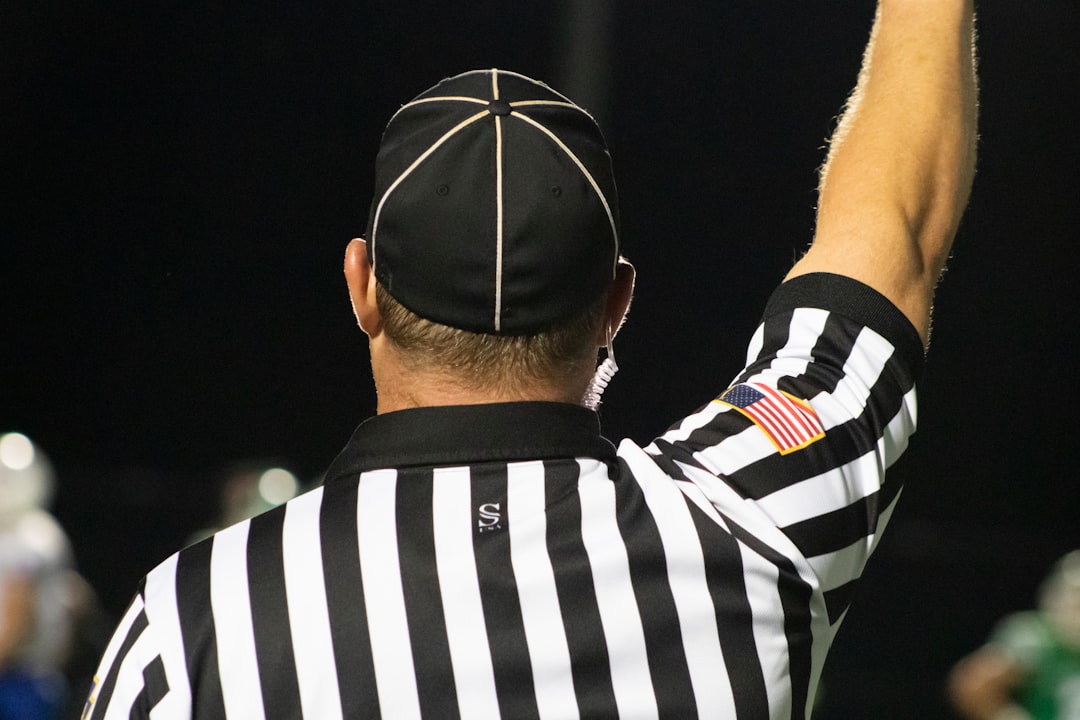
Social media caught fire when Philadelphia Eagles' defensive tackle Jalen Carter got tossed for spitting on Dallas Cowboys' quarterback Dak Prescott before the first snap of this year's NFL season opener. While the impact on the game was obvious, what unfolded on the field of play has lessons for the workplace and the boardroom. The University of Delaware's Kyle Emich can talk about the parallels between the two worlds when individuals let their teams down. Emich, a professor of management in UD's Lerner College of Business and Economics, said emotional events occur all the time in the workplace, especially in board rooms, where the atmosphere is often competitive. "Emotion regulation is a key part of harnessing motivation appropriately in a competitive context," Emich said. • Early on, the Cowboys were able to regulate their emotions to tap into the incident when they roared out to several seamless offensive drives. • Emich says the Eagles' young, inexperienced and not-yet-gelled defensive unit was unable to regulate their emotions and preserve their confidence (collective efficacy) after the incident. They were unable to stop Dallas in the first half. • Carter's act could also have served as an emotion regulation cue for both teams. The Eagles defense was unable to regulate and maintain stability, leading to a number of costly penalties. But the Cowboys seemed to have had the same issue when they retaliated with personal fouls of their own. • In the end, the Eagles were able to come together under the leadership of their coach, Nick Sirianni, and quarterback, Jalen Hurts, to secure a 24-20 victory. To connect with Emich for an interview, visit his profile page and click on the "contact" button.


This strategic move aligns with LSU’s Scholarship First Agenda, where energy is one of five core focus areas for research critical to the future of Louisiana and the nation. It also builds on the successes of LSU’s Institute for Energy Innovation, Center for Energy Studies, Louisiana Geological Survey, and the LSU-led FUEL team while assuming a leadership role in how the university engages with its partners—industry, communities, donors, and state and federal agencies—through collaboration and service. “As Louisiana’s flagship research university, LSU is committed to organizing our efforts in ways that maximize impact and reflect institutional priorities,” said Robert Twilley, LSU vice president of research and economic development. “The LSU Energy Institute will provide a platform for faculty across multiple colleges and disciplines to collaborate on solutions to Louisiana’s most pressing energy and environmental challenges.” The LSU Energy Institute will unify and expand several longstanding programs, chiefly the Center for Energy Studies, the Louisiana Geological Survey, and a range of externally funded initiatives, including cutting-edge energy research catalyzed by the LSU Institute for Energy Innovation through a dedicated $25 million investment from Shell. This results-focused realignment reflects a broader effort across LSU to improve coordination between strategic research projects and teams with increased support from research centers, institutes, and core facilities. As LSU’s flagship unit in the energy domain, the Energy Institute will enhance the university’s ability to align interdisciplinary research and policy with Louisiana’s energy economy and environmental stewardship goals. “The reorganization of LSU energy efforts into this institute reflects both a long-standing legacy of service and a renewed vision for the future of energy research in Louisiana. It’s about building on 40 years of trusted work while expanding our capacity to innovate, support decisionmakers, and serve the people of our state, said Greg Upton, interim director of the LSU Energy Institute and executive director of the LSU Center for Energy Studies. The LSU Energy Institute will serve as a central hub for faculty, students, industry, and public agencies working at the intersection of energy technology, resource economics, environmental protection, and policy. The integration of the Louisiana Geological Survey will further reinforce the university’s role in providing critical data and analysis to support state planning and hazard assessment. The institute will also continue to seed competitive, high-quality research focused on energy systems resilience, carbon management, and economic opportunity. These investments reflect LSU’s broader vision to translate research into impact and fuel new jobs and technologies to power Louisiana’s future. Original article posted here.


LSU Expert Christine Navarre on the Threat of New World Screwworms
The New World screwworm (NWS), also known as the primary screwworm, is the larvae of the fly Cochliomyia hominivorax. Unlike the larvae (maggots) of other flies that only feed on dead tissue, the NWS feeds on live tissue. This leads to more severe and potentially deadly consequences which threatens livestock and wildlife populations. Prior to their eradication form the United States, NWS were a major economic burden to the production of livestock, especially in the in the southwestern U.S. and Florida. The U.S. Department of Agriculture estimates that the U.S. livestock industry saves approximately $900 million a year as a result of NWS eradication. Other benefits of eradication and control are enhanced human and animal health and welfare and increased survival of endangered wild animal species. The NWS fly was eradicated from the U.S. in 1966 with the release of sterile male flies to control the population. This status is maintained through the Panama-U.S. Commission for the Eradication and Prevention of the Cattle Borer Worm (COPEG) which releases millions of sterile flies weekly along the Panama-Colombia border to create a barrier preventing the northward spread of screwworms. Due to these efforts, it is now found primarily in tropical areas of South America and some Caribbean Islands, including Cuba. In 2016 NWS were found in Key Deer in the Florida Keys. The source of the outbreak was never determined. Rapid recognition of the problem and response with the release of sterile flies quickly eradicated the problem but this incident illustrates the importance of remaining vigilant. In November, NWS was detected in Mexico near the Guatemala border. The USDA Animal and Plant Health Inspection Service (APHIS) has imposed immediate import restrictions on animal commodities from Mexico. They are also intensifying efforts to prevent the northward spread of NWS by collaborating with Mexican and Central American authorities and urging livestock producers along the southern U.S. border to monitor their livestock and pets for signs of NWS. Any suspected cases should be reported immediately. Clinical Signs NWS can infest any warm-blooded animal including livestock, pets, wildlife, birds and occasionally humans. Common sites of infestation are any fresh or old wounds, warts, tumors, tick bites and antlers in shedding. Wounds left from management procedures, such as dehorning, branding, ear tagging, tail docking and shearing, can become infested. The eyes, nose, vulva and prepuce are also vulnerable, as well as the umbilicus in newborn mammals. Animals infested with NWS may show the following signs: Presence of maggots in wounds or body openings Wounds with a foul odor, bloody drainage or white/cream-colored drainage (eggs) Depression, reduced appetite, weight loss Isolation and/or signs of discomfort, head shaking Fever and other signs of secondary infection Diagnosis and Reporting Maggots found on animals showing the above clinical signs should be sent to a veterinarian or veterinary diagnostic lab for identification to distinguish NWS larvae from other more common fly larvae. In Louisiana larvae can be sent to the Louisiana Animal Disease Diagnostic Laboratory (www.lsu.edu/vetmed/laddl). Larvae should be placed in 70% alcohol for submission to the diagnostic laboratory. It is very important to immediately report any NWS infestations to the Louisiana Department of Agriculture and Forestry. A reported case will not result in herd depopulation but will allow animal health officials to take steps to help you manage your animals and prevent spread. Early detection and rapid response are critical to controlling this parasite. Treatment Immediate veterinary care should be sought to remove larvae and properly treat with insecticides. Wound care is also important to speed healing and prevent reinfestation. Prevention Treatment of NWS can be difficult, and eradication is very costly, so prevention of infestations is essential. Adult NWS flies can travel up to 12 miles to lay eggs, and eggs can be transported by animals and people traveling from infested areas. This necessitates constant vigilance to ensure that reintroduction into the U.S. does not occur. Preventative steps include: Regularly inspect livestock and pets for cuts, wounds, scabs and tick infestations. Closely monitor the umbilicus of newborn livestock, vulva of females and prepuce of males. Use insect repellant and wound dressings to prevent fly strike. Report any unusual wildlife or bird deaths to the Louisiana Wildlife and Fisheries. Pay close attention to nasal passages and eyes for signs of larvae (maggot) infestation. Seek veterinary advice for immediate treatment of open wounds, including dehorning and castration sites and preventive use of topical and systemic insecticides. Review biosecurity plans with the farm or ranch veterinarian. Original article by the LSU AgCenter here.

Before you scroll past thinking, “Oh, another scam alert,” please pause. This isn’t your average “don’t answer spam calls” notice. What follows is an examination of the growing sophistication of grandparent scams—complete with call centers, scripts, and even AI voice cloning. More importantly, it’s about how to protect yourself and, especially, the older members of your family. Read on—not just for awareness, but for fundamental tools to keep your loved ones safe. Even Elvis Isn't Safe From Scammers You know the world has gone topsy-turvy when even the King of Rock 'n' Roll isn't immune to fraud. I've written before about the recent attempt to scam Elvis Presley's Graceland estate, but a recent story about senior fraud really got my blood boiling. U.S. authorities in Boston just charged 13 people connected to what I can only describe as a "grandparent scam industrial complex" – a sophisticated operation that bilked over 400 elderly Americans out of more than $5 million. These weren't your run-of-the-mill phone scammers calling from their basement. Oh no. These criminals were running call centers with scripts, managers, and daily money-making leaderboards like they were selling insurance, not breaking hearts. The math alone should make you furious: $5 million divided by 400 victims equals about $12,500 per person. That's not pocket change – that's someone's emergency fund, their vacation savings, or money they've been carefully setting aside for healthcare costs. The Grandparent Scam: Emotional Manipulation 101 If you're not familiar with grandparent scams, buckle up. These predators have turned family love into their business model, and they're disgustingly good at it. Here's their playbook: Step 1: The Panic Call – "Grandma, it's me! I'm in jail and need bail money RIGHT NOW!" Step 2: The Identity Theft – Using social media details (yes, those cute Facebook posts about little Johnny's soccer game), they sound convincingly like your grandchild. Some are even using AI voice-cloning technology. Step 3: The Time Crunch – Everything's an emergency. No time to think, no time to verify. Just panic and send money. Real emergencies, by the way, allow time for a phone call to confirm details. Step 4: The Collection – Cash via courier, rideshare driver pickup, wire transfers, even Bitcoin. Anything except the legitimate ways actual legal systems collect bail money (spoiler alert: the good guys don't send Uber drivers to your house). The Boston Grandparent Fraud Case: Scamming at Scale The level of organization in this Boston case reads like a twisted business manual. These criminals weren't just winging it – they had: • Dedicated "Opener" staff who made initial contact with victims • Specialized "Closers" who pretended to be lawyers demanding payment • Management training programs for their scam employees • Daily performance systems (because nothing says "organized crime" quite like gamifying elderly financial abuse) A number of things bothered me about this case The fraudsters got over $5 million from 400 victims. The simple math shows that, on average, each victim would have lost $12,500 – that’s not “walking around” money. I suspect many would have had to tap into a variety of savings accounts or possibly borrow from others to source funds on short notice. This creates an extra degree of hardship for victims who are struggling to manage on a fixed income. The average age of the victims was 84. This breaks my heart. The oldest in this cohort are especially vulnerable. At this age, many seniors live alone or are more isolated, making them easier prey for these deceitful tactics. Many of them are still uninformed about how these scams operate. The scammers showed a very high level of sophistication. According to court documents from the U.S. Department of Justice, District of Massachusetts (2025), the scammers operated a sophisticated “call center” with technology at multiple sites, enabling them to place a massive number of calls to unsuspecting victims. • These scams would begin with an “Opener” employee, who would call victims and read a script (see below) pretending to be a grandson or granddaughter who was in an accident. • Then, a “Closer” would allegedly follow up with another call, pretending to be their grandchild’s attorney, asking for a sum of money to pay for their grandchild’s fees due to the accident. Each of these call center locations had managers overseeing staff who trained, supervised, and paid employees. The most sickening part? They kept detailed records of how much money they stole each day, treating vulnerable seniors like ATM machines with feelings. Here is an actual photo of their “Leaderboard” taken as evidence in the Boston case. When it came to handling cash, they also had a plan for that. Most often, they used unsuspecting rideshare drivers whom they ordered to do a package pickup at the victim’s house. And these heartless criminals often went back for seconds and thirds. Using lines designed to trigger seniors into emptying their bank accounts. They would say things like "Oh, there's been a mix-up," or "A pregnant woman's baby was lost in the crash" – any lie to squeeze more money from people who'd already been devastated once. Now, I’ve been in enough boardrooms to know that leaderboards usually track sales of widgets, mortgages, or, at worst, how many stale muffins are left in the breakroom. But imagine walking into work and your boss says, “Congratulations, you scammed the most grandmas today—you win Employee of the Month!” That’s not just evil, it’s the kind of thing that should earn you a permanent bunk bed in a tiny jail cell. And using Uber drivers to pick up cash? Please. The only thing Uber should be picking up is takeout and slightly tipsy people at 11 p.m.—not Grandma’s retirement savings. Some of These Scams Are Coming From Inside Canada Here's where this story hits close to home. While we might imagine these scams operating from some far-off location, some of the biggest operations have been running right here in Canada. In March 2025, Montreal police arrested 23 people connected to a massive network that allegedly defrauded seniors across 40 U.S. states of $30 million over three years. The suspected ringleader, Montreal developer Gareth West, allegedly ran call centers from Quebec properties and laundered the proceeds into luxury real estate. West remains at large, proving that sometimes the worst criminals are hiding in plain sight in Canadian suburbs. The Canadian Reality Check According to the Canadian Anti-Fraud Centre, emergency or 'grandparent scams' have become one of the fastest-growing crimes targeting seniors in Canada, with reported losses rising from $2.4 million in 2021 to over $11.3 million in 2023. Here's where it gets even more interesting. Those figures are just the losses for gradparent fraud that are reported – experts estimate the true losses are at least ten times higher since only 5-10% of fraud victims come forward. Let that sink in: we could be looking at over $100 million in actual losses annually in Canada alone. Here’s the part that really stings: no one is exempt. Not me, not you, not even that friend who insists they “don’t answer unknown numbers.” (Sure, Jan. We all know you still pick up when it says “potential spam.”) This isn’t just about losing money—it’s about losing confidence. The shame, the self-doubt, and the “How could I fall for that?” spiral are often worse than the financial loss. I’ve seen strong, capable people withdraw after being scammed, too embarrassed to tell their own families. And honestly—I get the same chill when I read these stories: Would I have caught it in time? It’s a reminder that vigilance is like flossing—we all know we should do it daily, and yet… sometimes we forget until it hurts. Supporting an Elder Who’s Been Scammed Here’s where we need to step up as families and communities Practical Support: • Help them file a report with the police and the Canadian Anti-Fraud Centre. • Contact their bank to determine if the funds can be recovered. • Lock down social media and adjust privacy settings so future scammers have less ammunition. Emotional Support: • Listen without judgment. Don’t say, “I would never have fallen for that.” (Trust me—you might.) or “you know better, Granddad”. • Normalize the experience: this can happen to anyone. If AI can clone voices and manipulate emotions, it’s not about intelligence—it’s about being human. • Follow up regularly. Shame makes people pull back, so check in to ensure they’re not withdrawing or losing confidence. Your Family’s Fraud Fighting Toolkit Look, I've spent over 30 years in the financial industry, and I can tell you that preventing fraud is always easier than recovering from it. Here's your family's defence strategy: The P-A-U-S-E Method Pause – Don't act immediately, no matter how urgent the request sounds. Ask questions only family members would immediately know ("What's Mom's maiden name?") Use known phone numbers to call your grandchild directly and verify information Set up systems to protect family members (like a secret family password) Explain to others – share this information widely with all family members Know the Red Flags • Demands for immediate action (real emergencies allow verification time) • Requests for secrecy ("Don't tell Mom and Dad!") • Payment via courier, rideshare, wire transfer, or cryptocurrency • Emotional manipulation ("I'm so scared, Grandma!") • Any request for cash payment to resolve legal issues Family Password System Set up a secret word or phrase that only your family knows. Make it something memorable but not guessable from social media. "Fluffy" (your childhood dog) is better than a pet name you posted on a recent social media post. What to Do If You're Targeted Stop. Don't. Send. Money. Instead: • Hang up immediately • Call your local police to file a report • Report to the Canadian Anti-Fraud Centre: 1-888-495-8501 or visit antifraudcentre-centreantifraude.ca • If you've already sent money, contact your bank immediately • Tell other family members what happened – you're not the only target These criminals exploit the most powerful human emotions: love, fear, and the desire to protect our families. They've turned grandparents' natural instinct to help their grandchildren into a multi-million-dollar crime operation. But here's what they're banking on (pun intended): that we'll be too embarrassed to talk about it, too confused to verify it, and too panicked to think clearly. Don't give them that satisfaction. Remember, the average age of victims in the Boston case was 84. These aren't people who have time to recover from financial mistakes. Every dollar stolen from a senior is a dollar that won't be there for healthcare, housing, or basic dignity in their final years. We Can Fight Back Knowledge is power, and conversation offers protection. The more we discuss these scams openly – around dinner tables, in community centres, at family gatherings – the more we hinder these criminals from succeeding. Share this post with the seniors in your life. Not because they're naive, but because they're caring. And because caring people deserve to know how heartless criminals are trying to exploit their love. What is your family doing to protect against fraud? What are your strategies and ideas for keeping our loved ones safe? I’m also particularly interested in what financial institutions and various government agencies are doing these days to combat fraud and protect this vulnerable group. As I research this topic more, I’d love to hear from you. Remember: Real grandchildren in genuine emergencies can wait five minutes for you to confirm who you're talking to. Scammers can't. Helpful Resources: • Canadian Anti-Fraud Centre: 1-888-495-8501 • Report online: antifraudcentre-centreantifraude.ca • For more retirement security tips, visit retirewithequity.ca Stay safe. Don't Retire - Rewire! Sue



Unlocking Liquidity Through Fine Art Appraisal and Lending
As financial markets shift, fine art collectors and investors are discovering new ways to unlock liquidity without parting with prized works. Art-backed loans, supported by professional appraisal, allow owners to access capital while maintaining ownership and display rights. This article explores how lenders and borrowers alike can benefit from these arrangements—when supported by rigorous appraisal standards and careful risk management. What’s covered: • The role of USPAP-compliant appraisal in fine art lending • How fair market value differs from insurance replacement value • Loan-to-Value (LTV) ratios and best practices in structuring art-backed loans • Key borrower responsibilities: insurance, storage, and title maintenance • Risk considerations for lenders, including authenticity, liquidity, and due diligence Connect with the Experts Amanda McConaha Senior Fine Art Appraiser Expert in Post-War, Contemporary, and Emerging Fine Art valuations, specializing in collateral loans and insurance appraisals. amanda.mcconaha@jsheld.com Michael Alexander Senior Vice President, Economic Damages & Valuations Brings deep expertise in valuation methodologies, forensic investigations, and financial analysis. michael.alexander@jsheld.com Dalton Campbell Consultant, Economic Damages & Valuations Provides financial and economic analysis with a focus on valuation, estate law, and all stages of pre-litigation and litigation support. dalton.campbell@jsheld.com For any media inquiries, contact : Kristi L. Stathis, J.S. Held +1 786 833 4864 Kristi.Stathis@JSHeld.com.


As Trump rolls back regulations, this expert examines the costs of compliance
President Donald Trump has signaled a push to scale back federal regulation across a wide range of industries, reigniting a national debate over the costs and benefits of government rules. For Joseph Kalmenovitz, an assistant professor of finance at the University of Rochester’s Simon Business School who studies the economics of regulation, the moment underscores the importance of understanding not just what regulations do — but how much they cost. Kalmenovitz, who combines legal training with cutting-edge empirical methods, has developed innovative ways to measure regulatory intensity. His research shows how compliance requirements translate into millions of additional hours of paperwork for firms — costs that often fall outside public view. A recent Bloomberg Law article cited his work in explaining how Wall Street alone devotes an estimated 51 million extra hours each year to compliance since the Great Financial Crisis. Beyond tallying hours, Kalmenovitz’s studies also explore how overlapping rules across agencies — what he calls “regulatory fragmentation” — can stifle productivity, profitability, and growth, especially for smaller firms. His long-term aim is to provide evidence-based insights that can guide smarter rulemaking in Washington. “The dream is that people will take insights from my work and use them to improve the way regulation is conceived,” he told Simon Business Magazine. Kalmenovitz is a leading voice in translating data into meaningful insights about the hidden costs and design of regulation whose work has been published in the Journal of Finance, the Review of Financial Studies, Management Science, and the Journal of Law and Economics. He is available for interviews and can be contacted through his profile.