
Experts Matter. Find Yours.
Connect for media, speaking, professional opportunities & more.

Find out how Georgia Southern is helping America’s Second Harvest during COVID-19
Sustainability is at the forefront of the FORAM Sustainable Aquaponics Research Center (SARC) on the Georgia Southern University Armstrong Campus, even during a pandemic. SARC recently donated produce grown at the aquaponics farm on campus to America’s Second Harvest of Coastal Georgia. Donations like this, as well as other community service projects, are a large part of SARC’s mission. “SARC’s mission has always included community outreach and education, which means knowing how we can support the community when it’s in need,” SARC curator Brigette Brinton said. “Right now we’re just supplying food instead of information.” Brinton said it’s also important to make sure the food grown at the aquaponics farm isn’t wasted in order to be as sustainable as possible. “We are donating produce that would otherwise be in excess or go bad before being consumed,” she said. “We had a lot of lettuce ready to plant just after spring break that would normally have gone to the Southern Cafe, but they don’t need it, and the heat is causing it to bolt and wilt quickly. So far, we’ve donated lettuce and kale, and soon it will be lettuce and chard.” Brinton, two student workers and SARC senior scientist Heather Joesting, Ph.D., have been working at the aquaponics farm during the period of social distancing to make sure the produce growing in the greenhouse remains usable. In addition to donating produce to Second Harvest, the research center partners with the Nine Line Foundation to help show homeless veterans how to grow their own food. Also, they partner with Savannah State University to help integrate aquaponics into K-12 curriculum. “In addition to conducting fundamental research on aquaponics, we value the importance of education and outreach to the community,” SARC director Brent Feske, Ph.D., said. If you are a journalist and you are looking to cover or learn more about how Georgia Southern University is using its knowledge and resources to support those in need during COVID-19 – then let us help. SARC’s director, Brent Feske is available to speak with media – simply click on his icon to arrange an interview today.


The forgotten crisis – are opioids and overdoses being overlooked during the COVID-19 outbreak?
As one crisis overcomes another in the spectrum of news coverage and public health messaging, there’s a serious concern that drug users are particularly vulnerable and potentially being forgotten in the wake of COVID-19. With millions of Americans forced into weeks of extended isolation, several communities have reported a spike in drug overdose deaths, prompting health officials to raise concerns about the safety of those suffering from substance use disorders amid the COVID-19 pandemic. In Jacksonville, Florida, the fire and rescue department reported a 20% increase in overdose emergency calls in March. In Columbus, Ohio, the county coroner’s office saw a surge in overdose deaths, including 12 in a 24-hour period the first week of April. And in New York State, at least four counties have acknowledged an increase in reported overdoses, including Erie County, where officials saw at least 110 drug overdoses, including 36 deaths, reported since the beginning of March. “The opposite of addiction is not sobriety but connectedness,” said Dr. Joseph Hernandez, an associate professor in the Department of Psychiatry and Health Behavior at the Medical College of Georgia at Augusta University. “As we practice social distancing to control the spread of COVID-19, many addicts have lost their traditional in-person meetups, which may explain the jump in overdose deaths.” Despite these challenges, Hernandez says the addiction recovery community is working to maintain connections by switching to online or virtual formats. Additionally, most rehabilitation centers for substance abuse have remained open and are screening their residents to prevent the spread of COVID-19. It’s unclear whether the reports from local officials reflects a broader trend nationwide. The Centers for Disease Control was unable to provide national data on overdose deaths during the coronavirus crisis, but a spokesperson says its officials are “aware of the concerns involving COVID-19 and drug overdoses and that it could affect some populations with substance use disorders.” If you are a journalist covering topics like overdoses and how drug abusers are being cared for or potentially forgotten during this crisis, then let our experts help. Hernandez is a leading expert in addiction medicine and is available to speak with media regarding this topic — simply click on his name to arrange an interview. Also, check out the Augusta University Expert Center to view a complete list of our experts and get the latest on COVID-19 on our dedicated resource page.

Endorsements are in – but what will it mean for Joe Biden?
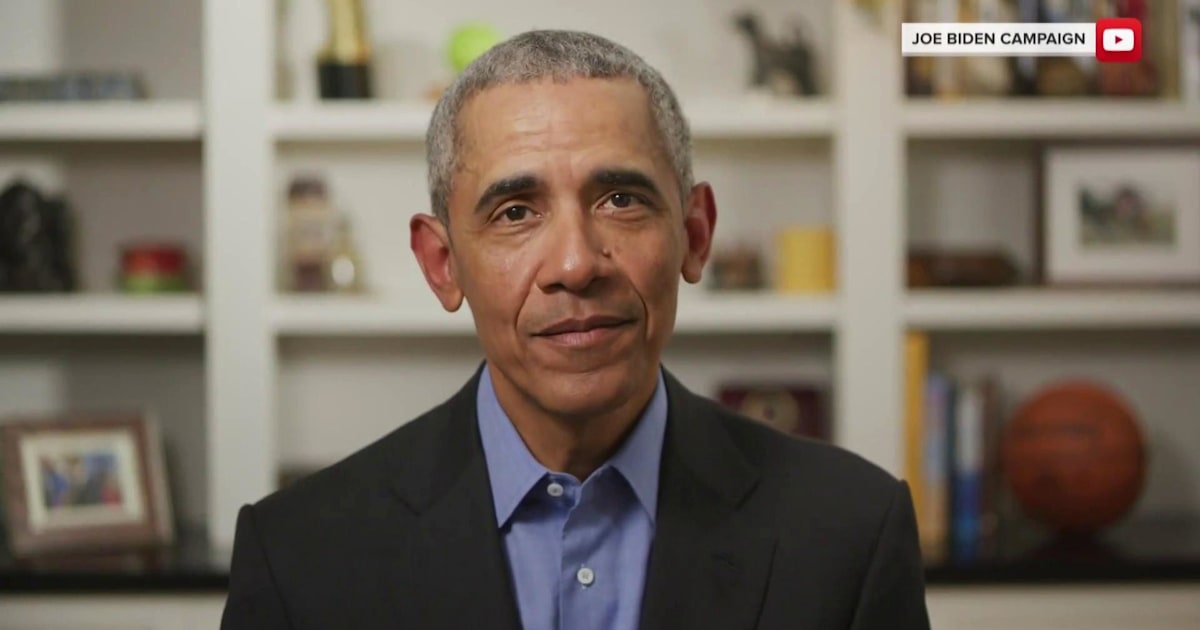
And suddenly, they’re all lining up behind Joe Biden. With the nomination in the bag, the former Vice President and now candidate for the presidency has been receiving ringing endorsements from former challengers like Elizabeth Warren and Bernie Sanders and even his former partner-in-chief, President Barack Obama. It’s been said that endorsements aren’t worth the paper they are printed on if no one reads them, so why are these suddenly so significant? Has the DNC finally learned that a divided party can’t beat Donald Trump? Are these done to curry favor for future Cabinet spots and potentially a VP nod? And what took Barack Obama so long to get on side with his former Vice President? There are a lot of questions to be asked – and if you are covering American politics – let our expert help. Dr. Stephen Farnsworth is a sought-after political commentator on subjects ranging from presidential politics to the local Virginia congressional races. He has been widely featured in national media, including The Washington Post, Reuters, The Chicago Tribune and MSNBC. He is author or co-author of six books on presidential communication. His latest work, "Late Night with Trump: Political Humor and the American Presidency" examines the role late night television has played in shaping the perception of presidential politics. Dr. Farnsworth is available to speak with media and help with your coverage – simply click on his icon to arrange an interview today.



CAA Insurance announced today that it will be offering a 10 per cent rate reduction for new and renewing home and/or auto insurance policy holders. This rate reduction will be available starting soon in Ontario and is valid for the duration of a 12-month policy term. “CAA believes that insurance should be based on people’s needs, and according to their lifestyle,” said Matthew Turack, president, CAA Insurance. “Right now, people are driving less and are focused on reviewing their finances. This rate reduction, combined with other creative ways where CAA Insurance can potentially help find savings, can make a big difference for people when they need it most.” CAA Insurance has been able to help consumers save money on their insurance premiums since the launch of CAA MyPace in 2018. The first-of-its-kind program in Canada, gives consumers more choice and control, by allowing motorists to monitor how much they are driving and to pay for auto insurance based on that mileage. The 10 per cent rate reduction is aimed specifically at lowering premiums during the COVID-19 pandemic. The reduced rates can be combined with additional ways to adjust coverage and payment plans to reflect reduced driving behavior such as: Reducing annual mileage amounts on policies Insurance adjustments for multiple cars that aren’t being driven CAA MyPace Customers switching to CAA MyPace due to a shift in driving habits, can decide to return to a traditional CAA Insurance policy with no fees or penalties once COVID-19 physical distancing measures are over, and higher mileage needs return. “The key thing is for consumers to check with their agent or broker, and make sure you explore all your options,” continued Turack. “Every company is taking a different approach during the COVID-19 pandemic, and it’s important to use this time to shop around to make sure you find the best savings.” While the auto insurance rate reduction will soon be available in Ontario, CAA Insurance is working with regulators in other provinces, with the intention to deliver auto insurance savings in all provinces where it operates. “CAA Insurance recognizes the efforts being made by the Financial Services Regulatory Authority (FSRA) to enable the industry to implement measures that help provide solutions to Ontario consumers during these challenging times,” said Turack.

Bare shelves and closed facilities – is America facing a food shortage?
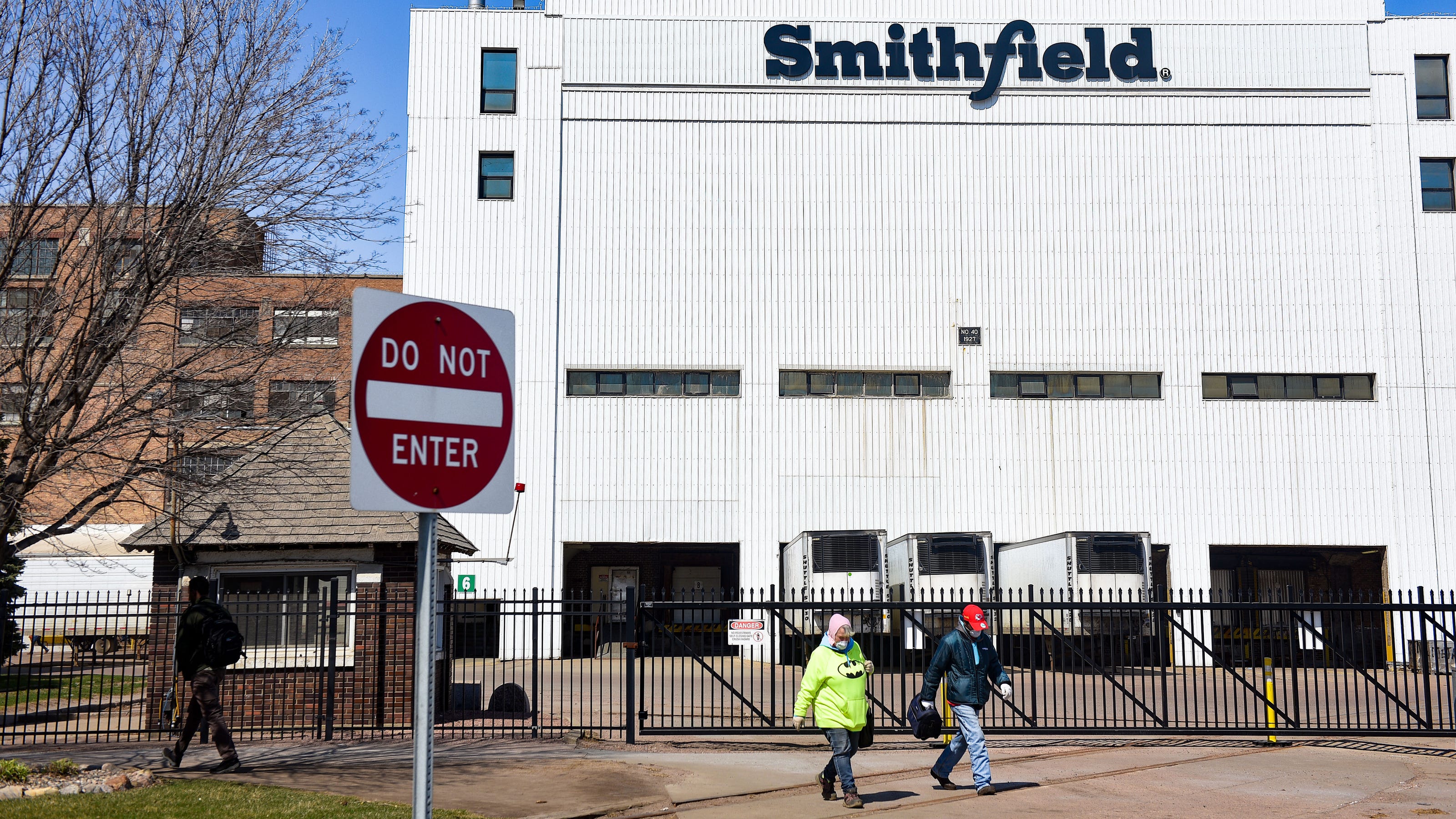
Earlier this week, South Dakota based, Smithfield Foods was ordered to closed its Sioux Falls pork production facility because workers at the plant tested positive for COVID-19. It may be one facility; however, it is responsible for five percent of all the packaged pork in America. While the plant is making the decision to close indefinitely, President and CEO Kenneth Sullivan said in the news release that the closure "is pushing our country perilously close to the edge in terms of our meat supply." The Sioux Falls, South Dakota, plant accounts for 4% to 5% of the nation's pork production, the company says. "We have continued to run our facilities for one reason: to sustain our nation’s food supply during this pandemic," Sullivan said. "We believe it is our obligation to help feed the country, now more than ever. We have a stark choice as a nation: We are either going to produce food or not, even in the face of COVID-19." The release said the plant will be shut down until "further direction is received from local, state and federal officials." Employees will be compensated for the next two weeks, but there was no mention of payment if the plant is closed for longer. April 13 – USA Today And it is not just Smithfield facing trouble. Tyson Foods and National Beef Packing are also shutting doors at facilities in Iowa. So, what will this mean for American supermarkets, consumers and a nation already worried about supply? Is there any way to keep production sustainable amidst a COVID-190 outbreak? If you are a journalist covering this emerging issue – then let our experts help. Dr. Zach Jenkins is an infectious disease expert at Cedarville University. He is available to speak with media about this topic – simply click on his icon to arrange an interview.


Are African Americans more at risk from COVID-19 than other Americans? Let our experts explain.
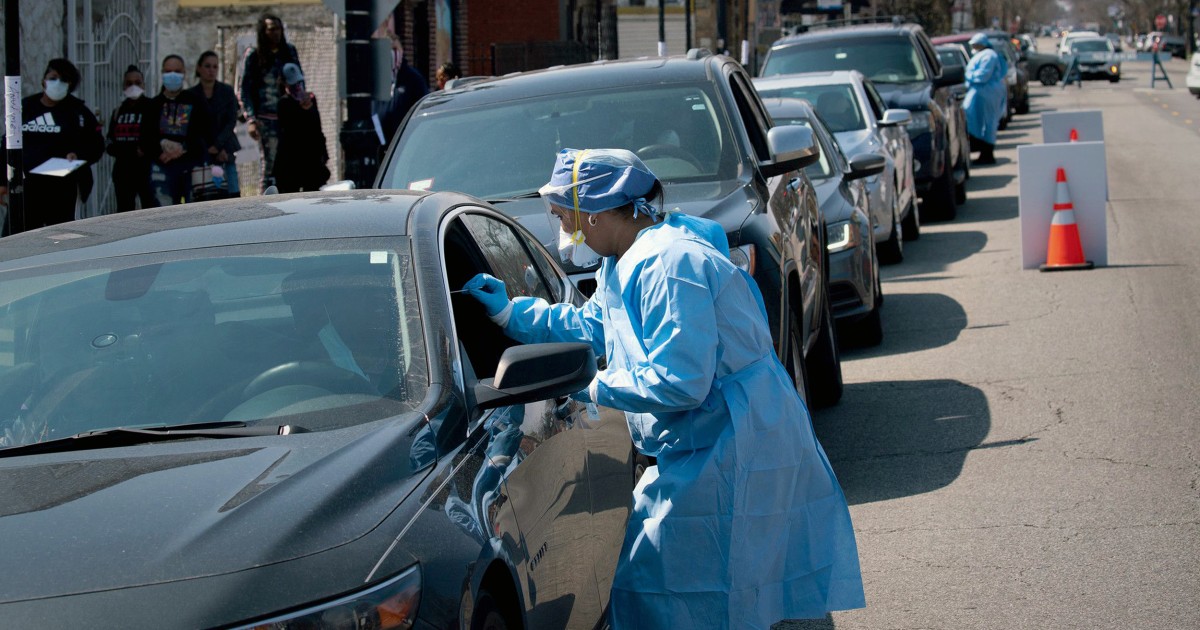
It’s a startling piece of evidence, but it appears that a disproportionate number of African Americans are dying due to the COVID-19 outbreak. On Tuesday, President Donald Trump called the impact of the coronavirus on African Americans a "real problem" that was showing up "strongly" in the data. Dr. Anthony Fauci, director of the National Institute of Allergy and Infectious Diseases, added that pre-existing conditions that are more prevalent among African Americans, including asthma and diabetes, are a factor. “We’re very concerned about that,” he said. Low-income people of color are also more likely to have jobs that can't be done remotely, meaning they're more likely to be exposed to the virus while more affluent professionals are able to stay at home. And they're less likely to have access to high-quality private testing or medical care. "I'm concerned this will be yet another case where there's a huge difference between people who are more wealthy and people who are poor, and there's going to be a difference between people of color and how much they suffer," Dr. Marcus Plescia, the chief medical officer for the Association of State and Territorial Health Officials, said. “We have a longstanding legacy of bias and racism in our country and we’re not going to get beyond that quickly.” NBC News – April 07 But as health officials and experts further examine the data – there are a lot of questions to be asked? What can African Americans do to further prevent the risk of infection? Do government officials need to allocate more resources to areas with a higher population of African Americans? Are African Americans being tested or have access to tests in the same manner as the rest of America? When we African Americans informed of this unique vulnerability and was anything put in place to inform to properly inform them? If you are a journalist covering this topic – then let our experts help. Dr. Tiffany G. Townsend is a widely recognized leader in diversity and psychology. She is an expert in the areas of health equity and serves as the chief diversity officer for Augusta University. Dr. Joseph Hobbs is an award-winning physician and a notable leader in the research of racial disparities in health care. He also serves as the chairman of the Department of Family Medicine at the Medical College of Georgia at Augusta University. Dr. Joseph Hobbs is an award-winning physician and a notable leader in the research of racial disparities in health care. He also serves as the chairman of the Department of Family Medicine at the Medical College of Georgia at Augusta University. Townsend and Hobbs are both available to speak with media regarding this topic– simply call 706-522-3023 to arrange an interview or simply click on Dr. Townsend's icon to book a time.

Think that call or online meeting is secure? You might want to ask an expert first?
As most of North America is now working from home, those trying to work are now finding board rooms and those always required meeting are now taking place online. Whether it is Webex, Zoom, Join.Me, Skype or even FaceTime – the convenience is ideal. But just how secure those calls are and whether or not someone is collecting, eavesdropping or recording might be altogether completely different. From Zoom’s CEO Eric Yuan: During normal operations, Zoom clients attempt to connect to a series of primary datacenters in or near a user’s region, and if those multiple connection attempts fail due to network congestion or other issues, clients will reach out to two secondary datacenters off of a list of several secondary datacenters as a potential backup bridge to the Zoom platform. In all instances, Zoom clients are provided with a list of datacenters appropriate to their region. This system is critical to Zoom’s trademark reliability, particularly during times of massive internet stress.” In other words, North American calls are supposed to stay in North America, just as European calls are supposed to stay in Europe. This is what Zoom calls its data center “geofencing.” But when traffic spikes, the network shifts traffic to the nearest data center with the most available capacity. China, however, is supposed to be an exception, largely due to privacy concerns among Western companies. But China’s own laws and regulations mandate that companies operating on the mainland must keep citizens’ data within its borders. April 03 - TechCrunch If you’re a journalist covering this topic, there’s still quite a few questions to be asked? What do users need to know about these platforms for meetings? Is there any information that shouldn’t be shared? Are there ways to guarantee enhanced security? And in these extraordinary times, does the risk outweigh the reward for businesses looking to carry on and stay afloat? If you’re asking – we’re here to help. Yoris A. Au is chair of the Department of Information Systems at Georgia Southern University. He is an expert in the areas of cyber security and telecommunications. Yoris is available to speak with media regarding this topic – simply click on his icon to arrange an interview.


As the world still isolates, social distances and stays at home – the concerns about the economy are always top of mind. Jobs, investments and paying bills are a daily topic at home and in the media. The initial spin that there’s nothing to worry about as whatever was lost is bound to bounce back once we’re back to normal is starting to fade. No one knows when that bounce back will start and the idea of back to normal, what it will look like and when is at best a guess for anyone. Public health experts are beginning to make predictions about when coronavirus infection rates will peak. Economists are calculating when the cost of continuing to shutter restaurants, shopping malls and other businesses — a move that has already pushed some 10 million Americans into unemployment, with millions more on the way — will outweigh the savings from further efforts to slow the virus once the infection curve has flattened out. Government officials are setting competing targets. President Trump has pushed his expected date of reopening the economy to the end of April. “We have to get back to work,” he said in a briefing on Saturday. “We have to open our country again. We don’t want to be doing this for months and months and months. We’re going to open our country again. This country wasn’t meant for this.” Some governors have set much more conservative targets, like Ralph Northam of Virginia, who canceled the remainder of the school year and imposed a shelter-at-home order through June 10. Other states, like Florida, only recently agreed to shut activity down but have set more aggressive targets — April 30, in the case of the Sunshine State — to restart it. April 06 – New York Times So when will it be back, what’s lost forever and how long to recover are the million-dollar questions. And if you are a journalist covering America’s economy through the COVID-19 pandemic – then let us help with your stories. Jeff Haymond, Ph.D. is Dean, School of Business Administration and a Professor of Economics at Cedarville and is an expert in finance and trade. Dr. Haymond is available to speak with media regarding this topic – simply click on his icon to arrange an interview.


The race for the White House is still on – is anyone paying attention?
No matter what, this is an election year. In fact, despite a crisis of any proportion, according to the U.S. Constitution, the end of term for any sitting President happens this January. But as the Democrats try and figure out what is left of their primary and President Trump is embroiled in the COVID-19 pandemic, what remains of the campaigns on either side of the aisle is anyone's guess. Journalists and pollsters are still paying attention, and no doubt the campaigns are keeping close watch, but how the candidates move forward without rallies, the requisite handshaking and the whistle-stop events may force a new approach to engaging voters and getting messages across for November. How each candidate behaves, reacts and endures during this crisis may also be critical to swaying voters about competence and leadership. Biden, who does not currently hold office, has been struggling to stay in the public eye as the coronavirus forced millions of Americans inside their homes. While Trump has held daily televised briefings about the virus, Biden has had to shut down fundraisers and other campaign events, and election officials in many states have postponed their nominating contests. Still, the poll found that the number of people who approve of Trump in general, and also those who like the way he has handled the U.S. coronavirus response, has changed very little over the past few weeks. About 44% said they approved of Trump's overall performance, and 48% said they liked the way he had responded to the coronavirus outbreak. April 01 - Reuters The election is going to happen this November - but how it is done and which campaign masters the new normal of politics is still unknown. If you are a journalist looking to know more or cover this topic – then let our experts help. Dr. Stephen Farnsworth is a sought-after political commentator on subjects ranging from presidential politics to the local Virginia congressional races. He has been widely featured in national media, including The Washington Post, Reuters, The Chicago Tribune and MSNBC. He is author or co-author of six books on presidential communication. His latest work, "Late Night with Trump: Political Humor and the American Presidency" examines the role late night television has played in shaping the perception of presidential politics. Dr. Farnsworth is available to speak with media and help with your coverage – simply click on his icon to arrange an interview today.

COVID-19 and a sustainable transition
As the COVID-19 pandemic touches almost every aspect of society, it is becoming increasingly obvious that the slowdowns and shutdowns may inadvertently enable us to shape a new conception of prosperity and good livelihood. What has the global slowdown meant for the environment and sustainable living, and what could it mean if some of the radical changes in our everyday lifestyles and consumption habits persisted long-term? As Maurie Cohen, professor in New Jersey Institute of Technology's department of humanities, explains, "Since we are all living through this unique moment, observing the responses by government, businesses and ordinary people, it marks an opportune time to explore if these changes can provide leverage points for opening pathways to a sustainability transition." The topic attracted a diverse group of scientists, economists, educators and hundreds more around the world virtually during a live webinar titled, “COVID-19 Can Help Wealthier Nations Prepare for a Sustainability Transition.” The open forum-style event, organized by researchers from the international sustainability organization FutureEarth, set up an online discussion on the major global sustainability trends and issues that have evolved in recent months alongside the coronavirus outbreak. Read more: Cohen is available to speak with media directly on issues related to COVID-19 and sustainability. To arrange an interview, click on the button below.

