Experts Matter. Find Yours.
Connect for media, speaking, professional opportunities & more.

In a September article featured in Forbes, Marshall Shepherd reports on a new tool launched by Project Drawdown that aims to deliver personalized climate-action strategies to different users—including policymakers, businesses, and individuals. In the piece, he explains that the tool helps match context-specific emissions reduction or resilience options to the particular needs, geography, and capacities of the user, rather than prescribing one-size-fits-all solutions. Shepherd also emphasizes that tools like this can help bridge the gap between climate science and real-world decision-making. He argues that equipping stakeholders with tailored pathways could accelerate uptake of effective interventions by making them more relevant, feasible, and compelling. Ultimately, Shepherd presents the new Drawdown resource as a promising model for democratizing access to climate solutions, enabling individuals and organizations to engage in strategies best suited to their specific circumstances. Dr. J. Marshall Shepherd is a leading international weather-climate expert and is the Georgia Athletic Association Distinguished Professor of Geography and Atmospheric Sciences at the University of Georgia. Dr. Shepherd was the 2013 President of American Meteorological Society (AMS), the nation’s largest and oldest professional/science society in the atmospheric and related sciences. View his profile here Dr. J. Marshall Shepherd is a leading international weather-climate expert and is the Georgia Athletic Association Distinguished Professor of Geography and Atmospheric Sciences at the University of Georgia. He's available to speak with the media about this topic - simply click on his icon now to arrange an interview today.
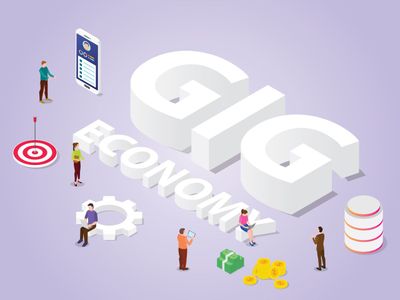
Gig worker protection law boosted overall earnings but dropped hourly pay
A 2020 California law designed to protect gig workers by classifying them as regular employees, rather than contractors, ended up increasing their earnings by about 8%. However, their hourly pay dropped by 1.6% as companies offset the higher costs of benefits. Workers’ increased earnings came from working longer hours in order to qualify for and reap benefits like employer tax sharing. These findings come from a study led by Liangfei Qiu, Ph.D., a professor in the University of Florida’s Warrington College of Business, which examined nearly 400,000 monthly work records from about 41,000 freelancers on Upwork, one of the world’s largest online labor platforms. That trove of data let the researchers ask what actually happened when the law, known as AB5, took effect. Qiu’s is the first study to reveal how AB5 affected workers’ income and comes as other states consider passing similar laws. Liangfei Qiu is an expert in social technology, including social media and social networks, as well as artificial intelligence. View his profile here “It highlights some unintended consequences,” Qiu said. “If the labor market competition is similar to what we observe in California, then you might get lower hourly rates for gig economy workers and longer working hours.” “But it’s nuanced. In surveys, gig workers said they were willing to work longer hours because they had better benefits. The outcome depends on how involved someone is in the gig economy,” Qiu added. AB5 was designed to correct what labor advocates saw as widespread misclassification of a company’s essential employees as independent contractors, who don’t typically earn any benefits. This classification gives companies a cheaper workforce, and provides maximum flexibility for workers, but doesn’t allow workers to earn any sick leave, vacation or health insurance. Self-employed contractors must also pay the full share of Social Security and Medicare taxes, which works out to about 15% of gross income. Gig economy companies fought back against the AB5 regulations. A company-sponsored ballot referendum, Prop 22, exempted well-known giants like Uber, Lyft and DoorDash from the law later in 2020. And the California legislature provided further carve outs for professions like doctors, lawyers and photographers. The law still applies to contractors used by delivery companies like FedEx, UPS or Amazon, home-service companies like Angi or Rover as well as online freelance platforms like TaskRabbit. The study is forthcoming in the journal Information Systems Research. Qiu collaborated on the analysis with researchers at Baylor University, Santa Clara University and Stony Brook University. Looking to know more about the 'gig economy' and how it impacts the workforce? Connect with Liangfei Qiu today and click is icon now to arrange a time to talk.



3 Things A Climate Scientist Learned From Jane Goodall
In a recent Forbes article, Marshall Shepherd reflects on three key lessons he has drawn from the life and work of Dr. Jane Goodall. Shepherd frames Goodall’s legacy—spanning primatology, conservation, and public engagement—as deeply instructive for climate scientists and environmental advocates. He argues that her methods and mindset have more to teach than simply how to observe nature; they speak to how we engage with the world. First, Shepherd highlights immersion: Goodall’s decades of patient observation in the Tanzanian forests demonstrates the power of being physically—and emotionally—present to truly learn from ecosystems. For Shepherd, climate science must go beyond remote data collection: getting into the field and understanding local realities matters. Second, he emphasizes patience. Goodall’s willingness to wait, sometimes for years, for breakthroughs in understanding primate behavior offers a lesson for climate researchers, whose progress may unfold over decades. Third, he admires her tenacity—a commitment sustained over a lifetime, even under adversity. Shepherd suggests that tackling climate change requires that same kind of enduring resolve, especially when public attention or funding waxes and wanes. Through these reflections, Shepherd presents Goodall not just as an icon of conservation but as a model for scientific humility and perseverance. He invites readers to see the parallels between animal behavior research and climate work—and to adopt practices of listening, patience, and resolve in confronting our planet’s changing trajectory. Dr. J. Marshall Shepherd is a leading international weather-climate expert and is the Georgia Athletic Association Distinguished Professor of Geography and Atmospheric Sciences at the University of Georgia. Dr. Shepherd was the 2013 President of American Meteorological Society (AMS), the nation’s largest and oldest professional/science society in the atmospheric and related sciences. View his profile here Dr. J. Marshall Shepherd is a leading international weather-climate expert and is the Georgia Athletic Association Distinguished Professor of Geography and Atmospheric Sciences at the University of Georgia. He's available to speak with the media about this topic - simply click on his icon now to arrange an interview today.

Experts in the Media: Hurricane Season Isn’t Shutdown. A Busy Week Looms For Meteorologists
When you think hurricane season is winding down, think again. Just as many people begin to relax after a stretch of calm weather, the atmosphere often has other plans. Meteorologists are warning that even as we head deeper into October, the tropics are far from done stirring. The “off-season,” as Dr. Marshall Shepherd puts it, can be one of the most deceptive times of year—when attention fades but nature remains restless. Dr. J. Marshall Shepherd is a leading international weather-climate expert and is the Georgia Athletic Association Distinguished Professor of Geography and Atmospheric Sciences at the University of Georgia. Dr. Shepherd was the 2013 President of American Meteorological Society (AMS), the nation’s largest and oldest professional/science society in the atmospheric and related sciences. View his profile here In his recent Forbes article, Shepherd, a leading atmospheric scientist and former president of the American Meteorological Society, reminds readers that the Atlantic hurricane season doesn’t have an on-off switch. While it may appear to be slowing, meteorologists are bracing for a busy week ahead as multiple weather systems continue to develop. He explains that this year’s pattern demonstrates how tropical activity often ebbs and flows, and a lull in storms doesn’t mean the threat has passed. Shepherd highlights how experts are closely watching sea-surface temperatures, wind shear, and atmospheric moisture—factors that can quickly transform calm seas into cyclone breeding grounds. Despite the calendar inching toward November, he warns that conditions remain ripe for sudden storm formation. Ultimately, Shepherd’s message is one of preparedness and respect for nature’s unpredictability. Even when the radar looks clear, the tropics can still surprise us. His call to stay alert is a timely reminder that meteorology is not about predicting the past—it’s about anticipating the next twist in the weather’s unfolding story. Dr. J. Marshall Shepherd is a leading international weather-climate expert and is the Georgia Athletic Association Distinguished Professor of Geography and Atmospheric Sciences at the University of Georgia. He's available to speak with the media about this topic - simply click on his icon now to arrange an interview today.
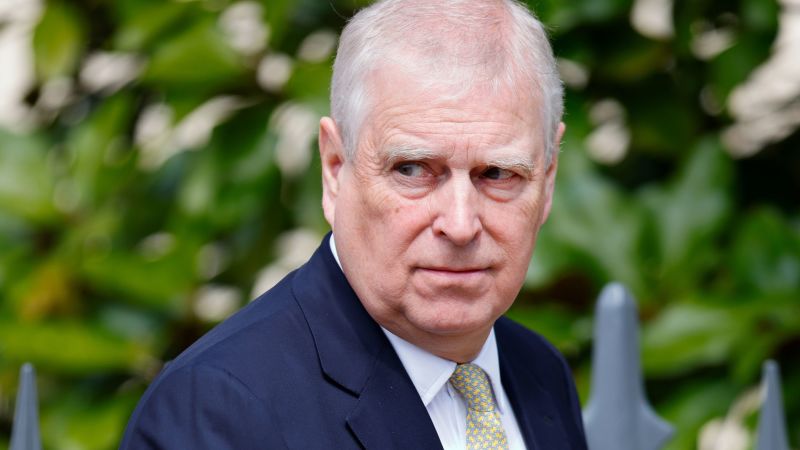
Stepping Away from the Crown: Royals Giving Up Titles and Duties
Just last week, Prince Andrew announced that he would relinquish his title of Duke of York and other honours, citing that the ongoing allegations against him had become a distraction to the work of the royal family. He asserted this step was taken with the King’s agreement, stating he will no longer use the titles conferred upon him—even as he continues to deny any wrongdoing. A Legacy of Abdication and Renunciation Throughout royal history, stepping back from royal life or formally abdicating has taken many forms. The dramatic abdication of King Edward VIII in 1936—who gave up the British throne to marry Wallis Simpson—remains one of the most famous examples. Other monarchs, like Queen Christina of Sweden and Emperor Charles V, also renounced power to pursue personal convictions. Today’s examples are often more nuanced: royals “stepping down” from duties while retaining birthright status. The case of Prince Andrew fits in this evolving pattern of royal redefinition. Why Royals Leave (or Are Pushed Away) Motivations are diverse: personal choice, scandal, pressure, health, or changing views of leadership. Historically, abdications often responded to political crises. Now, with the monarchy under constant media and public scrutiny, stepping back can be seen as damage control or a bid for personal freedom—particularly in cases involving controversy. The Constitutional and Symbolic Ripples When a royal gives up titles or duties, multiple questions emerge: What role remains? (In Andrew’s case, he loses the Duke title but retains his princely status.) How does the monarchy manage public perception, continuity, and precedence? What are the implications for funding, patronages, and official duties? Such departures also force the institution to grapple with legacy, relevance, and the tension between duty and humanity. Monarchy in the Age of Transparency The modern era demands more from monarchy than ever before: accountability, relevance, and adaptability. When royals step aside—voluntarily or under pressure—it reshapes how the public sees royal duty. These shifts reflect broader questions: what role should individuals born into monarchy play? Can institutions evolve while retaining symbolic continuity? Connect with our experts about the history, symbolism, and modern evolution of royal abdications and withdrawals. To see our full database of experts, visit: www.expertfile.com

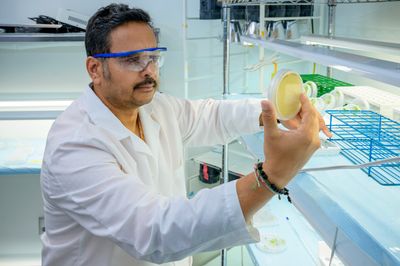
New path to combating global malnutrition found in soil
A new University of Delaware study has found that a naturally occurring soil microbe can boost protein-building amino acids in wheat. The finding by UD's Harsh Bais and others could pave the way for nutrient-rich staple crops — helping combat global malnutrition as fluctuations in weather reduce crop quality. In the study, published in the journal Frontiers in Microbiology, Bais and a team of researchers from UD, Stroud Water Research Center and the Rodale Institute investigated how a bacteria naturally found in the soil that is beneficial to human health can enhance the levels of the amino acid and antioxidant ergothioneine in spring wheat. The researchers grew the spring wheat — one of the most widely consumed cereal crops — in a laboratory. After letting the seeds germinate and grow for seven days, they added a strain of bacteria called Streptomyces coelicolor M145 to the spring wheat roots. After combining the bacteria and the plant, they separated the plant’s leaves and roots. Then, they extracted the amino acid ergothioneine from the samples, working to determine how much protein was in the plant’s roots and shoots. They found that 10 days after S. coelicolor had been added to the spring wheat roots, the bacteria was able to inhabit spring wheat’s roots and shoots, producing ergothioneine, bypassing the plant’s innate defense mechanisms, and fortifying the spring wheat. Wheat roots were inoculated with the benign bacteria Streptomyces coelicolor. The image shows the presence of bacteria on the root hairs on day 5. “It’s unusual," Bais said. “Unless there is a mutual advantage for either the plant or the microbe.” The findings suggest that an alternative plant breeding approach could be utilized to associate plants with benign microbes to increase protein content in staple crops. All of our cereal crops are very low in protein. Think rice and breakfast cereals, common foods people eat, derived from these crops. “This approach of harnessing a natural association of microbes with plants may facilitate fortifying our staple crops, enhancing global nutritional security,” Bais said. Bais said he believes using microbes to transport nutrients depends on the microbes’ relationship with plants’ roots. He continues to work to catalyze the colonization of plant roots by beneficial microbes. "Establishing a partnership with the appropriate types of microbes or microbial consortia for plants represents a method of engineering the rhizosphere — the region of the soil near plant roots — to foster a more favorable environment for either microbial associations that stimulate plant growth traits or enhance nutrient availability, which is the path forward,” Bais said. Bais, a professor of plant biology who was named a UD Innovation Ambassador earlier this year, said plants’ “below-ground” traits, such as how nutrient-dense they are, have long been overlooked. “As far as food security, we will have significant challenges by 2050 when the world’s population doubles,” Bais said. “We incentivize our farmers for crop yield; we don’t incentivize them for growing nutrient-dense crops. Growing nutrient-dense plants will enable the population to be fed better and avoid any potential nutrient deficiencies.” The study was funded by the U.S. Department of Agriculture and the Foundation for Food and Agriculture Research. Scientists have become more interested in soil bacteria as a means to solve issues with malnutrition and nutrient deficiencies. Alex Pipinos, the lead author and a UD Class of 2025 graduate with a master’s in microbiology, said environmental conditions are one factor diminishing protein content in plants. “Essentially, crops are becoming less nutrient-dense,” Pipinos said. “The more nutrients in crops, the more healthy humans can be.” Pipinos points to a strong link between soil microbes, plant health and human health. Ergothioneine, she said, has already been shown to lower the risk of cardiovascular disease. It’s also been shown to combat cognitive decline, with a strong link to healthy cognitive aging. “By enhancing ergothioneine in plants, we can improve human health,” Pipinos said. To reach Bais directly and arrange an interview, visit his profile and click on the contact button. Reporters can also contact UD's Media Relations Department.



For Trump’s Perceived Enemies, the Process may be the Punishment
This article is republished from The Conversation under a Creative Commons license. Read the original article here. Former FBI Director James Comey pleaded not guilty to two criminal charges in a federal court in Alexandria, Virginia, on Oct. 8, 2025. The charges allege that Comey lied to Congress in September 2020 when he stood by earlier testimony that he did not authorize a leak of an FBI investigation involving Hillary Clinton. Numerous legal commentators on both the left and right have argued that Comey’s indictment is little more than the Trump administration seeking vengeance on one of the president’s perceived enemies. They allege that the president has it out for Comey, who investigated Russian interference in the 2016 presidential election and was fired by Trump in 2017. The president’s own words support the idea that the Trump administration is targeting Comey. In a social media post on Sept. 20, 2025, Trump directed Attorney General Pam Bondi to move forward with prosecutions against Comey, Democratic U.S. Sen. Adam Schiff and New York Attorney General Letitia James: “They’re all guilty as hell, but nothing is going to be done. …JUSTICE MUST BE SERVED, NOW!!!” If the case against Comey is exceedingly weak – and little more than a political prosecution – then, in my view as a scholar of the U.S. legal system, it should result in the dismissal of charges by the judge or a not guilty verdict by the jury. But even when an individual is not convicted, the process of defending against charges can itself be a form of punishment, as renowned legal scholar Malcolm Feeley pointed out almost 50 years ago. Here’s how the criminal justice process punishes even innocent people. The criminal justice process The criminal justice process is complex. After a grand jury returns an indictment at the request of a prosecutor, the accused appears in court for their arraignment. They are informed of the charges against them and typically enter a plea. During what’s called “discovery,” the prosecution and defense investigate the evidence the other side plans to rely on. There are also pretrial motions in which the parties ask judges to dismiss charges and accept or exclude evidence. The defense and prosecution may also meet to discuss a plea bargain, wherein the accused may plead guilty in exchange for a lesser sentence or reduced charges. If there is no plea bargain, then the case moves to trial, which is itself a complicated process. If a defendant is found guilty, they can mount an appeal to higher courts in an attempt to have their conviction overturned. To help navigate this process, criminal defendants typically hire a lawyer. And good lawyers don’t come cheap. Money and time Indigent defendants, who do not have the financial resources to pay their own legal fees, can rely on public defenders paid for by the government. But individuals who can afford to pay for their own lawyer face a substantial financial burden for attorney services and court fees. An experienced criminal defense lawyer can charge more than US$1,000 per hour, with fees quickly adding up. This means that mounting a legal defense can easily cost tens of thousands of dollars. On top of this, it takes a great deal of time to prepare for a criminal case. While lawyers and their staff do much of the legwork for trial preparation, a client works with their attorneys to help formulate a defense. As a result, criminal defendants lose one of the most precious commodities in the world: their time. And this time can come at a tangible cost in the form of lost wages, which harms their day-to-day lives. Put simply, every hour spent preparing for trial is an hour defendants could spend working or enjoying their lives. Stress and embarrassment It’s not pleasant being charged with a crime. The criminal process, which typically lasts months, takes a toll on one’s mental health. This is largely driven by the uncertainty surrounding the outcome of a criminal trial and the possibility of losing one’s freedom if convicted. In addition, there is a social stigma that comes with being accused of a crime. This can result in reputational damage, anxiety and embarrassment. The Trump administration appears to recognize this reality. Several media outlets have reported that FBI leadership had planned a public perp walk for Comey. According to a CBS News report, this was to have included “‘large, beefy’ agents … ‘in full kit,’ including Kevlar vests and exterior wear emblazoned with the FBI logo.” Apparently, the plan was aborted after several FBI supervisors refused to cooperate, viewing it as inappropriate. One agent was disciplined for insubordination after refusing to go along with the plan to embarrass Comey in this way. Not all criminal defendants suffer the same The extent to which criminal defendants experience the criminal justice process as a form of punishment varies from person to person. For high-status people like Comey, lost wages and attorneys’ and court fees may not be that big of a deal. But these costs may be incredibly significant for other people who have been, or are likely to be, targeted by the Trump administration. The high costs of lawyers’ fees are well known to the president. For instance, his political action committee spent millions of dollars on attorneys’ fees in an unsuccessful effort to defend Trump from criminal charges in New York. In addition, people no doubt experience the psychological stress and stigma of a possible criminal conviction differently. But regardless of one’s wealth, the lost time spent preparing a criminal defense is something that cannot be replaced. The recognition that the criminal process is itself a form of punishment is one of the reasons that the Department of Justice has maintained independence from the president. By violating the tradition of staying out of politics, the Justice Department in the Trump administration has opened the door for the president to seek retribution on his perceived political enemies. The mere act of putting them through the criminal process ensures that they suffer, regardless of their guilt or innocence.



Inside the Classroom: LSU Psychologist Shares Insight on Student Attention Spans
What large changes have schools seen over the past few years regarding attention spans? "Being distracted by something in nature when trying to do a task may have been the first type of distraction, along with internal distractions, such as thinking about something else when you are trying to complete a task. Thus, distraction is not new. What’s new today is that the types of distractions are more complex and can even be individually tailored to capture someone’s attention, which can lead to more temptations to shift our attention off of one task and over to something else." What are innocuous ways students can harm their attention spans? What effect do phones have on retention ability? "One way I think that students can harm their own task progress is to believe that they can truly multitask or do more than one thing at one time. If you are completing a homework assignment and you are tempted to check your social media feed, you are causing a switch of your attentional focus. It may seem quick and somewhat harmless, but numerous studies have indicated that trying to switch back and forth between two tasks results in more errors and has the overall effect of taking longer to complete the main task. Thus, put simply, do not multitask. Set aside a time limit, say 20 or 30 minutes, to solely focus on one assignment or one study guide. Then take a break." How can a depleted attention span affect general physical and mental health in children? "Mental effort can be as tiring as physical efforts. As a field, we now understand the importance of sleep and overall health for our cognitive systems. To support the efforts of sustained attention, it is important to recognize that learning takes time and it takes energy. In terms of young children, the many processes involved in the development of the body and the mind require more sleep than older children and adults. How may fixing a memory deficit look different in a teen versus a child? "Younger children need more breaks than older children, as well as needing more sleep. However, younger children are able to maintain their focus of attention. They may need more guidance and something we call “scaffolding." This term is used to indicate that the older learners may already have a framework to use to build their knowledge, whereas younger learners are starting from scratch. Providing extra support that is relative to their age and ability helps children to perform at their maximum level." Are schools set up to most efficiently stimulate students' minds? "When I think about the classrooms of early childhood settings, such as pre-K and lower elementary schools, the classrooms are set up to encourage learning. There are brightly colored pictures and words on the walls; there are reading nooks that are comfortable and easy to reach for smaller learners; there are spaces to move the desks around the room to allow for different configurations of the space; and so forth. As children get older, the classroom spaces start to reflect these changes and allow for different interactions between the students and the material. I think about a high school science lab with tables and equipment, as compared to a history classroom with classical book titles and historical figures displayed on the walls. I believe the physical spaces of many classrooms are well-suited to match the skills and capabilities of the children as they grow, because they are designed to meet the children where they are." What tools would you recommend teachers use to help students strengthen their learning skills? "As I mentioned earlier, learning new material takes time and effort. It is important for children and adults to realize this and to allow time and space for learning. Sometimes adults can forget what it was like to learn something new for the first time, because they already have a foundation for their knowledge. Children are acquiring new information, new skills, and making new connections in their neural networks every day. We learn by associating information with things we already know, and also by making new connections. I mean this in a figurative sense, such as thinking about how one vocabulary word may relate to another one, as well as in a literal neural sense. Our brains work by making connections between neurons to create neural networks." Does knowing what kind of learner you are (audio, visual, or descriptive) help you improve your memory? "In terms of learning styles, this has been a pervasive but misleading concept. I believe it has stuck around because it is also intuitive. People have preferences. We know this, and it is very apparent in almost all aspects of life (our fashion, our food choices, etc). However, having a preference is not the same thing as being limited to learning in only one modality. In fact, research has shown that teaching new information in more than one modality is the most effective way." What has been the most surprising result from your research? "Children are incredibly capable of vast amounts of learning. I do not think we give children enough credit for the acquisition of so many skills in a relatively short amount of time. As just one example, if an adult learner has ever tried to become proficient in a second language, they will realize that it is a difficult task. However, young children can pick up a second language in a manner that seems almost effortless. This is just one example of the fantastic capabilities and flexibilities of the young mind."



Recently, Craig Albert, PhD, was published in the Journal of Political Science Education. The article, 'Cyber-Enabled Education Operations: Towards a Strategic Cybersecurity Curriculum for the Social Sciences,' looks into how U.S. cyber intelligence training is overly technical and should integrate political science and social science courses to build strategic thinkers who understand adversaries’ motives and policies, ultimately strengthening U.S. national security. Craig Albert, PhD, is a professor of Political Science and the graduate director of the PhD in Intelligence, Defense, and Cybersecurity Policy and the Master of Arts in Intelligence and Security Studies at Augusta University. His areas of concentration include international security studies, cybersecurity policy, information warfare/influence operations/propaganda, ethnic conflict, cyberterrorism and cyberwar, and political philosophy. View his profile here. Here's the abstract from the paper in Research Gate: Most cyber intelligence analysts within the United States Intelligence Community (USIC) typically enter the field with strong technical expertise, often derived from degrees in computer science or extensive technical training. However, a critical gap exists in education and training on the strategic dimensions of cyber threats. This paper advocates for the integration of cybersecurity-focused courses within social science disciplines, particularly political science, to cultivate strategic thinkers who can contribute effectively to the USIC. The inclusion of strategic policy coursework in political science curricula, as well as more broadly across social science programs, would better prepare students for careers in the USIC by deepening their understanding of the motivations, capabilities, and intentions of the United States’ strategic adversaries in cyberspace—specifically Russia, China, Iran, and North Korea. Such training would equip analysts with critical insights to improve their effectiveness in identifying, attributing, and mitigating cyber intrusions. Moreover, a stronger emphasis on the human behavior and policy dimensions of cybersecurity would enhance the overall competency of the USIC workforce, thereby strengthening U.S. national security policy. Looking to know more? Let us help. Craig Albert, PhD, is available to speak with media. Simply click on his icon now to arrange an interview today.



University Communications Needs a Bigger Role in the Research Conversation
While attending the Expert Finder Systems International Forum (EFS), several notable themes emerged for me over the 2-day event. It's clear that many universities are working hard to improve their reputation by demonstrating the real-world impact of their research to the public and to funders, but it's proving to be a challenging task - even for the largest R1 universities. Many of these challenges stem from how institutions have traditionally organized their research functions, management systems, and performance metrics. Engaging faculty researchers in this process remains a significant challenge, despite the need for rapid transformation. While this EFS conference was very well-organized and the speakers delivered a great deal of useful information, I appeared to be one of the few marketing and communications professionals in a room full of research leaders, administrative staff, librarians, and IT professionals. There's a certain irony to this, as I observe the same phenomenon at HigherEd marketing conferences, which often lack representation from research staff. My point is this. We can't build better platforms, policies, and processes that amplify the profile of research without breaking down silos. We need University Communications to be much more involved in this process. As Baruch Fischhoff, a renowned scholar at Carnegie Mellon University, notes: Bridging the gap between scientists and the public “requires an unnatural act: collaboration among experts from different communities” – but when done right, it benefits everyone. But first, let's dive in a little more into RIM's and Expert Finder Systems for context. What are Research Information Systems (RIMs) Research Information Management systems (aka Expert Finder Systems) are the digital backbone that tracks everything researchers do. Publications, grants, collaborations, patents, speaking engagements. Think of them as massive databases that universities use to catalog their intellectual output and demonstrate their research capacity. These systems matter. They inform faculty promotion decisions, support strategic planning and grant applications, and increasingly, they're what institutions point to when asked to justify their existence to funders, accreditors, and the public. But here's the problem: most RIM systems were designed by researchers, for researchers, during an era when academic reputation was the primary currency. The game has fundamentally changed, and our systems haven't caught up. Let's explore this further. Academic Research Impact: The New Pressure Cooker Research departments across the country are under intense pressure to demonstrate impact—fast. State legislators want to see economic benefits from university research. Federal agencies are demanding clearer public engagement metrics. Donors want stories, not statistics. And the general public? They're questioning whether their tax dollars are actually improving their lives. Yet some academics are still asking, “Why should I simplify my research? Doesn’t the public already trust that this is important?” In a word, no – at least, not like they used to. Communicators must navigate a landscape where public trust in science and academia is not a given. The data shows that there's a lot of work to be done. Trust in science has declined and it's also polarized:. According to a Nov. 2024 Pew Research study, 88% of Democrats vs. 66% of Republicans have a great deal or fair amount of confidence in scientists; overall views have not returned to pre-pandemic highs and many Americans are wary of scientists’ role in policymaking. While Public trust in higher education has declined, Americans see universities having a central role in innovation. While overall confidence in higher education has been falling over the past decade, a recent report by Gallup Research shows innovation scores highest as an area where higher education helps generate positive outcomes. Communication is seen as an area of relative weakness for scientists. Overall, 45% of U.S. adults describe research scientists as good communicators, according to a November 2024 Pew Research Study. Another critique many Americans hold is the sense that research scientists feel superior to others; 47% say this phrase describes them well. The traditional media ecosystem has faltered:. While many of these issues are largely due to research being caught in a tide of political polarization fueled by a significant rise in misinformation and disinformation on social media, traditional media have faced serious challenges. Newsrooms have shrunk, and specialized science journalists are a rare breed outside major outlets. Local newspapers – once a reliable venue for highlighting state university breakthroughs or healthcare innovations – have been severely impacted. The U.S. has lost over 3,300 newspapers since 2005, with closures continuing and more than 7,000 newspaper jobs vanished between 2022 and 2023 according to a Northwestern University Medill Report on Local News. Competition for coverage is fierce, and your story really needs to shine to grab a journalist's attention – or you need to find alternative ways to reach audiences directly. The Big Message These Trends are Sending We can’t just assume goodwill – universities have to earn trust through clear, relatable communication. Less money means more competition and more scrutiny on outcomes. That's why communications teams play a pivotal role here: by conveying the impact of research to the public and decision-makers, they help build the case for why cuts to science are harmful. Remember, despite partisan divides, a strong majority – 78% of Americans – still agree government investment in scientific research is worthwhile. We need to keep it that way. But there's still a lot of work to do. The Audience Mismatch Problem The public doesn't care about your Altmetrics score. The policymakers I meet don't get excited about journal impact factors. Donors want to fund solutions to problems they understand, not citations in journals they'll never read. Yet our expert systems are still designed around these traditional academic metrics because that's what the people building them understand. It's not their fault—but it's created a blind spot. "Impact isn't just journal articles anymore," one EFS conference panelist explained. "It's podcasts, blogs, media mentions, datasets, even the community partnerships we build." But walk into most research offices, and those broader impacts are either invisible in the system or buried under layers of academic jargon that external audiences can't penetrate. Expert systems have traditionally been primarily focused on academic audiences. They're brilliant at tracking h-Index scores, citation counts, and journal impact factors. But try to use them to show a state legislator how your agriculture research is helping local farmers, or explain to a donor how your engineering faculty is solving real-world problems? There's still work to do here. As one frustrated speaker put it: "These systems have become compliance-driven, inward-looking tools. They help administrators, but they don't help the public understand why research matters. The Science Translation Crisis Perhaps the most sobering observation came from another EFS Conference speaker who said it very plainly. "If we can't explain our work in plain language, we lose taxpayers. We lose the community. They don't see themselves in what we do." However, this feels more like a communication problem masquerading as a technology issue. We've built systems that speak fluent academic, but the audiences we need to reach speak human. When research descriptions are buried in jargon, when impact metrics are incomprehensible to lay audiences, when success stories require a PhD to understand—we're actively pushing away the very people we need to engage. The AI Disruption Very Few Saw Coming Yes, AI, like everywhere else, is fast making its mark on how research gets discovered. One impassioned speaker representing a university system described this new reality: "We are entering an age where no one needs to click on content. AI systems will summarize and cite without ever sending the traffic back." Think about what this means for a lot of faculty research. If it's not structured for both AI discovery and human interaction, your world-class faculty might as well be invisible. Increasingly, you will see that search traffic isn't coming back to your beautifully designed university pages—instead, it's being "synthesized" and served up in AI-generated summaries. I've provided a more detailed overview of how AI-generated summaries work in a previous post here. Keep in mind, this isn't a technical problem that IT can solve alone. It's a fundamental communications challenge about how we structure, present, and distribute information about our expertise. Faculty Fatigue is Real Meanwhile, many faculty are experiencing serious challenges managing busy schedules and mounting responsibilities. As another EFS panelist commented on the challenges of engaging faculty in reporting and communicating their research, saying, "Many faculty see this work as duplicative. It's another burden on top of what they already have. Without clear incentives, adoption will always lag." Faculty researchers are busy people. They will engage with these internal systems when they see direct benefits. Media inquiries, speaking opportunities, consulting gigs, policy advisory roles—the kind of external visibility that advances careers and amplifies research impact. And they require more support than many institutions can provide. Yet, many universities have just one or two people trying to manage thousands of profiles, with no clear strategy for demonstrating how tasks such as profile updates and helping approve media releases and stories translate into tangible opportunities. In short, we're asking faculty to feed a system that feels like it doesn't feed them back. Breaking Down the Silos Which brings me to my main takeaway: we need more marketing and communications professionals in these conversations. The expert systems community is focused on addressing many of the technical challenges—data integration, workflow optimization, and new metadata standards — as AI transforms how we conduct research. But they're wrestling with fundamental communication challenges about audience, messaging, and impact storytelling. That's the uncomfortable truth. The systems are evolving whether we participate or not. The public pressure for accountability isn't going away. Comms professionals can either help shape these systems to serve critical communications goals or watch our expertise get lost in translation. ⸻ Key Takeaways Get Closer to Your Research: This involves having a deeper understanding of the management systems you use across the campus. How is your content appearing to external audiences? —not just research administrators, but the journalists, policymakers, donors, and community members we're trying to reach. Don't Forget The Importance of Stories: Push for plain-language research descriptions without unnecessarily "dumbing down" the research. Show how the work your faculty is doing can create real-world benefits at a local community level. Also, demonstrate how it has the potential to address global issues, further enhancing your authority. And always be on the lookout for story angles that connect the research to relevant news, adding value for journalists. Structure Expert Content for AI Discoverability: Audit your content to see how it's showing up on key platforms such as Google Gemini, ChatGPT. Show faculty how keeping their information fresh and relevant translates to career opportunities they actually care about. Show Up at These Research Events: Perhaps most importantly, communications pros need to be part of these conversations. Next year's International Forum on Expert Finder Systems needs more communications professionals, marketing strategists, and storytelling experts in the room. The research leaders, administrators and IT professionals you will meet have a lot of challenges on their plate and want to do the right thing. They will appreciate your input. These systems are being rapidly redesigned - Whether you're part of the conversation or not. The question is: do we want to influence how they serve our institutions' communications goals, or do we want to inherit systems that work brilliantly for academic audiences but get a failing grade for helping us serve the public?