
Experts Matter. Find Yours.
Connect for media, speaking, professional opportunities & more.
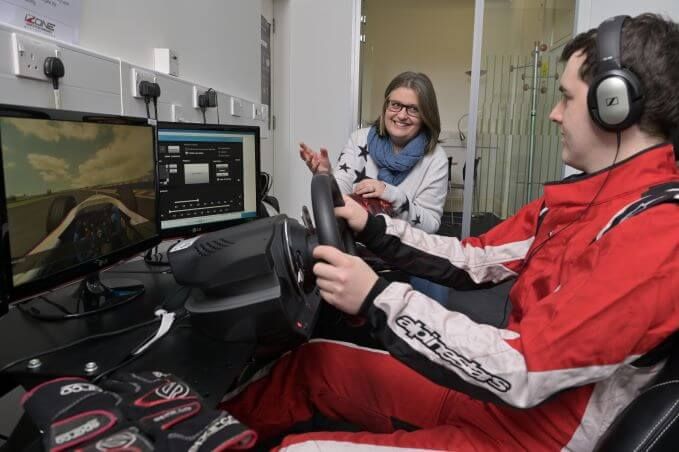
Public lecture: Be kind - effective design of software with and for real people
Public lecture: Be kind - effective design of software with and for real people Professor Jo Lumsden to give inaugural lecture on 9 March Will discuss need to approach software design with basic kindness. How software can be designed with kindness at its core is to be explored in a public lecture at Aston University. Professor Jo Lumsden is to give her inaugural lecture Be kind - effective design of software with and for real people on 9 March, which will be open to the public. Professor Lumsden said: “The approach to software development, however admirable, is often dominated by either the domain expert or the engineer who builds the software. “All too often, the voices of the real people who are destined to use the software are overlooked, or age-old techniques are adopted that do not support inclusive design or evaluation of such technologies.” Professor Lumsden will reflect on a wide range of examples which demonstrate novelty, or innovation. These could be in terms of designing with and interaction for end users, and evaluation to ensure feasibility and usability of technology that will be acceptable to end users. Professor Lumsden added: “Technology should be developed to help solve our problems or to improve our lives. “I am passionate about the fundamental need to approach software design with basic kindness. “I hope that the examples I will share in my lecture will inspire others to embrace empathetic approaches to future software design, so that collectively we can realise an effective and acceptable technological future.” Jo Lumsden is professor of human computer interaction in the College of Engineering & Physical Sciences at Aston University where she is also pro vice-chancellor (research integrity), head of the Computer Science Department and director of the Aston Interactive Media Lab. She has worked in research for more than 25 years and her recent work has centred on design and development of mobile assistive technologies which enhance the quality of life of those with special, typically healthcare-related, needs. Her multidisciplinary research brings together technologists, domain experts, and most importantly end users, to co-design technology, empowering end users to ensure their needs are met via the introduction of technology. The free event will be taking place on 9 March from 6 pm to 8 pm and will be followed by a drinks reception. To sign up for a place visit https://www.eventbrite.co.uk/e/an-inaugural-lecture-by-professor-jo-lumsden-tickets-530625183207


Goizueta Faculty Member Uncovers Impact of Remote Learning on Educational Inequality
In 2020, the world went into lockdown. Learning in school became learning from the couch. Rather than listening to teachers in-person behind a desk, high school students had to find a computer to stream their lectures and lessons. What happens to educational inequality in a digital-first, remote-learning environment? Whereas students are traditionally bound by their brick-and-mortar schools and the limitations of funding in those areas, what happens when the walls are removed and students have access to the teachers, knowledge, and peers from other areas? Ruomeng Cui and co-researchers, Zhanzhi Zheng from University of North Carolina at Chapel Hill and Shenyang Jiang from Tongji University, decided to find out. In their 2022 paper, currently under review, Cui and her colleagues looked at the performance of high school students in developing and developed regions of China. We thought that remote learning might reduce the inequality gap in education because when students are learning off-line, they’re restricted by their local resources. “It’s quite obvious that developing regions don’t have good resources, experienced teachers, or competitive peers—they often have inferior educational resources in comparison to developed regions,” explains Cui, associate professor of information systems and operations management. “We thought the accessibility of remote learning could help reduce this knowledge gap and help students in developing regions improve their learning outcomes.” Analyzing Education in Developed and Developing Areas The idea for the paper, “Remote Learning and Educational Inequality,” published earlier this year, stemmed from another of Cui’s papers, which looked at the academic productivity of women as a result of the COVID-19 lockdowns. “We wanted to study whether the switch to remote learning impacts educational inequality. Does it make it better or worse?” says Cui. “We are the first ones to offer empirical evidence on such a granular level about a large-scale data set.” The group analyzed the Chinese college entrance exam from 2018 through 2020, which students take during the last few weeks of high school; the test score is a requirement for undergraduate admission in China. It’s common for high schools to announce the number of students who scored 600 or higher (out of 750 total points). Using 1,458 high school exam results from 20 provinces, the group found that in 2020, when remote learning became the norm, “the number of students scoring above 600 points in developing regions increased by 22.22 percent,” in comparison to developed regions. Remote learning significantly improved learning outcomes of students in developing regions. We should think about encouraging the adoption of remote learning in education However, Cui and her co-researchers wanted to go a step further. Because the entrance exams are summaries of student data, they surveyed 1,198 students to drill down and ensure that these results came from remote learning rather than other factors. Respondents were asked to rate aspects of their remote-learning experience, such as access to digital devices, their proficiency in using software, how reliable their internet was, how they interacted with peers and teachers, and their access to online educational resources. The researchers found that students in developing regions were able to better connect with peers and teachers, and the students believed that “their learning efficiency was greater” because of the remote learning. Education inequality is not only a problem in China. It’s everywhere. It’s across the world. Having access to better educational resources online can be applied anywhere. However, the one caveat to their findings: Remote learning is beneficial, but students need devices and the infrastructure to support online learning, which is often lacking in developing regions or underserved areas. “We need to support, build, and develop the digital technology capability that enables the effectiveness of remote learning,” says Cui. Are you a reporter looking to know more about the impact COVID had on education and how inequality plays a role in how we educate students during a pandemic? Then let us help with your coverage and questions. Ruomeng Cui is an Associate Professor of Information Systems & Operations Management at Emory University's Goizueta School of Business. Ruomeng is available to speak with media regarding this topic - simply click on her icon now to arrange an interview today.


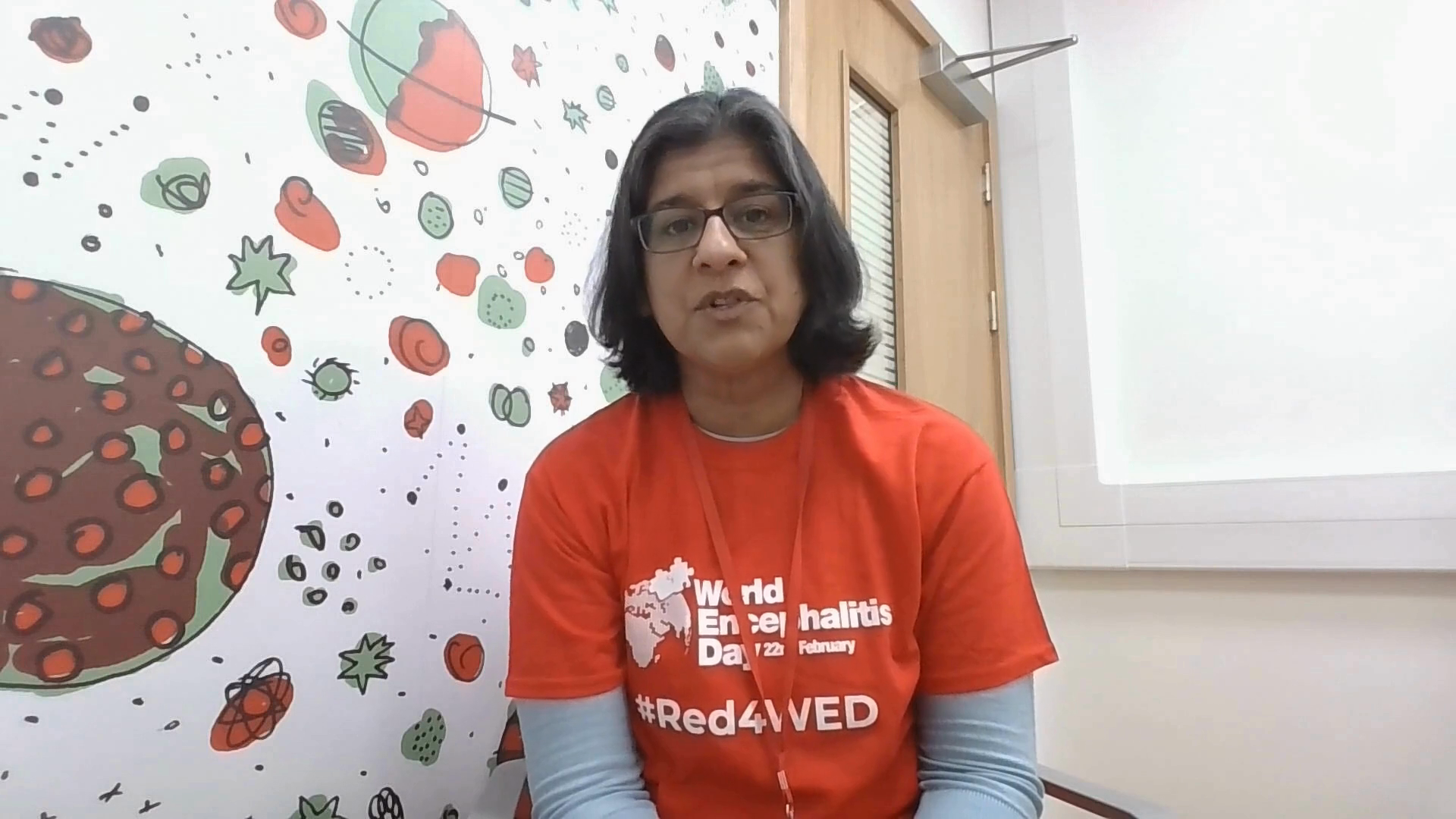
Aston University turns red to highlight World Encephalitis Day
• Aston Institute of Health and Neurodevelopment (IHN) researchers support World Encephalitis Day on 22 February • Aston University library will be lit up in red – the official campaign colour • Staff and students are encouraged to wear red and tweet their photos in support of the campaign Researchers and staff at Aston Institute of Health and Neurodevelopment (IHN) are marking World Encephalitis Day (22 February) by lighting up the Aston University library on its campus near Birmingham city centre. The library will be lit up in red – the official colour of the campaign - to support and raise awareness of encephalitis and all those affected by the condition. The global awareness campaign, introduced by the charity the Encephalitis Society, is based on the theme of Code Red – an emergency alert code used in hospitals. Encephalitis is inflammation of the brain. It is caused either by an infection invading the brain or through the immune system attacking the brain in error. According to the Encephalitis Society, anyone at any age can develop the condition, with up to 6,000 cases in the UK each year and potentially hundreds of thousands worldwide. In the USA there were approximately 250,000 patients admitted to hospital with a diagnosis of encephalitis in the last decade. Researchers at Aston Institute of Health and Neurodevelopment are working closely with patients affected by the disease through their child-focused research programme. Dr Sukhvir Wright, honorary consultant neurologist at Birmingham Children's Hospital, and Wellcome Trust clinical research career development fellow at IHN, said: “IHN researchers know first-hand what children and families affected by encephalitis go through on a daily basis. That’s why we are fighting to answer the questions that matter most to this community through our work. “Our research includes, developing disease models to help try and improve treatments. We do brain imaging to identify biomarkers that might help predict outcomes and at the bedside of our patients we contribute up-to-date practical information and support for children and their families. This work is carried out closely in partnership with the Encephalitis Society.” As part of the awareness campaign IHN researchers are calling upon staff and students to show their support by wearing red on Wednesday 22 February - and share their pictures on social media. Please use the hashtags #Red4WED #WorldEncephalitisDay #TeamAston and remember to tag @Aston_IHN. For more information about Aston Institute of Health and Neurodevelopment (IHN) please visit our website.


Experts in the Media: Georgia Southern investing $1.2 million to upgrade campus security cameras
Georgia Southern University is planning a major upgrade to its campus security cameras and video technology. With approximately $1.2 million budgeted, the University will upgrade the cameras in the resident halls and other buildings in Statesboro, Savannah and Hinesville to bring the current cameras from analog to a digital platform. Additionally, new cameras will be placed at entrances to theirr campuses that can tie into those from other law enforcement agencies. The end result will be an interconnected network of cameras across the region. The new technology package includes state-of-the-art Flock cameras, which are motion-activated and record license plate numbers of any vehicle that comes into the hall parking lots. Flock Safety’s “Vehicle Fingerprint” technology lets police search the video by vehicle make, color, type, license plate, state of the license plate, missing plate, covered plate, paper plate, and unique vehicle details such as roof racks, bumper stickers, and more. The cameras can be used to look for a specific suspect or a vehicle that has been entered into law enforcement databases. Additionally, the University can use Flock for investigative purposes as well by going back and looking for any cars that fit a certain profile if it was associated with a crime or if there was a gunshot detected nearby. “This upgrade allows us to add more cameras, extend our reach, add storage and searching capabilities and better integrate our cameras into other video surveillance networks in use by local law enforcement,” said Georgia Southern University Police Chief Laura McCullough. “This is a major step forward in our ongoing work to keep our campus safe.” The new equipment will add to, and augment, Georgia Southern’s network of more than 1,800 video cameras on its three campuses. The project will begin in the coming weeks and is expected to be completed by the start of the fall 2023 semester. The announcement has garnered a lot of attention, especially with local media and publications covering security. If you're a journalist looking to know more about this announcement or speak to an expert about campus security and safety - then let us help with your coverage. Georgia Southern University Police Chief Laura McCullough is available - simply reach out to Georgia Southern Director of Communications Jennifer Wise at jwise@georgiasouthern.edu to arrange an interview today.

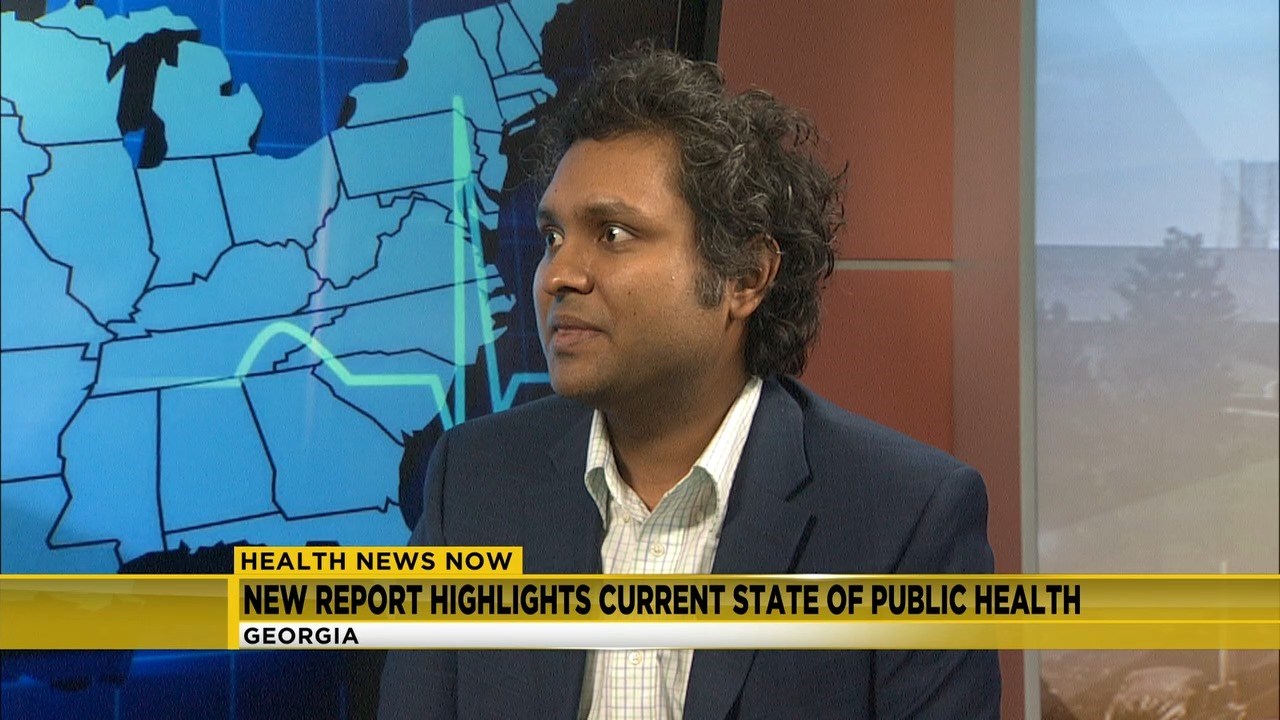
Augusta University’s second annual Healthy Georgia Report has been released, offering a snapshot of health in the Peach State as compared to not only neighboring states, but also the entire country. While Georgia’s population is doing well in some key health factors, researchers also found areas that could benefit from more awareness and public policy action. Biplab Datta, PhD, assistant professor in the Institute of Public and Preventive Health and the Medical College of Georgia’s Department of Population Health Sciences, collaborated with other IPPH faculty and staff to update the report and add new categories this year. The goal of the report is to connect with lawmakers, community leaders and researchers, stimulate conversations about public health needs and promote action, such as greater community engagement, research for informing effective policies and appraisal of required funds. “We need to make lawmakers aware of the public health situation in the state of Georgia,” said Datta. “We hope this report will help identify areas that need policy attention. It can also play an important role in bridging the gap between researchers and policymakers.” Using 2021 data from the Behavioral Risk Factor Surveillance system, the National Survey of Children’s Health, the American Community Survey and the Center for Disease Control and Prevention’s COVID Data Tracker website, the report was compiled on numerous health topics. Some categories studied include high cholesterol, hypertension, obesity, arthritis, asthma, cancer, cardiovascular diseases, alcohol consumption, diabetes and more. It also broke down each category by age, sex, race, income level and other socioeconomic indicators to get a full representation of the data. New to the study this year is an in-depth look at health insurance coverage, COVID-19 vaccinations, breastfeeding, child maltreatment, and unmet healthcare need of children. Georgia ranks 49th in the nation when it comes to health insurance coverage. That was a surprise to Datta. “I didn’t expect the numbers to be that bad, but I think it also indicates the scope of work that we need to undertake to improve insurance coverage in Georgia,” he said. Another surprise was the low rate of flu vaccination in Georgia. “We know there is a difference between whites and Blacks in the U.S. But when we look at and compare Black people in Georgia with Blacks in the rest of the southeastern states, we see the flu vaccination rate was significantly lower among Blacks in Georgia. This is an issue that warrants further research to understand the underlying causes of such disparity,” said Datta. As it was a year ago, hypertension remains a concern. There are several issues involved when talking about hypertension but there are also straightforward ways to improve the condition Datta said. “I think one of the core components of hypertension control is just changing some behavioral stuff. If we just reduced the sodium content in our daily diet, if we do regular physical exercise for a certain amount of time that will significantly improve our hypertension management. Community-level initiatives to make people aware of these things can make a real difference,” said Datta. Residents in Georgia are doing better in several areas such as obesity, cancer rates, asthma prevalence and depressive disorders. Datta said it’s important to recognize these improvements so we can learn from them. “We need to figure out where we are doing well and use that experience in areas where we are not doing so well. It will help us move toward the right direction.” He added it’s important to always be looking for ways to evolve the study, and that includes adding new categories when enough data is available. “We didn’t cover sexually transmitted diseases in this year’s report, which we would like to add when data will become available. We’d also like to add teenage pregnancy, maternal health issues, gun violence and opioid use,” he said. Looking to learn about health in the Peach State? Then let us help. Biplab Datta is available to speak with media regarding this important topic. Simply click on his icon now to arrange an interview today.



#ExpertPerspective: Did the Covid-19 Pandemic Change Perspectives on Inequality?
Did the COVID-19 pandemic have a silver lining? According to Professor Andrea Dittmann and an interdisciplinary team of researchers, the answer is, “Yes.” In 2020, when it became clear that the COVID-19 pandemic would upend daily life, Andrea Dittmann decided the research she’d been doing could wait. Typically, Dittmann, Assistant Professor of Organization & Management, studies the sources of—and solutions to—inequality in the workplace. “The pandemic is a very distressing thing, but from a research standpoint it’s fascinating to study,” Dittmann said. “The pandemic laid bare all of the inequalities that I’ve been studying for years.” Dittmann, along with colleagues Ellen Reinhart and Hazel Rose Markus from the Department of Psychology, Stanford University; Rebecca Carey, Department of Psychology, Princeton University; Nicole Stephens, Management and Organizations, Northwestern’s Kellogg School of Management; and Hannah Birnbaum, Organizational Behavior Area, Olin Business School at Washington University in St. Louis, decided to study how experiencing personal harm as a result of the Covid-19 pandemic influenced people’s attitudes and behaviors towards equality. In their paper, “Personal Harm from the Covid-19 pandemic predicts advocacy for equality,” published in the January 2023 issue of Journal of Experimental Social Psychology, the researchers write that experiencing greater personal harm in the early stages of the pandemic was “associated with increased advocacy for equality one year later.” These findings are noteworthy. For decades, psychologists have studied Americans’ tendency to rationalize existing inequality as a consequence of individual or “internal” attributes (e.g. differences in work ethic) rather than as a product of larger structural, external, and uncontrollable factors such as bad luck, discrimination, or differences in educational opportunities. “Americans tend to explain people’s life outcomes as free from the constraints of history, other people, and social systems. Instead, life outcomes are seen as a product of individuals’ personal preferences, choices, or enduring characteristics,” they write. Lessons from Firsthand Experience While previous studies have shown that increasing a person’s exposure to inequality—for instance, working in an under-served school or participating in a poverty simulation—can increase people’s endorsement of external attributions for inequality, the COVID-19 pandemic presented the researchers with a real life opportunity to test their hypothesis: that an individual’s firsthand experience of personal harm due to an external force beyond his or her control “will be associated with an increase in their advocacy for equality over time,” they write. Firsthand exposure to inequality confronts people with information contrary to the dominant narrative; it demonstrates how forces beyond individuals’ control can shape people’s opportunities. To conduct their study, the authors recruited a balanced sample (in terms of gender and educational level) of approximately 1500 U.S. citizens between the ages of 18-70. Over the course of a year, they surveyed the participants three times—in May 2020, October 2020 and May 2021. Participants were asked whether they had experienced personal harm as a result of the pandemic (such as disruptions to sleep, poor mental health, financial difficulties, contracting the disease, or having a friend/family member die from the disease) and whether or not experiencing such harm was associated with greater endorsement of external attributions for inequality. Increased Advocacy: A Silver Lining To measure attitudinal and behavioral advocacy for equality, the study included questions about whether there should be universal healthcare, whether the government should provide stimulus checks to help people meet basic needs, and whether or not participants had done anything to combat inequality as a result of the personal harm they had experienced. Had they contacted a public official to express support for reducing social or economic inequality? Had they posted or shared content online that related to reducing social or economic inequality? Even when we ran the most conservative statistical tests, we were still seeing this meaningful relationship between experiencing personal harm and changing your attitude towards inequality and being more willing to stand up and do something about inequality. It speaks to the importance of having direct experience with something that has a disproportionate effect on your life. Dittmann doesn’t know if these attitudinal shifts will be permanent, but she believes the results of the study suggest that research interventions, like asking people to think about people they know who are affected by “large, external shocks” such as climate change or a natural disaster, “could be a way, experimentally, to get more people to see the link, to make these external attributions,” she explained. “While it’s of course awful that so many people experienced this harm due to the pandemic, if there is one good thing that came of it, people were able to shift their attitudes towards inequality. And very importantly, as someone who has done a lot of social psychological research, you don’t expect these effects to persist this long over time. They tend to be more transient. But this study suggests that these could be relatively long term effects.” Looking to know more? Then let us help with your media coverage or research. Andrea is an Assistant Professor of Organization & Management at Emory University's Goizueta Business School. She studies diversity and inequality, particularly employees' social class backgrounds, aiming to promote equity and inclusion at work. Andrea is available to speak with media - simply click on her icon now to arrange an interview today.

AI-Generated Content is a Game Changer for Marketers, but at What Cost?
Goizueta’s David Schweidel pitted man against the machine to create SEO web content only to find that providing an editor with bot-generated content trounces the human copywriter every time. Good news for companies looking to boost productivity and save cash, he says. But could there be other hidden costs? In December 2022, The New York Times ran a piece looking back on the year’s biggest consumer tech updates. The review was mixed. Ownership shifts in the world of social media garnered special mentions, but hardware innovations had been largely “meh,’ mused the Times. There was one breakthrough area that warranted attention, however: AI-powered language-processing tech capable of generating natural-looking text, the same technology that powers familiar chatbots. And one such technology could well be poised to “invade our lives in 2023.” Earlier in December, AI research lab OpenAI, released the latest update to its Generative Pre-Trained Transformer technology, an open source artificial intelligence. It’s latest iteration, ChatGPT, immediately went viral. Here was an AI assistant that sounded intelligent. Not only could it answer any question thrown its way without supervised training, but when prompted, it could also write blog posts, as well as find and fix bugs in programming code. ChatGPT could draft business proposals and even tell jokes. All of this at a speed that beggared belief. Since its first release in 2020, OpenAI’s GPT technology has powered through a slew of updates that have seen its capabilities leap forward “by light years” in less than 24 months, says Goizueta Professor of Marketing, David Schweidel. For businesses looking to harness this rapidly-evolving technology, the potential is clearly enormous. But aren’t there also risks that industry and consumers alike will need to navigate? Schweidel is clear that the academic community and initiatives such as the Emory AI Humanity Initiative have a critical role in asking hard questions—and in determining the limitations and dangers, as well as the opportunities, inherent in tech innovation—because, as he puts it, “these things are going to happen whether we like it or not.” Man Versus Machine To that end, Schweidel and colleagues from Vienna University of Economics and Business and the Modul University of Vienna have put together a study looking at how well natural language generation technologies perform in one specific area of marketing: drafting bespoke content for website search engine optimization, better known as SEO. What they find is that content crafted by the machine, after light human editing, systematically outperforms its human counterparts—and by a staggering margin. Digging through the results, Schweidel and his colleagues can actually pinpoint an almost 80 percent success rate for appearing on the first page of search engine results with AI-generated content. This compares with just 22 perfect of content created by human SEO experts. In other words, the AI content passed to a human is roughly four times more effective than a skilled copywriter working alone. Reaching these findings meant running two real-time, real-world experiments, says Schweidel. First, he and his colleagues had to program the machine, in this case GPT 2, an earlier incarnation of GPT. GPT relies on natural language generation (NGL), a software process that converts manually uploaded input into authentic-sounding text or content—comparable in some ways to the human process of translating ideas into speech or writing. To prepare GPT-2 for SEO-specific content creation, Schweidel et al. started with the pre-trained GPT-2, and then let the machine do the heavy lifting: searching the internet for appropriate results based on the desired keyword, scraping the text of the websites, and updating GPT-2 to “learn” what SEO looks like, says Schweidel. We partnered with an IT firm and a university to run our field experiments. This meant creating SEO content for their websites using GPT-2 and actual human SEO experts, and then doing A/B testing to see which content was more successful in terms of landing in the top 10 search engine results on Google. So this was an opportunity to put the AI bot to the test in a real-world setting to see how it would perform against people. The results point to one clear winner. Not only did content from GPT-2 outperform its human rivals in SEO capabilities, it did so at scale. The AI-generated content scored a daily median result of seven or more hits in the first page of Google search results. The human-written copy didn’t make it onto the first result page at all. On its best day, GPT showed up for 15 of its 19 pages of search terms inside the top 10 search engine results page, compared with just two of the nine pages created by the human copywriters—a success rate of just under 80 percent compared to 22 percent. Savings at Scale The machine-generated content, after being edited by a human, trounces the human in SEO. But that’s not all, says Schweidel. The GPT bot was also able to produce content in a fraction of the time taken by the writers, reducing production time and associated labor costs by more than 90 percent, he says. “In our experiments, the copywriters took around four hours to write a page, while the GPT bot and human editor took 30 minutes. Now assuming the average copywriter makes an annual $45K on the basis of 1,567 hours of work, we calculate that the company we partnered with would stand to save more than $100,000 over a five-year period just by using the AI bot in conjunction with a human editor, rather than relying on SEO experts to craft content. That’s a 91 percent drop in the average cost of creating SEO content. It’s an orders of magnitude difference in productivity and costs.” But there are caveats. First off, there’s the quality of the machine-generated content to consider. For all its mind-boggling capabilities, even the newly released ChatGPT tends to read somewhat sterile, says Schweidel. That’s a problem both in terms of Google guidelines and brand coherence. Human editors are still needed in order to attenuate copy that can sound a little “mechanical.” “Google is pretty clear in its guidelines: Content generated by machines alone is a definite no-no. You also need to factor in the uncanny valley effect whereby something not quite human can come off as weird. Having an editor come in to smooth out AI content is critical to brand voice as well as the human touch.” Asking the Big Questions Then there are the moral and metaphysical dimensions of machine learning and creativity that beg an important question: Just because we can, does that mean we should? Here, Schweidel has grave reservations about the future of ChatGPT and its ilk. The potential of this kind of technology is extraordinarily exciting when you think about the challenges we face from productivity to pandemics, from sustainable growth to climate change. But let’s be very clear about the risks, too. AI is already capable of creating content—audio, visual and written—that looks and feels authentic. In a world that is hugely polarized, you have to ask yourself: How can that be weaponized? At the end of the day, says Schweidel, the large language models powering these generative AIs are essentially “stochastic parrots:” trained mimics whose output can be hard to predict. In the wrong hands, he warns, the potential for misinformation—and worse—could well be “terrifying.” “Shiny new tech is neither inherently good nor bad. It’s human nature to push the boundaries. But we need to ensure that the guardrails are in place to regulate innovation at this kind of pace, and that’s not easy. Governments typically lag far behind OpenAI and companies like them, even academics have a hard time keeping up. The real challenge ahead of us will be about innovating the guardrails in tandem with the tech—innovating our responsible practices and processes. Without effective safeguards in place, we’re on a path to potential destruction.” Covering AI or interesting in knowing more about this fascinating topic - then let our experts help with your coverage and stories. David Schweidel is the Rebecca Cheney McGreevy Endowed Chair and Professor of Marketing at Emory University's Goizueta Business School. Simply click on David's icon now to arrange an interview today.


Aston University to celebrate 100 years of pharmacy education and research
Aston Pharmacy School to celebrate 100 year anniversary during 2023 The history of teaching pharmacy at Aston University dates back to the 1890s In 2016 the Pharmacy School was awarded a Regius Professorship by HM Queen Elizabeth II. Aston University is gearing up to celebrate 100 years of pharmacy education and research this year. In 1923 the Birmingham Municipal Technical School started to offer full time pharmacy courses to applicants from the general public. The roots of pharmacy education at Aston University date back to the 1890s and more significantly to 1919 when it first started teaching the subject as part of the Chemistry department at the Birmingham Municipal Technical School - as part of a funded package of training and education for returning servicemen after the First World War. In 1923 the pharmacy training provision expanded, taking on six specialist pharmacy staff within the pharmacy section of the Department of Chemistry. That year the Technical School began to offer full time pharmacy courses open to applications from the general public. In 1926 Harry Berry was appointed as head of a separate Department of Pharmacy - following an inspection by the University of London and a positive report. This distinct identity was further cemented a year later in 1927, when Neville Chamberlain, who was the then Minister for Health, opened the new teaching facilities in the School of Pharmacy in the Birmingham Central Technical College. Since then, the University has graduated thousands of pharmacy students with more than 2700 graduates in the last 20 years. Aston University’s Pharmacy School is now recognised as one of the outstanding pharmacy schools in the UK and has been at the forefront of scientific advances over the last 100 years. Its researchers developed the $2 billion blockbuster drug Temozolomide, the leading treatment for brain tumours and it created the UK's first Masters programme for hospital pharmacists. In 2016, Aston Pharmacy School was awarded a Regius Professorship by HM Queen Elizabeth II to mark her 90th birthday. It was the first time a pharmacy school had been given the award, a rare and prestigious honour bestowed by the Sovereign to recognise exceptionally high-quality research. The first holder of the title of Regius Professor of Pharmacy at Aston University was Keith Wilson, a pharmacy academic who helped to shape current and future pharmacy education both within the UK and internationally. Dr Joe Bush, head of Aston Pharmacy School, at Aston University said: "100 years of pharmacy education is a major milestone. We are immensely proud of all our achievements, from producing exceptional graduates who make a significant contribution to the professional workforce in a variety of near-patient settings, to our research discoveries and developments which have positively impacted patient healthcare and the high quality of this research having been recognised via the award of the first ever Regius Chair for Pharmacy. “It is an honour to be a part of Aston Pharmacy School, whose humble beginnings have grown to produce world class research and exceptional graduates. I look forward to celebrating with the rest of the school over the course of the year.” Celebrations of the centenary anniversary will include a celebratory lunch for staff, former staff, students and alumni to recognise the significant contributions that the school has made in research discoveries and teaching. The school will host an exhibition about the last 100 years of pharmacy at Aston University, with a range of historical artefacts on display in the entrance to the University’s main building and there will be a social media campaign to highlight key facts about the last 100 years of pharmacy at Aston University. Did you study pharmacy at Aston University? We would love to hear from you with any stories, memories from your student days. And we would love to hear about where your pharmacy career has taken you. Please get in touch with our alumni team here.
What began in 2016 as a partnership between Georgia Southern University and the Third Infantry Division at Fort Stewart has become a nationally recognized educational and research program with $5.68 million in federal funding to improve soldier health and performance to ensure force readiness. Now called the Soldier Performance and Readiness (SPAR) program, this Georgia Southern project aligns with the U.S. Army’s Holistic Health and Fitness (H2F) initiative and represents a multifaceted partnership with the Army to provide onsite training that decreases musculoskeletal injuries; deliver an online certificate program in tactical fitness for college credit; collaborate with the Army’s Research Institute for Environmental Medicine (USARIEM); and develop programs to enhance and assess cognitive performance in tactical situations. The initial partnership program to prevent musculoskeletal injuries was delivered at first to small cohorts to implement new practices in the physical training of their squads and platoons in a train-the-trainer model. Results were so encouraging, the program expanded at Fort Stewart and to training brigades at Fort Benning last year with the assistance of $1.5 million in Department of Defense funding. Studies show significant preparedness and financial benefits from reducing musculoskeletal injuries to soldiers during drilling and training exercises. In April 2020, officials determined that 58,000 soldiers (the equivalent of 13 Brigade Combat Teams) had injuries that classified them as non-deployable. In 2019, more than half of soldiers experienced a new injury, resulting in 10 million limited-duty days. Musculoskeletal injuries account for nearly 25% of all military injuries and approximately $557 million in acute patient care. Most of these injuries were associated with fitness training-related activities Georgia Southern’s online Tactical Athlete Certificate program was first offered in 2020 and is available exclusively to soldiers on active duty, in the National Guard or reserve. Through a series of three courses, the program teaches foundational exercise and biomechanical concepts, strength and conditioning principles, and rehabilitation. The coursework parallels the Army’s Master Fitness Trainer curriculum, with additional rehabilitation principles, and teaches soldiers how to develop evidence-based and well-rounded physical training programs while minimizing risk of musculoskeletal injury. Certificate completion provides soldiers with nine college credits with Georgia Southern, potential promotion opportunities in the Army, and preparation for the National Strength and Conditioning Association’s TSAC-F exam. “By sharing knowledge, expertise and experience between our faculty and doctoral students with soldiers, drill instructors, and brigade combat fitness teams to create aligned programs that improve tactical performance and force readiness, the SPAR program has become a national model of public-impact research,” said Christopher Curtis, Ph.D., Georgia Southern’s vice provost for research. “We are excited about the future of this partnership. We relish the significant support and encouragement we receive from the Army commands at Fort Stewart, Fort Benning, USARIEM, and the Training and Doctrine command (TRADOC), and we are grateful to Congressman Carter and his fellow members of the Georgia Congressional delegation who have advocated for the value of the partnership on our behalf.” The progress and continued success of this program would not have been possible without several years of support from the Georgia Congressional Delegation and especially the leadership and support of Congressman Buddy Carter, who represents Fort Stewart and the Armstrong Campus of Georgia Southern in Savannah. “Providing for our nation’s defense is the number one responsibility of the federal government. Innovation and research, which is what these dollars will fund at Georgia Southern, will improve working conditions for our brave servicemen and women by providing them with top-of-the-line training and resources,” said Rep. Buddy Carter (R-GA). “I am a proud supporter of Georgia’s military community and am happy that the federal government is investing in these necessary programs.” SPAR programming allocated in the FY23 federal budget will enable Georgia Southern to: Develop protocols and expand delivery of the onsite musculoskeletal injury prevention training and the Tactical Athlete Certificate to commands at Fort Gordon in Augusta and to the Georgia National Guard. Develop and deploy similar online certificate programs for soldiers in Cognitive Performance and Nutrition to further support the Army’s H2F program. Host a national conference on “Charting Future Readiness Needs” in partnership with the U.S. Army Training and Doctrine Command and U.S. Army Forces Command that will bring together other research universities who also work in partnership with the Army. Work with the Army commands to develop specific academic degree programs to meet the specific H2F professional workforce needs at the brigade level. Army officials estimate approximately 3,000 personnel will need graduate degrees or advanced certifications in the next six years. Develop a Tactical Performance Research Lab in Savannah to support the fundamental research and innovation activities of Georgia Southern’s Tactical Performance Group that supports the Army’s H2F program as well as translational research to apply the knowledge and practices broadly to law enforcement and other first responders. Looking to know more - then let us help. Christopher Curtis is available to speak to media - for more information simply click on his icon here or reach out to Georgia Southern Director of Communications Jennifer Wise at jwise@georgiasouthern.edu to arrange an interview today.


MEDIA RELEASE: Five ways to cut costs on travel; plus, the one thing you should never skip
Manitobans love to travel, but with costs rising due to inflation, it has become more important than ever to find ways to save money, while still crossing off destinations on your bucket list. “This year, more and more people across the province are eager to embark on their next adventure, whether that means disconnecting in a tropical paradise or exploring the history of an ancient city,” says Susan Postma, regional manager, CAA Manitoba. “While we are seeing a renewed interest in travel, we know the costs associated with it will be factor for many people.” With the help of our travel professionals, CAA Manitoba (CAA MB) has compiled a few tips to help save you money. Plan ahead. Start planning your trip well in advance of your departure date. Determine what your budget will allow and book flights, hotels, and rental cars early to get the best deals and rates possible. With the higher demand for travel, last-minute planning will result in higher airfares, hotel rates and even disappointment from no availability. Redeem your loyalty points or member benefits. Use frequent flyer miles or credit card points to pay for flights or hotels. Take advantage of CAA member benefits and discounts at hotels and attractions, or tap into hotel loyalty programs. Now is your time to finally redeem all those accumulated rewards points from a member program or credit card. Also, don’t forget to check the expiration date on unused vouchers or credits. Look for hotels that include breakfast or allow self-catering. Food costs continue to rise and will quickly eat into your budget when you’re paying for three meals (+ snacks) each day. A free breakfast, offered by many hotels, or a hotel room with a kitchenette or fridge will help reduce food costs and give you more money to put towards excursions and other experiences while you’re away. Travel during off-peak times. There are both days of the week and times of the year that are cheaper to travel. Consider travelling during these off-peak times or leaving for your trip during the week versus on a weekend. Partner with a travel agent to get the best deal. A travel agent will know when there are active sales. Travel promotions happen several times throughout the year, and a trusted travel agent will know the best time to book your next getaway. While everyone likes a great deal, the one thing you should never skip is travel insurance says Postma. “You may be in good health before your departure, but unexpected medical emergencies can still happen while you are away from home. If you get sick or injured, travel insurance is important to ensure your medical treatment is covered, along with any related out-of-pocket expenses.” If you're uncertain what coverage you need, CAA encourages you to talk to your travel insurance expert who can help you find the most suitable coverage for your trip and your needs.

