
Experts Matter. Find Yours.
Connect for media, speaking, professional opportunities & more.

The Annual Reset: Why We Try to Change Every January
Every January, the world collectively decides to become a better version of itself. We swear we’ll exercise more, eat better, save money, quit bad habits, and finally tackle that one thing we’ve been avoiding. And yet—by February—most New Year’s resolutions quietly disappear. This isn’t because people lack willpower. It’s because resolutions often aim too big, too fast, and ignore how change actually works. Resolutions tend to fail when they’re built on motivation alone. Motivation is emotional and short-lived, especially when routines, stress, and real life return. “I’ll go to the gym every day” collapses the first time work runs late or energy dips. Research consistently shows that successful change depends more on systems than goals—small, repeatable behaviors that fit into daily life. People who frame resolutions as habits (“I’ll walk 10 minutes a day”) rather than outcomes (“I’ll lose 30 pounds”) are far more likely to stick with them. Still, there’s a reason resolutions endure. Psychologists call it the “fresh start effect”—the mental boost people feel at symbolic moments like birthdays, Mondays, or a new year. These moments help us psychologically separate our past selves from our future ones, making change feel possible. Even when resolutions fail, the act of reflecting, resetting, and trying again serves a real purpose: it helps people take stock of their lives and imagine improvement. The trick isn’t to stop making resolutions—it’s to make them smarter. Start small. Tie goals to existing routines. Focus on consistency over perfection. And most importantly, allow room for flexibility. Change isn’t linear, and falling off track doesn’t mean failing—it means adjusting. Journalists covering wellness, psychology, productivity, or lifestyle trends: connect with experts who study habit formation, behavior change, and motivation to explain why resolutions fail, what actually works, and how people can turn fresh starts into lasting change. Expert insight can help readers move beyond guilt—and toward progress that sticks. Connect with our experts: www.expertfile.com

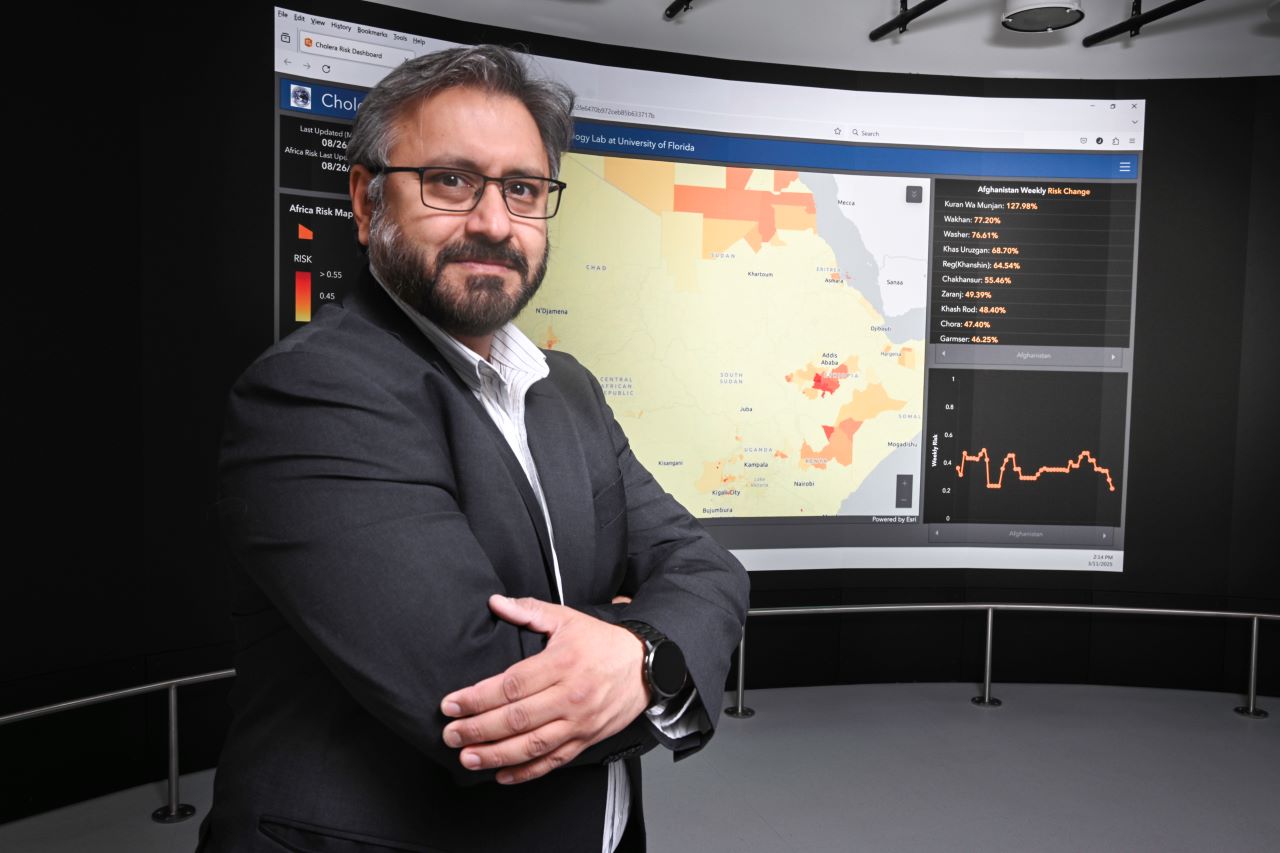
UF professor to expand proven disease-prediction dashboard to monitor Gulf threats
After deploying life-saving cholera-prediction systems in Africa and Asia, a University of Florida researcher is turning his attention to the pathogen-plagued waters off Florida’s Gulf Coast. In the fight to end cholera deaths by 2030 – a goal set by the World Health Organization – UF researcher and professor Antar Jutla, Ph.D., has deployed his Cholera Risk Dashboard in about 20 countries, most recently in Kenya. Using NASA and NOAA satellite images and artificial intelligence algorithms, the dashboard is an interactive web interface that pinpoints areas ripe for thriving cholera bacteria. It can predict cholera risk four weeks out, allowing early and proactive humanitarian efforts, medical preparation and health warnings. Cholera is a bacterial disease spread through contaminated food and water; it causes severe intestinal issues and can be fatal if untreated. The US Centers for Disease Control reports between 21,000 and 143,000 cholera deaths each year globally. Make no mistake, the Cholera Risk Dashboard saves lives, existing users contend. His team now wants to set up a similar pathogen-monitoring and disease-prediction system for pathogenic bacteria in the warm, pathogen-fertile waters of the Gulf of America. “Its timeliness, its predictiveness and its ease of access to the right data is a game changer in responding to outbreaks and preventing potentially catastrophic occurrences.” - Linet Kwamboka Nyang’au, a senior program manager for Global Partnership for Sustainable Development Data Closer to home Jutla is seeking funding to develop a pathogen-prediction model to identify dangerous bacteria in the Gulf to warn people – particularly rescue workers – to use protective gear or avoid contaminated areas. He envisions post-hurricane systems for the Gulf that will help the U.S. Navy/Coast Guard and other rescue workers make informed health decisions before entering the water. And he wants UF to be at the forefront of this technology. “If we have enough resources, I think within a year we should have a prototype ready for the Gulf,” said Jutla, an associate professor with UF’s Engineering School Sustainable Infrastructure and Environment. “We want to build that expertise here at UF for the entire Gulf of America.” Jutla and his co-investigators have applied for a five-year, $4 million NOAA RESTORE grant to study pathogens known as vibrios off Florida’s West Coast and develop the Vibrio Warning System. These vibrios in the Gulf can cause diarrhea, stomach cramps, nausea, vomiting, fever and chills. One alarming example is Vibrio vulnificus, commonly known as flesh-eating bacteria, a bacterium that often leads to amputations or death. The Centers for Disease Control and Prevention (CDC) has reported increases in vibrio infections in the Gulf region, particularly from 2000 to 2018. The warm and ecologically sensitive Gulf waters provide a thriving habitat for harmful pathogens. “The grant builds directly on the success of our cholera-prediction system," Jutla noted. "By integrating AI technologies into public health decision-making, we would not only lead the nation but also become self-reliant in understanding the movement of environmentally sensitive pathogens, positioning ourselves as global leaders.” Learning from preparing early Jutla’s dashboards are critical tools for global health and humanitarian officials, said Linet Kwamboka Nyang’au, a senior program manager for Global Partnership for Sustainable Development Data. “Its timeliness, its predictiveness and its ease of access to the right data is a game changer in responding to outbreaks and preventing potentially catastrophic occurrences,” Kwamboka Nyang’au said. Over the last few years, Jutla and several health/government leaders have been working to deploy the cholera-predictive dashboard. “Our partnership with UF, the government of Kenya and others on the cholera dashboard is a life-saving mission for high-risk, extremely vulnerable populations in Africa. By predicting potential cholera outbreaks and coordinating multi-stakeholder interventions, we are enabling swift action and empowering local governments and communities to prevent crises before they unfold,” said Davis Adieno, senior director of programs for the Global Partnership for Sustainable Development Data. The early warnings for waterborne pathogens also allows the United Nations time to issue early assistance to residents in the outbreak’s path, said Juan Chaves-Gonzalez, a program advisor with the United Nations’ Office for the Coordination of Humanitarian Affairs. “There are several things we do with the money ahead of time. We provide hygiene kits. We repair and protect water sources. We start chlorination, we set up hand-washing stations, train and deploy rapid-response teams. At the community level, we try to inject funding to procure rapid-diagnostic tests,” he said. “We identify those very, very specific barriers and put money in organizations’ hands in advance to remove those barriers.” Eyes on the Gulf In the United States, hurricanes stir up vibrios in the Gulf, posing a high risk of infection for humans in the water. There has been a nearly 200% increase in these cases over the last 20 years in the U.S., according to the CDC. “After Hurricane Ian, we saw a very heavy presence of these vibrios in Sarasota Bay and the Charlotte Bay region. Not only that, but they were showing signs of antibiotic-resistance. Last year, we had one of the largest number of cases of vibriosis in the history of Florida,” Jutla said. Samples from 2024 hurricanes Helene and Milton are being analyzed with AI and complex bioinformatics algorithms. “If there is a risky operation by rescue personnel, not using personal protective equipment, then we would want them to know there is a significant concentration of these bacteria in the water,” Jutla said. “As an example, Navy divers operating in contaminated waters are at risk of infections from vibrios and other enteric pathogens, which can cause severe gastrointestinal and wound infections.” Safety and economics “Exposure to vibrios and other enteric pathogens,” Jutla added, “can disrupt economic activities, particularly in coastal regions that are dependent on tourism and fishing. And vibrios may be considered potential bioterrorism agents due to their ability to cause widespread illness and panic.” In developing the Vibrio Warning System, Jutla noted, he and his team want to significantly enhance public health safety and preparedness along the Gulf Coast. By leveraging advanced AI technologies, satellite datasets and predictive modeling, they plan to mitigate the risks posed by environmentally sensitive pathogenic bacteria, ensuring timely interventions and safeguarding human health and economic activities. “Hospital systems and healthcare providers in the Gulf region will have a tool for anticipatory decision making on where and when to anticipate illness from these environmentally sensitive vibrios, and issue a potential warning to the general public,” he said. “With the potential to become a leader in environmental pathogen prediction, UF stands at the forefront of this critical research, poised to make a lasting impact on local, regional, national and global health and safety.”



Boxing Day Explained: From Acts of Charity to a Global Cultural Tradition
Boxing Day may be best known today for shopping deals, leftover turkey sandwiches, and the collective decision to stay in pyjamas as long as possible. But its origins are far richer — rooted in charity, social responsibility, and long-standing cultural tradition. Observed on December 26, Boxing Day has evolved over centuries from a day of giving into a uniquely modern mix of generosity, sport, family, and commerce. Where Boxing Day Began The origins of Boxing Day trace back to medieval Britain. Traditionally, it was the day when: Churches opened alms boxes to distribute donations to the poor Employers gave servants and tradespeople “Christmas boxes” containing money, food, or gifts Workers who served households on Christmas Day were finally given time off to celebrate with their own families At its core, Boxing Day recognized service, labour, and the idea that generosity should extend beyond Christmas Day itself. A Day for Workers, Not Just Celebrations Historically, Boxing Day acknowledged the contributions of workers — from domestic staff to tradespeople — reinforcing values of gratitude, fairness, and shared prosperity. Long before modern labour standards, it created a structured moment for appreciation and rest. How Boxing Day Is Celebrated Around the World Today While its charitable roots remain, Boxing Day traditions vary by region: United Kingdom A public holiday Known for major football matches, horse racing, and community events A blend of tradition, sport, and post-Christmas relaxation Canada A statutory holiday in several provinces Widely associated with retail sales, winter recreation, and family gatherings Increasingly viewed as a day to unwind, travel, or spend time outdoors Australia & New Zealand Celebrated during summer Defined by outdoor events, including cricket and sailing A festive, recreational extension of Christmas rather than a recovery day United States Not an official holiday, but culturally familiar December 26 is widely marked by after-Christmas sales, professional sports viewing, and end-of-year charitable giving Many American traditions - holiday bonuses, tipping service workers, and year-end donations - closely mirror Boxing Day’s original emphasis on gratitude and generosity Beyond the Commonwealth In several European countries, December 26 is observed as St. Stephen’s Day, carrying its own religious and cultural significance From Charity to Commerce: A Modern Shift Over time, Boxing Day became synonymous with retail — driven by post-holiday inventory cycles and consumer demand. While some argue this shift has overshadowed its charitable origins, others see it as an evolution rather than a replacement. Notably, many volunteer initiatives and charitable campaigns continue to peak on or around December 26, reconnecting the day with its philanthropic foundation. Story Angles for Journalists How Boxing Day evolved differently across cultures Why Boxing Day is a holiday in some countries but not others The economic impact of December 26 retail activity Boxing Day and labour history How sport became a defining Boxing Day tradition Why generosity peaks at year’s end Why Boxing Day Still Matters Boxing Day sits between celebration and renewal — a moment to acknowledge service, extend generosity, and reset before the new year. Its global staying power lies in its adaptability, reflecting the values and rhythms of the societies that observe it Find your expert here: www.expertfile.com

Playing "Ketchup": Kraft Heinz, Food Industry Work to Meet Evolving Consumer Trends
In September, the Kraft Heinz Company revealed its intention to split into two smaller entities—one focused on in-demand products, like shelf-stable meals, spreads and sauces, and the other on slower-growth businesses, such as the Oscar Mayer, Kraft Singles and Lunchables brands. The move is among the latest in a series of breakups and spinoffs announced by major "Big Food" conglomerates, including Kellogg's, Keurig Dr Pepper Inc. and Unilever, and experts speculate more divvying and downsizing are bound to follow. Beth Vallen, PhD, a professor in the Villanova School of Business who studies consumer behavior and food marketing, contends these demergers and restructurings are the direct result of a recent yet significant shift in shoppers' spending habits. "It is certainly a possibility that we are moving away from 'Big Food,'" says Dr. Vallen. "The companies are likely to be more agile as smaller entities, and the more targeted businesses will allow them to focus on their different market segments as we face increasingly complex consumer and macro trends in the food industry." Among the more noteworthy factors the professor cites are changes in how shoppers evaluate products and how often they make purchases, particularly amid rising costs, economic pressures and increased competition in the marketplace. When it comes to groceries, a LendingTree survey from earlier this year found that nearly nine in 10 Americans are reassessing what items they cart to the checkout lane. "Inflation and uncertainty have driven consumers to look for more value when they shop," says Dr. Vallen. "This might result in behaviors like switching to lower-cost alternatives, and along these lines, consumers are seeking out retailers with high-quality store brand offerings that might replace their typical, branded items. "Consumers are also shopping less frequently. This could be due to reliance on technology, like online grocery purchases, which requires more planning, as well as a desire to make groceries stretch between purchases to save money." Another development affecting the industry is a broader drive across the population toward health-conscious options and low-calorie meals, heightened to a degree by the rise of GLP-1 drugs like Ozempic. A recent KFF Health Tracking Poll evidences that these medications, which have been shown to promote weight loss, are taken by roughly one in eight American adults; and households with users are expected to account for more than a third of food and beverage sales by 2030. According to Rebecca Shenkman, MPH, RDN, LDN, the director of the MacDonald Center for Nutrition Education and Research at Villanova's M. Louise Fitzpatrick College of Nursing, the impact of these drugs' usage on consumers' eating habits should not be underestimated. "GLP-1 receptor agonists reduce appetite and food intake through multiple mechanisms, and evidence suggests both a reduction in snacking frequency and a shift toward healthier choices among users," shares Shenkman. "They report fewer cravings for sweet, salty and fatty snacks, particularly during the first 12 to 24 weeks of treatment. In addition, consumer surveys and clinical trials indicate increased intake of fruits, vegetables and water, and decreased consumption of processed foods and sugary beverages. "With millions of users and average daily reductions of 700 to 900 calories, demand for calorie-dense snacks could decline significantly." Among the brands and businesses at greatest risk, in Dr. Vallen and Shenkman's respective estimations, are "packaged and processed foods" as well as "sugary beverages and high-fat treats." In turn, with shoppers increasingly moving away from these "unhealthy" options and expressing an openness to dispensing with long-term staples, companies in the sector will need to emphasize adaptability in the coming years, making a conscious effort to understand customers' distinct preferences and needs. "Altogether, there are numerous trends that are seemingly pulling consumers in different directions—between health, taste, value and convenience," concludes Dr. Vallen. "Looking ahead, it will be important for firms to understand how these trends impact different consumers—and in different categories. Health likely means something different to Gen X and Gen Z and may vary further based on whether we are talking about a family dinner or a late-night treat. Taking efforts to understand consumer motivations will be crucial for companies to appropriately respond to current trends."



Giving with Purpose This Holiday Season
As the season of giving draws near, many people are searching for meaningful ways to support the causes that matter most. From local food banks to global humanitarian organizations, charitable giving offers an opportunity to make a genuine difference – for the organization and for the donor. Two Baylor University experts in consumer behavior and philanthropy – James A. Roberts, Ph.D., The Ben H. Williams Professor of Marketing in the Hankamer School of Business, and Andrew P. Hogue, Ph.D., associate dean in the Office of Engaged Learning and founder of Philanthropy and the Public Good program – share five practical strategies to help donors give with intention and impact. Five ways to give more thoughtfully and effectively 1. Choose a cause that resonates with you Begin by considering the issues that matter most –education, hunger, health care, the environment or another area close to your heart. Once you identify your passion, take time to research organizations working in that space. Look for transparency, measurable results and a strong record of directing funds to mission-focused programs. “A helpful shortcut is to see whether a nonprofit receives repeat grants from charitable foundations,” Hogue said. “Those grants typically follow a rigorous evaluation process.” 2. Decide what you can comfortably give Giving should feel fulfilling, not stressful. Roberts and Hogue recommend reviewing your household budget and determining an amount that fits comfortably. Even small donations can accumulate into meaningful support over time. 3. Consider how often you want to give Think about whether a single contribution or ongoing support works best for you. Regular giving helps nonprofits plan ahead and maintain steady programming. “Consistent donations allow charities to allocate resources more effectively throughout the year,” Hogue said. 4. Automate your contributions Setting up recurring gifts through your bank or directly with a nonprofit keeps your generosity on track with minimal effort. Automatic withdrawals ensure reliability for the organization and ease for the donor. “It’s a simple way to make sure you don’t forget to give,” Roberts said, “and it provides charities with predictable support.” 5. Offer your time and talent if money is tight Financial support is just one form of generosity. Time, skills and personal networks can be equally valuable. “Donating your time and skills can be just as impactful,” Roberts said. “Whether you’re mentoring, sorting donations or helping at events, your presence matters.” Hogue added that giving enriches both the recipient and the giver: “Charitable giving is about making a difference in others’ lives while adding purpose and connection to your own.” His advice: start small, stay consistent and simply take the first step. “Giving is deeply rewarding,” Hogue said. “And as you grow in your generosity, keep a beginner’s mindset – there is always room to improve how we steward the resources entrusted to us.” Looking to know more or arrange an interview? Simply click on the expert's icon below or contact: Shelby Cefaratti-Bertin today.


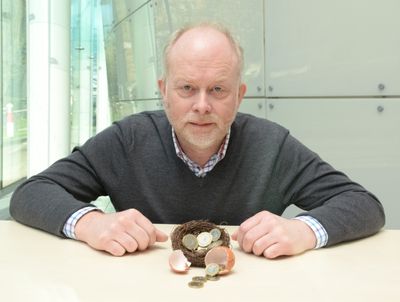
Budget 25 – initial reactions related to personal financial wellbeing
As the director of the Aston Centre for Personal Financial Wellbeing, and a professor of taxation, I obviously take particular interest in the annual budget day as it sets a tone for much of the personal finance changes that are likely to occur in the near future. The lead up to this year’s budget had unprecedented levels of speculation with much of the press and commentators trying to get attention with ever more it seemed wilder guessing of what the chancellor might do – largely unhelpfully and worrying people and the markets unnecessarily. Almost all of this proved wide of the mark as the budget didn’t increase any of the main taxes at all, and where it might nudge National Insurance contributions (NICs) up for some, this won’t be for a few years and only in a small area (pension payments for employees) that won’t actually affect most people. Small and cautious steps to reform The reason for all this speculation of key changes needed was that everyone suspected there was a big hole in the national finances. This was shown not to be the case. In fact, predictions provided in the budget documents are we’d in fact be in budget surplus by the end of this parliament period even before the changes announced take effect. This was a surprise to many and meant the chancellor could actually focus on at least some small and cautious steps towards reforming how our tax, benefit and government spending systems work. What she proposed therefore is currently predicted will raise circa £26bn and give the government ‘head-room’ to cope with economic changes later rather than needed to fill a feared financial black hole now – good news all round! This meant what we actually got was lots of smaller changes with fewer ‘rabbit out of a hat’ big tax surprises than we have had in recent years – a welcome steadying trend I hope will continue. She also promised some short-term spending that can be paid for with a combination of extra borrowing now and with increased taxes later – again a trend of recent budgets. If these tax changes actually happen in the end, then it will be down to what happens between now and when these were proposed to commence – by no means a guarantee these will ever happen. Later budgets, or other rule changes in the future, could easily retract or counter them (all chancellors like to announce planned tax changes aren’t going to happen for obvious political gain reasons!). Income tax changes The largest share of the extra £26bn raised will come from extending the income tax thresholds for a further period – now to 2031. These have been fixed (at £12,570 for example for the point at which income tax starts to need to be paid on personal incomes) since at least 2023, some well before this. This matters, as, when wages rise due to inflation, people are not better off in reality (you get more income but things cost more), but may end up paying more tax than before as the thresholds haven’t increased with inflation to the same degree (what we call ‘fiscal drag’). As such, holding these thresholds fixed for longer will raise extra money for the government (predicted to be over £12bn a year in 2030-31 for example) – largely unnoticed as to many it doesn’t feel like the tax rise it clearly is. The threshold fixing extension announced today will mean that as many as 700,000 more people will start to pay some income tax when they wouldn’t currently, and up to 1 million more people will start to pay higher rates of tax than currently – all without being actually better off in real terms. Some call this stealth tax, but it feels very real when it starts to affect you if your total taxable incomes fall near these threshold levels. There were in total more than 70 other tax measure changes in this budget – a huge number and lots to get your head around. However, most of these will not affect most people and are relatively small in nature – targeted at making the tax system a little fairer (i.e. those on higher incomes, with more savings, dividends, receiving additional income from property they own etc – paying more taxes as a proportion of the total amount raised in tax from all sources). This is clearly welcome news (at least for those not being asked to pay this extra) in the current climate. The biggest changes for financial wellbeing As a research centre focusing on individual and family financial wellbeing, what do we think are the specifics announcements made that are most likely to affect people – several headline announcements are worth highlighting: - 1. The removal of the two-child limit on benefit eligibility is obviously a key headline – long touted as a key reason larger families are much more likely to be in poverty than smaller families. This is a key change that many Labour MPs wanted to see happen and the chancellor has delivered on it. This is very welcome news – although it won’t start to affect these families until after April 2026 to give time to bring these measures into place – but then predicted to lift 450,000 children out of poverty. 2. As part of making the tax system more progressive, a brand-new tax was announced on very expensive houses in England – to be snappily called the High Value Council Tax Surcharge (or HVCTS) – although expect it to be called the ‘mansion tax’ by everyone! The UK’s main local tax (council tax) isn’t going to be reformed as such in this change – despite being the target of much speculation that it is just too regressive to leave unreformed any longer after we haven’t revalued houses in most of the UK since 1991. This will instead be an additional tax, commencing in April 28, on those whose properties are valued (now) at £2m or more – with higher rates rising to those with properties over £5m. Clearly this will affect relatively few in most of the UK (only expected to affect 1% of properties nationally), but will affect some and will raise extra revenues (expected to raise circa £400m+ a year) to directly support provision of local services – much needed in many parts of the UK. 3. New taxes on electric cars – given fuel duty is not paid by those who drive electric cars (as they don’t buy petrol or diesel) there have been calls for new taxes to be charged to electric car drivers. While these cars may be better for the environment when driven, they continue to wear roads and contribute to congestion. The government is proposing a per mile charge from April 28 (to be called the Electric Vehicle Excise Duty or eVHD) for these vehicles which will be painful for electric car divers – not least as this cost as not known when purchase decisions were made. No-one likes a tax charged on something you have already made the decision to buy so expect this to be unpopular. It is proposed currently to cost EV drivers around £20/month – about half the rate of fuel duty on average – and expected to raise circa £2bn a year by 2030-31. I expect this tax will become more nuanced in future perhaps as technology enables perhaps different charges to be applied to use of congested city roads compared to open rural driving perhaps - we will see. 4. National Insurance deductibility for pension contributions via salary sacrifice schemes operated by many employers for their employees is to be capped at £2,000 (although only from April 29 – so no immediate effect). This now very widely used approach to making pension contributions if you are an employee that in effect avoids you having to pay NIC on this income going into your pension. For those with larger pension contributions the bit that can be made before NIC is due on the extra this will be capped in the future to £2,000 per year – again affecting those who receive higher pension contributions most and affecting those at the bottom of the income spectrum, little if at all (74% of employees are predicted not to be affected). Is this a breach of the Labour manifesto promises not to increase the main taxes? For some it certainly seems that way. What didn’t happen? There are many smaller measures to explore, or ones that are not coming into effect for the next year or more that might have been missed from the news headlines but that will almost certainly affect lots of people. To name just a few (including highlighting several things NOT going to happen – which will obvious not save people money per se, but help by not costing them more): - above inflation increases to national minimum (‘living’) wage for all age groups from April 2026 (+4.1% for those over 21)– although still not raising this to ‘real living wage’ levels. further extension of holding off on the 5p/litre fuel duty rise not increasing prescription charges (staying at £9.90 for the next year) confirming state pension rises by 4.8% from next April (worth £575/year) confirming £150 winter fuel payments again this winter to over 6 million homes freezing regulated rail fares – preventing the usual annual increases from January (the first time this has happened in 30 years) extending the government’s Help to Save scheme to more benefit recipients than previously No immediate impact for most Overall, this is therefore probably a welcome budget for many, those on lower incomes will likely get the most from these measures, if all are applied as proposed, but most won’t see much of an immediate impact immediately – and with the largest benefit likely to all on larger families in receipt of benefits from next April.


Why Are Canadian Banks Not Protecting Seniors? The $40 Billion Dollar Question
After an 89-year-old Victoria man lost $1.7 million to phone scammers despite bank red flags, retirement expert and authour, Susan Pimento, exposes a critical protection gap: while U.S. banks like Bank of America offer "Trusted Contacts" (designated people banks call to verify suspicious transactions) for all accounts, Canadian banks restrict this safeguard to investment accounts only—leaving everyday banking vulnerable where most fraud occurs. In Canada, senior fraud is vastly underreported (RCMP estimates only 5-10% surface), and banks are treating this as a cost issue rather than a moral crisis. Susan Pimento is available for interviews to discuss practical solutions, industry insights from her decades of work within financial institutions, and why Canadian banks are failing to implement a simple fix that could save seniors' life savings. Connect with her directly through ExpertFile to schedule TV, radio, podcast, or print interviews. As I was polishing this post for Canadian Financial Literacy Month, another senior fraud story flashed across my screen. This one stopped me cold. According to this CBC story, an 89-year-old man in Victoria, B.C., was tricked into handing over nearly $1.7 million of his life savings in a months-long phone scam. The caller claimed to be from the fraud department at CIBC and said he was helping with a national money-laundering case. (Spoiler: he wasn't.) Despite red flags and staff awareness, the bank still allowed large in-person withdrawals. He was told to buy gold bars — yes, actual gold bars — with drafts of up to $395,000, which couriers then collected like some twisted Uber Eats retirement fraud. Every week in Canada, we see another heartbreaking headline: a senior sends thousands, sometimes millions, to a scammer pretending to be their grandchild, the CRA, or — the ultimate irony — their bank. These scams targeting seniors don't require fancy hacking. They rely on fear, isolation, and misplaced trust. Once the money's gone, it's gone—no refund policy. And here's the kicker: what we're reading about is just the tip of the iceberg. For seniors, fraud now ranks as the top crime, and most fraud goes unreported—especially in this demographic. In a previous post, I showed how the data suggests the real figures could be 10 to 20 times higher than what's officially reported. The RCMP estimates that only 5-10% of fraud victims come forward. Many victims never speak out due to embarrassment, fear, or confusion. Translation? For every story that makes the news, countless others suffer in silence. How The Banking Industry Can Actually Fight Fraud I've worked within financial institutions for decades. Let's just say I understand how the process works. Banks have billion-dollar tech stacks, layers of compliance, and advanced fraud detection systems that can flag a suspicious $47 transaction in milliseconds. But the solution for this type of fraud isn't a multimillion-dollar algorithm or a new "AI-powered fraud prevention dashboard." Instead, it's a human-based approach called a Trusted Contact. What's a "Trusted Contact," Anyway? It's not an app, a chatbot, or some new gadget that requires a firmware update every Thursday. It's a person. Someone you trust — a family member, attorney, accountant, or another third-party who you believe would respect your privacy and know how to handle the responsibility of communicating with your bank in your best interests if something suspicious occurs. They don't access your money or view your accounts. They can't see that you spent $47 at the LCBO last Tuesday (Your secret is safe). They're simply your human safety net — a fraud wing person, if you will. The Origins of the Trusted Contact The concept began in the U.S. in 2018, when FINRA mandated investment firms to request a Trusted Contact Person. Canada followed in 2022, when the Canadian Securities Administrators introduced similar guidance for investment accounts. What things can be discussed with a trusted contact? As its name implies, a Trusted Contact is a designated person who is inherently trusted by the individual (and has no authority to transact business on a client’s account), so there is little to no danger that any reasonable disclosure would violate a client’s trust or give rise to any material issue.” What Canadian Banks Are Doing...And Not Doing Here's the good news. If you invest through Wealthsimple, RBC Direct Investing, TD Direct, or BMO InvestorLine, you can already designate a Trusted Contact. But here's where it gets ridiculous: RBC Direct might have that security feature — but your regular RBC chequing account? Not so much. That protection vanishes the moment Mom or Dad logs into their everyday banking. And that's where most fraud actually occurs. It's like installing a state-of-the-art security system on your front door but leaving the back door wide open with a welcome mat that says "Scammers Enter Here!" Fraud in Canada for Banks is Still a Budget Item: Not a Moral Crisis Here's the uncomfortable truth: For banks, fraud is considered a "cost of doing business." And since most of those losses are borne by customers, not the bank, there isn't much urgency to innovate. The Big Five earned over $40 billion in total last year. They have the means to care. They're not particularly motivated to actually do so. The Big Opportunity for Banks: Add a Little Humanity to the System Banks like to boast about their AI, blockchain, and next-gen fraud analytics. But most scams don't occur because of breached firewalls — they happen because of breached hearts. A Trusted Contact provides an additional simple, low-tech layer: human verification. Picture this: The bank spots an unusual transaction — a large new payee, an international wire transfer, or a sudden gold-bar purchase (it happens). Instead of sending another automated text alert, the system could ask: "This looks unusual. Would you like us to confirm with your Trusted Contact before proceeding?" or “Just a heads-up: scammers often use urgent or unusual requests. Prefer we run this by your Trusted Contact before we proceed?” That's it. One additional step. One extra set of eyes. One brief conversation could save someone's life savings. This isn't about limiting independence — it's about safeguarding autonomy. Ensuring your decisions are genuinely yours, not the scammer's. Banks could even call it "Senior Protection Mode." I'd sign up tomorrow. Heck, I'd pay extra for it. (Shhh, don't tell them that.) Here's the Proof Trusted Contacts Work: Bank of America Did It In 2022, Bank of America became the first major bank to extend Trusted Contacts beyond investment accounts to everyday banking clients. Customers can now add a trusted person the bank can call if something seems wrong, if they can't reach you, or if staff suspect undue influence. That person can't access your money — they're just the human speed bump before disaster: one simple form, one phone number, and much heartbreak avoided. If Bank of America can do it, why can't ours? Canadian banks already have the tech — and indeed the profits — to make it happen. What's Holding Canada's Banks Back? Cue the usual excuses: "Our legacy systems can't handle that." Sure — some of your code still thinks "Y2K" is an active threat. But if you can build an app that tracks my latte points and sends me notifications about my "spending insights," you can add one field for a Trusted Contact. "Privacy laws make it risky." Nope. FINRA and the CSA already provide safe-harbour protections. With consent, banks can legally contact a Trusted Person. Just add a checkbox. You love checkboxes. You make us check dozens of them every time we update our password. "Customers haven't asked for it." They're asking now. Loudly. With megaphones. And pointing at stories like the Victoria gentleman who lost $1.7 million in gold bars. The business case has historically been weak because most fraud losses affect customers, not the bank's balance sheet. But here's the catch: every fraud story damages trust. And in banking, trust is supposed to be the core of the business. For Canadian Banks There's a Competitive Advantage in Caring Rolling out a Trusted Contact feature isn't just good ethics; it's good business. Imagine the marketing campaign: "We don't just protect your password — we protect your peace of mind." Seniors would love this. So would their kids. That's multi-generational loyalty money can't buy. If EQ Bank or any challenger brand wanted a PR home run, this would be it. It's Time to Take Action on Fraud To the Banks: Stop waiting for regulators to force your hand. Lead. Be the first to offer Trusted Contacts for all customers — not just investors. You have the framework, the talent, and the budget. You absolutely do not need another consultant to tell you this is the right thing to do. To Policymakers: The Financial Consumer Agency of Canada should update its Code of Conduct to include a mandatory Trusted Contact option for all customers, safe-harbour rules allowing banks to pause suspicious transactions, and annual public reporting on outcomes. Because sunshine is the best disinfectant, even in banking. To Consumers: Don't wait for policy — be the policy. Ask your bank today if you can add a Trusted Contact. If they say no, ask why not — and post it. Loudly. Talk to your family. Choose your Trusted Person now. Write your MP or MPP and ask why U.S. banks protect seniors better than ours. Remember the $3 ATM Fee Rebellion? Canadians once revolted over paying $3 to access their own money at ATM's. We later got no-fee accounts, digital challengers, and a whole new generation of more innovative banking. If we can rally over an ATM fee, surely we can rally to protect our parents and grandparents from losing their life savings. Fraud isn't an inevitable part of aging — it's a solvable problem. And Trusted Contacts are one of the simplest, most human solutions we have. Don't Forget Two-Factor Authentication for the Soul Adding a Trusted Contact won't stop all fraud — let's be clear about that. But it will go a long way toward slowing it down, adding a common-sense pause, and potentially saving even one senior from losing any part of their hard-earned money. It's unfortunately too late for that gentleman and his family in BC, but it's not too late for countless others. This won't crash legacy systems or drain bank profits. It just adds a little humanity back into banking — right where it belongs. Because the best kind of security isn't just two-factor authentication. It's two people who care. And if we don't care about protecting our elders, who exactly do we care about? Sue Don’t Retire…Re-Wire! Want to become an expert on serving the senior demographic? Just message me to be notified about the next opportunity to become a "Certified Equity Advocate" — mastering solution-based advising that transforms how you work with Canada's fastest-growing client segment.



When Markets Wobble (Part 2): How Canadians Can Use Home Equity as Their Ultimate Cash Wedge:
In an earlier post I laid out one of the foundational blocks of your retirement defense system: the "Cash Wedge" - that boring-but-brilliant cushion of cash, GICs, and T-Bills that protects you from selling investments when markets wobble. The Cash Wedge is the mild-mannered superhero of your retirement plan. It buys you time, flexibility, and peace of mind, as it gives you permission to wait for markets to recover— Now if you missed Part 1, go back and give it a quick read here. For Canadian homeowners — especially those whose wealth is mostly in their property — there are additional options that allow you to use your equity as a second buffer, dramatically strengthening your financial resilience. How Home Equity Strategies Can Help You Create a Backup Wedge for Retirement Here's the risk that catches thousands off guard: sequence-of-returns risk combined with home equity concentration. Translation: While you own your home, you encounter problematic market conditions early in retirement while withdrawing, and your options narrow quickly. Author Wade Pfau's research demonstrates that home equity can serve as a "buffer asset," shielding investments during economic downturns. Instead of selling investments when markets are down, it might be smarter to temporarily access a pre-arranged HELOC or reverse mortgage. Once markets recover, you can repay the credit line. This isn't debt panic — it's strategic damage control. Warren Buffett's Wisdom Applied to Canadian Retirement As an investor, Warren Buffett is the epitome of control and discipline. His now famous quote rings true in these times. “The stock market is a device for transferring money from the impatient to the patient.” Translation for retirees: Keep dry powder. Own quality investments. Don't chase fads. And stop looking for the bottom — nobody knows where it is until it's in the rear-view mirror. The Canadian "Brick-and-Mortar" Retirement Strategy Listen up, homeowners. Canadians whose retirement plan is pretty much: buy a home, pay it off, and repeat; "we're mortgage-free" with pride. This strategy is very common and effective. But let's be honest: if your home is part of your retirement plan, economic changes matter even more. If you’re in this camp, you need to accept the facts and plan how you'll use your equity to secure your retirement. It’s better to have a ready, aim, fire approach than the more typical fire, ready, aim! When markets decline, central banks often cut rates. Lower rates can support real estate — but they don't guarantee rising prices. Meanwhile, inflation drives up costs, buyers' budgets fluctuate, property values can soften, and retirees feel the impact most quickly. Even a modest dip in home values creates real erosion in net worth when your home carries the bulk of your financial future. The Case for Securing Home Equity Access Now It's much easier to qualify for credit when home values are higher, finances are stable, and you're not already in a pinch. Your options: Home Equity Line of Credit (HELOC) This includes products like Manulife One: Competitive rates and flexible options — but retirees often face income qualification barriers. Reverse Mortgage: No income needed, no payments required. Plus, the No Negative Equity Guarantee — you can never owe more than your home is worth — but retirees dislike debt! HESA (Home Equity Sharing Agreement): You get cash now in exchange for sharing a percentage of your home's future appreciation. No monthly payments, not technically debt, but you give up a share of future gains. This isn't about needing money today. It's about safeguarding your future from having to sell, downsize, or rely on credit card debt because the economy experienced a mood swing. It's insurance — with a door handle. Building Your Cash Wedge: Step-by-Step Calculate 12–24 months of living expenses. Select where to store each layer (high-interest Savings Account, cashable GICs, T-Bills). Refill the wedge with income from dividends, distributions, or planned draws Monitor your situation closely. If your income is tight: consider arranging a home-equity line or reverse mortgage as a backup wedge - not an emergency scramble. Review annually — cost of living changes, inflation changes, and so should your wedge. The Bottom Line for Canadian Retirees The real question isn't "Do I need a Cash Wedge?" It's "Can I afford NOT to have one?" Retirees have limited capacity to earn income to cover shortfalls. Budgets can tighten unexpectedly. Inflation doesn't seek permission. And sometimes the thing we think we'll never need becomes the lifeline that secures our retirement. Your retirement security comes from: Owning quality investment Building reliable dividend income Preparing smart home-equity backstops Keeping emotions out of financial decisions Avoiding saving too much while living too little The Cash Wedge is the most boring tool in your retirement plan — and the most powerful. Yet most financial plans ignore it. Don't. Sue Don’t Retire… ReWire!!! Want to become an expert on serving the senior demographic? Just message me to be notified about the next opportunity to become a "Certified Equity Advocate" — mastering solution-based advising that transforms how you work with Canada's fastest-growing client segment.

Let's get one thing straight: the stock market doesn't care that you're retired. It doesn't care that you finally cleaned out that drawer full of ancient T4 slips, promised yourself you'd stop checking your RRIF balance daily, or told your spouse, "This year, we're sticking to the plan." The Market Doesn't Care About Your Retirement Date Markets wobble because they wobble. Headlines panic. Analysts disagree sharply — and confidently. And somewhere, a retiree stands in front of the fridge, wondering whether to sell everything or simply turn off the news. But retirement isn't a day-trading contest; it's a decades-long longevity project. The aim is to generate reliable income, maintain sleep-at-night discipline, and avoid the common mistake among retirees of saving too much while living too little. Your Retirement Income Defense: Sectors That Weather Any Storm Read the news, and you'll see a constant blizzard of rising prices created by our neighbours to the south. Not just little price increases, but if economists are right about what we can expect, it's best to “inflation-proof” yourself - before you need it. But keep in mind, every downturn follows the same pattern: a few key sectors keep humming while everything else goes through a mild identity crisis. The Classic Defensive Trio for Canadian Retirees: Consumer Staples (groceries, household essentials) Utilities (keeping the lights on and heat up) Healthcare (aging doesn't pause for recessions) Research on past downturns shows these sectors experienced significantly smaller losses than the S&P 500 during selloffs. When markets tantrum, these industries act like the sensible cousin who says, "We'll get through this. Have a muffin." Canadian-Specific Additions: Telecoms (we'll cut many things, but not Wi-Fi) Pipelines (fee-for-service revenue, though rate-sensitive) Combine these with low-volatility or dividend ETFs, and your portfolio suddenly feels less like a roller coaster and more like a slow-moving Via Rail train: reasonably steady, unfussy, and you still get to where you're going. The Cash Wedge: And Why You Need One Think of your retirement plan as a three-layer cake: Long-term investments (stocks, dividend ETFs, balanced portfolios) Intermediate safety assets (short GICs, T-bills, high-interest savings) Cash you can actually live on (your wedge) Your Cash Wedge sits at the very front of the line — a 12–24-month cushion of living expenses held in stable, boring, absolutely-not-newsworthy places: High-interest savings accounts Short-term GICs Treasury bills Cashable deposits It's essentially the "dry powder" you need to ride through market volatility without panic-selling. Three Critical Risks Your Cash Wedge Protects Against 1. Sequence-of-Returns Risk in Early Retirement This is the risk that markets drop early in your retirement while you're withdrawing. It's the silent killer of portfolios. A cash wedge buys you: Time for dividends to arrive Time for markets to recover Time for calm to return 2. Emotional Decision-Making During Market Downturns When markets fall, too many retirees experience "sell-and-suffer syndrome": They sell low Lock in losses Delay recovery Reduce the lifespan of their savings 3. Portfolio Depletion at Critical Moments Without a cash wedge, every withdrawal during a downturn digs a deeper hole. With a cash wedge, withdrawals can pause while investments rebound. "Think of a cash wedge as retirement jiu-jitsu — using stability to neutralize volatility." How to Calculate Your Ideal Cash Wedge Size There's no magic number, but here's a practical framework: 12 months of essential expenses for retirees with pensions or steady income sources 18 months for those relying heavily on investments 24 months for anyone highly risk-averse or aging in place on a fixed budget This isn't a pile of cash sitting in a chequing account — it's a structured, laddered buffer. Why Canadian Retirees Often Resist Building a Cash Wedge I've heard all of these comments over the years from many retirees: "Cash earns nothing." Not true anymore — HISAs and T-bills offer competitive yields. "I don't want my money sitting around doing nothing." It isn't doing nothing — it's protecting your future income. "I've always been fully invested." Retirement changes the rules. What worked during the accumulation phases of retirement can be dangerous during deaccumulation. The Cash Wedge is not an investment strategy. It is an income preservation strategy — the most important one in retirement. Real-Life Example: The 2020 Market Crash Test Remember 2020? Stock markets dropped nearly 35% in just weeks. Let's consider two couples with similar assets: Couple A : had a 2-year cash wedge Couple B : had none Couple A simply shifted withdrawals from their wedge, not their portfolio. Couple B sold their best assets at their worst prices — causing permanent damage. This is why I tell retirees: "The Cash Wedge protects your portfolio from you." It’s 12–24 months of living expenses kept in cash, high-interest savings accounts (HISA), short-term GICs, or T-Bills. It's not exciting. No one flaunts a 6-month GIC at brunch. But the emergency fund prevents disaster: selling investments at the worst possible time. It buys you time. It buys you calm. It buys you the uninterrupted ability to buy groceries. The Cash Wedge alone is powerful. But for Canadian homeowners — especially those whose wealth sits mostly in their property — there’s a second buffer that can dramatically strengthen your financial resilience: your home equity. We'll explore that in Part 2 of this post tomorrow. Sue Don’t Retire… ReWire!!! Want to become an expert on serving the senior demographic? Just message me to be notified about the next opportunity to become a "Certified Equity Advocate" — mastering solution-based advising that transforms how you work with Canada's fastest-growing client segment.

Canada's First Lifetime Fixed-Rate Reverse Mortgage: A Game-Changer or Just Another Option?
Every so often, a retirement product emerges that makes even a seasoned boomer take notice and remark, "Well, isn't that interesting?" The Globe and Mail reported that Bloom Finance has introduced Canada's first "lifetime fixed-rate reverse mortgage." What’s a Lifetime Fixed-Rate Reverse Mortgage? A Fixed Rate Reverse Mortgage is a financing option that gives you a permanently locked-in interest rate for as long as you hold the loan—not just for a typical five-year term. This could appeal to many Canadians entering retirement: It means you can unlock tax-free equity from your home without worrying that future rate hikes will eat into your cash flow or erode your long-term plans. What makes this even more appealing is the nature of a reverse mortgage itself. You’re not required to make monthly payments You retain full ownership of your home Your rate simply determines how your balance grows over time. When that rate is fixed for life, it removes one of the biggest sources of uncertainty, allowing retirees to plan confidently, protect more of their equity, and use their home as a stable financial tool rather than a source of stress. In short, a fixed-rate reverse mortgage combines the predictability retirees crave with the flexibility they need—something increasingly hard to find in today’s jittery rate environment. Bloom's New Lifetime Reverse Mortgage: Why People Are Talking Reverse mortgages allow homeowners aged 55+ to access up to roughly 55% of their home's equity without taxes, without monthly payments, and without affecting OAS or GIS. In the past, concerns have centred on the compounded interest and the uncertainty of future rates. Bloom's new Lifetime Reverse Mortgage offering aims to ease this stress by offering a fixed rate for life. Currently, that rate is 6.69%. The rates are a bit higher than other reverse mortgage products on the market. For comparison here are some current rates at the time of publication: Home Trust's (6.44% for a 5-year fixed rate) Equitable Bank (6.54%) HomeEquity Bank's (6.64%) 5-year fixed rates. Looking Beyond the Rates of Reverse Mortgages Bloom's real appeal with this new product is emotional: no more renewal surprises. For retirees on fixed incomes, the stability of a fixed rate feels different. It's like a weighted blanket for your financial nervous system. Think of it as an insurance policy against rising interest rates. And boomers love insurance. We insure our hips, luggage, vacations, eyeglasses, cell phones, and emotions (usually at the spa). So, a mortgage rate that stays stable? Yes, please. But let’s look beyond the mechanics of this product. We need to discuss a force even greater than compound interest: luck. Let's Talk About Luck (aka: The Retirement Wild Card) Here's a truth many boomers seldom admit: financial success isn't only about planning. It's about timing. It's about circumstance. And yes… pure, unfiltered luck. As humans — especially we entitled boomers — we tend to overemphasize our achievements and downplay our faults. And let's be honest: we don't like admitting when we're wrong. Society often rewards the strong and wrong more than the weak and right. (If you're unsure, just watch any political panel for 30 seconds.) Even Warren Buffett — the patron saint of rational investing — made a spectacularly poor decision when he bought Dexter Shoe for $433 million in Berkshire stock. The company later became worthless. Buffett described it as the worst deal of his life. If the Oracle of Omaha can make a mistake, the rest of us can certainly recognize how luck has influenced our real estate stories. And oh, did luck influence the boomer journey. We bought homes when they were affordable; when interest rates were character-building, and avocado appliances were peak chic. Then real estate skyrocketed. Homes doubled, tripled, quadrupled. Not because we were geniuses — but because we were standing in the right place at the right time. Let's be even more honest: A boomer's worst day in real estate is a millennial's dream day. We might not like admitting it, but it's true. And yes — boomers get to show off a little because we also carried the burden of our failures: recessions, layoffs, 19% mortgage rates, renovation disasters, and property taxes that still make us weep into our soup. But luck? She was definitely in the room. Now that we've named her, we can begin speaking honestly about how to use the equity we possess — wisely, deliberately, and with eyes wide open. Let's Discuss the Numbers (Because We Ought To) Here's where the real impact happens. Say you're 70 and you take out a $200,000 reverse mortgage at Bloom's lifetime rate of 6.69%. Over 20 years, with compounding interest and no payments, you'd owe approximately $724,000. Now, if you took out a traditional reverse mortgage at 6.54% over those same 20 years (not including rate hikes, though they're likely), you'd owe approximately $707,000. That's a $17,000 difference — not a high price to pay for lifelong comfort. But There Are Trade-Offs The early-exit penalties are steep: · 8% in year one · Decreasing until year five · Then three months' interest thereafter Penalties are waived if you downsize, move to assisted living, or pass away. But if you leave for other reasons? You're responsible for the costs. Translation: Only select this reverse mortgage product if you genuinely plan to stay put. Zooming Out: The Full Menu of Equity Options This lifetime reverse mortgage is just one tool in a broad (and expanding) equity-release toolkit. Others include: ADUs (Accessory Dwelling Units): Build a suite, rent it out, house a caregiver, or create multigenerational living. Offers independence and income potential. Downsizing: The classic move. Big house to small house to building a solid cash cushion. Emotionally complex, financially empowering. HELOCs (Home Equity Lines of Credit): Offer flexible, interest-only repayment options. Manulife One: The Swiss Army knife of HELOCs. Perfect for disciplined retirees. HESA (Home Equity Sharing Agreements): No payments or interest — you exchange future house appreciation for cash today. Traditional Reverse Mortgages: Similar to Bloom in structure but without the lifetime rate. And yes — boomers have more equity-access options than any generation in Canadian history. Not arrogance. Just facts. And increasingly relevant ones. Research shows that 91% of older adults in Canada prefer to age at home rather than move to an institution, with 92.1% of Canadian seniors currently living in private dwellings in the community. Honest Questions to Ask Yourself Before Signing for Any Type of Loan Wondering if you should take the leap? Before you even consider signing anything, pour yourself something warm (or stronger) and ask a few honest questions. · Am I emotionally ready, or just tired of worrying about money? · Am I genuinely content to remain in this home forever, or am I romanticizing the past? · Where are interest rates heading — and how will that affect my comfort level? · What exactly do I need cash flow for — income, essentials, opportunities, legacy, or "finally something for ME"? · Have I thought about how this decision might affect my children and inheritance? · What future choices could this create — or prevent? · And the biggest question of all: if Plan A fails, is Plan B truly realistic… or just wearing yoga pants and pretending? Because here's the real truth: the happiest retirees aren't the ones who got lucky — they're the ones who used their luck with purpose, timing, and emotional clarity. Bloom's lifetime reverse mortgage isn't a miracle cure, nor is it a trap. It's simply one tool — and for the right person, it provides emotional stability and financial predictability. Here's What Matters Before you sign for a reverse mortgage, HELOCs, or anything else with an acronym and a sales commission attached, here's my professional advice: Get the full picture so you can make decisions that truly work for your life — not merely to meet someone else's sales quota. The "best" financial move isn't the one that appears impressive on a spreadsheet. It's the one that allows you to sleep peacefully at night. The one that grounds you emotionally and supports you financially. Retirement isn't the end of the story. It's the chapter where you finally get to blend strategy with self-awareness, confidence with clarity, and luck with a bit of laughter. And if life insists on being unpredictable? Then outsmart it, outlaugh it, and choose the equity tools that help your future self say, "Nice move." Love, Aunt Equity" aka Sue "Don't Retire… ReWire!!!" Want to become an expert on serving the senior demographic? Just message me to be notified about the next opportunity to become a "Certified Equity Advocate" — mastering solution-based advising that transforms how you work with Canada's fastest-growing client segment.