
Experts Matter. Find Yours.
Connect for media, speaking, professional opportunities & more.
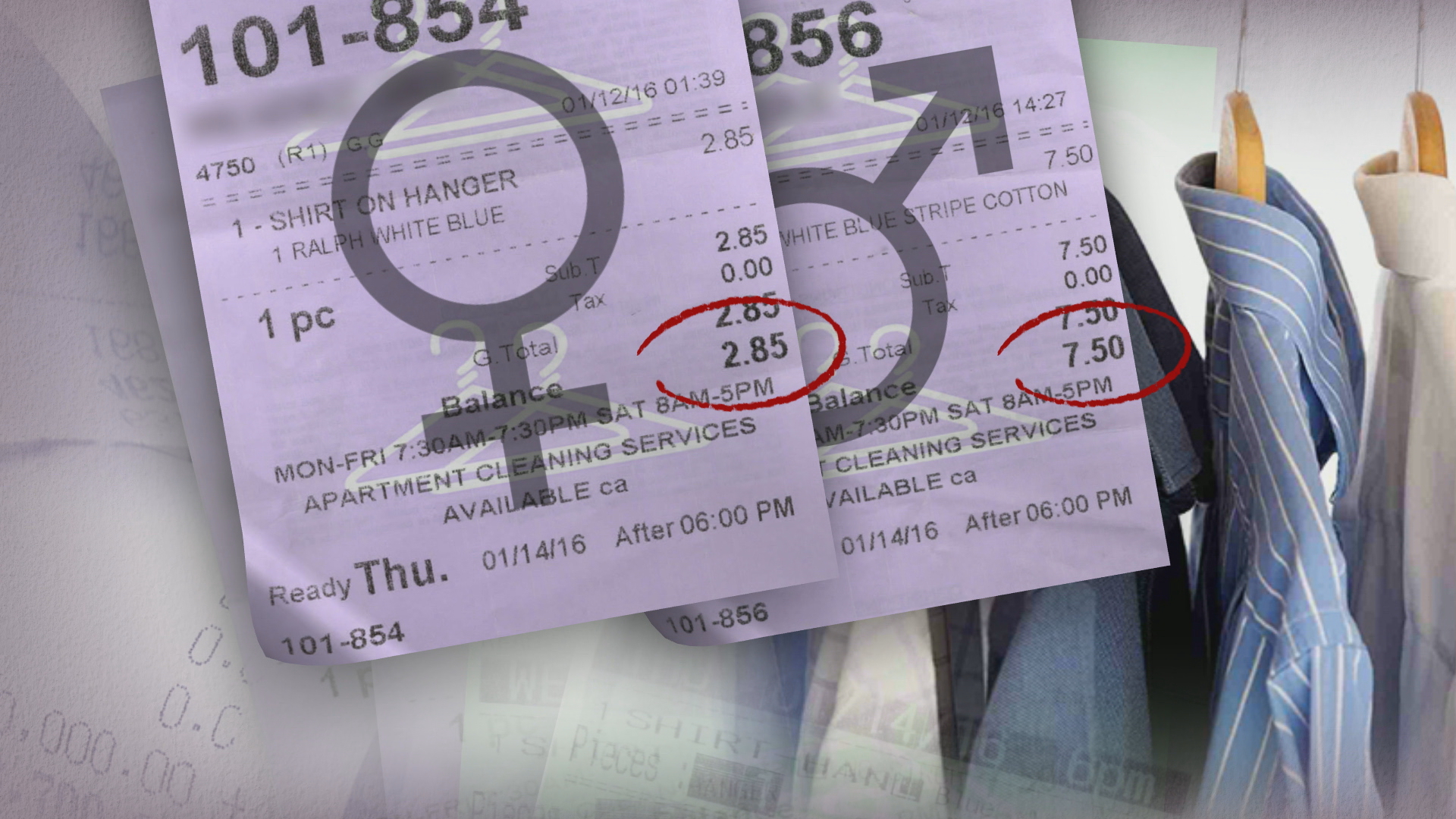
Gender Gap Grows Wider Globally
The World Economic Forum (WEF) began calculating the global gender gap in 2006. Yesterday, it released the results of the 2017 Global Gender Gap Report and the news is bad – for the first time in more than a decade, the gender gap is widening. This year's report revealed that the divide between men and women stood at 32 percent, up from 31.7 percent last year. The Global Gender Gap Index ranks 144 countries and compares them across four ‘pillars’: economic participation and opportunity, education, political empowerment, and health and survival. The best scores overall belonged to three Scandinavian countries. Iceland had the smallest gender gap at 22 percent. How about the United States? While the U.S. has improved its overall gender gap, this year's report showed it moved down the rankings to 49th place. The score was 0.72 or a gender gap of 28 percent. The pillar featuring economic participation, which includes salaries, workforce participation and leadership, has one of the fastest-growing gaps. Globally, women are earning less than men. The WEF believes the economic gender gap will now not be closed for 217 years. When considering a woman's income as a percent of a man’s, the U.S. came in at 13th place, where a woman can expect to make on average only 64.8 percent of that of what a male earns. Why is this the case even though more women than men are graduating from universities? Can this worrying trend be changed? What steps must be taken to make the playing field equal for all in America? Dr. Shannon Wooden, gender studies expert and professor of English at Missouri State University, can provide insight on this topic. She can address the gender pay gap and why companies need more female representation in senior and board levels. Contact her for an interview. Source:


Is Trump a Twitter Addict? Baylor Expert Says 'Yes'
Trump has said that Twitter is his way of communicating his thoughts directly with the world, bypassing the more traditional means of using the news media, which he tends to distrust. The president’s daily use of social media begs the questions: Can people be addicted to social media? If so, is President Trump an addict? “Yes and yes,” answered James Roberts, Ph.D., The Ben H. Williams Professor of Marketing in Baylor University’s Hankamer School of Business. Roberts is a nationally known expert on consumer behavior, social media and smartphone addiction, and the effects of smartphone use on relationships. He recently published a new edition of his book, “Too Much of a Good Thing: Are You Addicted to Your Smartphone?” which includes a bonus chapter focused squarely on the Commander in Chief’s Twitter habits. “Addiction is a strong word,” Roberts said. “It’s best understood and defined as ‘continuing a behavior despite its negative consequences for you and others around you.’ Yes, we can be addicted to social media use just like we can be addicted to drugs or alcohol. Addiction can result from any behavior that produces pleasure in the brain.” In his look at President Trump, Roberts focused on the six core components applied by many health professionals when analyzing substance use disorders – salience, euphoria, tolerance, withdrawal symptoms, conflicts and relapse. “Our inability to separate from technology is devastating to our well-being,” Roberts said. “Even if it’s not an addiction, it’s a deeply ingrained habit.” Source:



World Heart Day: Do You Have an Exercise Regime to Protect Your Heart?
Sept. 29 is World Heart Day. It’s a day researchers, practitioners and health officials around the globe are taking part in to spread awareness about heart disease and stroke prevention. According to the World Heart Federation (WHF), heart disease and strokes kill more than 17 million people every year. It’s the leading cause of death on the planet, edging out cancer. One way to achieving better heart health is maintaining a healthy lifestyle by making physical fitness a key component of everyday life. But what makes an effective exercise program and what types of exercises are right for you? How do you start if you’re not used to being active? Missouri State University’s Dr. Barbara Bushman, an expert in health, wellness and exercise, can answer these questions and provide insight on reducing the risk of heart disease. She is editor of the first and second editions of American College of Sports Medicine’s Complete Guide to Fitness & Health. She has been quoted in news outlets and magazines, such as USA Today, The Boston Globe, Huffington Post and Reader's Digest. Click on her icon to contact her. Source:

North Korea Rejects South Korea's Call For Talks: How High Will Tensions Escalate?
North Korea has been in the news a lot lately. Saber rattling, political posturing and missile testing by the hermit state have led to escalating tensions between the United States, South Korea and even neighbouring China. Earlier this month, Pyongyang claimed it successfully tested an ICBM, for the first time, of the type that experts believe could reach Alaska. But as the situation looked to boil over, tensions may have had a chance at simmering. Tongilgak - a North Korean building in the Panmunjom compound in the demilitarized zone between the two countries, which has been used for previous negotiations, was suggested by the South Koreans as a destination for talks between North and South Korea aiming to stop 'all hostile activities that raise military tension.' By early Friday morning, all intelligence indicated – that offer was rejected. The two countries that have been bitter enemies since 1950 remain opposed and unwilling to compromise. There’s a lot at stake – safety, the threat of global war and between the two countries, some families are still divided and incapable of meeting after more than half a century. So, is there a chance the two sides can find a diplomatic solution? Is this rejection just another tactic by North Korean leader Kim Jong Un to leverage more from the west in order to speak? Does North Korea have the ability to launch a missile that may reach American soil? There’s a lot more to this new alignment than a simple agreement and that’s where Missouri State University experts can help. Dr. Dennis Hickey is a global studies expert specializing in Asian politics and American foreign policy. He is a go-to source when media agencies require clear perspective and answers regarding this complex situation and region. Dr. Hickey is available for interviews. Click on his icon to contact him. Source:

Higher Education - A matter of national security?
With increasingly sophisticated and widespread cyberattacks in the news, what role must higher education play in developing the future cyber workforce? Located at the center of federal cybersecurity assets, the city of Augusta is already growing into a global cyber hub. Now, a new school at Augusta University will prepare the next generation of cyber professionals — right here in Augusta. Augusta University President Brooks Keel announced a new School for Computer and Cyber Sciences that will provide opportunities for students to work with the state cybersecurity professionals. The announcement comes just days after breaking ground on a new state-owned 168,000-square-foot, $60 million cyber innovation and training center at Augusta University's Riverfront Campus. "With hands-on research and internship opportunities not found anywhere else, we have the opportunity to revolutionize cybersecurity education in Georgia and make Augusta a leading hub for cybersecurity innovation," Keel said of the new statewide effort, dedicated to develop the workforce and infrastructure needed to protect our nation from cyberthreats. Augusta University's new school launches July 1, but will move into the Hull McKnight Georgia Cyber Innovation and Training Center upon completion in 2018. "The school will benefit more than 300 current computer science and information technology students, who will have the opportunity to work hand-in-hand with industry, the departments of industry and defense, and state cybersecurity professionals and tech startups," Keel said. How else is Augusta University responding to the need to develop highly skilled, technical workers? How can academia, government and industry partner to develop educational opportunities that are critical to enhancing the nation's cybersecurity? Dr. Brooks Keel is available for interviews on the future of cybersecurity education. Click on his icon to arrange an interview. Source:


A Party Divided - Will Infighting Lead to a Government Shutdown in Washington Friday?
President Donald Trump will celebrate 100 days in office Saturday. But one day shy of that milestone, he may see Washington and the rest of America’s government grind to a halt. But with Republicans controlling Congress, the Senate and the Presidency – a standoff of this nature seems almost impossible. There is almost guaranteed to be negative consequences publicly and financially – and to follow it through just doesn’t make any political sense. So why? Is it President Trump’s demand for a funded wall that he promised to be built along the Mexican border? Are there left-over aspects to the Affordable Care Act that have some members of the GOP divided? Other issues that have the GOP at a boiling point? Or, is there a way out so each side can make a point but save face in the end? Politics is seldom simple and almost always confusing. That’s where the experts from Augusta University can help. Dr. William Hatcher is the director of the Master of Public Administration program and an associate professor of political science. He is an expert in politics, policy and the relationships between different levels of government. Dr. Craig Albert is an assistant professor of political science and an expert in American politics and political philosophy. Both are excellent speakers, have experience with all forms of national and local news organizations and are available to speak to media regarding this latest development in Washington. Click on Dr. Hatcher or Dr. Albert's icon to arrange an interview. Source:


Expect more terrorist attacks in Russia, political expert says
A deadly subway explosion in St. Petersburg, Russia, Monday morning has been declared a terrorist attack, and we can expect more of these kinds of incidents and threats, according to Augusta University political scientist Dr. Craig Albert. As a leading scholar in American politics and foreign affairs, Albert’s research focuses on Islamic extremism, Chechnya and the rise of ISIS. “As more Russians return from Syria fighting for ISIS, and as the Caucasus region remains in strife, especially Chechnya and Dagestan, we can expect more and larger terrorist attacks inside Russia's major cities,” Albert said. Albert teaches courses on war and terrorism, American politics and political philosophy; he also directs the Model United Nations Program. Albert is a political contributor to The Augusta Chronicle and he’s appeared on national media broadcasts, including a live interview with Megyn Kelly for Fox News Channel on the Boston Marathon bombing. He has also testified before the U.S. Congress on Islamic Extremism. Albert is available for Skype, email and phone interviews. Source: