
Experts Matter. Find Yours.
Connect for media, speaking, professional opportunities & more.

UPI news service interviewed Dr. Meena Bose for the article “Trump USAID cuts create vacuums of food, medical care for vulnerable populations.” The president’s effort to downsize government agencies makes good on one of his biggest campaign promises, according to Dr. Bose. While presidents have attempted to increase the efficacy of agencies in the past, the article says Trump’s approach is different. “This is kind of a hatchet approach to doing so but I think it has a certain appeal to the president’s constituencies,” Bose told UPI. “He’s getting things done, cutting through red tape.” Dr. Bose is a Hofstra University professor of political science, executive dean of the Public Policy and Public Service program, and director of the Kalikow Center for the Study of the American Presidency.


Villanova Professor Sees Costs and Benefits in Corporate and Federal Return-to-Office Mandates
In early February, federal agencies submitted plans in accordance with an executive order to initiate an estimated 1 million government employees’ full-time return to their duty stations. The departments’ actions are among the latest in a series of RTO moves enacted since the start of 2025. Notably, they follow policy changes by corporate giants Amazon, AT&T and JPMorgan, who in January began requiring five days of in-person work for select staffers, with justifications ranging from strengthening culture to improving performance. With more employers expected to require in-office work in the coming months, some predict that 2025 could be the “year of the RTO mandate.” But, given the arguments from those pushing for these policies, it’s worth asking: Are these return-to-office requirements truly justified? Do they actually improve communication, strengthen teams and boost productivity, as supporters claim? According to Kyoung Yong Kim, PhD, whose research focuses on telework, strategic human capital management and employee-organization relationships, the answer is complicated—and highly circumstantial. Dr. Kim says that, by gathering coworkers around the proverbial water cooler, RTO policies can in some cases facilitate dialogue, promote teambuilding and foster organizational success. Yet, in other instances, work-from-home (WFH) arrangements can significantly boost employee morale, efficiency and output. “In a recent paper, my colleague Ijeoma Ugwuanyi [a professor at Hong Kong Metropolitan University] and I examined how social distancing initiatives, which reduce interactions among people, impact working relationships,” says Dr. Kim. “We found that they can actually help improve negative ones, at least in employees’ minds.” Analyzing data collected on 105 working relationships among 43 full-time personnel at a South Korean healthcare company, Dr. Kim and Dr. Ugwuanyi discovered that, when afforded extended WFH privileges, colleagues previously at odds were given the space necessary to reassess their outlooks and improve their dynamics—especially when the individuals involved were viewed as competent and warm. As a result, these repaired relationships generally empowered more effective collaboration in the long run. Additionally, employees with positive in-person relationships maintained a solid rapport even when geographically apart. “These findings are particularly relevant as corporate and government workers increasingly return to their offices,” says Dr. Kim. “Managers need to remember that, according to the research, employees are willing to reset negative relationships they had previously. That said, returning to the office also offers a chance to strengthen relationships and make them more positive, which is crucial since team dynamics are a key determinant of team performance.” Per Dr. Kim, in order to best position themselves for success on the RTO front, organizations need to take a measured, sympathetic approach in facilitating their in-office policies, with an eye toward mitigating negativity. They need to remain cognizant of the logistical and interpersonal challenges that could emerge in the wake of a return, address their employees’ concerns in an attentive manner and foster a “supportive climate characterized by supportive behaviors.” It’s a situation that Dr. Kim says bears parallels—perhaps somewhat counterintuitively—to the mass shift to telework that occurred during the COVID-19 pandemic. As he found in his research on that phenomenon, employees responded best to changes in their working arrangements when organizational leaders and managers took the time to explain and actively discuss the reasoning behind them, especially in mission-driven terms. “Essentially, an important implication of the findings is that, to sustain employees’ positive attitudes and behaviors, it is crucial to frame these moves in a way that highlights how working in the office benefits both employees and the organization,” says Dr. Kim. In turn, RTO-focused organizations should recognize that their words and messages have a very real impact, particularly when scrutinized by workers who may not be happy about resuming their morning commutes. “Amazon, for instance, appears to be taking a thoughtful approach by emphasizing the value of collaboration with colleagues and the enrichment of organizational culture,” says Dr. Kim. “One potential drawback, however, lies in their message about the consequences of non-compliance, specifically that failure to adhere to the in-office policy could jeopardize employees’ chances of promotion. “A more positive framing, emphasizing how such policies support professional growth as well as employees’ well-being, could enhance favorable perceptions and work behaviors.” In the event organizations remain attuned to such situations—taking their employees’ perspectives into account, actively communicating their intentions and presenting clear value propositions—Dr. Kim thinks a year of the RTO mandate could potentially be a less daunting prospect. And maybe, with time, the transition back from Zoom to the boardroom could be a beneficial one.


Three Year Anniversary of Ukraine War
Three years ago, this Monday, Russian troops invaded Ukraine expecting a a quick victory. This invasion has incited Europe's largest conflict since WWII, taking tens of thousands of lives, destruction of countless cities, and the isolation of Russia. Despite this, Putin appears closer to taking a fifth of Ukraine's territory and preventing it's membership. President Trump broke the three year long policy of isolating Russia by working with Putin to work together to end the war. President Trump's explicit support for Russia's demand against Ukraine's NATO membership reveals a shift in U.S. policy. How will President's Trump's relationship with Putin shift U.S. policy? Despite majority of the West and Ukraine seeing Russia's invasion as an unprovoked act of aggression, Putin continues to insists it's necessity for Russia's security and protection of citizens in Ukraine. In 2023 Russia momentum with offensives across a 1,000kilometer front, securing necessary territorial gains. How does the progression of Russia's invasion effect it's image for American citizens? In response to the invasion, Ukrainian President Zelenskyy demanded Russia's retreat as a condition to talk. President Zelensky emphasizes Ukrainians need for support from the West; while stressing Ukraine goal to join NATO. How will the shift of support affect Ukraine mission to join NATO? Putin refuses a truce, hoping to weaken the Ukrainian government through a contentious election. Ukraine argues elections are not possible during war times. Putin refuses to accept international peacekeeping forces, remain confident in Russia ability to achieve its goal without negotiation with Ukraine. How will Putin's refusal to find a truce affect Russia and Ukraine's role in the war? Dr. Duerr is an expert on this subject and is available to speak to media regarding this ongoing conflict in the Middle East and the ongoing the war between Israel and Hamas – simply click on his icon to arrange an interview. Or schedule an interview by contacting Mark Weinstein at mweinstein@cedarville.edu


Canada’s RRSP Program Has Too Many Jobs
Summary: Since its inception in 1957, the Registered Retirement Savings Plan (RRSP) has been a cornerstone of Canada’s retirement system. However, the RRSP has taken on roles far beyond its original mandate, notably through the Home Buyers’ Plan (HBP) and the Lifelong Learning Plan (LLP). Although these programs provide short-term benefits, they significantly damage the long-term health of Canadians' retirement savings. This article explores how these additional roles are sabotaging retirement savings, highlights statistics about the state of RRSPs today, and discusses the disastrous impact these trends will have on future retirees. While listening to a recent economic presentation by Don Drummond, TD Bank's Chief Economist at the Mortgage Professionals Canada conference, the following stat stood out to me: "Median RRSP savings are $146K (RRSPs have been in existence for 6 decades)" I was stunned by how low this value was. Even with a government pension, in today's economic climate, to achieve a successful retirement, we need more than $146K saved. This prompted me to explore how the average value of RRSPs in Canada could be so low after some of us have had as much as 60 years to save. The average senior aged 65 in Canada receives $18,197 per year from OAS and CPP. If qualified for GIS, they would receive another $15,186 annually, for a total of $33,338 annually. This isn't much income, especially for homeowners who must pay for property taxes, utilities, upkeep, and maintenance. How it All Began At inception, the RRSP was called a Registered Retirement Annuity and was created in 1957. At the time, Canadians could contribute up to 10% of their income to a maximum of $2,500 annually. The goal was to give all Canadians the same tax benefits as members of registered employer-sponsored pension plans. Benefits of the RRSP Plan 1. Tax-Deferral: Contributions to an RRSP are tax-deductible, which can reduce your tax bill. 2. Tax-Free Growth: Your savings grow tax-free while the money is in the plan. 3. Retroactive: You can carry forward any unused contribution room to future years. The Multitasking Disaster Studies show that people are dreadful at multitasking; the same is true of government programs. Here is where the program went wrong. In 1992, the Home Buyer’s Plan (HBP) was made more flexible, which allowed first-time homebuyers to withdraw RRSP funds to buy a house. Then, in 1999, the Lifelong Learning Plan (LPP) was introduced, which permitted withdrawals to pay for education. The Home Buyers' Plan (HBP) was not introduced in 1957 alongside the Registered Retirement Savings Plan (RRSP) creation. Instead, the HBP was introduced in 1992 as a federal initiative to help Canadians buy their first homes by allowing them to withdraw funds from their RRSPs without tax penalties as long as they met specific conditions. Here's a timeline of crucial HBP withdrawal limits since its inception: Timeline of HBP and LLP Withdrawal Limits: 1992 - Introduction of the HBP • Maximum Withdrawal Limit: $20,000 per individual. • Purpose: To help first-time homebuyers purchase or build a home. 1999 – Introduction of Lifelong Learning Plan (LLP) • The annual withdrawal limit is $10,000 per individual • The lifetime withdrawal maximum is $20,000 per individual 2009 - First HBP increase • New Limit: $25,000 per individual. • The increase was introduced as part of federal budget changes to reflect rising housing costs. 2019 - Second HBP Increase • New Limit: $35,000 per individual. • Announced in the 2019 federal budget to support affordability for first-time homebuyers. 2019 -HBP Enhancement for Life Events • The HBP was expanded to allow individuals experiencing a marriage or common-law partnership breakdown to participate, even if they were not first-time homebuyers. 2024 - Recent increase • New Limit: $60,000 per individual. • The increase was introduced as part of federal budget changes to reflect rising costs. A Flawed Strategy The Home Buyers' Plan (HBP) and Lifelong Learning Plan (LLP) were introduced in Canada as tools to make housing and education more accessible. While well-intentioned, these programs effectively allow individuals to borrow from their future retirement savings—a strategy that can have significant negative consequences. Ask any high school economics student, and they will tell you that compromising two of the three main elements (principle and time) in investing growth will lead to a disappointing return. Here is the formula: principle X interest + time = compounded return. Are We Borrowing From the Future to Pay for Today? The Problem with the Home Buyers’ Plan (HBP): Addressing Housing Affordability at the Expense of Retirement The HBP permits individuals to withdraw up to $60,000 from their RRSP to buy a first home. In an environment of rising house prices, this measure may help buyers cobble together a down payment, but it drains retirement funds. The funds are unavailable to grow tax-free over decades, diminishing the compounding returns essential for retirement security. The Problem with the Lifelong Learning Plan (LLP): Financing Education by Sacrificing Retirement The LLP allows up to $20,000 in RRSP withdrawals to fund education, which can help individuals upskill. However, education often doesn’t yield immediate returns, and the withdrawn funds lose their growth potential, including the compounded returns. Why This Harms Future Retirees Issue #1: Loss of Compounding Growth Withdrawals disrupt the power of compounding, which is vital for retirement savings. For example, $35,000 left in an RRSP for 25 years at a 6% annual return could grow to over $150,000. If that same $35,000 were withdrawn 15 years ago and repaid over the same period as required by the HBP program, it would be worth $54,311, a loss of $95,689 Issue #2: Repayment Struggles While repayments are required, life’s expenses (mortgage, childcare, loans) often make it hard to repay on schedule. Failure to repay means the amount withdrawn is added to taxable income, further reducing the effectiveness of the programs. Issue #3: Insufficient Savings Most Canadians are already under-saving for retirement. Encouraging them to dip into their RRSPs exacerbates this shortfall. Two Different Problems. One Harmful Solution Housing Affordability Rising house prices are driven by supply-demand imbalances, speculation, and policy failures—not a lack of down payments. Increasing the HBP withdrawal limit does nothing to address the root causes of affordability, but it may drive prices higher by giving buyers more purchasing power. Retirement Security Retirement savings should be preserved and grown to ensure financial stability in later years. Programs like HBP and LLP blur the line between short-term needs and long-term planning. Why Would our Government Do This? Political Expediency Housing affordability and access to education are politically sensitive issues. Allowing individuals to tap into their RRSPs is a cost-neutral policy for the government (unlike direct subsidies or programs). Policies like these help politicians get elected or stay in office. And in proper political form, these policies only tell half the story. Vote for us because we will help you buy your first home, which is a great campaign strategy. Vote for us because we will make it look like we help you buy your first home when, in fact, we will set up a program that will allow you to borrow from yourself at the cost of your retirement, which is political suicide. Short-Sighted Economic Policies Policymakers may believe that homeowners and educated individuals are more financially secure, even if their retirement savings are compromised. The logic might be that owning a home or having better job prospects could mitigate future hardship. Assuming Home Equity is a Safety Net The government might assume that homeownership ensures financial stability in retirement. However, this overlooks that rising housing costs often mean seniors have high debt levels or are "house rich but cash poor." The Bigger Problem with the HBP and LLP Programs: No Warnings or Education Given to Canadians Neither the HBP nor the LLP adequately informs individuals of the long-term consequences of their decisions. To make matters worse, the participants of these programs will likely realize the impact once it is too late to take action. People considering retirement are often in their late 50s to early 60s, past their prime saving years. Borrowing from retirement accounts may seem like “borrowing from yourself,” but this lost growth can never be recouped. Many Canadians are not well enough informed to assess these trade-offs, leading to decisions that harm their financial future. In Case You’re Thinking, These Seniors Have Inadequate Savings - But at They At Least their Homes. The HBP and LLP programs may reflect a government view that seniors would be better off owning a home than relying solely on inadequate savings. But this is flawed for a number of reasons: A home is not a liquid asset—it cannot pay for groceries or healthcare. Also, Seniors with insufficient retirement savings often need help with financial distress despite owning property. They sometimes need reverse mortgages or sell their homes out of desperation. An Unfortunate Misguided Solution Rather than “quick fixes” that appear to solve immediate challenges while creating long-term problems, the Federal government should instead focus on longer-term, systemic solutions For housing: Governments need to curb speculative investments and provide targeted assistance for first-time buyers. Plus they need to focus on programs that increase housing supply, such as income tax incentives for homeowners to build accessory dwelling units (ADUs). These units could be rented out or used for caregivers. Or adopt a policy allowing first-time home buyers to not pay tax on their first $250,000 of income. First-time home buyers could use the tax savings as a down payment. For Education: Governments need to expand grant programs and low-interest loans to prevent reliance on retirement funds. This will not only help us increase the number of skilled workers to fill critical gaps in vital sectors such as technology, healthcare engineering and the trades. It will also contribute to a higher GDP and build a more sustainable tax base for future generations. Encouraging Canadians to steal from their future is not a sustainable strategy. Retirement savings should be viewed as sacred - not a piggy bank for solving unrelated issues. Don’t Retire … Re-Wire! Sue


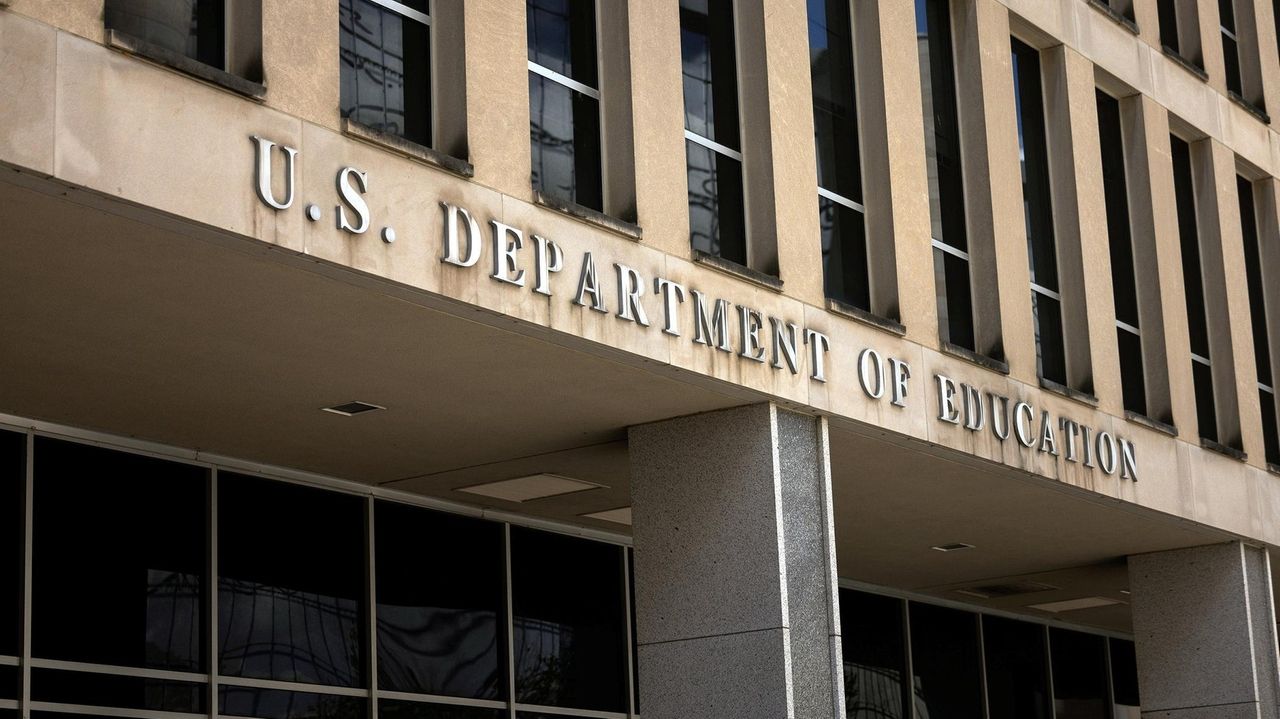
Possible Impact of Dismantling the DOE
Rebecca Natow, associate professor and director of the EdD in Educational Leadership & Policy Studies program and the MSEd in Higher Education Leadership & Policy Studies, was interviewed by Newsday for the article: “Trump wants to abolish the federal education department. What could it mean for Long Island schools?” The article explains the role of the Department of Education and what it would mean to local schools if it were dismantled. Dr. Natow said opposition to any action will likely argue that the president needs authority from Congress to eliminate the education department. “I expect we will see lawsuits. That’s going to be their argument, that it’s not the proper function of executive action,” she said.


Avian Flu: Understanding the Threat and Global Response
Avian influenza, commonly known as bird flu, is a highly contagious viral infection that affects birds but has the potential to spread to humans and other animals. With recent outbreaks raising concerns among health officials worldwide, understanding the origins, transmission, and potential risks of avian flu is critical for public health preparedness. The virus poses significant threats to global food supply chains, economic stability in agriculture, and pandemic prevention efforts. As governments and health agencies monitor the situation, the public must stay informed about the latest developments and protective measures. Key story angles include: Origins and Evolution of Avian Flu: How the virus emerges, mutates, and spreads among birds and humans. Public Health Risks and Prevention Measures: Assessing the likelihood of human transmission and the effectiveness of vaccines and treatments. Economic Impact on Poultry and Agriculture: How outbreaks affect food production, trade restrictions, and industry regulations. Global Response and Preparedness Efforts: What governments and health organizations are doing to contain outbreaks and prevent a pandemic. Wildlife and Environmental Factors: The role of migratory birds in spreading avian flu and the impact of climate change on disease patterns. Lessons from Past Outbreaks: Comparing the current situation to previous bird flu strains and what history teaches us about managing the threat. As concerns over avian flu grow, staying ahead of the science and policy responses will be key to safeguarding public health and economic stability worldwide. Connect with an expert about avian flu: To search our full list of experts visit www.expertfile.com


Annual Healthy Georgia Report looks at public health in the Peach State
The fourth edition of the “Healthy Georgia: Our State of Public Health” report has been released by the Institute of Public and Preventive Health in Augusta University’s School of Public Health. Within the 64 pages of the report is a snapshot of how healthy Georgians are compared to citizens across the 12 states that make up the Southeastern Region (Alabama, Arkansas, Florida, Georgia, Kentucky, Louisiana, Mississippi, North Carolina, South Carolina, Tennessee, Virginia and West Virginia) and the entire United States. The 2025 edition addresses 31 health topics and has been expanded this year to include multimorbidity; long COVID-19; HIV, chlamydia, gonorrhea and syphilis infection rates; opioid and methamphetamine drug use; suicides; and vaping. Biplab Datta, PhD, assistant professor in the Department of Health Management, Economics, and Policy in SPH, heads up the team of IPPH faculty and staff who create the report each year. Datta credits Jen Jaremski, research associate, and Kit Wooten, public health analyst, with handling much of the work of bringing the report to life. Together, Jaremski and Wooten collected and organized all of the needed assets and organized the 64-page document, preparing it for print and the web. “Every year we strive to present data in a way that policymakers may find helpful in making policy choices,” Datta said. “There are several new topics that were added to this year’s report and some of those are concerning for the state of Georgia, particularly the communicable diseases like HIV, chlamydia, gonorrhea and syphilis. High prevalence rates of these conditions in Georgia, compared to the rest of the U.S. and the Southeastern Region, warrant attention of the public health community.” Georgia has the second-highest rate of HIV infections in the U.S., fourth-highest rates of gonorrhea, sixth-highest for chlamydia and 13th for syphilis. Something that is also new in this year’s report is a comparison of numbers from 2019, or before the COVID-19 pandemic began, compared to after the pandemic for certain conditions. Also coming out of the pandemic, the report looks at how long COVID has affected Georgians, with the state ranking 24th in the nation for rates of long COVID. According to the U.S. Centers for Disease Control and Prevention, long COVID is defined as a chronic condition that occurs after COVID-19 infection and is present for at least three months. On top of looking at comparisons between Georgia and the Southeast and the nation, Datta noted a clearer picture is starting to emerge concerning the difference in urban and rural areas within the state. “For several chronic conditions, like hypertension, diabetes and multimorbidity, we clearly see a striking difference between rural and urban residents of Georgia,” Datta said. Hypertension affects 44.1% of adults in rural Georgia compared to 35% in urban areas, while diabetes affects 17.5% of adults in rural Georgia compared to 12.3% of those in urban areas. Hypertension and diabetes are major risk factors for cardiovascular disease, which affects 12.2% of adults in rural areas compared to 8.3% of adults in urban areas of Georgia. “Hypertension and diabetes are the major risk factors for heart disease, which is the leading cause of death in the U.S. and worldwide, so these are some concerning numbers to see,” Datta said. Multimorbidity, which is when a person has multiple chronic conditions, including obesity, asthma, chronic obstructive pulmonary disease, depression, kidney disease, diabetes, hypertension, high cholesterol, cardiovascular disease, cancer, skin cancer and arthritis, affects 57.4% of adults in rural Georgia compared to 49% of adults in urban areas of the state. These rates are significantly lower than the rest of the Southeast but on par with the rest of the country. When comparing Georgia to the U.S. national average, adults in Georgia have lower rates of cancer and methamphetamine use but higher rates of childhood asthma and adult obesity. At the same time, rates of adult asthma and adult obesity among Georgians were comparable to the averages seen in the Southeast. Interestingly, while adult health insurance coverage was significantly lower than the U.S. national and Southeast Regional averages, the child health insurance coverage in Georgia was comparable to both national and regional averages. The Healthy Georgia Report is the only report of its kind in the state Looking to know more or connect with Biplab Datta, PhD? Then let us help. Dr. Datta is available to speak with media regarding this important topic. Simply click on his icon now to arrange an interview today.


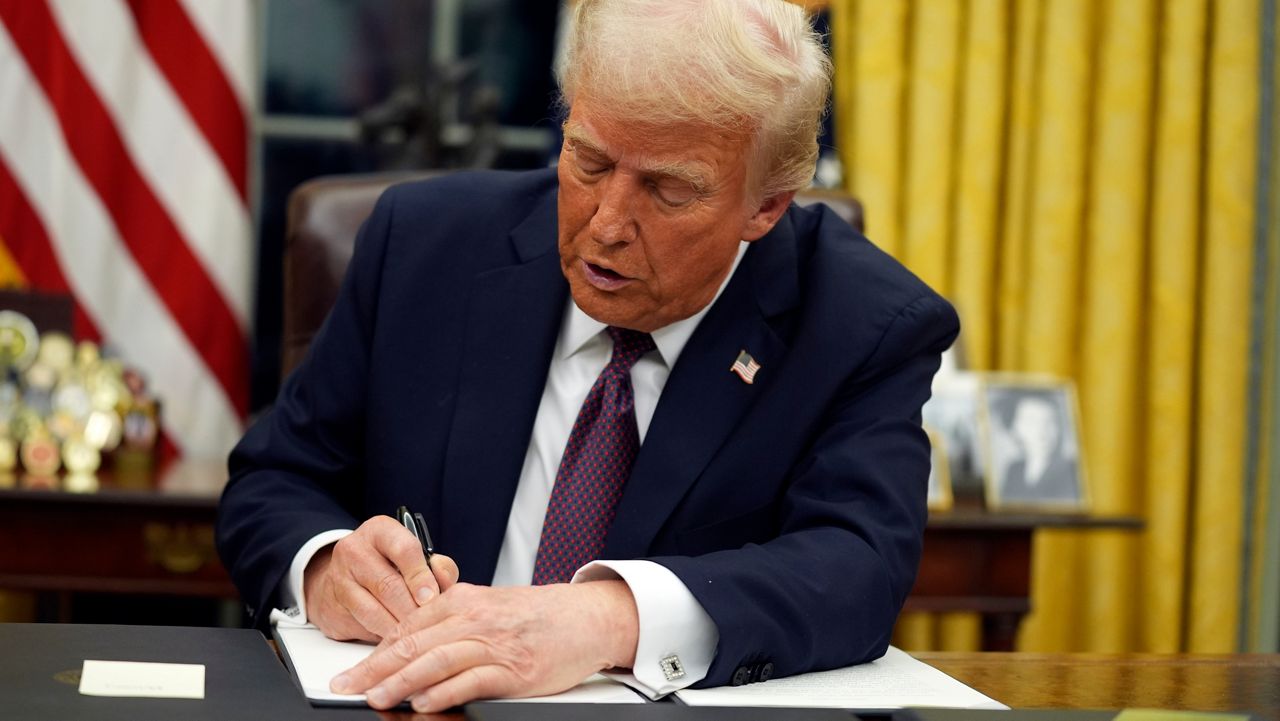
Takeaways from Trump’s Inauguration and Executive Orders
Dr. Meena Bose was interviewed by NY 1 Spectrum News about President Trump’s first day in office and his inauguration. She was also interviewed by WFMD radio in Frederick, MD, about the president repealing restrictions placed on federal immigration officials under the Biden administration. Dr. Bose is a Hofstra University professor of political science, executive dean of the Public Policy and Public Service program, and director of the Kalikow Center for the Study of the American Presidency.

Expansion Plans? What's Behind Donald Trump's Approach to Canada, Greenland and Panama?
With the inauguration of President Donald Trump just days away, there are many people in America and abroad who are watching and waiting on the first moves of the incoming Trump administration. President Trump has been giving some bold suggestions about the importance of places like Greenland, Canada and Panama to America's national and economic security. Some are explaining Trump's approach as a negotiating tactic to spur on deeper conversations. Others are concerned there's some seriousness to his plans for expansion. Either way, it's getting a lot of coverage as the countdown is on to his resumption of the country's leadership. Last week, Trump waded boldly into global affairs — but he barely touched on those purported priorities. Instead, at a news conference at Mar-a-Lago, he focused on a list of obscure, arguably eccentric goals: acquiring Greenland from Denmark, absorbing Canada as a very large 51st state, and retaking control of the Panama Canal. The president-elect said he would bring all three territories under U.S. control through economic coercion, but did not rule out using force to seize Greenland and the canal. January 13 - Los Angeles Times “That would really be something,” Trump said of the United States' taking control of Canada. “You get rid of that artificially drawn line, and you take a look at what that looks like. And it would also be much better for national security,” Trump said. “They’re great, but we’re spending hundreds of billions here to protect it.” Trump said that the subsidies include substantial military support and that the United States loses out through trade deficits. January 07 - NBC News President-elect Donald Trump has reiterated his desire for the US to acquire Greenland and the Panama Canal, calling both critical to American national security. Asked if he would rule out using military or economic force in order to take over the autonomous Danish territory or the Canal, he responded: "No, I can't assure you on either of those two. "But I can say this, we need them for economic security," he told reporters during a wide-ranging news conference at his Mar-a-Lago estate in Florida. Both Denmark and Panama have rejected any suggestion that they would give up territory. January 08 - BBC The coverage has been intense, but there are still some questions to be asked: How would the world and America's allies react if President Trump applies pressure or force to make any of these countries comply? How might relations between Trump and the U.S. military and intelligence community change in his second term? And, is this just a tactic or could President Trump possibly be serious about his plans? Looking to know more? Professor Peter Campbell studies international security, civil-military relations, international relations and policy relevance. Peter is available to speak with media about this ongoing topic - simply click on is icon now to arrange an interview today.


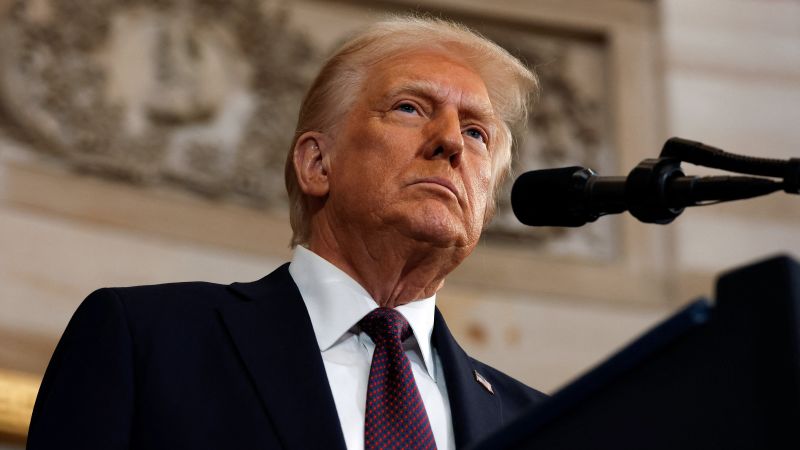
Trump, Trade and Tariffs What to Expect, Will They Work and Who Benefits?
The threat of 25 % tariffs on Canada and Mexico had newsrooms buzzing, politicians scrambling and economists calculating who wins and who loses when trade wars break out among usually amicable neighbors. Factor in Greenland and China - and the story went global. It was a topic that headlined the news as many have watched and waited since the election for President Trump's first days in office to see what the country can expect with incoming policy changes. President Donald Trump said in an Oval Office signing ceremony Monday evening that his administration will impose 25% tariffs on Mexico and Canada on February 1, an extraordinary change in North American trade policy that could raise prices for American consumers. Trump still outlined his broader trade policy for his second term in an executive action Monday. But that action — described by sources as a “placeholder” — doesn’t institute new global tariffs that Trump promised on Day One. As a candidate, Trump proposed sweeping and across-the-board tariffs: up to 20% on imports from all countries, with a 25% tax on goods from Mexico and Canada, plus a punishing 60% levy on goods from China. He also pledged to use tariffs as a negotiating tool on other countries, including, for example, Denmark — putting pressure on the European nation to give control of Greenland to the United States. Asked Monday at an Oval Office signing ceremony about tariffs on China, Trump noted extensive tariffs he imposed during his first administration were still in effect after former President Joe Biden largely left them in place. And on universal tariffs, Trump punted, saying, “We may, but we’re not ready for that just yet.” The executive action signed Monday directed the secretaries of Commerce and Treasury and the United States Trade Representative to investigate the causes of America’s trade deficits with foreign nations, to determine how to build an “External Revenue Service” to collect tariffs, to identify unfair trade practices and to review existing trade agreements for potential improvements. It also directs the government agencies to analyze how the US-Mexico-Canada trade agreement (the USMCA) signed by Trump in his first term is affecting American workers and businesses — and whether America should remain in the free trade agreement. January 21 - CNN As business and political leaders in many countries, especially North America wait for what's ahead, there are questions to be asked: What industries will be targeted? Will tariffs cause higher prices for consumers and increased inflation? Who wins if an all-out trade war happens? How will interwoven sectors like the auto industry and agriculture be impacted? If you're a journalist covering this ongoing story - then let us help. William J. Luther, Ph.D., is an associate professor of economics at Florida Atlantic University, director of the American Institute for Economic Research’s Sound Money Project, and an adjunct scholar with the Cato Institute’s Center for Monetary and Financial Alternatives William is available to speak with media. Simply click on his icon now to arrange an interview today.

