
Experts Matter. Find Yours.
Connect for media, speaking, professional opportunities & more.

In a post-COVID workplace, do employees hold the cards when it comes to work-life balance?
For the most part, COVID-19 is in the rearview mirror for the businesses, restaurants and workplaces it played havoc with for the better part of two years. As Americans pivot back to normal, there are a few things the pandemic may have changed for good. How we work and the dynamics of the traditional American workplace are likely among those permanent changes. For some Americans, the novelty of working from home may shift back to the traditional workplace, but experts say that is dependent on industry, job roles and location. Meanwhile, some employers are now realizing the benefits and efficiencies of working from home with less rigid 9-5, Monday-to-Friday schedules. Employees are working more, costing less and still delivering. The new workplace is a topic that is top of mind. Work-life integration is quickly becoming part of policy and procedure for employers as it remains a priority for employees. "Some employers simply don’t have a choice," said Melissa Furman, a leading management consultant and lecturer in the James M. Hull College of Business at Augusta University. "If they are not recognizing the needs of their employees, they are going to have a hard time recruiting and retaining employees. 'Work-life balance' is a dated term that is recognized by the older generations. "The younger generations are seeking 'work-life integration' and in some cases view their jobs as 'side hustles' to support their career of 'life.'" There are many different mindsets present in the workplace and employers need to better understand the needs and preferences of their employees and “one size does not fit all,” adds Furman. "This environment has created some new/unique challenges for organizational leaders." There are a lot of questions to consider when it comes to how America adapts to the new working environment, and if you are a journalist covering this topic, that’s where Augusta University can help. Furman is a respected leader in management with over 20 years of business coaching, mentoring and higher education administration. She's available to speak with media; simply click on her icon to schedule an interview today.


Tyre Extinguishers: Activists are deflating SUV tyres in the latest pop up climate movement
A new direct action group calling itself the Tyre Extinguishers recently sabotaged hundreds of sports utility vehicles (SUVs) in various wealthy parts of London and other British cities. Under cover of darkness, activists unscrewed the valve caps on tyres, placed a bean or other pulse on the valve and then returned the cap. The tyres gently deflated. Why activists are targeting SUVs now can tell us as much about the failures of climate policy in the UK and elsewhere as it can about the shape of environmental protest in the wake of Extinction Rebellion and Insulate Britain. Graeme Hayes talks about the activism that's been going on since the mid 00s.


Disney, DeSantis, and Corporate Dilemmas
The Florida state legislature recently voted to end the Walt Disney Co.’s special tax district, which has permitted the Orlando amusement park to govern its land and save millions each year in taxes. The decision followed a clash between Disney executives and Florida Gov. Ron DeSantis over recent legislation that prohibits instruction on sexual orientation or gender identity for children in kindergarten through Grade 3. UConn's Professor Robert Bird, the Eversource Energy Chair in Business Ethics and past president of the Academy of Legal Studies in Business, sat down with UConn Today to talk about clash between the corporation and Florida government as well as the implications for other companies that may be facing similar moral and ethical dilemmas: Q: There are so many layers to this story, from taxation to self-governance, political power to human rights. What strikes you as most significant? From one perspective, this is a debate over the role of LGBTQ+ education in schools. From another perspective, this raises the broader issue of the implications of private companies speaking and acting on matters of public policy. Corporations can no longer remain neutral or silent on major issues facing American society. Consumers, employees, shareholders, and the public are increasingly expecting companies to take a stand on controversies that matter to them. Just as some companies are being punished for not severing their relationships with Russia, because of Russia’s invasion of Ukraine, so are companies like Disney expected to speak out against public policies that contradict the values of its stakeholders. Q: Why does Disney play an important role in this issue? Disney is an important participant in the underlying “Don’t Say Gay” dispute. Disney has a powerful public brand and takes care to cultivate a family-friendly image worldwide. Disney has also been a long-standing leader in supporting LGBTQ+ rights. Disney has provided health benefits to same-sex partners since 1995, and allowed “Gay Days” at Walt Disney World since 1991. Public opinion was more hostile toward LGBTQ+ rights then, and Disney stood by its values even with the ensuing controversy. For Disney to “stand down” when so many people were advocating for Disney’s support in opposition to the bill, would have eroded its long-standing support of gay rights generally. Q: What message does this send to other CEOs who might be caught in a moral, ethical, or environmental debate with government leaders? The message sent to other companies is that politicians will not remain idle if a company opposes favored legislation or enters the sphere of public debate. Firms need to walk a fine line between standing up for their values and eroding relationships with political leaders. This is an important story, and if you're a reporter looking to know more or would like to schedule and interview with Professor Bird, then let us help. Click on his icon now to arrange an interview today.



Aston University launches community project to promote healthy lives in East Birmingham
The Knowledge Exchange project is led by Aston University with Birmingham Community Healthcare NHS Foundation Trust, in partnership with Citizens UK It aims to identify local barriers that lead to poor health outcomes A total of £6,390 has been awarded to five projects to support local residents. Aston University and Birmingham Community Healthcare NHS Foundation Trust, in partnership with Citizens UK, have launched a community project to identify local barriers that lead to poor health outcomes. Dr Céline Benoit (Sociology and Policy), Dr Alexis Paton (Sociology and Policy), Dr Angela Jeffery (RKE) and Aisha Masood (RKE) have been leading on the Knowledge Exchange project in East Birmingham to help improve health and wellbeing. On 17 March, the team hosted the first community sandpit at Aston University, where a number of community-led organisations and charities came together to identify small-scale projects to support local residents and promote healthy lives. A total of £6,390 was awarded to five projects which will submit a report by 31 July 2022 and meet again in the autumn to share their journeys with each other as well as representatives from the NHS and Birmingham City Council. Dr Céline Benoit, associate dean for public engagement for the College of Business and Social Sciences at Aston University, said: “It was such a privilege to host a community sandpit at Aston University and have the NHS and local organisations talk to one another and come up with joint projects to help promote health and wellbeing in East Birmingham. “It was truly inspiring to see how many brilliant projects were put forward. “It not only helped us get a better understanding of the challenges local residents face when it comes to health and accessing healthcare services, but it was also a great reminder of how much we can achieve when we work collaboratively”.

Aston University expert to talk on gender diversity and inclusion at major cyber security event
The Ethnic Minority in Cyber (EMiC) network's flagship event is supported by the Department for Digital, Culture, Media and Sport Attendees will hear from inspirational speakers looking at current and future initiatives to increase diversity in the cyber sector Dr Anitha Chinnaswamy from Aston University will be presenting a talk on gender diversity and inclusion in cyber. An Aston University expert and founding group member of Ethnic Minority in Cyber (EMiC) is set to present a talk at a major cybersecurity event on 28 April 2022. The EMiC network's flagship symposium is supported by the Department for Digital, Culture, Media and Sport and will take place at Edgbaston Park Hotel in Birmingham. Attendees will hear from inspirational speakers looking at current and future initiatives aimed around increasing diversity in the cyber sector and will also be able to provide feedback into the initiative and policies going forward. The symposium will consist of a keynote speech, invited talks, panel sessions and round table workshops. Dr Anitha Chinnaswamy from the Cyber Security Innovation (CSI) Centre at Aston Business School will present a talk on gender diversity and inclusion in cyber and the outreach work of the Centre with schools to increase representation. Simon Hepburn, CEO UK, Cyber Security Council is the keynote speaker. The EMiC network, of which Aston University is a founding member, is a pilot network for Black, Asian and Ethnic Minority cyber academia, professionals and businesses, with the long-term aim of significantly improving representation across the cyber sector. Dr Anitha Chinnaswamy, lecturer in cyber security management at the CSI Centre at Aston Business School, says: “I am looking forward to speaking at such an important event about an ever-important topic in cyber. “While there is a growing cyber security skills gap and high shortage in the UK cyber sector, a recent survey found that only 17 per cent of cyber professionals are from ethnic minority backgrounds across all cyber roles. “The cyber sector remains relatively nondiverse in terms of gender. Just 16 per cent of the workforce across these firms is female, compared to 28 per cent in other UK digital sectors. “Those filling senior roles, typically with six or more years of experience, are particularly nondiverse across a range of characteristics including gender, ethnicity, disability and neurodiversity. “For example, just three per cent of senior roles are filled by women.” Aston University’s CSI centre, led by Professor Vladlena Benson, is the only female-led cyber security centre in the Midlands region and serves on the UK Cyber Security Council (UKCSC), alongside Simon Hepburn its CEO, to promote professionalism standards in cybersecurity. Professor Benson, director of the CSI Centre at Aston Business School, said: “Aston University CSI is actively involved in shaping diversity policy, such as with the launch of the NCS22 strategy in Birmingham and enabling the Cyber Explorer programme as a first schools’ engagement for girls from diverse backgrounds. “As ambassadors we are passionate about working towards closing the gender gap. This will help pave the way for a future of gender diversity, and hopefully other types of diversity, in the cyber security field. “Our work with female students in a highly diverse Midlands’ landscape highlights the challenges that are yet to overcome with the levelling up agenda.” To find out more about the event please visit the site here.


Major study reveals the lasting impact of Covid lockdowns
New research from the University of East Anglia reveals first-hand the lasting impact that lockdowns may have had on people’s mental and physical health. The UK’s first Covid lockdown was announced by Prime Minister Boris Johnson exactly two years ago today. Just a few days later, researchers at UEA launched a major project to track the mental and physical health of the nation through lockdowns and beyond. More than 1,000 participants carried out daily surveys – with questions on a range of lifestyle behaviours including physical activity, diet, sleep, smoking, drinking, and drug use. Some of the participants were then interviewed by the research team, to try to understand what was happening for people from their own viewpoints. Listen to what they had to say in our oral history project Lockdown Voices. New findings published today show how people responded very differently to social restrictions depending on their existing circumstances. For those who were less well-off to start with, adapting to lockdown was more difficult, and health behaviours typically worsened to a greater extent. In contrast, those who were better off at the start of the pandemic demonstrated faster adaptation and were more able to respond positively to restrictions, for example by taking to online exercise classes. It is likely that any lasting impact to mental and physical health will therefore be much greater for those who were worse off to start with. Those with good social links and healthy behaviours already in place described in their interviews how they were able to adapt to lockdown and thrive, whereas some of the more vulnerable in our communities had fallen into unhealthy spirals. Prof Caitlin Notley, from UEA's Norwich Medical School, said: “When the first lockdown was announced back in 2020, we started surveying participants from around the UK daily. Our initial results showed that people were eating less fruit and veg, getting less exercise and drinking more alcohol. “It quickly became apparent that lockdown may have lasting consequences for the physical and mental health of the nation. “We wanted to see whether people’s lifestyles changed in the long-term so we continued the study by carrying out regular surveys with the participants, and interviewing some people to find out more.” Now, two years on, the team’s results show how health inequalities are likely to have widened. Prof Notley said: “Social restrictions imposed as a result of the coronavirus pandemic have had a significant impact on health behaviours at the individual and population level. “It’s fair to say that all of our participants’ lives were disrupted by lockdown and they were forced to adapt. “But people responded to the lockdowns very differently and their experiences of social restrictions varied considerably. “Fundamentally, people were hindered or helped by their existing support structures and resources, such as access to technology to engage with the outside world, or private outdoor space. “Those people who had good friends, community links and who were already health conscious, were able to respond positively and better able to cope. “They were able to adapt to the ‘new normal’, use technology to keep in touch with friends and relatives, order veg boxes, carry on with a healthy diet and take part in healthy pursuits in new and innovative ways such as online fitness classes or ‘doing Joe Wicks’. “But lockdowns are very likely to have caused a sustained widening of social and health inequalities. “Those who remained in work outside the home, or who were retired, were the least impacted overall. But those who were unemployed, younger, on a lower income, clinically unwell or told to fully shield were particularly impacted by strict restrictions. “For these more vulnerable people, supportive social factors were taken away or severely restricted. Anxiety and depression worsened, and unhealthy behaviours like exercising less, drinking more alcohol, and eating a poor diet increased. “As we work through the ‘roadmap to recovery’, emphasis needs to be placed on a collaborative, community-based approach, with a focus on what makes us well. “Encouraging membership of community exercise groups, for example, may help those most impacted to engage again with healthy behaviours to keep them well. We also need to pay attention to how those who are less well-off responded more negatively to the policy of lockdown, so that lessons can be learnt for the future,” she added. ‘Disruption and adaptation in response to the coronavirus pandemic – assets as contextual moderators of enactment of health behaviours’ is published in the British Journal of Health Psychology.


$100K student scholarship pool available for 2022 summer courses in Ireland Six professors from Georgia Southern University’s College of Education (COE) recently broadened their horizons during a trip to Ireland as they learned from and shared insight with instructors and educational leaders in the Wexford County community. Led by Howard Keeley, Ph.D., director of the University’s Center for Irish Research and Teaching, COE faculty traveled to Georgia Southern’s learning center in Wexford, Ireland, to observe Irish educational settings and exchange ideas with local leaders just ahead of a summer study abroad program opportunity for Georgia Southern students in which $100,000 of scholarship funding is available. “The main thing we did was get in front of leaders in the education space in Ireland,” stated Keeley. “We spoke to a number of folks who are either principals or vice principals or, in some way, senior administrators in a variety of schools including all-boys, all-girls, religious, secular and mixed schools.” The group included Catherine Howerter, Ph.D., associate professor of elementary and special education; Kip Sorgen, Ph.D., assistant professor of leadership, technology and human development; Alex Reyes, Ph.D., assistant professor of middle grades and secondary education; Amanda Wall, Ph.D., associate professor of middle grades and secondary education; Betsy Barrow, Ed.D., assistant professor of middle grades and secondary education; and Dan Calhoun, Ph.D., professor of leadership, technology and human development. Reyes, who trains pre-service and in-service teachers to work with culturally and linguistically diverse students, was excited to travel to Wexford after a study abroad program in Czech Republic she spearheaded with Wall was canceled in March 2020 due to the pandemic. Intrigued by Ireland, a plurilingual country, she was curious to see how Wexford’s environment might benefit students culturally. “I thought it was really exciting,” said Reyes. “All of the street signs are in Irish, even though English is the main language spoken. That prioritizing of that cultural heritage is fascinating. It was great to learn that the students in their primary and secondary schools take Irish language and culture as a subject every year.” She was especially motivated by a field trip to an Irish-language school, Meanscoil Gharman, which serves middle and high school students. With the exception of one daily class in English, teachers and students conducted all lessons in Irish. “It was really interesting to see that perspective,” she said. “There has been a revitalization of that culture. I thought that was fascinating to see how that can be handled in school.” In addition, Reyes was duly impressed with the country’s prioritization of social and emotional literacy for children, and the mandated well-being hours that are incorporated into daily school routines as a result of the pandemic. A program that promotes hygiene and an anti-bullying campaign also fit into the wellness curriculum. “It really impressed me that as a nation they prioritize the wellness of students, and how language and cultures can really be supported in a meaningful way,” Reyes said. “It’s affirming to see a proactive approach that has positive outcomes. Now, thinking ahead, we can look at how we can create opportunities for our students to experience this kind of approach.” Sorgen, who teaches in the educational leadership program at Georgia Southern, was interested in Ireland’s professional preparation. “None of them had advanced degrees, like what we offer at Georgia Southern,” noted Sorgen. “Learning about how to be a principal in Ireland is on-the-job training. In Georgia, there are specific educational requirements for our school administrators guided by professional standards. In Ireland, they generally ascend through the ranks, which makes professional mentoring essential to their success. We are exploring ways our educational leadership students could learn from Irish administrators about their experience, specifically with mentoring.” He also foresees the international partnership as a two-way exchange. “Given educational leadership programs are not common in Ireland, our faculty are considering ways in which we could use our expertise to foster leadership development of principals and teachers in Wexford,” said Sorgen. “We would utilize the Georgia Southern Wexford campus to host some of these sessions, furthering Georgia Southern’s relationship within the Wexford community.” Keeley also arranged meetings with education policy makers, including an extended meeting with an Irish congressman who is a representative for the County of Wexford in the Irish national parliament and chairs the joint committee for the Irish equivalent of the House and Senate Committee on education and higher education. “That was a tremendous opportunity for our faculty to talk to somebody at the highest level of government in Ireland, creating Irish state policy on education,” said Keeley. “And I know from the feedback we got from our College of Education colleagues that particularly for those in higher education, that to them was a really useful, next-step experience.” The trip exceeded expectations. “It was a fantastic learning experience for everyone,” said Keeley. “We had lots of high-level and also very practical experiences, and I could see our College of Education team thinking, ‘How can I bring what I’m learning, what I’m experiencing in this moment, into my classroom, into my curriculum, into my prospective study abroad courses in a way to build student success for our Georgia Southern folks.’ I think it was a great visit.” Complementing the faculty’s trip, a COE Irish study abroad program on diverse education in Ireland was recently approved for Summer 2022 and will give education students the opportunity to take one or two courses with the study abroad component. This will be a part of a broader study abroad program in Wexford, presented by the Honors College and the Center for Irish Research and Teaching, with assistance from the Office of the Provost and the Office of Global Engagement. The costs for undergraduate students at Georgia Southern’s Wexford campus will be offset by a $100,000 scholarship fund with awards of $1,000 for each student accepted into the program. “For students traveling to Wexford, Ireland, this summer, we will be able to defray the cost of the program through a generous travel scholarship through the Georgia Southern University Foundation,” said Dustin Anderson, Ph.D., associate provost for Student Success. “The donation makes these the most affordable multi-week programs that we ever have been able to offer.” Keeley is thrilled the gifts from generous donors will enable a number of students to earn valuable global experiences. “For students to have an opportunity to have international lives is powerful, and it’s powerful in ways that sometimes we can’t even predict,” he said. “Just the very fact of being abroad is going to change any of us, right? It can have a really transformative effect to feel a sense that, you know, as a student, ‘I can do this,’ and then a sense after the fact, ‘I did this,’ and just that in itself is educational. Giving students a safe space in Wexford, Ireland, to grow and feel that they are in a sense global citizens and bring the best of America, bring the best of Georgia, bring the best of the states from Savannah to Ireland, and learn to be an ambassador. That’s wonderful.” In addition to the education courses, students will also be able to choose from a Wexford-Savannah honors inquiry and an interdisciplinary program open to all students on human migration with courses in geography, religious studies, public health and a CORE study abroad course. Students interested can learn more about the program by clicking here and can email Kristin Karam in the Office of Global Engagement for more information about the scholarships. Georgia Southern University-Wexford is a global hub for learning housed in a historic building constructed in 1812. The space now features state-of-the-art classrooms and student apartments. Georgia Southern is the first public university in the United States to open an outreach learning facility in Ireland. If you're a reporter looking to know more about this initiative, then let our experts help. Howard Keeley, Ph.D., is the director of the Center for Irish Research and Teaching at Georgia Southern University. He is available - simply click on his icon now to arrange an interview today.


Dr. Janice Nevin named among Modern Healthcare’s 2022 ‘Top 25 Women in Health Care’
Nevin praised for her work expanding ChristianaCare’s efforts in health equity, value-based care and emerging technology ChristianaCare President and CEO Janice E. Nevin, M.D., MPH, has been named one of Modern Healthcare’s Top 25 Women in Healthcare for 2022. This is the second time Dr. Nevin has received this distinction. Modern Healthcare chose awardees – female executives from different sectors of the health care industry – who are guiding health care improvement by influencing policy and care delivery models across the country. A panel of judges and the top editors of Modern Healthcare made the selections. The publication focused on Dr. Nevin’s leadership in ChristianaCare’s use of innovation and technology to aid in the battle against COVID-19 and improve health equity. It also called attention to her leadership in ChristianaCare’s collaboration with Highmark Health; through a new joint venture company, ChristianaCare and Highmark are combining their expertise and capabilities to create better health and to make health care more affordable for everyone by taking costs out of the system. “I am deeply gratified by this award, but it is even more so a recognition of the incredible work all of ChristianaCare’s caregivers do every day to create better health,” said Dr. Nevin. “Living our values of love and excellence, we are transforming care and becoming not just a health system—but a system that truly impacts health.” Dr. Nevin has overseen growth at ChristianaCare during the past year that includes a joint venture with AccentCare (formerly Seasons Hospice & Palliative Care) to expand in-home hospice and palliative care services throughout Delaware and a recently announced letter of intent to acquire Crozer Health, as well as the continued integration into the health system of Union Hospital in Cecil County, Maryland, which joined ChristianaCare in January 2020. At the same time, she has worked tirelessly to ensure the system continued its tradition of clinical excellence while maintaining financial health and stability. This year, ChristianaCare was recognized for the second consecutive year by Healthgrades as one of America’s 50 Best Hospitals and by Forbes as one of the best health systems to work for in the United States. Dr. Nevin continues to promote caregiver wellbeing and health equity. For the work of ChristianaCare’s Center for WorkLife Wellbeing to support its caregivers, ChristianaCare earned a 2021 Joy in Medicine recognition from the American Medical Association. The American Hospital Association’s Institute for Diversity and Health Equity named ChristianaCare a 2021 Carolyn Boone Lewis Equity of Care Award honoree for demonstrating health equity as a priority across the organization. “ChristianaCare is lucky to have Dr. Nevin’s leadership,” said Nicholas M. Marsini, Jr., chair of the ChristianaCare board of directors. “Having Modern Healthcare recognize her extraordinary efforts and passion is a wonderful acknowledgement of what we see on an ongoing basis. Dr. Nevin is incredibly invested in the wellbeing of ChristianaCare’s workforce, the communities we serve and the future of the U.S. healthcare system.” The recognition also highlighted Dr. Nevin’s work in promoting gender equity – from building an executive cabinet evenly split between women and men to the creation of ChristianaCare’s Gender Equity Taskforce, which focuses on issues like pay equity and leadership access. The profiles of all the winners were featured in the February 21 issue of Modern Healthcare.


Podcast: Russia expert discusses fears of Putin's 'madness' over Ukraine
Speculation that isolation caused by Covid-19 pandemic could have affected his state of mind Closest advisers said to fear for their lives if they speak out against him Potential scenarios considered include a ‘heart attack-style’ assassination of dictator by senior military and secret services. Two years spent isolating during the coronavirus pandemic have led to a debate that Russian President Vladimir Putin has gone ‘bonkers’, resulting in the invasion of Ukraine. There is now even speculation that only a “heart attack-style” assassination of the dictator by his senior military and secret services could prevent Putin from seeking to expand his borders even further. These themes were discussed by Dr Elisabeth Schimpfössl, a senior lecturer in sociology and policy at Aston University, and author of the award-winning book Rich Russians: From Oligarchs to Bourgeoisie. Dr Schimpfössl, speaking about the ongoing Russian invasion of Ukraine as part of the 'Society matters' podcast series, presented by journalist Steve Dyson, explained there were two reasons why Putin had decided to invade its neighbour. She considered two potential reasons behind the invasion: “The first is he has always had ambitions to incorporate eastern Ukraine and, particularly, keep NATO at bay and not have it anywhere so close to Russia’s own borders. The second thought is whether Putin might have simply lost it, in a clinical sense.” Dr Schimpfössl said Putin had been “extremely isolated” during the pandemic, with very few people allowed to see him in his “bunker”. She added: “It might well be, as bizarre as it sounds and unimaginable as it might be, that he is losing it and courting advice from people who have such fear of him that they would say what he wanted to hear.” While such madness is currently pure speculation, Dr Schimpfössl explained how people close to him would potentially “fear for their lives” if they contradicted him or alerted him to what a “crazy idea” war was. She said Russian Foreign Minister Sergey Lavrov, whose daughter lives in New York, had wanted to retire “years ago” but Putin would not let him. And she mentioned claims that the former head of Russia’s foreign secret service died from an apparent heart attack after he “pretty much messed up” the poisoning of double agent Sergei Skripal in Salisbury in 2018. She said: “It’s pretty obvious that similar fears were deep in the bones of all the closest entourage of Putin. They all know pretty well how the system works.” Dr Schimpfössl described reports on how opposition activists and investigative journalists “suddenly, suspiciously, jump off their balcony to their death. And they threaten people that if they don’t jump then their family will suffer”. She suggested that Russia’s billionaire oligarchs could have taken measures if they had seen what was coming. However, the European Union had now added oligarchs onto the sanctions list for the first time after being deeming them “Putin’s cronies” instead of business leaders. Dr Schimpfössl said: “Until Friday, Putin’s plan was to succeed within maybe a week and sanctions would have become effective in weeks, or months from now. Now things have changed and the EU sanctions have gone a big step further on.” She said it will be a “catastrophe” for Russia’s oligarchs now they are subject to sanctions. The only thing that could “save their skin”, she added, is if they create an image of being “anti-war, anti-Putin”. But would this help stop Putin? “Not if he’s completely gone bonkers, then nothing will stop him,” Dr Schimpfössl again speculated. “It makes him extremely dangerous in terms of his announcement of using nuclear weapons. It would be the maddest possible thing to do, but there is no guarantee anymore.” The only thing that could stop him, she hypothesised, was if Putin suffered the similar fate of a “sudden heart attack” following a “silent coup” by Russia’s top military and secret services, although it is pure conjecture that any such actions are being planned. Opinion polls in Russia suggest that only 40 per cent of the population support the action against Ukraine, compared to 80 per cent over the annexation of Crimea in 2014. Dr Schimpfössl said she hoped negotiations between Russia and Ukraine would lead to an agreement, but added: “We know from history when an aggressor sees itself being on the losing end, or things not go according to plan, they often lash out at the very last moment. Any escalation of the conflict could easily and very quickly get very cruel and barbaric.” Episode 1 in series 3 of the ‘Society matters’ podcast and all previous episodes can be found HERE.

As the world watches Russia invade Ukraine – what’s next?
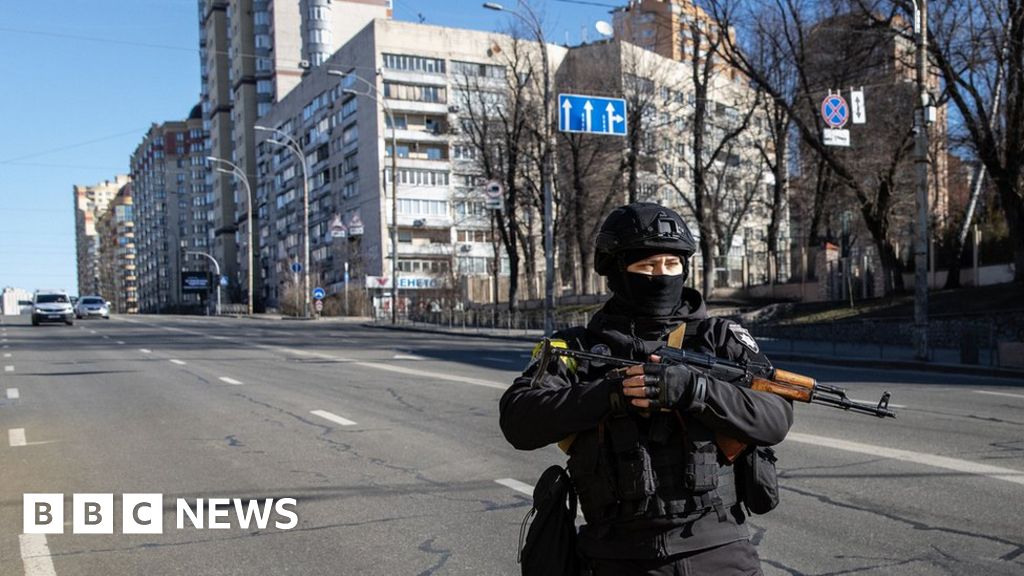
For a week the world has watched as Russian forces have pounded Ukraine from the sky and a full-on ground invasion is now underway. Support in the form of sanctions, speeches and supplies has poured in from NATO and non-NATO allies from across the globe. Ukraine’s army is out-manned and out-gunned, but their resistance has so far defied expectations. But how will this outright show of unprovoked forces that has shocked the world impact global relations moving forward? If you are covering the ongoing invasion of Ukraine by Russia, then let our experts help with your questions and coverage. University of Mary Washington Political Science and International Affairs Professor Jason Davidson is an expert in American foreign and security policy, and international security. To arrange an interview with Dr. Davidson, simply click on his icon.

