Experts Matter. Find Yours.
Connect for media, speaking, professional opportunities & more.

A leading London based architectural metalwork company, specialising in the design, fabrication and installation of bespoke metal products has entered into a Knowledge Transfer Partnership (KTP) with Aston University, with the aim of developing antimicrobial coatings as a way to reduce infection in high risk environments. The Aston University research team will work with John Desmond Limited to develop high end metallic products that can be used where there is a high risk of the spread of bacteria. The antimicrobial coating will be developed for use in communal areas on products such as handrails, balustrades, push plates, door handles and faceplates, – all of which are common in high traffic areas such as hospitals, doctors surgeries, dental practices, schools and transportation hubs. A Knowledge Transfer Partnership (KTP) is a three-way partnership between a business, an academic partner and a graduate, called a KTP Associate. The UK-wide programme helps businesses to improve their competitiveness and productivity through the better use of knowledge, technology and skills. Aston University is the leading KTP provider within the Midlands. Microbiologists from Aston University’s College of Health and Life Sciences and materials scientists from its College of Engineering and Physical Science will establish the effectiveness of the antimicrobial coatings against a panel of bacteria under a range of conditions to further optimise the surface performance. The team will support John Desmond Ltd to establish an in-house microbiology laboratory to enable extensive testing of the developed coatings which will be carried out under lab conditions. Information from the lab tests will provide supporting evidence to prospective clients of the antimicrobial coating’s efficacy, expected lifespan and performance under varying conditions. Ian Desmond, owner of John Desmond Ltd, said: “We are very excited to be working with Aston University on this ground-breaking project to develop industrial coatings capable of reducing the spread of infection within public spaces. “We are confident that with the expert knowledge and experience that the Aston University team brings to this collaboration, we will succeed in formulating a potent cost-effective means to protect all of us from the threat of micro-organisms, and their impact on the environment in which we live and work.” The Aston University academic team consists of Dr Tony Worthington, associate professor in clinical microbiology and infectious disease; Professor Anthony Hilton, and executive dean of the College of Health and Life Sciences, and Dr Richard Martin from the Aston Institute of Materials Research in the College of Engineering and Physical Science. Professor Anthony Hilton said: “I’m delighted to be able to work on this exciting project with John Desmond Ltd, bringing together a multi-disciplinary team of scientists and engineers from across Aston University to work with an industry partner. “Knowledge exchange between academia and industry is a core element of Aston University’s strategy and it is exciting to be part of a team developing a product which has the potential to have real impact in preventing and controlling infection.” Dr Richard Martin, Aston Institute of Materials Research, said: “Over the past year, we have all become aware of just how important it is to limit the spread of microorganisms. This project is an exciting opportunity to develop new antimicrobial coatings that will significantly reduce the transmission of microorganisms from touchpoint surfaces such as door handles and handrails." The research team have found that claims for the effectiveness of the anti-microbial properties of products already on the market are not always backed with scientifically rigorous evidence. As a result of this, these products have not been able to penetrate markets such as healthcare, where generic claims are not sufficient for buyers to change suppliers. This KTP will establish a body of testing and efficacy data which will support the application and use of antimicrobial coatings in a range of settings where control of bacteria on environmental surfaces is critical for infection prevention and control. You can visit our website for more information about The College of Health and Life Sciences and The College of Engineering and Physical Science at Aston University.


Pothole project to pave way to smoother roads
• Joint research project will combine effort and expertise of pavement engineers, material scientists and computational fluid dynamics experts • Project to look at improving quality, longevity and accessibility of the highway network • Aston University will be working with University of Nottingham and seven other industrial partners including Highways England and the Road Surface Treatment Association A project which will be the driving force behind the redesigning of roads and changes in road repairs could revolutionise the way potholes are repaired, and road surfaces are designed. The three-year collaboration, ‘Prevention and Management of Road Surface Damage’, is being led by Mujib Rahman, professor in civil engineering, Department of Civil Engineering at Aston University and Dr Nick Thom of the University of Nottingham. The project will combine the efforts and expertise of pavement engineers, material scientists and computational fluid dynamic experts from both universities. The research aims to improve the design and construction of roads to minimise surface damage caused by water freezing and thawing, and general wear and tear from traffic. It also will be looking at how to change the science behind road repairs and maintenance. Research will be looking at two main elements: - Enable the design of roads to prevent surface damage from water and environmental factors - Introduce a change in the management of road repair and create a more durable repair of the road surface. . Professor Rahman said that smoother roads were critical to the nation as the 250,000 miles of paved road, valued at £750 billion, which is the network for deliveries of goods and services across the UK. But he added potholes and damage to roads had become ‘increasingly problematic’ for all users. “We want to drive out the pothole epidemic that has overcome the UK in recent years. Due to record breaking rainfall, extreme cold weather and tight financial constraints on highway authorities, this situation has become much worse. This has been combined with the lack of longevity in some repairs” he said. Dr Nick Thom, from the Nottingham Transportation Engineering Centre Research Group, said: “The expected deliverables are material specifications and maintenance guidelines designed – like a Covid vaccine – to stop this disease of the road in its tracks. In the main this will be about doing better with currently-used resources, but, given the expected slump in future oil production with consequent loss of bitumen supplies, the search will also be on for alternative viable high-performance products.” The project has been funded by Engineering and Physical Science Research Council (EPSRC) and will be running until March 2024. Supporting it will also be ADEPT, Highways England, Transport for London, Nottinghamshire County Council, Cooper Technology and the Road Surface Treatment Association (RSTA).


A Neuroscientist’s Guide to Managing Post-COVID-19 Anxiety When Returning to Work
With the Centers for Disease Control and Prevention relaxing mask-wearing restrictions and many companies like Google and Goldman Sachs asking employees to return to the office after working remotely since the start of the COVID-19 pandemic, some people are nervous to re-enter society. According to Alicia Walf, a neuroscientist and senior lecturer at Rensselaer Polytechnic Institute, the most effective way to overcome fears about re-engaging with the world may simply be to get back out into it. “Positive human connections are the most powerful tool for reducing stress,” she said in a recent Reader’s Digest article. To control anxiety and improve the health of our brains, Walf also suggests some basic steps like getting sufficient sleep, eating a good diet, and removing distractions to improve focus. Ultimately, a return to normalcy after such a long period of constant stress will be an important step toward restoring brain health. “There can be lasting effects of intense stress on the brain,” Walf said. “Social isolation is an incredibly stressful event associated with increased stress hormone levels and many other long-term negative health consequences. Clinicians are rightfully concerned about the long-term effects of this pandemic on mental health, which may involve these changes in the stress response and brain circuits.” And while feeling anxious may be unpleasant, stressful experiences can be learning experiences. According to Walf, adaptability is an important part of resiliency to stress, and a useful trait to work on us we adjust to our changing world. “Although not wearing masks and returning to work are now major changes in many of our routines, producing feelings of anxiety,” Walf said, “the benefits of social interaction will likely help us return to our routines yet again and reduce the potential for long-lasting negative consequences of stress.” Walf studies the brain mechanisms of stress and reproductive hormones as they relate to behavior and cognition, brain plasticity, and brain health over the lifespan. Specific areas of her expertise are memory, emotions, and social interactions and how these functions not only arise from the brain but change the brain itself.


Social Work is Advancing Addiction Science Research
Tens of thousands of Americans die from drug use and addiction every year, with overdoses killing over 63,000 people in America in 2016, according to the National Institute on Drug Abuse. Add in deaths linked to alcohol overuse and tobacco, and the number climbs above half a million Americans. The collective work of several researchers at the USC Suzanne Dworak-Peck School of Social Work, in collaboration with other USC faculty and outside organizations, is advancing knowledge of substance use disorders. Social work has become a hub where researchers and practitioners drive understanding and improve treatment for this disease that impacts millions of families each year. “Either as a cause or consequence, addiction relates to every problem we deal with in social work,” said John Clapp, professor and associate dean for research and faculty development at the USC Suzanne Dworak-Peck School of Social Work. Addiction’s complexity The social work field is uniquely poised to help effect change because of its holistic approach to individual well-being and the public good. According to Clapp, substance use disorder problems are inherently ecological, impacting and being impacted by individuals, families, peers, neighborhoods, communities and public policy in complex and dynamic ways. Untangling those causes and effects and interdependencies is one part of the solution. The other part is understanding that simple solutions may stay out of reach. “We will not find a one-size-fits-all answer,” said Clapp. Looking at addiction as a genetic, psychological or sociological issue only shows one piece of the overall cause. A comprehensive approach is essential, he said, especially when statistics from the National Institute on Alcohol Abuse and Alcoholism (NIAAA) show alcohol use disorders alone as the third leading cause of preventable death in the world. A hub for addiction science The need for a transdisciplinary response to this worldwide crisis was behind the 2018 creation of the USC Institute on Addiction Science (IAS), a joint venture between social work and the Keck School of Medicine of USC, with membership from 10 different schools, colleges and hospitals. Its vision is to strengthen the discipline of addiction science and improve the lives of those touched by the disease. Clapp is co-director of the institute and one of its founding architects. IAS is quickly becoming the foremost place for a broad effort focused on addiction that brings together researchers from the fields of public health, social work, law, public policy, mathematicians, computer engineers and others in recognition of the promise of new approaches to longstanding problems. The USC Suzanne Dworak-Peck School of Social Work has eight faculty making substantial contributions to the prevention of addiction-related disorders as members of the IAS: Professor Avalardo Valdez, associate professors Julie Cederbaum and Alice Cepeda, and assistant professors Jordan Davis, Shannon Dunn, Jungeun Olivia Lee, Danielle Madden, and Hans Oh. “Social work brings one of the broadest perspectives on the underpinnings and solutions to the addiction crisis,” said Adam Leventhal, director of IAS and professor of preventive medicine and psychology at Keck. “By approaching addiction as a health condition and a social justice issue, social work brings to the table the opportunity for high-impact, multi-modal intervention and social policy approaches, which are needed to address the addiction epidemic.” A holistic approach Social work faculty are raising the bar in addiction science research, developing new and novel approaches to improving outcomes for those affected by addiction. In a study recently published in Addiction, a multidisciplinary team lead by Davis and Clapp found gender differences in the risk factors for relapse following treatment for opioid use disorder. The study was the first in this field to use machine learning techniques to process large data sets and identify risk factors for relapse, said Davis, who also serves as associate director of the USC Center for Artificial Intelligence in Society (CAIS). The findings may result in more personalized treatment for opioid use disorder with lasting results. This dovetails with additional research Davis is conducting with computer science engineers at CAIS to collect and input neighborhood and census data into their models in an effort to better understand how these macro variables affect relapse. “We are finding that data points such as crime statistics, population density and concentrated poverty tend to be some of the most important predictors of relapse, over and above individual-level predictors such as impulsivity, motivation or gender,” Davis said. These findings echo Clapp’s description of addiction as ecological and point to the need for holistic solutions. “These machine learning techniques are helping us gain an apparent picture of what the most important factors are surrounding someone’s recovery,” Davis said. “Environment matters greatly.” Davis is also collaborating closely with Eric Pedersen, associate professor at Keck School of Medicine at USC, on several research efforts examining substance use among veterans. Most recently, they have assembled a survey group of approximately 1,200 veterans whom they survey quarterly about their well-being. A recently conducted survey of the group found that veterans with PTSD prior to the COVID-19 pandemic were now managing their symptoms with more frequent alcohol and cannabis use. Another joint research endeavor between the two is examining the use of mindfulness smart phone apps to help reduce substance use in Operation Enduring Freedom/Operation Iraqi Freedom veterans with PTSD and alcohol use disorder. Where well-being and inequalities intersect Jungeun Olivia Lee also seeks to decode the network of relationships between socioeconomic status, adverse childhood experiences and drug use. Her experience as a social work practitioner working directly with clients drives her motivation to demonstrate to policymakers what she sees as a linkage between unemployment, economic stress and substance use disorders. She is lead author on a paper published in Nicotine & Tobacco Research that found unemployment may advance nicotine addiction among young adults, rather than the idea that nicotine addiction may lead to unemployment. Lee’s research interests lie at the intersection of substance use and co-occurring mental health, social inequalities (such as poverty and low socioeconomic status), and adverse childhood experiences. She is interested in combining these three areas of inquiry to explore their influence on addictive behavior that can persist over generations of at-risk families, such as adolescent mothers and their children. Her memories of working directly with clients struggling with the impact of addiction remain clear in her mind. When Lee hears policymakers and others suggest that individual willpower will solve substance use disorder problems, she has a straightforward response: “People are not born with addiction.” In her view, many factors contribute to the triggered distress, including socioeconomic status and adverse childhood experiences. Lee is exploring an idea with other IAS researchers to investigate the relationship between financial strain and employment uncertainty and addiction. “Individual circumstances, such as losing a job, certainly influence substance use, but policy-level decisions, such as the generosity of unemployment insurance, can mitigate the impact,” she said. Transdisciplinary collaboration with social scientists, psychologists and medical researchers at IAS and across the USC campus enriches and amplifies her work. “We are breaking down discipline-specific silos and bringing new and valuable perspectives to this work,” she said. “The synergy is both useful and inspiring.” Looking ahead Researchers also hope to spark interest in the field among the next generation. A new minor for undergraduate students in addiction science was introduced at USC in Fall 2020. The minor is an interdisciplinary collaboration of the Keck School of Medicine, the USC Suzanne Dworak-Peck School of Social Work, the USC School of Pharmacy and the USC Dornsife College of Letters, Arts, and Sciences. It is designed to provide students with a transdisciplinary approach to understanding and treatment of the broad spectrum of addiction-related problems. The goal of addiction science research and education is to improve the long-term effect of addiction treatment and save lives. As society’s understanding of the cause of addiction grows, researchers like those in the school of social work and the IAS strive to bridge the gap between science, practice and policy to positively impact outcomes for those affected by addiction.

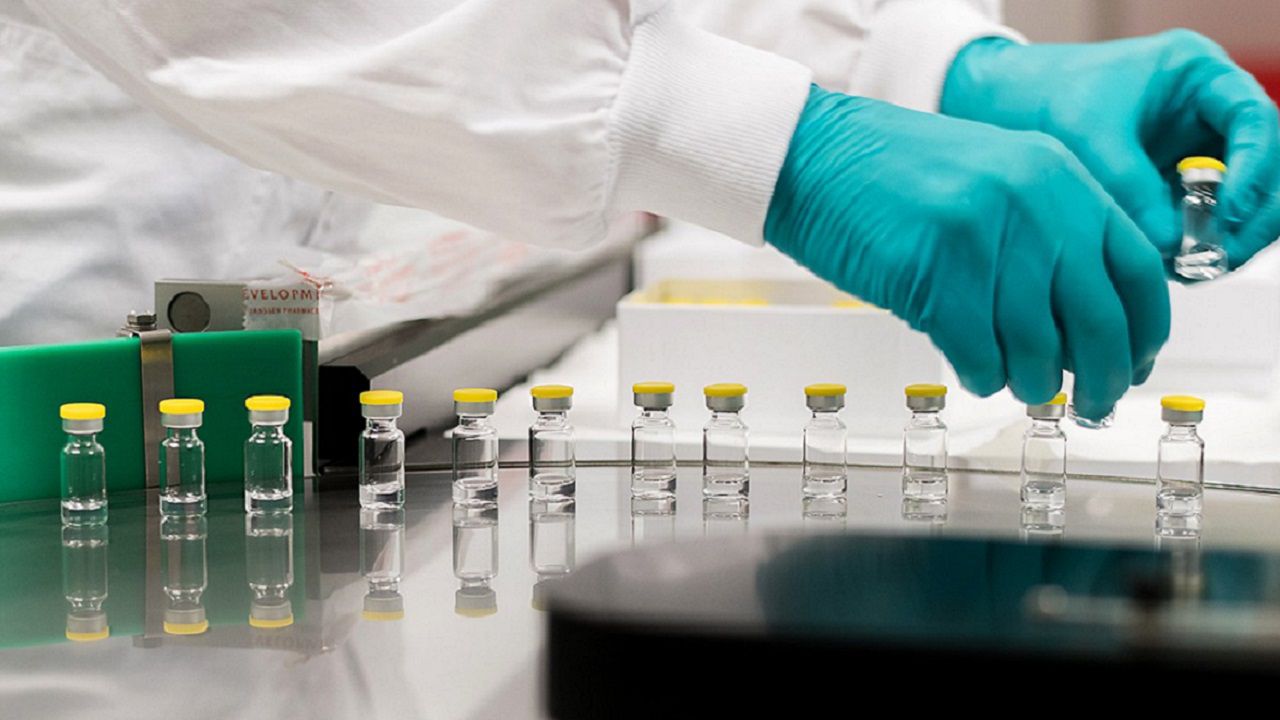
The Food and Drug Administration and the Centers for Disease Control and Prevention recently lifted the pause on the Johnson & Johnson COVID-19 vaccine. The agencies had shelved the vaccine after it was linked to cases of an extremely rare blood clotting disorder. Public health officials are now concerned that as news gets out about the potential side effects of the Johnson & Johnson vaccine, some members of the Black and Hispanic communities may opt out of what could be a life-saving act. “To the Black and Hispanic communities, there has been a long history of untrustworthy behavior by health care systems, and the current issue with Johnson & Johnson may have worsened some hesitancy,” said Dr. Justin X. Moore, an epidemiologist in the Department of Population Health Sciences at the Medical College of Georgia. “To overcome this barrier, companies must continue being open about side effects of the vaccine, and health care workers must be empathetic and listen to their patients’ concerns.” Vaccine safety and the importance of everyone being vaccinated is crucial as America looks to get to the light at the end of this pandemic. If you are a journalist covering COVID-19 and the issues surrounding vaccine hesitancy, then let our experts help. Dr. Justin Moore is an expert in spatial epidemiology and an associate professor at the Institute of Public and Preventive Health at Augusta University. He is available to speak with media regarding this topic – simply click on his name to arrange an interview.

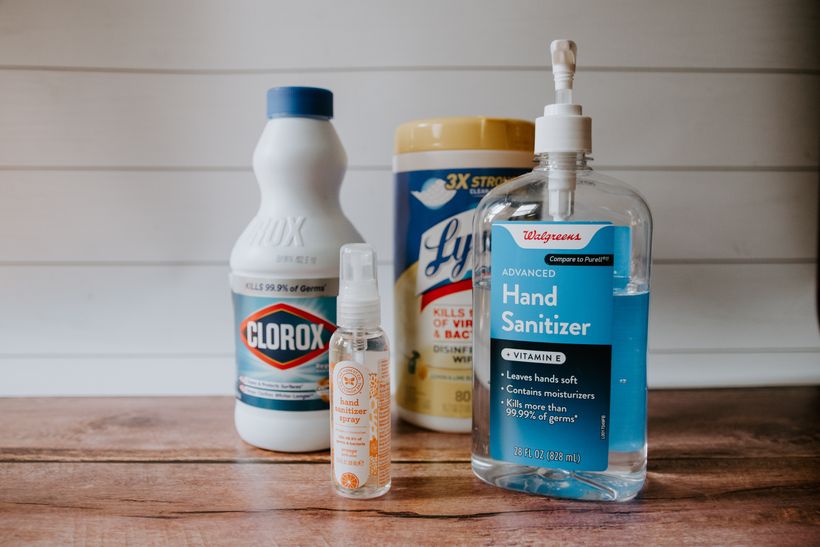
The days of wiping down groceries may be coming to an end, but will Americans' reliance on hand sanitizer follow suit? This week, the Centers for Disease Control and Prevention (CDC) released a report confirming that the risk of catching the coronavirus from surfaces is low. Kevin Minbiole, PhD, chair of the Department of Chemistry at Villanova University, weighs in on hand sanitizer use—and whether too much sanitizing is a bad thing. "I think that a lot of the concern on the overuse of hand sanitizer a decade ago or so was the overuse of triclosan, a strong antimicrobial agent that would persist in wastewater," said Dr. Minbiole, referring to a theory that arose following the H1N1 pandemic in 2009. At that time, scientists expressed worry that bacteria were becoming resistant to hand sanitizer. "It seemed like overkill to go beyond soap and water or simply ethanol (alcohol)—or to add triclosan into hand soap," Dr. Minbiole continued. While Dr. Minbiole does not dismiss this theory, he notes, "I believe there was merit to the concerns of overapplying antibiotics and antiseptics when they were not needed." Looking to the future, Dr. Minbiole does not see hand sanitizer playing as big a role. "I don't foresee a backlash so much here, as folks recognize that this particular virus is more of an airborne concern," he says.

Kids in School: 3 Feet Apart or 6 Feet?
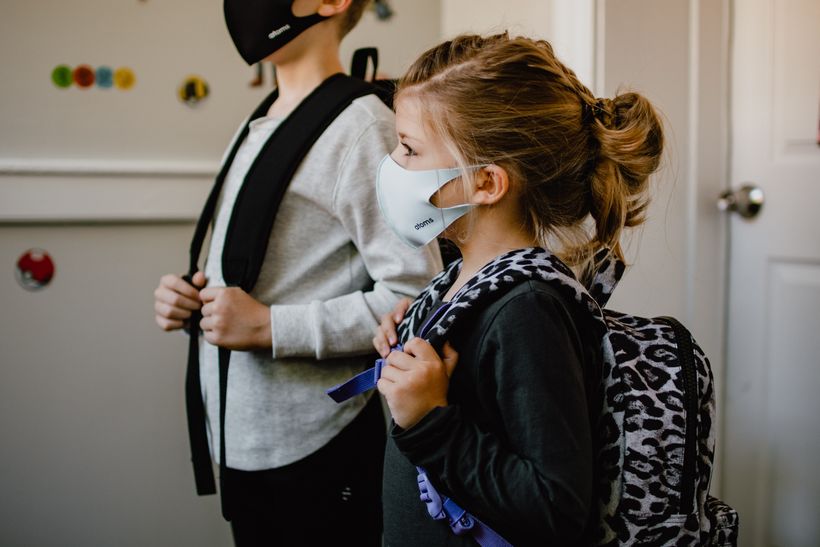
The Centers for Disease Control and Prevention (CDC) recently published updated guidelines for elementary schools, "now [recommending] that, with universal masking, students should maintain a distance of at least 3 feet in classroom settings" as opposed to the previous recommendation of 6 feet. While many have had strong reactions for and against this updated guidance, immunologist Joseph Comber, PhD, an associate teaching professor of biology at Villanova University, wants to add nuance to the conversation. On the one hand, Dr. Comber notes, when the CDC updates health and safety guidelines, the public can trust that as more information and data become available, the science behind the updates becomes more accurate. He stresses that studies "showed no difference in transmission between kids kept 3 feet apart or 6 feet apart in schools." Plus, Comber says, "we already know that kids younger than 10 and 11 are less likely to spread the virus than older kids and adults." However, Dr. Comber cautions that the subjects of the study followed "strict mask guidance and adherence to masking. We don't know what happens if schools enforce 3 feet of distance but are not strict with masking." He also points out that where the study was done can have an impact on the results. Comber emphasizes that "community spread is most important to the specific community and, as we've seen so far, different states and regions can spike with infections at different times." He wonders "if this is especially true in areas that have higher virus circulation than others." Dr. Comber notes that these guidelines are for elementary schools only, with one rather large caveat: "children are increasingly being infected." Another concern with these shifting regulations is whether they will impact public trust. Villanova professor Jie Xu, PhD, is an expert on science and health communications. Her concern about this change is minimal "because science is evolving." She emphasizes that "we need to be able to revise conclusions when new evidence comes in," and she sees the country's "highly politicized environment" as something to be taken more seriously, when it comes to public health. Dr. Xu cites "rising distrust in authorities and institutions (which has been going on for quite some time)" and notes that, when it comes to the nation’s children, in-person versus virtual schooling is a "highly charged issue." In the end, according to Dr. Comber, "it remains to be seen what happens when kids are packed 3 feet into classrooms on a broad scale."
Ask the Expert: Vaccine myths and scientific facts
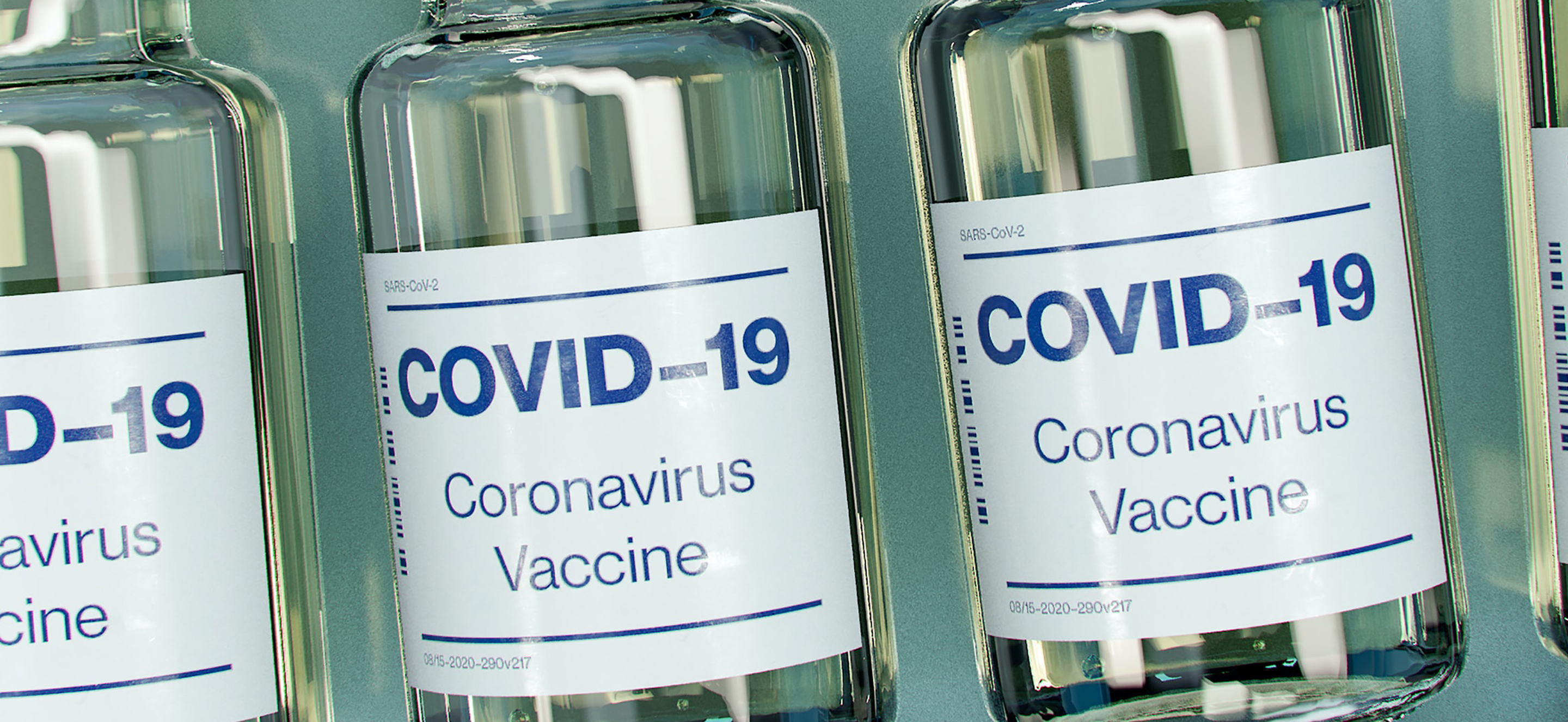
Now that there are authorized and recommended COVID-19 vaccines, it is critical people receive accurate information. Peter Gulick, professor of medicine at the Michigan State University College of Osteopathic Medicine and infectious disease expert, reviews some myths about the vaccine and counters these with scientific facts. Myth: The COVID-19 vaccines were developed in a rush, so their effectiveness and safety can’t be trusted. Fact: Studies found that the Pfizer/BioNTech and Moderna are both about 95% effective compared to the influenza vaccine, which ranges from being 50% to 60% effective each year. The Johnson & Johnson vaccine is 85% effective at curbing serious or moderate illness. The most important statistic is that all three were 100% effective in stopping hospitalizations and death. As of March 9, 2021, the Centers for Disease Control and Prevention reports that 93.7 million people have been vaccinated and all safety data collected from these doses show no red flags. There have been about 5 cases of anaphylaxis, an allergic reaction, per 1 million but this is no different than allergic reactions from other vaccines. There are many reasons why the COVID-19 vaccines could be developed so quickly and here are a few: The COVID-19 vaccines from Pfizer/BioNTech and Moderna were created with a messenger RNA technology that has been in development for years, so the companies could start the vaccine development process early in the pandemic. China isolated and shared genetic information about COVID-19 promptly so scientists could start working on vaccines. The vaccine developers didn’t skip any testing steps but conducted some of the steps on an overlapping schedule to gather data faster. The Pfizer/BioNTech and Moderna vaccines were created using messenger RNA, or mRNA, which allows a faster approach than the traditional way that vaccines are made. Because COVID-19 is so contagious and widespread, it did not take long to see if the vaccine worked for the vaccinated study volunteers. Companies began making vaccines early in the process — even before FDA authorization — so some supplies were ready when authorization occurred. They develop COVID-19 vaccines so quickly also due to years of previous research on the SARS COV-1, a related virus. Myth: The messenger RNA technology used to make the Pfizer/BioNTech and Moderna COVID-19 vaccine is brand new. Fact: The messenger RNA technology behind these two vaccines has been studied and in development for almost two decades. Interest has grown in these vaccines because they can be developed in a laboratory using readily available materials, making vaccine development faster. mRNA vaccines have been studied before for flu, Zika and rabies. Myth: You only need one dose of J&J vaccine so it’s more effective. Fact: Johnson & Johnson’s vaccine uses a different strategy — a weakened cold virus that is reprogrammed to include the code for the spike protein. Once inside the body, the viral genes trigger a similar response against the virus. All three vaccines are considered overall effective and 100% effective in preventing hospitalizations and death. Myth: Vaccine efficacy and effectiveness mean the same thing. Fact: Efficacy and effectiveness do not mean the same thing. “Efficacy” refers to the results for how well a drug or vaccine works based on testing while “effectiveness” refers to how well these products work in the real world, in a much larger group of people. Most people, however, use them interchangeably even though they have different scientific meanings. Myth: The vaccines aren’t effective against new strains of the virus. Fact: Currently, we know both the U.K. strain as well as the South African variant have increased transmissibility of 30% to 50% over the natural strain. As far as an increase in causing more serious disease, it is not known yet. We have over 600 U.K. variants in Michigan and one case of the South African variant, and I just heard of 47 cases of the U.K. variant in Grand Ledge. We (Michigan) are second in the nation in variants, but that's likely because we test for them more. The most important information is that the vaccines, in general, are 100% effective in prevention of hospitalization and death. So, it is felt they all offer some protection against variants to prevent serious disease. As far as the Johnson & Johnson, it was used with variants and has efficacy overall of 72% in U.S., 66% in Latin America and 57% in South Africa (where the main strain is the South African variant). All companies are looking at modifying (their products) (the mRNA) to cover variants and either give a booster or a multivalent vaccine to cover all variants. Myth: There are severe side effects of the COVID-19 vaccines. Fact: The COVID-19 vaccine can have side effects, but the vast majority go away quickly and aren’t serious. The vaccine developers report that some people experience pain where they were injected; body aches; headaches or fever, lasting for a day or two. This is good and are signs that the vaccine is working to stimulate your immune system. If symptoms persist beyond two days, you should call your doctor. Myth: Getting the COVID-19 vaccine gives you COVID-19. Fact: The vaccine for COVID-19 cannot and will not give you COVID-19. The two authorized mRNA vaccines instruct your cells to reproduce a protein that is part of the SARS-CoV-2 coronavirus, which helps your body recognize and fight the virus, if it comes along. The COVID-19 vaccine does not contain the SARS-Co-2 virus, so you cannot get COVID-19 from the vaccine. The Johnson & Johnson vaccine was developed using adenovirus vector technology and also will not give you COVID-19. It shows your immune system a weakened, common cold virus “disguised” as the coronavirus instead. Adenovirus vaccines have been around for about two decades, the same as mRNA vaccines. Johnson & Johnson developed a vaccine for Ebola using this technology. Myth: The vaccines are ineffective against the virus variants. Fact: More time is needed to study the vaccines’ effectiveness against the variants. Studies are now being conducted to determine if a booster dose is needed to protect against the variants or if modifications to the vaccines are needed. Myth: I already had COVID-19 and I have recovered, so I don't need to get the vaccine. Fact: There is not enough information currently available to say if or for how long after getting COVID-19 someone is protected from getting it again. This is called natural immunity. Early evidence suggests natural immunity from COVID-19 may not last very long, but more studies are needed to better understand this. The CDC recommends getting the COVID-19 vaccine, even if you’ve had COVID-19 previously. However, those that had COVID-19 should delay getting the vaccination until about 90 days from diagnosis. People should not get vaccinated if in quarantine after exposure or if they have COVID-19 symptoms. Myth: I won't need to wear a mask after I get the vaccine. Fact: It may take time for everyone who wants a COVID-19 vaccination to get one. Also, while the vaccine may prevent you from getting sick, more research is needed, but early indications show that while the vaccine is effective in reducing transmission, it is possible for a vaccinated person to spread the virus. Until more is understood about how well the vaccine works, continuing with precautions such as mask-wearing and physical distancing will be important. Myth: COVID-19 vaccines will alter my DNA. Fact: The COVID-19 vaccines will not alter any human genome and cannot make any changes to your DNA. The vaccines contain all the instructions necessary to teach your cells to make SARS-CoV-2's signature spike protein, release it out into the body, and your immune system gets a practice round at fighting off COVID-19. Myth: The COVID-19 vaccine can affect women’s fertility Fact: There is currently no evidence that antibodies formed from COVID-19 vaccination cause any problems with pregnancy, including the development of the placenta. In addition, there is no evidence suggesting that fertility problems are a side effect of any vaccine. People who are trying to become pregnant now or who plan to try in the future may receive the COVID-19 vaccine when it becomes available to them but it’s always prudent to consult with your doctor. Myth: The COVID-19 vaccine was developed to control the general population either through microchip tracking or "nanotransducers" in our brains. Fact: There is no vaccine microchip, and the vaccine cannot track people or gather personal information into a database. Myth: The vaccines were developed and produced using fetal tissue. Fact: The vaccines do not contain fetal cells nor were fetal cells used in the production the Pfizer and Moderna vaccines. Johnson & Johnson used human cell lines or also known as cell cultures to grow the harmless adenovirus but did not use fetal tissue. These same cell lines have been used for other vaccines including hepatitis, chickenpox and rabies and have been around for years. Peter Gulick is an associate professor of medicine at Michigan State University, College of Osteopathic Medicine, and serves as adjunct faculty in the College of Human Medicine and the College of Nursing. Dr. Gulick is available to speak with media - simply click on his icon now to arrange an interview today. Peter Gulick is an associate professor of medicine at Michigan State University, College of Osteopathic Medicine, and serves as adjunct faculty in the College of Human Medicine and the College of Nursing. Dr. Gulick is available to speak with media - simply click on his icon now to arrange an interview today.

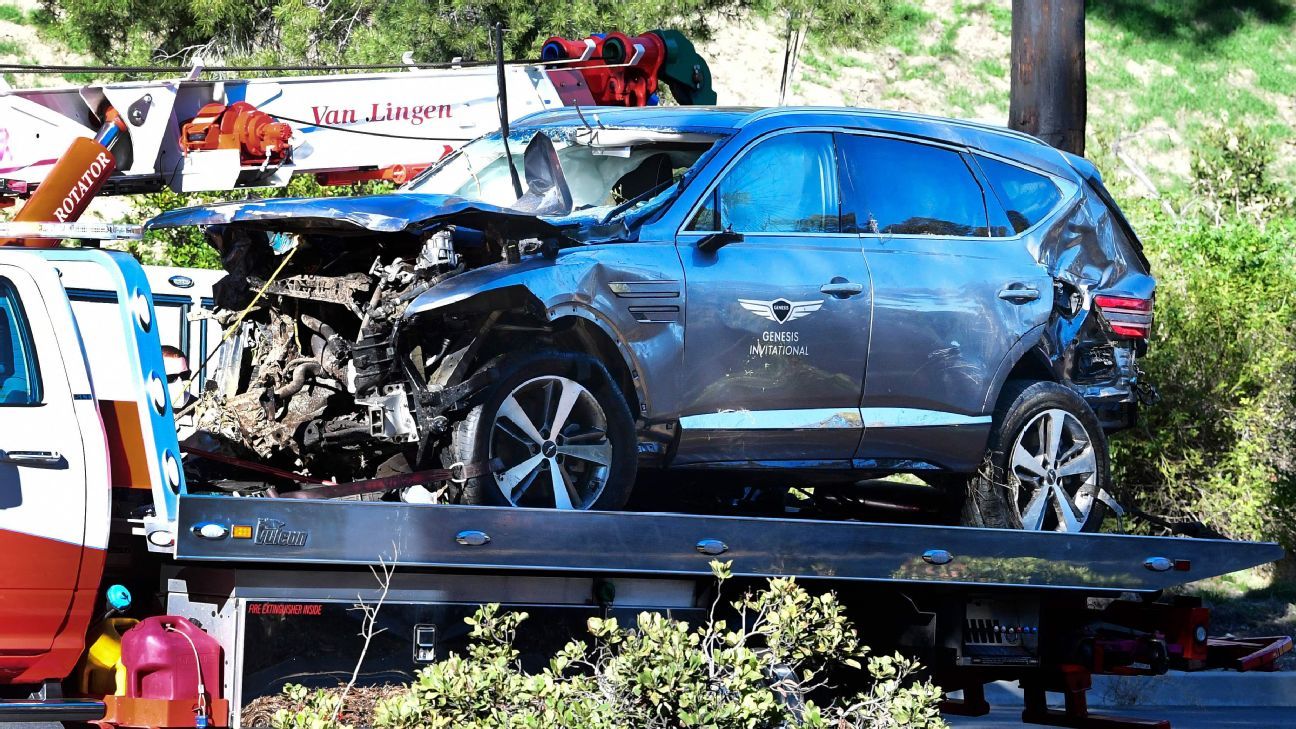
This week’s shocking news of golf legend Tiger Woods rolling his vehicle and sustaining serious injuries to his right leg have sports fans, journalists and most of the world watching and waiting for word of whether he’ll play again. According to ESPN, the injuries are extensive: Tiger Woods is recovering from a lengthy surgery to repair what a doctor said Tuesday night were "significant orthopaedic injuries to his right lower extremity" suffered in a single-car rollover crash hours earlier on a steep roadway in a Los Angeles suburb. As part of a statement on Woods' official Twitter account, Dr. Anish Mahajan of Harbor-UCLA Medical Center updated the famed golfer's condition, saying in part that Woods had multiple "open fractures" to his lower right leg, and he had a rod placed in his tibia and screws and pins inserted in his foot and ankle during an emergency surgery. "Comminuted open fractures affecting both the upper and lower portions of the tibia and fibula bones were stabilized by inserting a rod into the tibia," said Mahajan, the chief medical officer and interim CEO at Harbor-UCLA. "Additional injuries to the bones of the foot and ankle were stabilized with a combination of screws and pins. Trauma to the muscle and soft-tissue of the leg required surgical release of the covering of the muscles to relieve pressure due to swelling." ESPN – February 23 If you’re a journalist looking to know more about this type of injury, what the recovery process usually involves and what the long-term prognosis may be – then let us help. Dr. Monte Hunter serves at Augusta University as the Satcher Distinguished Chair of the Department of Orthopedic Surgery and director of the Sports Medicine Program. Dr. Hunter is an expert in reconstruction and sports injury prevention – and he is available to speak with media about this topic. Simply click on his icon now to arrange an interview today.

Criminals are opportunists, and the COVID-19 global onslaught has brought with it not just health threats but cybersecurity risks, too. Within weeks of the COVID-19 outbreak, hackers have already commandeered the virus to unleash cyberattacks, sending emails purporting to provide coronavirus guidance laced with cyberattack software. In one more alarming case, they appear to have attacked a hospital and forced it to cancel operations and take key systems offline. As the outbreak continues to intensify, the UK National Cyber Security Centre (NCSC) warned that the volume of these attacks will likely increase, pointing to the increased registration of coronavirus-related webpages. Criminals are opportunists, and the COVID-19 global onslaught has brought with it not just health threats but cybersecurity risks, too. As companies move to protect the health of their workforce, it’s also important to protect the systems they’re using to run their businesses. It’s especially important for hospitals to shore-up their cyber defenses. If they don’t, just as they are racing to respond to COVID-19, they could face situations like University Hospital Brno in the Czech Republic, which earlier this month was forced to divert patients and cancel planned operations while it worked to address an attack. The most likely cyber threats are email “phishing” campaigns that use the coronavirus as a lure to get the recipient to open an attachment that contains malware. According to the NCSC, such “phishing” attempts are happening on a global scale in multiple countries, which has led to both a theft of money and sensitive data. Similarly, known hacker groups have been launching websites purporting to sell masks or other safety-related measures for coronavirus, possibly to use them as another vector for cyberattacks. The NCSC has also cautioned that these attacks are “versatile and can be conducted through various media, adapted to different sectors and monetized via multiple means, including ransomware, credential theft, bitcoin or fraud.” The cybersecurity firm ProofPoint has seen a rise in these cyberattack emails with COVID-19 themes since January. Both ProofPoint and IBM’s X-Force cybersecurity unit identified a campaign that targeted users in Japan with an email masquerading as a coronavirus information email that carries with it a potent type of cybercrime software. In the US, the Secret Service recently warned of scams from online criminals posing as sellers of high-demand medical supplies to prevent coronavirus. They’ll require payment upfront and not send the products. Cyber criminals have also been posing as the World Health Organization and the US Centers for Disease Control and Prevention (CDC), sending fraudulent emails from the former and “creating domain names similar to the CDC’s web address to request passwords and even bitcoin donations to fund a vaccine” for the latter. In addition to the use of the coronavirus as a cyberattack vector, the growing need for working remotely to mitigate the spread of COVID-19 has increased companies’ exposure to cyber threats. The increase in remote work creates more opportunities for hackers to make inroads from less secure locations. Companies should also ensure they can provide adequate security when their whole workforce is remote. They should quickly work through the security implications of workers choosing to switch to insecure personal devices. With national-level pressures on home broadband, staff will also resort to mobile hotspots, which are often less secure. And enabling remote connectivity at scale, with the right security configurations, can be a challenge even with months of preparation time. A recent US Department of Homeland Security COVID-19 cybersecurity notice pointed to the importance of making sure that security measures are up to date for companies’ remote access systems. Additional measures to consider include enabling multifactor authentication—which can require two or more steps to verify a user’s identity before granting access to corporate networks. The NCSC is also working to identify malicious sites responsible for phishing and cyberattack software. A final looming cyberthreat related to Covid-19 is disinformation. The World Health Organization and other agencies have for months been combatting disinformation campaigns spreading false information about the origins of and treatments for COVID-19—reports that seed more confusion and increase risks to society. All of that means that computer virus risks are emerging as the biological virus spreads—and both are a threat to business. Cyber risk mitigation efforts should account for the different ways that a company can be affected, including impacts on the technical, operational, legal and reputational aspects of a business. Often, the reputational effects of a cyberattack are more significant than direct the business or technical impact. To mitigate all of the potential impacts of cyberattacks taking advantage of the Covid-19 outbreak, companies should: Review and update crisis and cybersecurity response plans, and ensure internal and external communications response plans are robust. Confirm that members of the crisis management team understand their roles and responsibilities. Make sure all communications channels have the latest security patches. Review and update access controls, particularly when remote access is used heavily, to make sure that only those who require access to sensitive systems to do their jobs have it. Take extra care when handling medical information. For companies managing employees who have contracted Covid-19, it’s important that personal health information is handled with strong security measures, including encryption. Educate employees about the cyber risks that may attempt to capitalize on fear of the Covid-19 virus—whether it be phishing email or disinformation. Covid-19 poses a number of short- and long-term challenges to business resilience, and the virus’s trajectory is quick and unpredictable. But it’s possible to anticipate and mitigate a number of the cyber threats that will try to ride the virus’s coattails. The companies that do will be more resilient and better positioned to withstand the direct health and operational effects of the virus.