
Experts Matter. Find Yours.
Connect for media, speaking, professional opportunities & more.

Why not make Don’t Fry Day…every day the sun is shining?
Looking to get the long weekend started right? Well then before you head out, lather up and apply that sunblock. The National Council on Skin Cancer Prevention has designated the Friday before Memorial Day as “Don’t Fry Day” to encourage sun safety awareness and to remind everyone to protect their skin while enjoying the outdoors. The American Cancer Society estimates there will be more than 73,870 new cases of malignant melanoma, the most serious form of skin cancer, and more than 2 million new cases of basal cell and squamous cell skin cancers in the U.S. Fortunately, skin cancer is highly curable if found early and can be prevented. Remember to “Slip! Slop! Slap!...and Wrap” when you’re outdoors. Slip on a shirt Slop on broad spectrum sunscreen of SPF 30 or higher Slap on a wide-brimmed hat And wrap on sunglasses. The best way to detect skin cancer early is to examine your skin regularly and recognize changes in moles and skin growths. There’s a lot to know and we have an obligation to ourselves and our loved ones to make them sun-safe and cancer free. If you are covering this topic or need to know more, let one of our experts help. Dr. Jigarkumar Parikh is a medical oncologist specializing in kidney cancer, prostate cancer, bladder cancer and melanoma at the Georgia Cancer Center at Augusta University. He is available to speak with media regarding skin cancer – simply click on his icon to arrange an interview.

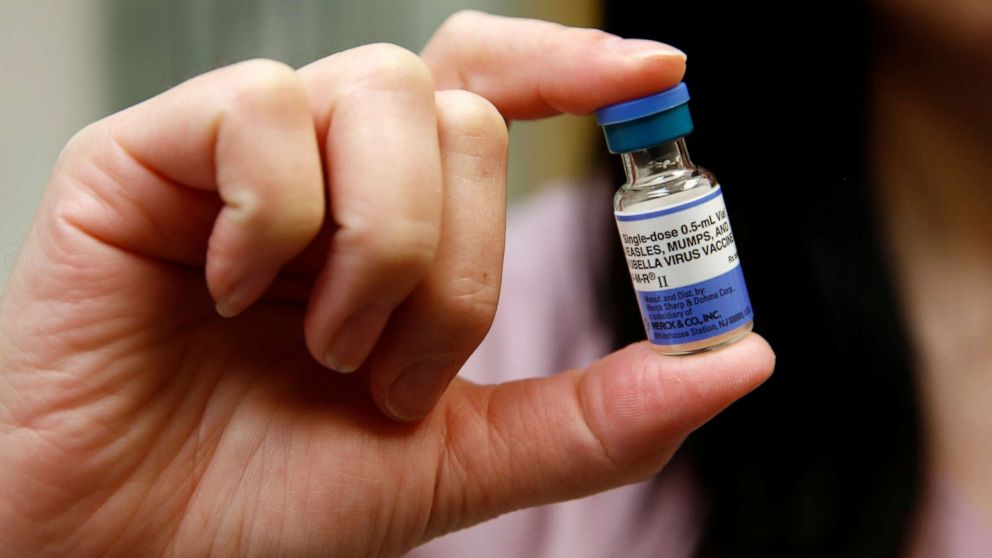
Measles is back…and our experts want people to leave the facts about vaccinations to the experts
Last week, America hit a record. Confirmed cases of measles eclipsed 700 cases. The disease that was once considered eradicated is now back and it has public health officials concerned. Dr. Todd Reinhart is the Dean of Sciences and Health Professions at Saint Mary’s University of Minnesota, and he has more than two decades of experience in infectious disease research. He’s a strong proponent of vaccinations and weighed in with his thoughts and perspective. “I’m not shocked,” says Reinhart. “I know there’s been a strong anti-vaccination movement and there’s a lot of misinformation out there.” He believes social media has been largely responsible for this movement to not vaccinate. The publication of the “Wakefield” paper, which suggested that the measles-mumps-rubella (MMR) vaccine might be linked to autism — even though retracted — got a lot of attention. However, that research that vaccinations cause autism has been debunked and even most recently there’s a study out of Denmark that covered 5,000,000 person years and there was no association with immunization and developing autism. Reinhart wants the public to look at the bigger picture and consequences. “It’s important to protect that child but also the broader society. Vaccines have been the strongest public health success story over the last few centuries. Measles is one of the most highly contagious viruses that we know. The odds of your getting it, if you’re exposed to it and you haven’t been immunized, is 90 percent. Part of the concern is for infants who aren’t immunized, the elderly because their immune systems are weaker, and those who are immunocompromised.” But there is also the matter of rights to be considered and that is playing a big part in all of this. “The problem is that individuals’ rights intersect with medicine, public health practice, and collective rights. If my infant, who couldn’t be immunized, contracts it through a carrier who could have been immunized, who has the higher ground because of rights? The problem is that even with clear data and clear information, people have been allowed the right, for the most part, to make the decisions they want,” Reinhart reiterates. If you are looking for answers and facts when it comes to vaccinations – it’s best to visit credible sources like the Centers for Disease Control and Prevention or local public health websites. If you need to speak with an expert about this topic for your news coverage – let us help. Dr. Todd Reinhart is Dean of Sciences and Health Professions, Professor, Biology and Health Professions at Saint Mary’s University of Minnesota. He has a degree in cancer biology from Harvard University’s School of Public Health and is an expert in the areas of infectious diseases. Simply click on his icon to arrange an interview.

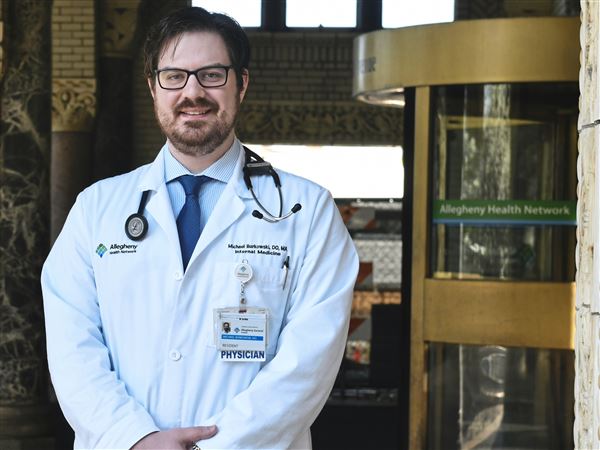
It’s time to talk about death and dying – let our experts explain
It’s a fact – we are all one day, going to die. For doctors and frontline health care providers death is just part of the job. However, talking about death with patients, care givers colleagues and families of patients – is another thing. Bed side manner is one area, but for most doctors the concept of diverging from fact-based conversations beyond treatment, diagnosis and prevention are sometimes foreign territory. The good news is times are changing. As our populations age and as we all become more familiar with the journey towards end of life, comfort levels are easing, and more and more clinicians are becoming familiar with how to talk about dying. Those conversations are never easy, and neither is covering such topics in the news – but that’s where our experts are here to help. Dr. Dennis Sullivan serves as professor of pharmacy practice and director of the Center for Bioethics. His research and writing interests include biomedical ethics, moral philosophy, and end of life issues. Contact him today for your story! Simply click on his icon to arrange an interview.


Musculoskeletal disorders are the number one reason for soldier evacuation and account for almost 25 percent of all military injuries compared to combat injuries, which account for 14 percent in the armed forces. It was with that knowledge that students from Georgia Southern University’s Department of Rehabilitation Sciences met up with soldiers from the Army’s 3rd Infantry Division at Fort Stewart-Hunter Army Airfield in Georgia to gear up and better understand soldiers’ unique physical challenges and how they can help better prepare them for combat. “The event provided our students with a much better insight as to the physical demands of soldiers at Fort Stewart,” said Nancy Henderson, DPT, assistant professor of rehabilitation sciences on Georgia Southern’s Armstrong Campus in Savannah . “This added knowledge will help them to better tailor their education while working with soldiers.” As technology and equipment change and adjust between each theatre of operation it is imperative that the America’s soldiers stay fit and have all the knowledge and resources, they require to achieve their assigned task. But why were so many soldiers suffering from musculoskeletal disorders? Is the issue easily solved? And how can every branch of the armed forces adopt and adapt how they’re operating on the ground to avoid these issues? There are a lot of questions to be answered and that’s where our experts can help. Dr. Nancy Henderson is an assistant professor in the Department of Rehabilitation Sciences at Georgia Southern University. She is an expert in injury prevention, running form and assessing meaningful change of interventions. Nancy is available to speak with media regarding this topic – simply click on her icon to arrange an interview.


Adults need vaccines too? You bet. Find out why.
Back to school for kids also means time to get those immunizations up to date. But did you know that most adults, age 50 and older, may also need a few important vaccines as well? August is National Immunization Awareness Month, and what better time to check with your physician to see what vaccines may be appropriate for your age. “One of the most important immunizations for adults to have each year is the Influenza vaccine,” said Dr. Jose Vazquez, Chief of Infectious Diseases at Augusta University and AU Medical Center. “In elderly or older adults, in particular, the flu can turn deadly very quickly.” There was a was a high severity of the H3N2 influenza strain with record-breaking levels of influenza-like illness and hospitalization rates, according to the Centers for Disease Control and Prevention. “We hope to save more lives through appropriate and timely flu vaccinations,” Vazquez said. Furthermore, vaccines are necessary throughout our lives. Adults should keep their vaccinations up to date because immunity from childhood vaccines may wear off over the years. Other factors that can influence the need for different vaccines in adults include the individual’s underlying health conditions, career, lifestyle, and travel habits. Other important adult vaccines include Tdap (tetanus, diphtheria, and pertussis), pneumococcal (pneumonia prevention), and shingles. “Immunizations have proven to be very safe, and they are widely available. I recommend asking your primary care doctor about what vaccines you need to promote better health and prevent communicable diseases,” Vazquez said. To schedule an interview with Dr. Jose Vazquez, click on his expert profile. Source:

School shootings and widespread community gun violence are far greater in the United States than other nations. America cannot be great and realize its promise of life, liberty, and the pursuit of happiness if our children are not safe from gun violence. Although security measures are important, a focus on simply preparing for shootings is insufficient. We need a change in mindset and policy from reaction to prevention. Prevention entails more than security measures and begins long before a gunman comes to school. We need a comprehensive public health approach to gun violence that is informed by scientific evidence and free from partisan politics. A public health approach to protecting children as well as adults from gun violence involves three levels of prevention: (1) universal approaches promoting safety and well-being for everyone; (2) practices for reducing risk and promoting protective factors for persons experiencing difficulties; and (3) interventions for individuals where violence is present or appears imminent. Source:


World Heart Day: Do You Have an Exercise Regime to Protect Your Heart?
Sept. 29 is World Heart Day. It’s a day researchers, practitioners and health officials around the globe are taking part in to spread awareness about heart disease and stroke prevention. According to the World Heart Federation (WHF), heart disease and strokes kill more than 17 million people every year. It’s the leading cause of death on the planet, edging out cancer. One way to achieving better heart health is maintaining a healthy lifestyle by making physical fitness a key component of everyday life. But what makes an effective exercise program and what types of exercises are right for you? How do you start if you’re not used to being active? Missouri State University’s Dr. Barbara Bushman, an expert in health, wellness and exercise, can answer these questions and provide insight on reducing the risk of heart disease. She is editor of the first and second editions of American College of Sports Medicine’s Complete Guide to Fitness & Health. She has been quoted in news outlets and magazines, such as USA Today, The Boston Globe, Huffington Post and Reader's Digest. Click on her icon to contact her. Source:


Diabetes Canada’s 20th Annual Professional Conference Comes to Edmonton
Diabetes Canada and the Canadian Society for Endocrinology and Metabolism (CSEM) will be celebrating the 20th anniversary of their Professional Conference and Annual Meetings at the Shaw Centre in Edmonton from November 1 to 4, 2017. The event, which brings together thousands of health-care professionals and researchers focused on diabetes care, is the biggest of its kind in the country. Registration for the event opens today. “The treatment and management of diabetes continues to evolve, making it more and more critical to bring together inter-disciplinary health-care teams to discuss the latest discoveries in diabetes care and prevention. I know this year, as we mark this important milestone, we will be pulling out all the stops to provide health-care professionals with the best information, including a sneak peek at the Diabetes Canada 2018 Clinical Professional Guidelines for the Prevention and Management of Diabetes in Canada.”Rick Blickstead, President and CEO, Diabetes Canada. “The Professional Conference is of extraordinary benefit to health-care professionals who attend because of the opportunity to learn about the newest advances in clinical practice and about new data and interpretations. This is also an opportunity to engage and interact face-to-face with colleagues, including world leaders in research.” Dr. Bruce A. Perkins, clinician-scientist at the Leadership Sinai Centre for Diabetes, Conference co-chair Source:


With the return of warm weather and mosquitoes, the Zika virus is also sure to make a comeback in the United States. Spread through the bite of a mosquito, Zika can cause fever, rash, headache, joint pain, conjunctivitis and muscle pain in those infected, and unborn children are at the highest risk. Zika – which can cause birth defects and encephalitis in unborn children – was found in pregnant woman in 44 states across America. Last year 77 unborn children died in the womb due to Zika, and 51 others were born with Zika-related birth defects in the United States alone. Furthermore, a recent report from the Centers for Disease Control and Prevention found that one in 10 pregnant women with Zika gave birth to a child with serious birth defects. Zika may be a new reality during the spring and summer, and it’s likely not going away. But what can be done? Is there a vaccine? Are there ways to prevent the spread of the virus? What should young mothers do and who is the most at risk? There are many questions and much to learn. This is where the experts at Augusta University can help. Dr. Jose Vazquez is an expert in the realm of infectious diseases. He studies and treats infectious diseases, including antibiotic-resistant superbugs and fungal infections. A leader in his field and a go-to expert for media regarding this topic, Dr. Vasquez is available to speak with media regarding the Zika virus. Click on his icon to arrange an interview. Source: