Experts Matter. Find Yours.
Connect for media, speaking, professional opportunities & more.

The Doomscrolling Couple: Spending Time Together on Different Screens
In 2025, a lot of couples end their day the same way: lying in bed, each silently scrolling through an endless stream of bad news. They’re physically together, but emotionally somewhere else. Licensed Marriage & Family Therapist Gaea Woods sees this pattern constantly in her practice — and says doomscrolling has become a quiet third party in many relationships. “Phones are killing interpersonal relationships — not because tech is evil, but because we use it unconsciously at the moments connection matters most,” she says. “Even something as simple as being on your phone at dinner is a way to express, ‘I’m more interested in my phone than I am in you.’” Instead of talking about their day, fears, or plans, partners lie next to each other consuming the same distressing content, letting shared anxiety take the place of actual conversation. Research on doomscrolling backs up what Woods sees in the therapy room. Studies and reviews have found that compulsively consuming negative news online is linked with higher anxiety, depression, stress, sadness, and feelings of overwhelm, and even existential anxiety and pessimism about life. “Doomscrolling feels like you’re staying informed together,” Woods says, “but what’s really happening is that both nervous systems are getting more activated while neither partner is actually talking about what they’re feeling.” Relationship science adds another important piece: phubbing — phone snubbing during interactions. Multiple studies (including a recent meta-analysis published by Frontiers in Psychology) show that partner phubbing is associated with lower relationship and marital satisfaction, less intimacy and emotional closeness, and more conflict and jealousy. Woods describes what that looks like in real life: “You pick up your phone instead of saying, ‘That hurt my feelings.’ Your partner wonders, ‘Is she okay? Is he mad at me?’ and then they grab their phone too. Suddenly you’re two people on your phones instead of two people connecting.” Her core message for couples and for journalists covering modern relationships is that: scrolling together isn’t the same as being together. When screens become a third party at the table or in bed, intimacy quietly leaves the room. Featured Expert Gaea Woods, MA, LMFT – Licensed Marriage & Family Therapist specializing in digital dependency, intimacy and communication. She speaks to how doomscrolling and phone use act as a “third party” in relationships, why scrolling side-by-side increases emotional loneliness, and the practical phone rules that help couples rebuild genuine connection. Expert interviews can be arranged through the Offline.now media team.


Tracking rain patterns will improve hurricane forecasting, UF researcher finds
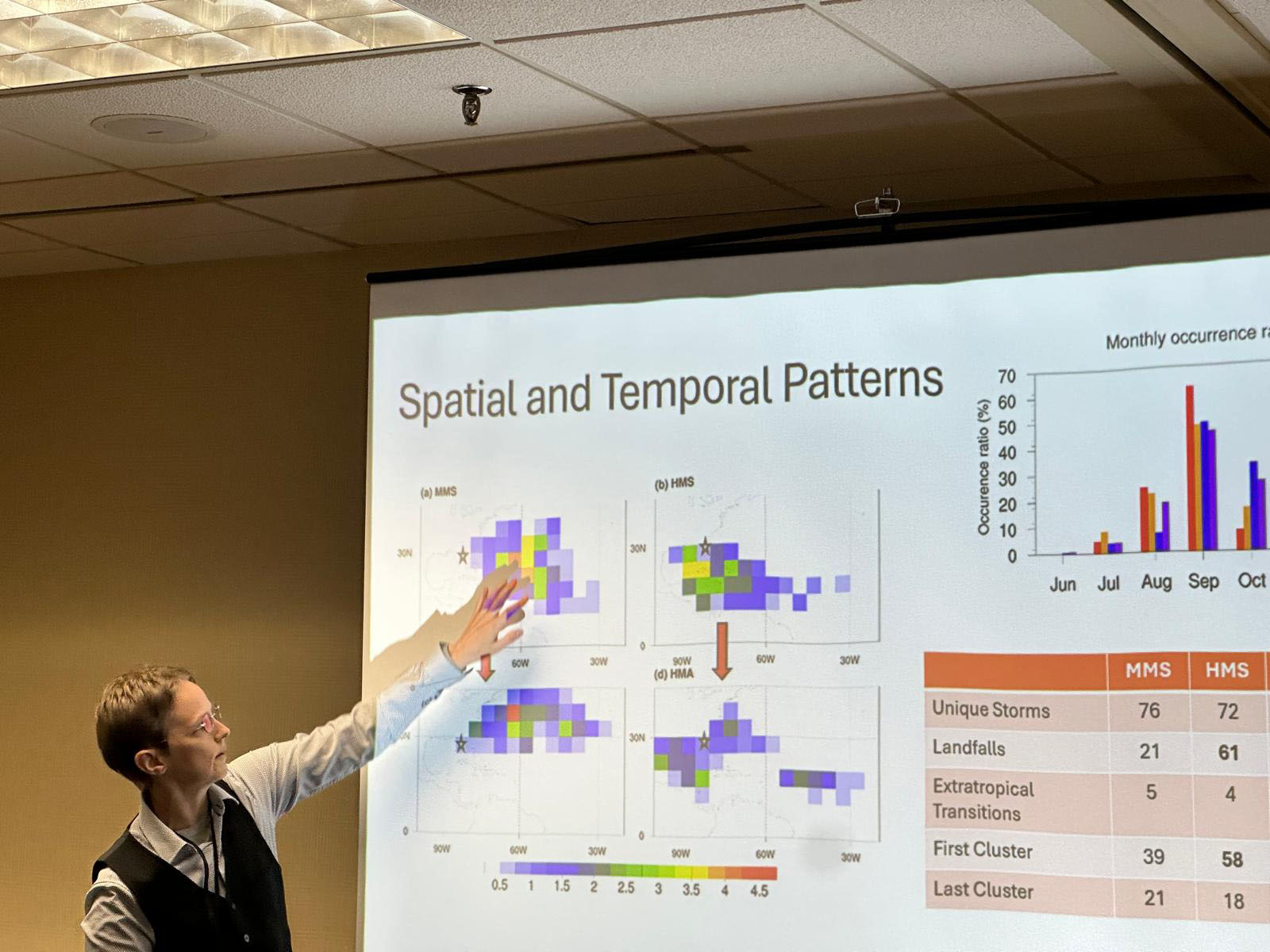
Studying the precipitation patterns in hurricanes may be key to predicting future storm patterns and their potential strength, a University of Florida researcher has found. Supported by a four-year, $212,000 grant from the National Science Foundation, Professor of Geography Corene Matyas, Ph.D. has identified the patterns of rain rates within storms and studied the moisture surrounding these storms. “We are hoping that, if we have a better prediction of moisture availability, that might help us forecast rain events with greater accuracy,” Matyas said. “The more we know about how storms develop, the more we can predict their path and magnitude.” The ideal stage for the perfect storm The potential for devastating high winds, storm surge and flooding poses an annual threat to Florida and its residents. With 1,350 miles of coastline and relatively flat geography that juts out to separate the warm waters of the southeast Atlantic and the Gulf, Florida creates the ideal stage for the perfect storm. Last year broke records with 18 named storms, including 11 hurricanes in the Atlantic basin and three major hurricanes making landfall along Florida’s coast. Early predictions are crucial to hurricane preparedness, allowing for increased response time and resource allocation, and hurricane modeling is essential for understanding these somewhat unpredictable storms. Advances in technology, data collection and the use of artificial intelligence in hurricane modeling have significantly impacted the ability to predict a storm’s path and strength more accurately. Artificial intelligence helps researchers understand hurricanes Matyas has completed two studies on this topic. The first study processed 12,000 images of rain rates from tropical storms and hurricanes in the Atlantic, using a machine learning algorithm called a convolutional autoencoder. Similar in use to image recognition software, the encoder broke the rain rate images down and simplified the patterns. Six main types, or clusters, of rainfall patterns for tropical cyclones were identified. At a presentation of the work to forecasters at the National Weather Service office in Jacksonville, the forecasters confirmed that one of the patterns matches what they typically see when late-season storms make landfall over Florida’s Gulf Coast. The second study used the autoencoder to process 4,600 images that represent the amount of moisture in the atmosphere extending 1,000 kilometers away from each hurricane. “We looked for commonalities in the patterns and found four dominant patterns of moisture that accompany Atlantic basin hurricanes,” Matyas said. “We found the biggest storms with the most moisture make the most landfalls, typically in the Caribbean and even in southern Florida. They also have a large moisture pool, giving them a bigger chance of heavy rainfall.” According to Matyas, three of the moisture patterns found in the second study were strikingly like those found in the earlier study that used fewer observations in a statistical analysis. With this use of AI, researchers can now recognize and understand these moisture patterns better, which can improve predictions about a storm’s intensity, its size and the amount of rainfall that will result from it. Early, accurate storm predictions allow Floridians time to prepare Rapid intensification – when, in a 24-hour period, a storm experiences a sudden drop in pressure and a dramatic increase in wind speed – creates much more of a challenge for forecasters. “We tend to boil down a hurricane to a set of coordinates which track the middle of a storm,” Matyas said. “And the fastest winds do focus there, but the moisture gets pulled from thousands of kilometers away and the system forces the moisture up. That moisture must go somewhere. So, the outer edges of the storm need to be understood more as well.” Matyas hopes these studies will help scientists classify rain patterns more accurately and consistently. Continued funding for research at public universities from federal agencies, such as the National Science Foundation and the National Oceanic and Atmospheric Administration, is essential for helping researchers develop tools to detect and predict severe weather events. Matyas is one of two UF faculty members among 18 national researchers named to the 2025 class of fellows by the American Association of Geographers. Matyas and UF Geography Department Chair Jane Southworth, Ph.D. were honored by the organization for their contributions in biogeography, geospatial analytics, soil science, community geography, climatology and other areas related to geography. “I look forward to this opportunity to contribute to the mission of the AAG in a more formal capacity, continuing to research how weather shapes our spaces and share knowledge of earth systems beyond the classroom and the written word to promote an inclusive society,” Matyas said.


“Designing Her Own Future: A Georgia Southern MBA Story”
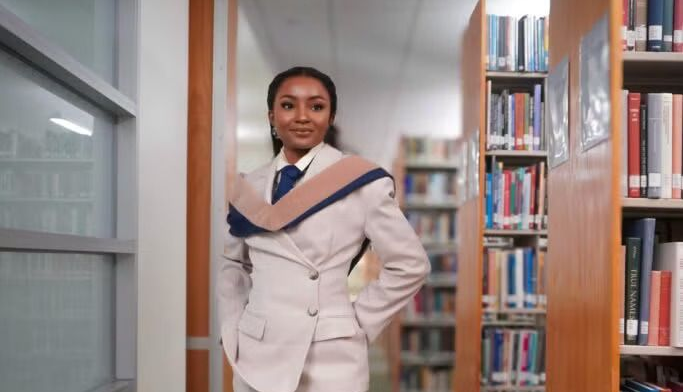
After earning her Master of Business Administration from Georgia Southern University, one graduate is charting a path that blends creativity with business discipline. With a background in dressmaking, she entered the MBA program already skilled in her craft, but looking to strengthen the operational side of her work. “So much goes into dressmaking,” she explained. “From developing the pattern to the fabric you use, getting the right measurements, and so on. You have to make sure your stitches are clean, that the zipper is sitting properly.” While her technical skills were well developed, she quickly recognized that sustaining and growing her work required more than creative talent alone. “I didn’t have that business background,” she explained. “So I wanted to find a university program that could teach me how to structure and operate my business efficiently. So I started doing my research.” That search led her to Georgia Southern’s MBA program, where she immersed herself in coursework focused on strategy, leadership, and practical decision-making. Through the program, she gained the tools to think more systematically about her business—learning how to plan, organize, and scale her operations with confidence. Her experience reflects how graduate business education can empower entrepreneurs and creatives alike, transforming passion into sustainable practice and helping graduates design futures that work both artistically and professionally. Want to learn more about Georgia Southern's Master of Business Administration program? Simply contact Georgia Southern's Director of Communications Jennifer Wise at jwise@georgiasouthern.edu to arrange an interview today.


Venezuela: Why Regime Change Is Harder Than Removing A Leader
With global attention on Venezuela following the U.S. removal of Nicolás Maduro, one of the central questions is whether taking out a leader actually changes the political system that put him in power. Two University of Rochester political scientists — Hein Goemans and Gretchen Helmke — study different sides of this issue, and can shed light on why authoritarian regimes often survive even when leaders fall and what the U.S. intervention means for Venezuela and the world order. Goemans specializes in how wars begin and end, regime survival, and why so-called “decapitation strategies” — removing a leader without dismantling the broader power structure — so often fail to produce stable outcomes. His research draws on cases ranging from Iraq and Afghanistan to authoritarian regimes in Latin America. In a recent interview with WXXI Public Media, Goemans warned that removing Maduro does not resolve the underlying system of military and economic control that sustained his rule. Without changes to those institutions, he said, power is likely to remain concentrated among the same elite networks. “The problem isn’t just the leader,” Goemans explained. “It’s the structure that rewards loyalty and punishes defection. If that remains intact, the politics don’t fundamentally change.” Helmke, a leading scholar of democracy and authoritarianism in Latin America, emphasizes that legitimacy, not just force, determines whether democratic transitions take hold. Her research helps explain why democratic breakthroughs so often stall after moments of dramatic change, and why outside interventions can unintentionally weaken domestic opposition movements by shifting power toward regime insiders. “When the institutions and elites remain in place, uncertainty — not democratic transition — often becomes the dominant political reality,” she said. For journalists covering the fast-moving situation, Goemans and Helmke are available to discuss why removing leaders rarely brings the political transformation policymakers expect and what history suggests comes next. They can address: • Why regime-change operations so often backfire, even when dictators are deeply unpopular • What sidelining democratic opposition means for legitimacy • Whether U.S. claims that Maduro is illegitimate hold up under international and U.S. law • How prosecuting a foreign leader in U.S. courts could reshape norms of sovereignty • The risks the U.S. intervention poses to the rules-based international order and NATO • How interventions affect international norms, including sovereignty and the rule of law, and why short-term tactical successes can create long-term strategic risks. • Why treating global politics as a series of “one-off” power plays misunderstands how states actually enforce norms over time • How competing factions inside the U.S. administration may be driving incoherent foreign policy Geomans also brings rare insight into the internal dynamics of U.S. policymaking, having taught and observed Stephen Miller, one of President Donald Trump’s closest aides who is helping shape the administration’s worldview. (Goemans taught Miller at Duke University in 2003.) Click on the profiles for Goemans and Helmke to connect with them.




Georgia Southern professor re-elected to board of world’s largest scientific society
Professor of chemistry and chair of the Department of Biochemistry, Chemistry and Physics Will Lynch, Ph.D., has been re-elected to the American Chemical Society’s (ACS) board of directors. This marks his second three-year term on the board. With ACS serving as the largest science organization in the world, Lynch says the society’s work impacts lives every day. “We support the scientific enterprise by advocating for everything from research funding to laboratory safety,” said Lynch. “That work strengthens scientific integrity that ACS champions and ultimately shows up in the things that people rely on daily. Bottled water, medicines, cellphones and computer screens all come from chemistry. Many people do not realize how deeply science shapes their world.” With a budget of nearly $900 million and a global community of over 200,000, planning is essential to the success of ACS. Lynch is proud to have chaired the committee that created the society’s next five-year strategic plan. He hopes that his work will continue to put the society’s vast resources to use helping advocate for scientists around the world. “My focus now is implementing ACS’ strategic plan, which envisions a world built on science and setting up the indicators to measure our success,” said Lynch. “We want to make sure we support chemists whether they are in academia, industry, government labs or retired.” Serving in a leadership role for a world-renowned scientific organization is part of Lynch’s calling to help others. He began his service with ACS over 40 years ago when he volunteered at a regional meeting while pursuing his bachelor’s degree. He started making connections immediately and grew his professional network from the local to the national level. Forming friendships in the scientific community and witnessing the ways their work changed lives inspired Lynch to continue to grow his own knowledge so he could do more for others. “Getting to do research as an undergraduate pulled me in, and I knew that chemistry was where I could make a difference. I realized I had a path to help society through science and I never looked back.” Looking to know more about Georgia Southern University or connect with Will Lynch? Simply contact Georgia Southern's Director of Communications Jennifer Wise at jwise@georgiasouthern.edu to arrange an interview today.
Always On, Never Present: How Work Takes Over Your Life
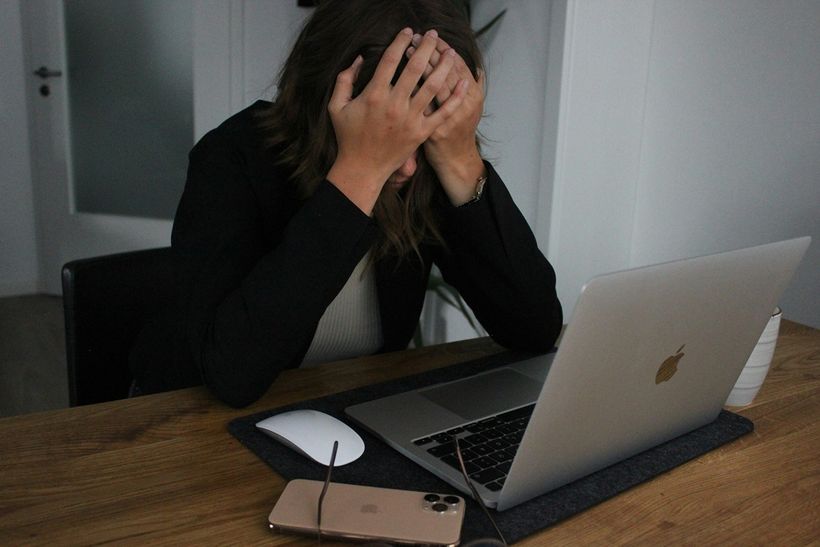
In many workplaces, being “good at your job” has quietly become synonymous with being constantly reachable. Slack on the laptop, email on the phone, DMs on every platform and a creeping expectation that you’ll answer “just one more thing” at night, on weekends, and even on vacation. Psychotherapist Harshi Sritharan, MSW, RSW and Offline.now founder Eli Singer say this culture is pushing knowledge workers into a state of continuous partial attention: always connected, never fully present. “Most of my high-performing clients don’t have a time-management problem,” says Sritharan. “They have a boundary problem — and their phones are the device enforcing it. Every ping is a tiny dose of dopamine and a tiny spike of stress, and their nervous system never really shuts off.” Research on digital and media multitasking backs up what she sees clinically. Studies have linked frequent task-switching between apps and notifications to: Reduced sustained attention and working memory Slower task performance and more errors Greater mental fatigue and perceived stress Neuroscience and cognition papers also describe how multitasking conditions the brain to seek novelty and micro-rewards, making it harder to tolerate the “boredom” of deep work — exactly the kind of focus most knowledge jobs actually require. Singer argues that the issue isn’t just individual burnout; it’s organizational self-sabotage. Offline.now’s behavioral data show that people now spend about 10 of their 16 waking hours on screens — roughly 63% of the day — and that 8 in 10 want a healthier relationship with tech but feel too overwhelmed to know where to start. “We’ve built workplaces that confuse constant availability with value,” Singer says. “But when you look at the cognitive science, an always-on culture is actually an anti-productivity policy. ‘Do Not Disturb’ isn’t a luxury — it’s the competitive advantage most teams are missing.” The term “continuous partial attention” coined to describe the state of being perpetually attuned to the possibility of new information has been linked in emerging research and commentary to chronic stress, shallow thinking, and emotional exhaustion in modern knowledge work. “The moment you stop treating rest and focus as perks and start treating them as infrastructure, everything changes,” Singer says. “Teams ship better work, people make fewer mistakes, and employees don’t feel like they have to burn their nervous system to keep their job.” For journalists covering work culture, productivity, burnout, or the future of work, this story connects the dots between work apps, multitasking science and mental health and offers a concrete alternative to the “always on” norm. Featured Experts Harshi Sritharan, MSW, RSW – Psychotherapist specializing in ADHD, anxiety, burnout and digital dependency. She helps high-achieving professionals understand how constant notifications, late-night work and screen habits disrupt dopamine, sleep, and emotional regulation — and what sustainable boundaries actually look like. Eli Singer – Founder of Offline.now and author of Offline.now: A Practical Guide to Healthy Digital Balance. He brings proprietary behavioral data on digital overwhelm, the Offline.now Matrix framework, and case examples of organizations reframing “Do Not Disturb” as a strategic asset, not a sign of disengagement. Expert interviews can be arranged through the Offline.now media team.


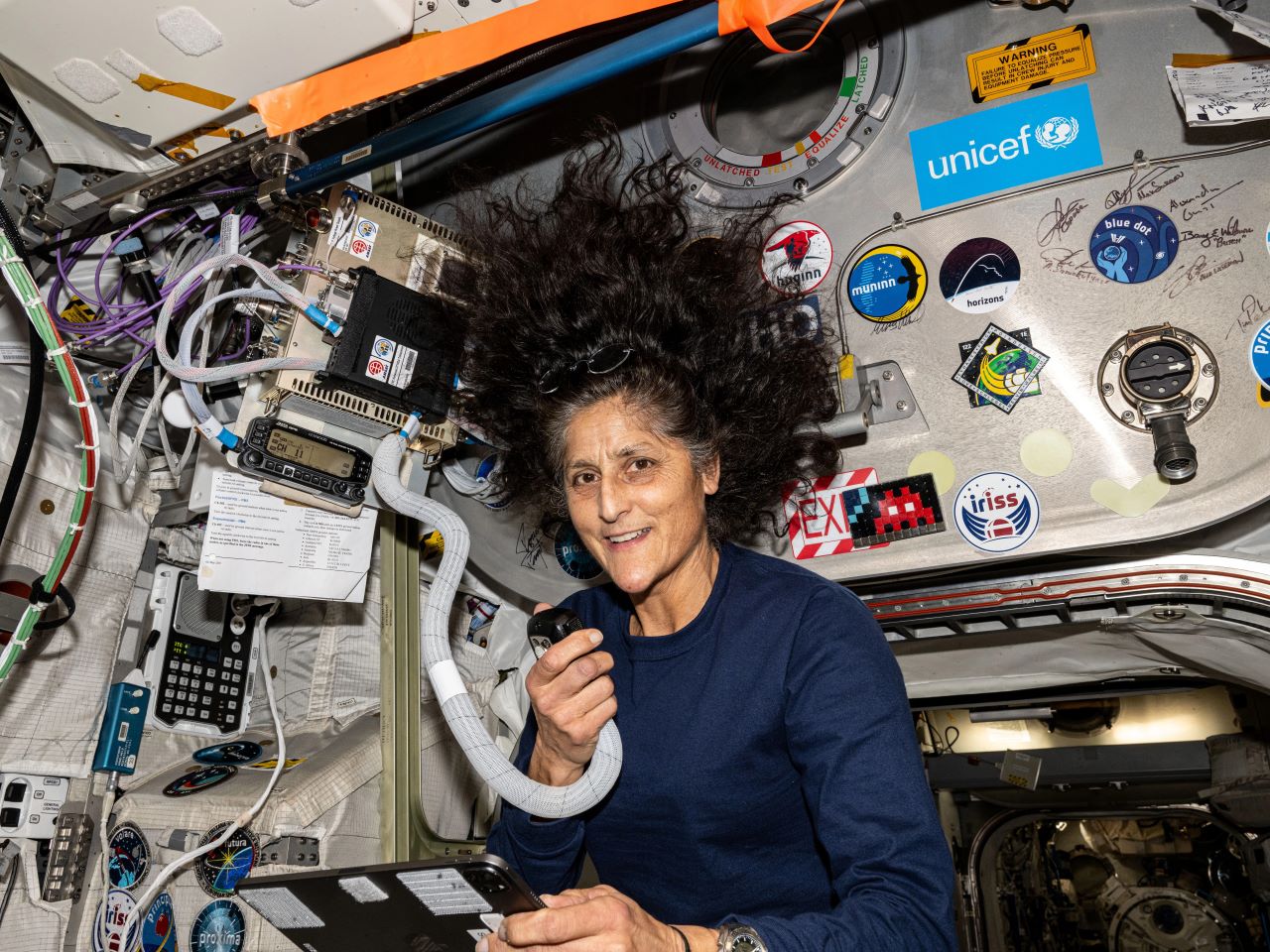
The health challenges astronauts Butch Wilmore and Suni Williams face after 9 months in space
On June 5, 2024, astronauts Butch Wilmore and Suni Williams embarked on a brief mission to the International Space Station. But equipment failures turned what was supposed to be an eight-day trip into a grueling 9 month spaceflight. This week, Wilmore and Williams finally returned to Earth. While their safe return is cause for celebration, the journey doesn’t end when astronauts touch down on Earth. They now face the significant task of recovering from the physical and psychological toll of long-duration spaceflight. As part of the University of Florida’s ongoing research into astronaut health, Rachael Seidler, Ph.D., a leading expert in spaceflight-associated health changes, is studying the long-term effects of space travel on astronauts’ brains and bodies. Seidler’s research focuses on understanding how the central nervous system and brain structure adapt to the challenges of space travel, as well as how these changes affect performance, balance, and mobility once astronauts return to Earth. “While the physical and psychological challenges astronauts face after returning from long-duration space missions are well-documented, the research we do at UF is helping us understand the intricacies of their recovery process,” said Seidler, deputy director of the Astraeus Space Institute at UF. “By following astronauts like Butch and Suni before, during, and after their missions, we can track how the human body responds to the extreme conditions of space.” Behavioral and Brain Changes Post-Flight Seidler’s research tracks astronauts’ physical and neurological recovery by observing them both during their missions and after they return. "One of the most immediate challenges astronauts face when they return to Earth is mobility and balance. These issues often recover more quickly compared to others, but it takes time for astronauts to readjust to gravity,” Seidler said. "The balance, mobility, and walking difficulties astronauts experience during the first weeks back are typically resolved in a short period, but brain function and structure require longer recovery periods." Seidler’s research indicates that astronauts’ brains exhibit compensation when they return to Earth following spaceflight. This compensation occurs through the recruitment of additional neural pathways in order to return to their preflight performance levels. However, the recovery of brain function is a gradual process. "This brain functional compensation is typically no longer observed within one to six months post-flight," Seidler said. However, not all changes are reversible. "Brain structural changes, particularly related to fluid shifts in space, show little to no recovery even after six months to a year," Seidler said. Two significant structural changes include the brain physically sitting higher in the skull and the expansion of the brain’s ventricles — fluid-filled cavities in the brain — which can increase in volume by 25% or more. These changes are thought to result from the fluid shifts caused by microgravity, and they present long-term health considerations for astronauts. Long-Term Health Effects: Understanding the Impact As Wilmore and Williams embark on their recovery journey, the long-term impact of these changes becomes a critical focus for researchers like Seidler. "The long-term health impacts are crucial to understand because they could affect how astronauts recover and perform in their daily lives post-mission," she said. Seidler’s team at UF is conducting a new study in which they are tracking astronauts for up to five years post-flight to better understand these long-term effects. "We’ve had astronauts in space for up to a year, and we know how to manage their physical health during those missions," Seidler said. "But the effects of space on the brain and body extend beyond the mission, and our work helps inform strategies to manage recovery." Collaborating with NASA and Studying Spaceflight-Associated Neuro-Ocular Syndrome Seidler's work is also part of a broader collaboration with NASA and other scientists to assess astronaut long-term health. The project is particularly focused on Spaceflight-Associated Neuro-Ocular Syndrome, which affects up to 70% of astronauts. This condition involves structural changes to the eye and optic nerve, leading to vision problems that may impact astronauts’ function. "Neuropsychological assessments can help to measure astronauts’ brain health, while studies of the ocular system help identify potential vision issues that may arise during and after long-duration space missions," she said. Simulating Space Conditions on Earth In addition to studying astronauts on Earth and in space, Seidler’s team conducts experiments to simulate the effects of spaceflight on human physiology. The UF lab runs experiments in head-down tilt bed rest studies, which keep participants lying down for weeks to months at a time to simulate the lack of gravity. "This type of study helps us understand how fluid shifts in the body during space travel affect mobility, balance, and brain structure," Seidler explained. "In addition, other publications have reported that astronauts describe that vestibular galvanic stimulation feels similar to what they experience when they first arrive in space and when they return to Earth. We have equipment to induce these effects in the lab." Looking Toward the Future As space missions continue to grow longer and more complex, UF’s research is more important than ever. "We’re studying these issues now to ensure that future astronauts are prepared for the physical and cognitive challenges that await them in deep space," Seidler said.

The Annual Reset: Why We Try to Change Every January
Every January, the world collectively decides to become a better version of itself. We swear we’ll exercise more, eat better, save money, quit bad habits, and finally tackle that one thing we’ve been avoiding. And yet—by February—most New Year’s resolutions quietly disappear. This isn’t because people lack willpower. It’s because resolutions often aim too big, too fast, and ignore how change actually works. Resolutions tend to fail when they’re built on motivation alone. Motivation is emotional and short-lived, especially when routines, stress, and real life return. “I’ll go to the gym every day” collapses the first time work runs late or energy dips. Research consistently shows that successful change depends more on systems than goals—small, repeatable behaviors that fit into daily life. People who frame resolutions as habits (“I’ll walk 10 minutes a day”) rather than outcomes (“I’ll lose 30 pounds”) are far more likely to stick with them. Still, there’s a reason resolutions endure. Psychologists call it the “fresh start effect”—the mental boost people feel at symbolic moments like birthdays, Mondays, or a new year. These moments help us psychologically separate our past selves from our future ones, making change feel possible. Even when resolutions fail, the act of reflecting, resetting, and trying again serves a real purpose: it helps people take stock of their lives and imagine improvement. The trick isn’t to stop making resolutions—it’s to make them smarter. Start small. Tie goals to existing routines. Focus on consistency over perfection. And most importantly, allow room for flexibility. Change isn’t linear, and falling off track doesn’t mean failing—it means adjusting. Journalists covering wellness, psychology, productivity, or lifestyle trends: connect with experts who study habit formation, behavior change, and motivation to explain why resolutions fail, what actually works, and how people can turn fresh starts into lasting change. Expert insight can help readers move beyond guilt—and toward progress that sticks. Connect with our experts: www.expertfile.com


A Snapshot of the Local Economy: Simon Medcalfe on Growth, Risk, and What Comes Next
At Augusta University’s annual Economic Forecast Breakfast hosted by the James M. Hull College of Business, Simon Medcalfe, PhD, offered a grounded, data-driven look at how the local economy is performing — and what lies ahead. Speaking to business leaders, students and community stakeholders, Medcalfe emphasized the importance of distinguishing real economic growth from inflation-driven gains, noting that while the Augusta region continues to grow, it does so at a measured pace compared to national averages. His presentation framed the local economy as stable and resilient, but not immune to broader forces shaping the U.S. outlook. A key theme of Medcalfe’s remarks was the role of research, innovation and education in sustaining long-term economic health. He pointed to strong gains in research and development across Georgia and highlighted how university-based research directly contributes to regional economic output. According to Medcalfe, investment in knowledge creation remains one of the most reliable drivers of growth, reinforcing the value of higher education institutions as economic anchors. Simon Medcalfe, PhD, is an economist with an emphasis on sports economics, social determinants of health, and the local economy. View his profile At the same time, Medcalfe cautioned against complacency. While regional fundamentals remain solid, he stressed that uncertainty at the national level continues to pose risks. “However, uncertainty abounds in national macroeconomic policy that could negatively impact growth next year,” Medcalfe said, underscoring how unresolved fiscal decisions and policy shifts can ripple down to local economies. Still, his overall outlook balanced realism with optimism. Medcalfe concluded that the Augusta region — and Georgia more broadly — is positioned to weather uncertainty thanks to diversification, investment in early education, and continued research activity. “Overall, Augusta and Georgia are positioned well for economic growth in 2026 with a strong commitment to early childhood education, a diversified labor market and strong research and development,” he said. View the full article 'Annual Economic Forecast Breakfast offers snapshot of the local economy' here: For journalists covering regional economics, workforce development, higher education, or policy-driven growth trends, Simon Medcalfe, PhD, offers clear-eyed analysis rooted in data — and an ability to translate complex economic signals into insight that matters locally. Simon is available to speak with media - simply click on his icon now to arrange an interview today.


Can You Reboot Your Family’s Screen Rules Before Going Back to School?
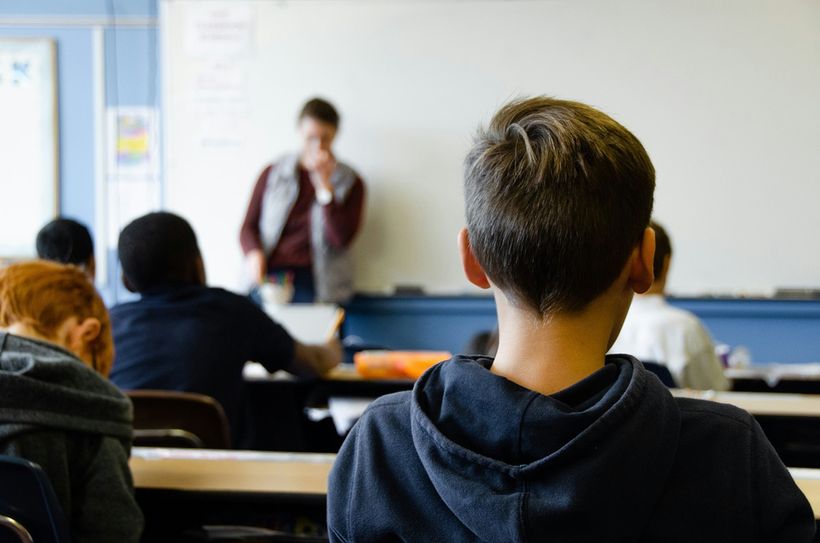
As kids head back to school after the holidays, many parents notice the same pattern: bedtimes drifted, screens crept into bedrooms, and mornings feel like a battle. Executive Function Coach Craig Selinger and Personal Development Coach Mark Diamond, both experts in the Offline.now directory, say the answer is yes; but only if families treat the last week of break as a “tech reset,” not just a scramble for school supplies. Selinger points out that today’s devices are structurally different from the TV many parents grew up with: “Phones and tablets are more addicting than the old living-room TV. There’s no natural ending — no episode, no credits, no ‘we’re done now.’ When the ‘TV’ lives in your child’s pocket, transitions to homework or sleep become a lot harder.” That matters because late-night screen habits have real consequences in the classroom. Reviews of adolescent media use consistently link bedtime and late-evening screen time with shorter sleep, poorer sleep quality, and worse next-day functioning; including attention, memory and mood that kids need to learn. On top of that, education and cognition research shows that media multitasking: juggling schoolwork with notifications, chats, and apps is associated with reduced sustained attention and weaker academic performance. Diamond, who ran a tech-free summer camp for 25 years, has seen how quickly kids’ brains and behavior respond when screens are dialed down and real-world activity is dialed up: “At camp, we watched kids go from anxious and distracted to confident and connected in a matter of days — without phones. Outdoor play, hands-on projects, chores, even just walking and talking with friends reset their mood and focus in a way no app can.” “Micro-routines make a macro difference,” says Diamond. “If you reclaim just an hour a day from screens for real-world activity, most kids feel the change in their bodies and brains within a week.” Selinger adds that the reset only sticks when adults go first: “You can’t tell a teen to stop scrolling at 11 p.m. while you’re answering work email in bed. Kids are watching how we transition off our own screens. If parents lead by example, the new school rules stop feeling like punishment and start feeling like the new normal.” For journalists covering back-to-school, kids’ mental health, learning and technology, this story connects the dots between holiday screen creep, sleep, attention, and how a simple, family-led “tech reset week” can set kids up to actually learn once they’re back in class. Featured Experts Craig Selinger, M.S., CCC-SLP – Executive Function Coach and child development specialist (Brooklyn Letters). He focuses on how kids actually learn, and how digital dependency, sleep loss and multitasking erode attention and academic skills. Mark Diamond – Personal Development Coach and former director of a tech-free summer camp. He specializes in outdoor wellness, behavior change, and helping families translate “camp magic” into everyday routines at home. Expert interviews can be arranged through the Offline.now media team.