Experts Matter. Find Yours.
Connect for media, speaking, professional opportunities & more.
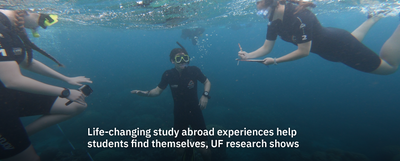
Life-changing study abroad experiences help students find themselves, UF research shows
Studying abroad is about more than just enrichment for college students; it’s often about personal transformation, UF researchers have found. Every year, UF sends nearly 2,600 students overseas to become immersed in diverse cultures, gain international perspectives, and create social bonds with fellow Gators – experiences so profound that UF researchers recently published a study about their long-term impact in Leisure Sciences. And this week, the UF International Center is hosting a Study Abroad Fair from 10 a.m. to 3 p.m. Wednesday, Jan. 29 on the Reitz North Lawn to generate even more interest in these life-changing programs. “You’ve got to look at travel as not a frivolous thing because it’s part of your life story,” said Heather Gibson, Ph.D., a professor in the UF College of Health & Human Performance’s Department of Tourism, Hospitality & Event Management, who co-authored the study. “The impact isn’t just for the semester when they return; it’s now shown to be over 20 years or more. Very few studies focus on this formative phase of adult development, and these emerging adults are very malleable to be shaped. They’re searching for different sources of identity and different directions.” Conducting this research with Gibson was Hongping (HP) Zhang, Ph.D., a UF graduate of 2020 and clinical assistant professor at the University of Tennessee, Knoxville’s Department of Retail, Hospitality, and Tourism Management. Zhang said that, in 2019, tourism literature began focusing on memory theories, but research primarily looked at memorable tourism experiences and how to better attract tourists. Zhang wanted to dive deeper into how travel memories affect a person’s development and identity. This retrospective longitudinal study examined 115 alumni who traveled as part of the College of Health & Human Performance’s South Pacific program, or the Florida Down Under Program, from 2007 to 2019. The program, led by Gibson, brings students to Australia for four weeks, New Zealand for four weeks, and/or Fiji for 10 days to study sustainability, with trips including a snorkeling expedition to the Great Barrier Reef and to Mungalla Station (a land occupied by the Nywaigi Aboriginal Land Corporation). These students’ memories of studying abroad proved to be positive and an “important building block to enhance the existing feeling of self,” Zhang said. For example, one study participant shared that reflecting on her experience in Australia was a conversation starter that sparked an initial social connection with her now husband, who had also traveled to Australia on a separate trip. Other students said the program impacted their travel behaviors such as spending money, as well as their eco-conscious behaviors like using coral-reef-friendly sunscreen. Overall, Gibson believes that experiential learning like studying abroad plays a significant role in helping students find themselves at pivotal times in their lives. In fact, research from the Consortium for Analysis of Student Success through International Education shows that students who participate in study abroad programs may earn higher grades, be more likely to graduate, and be better positioned for the global workforce. “Getting students out of the classroom and pushing them out of their comfort zone is where they learn,” Gibson said. “We need to think about the undergraduate experience as more than earning credits for a degree. Study abroad provides students with friends, experience, and direction, and that’s very crucial, especially at a large university. Study abroad allows students to find their tribe.”

Expanding Comprehensive Cancer Services to Middletown, Delaware
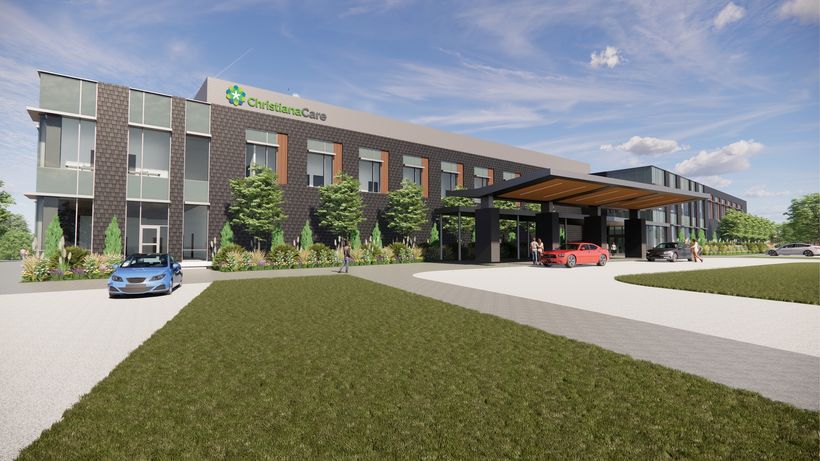
ChristianaCare’s Helen F. Graham Cancer Center & Research Institute is expanding access to high-quality, comprehensive cancer care for residents in Middletown and nearby communities. These services will be offered at the new Middletown Health Center, now under construction and expected to open in May 2027. “Our vision is to expand and grow our services throughout the region so that more patients can access high-quality cancer care close to home,” said Thomas Schwaab, M.D., Ph.D., Bank of America Endowed Medical Director of the Helen F. Graham Cancer Center & Research Institute. “By bringing our full cancer-care team and advanced technology to Middletown, we can provide highly precise, coordinated treatment while maintaining the same high standard of care our patients expect.” The cancer care services offered at the Middletown Health Center will reflect the same high-quality, comprehensive care provided at ChristianaCare’s Helen F. Graham Cancer Center & Research Institute in Newark. Patients will have access to specialists across all major cancer types, supported by the Graham Cancer Center’s participation in the National Cancer Institute Community Oncology Research Program (NCORP), which brings advanced treatments and clinical trials directly to the community. In Middletown, this means coordinated multidisciplinary treatment planning, advanced radiation therapy, infusion services, consultations with oncologists and surgeons, nurse navigation, supportive care, clinical trial participation and both in-person and virtual visit options. Advanced Technology Enhances Precision and Comfort When services open in Middletown, patients will have access to advanced radiation therapy using the Varian TrueBeam linear accelerator, one of the most sophisticated radiation therapy systems available. TrueBeam delivers highly precise, image-guided treatments for a wide range of cancers, allowing physicians to target tumors more accurately while minimizing radiation to healthy tissue. “The TrueBeam system represents a major step forward in how we deliver radiation therapy,” said Adam Raben, M.D., chair of Radiation Oncology at ChristianaCare. “Treatments that once took 30 minutes can now be completed in just a few minutes, with real-time imaging ensuring precision. This means better tumor control, fewer side effects and a more comfortable experience for patients.” A Growing Community with Expanding Health Care Needs Middletown is one of Delaware’s fastest-growing communities, with its population projected to rise 8% by 2029, nearly twice the statewide rate, according to the US Census Bureau. Since 1990, the town’s population has grown more than 550%, and the number of residents age 65 and older has increased 24% since 2020, driving demand for accessible, high-quality health care. With continued growth and an aging population, cancer service demand in Middletown is expected to increase by 11% over the next decade, according to health care forecasts from Sg2, a Vizient company, underscoring the need for expanded local care options. Expanding Access to Meet Future Cancer Care Demand By expanding services in Middletown, ChristianaCare is responding to both the region’s population growth and the increasing need for cancer care. The new site will help patients receive timely diagnosis and treatment while reducing travel time and improving coordination with the full Graham Cancer Center team. “As our community grows, so too does the need for locally accessible, state-of-the-art cancer services,” said Schwaab. “This expansion represents a pivotal investment in the health of the Middletown—Odessa—Townsend corridor and beyond.” $92 Million Investment in Middletown’s Health The $92.3 million Middletown Health Center reflects a deep investment in the health and vitality of the state. It is part of ChristianaCare’s larger plan, announced in July 2025, to invest more than $865 million in Delaware over the next three years. In addition to cancer care, the Middletown Health Center will offer a full range of services, including primary and specialty care, women’s health, behavioral health, cardiovascular care, pediatrics, neurology, imaging, diagnostics and lab testing. The center’s healing environment will also include walking trails and abundant natural light, making high-quality, convenient and coordinated care more accessible and welcoming for patients and families. The 87,000-square-foot Health Center will be located at 621 Middletown Odessa Road, next to ChristianaCare’s existing freestanding emergency department.


Experts share practical guidance for a healthier, happier holiday season
The holiday season is a time of tradition, connection and celebration – but it also brings its own set of challenges, from food safety concerns to emotional stress. University of Delaware experts are available to speak with reporters and provide practical, research-backed guidance to help audiences make the most of the season. Avoid common food safety mistakes Holiday meals are a centerpiece of celebration, but preparing them safely is essential. Diane Oliver, UD Health and Well-being Extension agent, has identified the top five mistakes people make when handling and preparing turkey – and how to avoid them. She can offer timely food safety tips to ensure families enjoy their meals without risk. Protect your mental well-being The holidays can stir up complex emotions as families come together. UD psychology professors Franssy Zablah and Zachary Meehan can provide expert insight into how to maintain mental wellness, manage stress, and set healthy boundaries during holiday gatherings. Find genuine holiday joy Beyond checklists and shopping, how do people actually experience lasting happiness during the holidays? Assistant professor Amit Kumar can share research-backed strategies on pursuing meaningful, authentic joy rather than fleeting holiday pressure. Preserve your decorations for years to come Family ornaments and decorations often carry sentimental value. Art conservation expert Debra Hess Norris can explain how to properly store and care for holiday decorations so they remain vibrant and intact year after year. Connect with these experts All of these University of Delaware experts are available for media interviews and commentary. Reporters and editors interested in speaking with them can reach out to mediarelations@udel.edu for a quick response and support.


Why TikTok Keeps You Scrolling: Baylor Research Explains the Science Behind Social Media Addiction
Why is it so hard to stop scrolling TikTok? A new study by Baylor University marketing professors and social media researchers James A. Roberts, Ph.D. and Meredith E. David, Ph.D., reveals that the answer lies not only in the app’s content, but in its design. Their research, published in the journal Cyberpsychology, Behavior, and Social Networking, is among the first to compare the technological affordances – the built-in design features that shape user behavior – of three leading short-form video (SFV) platforms: TikTok, Instagram Reels and YouTube Shorts. The findings reveal that TikTok’s combination of ease of use, highly accurate recommendations and surprising content variety creates a powerful recipe for user engagement – and, in many cases, addiction. The power of effortless design In their study, Roberts and David had participants rate each platform on three key technological affordances: perceived effortlessness, recommendation accuracy and serendipity (the element of surprise) and answer questions measuring their levels of social media engagement and addictive use. The results were clear: TikTok scored significantly higher than Instagram Reels or YouTube Shorts across all categories. Users in the study said TikTok required the least effort to use, delivered the most relevant videos and surprised them most often with unexpected but enjoyable content. “It’s the combination of all three that keeps people scrolling,” David said. “But the prerequisite is effortlessness. Without that ease of use, the other two wouldn’t matter as much.” TikTok’s seamless experience – where videos begin playing automatically the moment the app opens – creates a sense of immersion unmatched by competitors. Other platforms require users to click or select a video before viewing begins, a subtle difference that nonetheless makes TikTok feel faster and more intuitive. Engagement becomes addiction The study found that TikTok’s technological affordances indirectly increase addiction by first increasing engagement. The more users engage, the more likely they are to lose track of time – a phenomenon known as time distortion. David said this design is no accident. “TikTok’s algorithm is intentionally created to be addictive,” she said. “Their own materials acknowledge that users can become hooked after less than half an hour on the app.” She noted that even users who recognize these patterns often underestimate how long they spend scrolling. “We all need to be more cognizant of our time on these platforms,” David said. “Check your phone’s screen-time data – you may be surprised.” Implications for users and policy Beyond individual awareness, the researchers point to the broader social impact of overuse – particularly for young people. Excessive time on short-form video apps can erode attention spans, foster expectations for instant gratification and displace face-to-face interaction. “These platforms are designed to hold our attention,” David said. “But the opportunity cost is huge. The more time we spend scrolling, the less time we have for the activities that build real connection and meaning.”


How mitochondria shape brain health from childhood to old age
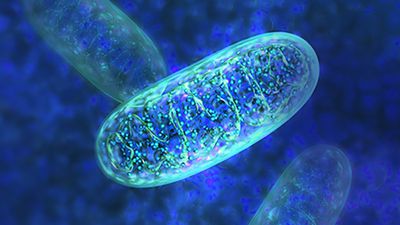
From the first spark of neural development to the challenges of ageing, Dr Lissette Sánchez Aranguren is uncovering how the cell’s powerhouses — mitochondria — hold the key to a healthy brain across the human lifespan. Her pioneering research at Aston University explores how these microscopic energy generators safeguard the brain’s communication network and how their dysfunction may underlie conditions such as dementia, stroke, and neurodevelopmental disorders. Mapping the brain’s energy defence system Dr Sánchez Aranguren’s work focuses on the partnership between brain cells and the blood vessels that nourish them — a relationship maintained by the blood–brain barrier. When mitochondria fail, that protective interface can weaken, allowing harmful molecules to penetrate and trigger inflammation or cell loss. Her team’s studies show that mitochondrial malfunction disrupts the dialogue between neurons and vascular cells, an imbalance seen both in the developing and ageing brain. To counter this, she and her collaborators have engineered a mitochondria-targeted liposome, a nanoscale “bubble” that delivers restorative molecules directly where they are needed most. By re-balancing cellular energy and communication, this innovation could one day reduce brain injury or slow neurodegenerative decline. From heart cells to the human mind Originally trained in cardiovascular science, Dr Sánchez Aranguren became fascinated by how mitochondria regulate energy and stress in blood-vessel cells — insights that ultimately led her toward neuroscience. View her profile here “Mitochondria do much more than produce energy. They send signals that determine how cells communicate and survive.” That realisation inspired her to trace mitochondrial signalling across the continuum of life — linking early brain development to later-life vulnerability. Her research now bridges traditionally separate fields of developmental biology, vascular physiology, and ageing neuroscience, helping identify shared molecular pathways that influence lifelong brain resilience. Global collaboration for a healthier brain Her work thrives on multidisciplinary and international partnerships. At Aston, she collaborates with scientists from Coventry University, Queen’s University Belfast, and the University of Lincoln, alongside research partners in the Netherlands, Italy, Malaysia, and China. Together they integrate chemistry, biology, and computational modelling to understand mitochondrial function from molecule to organism — and translate discoveries into practical therapies. Towards mitochondria-targeted brain therapies The next frontier is refining these mitochondria-targeted nanocarriers to enhance precision and efficacy in preclinical models, while exploring how mitochondrial signals shape the brain’s vascular and neural architecture from infancy through adulthood. Dr Sánchez Aranguren envisions a future where protecting mitochondrial health becomes central to preventing brain disease, shifting medicine from managing symptoms to preserving the brain’s natural defence and repair systems. “If we can protect the cell’s own energy engines,” she says, “we can give the brain its best chance to stay healthy for life.”


Black Friday 2025: Earlier, Bigger and More Digital Than Ever
Black Friday is no longer just a day – it’s becoming an entire season. In 2025, shoppers are starting earlier, spending more and relying heavily on technology to find the best deals. With online shopping now the dominant force, an estimated 71% of consumers plan to browse and buy from their screens rather than stand in long lines. Baylor University consumer behavior expert James A. Roberts, Ph.D., said this year’s sales stretch well beyond Thanksgiving weekend. Top 5 Black Friday Trends from Dr. James A. Roberts Retailers have pushed promotions into early November – and in some cases, late October – creating what many now call “Black November.” And for the true procrastinators, “Desperate in December” is the new reality, with next-day delivery extending holiday shopping right up to the last minute. Even as shoppers plan to spend up to 10% more, they’re extremely price sensitive, Roberts said. Inflation, rising living costs and ongoing economic uncertainty – including concerns over tariffs – are prompting consumers to hunt for deeper discounts and compare prices more closely than ever. That caution is also fueling another trend: increased use of buy-now-pay-later plans. While convenient, Roberts urges shoppers to approach them carefully to avoid overspending. Technology also is accelerating the shift. AI tools and retail chatbots are helping customers track deals and make purchases, while influencers and social media ads continue to shape buying habits. Cost-conscious platforms like Temu and Shein are poised for another strong season. Clothing, electronics and home goods remain top categories, Roberts said, with gift cards still the go-to for last-minute buyers. Walmart, Target and Kohl’s are expected to be the most popular in-store destinations, while Amazon – unsurprisingly – continues to dominate Cyber Monday. Overall spending remains robust. Shoppers are expected to spend roughly $20 billion across online and in-store purchases, split almost evenly between the two. The best bargains will be toys discounted about 25 percent, phones and computers discounted around 30 percent and TVs discounted an average of 23 percent. The typical shopper will spend about $650 this holiday weekend. How to navigate the shopping frenzy Roberts offers some simple advice for navigating the frenzy: Set a budget, stick to it, choose thoughtful gifts and keep the season in perspective. After all, the most meaningful gifts are the ones that show how well you know the people you love. ABOUT JAMES A. ROBERTS, PH.D. James A. Roberts, Ph.D., is The Ben H. Williams Professor of Marketing at Baylor University’s Hankamer School of Business. A noted consumer behavior expert, he is among the Top 2% Most-Cited Researchers in a database compiled by Stanford University. In addition to journal citations, Roberts has often been called upon by national media outlets for his consumer expertise and latest research. He has appeared on the CBS Early Show, ABC World News Tonight, ABC Good Morning America, NBC’s TODAY Show and NPR’s Morning Edition, as well as in articles in The New York Times, USA TODAY, The Wall Street Journal, TIME and many others. Roberts’ research has focused on how individual consumer attitudes and behavior impact personal and collective well-being, including investigating the factors that drive ecologically and socially conscious consumer behavior, the impact of materialism and compulsive buying on well-being and the effect of smartphone and social media use on personal well-being. He is the author of “Shiny Objects: Why We Spend Money We Don’t Have in Search of Happiness We Can’t Buy” and “Too Much of a Good Thing: Are You Addicted to Your Smartphone?”

ChristianaCare Launches Organoid Core to Personalize Cancer Treatment
ChristianaCare’s Cawley Center for Translational Cancer Research has unveiled a first-of-its-kind organoid core in a community cancer center program. The new laboratory facility within the Helen F. Graham Cancer Center & Research Institute grows and tests living, patient-derived tumor models, giving doctors and researchers a faster, more precise way to identify the therapies most likely to work for each patient. This innovation could change how cancer is treated in Delaware and serve as a model for community centers nationwide. There are only a handful of organoid core centers, or “tumor-on-a-chip” programs, in the United States, and ChristianaCare’s is the first within a community cancer center setting. What the Organoid Core Does Tumor organoids are tiny, three-dimensional cultures grown from a patient’s tumor tissue. They preserve the genetic and molecular traits of the original tumor, making them far more accurate than traditional cell lines. “These mini-tumors enable researchers to screen drugs faster, identify new biomarkers and discover which treatments are most likely to work for each patient,” said Thomas Schwaab, M.D., Ph.D., Bank of America Endowed Medical Director of ChristianaCare’s Helen F. Graham Cancer Center and Research Institute. “This core is a bridge between the lab and the clinic. By growing living tumor models from cells of individual patients, we can test real-world drug responses and tailor treatments for them in ways that were not possible before.” How It Advances Patient Care The organoid core strengthens the Cawley Center's research capabilities by enabling drug screening and biomarker discovery. It will bank organoids representing the wide variety of tumors seen in the community, giving scientists a realistic system for testing therapies. ChristianaCare treats more than 70 percent of cancer patients in Delaware, giving researchers unique access to treatment-naïve samples. These are tumor tissues that have not yet been exposed to chemotherapy or other therapies. Studying them provides a more accurate picture of how cancer behaves naturally and how it might respond to new treatments. Bringing a new cancer drug to patients is expensive and risky. Estimates show it can cost $1.3 to $2.8 billion, with up to a third spent on preclinical development, and only about one in 10 compounds ever reach human trials. Traditional mouse models often fail to fully mimic human tumors, making early testing less reliable. By using organoid screening, the Cawley Center can test therapies more accurately, reduce costs and failure rates and move promising treatments into clinical trials faster. Combined with existing tissue collection programs, clinical trial infrastructure and community partnerships, these resources create a direct pathway to bring lab discoveries to patients faster. Turning Point in Translational Research “Our goal is to shorten the distance between discovery and treatment,” said Nicholas J. Petrelli, M.D., director of the Cawley Center. “Too many promising drugs fail because early models do not capture the complexity of real tumors. The organoid core helps solve that problem. We can now test therapies in models that reflect the patients we actually serve.” “This is a turning point for translational research in community health,” said Jennifer Sims Mourtada, Ph.D., associate director at the Cawley Center. “Organoid technology lets us study cancer in a way that feels personal. We are not just looking at data points. We are studying living models of a patient’s tumor, which can reveal how that person’s cancer might behave or respond to treatment. This approach brings science closer to the people it is meant to help.” Looking Ahead In the coming months, the organoid core will focus on building a diverse biobank of tumors common in Delaware. Plans include collaborations with academic institutions, shared access for external researchers, and development of immune-tumor co-culture models. By combining advanced technology, strong community partnerships and direct patient access, ChristianaCare and the Cawley Center are showing how translational cancer research can thrive in a community setting, making breakthroughs not only in the lab but also in patients’ lives.
Breakthrough with first disease-resistant wine grapes shows hope for a Florida wine renaissance
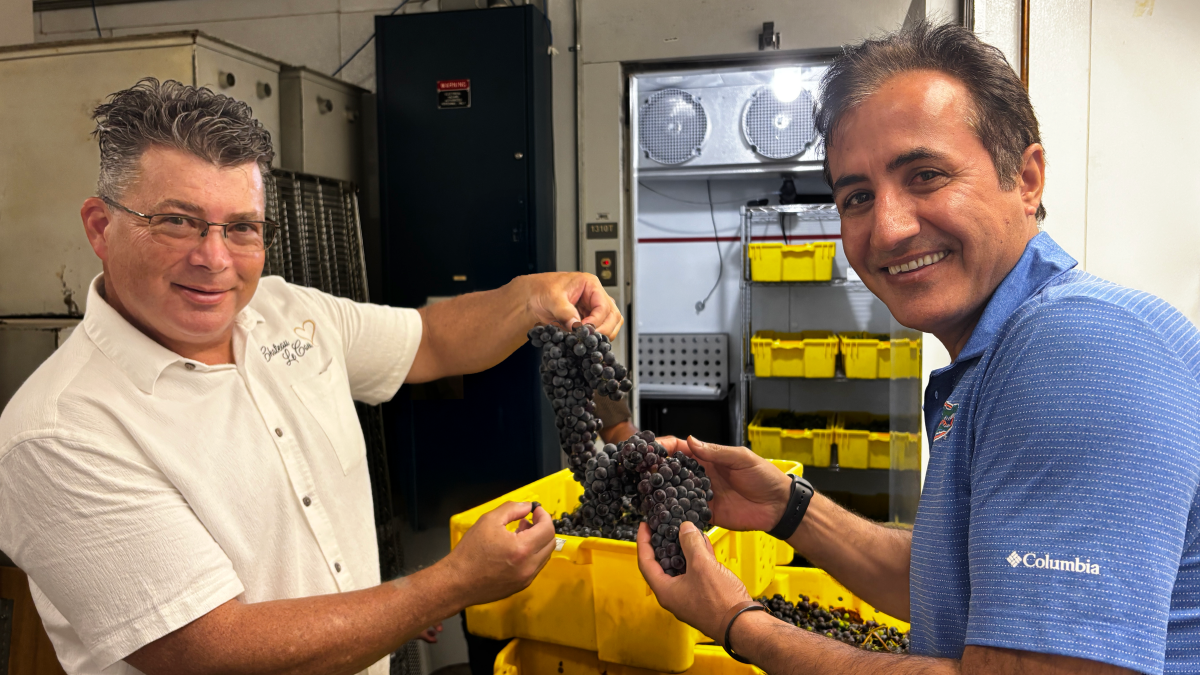
In a milestone for Florida agriculture, researchers have grown and harvested wine grapes that are resistant to the main bacterial disease that has long prevented the state from establishing a large-scale wine industry. Researchers successfully grew five grape varieties in Citra, Florida, that are resistant to Pierce’s disease, a bacterial infection that kills the vines and shrivels the grapes. The effort, led by Ali Sarkhosh, associate professor in the UF Institute of Food and Agricultural Sciences (UF/IFAS) horticultural sciences department, produced a harvest of grapes that resulted in 13 cases of wine. “This could be the start of a new chapter for Florida wine.” — Ali Sarkhosh, associate professor in the UF Institute of Food and Agricultural Sciences horticultural sciences department While Florida has a thriving muscadine grape industry, the global market for muscadine wine is small compared to wine made from Vitis vinifera, the species of grapes behind world-famous wines such as cabernet sauvignon, sauvignon blanc and merlot. Florida is already the nation’s second-highest wine-consuming state, behind only California, with an industry valued at $15 billion in 2022. Yet most of the wines served are produced elsewhere, primarily in California, Oregon and Washington. Sarkhosh said he hopes this research will offer a potential additional crop for muscadine grape farmers. As of 2017, there were 547 Florida vineyards, growing muscadine and hybrid grapes. “This could be an enormous opportunity for vineyards in Florida to expand into additional types of wine for a wider market,” he said. “This could be the start of a new chapter for Florida wine.” UF researchers worked with Château Le Coeur, a winery based in DeFuniak Springs, Florida, to make the wine from their harvest. The wine was crafted with 75% Florida-grown fruit and blended with 25% cabernet sauvignon and merlot. The grape used in the wine collaboration is a hybrid called “Erante Noir” and was developed at the University of California, Davis. It carries the genes of sauvignon blanc and cabernet sauvignon. John Choquer, the owner of Château Le Coeur, emphasized the potential for this collaboration. “If we are successful in growing in the area and combating Pierce’s disease effectively, it will be a strong growth industry and emerging market for agri-tourism,” he said. Early tastings point to a dark, fruit-forward wine. Château Le Coeur named this debut wine “Genial,” a French expression for something new and innovative. He said he is also planting a variety of traditional wine grapes, red and white, at his vineyard. He said his winery is grateful for UF’s support and collaboration as he works to create a Florida-based traditional wine industry. “This is not a short-term experiment,” Choquer added. “We plan to test more Pierce’s disease-resistant and traditional vinifera varieties, refine vineyard practices and build a new type of wine industry here in Florida. There will be challenges, there will be setbacks, but the potential is also so great. There is such a strong market potential here in Florida.”


RPI Hosts Launch Event for New Center for Smart Convergent Manufacturing Systems
Rensselaer Polytechnic Institute (RPI) officially cut the ribbon on its new Center for Smart Convergent Manufacturing Systems (CSCMS) during an all-day launch event on October 23, 2025. A New York State Center for Advanced Technology, CSCMS will redefine the very nature of manufacturing by combining robotics, artificial intelligence, advanced processing, and human ingenuity to create systems that think, adapt, and evolve alongside human operators. “Today we mark the official opening of a center with a bold vision: a future where manufacturing systems are not simply automated, but truly intelligent,” said RPI President Martin A. Schmidt ’81 during the ribbon cutting. CSCMS will bring a wealth of opportunities not only to RPI, but across New York State. The new center will serve as a catalyst for economic growth, empowering innovators, driving new technologies, and strengthening the competitiveness of manufacturers. At RPI, students will gain hands-on experience in labs, real-world projects, and entrepreneurial pathways. Faculty and industry partners will gain the resources to translate cutting-edge research into commercial solutions. “Through simulation, prototyping, and translational research, our faculty and students will work side by side with industry and government to accelerate the development and deployment of smart manufacturing solutions,” said President Schmidt. “This is the RPI model at its very best: turning ideas into impact.” The launch event for CSCMS took place on RPI’s campus and featured keynote remarks, a ribbon cutting, industry panel, poster sessions, lab tours, and demonstrations of robotic manufacturing, human-machine collaboration, smart manufacturing testbeds, intelligent production systems, and data visualization spaces. Industry panel speakers included executives from FuzeHub, Ross Precision Manufacturing, GE Aerospace Research, and The Boeing Company. Interactive student poster sessions covered topics such as robotics, AI, advanced manufacturing, and New York’s future at the convergence of these topics. “The launch of CSCMS comes at a pivotal time for manufacturing,” said Johnson Samuel, Ph.D., director of CSCMS. “Across industries, we are seeing the convergence of AI, robotics, and data-driven design transforming how products are made. RPI’s long-standing strengths in engineering, computing, and innovation make it the perfect home for this next-generation center.” “The energy and collaboration we saw during this event are a reflection of the momentum behind the entire CSCMS initiative,” said Sandipan Mishra, Ph.D., associate director of CSCMS. “This launch is the start of a sustained effort to shape the future of intelligent manufacturing in New York and beyond.” "It's exciting that as students, we get to work with these cutting-edge technologies up close and be a part of something that’s pushing manufacturing forward,” said RPI graduate student Ammar Barbee ‘25, who recently completed his bachelor’s degree in mechanical engineering at RPI. “Perusing this kind of research and having access to such advanced equipment enables unique experiences that will really help accelerate our careers.” With the launch of CSCMS, RPI continues to advance its legacy of innovation and partnership, bringing together academia, industry, and government to drive progress in intelligent manufacturing and strengthen New York’s position as a hub for technological excellence.

RPI Awarded Air Force Grant to Monitor Growing Traffic Between Earth and Moon
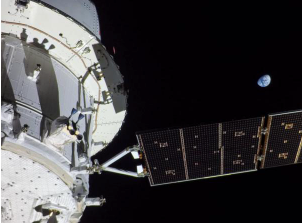
As nations and private companies prepare to ramp up the number of missions to the Moon, researchers at Rensselaer Polytechnic Institute (RPI) and Texas A&M University have secured a $1 million grant from the Air Force Office of Scientific Research to develop a system to track and monitor resident space objects — including spacecraft, satellites and debris — moving through the vast cislunar space between the Earth and the Moon. The initiative, called RCAT-CS (Reconfigurable Constellations for Adaptive Tracking in Cislunar Space), will develop intelligent networks of sensor satellites that can be reconfigured to perform resilient tracking of objects as they maneuver through this complex orbital environment. "Right now, we're seeing an explosive growth in cislunar missions, including everything from commercial lunar landers and orbiters to next-generation spacecraft that secure national interests in this contested domain," said engineering professor Sandeep Singh, Ph.D., RPI’s lead investigator on the project. "But our ability to track what's happening out there hasn't kept pace. Ground-based sensor systems have blind spots and cannot reliably provide measurements. A space-based constellation is the answer, but placing spacecraft in orbit is expensive and solving the resource constraint problem is essential." The cislunar region presents unique challenges for space domain awareness applications. Competing gravitational forces from the Earth and the Moon create complex orbital dynamics, while the sheer distances involved make tracking difficult. When spacecraft and satellites perform maneuvers in this space or behave unexpectedly, current systems can lose track of them entirely. RCAT-CS will tackle these problems by designing constellations of space-based sensors that can dynamically reposition themselves based on what they're observing. Professor Singh and his colleagues will develop novel algorithms to detect maneuvers made by tracked objects, balance fuel costs, track performance of the sensing satellites, and quantify the uncertainties underlying it all. The system addresses critical safety and security needs as cislunar space becomes increasingly congested and contested. The research will also advance fundamental knowledge in orbital dynamics and autonomous space systems, with implications for mission planning, collision avoidance, and safe coordination of a growing cislunar economy. Additionally, the project will train the next generation of space engineers in cutting-edge technologies essential for American leadership in space operations. “Congratulations to Professor Sandeep Singh and his team on securing a research grant in the important area of lunar space exploration,” said Shekhar Garde, Ph.D., the Thomas R. Farino Jr. ’67 and Patricia E. Farino Dean of the School of Engineering. “RPI has always been at the frontier of space exploration, from George Low’s work on the Apollo program to the forthcoming Artemis II mission, led by Commander Reid Wiseman ’97.” “Professor Singh’s work will not only advance research, it will strengthen RPI’s recently launched Aerospace Engineering undergraduate program by bringing the latest research into our classrooms,” Garde added. Looking to know more? Shekhar Garde, Ph.D. is available to discuss this topic. Simply click on his icon now to arrange an interview today.