Experts Matter. Find Yours.
Connect for media, speaking, professional opportunities & more.

3 Things A Climate Scientist Learned From Jane Goodall
In a recent Forbes article, Marshall Shepherd reflects on three key lessons he has drawn from the life and work of Dr. Jane Goodall. Shepherd frames Goodall’s legacy—spanning primatology, conservation, and public engagement—as deeply instructive for climate scientists and environmental advocates. He argues that her methods and mindset have more to teach than simply how to observe nature; they speak to how we engage with the world. First, Shepherd highlights immersion: Goodall’s decades of patient observation in the Tanzanian forests demonstrates the power of being physically—and emotionally—present to truly learn from ecosystems. For Shepherd, climate science must go beyond remote data collection: getting into the field and understanding local realities matters. Second, he emphasizes patience. Goodall’s willingness to wait, sometimes for years, for breakthroughs in understanding primate behavior offers a lesson for climate researchers, whose progress may unfold over decades. Third, he admires her tenacity—a commitment sustained over a lifetime, even under adversity. Shepherd suggests that tackling climate change requires that same kind of enduring resolve, especially when public attention or funding waxes and wanes. Through these reflections, Shepherd presents Goodall not just as an icon of conservation but as a model for scientific humility and perseverance. He invites readers to see the parallels between animal behavior research and climate work—and to adopt practices of listening, patience, and resolve in confronting our planet’s changing trajectory. Dr. J. Marshall Shepherd is a leading international weather-climate expert and is the Georgia Athletic Association Distinguished Professor of Geography and Atmospheric Sciences at the University of Georgia. Dr. Shepherd was the 2013 President of American Meteorological Society (AMS), the nation’s largest and oldest professional/science society in the atmospheric and related sciences. View his profile here Dr. J. Marshall Shepherd is a leading international weather-climate expert and is the Georgia Athletic Association Distinguished Professor of Geography and Atmospheric Sciences at the University of Georgia. He's available to speak with the media about this topic - simply click on his icon now to arrange an interview today.
Cesar Dominguez, a fourth-year chemistry and physics double major at the University of Florida, may be on track to finding alternatives to plastic that could benefit the planet. His impactful work has helped him earn the title of Michelin Science Scholar, and he is now one of a select group of undergraduates connecting scientific research to real-world challenges at Michelin – a global leader in materials science and sustainability. “There’s always this misconception that academic research is completely separate from industry research,” Dominguez said. “Michelin has shown me it’s all one science. You can push discovery forward in both spaces.” Dominguez embarked this fall on a two-semester program of faculty-mentored research, with a $2,000 student stipend and $500 in support funding for his faculty mentor, UF chemistry professor Austin Evans, Ph.D. The program also invites students to present their findings at a spring symposium and tour a Michelin facility in South Carolina. Austin Evans' research aims to control macromolecular structure at all length scales concurrently and deploy materials in the real world. View his profile here Dominguez is furthering his study of how to process ultra-high molecular weight polymers – materials he compares to the scale of “an entire city” rather than a football stadium, through powerful electric fields. By adjusting electrospinning techniques, Dominguez and his team examine how polymers form fibers with different thermal and mechanical properties. These findings could lead to stronger, more sustainable materials, including alternatives to plastics like the major pollutant polyethylene. “All my life, I’ve been told chemistry and physics are separate fields,” Dominguez said. “But I’ve learned they come together in really elegant ways. Being able to unite concepts from both gives me a deeper understanding of how things work.” Dominguez attributes much of his development as a researcher to his work with Evans, who he describes as incredibly supportive, always accessible, and consistently encouraging him to focus on precision and detail. Dominguez also sees UF’s resources as pivotal to his journey. “I feel like what makes the research I'm doing really exciting is the fact that this can only be done at the University of Florida, because we're working with materials that have been developed by scientists here, using equipment that we're very fortunate to have access to here,” Dominguez said. As he prepares to apply to graduate school in analytical chemistry, Dominguez said the Michelin program has expanded his view of what is possible after his degree. “I used to think research only happened in academia,” he said. “Now I know industry is just as vital. It’s opened my mind to different paths for my future.” For now, he offers one piece of advice to other students considering the program: “Do it for the love of the game. If you put passion into your work, everything else will follow.” For more information on the Michelin Science Scholars Program, click here: To learn more about the research happening at UF and to connect with Austin Evans - simply click his icon now to arrange an interview today.


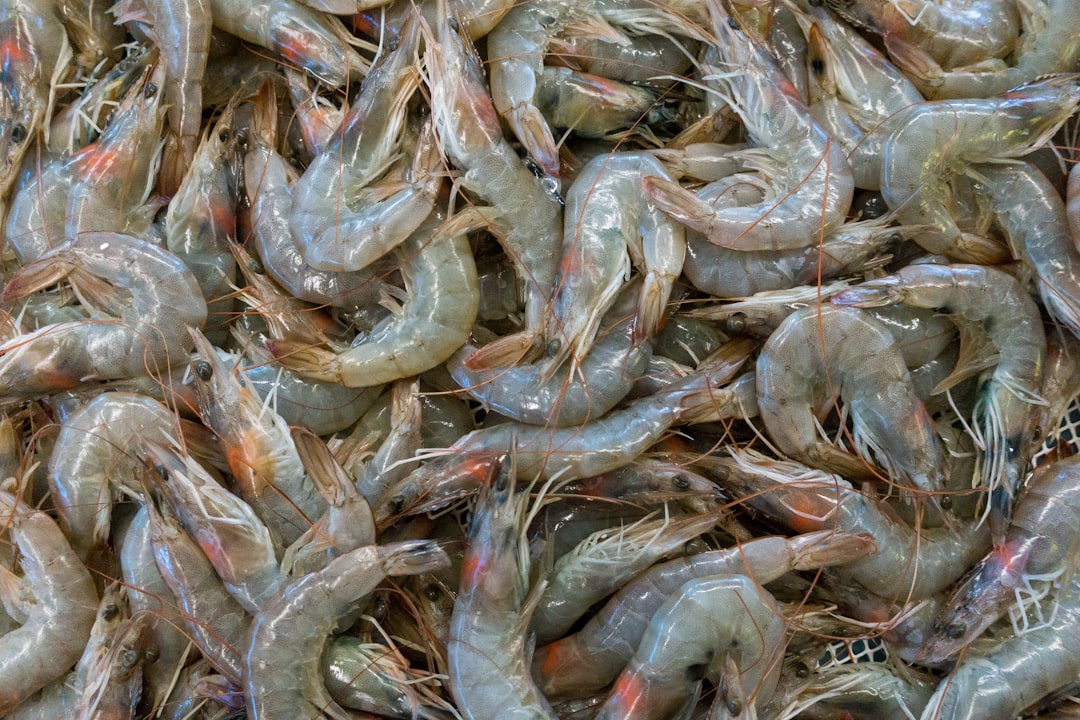
How LSU is Helping Keep Louisiana at the Center of the Nation’s Seafood Map
1. Strengthening the Seafood Workforce Through outreach programs like Louisiana Fisheries Forward, a partnership between Louisiana Sea Grant and the Louisiana Department of Wildlife and Fisheries, LSU helps fishers and processors modernize their operations. These voluntary programs teach best practices in handling, traceability, and sustainability — directly improving product quality and market reputation. LSU’s extension agents also provide hands-on disaster recovery assistance after hurricanes and market disruptions, helping ensure Louisiana’s seafood workforce remains resilient and ready for the next season. 2. Building Seafood Resilience The total economic value for oysters in 2018 was more than $180 million. Resilience defines LSU’s seafood science. Researchers at the LSU AgCenter and Louisiana Sea Grant are leading selective breeding programs and developing genetic tools to combat disease, temperature changes, and salinity stress. With a powerful combination of hatchery capacity, genetics expertise, and industry collaboration, LSU is helping Louisiana’s seafood industry adapt faster and smarter — protecting both the food supply and the economic backbone of coastal communities. 3. Powering Economic Growth Every part of LSU’s seafood research and outreach ties directly to Louisiana’s economy. AgCenter economists analyze market data and advise state and federal partners on strategies to grow the seafood sector. Meanwhile, Sea Grant specialists help entrepreneurs develop value-added seafood products, from branded lines to ready-to-eat options, that increase profit margins and create new jobs in coastal towns. By helping Louisiana seafood businesses stay competitive, LSU keeps more of the industry’s economic benefits right here at home. 4. Supporting Communities Louisiana’s seafood industry faces constant challenges. LSU’s coastal extension agents and Sea Grant programs provide on-the-ground support to help communities recover and rebuild after disasters. Whether assisting with dock repairs, connecting fishers to relief programs, or helping restart operations, LSU’s commitment ensures that Louisiana’s coastal workforce can weather any storm. 5. Preparing the Next Generation LSU’s work extends from the lab to the dock — and into the classroom. New research and education programs are training future scientists, producers, and entrepreneurs to continue Louisiana’s seafood legacy. For new LSU students interested in the coast, Bayou Adventure, a trip created by the College of the Coast & Environment (CC&E), was designed specifically to educate incoming freshmen about some of the challenges and marvels of the Louisiana coastline. The trip stops at sites that showcase "not just the significance of these areas to the state and nation, but the important work that is being done to sustain and preserve them," said Clint Willson, dean of CC&E. Through workforce development, hands-on learning, and applied research, LSU is shaping the next wave of innovators who will protect Louisiana’s coast and ensure its seafood remains world-renowned. Looking Ahead As the seafood industry faces new challenges and opportunities, LSU’s mission remains clear: to protect Louisiana’s coast, empower its seafood workforce, and ensure the state remains synonymous with the best seafood in America.

LSU Launches Louisiana’s Most Advanced Microscope at Research Core Facility
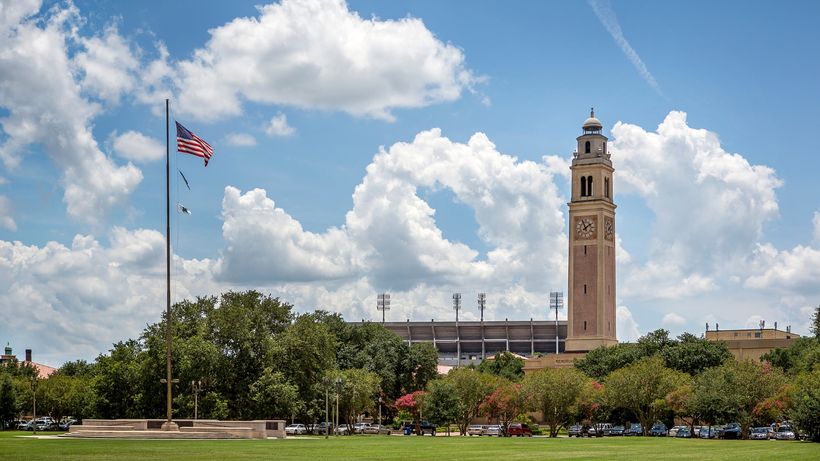
LSU’s Advanced Microscopy and Analytical Core (AMAC) facility gives Louisiana researchers access to 16 state-of-the-art instruments, including a new Spectra 300 Scanning Transmission Electron Microscope (S/TEM) for atomic-scale imaging and analysis. The new microscope—the most advanced in Louisiana—was installed with $10 million in support from the U.S. Army. Standing almost 13 feet tall on a platform isolated from vibration, the S/TEM required major renovations, including a raised ceiling, acoustic wall panels, and a magnetic field cancellation system to ensure the instrument’s stability and performance. The microscope offers magnification up to 10 million times, powerful enough to enlarge a single grain of Mississippi River silt to the size of Tiger Stadium. “This is a transformational moment for LSU and for the future of research in Louisiana,” Interim LSU President Matt Lee said. “With the installation of the most advanced microscope in the state, LSU is once again demonstrating how we’re delivering on our promises—leading in research, innovation, and service to the state and nation.” The launch of the AMAC and S/TEM demonstrates LSU’s increased investment in providing its faculty and partners with the best possible equipment for research and discovery, including for national defense, energy, and health. “Winning in research is no different than winning in athletics—the best facilities attract the best talent, and you need the best of both to win,” LSU Vice President of Research and Economic Development Robert Twilley said. “Today’s launch is about a state-of-the-art microscope but also the launch of the AMAC as our first research core facility at LSU—the first of more to come to attract, train, and supply the best research talent for Louisiana and build research teams that win.” Using a finely focused electron beam and techniques such as energy dispersive X-ray spectroscopy (EDS) and electron energy loss spectroscopy (EELS), the S/TEM can reveal both structure and chemistry at atomic resolution. These capabilities drive advances in materials science—improving semiconductors, solar cells, batteries, catalysts, coatings, and alloys—while supporting biomedical research by mapping drug delivery, uncovering the structures of viruses and bacteria, and improving medical implant design. LSU’s AMAC research core facility was recently rebranded, changing its name from the Shared Instruments Facility (SIF). Learn more about how AMAC instruments help unlock millions in federal research funding to Louisiana and deliver solutions.

Pumpkins have become a ubiquitous part of the autumn landscape. How exactly did that happen? Cindy Ott, associate professor of history at the University of Delaware and author of Pumpkin: The Curious History of an American Icon, has been featured twice on NPR this fall to discuss just that. On Morning Edition, she explored the evolution of the jack-o’-lantern – from Celtic folklore to the playful, child-friendly Halloween decorations of today – highlighting how pumpkins became symbols of rural life and harvest traditions. On All Things Considered, Ott traced the word “pumpkin” and the plant itself from Indigenous cultivation in the Americas to its status as a beloved autumn icon, showing how pumpkin imagery and nostalgia help sustain small family farms. Journalists covering food history, cultural traditions, seasonal trends or rural life will find Ott’s insights compelling, blending rigorous research with engaging storytelling. She can speak on pumpkins, jack-o’-lanterns, the cultural power of seasonal foods and how historical symbolism continues to shape modern American practices. Ott can be reached by emailing mediarelations@udel.edu.

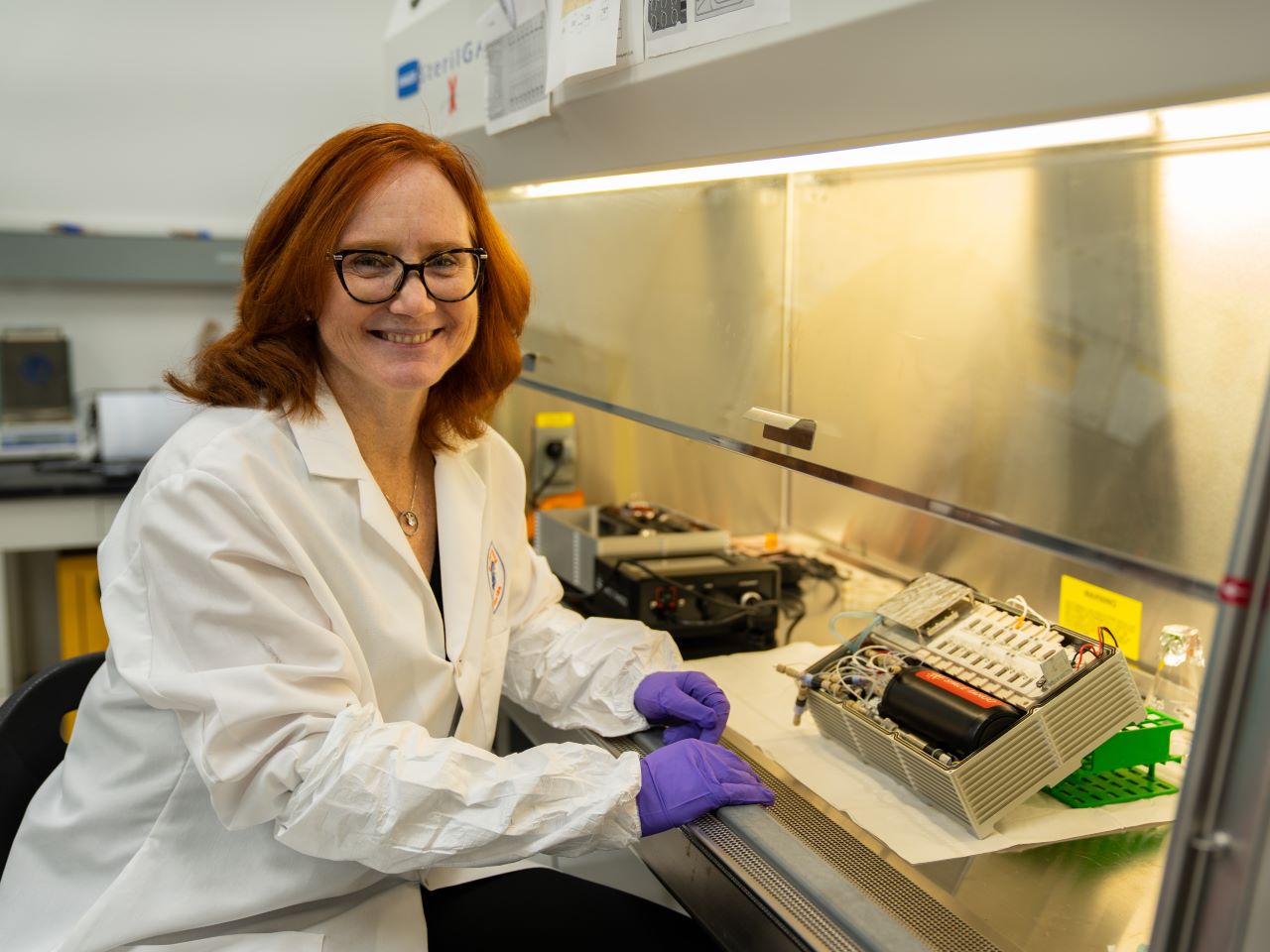
UF scientist studies muscle loss in space to benefit astronauts and patients on Earth
Astronauts traveling to Mars will face many challenges, but one of the most serious is muscle loss during long space missions. A new study led by University of Florida researcher Siobhan Malany, Ph.D., sheds light on how human biology changes in microgravity and could help protect astronaut health while also offering hope for patients with muscle-wasting diseases on Earth. Malany, an associate professor in the College of Pharmacy, a member of UF’s Astraeus Space Institute, and director of the in-space Biomanufacturing Innovation Hub, recently published findings showing how muscle cells adapt in space. Her team studied bioengineered three-dimensional muscle tissues derived from biopsy cells from both younger and older individuals and observed how they responded to electrical stimulation in microgravity. These micro-scale tissues called “tissue chips” were given nutrients and electric pulses autonomously in a miniature laboratory the size of a shoe box called a CubeLab.x. A camera system inside the box recorded the rate of muscle contraction. “This research is about more than just space,” Malany said. “By understanding how muscle tissue deteriorates much faster in microgravity, we can uncover new strategies to address muscle loss that occurs naturally with aging and with age-related diseases here on Earth.” Siobhan Malany studies the effects of microgravity on human muscle biology using an automated tissue chip system. View her profile here The study found that younger muscle tissue showed more pronounced changes in mitochondrial pathways — cellular systems that produce energy — than older tissue did when exposed to microgravity. Researchers also discovered that, on Earth, older muscle tissue responds less to electrical stimulation than younger tissue. But in space, the younger tissue showed a noticeable drop in its ability to contract, suggesting that younger muscle may experience a greater change when exposed to the space environment. These insights may help researchers design new treatments to protect muscles in astronauts during long missions, as well as develop therapies for people experiencing age-related muscle loss on Earth. The project was part of UF’s broader efforts to advance space biology. Through the Astraeus Space Institute, UF brings together experts across disciplines, from medicine and pharmacy to engineering and plant science, to address the unique challenges of space exploration. “UF researchers are helping lay the groundwork for humanity’s next giant leap,” Malany said. “It’s exciting to see our work contribute to both the health of astronauts and the lives of patients back home.” UF’s leadership in space biology is strengthened through collaboration with partners including the Kennedy Space Center Consortium and the Center for Science, Technology and Advanced Research in Space), both initiatives bringing together universities in Florida’s high-tech corridor, government agencies and industry leaders. Malany’s work also builds on long-term collaborations with AdventHealth, using donated tissue samples to model age-related muscle changes in space. Her team also works with SpaceTango, a NASA-certified aerospace company, to design the CubeLab that flew to the International Space Station on multiple SpaceX missions. Looking ahead, Malany and her team are developing new ways to study astronaut-derived cells, including both skeletal and heart muscle, generated from blood samples. These “avatars” could help researchers track changes before, during and after space missions, providing an unprecedented window into how microgravity affects the human body. “Now we can study cells from individual astronauts and see how they respond over time,” Malany said. “This helps us understand the risks of long-term spaceflight and also gives us a platform for testing potential treatments for muscle-wasting conditions on Earth.” By using tissue chips, small, bioengineered devices that mimic the structure and function of human organs, scientists in space can gather data more quickly and accurately than with traditional animal studies, potentially accelerating the discovery of therapies for aging-related muscle loss. Looking to know more about this amazing research or connect with Siobhan Malany - simply click on her icon now to arrange an interview today.


NBA stars' leg injuries loom over the new season. What's the prognosis?
Over the past year, fans in multiple NBA cities watched in horror as their stars went down with major lower leg injuries. And even though players like Tyrese Haliburton (ankle), Jayson Tatum (ankle) and Kyrie Irving (knee) will be back at some point, it’s quite possible they will never return to their prior peak, says the University of Delaware’s Dr. Karin Gravare Silbernagel. Dr. Silbernagel, an associate professor of physical therapy at UD, studies tendon injuries in the ankle and knee in elite athletes, especially Achilles ruptures and ankle function. She was quoted in an ESPN story on this topic at the end of last season and can specifically address the stars' injuries and what it might mean for their careers. Her research shows that even after successful surgery, many players return to the court but not many among them return to peak explosiveness or durability. Dr. Silbernagel, whose research on ankle and knee injuries dates back to the early 2000s, can also talk about the larger pattern of lower leg injuries reshaping the NBA. She consults with professional sports teams relating to tendon injuries and is a consultant to the NFL's Musculoskeletal Committee. To connect with Dr. Silbernagel directly and arrange an interview, visit her profile and click on the "contact" button. Interested reporters can also email MediaRelatons@udel.edu.


What the First U.S. Chikungunya Virus Case Means: LSU Expert Breaks It Down
"The main vector in the US, Aedes albopictus, is known to have been there so it isn’t terribly surprising that we’d eventually have a case. The fact that is was a local transmission case – meaning that a mosquito transmitted it to someone who had not traveled outside the area – is a bit concerning and points to a couple of things: We need more surveillance for these types of viruses; the fact that it got here means likely someone who had traveled brought it back from their vacation The surveillance infrastructure via the CDC and federal funding has been gutted – which of course is problematic when we have these sorts of introductions occurring. These types of mosquitoes go a little quiet in the fall/winter because it gets too cool for them to be as active as say the summertime. They’re lucky it’s in the fall and not at the start of summer, where the weather would be more conducive to MORE transmission. HOWEVER, as weather patterns change from a combination of climate change and urban development (which creates more heated areas), we’re going to see the times that these mosquitoes are more active becoming longer – which will again mean more opportunities for transmission. Of course, in Louisiana, these mosquitoes are active for a lot of the year. We have good mosquito control, but anyone who sits outside will tell you that doesn’t eliminate biting (though imagine if we didn’t have it) we need to stay vigilant and support the systems that protect us: mosquito abatement, federal and state surveillance, and the science and research that supports our ability to recognize and respond to outbreaks." Dr. Christofferson's recent research publications in this area:
New path to combating global malnutrition found in soil
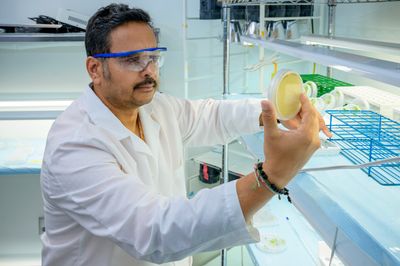
A new University of Delaware study has found that a naturally occurring soil microbe can boost protein-building amino acids in wheat. The finding by UD's Harsh Bais and others could pave the way for nutrient-rich staple crops — helping combat global malnutrition as fluctuations in weather reduce crop quality. In the study, published in the journal Frontiers in Microbiology, Bais and a team of researchers from UD, Stroud Water Research Center and the Rodale Institute investigated how a bacteria naturally found in the soil that is beneficial to human health can enhance the levels of the amino acid and antioxidant ergothioneine in spring wheat. The researchers grew the spring wheat — one of the most widely consumed cereal crops — in a laboratory. After letting the seeds germinate and grow for seven days, they added a strain of bacteria called Streptomyces coelicolor M145 to the spring wheat roots. After combining the bacteria and the plant, they separated the plant’s leaves and roots. Then, they extracted the amino acid ergothioneine from the samples, working to determine how much protein was in the plant’s roots and shoots. They found that 10 days after S. coelicolor had been added to the spring wheat roots, the bacteria was able to inhabit spring wheat’s roots and shoots, producing ergothioneine, bypassing the plant’s innate defense mechanisms, and fortifying the spring wheat. Wheat roots were inoculated with the benign bacteria Streptomyces coelicolor. The image shows the presence of bacteria on the root hairs on day 5. “It’s unusual," Bais said. “Unless there is a mutual advantage for either the plant or the microbe.” The findings suggest that an alternative plant breeding approach could be utilized to associate plants with benign microbes to increase protein content in staple crops. All of our cereal crops are very low in protein. Think rice and breakfast cereals, common foods people eat, derived from these crops. “This approach of harnessing a natural association of microbes with plants may facilitate fortifying our staple crops, enhancing global nutritional security,” Bais said. Bais said he believes using microbes to transport nutrients depends on the microbes’ relationship with plants’ roots. He continues to work to catalyze the colonization of plant roots by beneficial microbes. "Establishing a partnership with the appropriate types of microbes or microbial consortia for plants represents a method of engineering the rhizosphere — the region of the soil near plant roots — to foster a more favorable environment for either microbial associations that stimulate plant growth traits or enhance nutrient availability, which is the path forward,” Bais said. Bais, a professor of plant biology who was named a UD Innovation Ambassador earlier this year, said plants’ “below-ground” traits, such as how nutrient-dense they are, have long been overlooked. “As far as food security, we will have significant challenges by 2050 when the world’s population doubles,” Bais said. “We incentivize our farmers for crop yield; we don’t incentivize them for growing nutrient-dense crops. Growing nutrient-dense plants will enable the population to be fed better and avoid any potential nutrient deficiencies.” The study was funded by the U.S. Department of Agriculture and the Foundation for Food and Agriculture Research. Scientists have become more interested in soil bacteria as a means to solve issues with malnutrition and nutrient deficiencies. Alex Pipinos, the lead author and a UD Class of 2025 graduate with a master’s in microbiology, said environmental conditions are one factor diminishing protein content in plants. “Essentially, crops are becoming less nutrient-dense,” Pipinos said. “The more nutrients in crops, the more healthy humans can be.” Pipinos points to a strong link between soil microbes, plant health and human health. Ergothioneine, she said, has already been shown to lower the risk of cardiovascular disease. It’s also been shown to combat cognitive decline, with a strong link to healthy cognitive aging. “By enhancing ergothioneine in plants, we can improve human health,” Pipinos said. To reach Bais directly and arrange an interview, visit his profile and click on the contact button. Reporters can also contact UD's Media Relations Department.

Aston University: From Metformin to modern obesity therapies
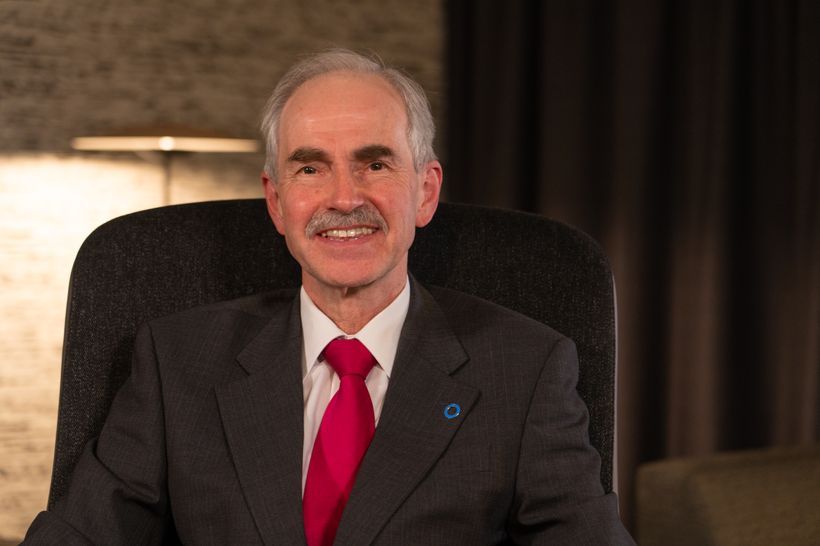
Early beginnings: from herbal medicine to modern drug The origins of a modern diabetes therapy can be traced back to Galega officinalis (goat’s rue), a herb used in European folk medicine for centuries to treat excessive thirst and urination. Its active chemical, guanidine, was found to lower blood sugar in animals in 1918, inspiring the synthesis of a family of drugs known as biguanides. Among these new drugs was metformin, created in 1922 and introduced as a treatment for diabetes in Europe in the late 1950s. However, by the 1970s, metformin was largely disregarded because other biguanide medicines were being withdrawn due to their side-effect of lactic acidosis. Revival in the 1990s: Aston’s role in rediscovery In the early 1990s, research at Aston University provided a decisive turning point. Professor Cliff Bailey and his colleagues revealed that metformin’s primary action occurred in the intestine, where it promoted glucose metabolism and reduced blood sugar without causing weight gain. Their studies clarified that concerns about lactic acid were largely due to misuse, not inherent toxicity. These findings reignited global interest in metformin. Professor Bailey presented his work as an expert witness to the US Food and Drug Administration in 1994, a critical step in securing approval of the drug in the US. He also assisted the European Medicines Agency during periodic reassessments. “My research has always focused on understanding how type 2 diabetes develops and how best to treat it.” Professor Clifford Bailey, Aston University. Establishing global first-line therapy Momentum built through the late 1990s. The UK Prospective Diabetes Study (1998) demonstrated that metformin not only improved blood sugar but also reduced cardiovascular risk, strengthening the case for its wider adoption. By 2012, the American Diabetes Association and the European Association for the Study of Diabetes recommended metformin as the preferred first-line treatment for type 2 diabetes. “We discovered that metformin worked somewhat differently from what was previously thought. By showing how it could be used safely and effectively, we helped pave the way for its wider acceptance.” Today, metformin is the most prescribed diabetes drug worldwide. It is included in the World Health Organization’s Essential Medicines List and has been taken by hundreds of millions of patients, profoundly reshaping global diabetes care. New directions: dapagliflozin and the SGLT-2 inhibitors After the success of metformin, Aston played a central role in the next wave of diabetes medicines. In the 2000s, Professor Bailey was principal investigator in clinical trials for dapagliflozin, the first of the sodium-glucose co-transporter-2 (SGLT-2) inhibitors. Unlike older therapies, SGLT inhibitors lower blood sugar by blocking reabsorption of glucose in the kidneys, causing excess glucose to be excreted in urine. Large international trials demonstrated additional benefits, including weight reduction, lower blood pressure, and improved outcomes for patients with kidney and heart disease. Since its launch in 2012, dapagliflozin has become the most widely prescribed SGLT-2 inhibitor, with more than five million patients treated. It is now embedded in global treatment guidelines, expanding therapeutic options to improve the control of blood glucose and body weight. Foundations for modern obesity therapies The influence of Aston University’s research extends beyond metformin and dapagliflozin. The University’s diabetes research team also studied gut hormones such as GIP (glucose-dependent insulinotropic peptide), which play a central role in regulating insulin secretion and fat metabolism. These early discoveries helped lay the groundwork for today’s incretin-based therapies, including combined GIP/GLP-1 receptor agonists such as tirzepatide. Now widely known as 'anti-obesity injections', these medicines emerged as diabetes treatments and are now transforming care for overweight people with and without type 2 diabetes. Key findings from the research at Aston University Metformin is now being investigated for its anti-ageing and fertility benefits Dapagliflozin shows promise against heart and kidney diseases and gout Gut hormones such as GIP may hold the key to entirely new treatment strategies Why does this matter? The work by Professor Bailey and his colleagues at Aston University has contributed to metformin’s recognition as the primary treatment worldwide for type 2 diabetes. Today, at least half of all patients in Western countries are prescribed metformin — an incredibly cost-effective medicine that continues to save lives. “We identified early on that gut hormones such as GIP were central players in the control of blood glucose and body weight — long before they became the basis for today’s new generation of anti-obesity medicines.” This original research helped lay the scientific foundation for breakthrough treatments like tirzepatide, widely hailed as a game-changer in obesity and diabetes care. Aston University also contributed to the development of dapagliflozin, the first in a new class of drugs that lower blood sugar while also protecting the heart and kidneys. “Millions of people worldwide are living longer and healthier lives because of therapies that have been underpinned by research at Aston University.” Looking ahead Type 2 diabetes remains one of the world’s most pressing health challenges, affecting more than 500 million people globally. Its progressive nature demands a continual search for safer, more effective treatments. From helping rescue a nearly forgotten drug in the 1990s to shaping the next generation of therapies, Aston University’s research has left an enduring mark on clinical practice, regulation, and patient outcomes. The legacy of this work is clear: millions of people worldwide are living longer, healthier lives because of medicines that Aston helped bring to the forefront of modern diabetes and obesity care. About Cliff Bailey is Emeritus Professor of Clinical Science and Anniversary Professor at Aston University in Birmingham, England. He has served on medical and scientific committees of Diabetes UK (formerly the British Diabetic Association), Society for Endocrinology, and European Association for the Study of Diabetes. He has served as a diabetes expert for the approval of new medicines by regulatory agencies including the European Medicines Agency and NICE. His research is mainly directed towards the pathogenesis and treatment of diabetes, especially the development of new agents to improve insulin action and reduce obesity, and the therapeutic application of surrogate beta-cells. Dr Bailey has published over 400 research papers and reviews, and four books, and he is particularly known for research on metformin. References to Case Studies and Key Sources Bailey CJ et al. Metformin: Changing the Treatment Algorithm for Type 2 Diabetes. Aston University REF Impact Case Study, 2014. Bailey CJ. Metformin: Historical Overview. Diabetologia, 2017. Bailey CJ & Day C. Treatment of Type 2 Diabetes: Future Approaches. British Medical Bulletin, 2018.