
Experts Matter. Find Yours.
Connect for media, speaking, professional opportunities & more.

Researchers explore alternate delivery method for potential Alzheimer’s treatment
“Traditionally, the nose has been used as a route for delivery of locally acting drugs,” Laleh Golshahi, Ph.D., explained. “But recently, there has been a great deal of interest in the direct pathway through the olfactory region. That’s the same region where we smell, and that route is a direct pathway to the brain.” Golshahi, associate professor in VCU’s Department of Mechanical and Nuclear Engineering, leads the collaboration. Other members of the group are Worth Longest, Ph.D., the Louis S. and Ruth S. Harris Exceptional Scholar and Professor in the Department of Mechanical and Nuclear Engineering; Michael Hindle, Ph.D., the Peter R. Byron Distinguished Professor in VCU’s Department of Pharmaceutics; and Arya Bazargani, a Ph.D. student in VCU’s Interdisciplinary Center for Pharmaceutical Engineering and Sciences. The project is supported by a $200,000 internal grant from VCU Breakthroughs, a new internal funding mechanism as part of the Optimizing Health thrust of the One VCU Research Strategic Priorities Plan being implemented by the university’s Office of the Vice President for Research and Innovation. Hindle said that studies of nasally administered insulin have shown some promise for reducing the effects of Alzheimer’s. Unfortunately, delivery by injection, the most common way to deliver insulin, is ineffective for Alzheimer’s and other cerebral conditions because of the blood-brain barrier. Bazargani explained that nose-to-brain delivery of pharmaceuticals circumvents the blood-brain barrier, the lining of the blood vessels that surround the brain, guarding the central nervous system against a host of pathogens. “It’s usually a good thing,” he said. “But not when you’re trying to induce therapeutic effects into the brain.” Bazargani explained that insulin molecules are so large that the blood-brain barrier filters out most of the insulin. Hindle pointed out that even though the VCU team is avoiding the blood-brain barrier, insulin delivery still presents a number of challenges. “Insulin is a pretty fragile molecule, you know. It’s stored in the fridge,” Hindle said. “We need to include insulin in some sort of stable formulation — either a powder or a liquid nasal spray. We have to create the right particle or droplet size to get it into the right area of the nose.” Formulation development is only half of a two-pronged challenge, Golshahi said. The second aspect is the creation of a device that can deliver a dose way up to the olfactory region. “The nose is a challenge, because it’s designed as a filter to keep aerosols out of the body,” said Longest, who, along with Golshahi and Hindle, brings expertise in computational fluid dynamics to the team. “And the olfactory region is an especially troubling or difficult region to target, because it’s designed just to let a few molecules of what we inhale deposit.” Chief among the nasal filtering defenses, Golshahi said, is mucociliary clearance. Nasal passages are lined with mucous-coated cilia — moving microscopic projections on cells — sweeping foreign substances out of the air we breathe. The cilia do an excellent job, she said, but their efficiency makes it difficult to achieve a consistent delivery to the olfactory region. Another challenge, she added, lies in the fact that all noses are different. The collaborators are using in vitro and in silico methodologies. For the in vitro work, they have an array of 3D printed nose models, based on computed tomography (CT) scans. Golshahi said they have multiple anatomical casts of human nasal airways to test likely device/formulation combinations for their insulin/Alzheimer’s initiative. “We are going to use three of those nasal casts as our starting point,” she said. “We’ll connect the casts to a breathing simulator, which is basically a machine you can program to add the air going through — sort of bringing them to life.” Golshahi added that data from the casts will inform the in-silico component of the work — computational analysis that is expected to verify or challenge observations from the lab. Hindle said that once the team has developed a satisfactory formulation-device system, they can tackle the next challenge: identifying the dominant pathway from the olfactory region to the brain. “There are a variety of theories out there,” he said. “It could go along the nerve passageway. It could go between the nerve walls and the cells linking them.” “We have all the equipment and all the expertise necessary to be able to develop a formulation, and to put it in a device that leads to the highest amount of delivery to the target region,” Golshahi said. “And we are able to quantify how successful that combination of formulation and device is.”


Tokyo International Conference on African Development
Aston University co-hosted parts of the eighth Tokyo International Conference on African Development (TICAD8). There was a total of six talks hosted by the University, five of which are available to catch up on below. TICAD8 is the eighth event of TICAD, having been initiated by Japan in 1932. The conference brings together international organisations and business representatives from African countries and Japan to promote the digitalisation of African nations to keep pace with other leading economies. Cyber security and data privacy were two of the main topics up for discussion as well as central bank digital currencies (CBDC). CBDC is a government-issued fiat currency, that is, a currency not backed by a commodity such as gold. The use of an ideal CBDC will eliminate over 100,000 armoured cars carrying cash for ATM machines all over the world, reducing CO² emissions. Experts say transitioning to fiat currency requires the highest level of cyber security. The digitalisation of the healthcare sector in Africa Professor Georg Holländer of Oxford University speaks with Aston University visiting professor - and GVE founder - Koji Fusa. The discussion focuses on the benefits of an electronic health record for both an individual and the health care provider but will also relate these benefits to issues of public health and research. The technical challenges of providing the conventional infrastructure to establish health care records will be touched on with a focus placed on data security. Reasons will be pointed out that impede the uptake of electronic health records, especially in low and middle income countries, and possible solutions are presented to overcome this problem. CBDC and private sector digital currency will facilitate the digitalisation of nations of African countries CBDC will require the highest security and privacy protection. Professor Koji Fusa, Cyber Security Innovation Centre, Aston University, CEO of GVE Ltd discusses the benefits of a comprehensive digitalisation of fiat currency. This will become a powerful digital infrastructure which could expand into other areas like healthcare. The cyber security issue pointed by the US NIST in 2016 could be solved by having a different set of systems which could reduce the risks being presented by international hacking groups having quantum computers in the future. The World Bank's support for digitalisation of Africa Takashi Miyahara, the Executive Director of the World Bank Group, presents this talk in his personal capacity. Mr. Miyahara introduces the World Bank’s contribution to date, and Japan’s collaboration with the Bank, for digital development of Africa. Mr. Miyahara worked for the Ministry of Finance of Japan since 1986 before he took the current position in January 2021. Vaccine and climate transition in Africa René Karsenti, senior adviser and honorary president of the International Capital Market Association (ICMA), former board chair of the International Finance Facility for Immunisation (IFFIm), honorary director general of the European Investment Bank (EIB) and member of the Global Advisory Board of GVE Ltd, talks to Aston University's Koji Fusa about vaccine and climate transition in Africa: two major challenges, lessons from innovative ESG financing and future endeavours. Health and vaccine finance, climate transition and sustainable finance have sparked a revolution in thinking about innovative solutions leading to implementing successfully new humanitarian finance such as IFFIm, financing GAVI, the Vaccine Alliance, as well as other new ESG investments to achieve a positive impact. He says: "Needs remain huge in Africa. "We are now at a decisive moment in such ESG investments. We have evolved in a few years from a situation where investors knew - and cared - little about what their investments were supporting, to one where purpose matters more than ever. "But only by recognizing the urgency for action particularly in Africa and the power of ESG investment, collaboration, technology and innovation would get us there." Cyber security, financial integrity and developments Professor George Feiger is the executive dean of the College of Business and Social Sciences at Aston University. He suggests truly secure data transfer has the capability to transform more than medicine and finance in the efficiency sense and also holds out the promise of helping to clean up the even more consequential problem of looting of the state.


Manuka honey could help to clear deadly drug-resistant lung infection – research
• Scientists develop a potential nebulisation treatment using manuka honey to clear a drug resistant lung infection that can be fatal in cystic fibrosis patients • Aston University researchers combined the antibiotic amikacin with manuka honey as a novel treatment for Mycobacterium abscessus • Using the manuka honey combination resulted in an eight-fold reduction in the dosage of the antibiotic A potential new treatment combining natural manuka honey with a widely used drug has been developed by scientists at Aston University to treat a potentially lethal lung infection and greatly reduce side effects of one of the current drugs used for its treatment. The findings, which are published in the journal Microbiology, show that the scientists in the Mycobacterial Research Group in the College of Health and Life Sciences at Aston University were able to combine manuka honey and the drug amikacin in a lab-based nebulisation formulation to treat the harmful bacterial lung infection Mycobacterium abscessus. Manuka honey is long known to have wide ranging medicinal properties, but more recently has been identified for its broad spectrum antimicrobial activity. Now scientists have found that manuka honey has the potential to kill a number of drug resistant bacterial infections such as Mycobacterium abscessus – which usually affects patients with cystic fibrosis (CF) or bronchiectasis. According to the Cystic Fibrosis Trust, CF is a genetic condition affecting around 10,800 people - one in every 2,500 babies born in the UK -and there are more than 100,000 people with the condition worldwide. The NHS defines bronchiectasis as a long-term condition where the airways of the lungs become widened, leading to a build-up of excess mucus that can make the lungs more vulnerable to infection.. In the study, the researchers used samples of the bacteria Mycobacterium abscessus taken from 16 infected CF patients. They then tested the antibiotic amikacin, combined with manuka honey, to discover what dosage was required to kill the bacteria. As part of the study the team used a lab-based lung model and nebuliser - a device that produces a fine spray of liquid often used for inhaling a medicinal drug. By nebulising manuka honey and amikacin together, it was found they could improve bacterial clearance, even when using lower doses of amikacin, which would result in less life-changing side-effects to the patient. In the UK, of the 10,800 people living with CF, Mycobacterium abscessus infects 13% of all patients with the condition. This new approach is advantageous not only because it has the potential to kill off a highly drug resistant infection, but because of the reduced side effects, benefitting quality of life and greatly improving survival chances for infected CF patients. Mycobacterium abscessus is a bacterial pathogen from the same family that causes tuberculosis, but this bug differs by causing serious lung infections in people (particularly children) with pre-existing lung conditions, such as CF and bronchiectasis, as well as causing skin and soft tissue infections. The bacteria is also highly drug resistant. Currently, patients are given a cocktail of antibiotics, consisting of 12 months or more of antimicrobial chemotherapy and often doesn’t result in a cure. The dosage of amikacin usually used on a patient to kill the infection is 16 micrograms per millilitre. But the researchers found that the new combination using manuka honey, required a dosage of just 2 micrograms per millitre of amikacin - resulting in a one eighth reduction in the dosage of the drug. Until now Mycobacterium abscessus has been virtually impossible to eradicate in people with cystic fibrosis. It can also be deadly if the patient requires a lung transplant because they are not eligible for surgery if the infection is present. Commenting on their findings, lead author and PhD researcher Victoria Nolan said: "So far treatment of Mycobacterium abscessus pulmonary infections can be problematic due to its drug resistant nature. The variety of antibiotics required to combat infection result in severe side effects. "However, the use of this potential treatment combining amikacin and manuka honey shows great promise as an improved therapy for these terrible pulmonary infections. “There is a need for better treatment outcomes and in the future we hope that this potential treatment can be tested further.” Dr Jonathan Cox, senior lecturer in microbiology, Aston University said: “By combining a totally natural ingredient such as manuka honey with amikacin, one of the most important yet toxic drugs used for treating Mycobacterium abscessus, we have found a way to potentially kill off these bacteria with eight times less drug than before. This has the potential to significantly reduce amikacin-associated hearing loss and greatly improve the quality of life of so many patients – particularly those with cystic fibrosis. “I am delighted with the outcome of this research because it paves the way for future experiments and we hope that with funding we can move towards clinical trials that could result in a change in strategy for the treatment of this debilitating infection.” Dr Peter Cotgreave, chief executive of the Microbiology Society said: "The Microbiology Society is proud to support the scientific community as it explores innovative solutions to overcome the growing global challenge of antimicrobial resistance. This study demonstrates one of many ways in which microbiologists are pioneering new methods to tackle drug-resistant infections, by incorporating natural products, like manuka honey, into existing therapies." For more information about the School of Biosciences, please visit our website.


Aston University welcomes new Vice-Chancellor and Chief Executive
• Professor Aleks Subic has taken up the role of Vice-Chancellor and Chief Executive, joining Aston University from RMIT in Australia • Professor Subic is a recognised global leader in technology and innovation. Aston University has welcomed Professor Aleks Subic as its new Vice-Chancellor and Chief Executive. He has joined Aston University from RMIT in Australia where he was Deputy Vice-Chancellor of the College of Science, Engineering and Health and Vice President for Digital Innovation. Prior to that, he was Deputy Vice-Chancellor (Research and Enterprise) at Swinburne University of Technology. Professor Subic is a recognised global leader in technology and innovation in higher education, leading on Industry 4.0 strategy and digital transformations across the university sector and with industry and governments both in Australia and internationally. He has received a number of prestigious awards for his work, including the Australian Business Innovation Award and the Victorian Manufacturing Hall of Fame Award. He is a passionate and lifelong advocate for multiculturalism, equality, diversity and inclusion, leading through clear actions and strategic initiatives at enterprise level. These include creating and appointing the first Dean of STEMM Diversity & Inclusion in Australia, establishing Women in STEMM Fellowships and mentoring scheme, Indigenous Research Fellowships, scholarships and internships programs, and creating an innovation precinct with start-up accelerators and industry incubators focused on founders from diverse backgrounds and access. On joining Aston University, Professor Subic said: “I am arriving at a pivotal time in the University’s history, to build on the strong foundations established by its leaders and staff, past and present, and to develop and lead our new bold strategy. Our next stage of development will be ambitious, aiming to achieve our full potential within a rapidly changing world. “I can see huge potential for creating a globally relevant university, a leader in science, technology and enterprise – by transcending academic disciplines, applying the knowledge we create and driving innovation, to improve the lives and livelihoods of those with whom we work. “Building on our collective expertise, experience and professional networks, I look forward to supporting our students, industries and communities in Birmingham and the West Midlands region, as well as our strategic partners nationally and internationally.” Professor Subic is married to Tatjana, and they have three children: Sandra, Katarina and Stefan.

Russia historian on legacy of Mikhail Gorbachev
Kathryn David, Mellon Assistant Professor of Russian and East European Studies, is available for media commentary on the legacy of Russian and Soviet leader Mikhail Gorbachev. Kathryn specializes in the history of Ukraine and Russia, with research interests including connections between religious and national belonging and the aftermath of World War II in the Soviet Union. In particular, she can speak to Gorbachev's mixed legacy in Ukraine. Her initial thoughts: "On the one hand, Gorbachev made the case for Russia and Eastern Europe to be closer to the West and built on a foundation of democratic values, goals that Ukraine is fighting for today. But on the other hand, as much as Gorbachev wanted deep reforms, he still wanted the USSR to stay together. While he was willing to let the countries of Eastern Europe go their own way, he tried desperately to keep Russia, Ukraine and other republics together, reluctant to let Moscow's empire break apart. For many in Ukraine, Gorbachev represents a figure that remains common in Russian society today: one who believes in liberal values, but still clings to the idea of empire."


Researchers are exploring new ways to ‘listen’ to and record electrical signals emitted from brain cells Findings could be used to help treat conditions like epilepsy and schizophrenia Project will use newly developed nanomaterials to keep removed samples of brain healthy for longer to allow more understanding of what generates epileptic seizures. A new method of examining the brain’s electrical signals could hold the key to better treatment and understanding of conditions like epilepsy and schizophrenia. Researchers at Aston University are exploring new ways to ‘listen’ to and record electrical signals emitted from brain cells, which could be used to help treat the conditions. Dr Petro Lutsyk, lecturer in electronic engineering and systems in the College of Engineering and Physical Sciences and member of Aston Institute of Photonic Technologies (AIPT), together with Dr Stuart Greenhill, senior lecturer in neuroscience in the College of Health and Life Sciences and member of Aston Institute of Health and Neurodevelopment (IHN), have been awarded £100,000 by the Royal Society to conduct the project Nanomaterial Webs for Revolutionary Brain Recording. Currently, epilepsy patients who can’t be helped by drugs may undergo brain surgery in order to prevent seizures, removing the part of the brain that is the ‘focus’ of the seizures. Dr Greenhill said: “The research project will use newly developed nanomaterials to keep samples of brain healthy and active for far longer than current technology allows, whilst recording the activity of the tissue. “This allows more understanding of what generates epileptic seizures and opens up new avenues for drug development, meaning fewer surgeries may be needed in the future. “Eventually, the technology may lead to new and better ways of recording from patients’ brains before surgery.” The two-year project will see materials and electronic engineering applied to translational neuroscience research. The grant is from the Royal Society APEX Awards scheme (Academies Partnership in Supporting Excellence in Cross-disciplinary research award) which offers researchers with a strong track record in their area an opportunity to pursue interdisciplinary research to benefit wider society. For more information about studying at Aston University please visit our website.


Aston University and Partnership Medical shortlisted for knowledge transfer partnership award
Aston University and Partnership Medical (PML) have been shortlisted for an award at the KTP Awards 2022. The partnership has been shortlisted in the category of Best Knowledge Transfer Partnership for its work on a revolutionary automated cleaning system which uses synthetic chemistry to sterilise endoscopes, reducing risks of contamination to patients and lowering rates of mortality. A knowledge transfer partnership (KTP) is a three-way collaboration between a business, an academic partner and a highly qualified researcher , known as a KTP associate. The UK-wide programme helps businesses to improve their competitiveness and productivity through the better use of knowledge, technology and skills. Aston University is the leading KTP provider within the Midlands. The KTP Awards recognise the people and partnerships behind the UK’s most inspiring and successful KTP projects. At present there are more than 800 inspiring collaborations happening across the country. Endoscopes are long, thin tubes with a light and camera at one end. Due to the sensitivity of the materials and electronics they cannot be sterilised, opening up high potential for cross infection. Through their automated cleaning system, Aston University and PML achieved industry-leading levels of disinfection, reducing risks of contamination to patients and lowering rates of mortality. The automated prototype and new cleaning materials developed in the KTP produced astonishing results in clinical trials, with a simple five-minute treatment offering deep cleaning levels 1,000 times better than anticipated, providing hygiene levels far superior to those currently possible using conventional manual procedures Mark Smith, executive director of business and regional engagement at Aston University, said: "It’s truly wonderful that Aston University has been formally recognised as a sector leader for knowledge transfer programmes, reflecting the scale and quality of our work with business. Making the shortlist is a recognition of our continued growth and sustained achievements in the knowledge exchange area. “The Aston University and Partnership Medical project has resulted in a far more effective medical cleaning system that ensures that endoscopes are truly sterile, which will ultimately save lives. This is just one example of the University’s real-world support for businesses and their customers. “It is an honour to be considered for best KTP at such a prestigious event, especially when knowledge exchange activity is at a high, with over 800 collaborations happening across the UK.” Partnership Medical Ltd (PML), based in Stoke-on-Trent, are specialists in supplying cleaning equipment and consumables for flexible endoscopes with over 20 years of distributor experience. The company aims to become a leading manufacturer/provider for endoscopic departments in clinics and hospitals worldwide. The Aston University team who worked on the KTP included Dr Andy Sutherland, reader in organic chemistry and member of the Aston Institute of Materials Research, Dr Tony Worthington, associate professor in clinical microbiology and infectious diseases and member of the Biosciences Research Group together with KTP associate, Dr Thien Duong, an expert in synthetic chemistry. The awards ceremony will take place on Wednesday 12 October in Liverpool and will be streamed online for those unable to attend in person.

What's next in Georgia's 2020 election saga?
All eyes are on Georgia once again, but this time it's not about an upcoming election. As we sort through the 2020 election aftermath that saw Georgia in a tug-of-war between lawyers, politicians and pundits, the actions a few important figures may now be coming to light. Rudy Giuliani, the former advisor to President Trump, may be in some serious trouble according to Augusta's leading political expert, Dr. Gregg Murray. "When politicians are involved, there are almost always political calculations," Murray said. "But there’s a lot of information suggesting there may be problematic behavior that he was heavily involved with. There are reports of investigations involving several possible Georgia law violations: solicitation of election fraud, making false statements to local officials, conspiracy, racketeering, violations of oath of office and involvement in violence or threats of violence, according to Voice of America." As for Sen. Lindsey Graham, he, too, has been summoned to appear and explain how he may or may not have attempted to influence the election outcome. A federal judge on Monday turned down Sen. Lindsey Graham’s bid to throw out a subpoena compelling him to testify before the Atlanta-area grand jury investigating Donald Trump’s effort to overturn the 2020 election. “[T]he Court finds that the District Attorney has shown extraordinary circumstances and a special need for Senator Graham’s testimony on issues relating to alleged attempts to influence or disrupt the lawful administration of Georgia’s 2022 elections,” U.S. District Court Judge Leigh Martin May wrote in a 22-page opinion rejecting Graham’s effort and sending the matter back to state courts for further proceedings. Politico, Aug. 15 According to Murray, defying the judge's request might be the likely choice for the senator. "It seems the Republican party is still clearly tied to Trump," Murray adds. "I don’t think he would be hurt politically by not showing up. It’s an interesting question if some people would hold it against him for showing up." This legal wrangling will be long and drawn out, so if you are covering this topic, let our expert help with your story. Dr. Gregg Murray is available to talk about the election audit and what it might mean for voters in Georgia and across the country. Murray’s research focuses on political behavior and psychology with specific interests in voter mobilization and turnout. He is also executive director of the Association for Politics and the Life Sciences. Simply click on Murray's icon to arrange an interview today.


Research team aims to enhance security of medical devices
Tamer Nadeem, Ph.D., the principal investigator of the VCU-based MedKnights project, explained that the project’s focus is on the Internet of Medical Things (IoMT). Nadeem and co-PI Irfan Ahmed, Ph.D., both associate professors in the VCU College of Engineering Department of Computer Science, recently received $600,000 from the NSF’s Office of Advanced Cyberinfrastructure to put together a framework to improve IoMT security. IoMT devices are used in a range of diagnostic, monitoring and therapeutic applications. IoMT includes patient monitors, ventilators, MRI machines — even “smart beds.” Ahmed cited the internet-connected insulin pump is a good example of an IoMT device. Internet connectivity allows for both monitoring and adjusting the dosage remotely — functions that require a high degree of security for patient privacy as well as safety. All IoMT devices are potentially vulnerable to ransomware, denial of service and other malicious hacker attacks. Nadeem points out that IoMT devices have a higher security requirement than traditional IoT devices such as smart doorbells and smart thermostats in homes. “The most important thing in the medical domain is privacy,” Nadeem said. “For IoT devices in your home, you wouldn’t care that much about privacy, but for medical devices, it is an essential thing. You wouldn’t want anyone to know what your health conditions are, or what problems you might have had.” The work of the MedKnights group is important, as the IoMT domain is expanding; there is growth in terms of types of devices, number of patients using them and number of IoMT vendors. Nadeem added that the COVID pandemic and accompanying quarantine and stay-home orders increased the focus of medical-technology providers on the possibilities of IoMT. “Talking to some of the medical-device providers, I’ve learned that they are considering a line of products where they can remotely monitor patients on those devices, and they also can configure those devices remotely,” Nadeem said. Security is a large concern for the new generation of devices, because the current IoMT devices have been hit hard by hackers, he said. Security is an issue that extends from the individual patient to the institution. “Statistics show there are a lot of ransom attacks being done on the health sectors during the pandemic,” Nadeem said. “That motivated us.” The MedKnights team’s preparation for taking on the dragon of malicious IoMT attacks includes building a “test bed,” an isolated hardware/software assembly that Nadeem says will mimic the internet-enabled hospital setting. “In the hospital environment, there’s set of rooms. Each room has a lot of medical devices; they could be wired, or they could be wireless devices,” he said. “But there is no way that we can do what we want to do in a hospital.” The test bed will incorporate IoMT datasets based on typical device behavior, traffic and known malicious attacks. Nadeem explained that MedKnights will explore vulnerabilities of various IoMT hardware and software by subjecting the elements of the IoMT test bed to a range of attacks. “We will try to see in real time how efficient our technologies to monitor or detect these attacks, then try to intervene if we notice any change in the activities on the network,” he said. “Now, if the attacks manage to get into the device, we would like to also to start to see whether we can monitor these devices and observe abnormality or any misbehavior.” Nadeem said the next step is to isolate the source of fishy activity in the test bed network and begin to reverse-engineer the malware. He explained the group will work on understanding the question by looking for the “hole” that created the vulnerability. Ahmed said the MedKnights will bring undergraduates into the project through DURI, the Dean’s Undergraduate Research Initiative at the VCU College of Engineering. High school students will have an opportunity to join the team through a similar program known as the Dean’s Early Research Initiative, or DERI. DURI and DERI are just two ways of getting younger scientists and engineers involved in actual research. “For the last couple of years, I’ve been contacted by local high schools to host a couple of their students during the summer,” Nadeem added. “The students were really excited about it. We came up with some nice ideas about how to extend that work to their classrooms. As we continue this project, we will reach out to the schools, because we would love having a couple of their students involved.”


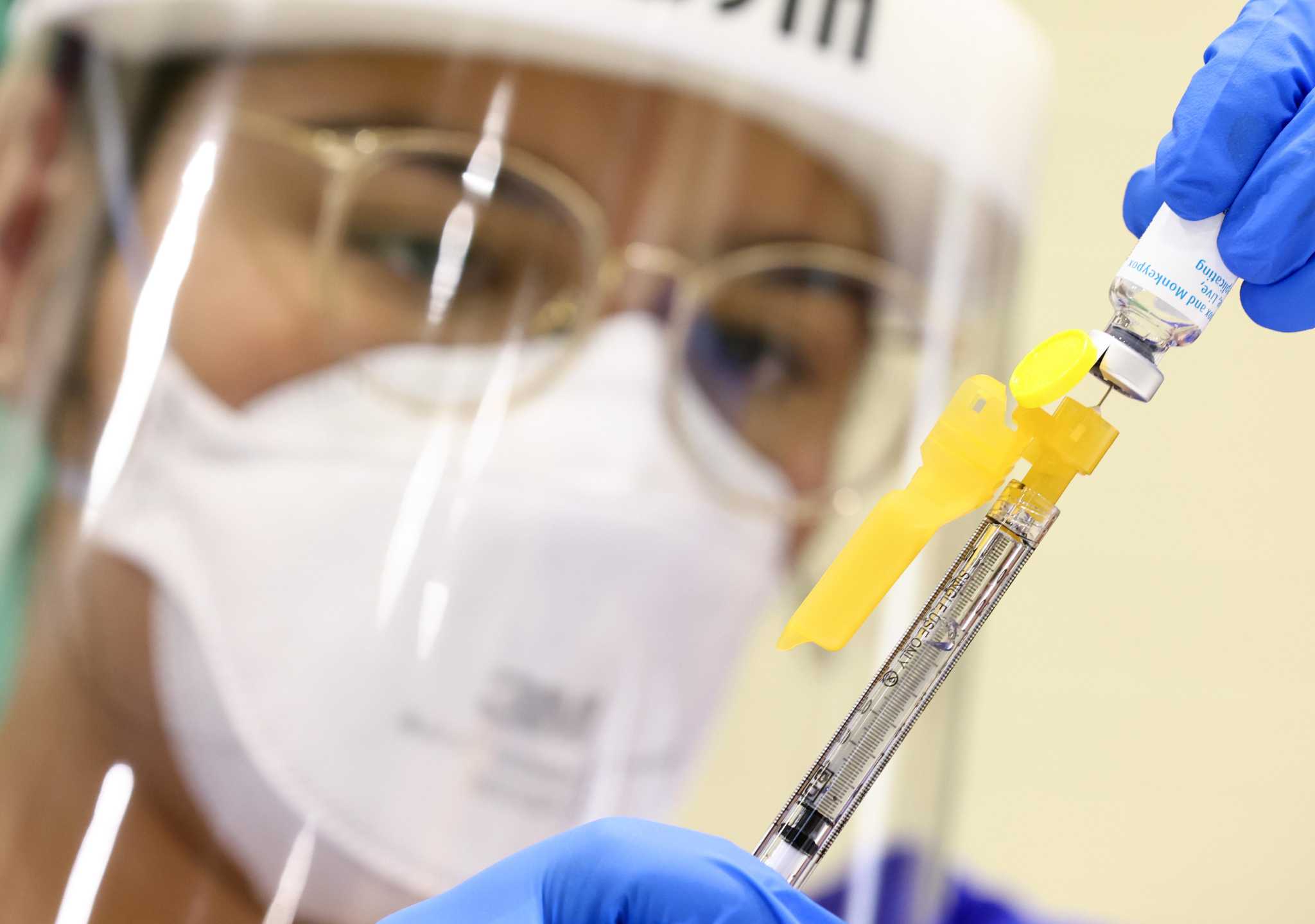
Monkeypox and children - A leading virologist explains
Though the CDC has stated there are no confirmed cases of the monkeypox virus among patients under 18 in Connecticut, a handful of cases involving children have been reported across the country. Paulo Verardi, associate professor of virology and vaccinology at UConn, is taking on some of the important questions about monkeypox and children and offering his expertise and clarity regarding a topic that has many Americans and parents concerned: Are children specifically at risk? A: “Anyone is at risk of contracting monkeypox and spreading it to other people, typically by direct, close contact, such as skin to skin contact. That includes touching monkeypox lesions that sometimes can be hard to notice, or touching and using objects such as toys, clothes, and bedding of someone that is infected. “In this context, it is important to point out that the virus can stay in the environment without losing infectivity for quite some time. Children are very active, social, and tactile, so spread in settings like schools and day care facilities is something we need to consider, particularly if the outbreak continues to evolve and infections become more widespread in diverse populations.” Does the disease traditionally present differently in younger people? Is the symptomology different? A: “In general, symptoms are similar in adults and children, although for this outbreak with this specific strain of the virus, our clinical experience in children is limited because we have had only a few cases so far. “Rash or skin lesions are typical, and fever and swollen lymph nodes (lymphadenopathy) are also common symptoms. However, children may be at higher risk of more severe disease and complications from monkeypox, particularly if they are very young, have skin conditions like eczema, or are immunocompromised.” If you are a journalist looking to cover this topic, let us help with your stories. Paulo Verardi is a virologist who specializes in vaccine research and development and is a member of the Center of Excellence for Vaccine Research. Dr. Verardi is available to speak with media regarding virology, monkeypox, COVID-19, and other viruses – simply click on his icon now to arrange an interview today.

