
Experts Matter. Find Yours.
Connect for media, speaking, professional opportunities & more.

In new study in journal Gene Therapy, researchers at ChristianaCare’s Gene Editing Institute describe how the advance is validating the safety and efficacy of their novel approach for using CRISPR to improve lung cancer treatments A new study from scientists at ChristianaCare’s Gene Editing Institute is advancing the safety and efficacy of using CRISPR gene editing in patient treatments by demonstrating how to identify and evaluate the broad-based biological impact of gene editing on targeted tissues, where the edits are designed to fully disable or “knock out” a specific sequence of genetic code. The work, published today in the Nature journal Gene Therapy, supports the Institute’s efforts to improve lung cancer treatments by using CRISPR to disable or alter a master regulator gene to prevent it from producing a protein that blunts the impact of chemotherapy. “We found that when you use CRISPR, the edits sometimes end up altering rather than completely disabling the target gene, so we developed a process to gain a more complete understanding of what that means for patients,” said Eric Kmiec, Ph.D., executive director and chief scientific officer of ChristianaCare’s Gene Editing Institute and the principal author of the study. Dr. Kmiec said that for his team’s lung cancer work, “We discovered that even when our CRISPR-based genetic manipulation did not completely disable the targeted gene, it altered it in ways that appear to make lung cancer tumors more sensitive to chemotherapy. Validating lung cancer research using CRISPR “We were fortunate that our strategy for using CRISPR to improve lung cancer treatments has been validated once again,” he added. “But our commitment to conducting an unbiased assessment of our approach highlights the importance of examining all potential outcomes of an attempt to use CRISPR to knock out a specific gene. Specifically, anyone developing CRISPR therapies needs to be on the lookout for edits that don’t fully knock out a section of DNA code—and evaluate the potential impacts for patients. They could be positive, as they were in our case, negative or neutral, but they need to be known.” Much of the excitement around medical applications of CRISPR involves using the tool to disable harmful genes by editing or “knocking out” a specific sequence of DNA code. But there is increasing evidence that in the wake of a CRISPR edit, cells may remain that contain merely an altered form of the targeted code that allows the gene to continue to produce biologically active proteins. Scientists at the Gene Editing Institute are investigating the potential of using CRISPR to disable a gene called NRF2 to alter production of the protein that protects squamous cell carcinoma lung cancer tumors from the effects of chemotherapy or radiation. They already have shown, in studies with tumor cells and in animals, that they can selectively target the NRF2 gene without affecting normal cells, where the gene confers health benefits. In the present study they wanted to go further. They wanted to fully understand the implications of a CRISPR gene edit that allowed the NRF2 gene to retain enough DNA code to continue making a version of the protein, albeit in an altered or truncated form. The team is laying the groundwork for a clinical trial that would use CRISPR to improve the efficacy of conventional chemotherapy and radiation treatments. Dr. Kmiec said that before proceeding, he wanted his team to develop a clear process for identifying and evaluating all outcomes of CRISPR edits. Identifying and understanding the diversity of genetic outcomes produced by CRISPR-directed gene editing has been a centerpiece of the foundational research programs established by the Gene Editing Institute. Using CRISPR in a safe way “We carry out experiments in an unbiased fashion, not hoping for a particular outcome, but with patient safety and efficacy serving as the true north for our scientific endeavors,” Dr. Kmiec said. “No matter what we uncover or elucidate, the insights will help both ChristianaCare and the entire field use CRISPR in a safer and more efficacious manner.” The researchers found multiple cells where the targeted strand of DNA code in the NRF2 gene was not completely knocked out. Rather, following the CRISPR edit, cells emerged that had retained enough of the original code to continue producing a different form of the protein. Tests revealed that cancer tumor cells generating these altered proteins may be more vulnerable to chemotherapy drugs. "For the work we are doing with NRF2, the truncated proteins generated by the CRISPR edit appear to be beneficial for making tumors more sensitive to treatment,” said lead author Kelly Banas, Ph.D. “But the key point is these proteins were clearly biologically active. And that means we needed to determine their potential impact on the safety and efficacy of using CRISPR to treat lung cancer patients.” Dr. Banas noted that the study points to the limits of considering a CRISPR edit to be successful simply by testing for the absence of a targeted protein in its original form. She said by that standard, their edit was successful. The edited NRF2 genes were no longer producing the same protein. But she said if that’s all the ChristianaCare team had looked for, they would have missed the altered proteins coming from the NRF2 gene—and overlooked an important outcome that, in this case, strengthens the original hypothesis and experimental approach: that using CRISPR to target the NRF2 gene holds promise for improving outcomes for lung cancer patients. Importance of due diligence “The process we describe in this study is a template that should be followed in any effort to develop CRISPR as a medical treatment,” Dr. Kmiec said. “We’re part of a health care organization where patient safety is the top priority. We also are working at the vanguard of an exciting area of cutting-edge medicine, where a failure to conduct due diligence could cause tragic outcomes that would set back this field for decades. With this study, we have validated a process that can help this field move forward rapidly but safely.” CRISPR stands for “clustered regularly interspaced short palindromic repeats.” It is a defense mechanism found in bacteria that can recognize and slice up the DNA of invading viruses. Scientists have learned how to modify this mechanism so it can be directed to “edit” specific sequences of DNA code. About ChristianaCare’s Gene Editing Institute The Gene Editing Institute, a worldwide leader in CRISPR gene editing technology and the only institute of its kind based within a community health care system, takes a patient-first approach in all its research to improve the lives of people with life-threatening disease. Since 2015, researchers at the Gene Editing Institute have been involved in several ground-breaking firsts in the field, including the development of the first CRISPR gene editing tool to allow DNA repairs outside the human cell which will rapidly speed therapies to patients and the ExACT ™pathway of single-stranded DNA repair, which increased the on-target efficacy of CRISPR and paved the way for new CRISPR breakthroughs in precise DNA edits. Its researchers created CRISPR in a Box™, the leading educational toolkit to teach gene editing, DECODR™, recognized as the most user-friendly and precise analytical tool to understand the diversity of genetic outcomes of gene editing and are currently developing a patient trial for lung cancer using CRISPR.


MEDIA RELEASE: Voting for the CAA Worst Roads campaign is now open to all Ontarians
Tired of swerving around potholes? Worried about your safety as a cyclist or pedestrian? Voting is now open for the annual CAA Worst Roads campaign and CAA South Central Ontario (CAA SCO) is giving Ontarians the opportunity to voice their concerns about the bad roads in their community. “We know that through CAA’s research, almost three quarters (72 per cent) of Ontarians are venting about the state of our roads to either their spouses, friends or co-workers and not always to local government officials,” says Teresa Di Felice, AVP government and community relations, CAA SCO. “As we kick off another year of the CAA Worst Roads campaign, we are calling on all Ontarians to vote for their Worst Roads today and join the community of drivers, cyclists, transit riders and pedestrians committed to improving Ontario’s roads.” The campaign informs decision-makers across various levels of government which roadway improvements are top of mind for road users, and where improvements could be prioritized. Ontarians can vote on issues ranging from congestion, potholes, poor road signs and the timing of traffic lights to pedestrian and cycling safety. “The key to economic recovery is the investment in roads and supporting infrastructure because when we invest in our roads, we also create jobs,” says Di Felice. “Throughout the pandemic, our roads have been the arteries used every day to keep essential workers, goods and services flowing. Now more than ever, funding for roadway improvements and proper infrastructure needs to be consistent to ensure that quality and safety is maintained for everyone.” According to the 2019 Canadian Infrastructure Report Card, a concerning amount of municipal infrastructure is in poor or very poor condition. The report card also highlights spending $1 on pavement preservation may eliminate or delay spending $6-$10 on costly repairs later. CAA’s research also shows that more than 80 per cent of Ontarians say poor road conditions such as cracks in pavement (89 per cent) and potholes (82 per cent) are still the most common issues in their neighbourhoods. The damage to a vehicle caused by a pothole can range from $300, with some fixes topping $6,000 depending on the make and model of the car. “As the inventory of vehicles continues to remain scarce due to the global semiconductor chip shortage, more people are now trying to hold on to their cars for longer. Not only can poor roads cause damage to vehicles but they also contribute heavily to the wear and tear of tires and increased fuel consumption which is why the maintenance and quality of our roadways is so important.” added Di Felice. Kinga Surma, Ontario’s Minister of Infrastructure echos the importance of investing in quality roadways and infrastructure. “Our government has made a historic investment of an additional $1 billion over the next five years through the Ontario Community Infrastructure Fund (OCIF) that will provide stability and predictability to 424 small, rural and northern communities. This funding will allow them to repair, upgrade, and modernize their critical infrastructure so that they are safer, healthier and more reliable for all. Our government acknowledges the important role that road infrastructure plays in our province, and we recognize the work that the CAA does to engage with our communities to further strengthen Ontario’s critical infrastructure and contribute to the province’s economic growth.” Nominations for CAA’s Worst Roads can be cast at caaworstroads.com until April 19. Once voting is closed, CAA will partner with Ontario Road Builders’ Association (ORBA) to verify and compile a list of the top 10 Worst Roads in Ontario, along with the top five Worst Roads in regions across the province. The regional lists will help shine further light on the state of local roads in municipalities across Ontario. “The goal of the CAA Worst Roads campaign is to get roads repaired in a timely manner by working in partnership with government to invest in road maintenance, repair and replacement,” says Bryan Hocking, CEO, ORBA.” “The Ontario Road Builders’ Association’s role in this campaign is a technical one. We will assess each road on the list, offer a life cycle analysis, and analyze how long the road can last in its current condition and offer an explanation for its deterioration,” added Hocking. CAA will present the list of 2022 Worst Roads to local and provincial officials to help inform future funding and planning decisions.



$100K student scholarship pool available for 2022 summer courses in Ireland Six professors from Georgia Southern University’s College of Education (COE) recently broadened their horizons during a trip to Ireland as they learned from and shared insight with instructors and educational leaders in the Wexford County community. Led by Howard Keeley, Ph.D., director of the University’s Center for Irish Research and Teaching, COE faculty traveled to Georgia Southern’s learning center in Wexford, Ireland, to observe Irish educational settings and exchange ideas with local leaders just ahead of a summer study abroad program opportunity for Georgia Southern students in which $100,000 of scholarship funding is available. “The main thing we did was get in front of leaders in the education space in Ireland,” stated Keeley. “We spoke to a number of folks who are either principals or vice principals or, in some way, senior administrators in a variety of schools including all-boys, all-girls, religious, secular and mixed schools.” The group included Catherine Howerter, Ph.D., associate professor of elementary and special education; Kip Sorgen, Ph.D., assistant professor of leadership, technology and human development; Alex Reyes, Ph.D., assistant professor of middle grades and secondary education; Amanda Wall, Ph.D., associate professor of middle grades and secondary education; Betsy Barrow, Ed.D., assistant professor of middle grades and secondary education; and Dan Calhoun, Ph.D., professor of leadership, technology and human development. Reyes, who trains pre-service and in-service teachers to work with culturally and linguistically diverse students, was excited to travel to Wexford after a study abroad program in Czech Republic she spearheaded with Wall was canceled in March 2020 due to the pandemic. Intrigued by Ireland, a plurilingual country, she was curious to see how Wexford’s environment might benefit students culturally. “I thought it was really exciting,” said Reyes. “All of the street signs are in Irish, even though English is the main language spoken. That prioritizing of that cultural heritage is fascinating. It was great to learn that the students in their primary and secondary schools take Irish language and culture as a subject every year.” She was especially motivated by a field trip to an Irish-language school, Meanscoil Gharman, which serves middle and high school students. With the exception of one daily class in English, teachers and students conducted all lessons in Irish. “It was really interesting to see that perspective,” she said. “There has been a revitalization of that culture. I thought that was fascinating to see how that can be handled in school.” In addition, Reyes was duly impressed with the country’s prioritization of social and emotional literacy for children, and the mandated well-being hours that are incorporated into daily school routines as a result of the pandemic. A program that promotes hygiene and an anti-bullying campaign also fit into the wellness curriculum. “It really impressed me that as a nation they prioritize the wellness of students, and how language and cultures can really be supported in a meaningful way,” Reyes said. “It’s affirming to see a proactive approach that has positive outcomes. Now, thinking ahead, we can look at how we can create opportunities for our students to experience this kind of approach.” Sorgen, who teaches in the educational leadership program at Georgia Southern, was interested in Ireland’s professional preparation. “None of them had advanced degrees, like what we offer at Georgia Southern,” noted Sorgen. “Learning about how to be a principal in Ireland is on-the-job training. In Georgia, there are specific educational requirements for our school administrators guided by professional standards. In Ireland, they generally ascend through the ranks, which makes professional mentoring essential to their success. We are exploring ways our educational leadership students could learn from Irish administrators about their experience, specifically with mentoring.” He also foresees the international partnership as a two-way exchange. “Given educational leadership programs are not common in Ireland, our faculty are considering ways in which we could use our expertise to foster leadership development of principals and teachers in Wexford,” said Sorgen. “We would utilize the Georgia Southern Wexford campus to host some of these sessions, furthering Georgia Southern’s relationship within the Wexford community.” Keeley also arranged meetings with education policy makers, including an extended meeting with an Irish congressman who is a representative for the County of Wexford in the Irish national parliament and chairs the joint committee for the Irish equivalent of the House and Senate Committee on education and higher education. “That was a tremendous opportunity for our faculty to talk to somebody at the highest level of government in Ireland, creating Irish state policy on education,” said Keeley. “And I know from the feedback we got from our College of Education colleagues that particularly for those in higher education, that to them was a really useful, next-step experience.” The trip exceeded expectations. “It was a fantastic learning experience for everyone,” said Keeley. “We had lots of high-level and also very practical experiences, and I could see our College of Education team thinking, ‘How can I bring what I’m learning, what I’m experiencing in this moment, into my classroom, into my curriculum, into my prospective study abroad courses in a way to build student success for our Georgia Southern folks.’ I think it was a great visit.” Complementing the faculty’s trip, a COE Irish study abroad program on diverse education in Ireland was recently approved for Summer 2022 and will give education students the opportunity to take one or two courses with the study abroad component. This will be a part of a broader study abroad program in Wexford, presented by the Honors College and the Center for Irish Research and Teaching, with assistance from the Office of the Provost and the Office of Global Engagement. The costs for undergraduate students at Georgia Southern’s Wexford campus will be offset by a $100,000 scholarship fund with awards of $1,000 for each student accepted into the program. “For students traveling to Wexford, Ireland, this summer, we will be able to defray the cost of the program through a generous travel scholarship through the Georgia Southern University Foundation,” said Dustin Anderson, Ph.D., associate provost for Student Success. “The donation makes these the most affordable multi-week programs that we ever have been able to offer.” Keeley is thrilled the gifts from generous donors will enable a number of students to earn valuable global experiences. “For students to have an opportunity to have international lives is powerful, and it’s powerful in ways that sometimes we can’t even predict,” he said. “Just the very fact of being abroad is going to change any of us, right? It can have a really transformative effect to feel a sense that, you know, as a student, ‘I can do this,’ and then a sense after the fact, ‘I did this,’ and just that in itself is educational. Giving students a safe space in Wexford, Ireland, to grow and feel that they are in a sense global citizens and bring the best of America, bring the best of Georgia, bring the best of the states from Savannah to Ireland, and learn to be an ambassador. That’s wonderful.” In addition to the education courses, students will also be able to choose from a Wexford-Savannah honors inquiry and an interdisciplinary program open to all students on human migration with courses in geography, religious studies, public health and a CORE study abroad course. Students interested can learn more about the program by clicking here and can email Kristin Karam in the Office of Global Engagement for more information about the scholarships. Georgia Southern University-Wexford is a global hub for learning housed in a historic building constructed in 1812. The space now features state-of-the-art classrooms and student apartments. Georgia Southern is the first public university in the United States to open an outreach learning facility in Ireland. If you're a reporter looking to know more about this initiative, then let our experts help. Howard Keeley, Ph.D., is the director of the Center for Irish Research and Teaching at Georgia Southern University. He is available - simply click on his icon now to arrange an interview today.


ChristianaCare and The Wistar Institute advance partnership with new cancer research strategies
ChristianaCare’s Helen F. Graham Cancer Center & Research Institute is advancing its historic partnership with the Ellen and Ronald Caplan Cancer Center of The Wistar Institute in Philadelphia with three new research projects under way. The new research projects consist of a population health study targeting triple negative breast cancer. Other projects focus on a new therapeutic target for epithelial ovarian cancer, the most lethal gynecologic cancer in the developed world, and the development of “mini organs” derived from stem cells. Targeting triple negative breast cancer Delaware has one of the highest incidence rates of triple-negative breast cancer in the United States. This highly aggressive cancer has few treatment options, because the cells test negative for three known treatment targets – estrogen, progesterone and HER2 protein receptors. Working with patient data from the Graham Cancer Center, researchers are investigating potential contributing factors such as diet, alcohol use and genetic variants among women, and the effects of these on cancer metabolism. The team will also examine spatial relationships between cancer “hot spots”—geographic areas with a higher-than-expected prevalence—and modifiable risk factors. Key resources for the study are blood and tissue samples from the Graham Cancer Center’s Tissue Procurement Center and its statewide High-Risk Family Cancer Registry. The research team will be led by Director of Population Health Research at ChristianaCare Scott Siegel, Ph.D., and Lead Research Scientist Jennifer Sims Mourtada, Ph.D., at the Graham Cancer Center’s Cawley Center for Translational Cancer Research (CTCR). They will join Zachary Schug, Ph.D., at Wistar’s Molecular and Cellular Oncogenesis Program. Researching novel therapy for ovarian cancer The latest study supported by the Graham Cancer Center’s Tissue Procurement Program targets KAT6A expression as a novel therapy for ovarian cancer caused by a specific genetic mutation, called PP2R1A. Epithelial ovarian cancer is the most common form of ovarian cancer and the leading cause of gynecologic cancer deaths in the United States. Chemoresistance to currently available platinum-based drugs like cisplatin represents a major treatment challenge, as more than 50 percent of affected women ultimately relapse and die from this disease. Wistar’s Rugang Zhang, Ph.D., leader of the Immunology, Microenvironment and Metastases Program, is focused on developing novel therapeutics for subtypes of ovarian cancer that currently have no effective therapies and on improving the current standard of care. Dr. Zhang’s previous work suggests that KAT6A signaling plays a critical role in ovarian cancer progression. Targeting this signaling pathway could be an effective strategy for treating ovarian cancer. Working with Dr. Zhang on this project are Graham Cancer Center gynecologic oncologists Mark Cadungog, M.D., director of Robotic Surgery, and Sudeshna Chatterjee-Paer, M.D., and Cawley CTCR’s Stephanie Jean, M.D., director of Gynecologic Oncology Research. Also collaborating with the team is Wistar’s Alessandro Gardini, Ph.D., assistant professor in the Gene Expression & Regulation Program. ‘Mini organs’ offer hope for therapeutics Dr. Sims-Mourtada at the Cawley CTCR will lead a new program to culture organ-specific tissue from stem cells that could change the way diseases are studied and treated. These so called “mini organs” or “organoids” are three-dimensional tissue cultures grown in the lab that replicate the complexity and functions of a specific tissue or organ found in the body. Organoids offer scientists a better model for how drugs and other therapeutics might interact with a patient’s particular type of tumor, opening new avenues for precision medicine. “The ability to grow each patient’s tumor in a three-dimensional organoid along with our capability to create patient-derived xenograft or animal models as part of our PDX core, will allow us to fully capture the effects of genetic as well as gene altering behavioral and environmental influences that are lacking in current research models,” said Dr. Sims-Mourtada. “Our collaboration with Wistar to build these programs raises our clinical platform to the next level for studying new cancer biomarkers and treatments.” Advancing a Pioneering Partnership The Graham Cancer Center made history when it signed a first-of-its-kind agreement in 2011 with The Wistar Institute, pairing a National Cancer Institute, NCI-designated basic research institution with a community cancer center that is also an NCI Community Oncology Research Program (NCORP). “Our partnership with Wistar has attracted national recognition as a model of collaboration that leverages cutting-edge research to benefit cancer prevention and therapy statewide,” says Nicholas J. Petrelli, M.D., Bank of America endowed medical director of ChristianaCare’s Helen F. Graham Cancer Center and Research Institute. “With Wistar, our productive collaborations over the last decade continue to drive discovery research toward clinical trials to benefit patients here at the Graham Cancer Center and in communities everywhere.” “The Graham Center has been an ideal partner in our mission,” said Dario C. Altieri, M.D., Wistar president and CEO and director of the Ellen and Ronald Caplan Cancer Center. “Our scientists at Wistar have access to clinically-annotated primary patient specimens of the highest quality. As the majority of patients at the Graham Cancer Center are treatment naïve, this collaboration affords an opportunity to conduct unique, high impact mechanistic and correlative studies that will ultimately advance important scientific discoveries that hopefully will lead to better cancer therapies.”

Photo Credit: Sandy Nicholson / FUZE Reps Longing for your next adventure? Look no further because CAA South Central Ontario (CAA SCO) has unveiled a new set of luxurious travel packages designed for travellers who are ready to embark on an iconic Canadian adventure. As part of each package, travellers will be flying on a CAA chartered jet with all business class seating, offered in partnership with Air Canada. They will be joined only by those travelling on a Premier Collection tour. Itineraries are curated with affordable luxury in mind. “Our research has shown us that Canadians are looking to experience travel in a more intimate setting and at this time, are still looking to stay closer to home,” said Susan Postma, Regional Manager, CAA. “By coupling the best of Canadian culture, food and heritage, with the safety and luxury of travelling on a CAA chartered plane, we are confident that these packages will give travellers a delightful option to start exploring again.” Travellers will rediscover the nation’s greatest sights, sounds and smells on one of five journeys showcasing Canada’s unforgettable wonders and hidden gems. “For many of us, travelling again for the first time is a momentous occasion and we wanted to make that extra special by cultivating a premium experience with the utmost attention to health and safety,” said Postma. “Each destination encourages travellers to immerse themselves in every moment and create lasting memories.” Packages feature everything from stargazing to whale watching; enjoying a pancake brunch on a maple farm to World Famous “Digby Scallops” in Nova Scotia; witnessing the highest tides in the world in New Brunswick to taking in Quebec’s most breathtaking waterfall and many more unique experiences in between. “We are very pleased that CAA is recognizing our superior customer service in choosing Air Canada for its unique, luxury travel packages. Our private charter service, Air Canada Jetz, is specially designed for ultra-premium customers, such as pro athletes, celebrities and music stars, ensuring CAA’s explorers will travel in extraordinary style wherever their adventure takes them,” said Eric Bordeleau, senior director, Network Scheduling and Charters at Air Canada. Tours and dates include: Glorious Lakes and Glaciers: Banff, Jasper and Beyond (August 13-20, 2022) – 8 Days Savour Quebec: A Culinary Journey Through Quebec City, Charlevoix and Montreal (August 15 – 24, 2022) – 10 Days Rich and Enticing Quebec: Explore the Spectacular Gaspé Peninsula (August 15 – 24, 2022) – 10 Days Magical Maritimes: Acadian Culture, Delicious Flavours and Historic Charms (September 10-19, 2022) – 10 Days Platinum Journey - Mountains and Memories: Wonders of the West and Rocky Mountaineer (September 13-21, 2022) – 9 Days CAA Travel has over 50 years of experience in helping members plan and book unforgettable travel excursions around the world. CAA’s new Premier Tours Collection packages are part of CAA’s Extraordinary Explorations collection and range in price starting at $6,300 CDN. Extraordinary Explorations is CAA’s collection of unique travel adventures designed for adventurous travellers looking to embark on a luxe vacation for an affordable price. Experience one-of-a-kind destinations, intriguing itineraries and exceptional excursions. Available as escorted and hosted packages, every exploration is guaranteed to create lasting memories. The 2022 Premier Collection packages can be purchased at all CAA stores or by phone at 1-844-202-8045. Click here for more information.

(WILMINGTON, Del. – March 15, 2022) For the second consecutive year, Forbes magazine has ranked ChristianaCare as one of the best large health systems to work for in the United States. ChristianaCare ranked as the 29th best health system overall, within Forbes’ list of the 500 best large employers in the United States. ChristianaCare was the only health system in Delaware to make Forbes’ list. “At ChristianaCare, we anticipate the needs of others, help with compassion and generosity, and show respect to everyone,” said Neil Jasani, M.D., MBA, FACEP, chief people officer at ChristianaCare. “These values and behaviors start with our workforce, as we create a supportive environment that enables our caregivers to find joy in their work and provide consistently excellent care to everyone we serve.” While the pandemic has taken a significant toll on the health care workforce nationally, ChristianaCare has been recognized for its success in supporting its caregivers. The American Medical Association recently recognized ChristianaCare with the highest honor in its Joy in Medicine program, which recognizes health systems that demonstrate a commitment to preserving the wellbeing of health care team members by engaging in proven efforts to combat work-related stress and burnout. This work has been largely driven by ChristianaCare’s innovative Center for WorkLife Wellbeing, which was founded in 2016 to tackle the growing national problem of burnout in health care and help caregivers to reconnect with joy and meaning in their work. All employees at ChristianaCare are referred to as “caregivers.” Other highlights of how ChristianaCare creates a great place to work include: Benefits that include medical, dental and vision coverage, as well as a wellness incentive program and free healthy lifestyle coaching and care management, as well as access to ChristianaCare’s innovative and always-on virtual primary care, which makes health care options for busy caregivers more convenient than ever. Twelve weeks of paid parental leave for the birth or adoption of a child. An organizational commitment to anti-racism and a robust Inclusion and Diversity program that includes 10 employee resource groups (ERGs). Forbes ranks ChristianaCare as the No. 1 overall employer for diversity and inclusion in Delaware and No. 14 among U.S. health systems nationwide. A caregiver recognition program that supports a culture of gratitude and rewards caregivers who exemplify the core values of ChristianaCare. Care@Work, which provides backup care services when working families are faced with a disruption in regular childcare or other dependent care coverage. Free medical plan option for caregivers under certain income thresholds. Competitive pay at all levels. ChristianaCare was the first health system in Delaware to adopt a $15 minimum wage, in 2018. To create the list of America’s Best Large Employers, Forbes partnered with the market research firm Statista, which surveyed 60,000 Americans working for businesses with at least 1,000 employees. All responses were anonymous. Using a scale of zero to 10, the respondents rated how likely they were to recommend their employer to others. The participants also nominated organizations other than their own. The final ranking features companies with the most recommendations.

EY Government and Public Sector Cyber Security team and the Cyber Security Innovation (CSI) Centre at Aston University won £180,000 in funding from the Department for Digital, Culture, Media and Sport Experts will work with the UK Government to find appropriate opportunities for investment in cyber security The research will map blind spots within the UK’s regional security innovation systems. Cyber security experts at Aston University will work with the Government to support its national cyber security strategy by mapping blind spots in the UK’s regional cyber security systems. The Cyber Security Innovation (CSI) Centre at Aston University will work with EY Cyber Security Consulting on the £180,000 project for the Department for Digital, Culture, Media and Sport (DCMS) to research and map the UK cyber security ecosystem. The project will consider the current environment, conditions and interventions that exist to influence or affect companies providing cyber security products, services or solutions to support and contribute to the development and growth of cyber security businesses in the UK. The aims of this research are to provide the DCMS with robust evidence of a region-by-region picture of where public, private, academic and industry support mechanisms are in place and to identify service and geographical gaps in their provision. It comes after the CSI Centre helped launch the UK government’s National Cyber Strategy 2022 in Birmingham at a special event last December, for which Aston University professor of cybersecurity management, Vladlena Benson, was an instrumental member of the organising committee. The current project will enable the strategy implementation to support the UK Government’s ambition to grow innovation and academic research in cyber. Dr Anitha Chinnaswamy, lecturer in cyber security management at the CSI Centre at Aston Business School, says: “From the datasets collected that includes different cyber security businesses, incubators, accelerators, clusters, academic centres of excellence and other different mechanisms from across the UK, analysis will be conducted to provide a region-by-region basis of practices involved. “The mapping of the cyber security landscape will also enable the enhancement of skills and diversity across the cyber security sector. “The diversity in cyber security market lags other digital sectors, with the cyber workforce consisting of only 15% females, 16% ethnic minority backgrounds and 9% neurodivergent. The results of this project will be an important contribution for the government to foster the growth of a sustainable, innovative, and internationally competitive cyber and information security sector.”


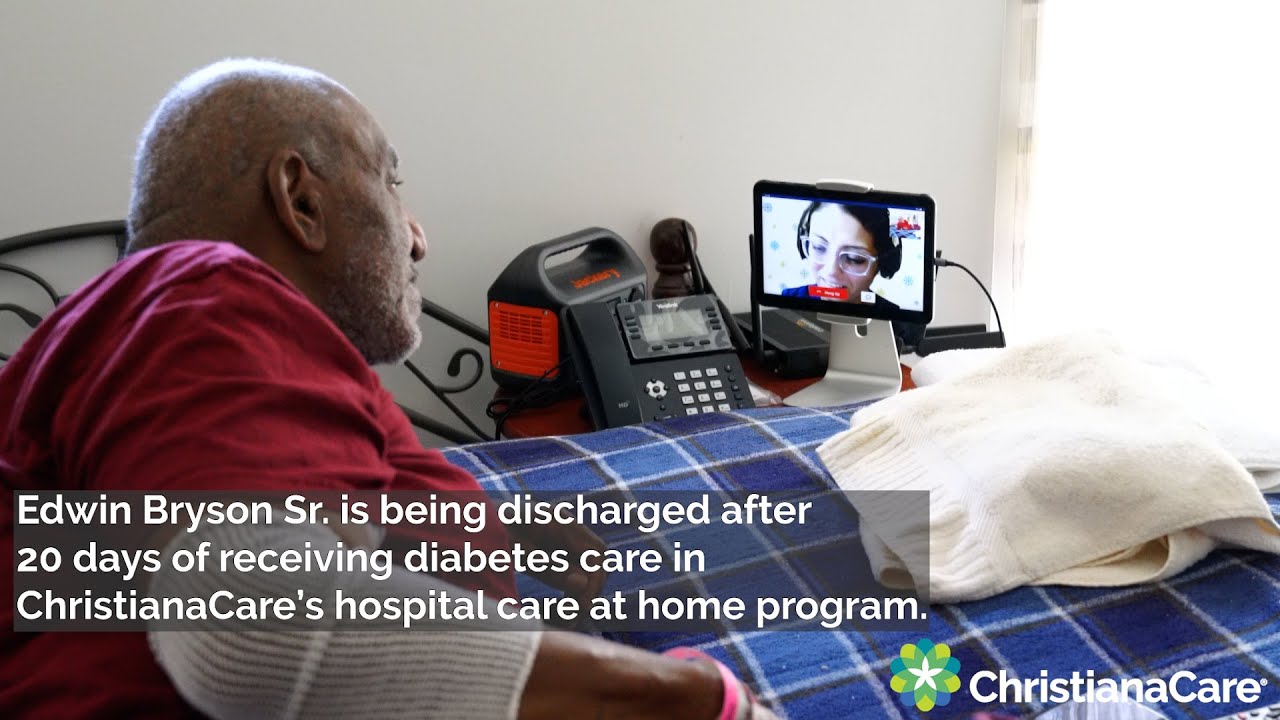
As he arrived at ChristianaCare’s emergency department because of diabetes complications that were causing excruciating pain in his left foot, Edwin Bryson Sr., 71, of Wilmington, Del., had resigned himself to what seemed inevitable—he was going to need hospitalization. But he was surprised when his care team offered him the chance to get the hospital care he needed in the place he likes best — his own apartment. For 20 days, Bryson was a patient in the ChristianaCare hospital care at home program, which offers in-home services to patients who would otherwise require inpatient hospitalization. Daily, members of his care team visited his home to take his vital signs, give him medication and assist him with getting dressed. They also helped with additional tasks to improve his overall health and safety, such as buying an extra lamp and flashlights to ensure the lighting in his home was adequate for his safety, and assisting him with ordering food. “It was a good feeling to be at home,” Bryson said. “My friends would knock on my door and make sure I was OK. My son and my nephews could stop to see me when they felt like it or had the time. They always say, ‘There’s no place like home,’ and it’s true. All I do is hit the button and a nurse comes on to assist me with anything I need and check on my vitals. It was 24-hour service here, just like I was in the hospital.” ChristianaCare has admitted and cared for more than a dozen patients in the hospital care at home program since it launched in December 2021, designed in partnership with the Medically Home Group Inc. The program, which offers the highest level of in-home acute care in Delaware, combines virtual and in-person care provided by a team of physicians, nurse practitioners, registered nurses and other providers. In-person and virtual visits from the health care team, along with mobile imaging and lab services, delivery services for meals and nutrition, and pharmacy medication and management, mean a patient doesn’t need to leave home to get better. Virtual technology and home health equipment brought into the patient’s home ensure round-the-clock monitoring and care that mirrors a traditional hospital setting. “One of the things we’ve learned in a short time about the hospital care at home program is how patient-centered this approach is and how we’re able to customize the care we deliver,” said Sarah Schenck, M.D., medical director of the program. “Most of the things we can do in the hospital we can also do at home. And it turns out patients really prefer that venue. They’re in their own home with their loved ones, their pets, sleeping in their own bed and eating their own food.” Currently, to be considered for hospital care at home, patients must live within 25 miles of Christiana and Wilmington hospitals. Patients who come to the emergency department with common chronic conditions such as congestive heart failure, respiratory ailments, diabetes complications and infections like pneumonia, are eligible for consideration. All hospital care at home patients receive a technology kit that connects them to the command center, powered by the ChristianaCare Center for Virtual Health. With a touch of a button, patients can access an expert team of ChristianaCare physicians and nurses. When patients are well enough to be discharged, the care team collaborates with the patient’s primary care physician to ensure a seamless transition. ChristianaCare joins an elite group of health systems nationwide offering at-home hospital care. Clinical research studies comparing patients in traditional hospitals with patients who received hospital-level care at home have found those who received in-home care experienced fewer readmissions, lower mortality rates, reduced falls and lower costs. “Patient satisfaction is really high with this program,” said Steaphine Taggart, director of operations for the program. “There’s more caregiver interaction with families because they are allowed to come into the home. And overall, there’s more patient-centered care and delivery because it’s in the home,” Registered nurse Mary Pat McCabe has treated patients for 17 years. Working in the hospital care at home command center, she has the opportunity to be even more personable in the virtual setting than a traditional inpatient encounter. “You get to know them and their family members and if they have a pet. You can see into their home and get more of a feel for who they are,” McCabe said. Dr. Schenck said hospital care at home is an exciting example of how new, innovative models of care can improve patient outcomes, reduce costs and transform care. “It’s really foundational for the future of health care delivery. This is our first step, but it’s definitely going to grow,” she said. For Bryson, who was recently discharged, it’s even simpler: “You get better, get back out there and get back into life again.”

Aston University appoints new Vice-Chancellor
Aston University is delighted to announce that Professor Aleks Subic has been appointed as its next Vice-Chancellor and Chief Executive. He succeeds Professor Alec Cameron, who stepped down after five years in December 2021. He will take up the post in August 2022, until which time Saskia Loer Hansen will continue in her role as Interim Vice-Chancellor. Dame Yve Buckland, Pro-Chancellor of Aston University, said “I am absolutely delighted at Professor Aleks Subic’s appointment. He joins the University at an exciting time and his wide experience of leadership across both academia and industry makes him a perfect fit for Aston University’s needs and ambitions.” Professor Subic said “I feel privileged at being given the opportunity to lead Aston University at this time. The University is renowned for its commitment to graduate employability, translational research and its engagement with business. “I look forward to continuing the momentum built up by Professor Alec Cameron and Saskia Loer Hansen, and I am ambitious to see Aston University continue to build on its reputation for high quality teaching, research and business engagement locally, nationally and internationally.” Saskia Loer Hansen, Interim Vice-Chancellor of Aston University, said “I should like to congratulate Professor Subic warmly on his appointment. His credentials as a leader, both in industry and in higher education, equip him for guiding Aston University to even greater success. “I am sure he will work rigorously to build on our achievements, promote the University worldwide and further strengthen our reputation as a leading university for business and enterprise.” Professor Subic is currently the Deputy Vice-Chancellor (STEM) and Vice President (Digital Innovation) at RMIT University, where he is responsible for leading the STEM College and Digital Innovation portfolio in Australia and globally. Prior to this appointment he was the Deputy Vice-Chancellor (Research & Enterprise) at Swinburne University of Technology, responsible for research, graduate studies, engagement and partnerships, advancement, innovation, enterprise, and commercialisation, leading the research transformation of the university towards top 2% in the world. Before that, he was the Executive Dean of Engineering at RMIT University, one of the largest engineering faculties in Australia, ranked in top 1% in the world and renowned for industry-partnered education and research. Concurrent with his academic appointments, Professor Subic has held notable appointments on the Australian Prime Minister's Industry 4.0 Taskforce and the Australian Advanced Manufacturing Council Leaders Group (Australian Industry Group). Previously he was the Director and Deputy Chair of the Australian Association of Aviation and Aerospace Industries, Director of Oceania Cybersecurity Centre Governing Board, Director of the Society of Automotive Engineers Australasia Board, Director of National Imaging Facility Governing Board, Director of Australian Housing and Urban Research Institute Governing Board, and Director of the Victorian Centre for New Energy Technologies Governing Board. He has served on a number of national and international research committees and expert panels, including as Chair of the European Research Council Expert Panel for Physical Sciences and Engineering, Technology Group of the Global Federation of Competitiveness Councils, Forbes Technology Council, Defence Materials Technology Centre, Editor and Associate Editor of international scholarly journals.

Bowel or fecal incontinence, according to the Mayo Clinic, “is the inability to control bowel movements, causing stool (feces) to leak unexpectedly from the rectum. Also called bowel incontinence, fecal incontinence ranges from an occasional leakage of stool while passing gas to a complete loss of bowel control. Common causes of fecal incontinence include diarrhea, constipation, and muscle or nerve damage. The muscle or nerve damage may be associated with aging or with giving birth.” Dr. Satish Rao is a seasoned gastroenterologist and an expert in digestive health, particularly the brain-gut connection. Rao, a professor of medicine at the Medical College of Georgia at Augusta University, recently offered a Q&A on the topic of fecal incontinence with the journal Gastroenterology & Hepatology. What is the prevalence of fecal incontinence in the adult population? Surveys have indicated a prevalence of approximately 9% to 10% in the United States. A recent study reported a 14% prevalence, although this study was Internet-based and, thus, may not have included many elderly patients, as they may not be as computer-savvy as younger patients. It is safe to say that one in seven Americans currently suffers from fecal incontinence. Prevalence appears to be equal in men and women, although women outnumber men almost three to one when it comes to gastroenterology clinic visits and health care-seeking. Men may be too embarrassed to bring the issue of fecal incontinence to the attention of a physician, but when asked about it, they will admit and discuss it. Also, extracting information from a patient about fecal incontinence depends on how the question is asked. Asking patients whether they have daily leakage vs whether they ever have had leakage or have had leakage in the past month will elicit different responses that a clinician may interpret differently. It is important to remember that leakage is not a physiologic event that a healthy adult should have at any time, even once a month or once a year. Not having the capacity to control bowel evacuation or having leakage unaware of its occurrence signals an abnormality. What are notable risk factors for fecal incontinence? In women, pregnancy can be a risk factor, particularly if giving birth involves pelvic tissue damage, such as injury inflicted by forceps use or the unfortunate occurrence of a significant tear. Neurologic or back injuries are other common risk factors. Also, chronic diarrhea can progress to fecal incontinence owing to severe irritation of the rectum or irritants in stool. Further, any condition that changes the ability of rectal capacity can result in fecal incontinence. These circumstances can include surgery or radiation to the rectal area. Hear from a patient and learn more about Rao's research using magnetic stimulation to treat fecal incontinence. What treatment modalities are currently available? Simple, conservative treatment consists of educating patients about fecal incontinence and instructing them to avoid precipitating events. For example, although many people love to have a meal followed by a cup of coffee and a walk, such a sequence of activities is ill-advised for an incontinent patient: the meal provokes a gastric-colonic response, coffee is a powerful colonic stimulant, and exercise also stimulates motility. This triad creates the perfect storm for a stool leakage or accident while the patient is out on the after-dinner walk. Antidiarrheal therapies can be very effective but only in approximately 15% to 20% of patients. Another treatment is biofeedback, which can correct muscle weakness using behavioral techniques. Biofeedback provides resolution in approximately 50% to 70% of patients. The traditional model of office-based biofeedback requires that the patient make 6 or even up to 10 visits to a specialty clinic. This may mean that some patients must drive very long distances to an appropriate care facility that is staffed with trained personnel or physical therapists. This scenario presents a significant challenge for many patients, which is increasingly being recognized by health care professionals and researchers. Good devices for home-based biofeedback have been scarce; however, such a device was recently approved by the US Food and Drug Administration. The research center at Augusta University has tested it in a clinical trial setting and found it to be quite effective as a home biofeedback treatment. Dextranomer is another treatment modality. It involves injection of small beads of dextran polymers into the anorectal region. The beads form a protective cuff or a buffer to stop stool leakage. Another treatment modality is sacral nerve stimulation using the Medtronic InterStim system. The patient is outfitted with a pacemaker-like device with wires that continuously stimulate the sacral nerves that control stool events. In the case of a torn muscle, suturing the torn ends to reduce the size of the anorectal opening is usually useful for women postpartum, although the effect may not be sustained in the long term. What emerging treatments and research should clinicians be aware of? One emerging treatment developed at Augusta University’s Clinical Research Center is called translumbosacral neuromodulation therapy (TNT). TNT is similar to TAMS and involves the fecal delivery of magnetic energy through an insulated coil to the lumbosacral nerves that regulate anorectal function. The pulses generated are of the same strength as those of magnetic resonance imaging. The team at Augusta University’s research center has shown that TNT mechanistically improves nerve function and substantively improves stool leakage. A sham-controlled study and long-term study are currently underway at Augusta University and Harvard University’s Massachusetts General Hospital. These studies are being sponsored by the National Institute of Diabetes and Digestive and Kidney Diseases. A multicenter study sponsored by the National Institutes of Health that the team at Augusta University also is involved with is the FIT (Fecal Incontinence Treatment) trial. This randomized study compares biofeedback with dextranomer injection. Also, as mentioned, tools are becoming available for home biofeedback that should allow many more affected patients to receive treatment because they can do so in the comfort of their own home. The research center at Augusta University is working on a novel home biofeedback protocol for the treatment of constipation and fecal incontinence. Thus, novel noninvasive tools are emerging for fecal incontinence. The repertoire of current and emerging tools holds the promise of improved outcomes for patients with fecal incontinence. Rao is also the founder of the Augusta University Digestive Health Center. He is available to speak to media regarding any aspect of digestive health -- simply click on his icon now to arrange an interview today.

