
Experts Matter. Find Yours.
Connect for media, speaking, professional opportunities & more.
What's in the Water? New Research Brings Weekly River Health Data to the Public
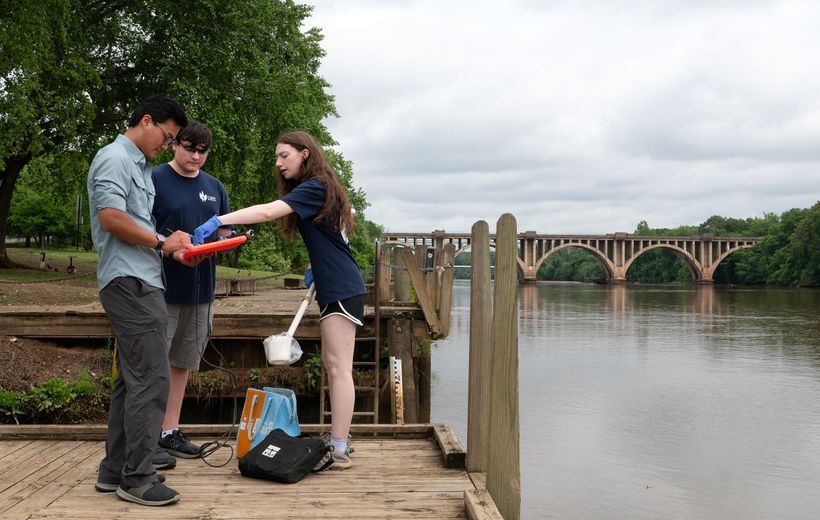
A recent article in the Fredericksburg Free Press highlighted a new University of Mary Washington initiative that is testing the Rappahannock River weekly for fecal coliform bacteria and sharing the results publicly. Led by Associate Professor of Earth and Environmental Science Tyler Frankel, the program aims to provide residents with accessible information before swimming, fishing, paddling, or otherwise enjoying one of the region's most important waterways. Dr. Tyler Frankel is an Assistant Professor in the Department of Earth and Environmental Sciences at the University of Mary Washington. He is an expert on ecotoxicology, specifically the impact of pharmaceutical, industrial waste products, & pesticides on aquatic wildlife. View his profile The project addresses a significant gap in environmental monitoring. While bacteria levels can change rapidly following rainfall and other environmental conditions, routine testing has historically been limited. Frankel and his student research team are collecting samples from five locations along the river and building a long-term database that can help identify contamination trends and potential pollution sources. The effort also provides valuable hands-on research opportunities for students while generating information with direct public health benefits. “There isn’t really a program that exists like that for the Rappahannock where the public can get access to weekly data sets.” — Tyler Frankel, Associate Professor of Earth and Environmental Science, University of Mary Washington The research focuses on fecal coliform bacteria, including E. coli, which can enter waterways through sewage, failing septic systems, agricultural runoff, pets, wildlife, and other sources. Elevated levels can pose health risks to people who come into contact with contaminated water, making timely and accessible monitoring an important tool for both recreation and environmental stewardship. Connect with an Expert Interested in discussing water quality monitoring, bacterial contamination in rivers, watershed management, citizen science, or environmental health risks? Connect with Tyler Frankel, Associate Professor of Earth and Environmental Science at the University of Mary Washington, for expert insight into water quality testing, pollution tracking, environmental monitoring, and the science behind protecting freshwater ecosystems.



Psychology Expert Explains Why Nostalgia Hits Us So Hard
Whether it’s the smell from a vintage shop or the recent social media trend of sharing 2016 photos, Professor Cathy Cox from TCU’s Louise Dilworth Davis College of Science & Engineering recently spoke to TCU News about why our brains respond so strongly to nostalgia. Read the full interview below and check out her Explained in 60 Seconds video: Looking to connect with Cathy Cox? Simply contact Holly Ellman, Associate Director of Communication, today at h.ellman@tcu.edu.

Science Says Rainy Weekends are Simply Bad Luck
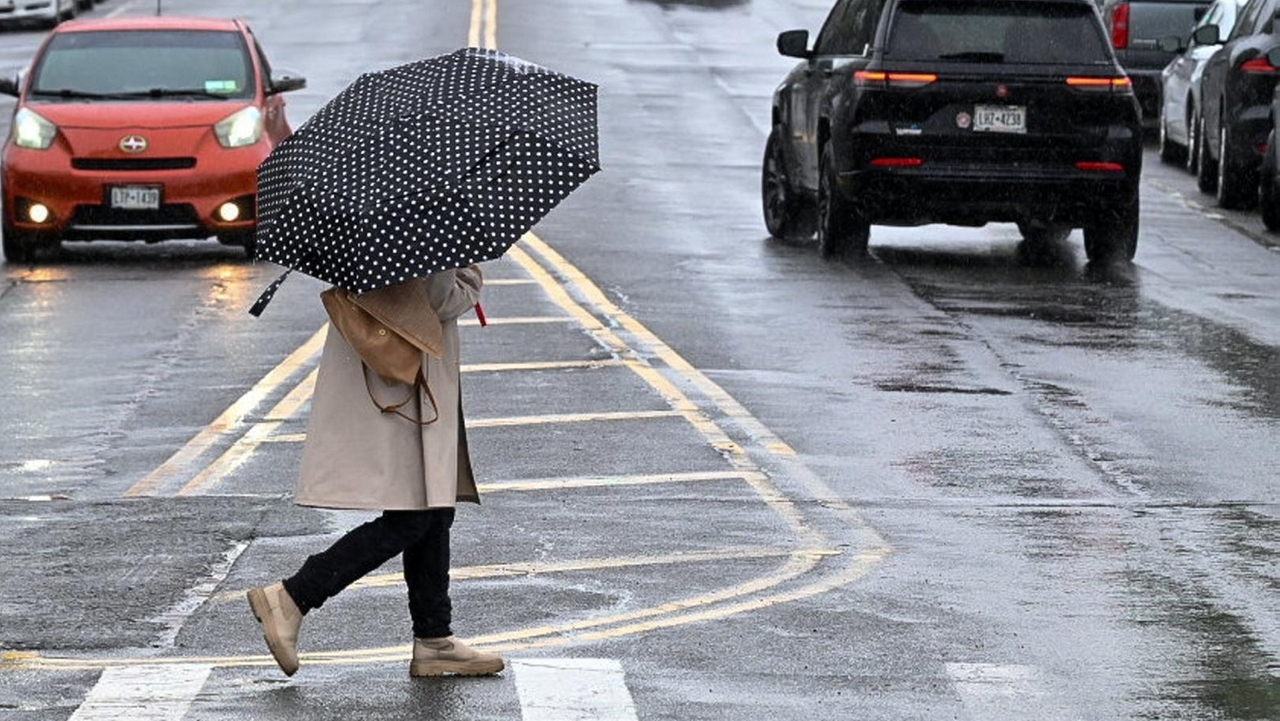
Beyond bad luck, could there be a reason why recent weekends have been more rainy than the rest of the week? From the start of spring to the end of May, it rained on half, or 10, of 20 weekend days. By comparison, it rained one-third of the 46 workweek days. Newsday interviewed Jase Bernhardt, associate professor of geology, environment, and sustainability, to see if there is a scientific explanation for the frequently soggy Saturdays and Sundays. According to the National Weather Service, data collected over five, 10 and 40 years found that rain was not any more frequent on weekends than weekdays. It also found no statistically significant change in the overall occurrence of rain events. “You try to slice up these data sets in all these different ways, and inevitably, you will find random patterns that at first seem like something meaningful.” But often, he said, “when you peel back the data, look at an appropriate sample size, you realize it goes away, there wasn’t anything actually meaningful here.”


Spielberg's "Disclosure Day" Revives the UFO Debate. But What Would Real 'Disclosure' Mean?
What if the government finally revealed the truth about UFOs and extraterrestrial visitors? That’s the premise of the new Steven Spielberg film “Disclosure Day,” which the director has said was inspired by the U.S. government’s release of previously classified records related to unidentified aerial phenomena (UAPs) that sparked congressional hearings and renewed interest in so-called “disclosure.” But to University of Rochester astrophysicist Adam Frank the real question isn't whether the government is hiding secrets. It's what would count as actual evidence of extraterrestrial interaction. “Over the last several years, we’ve had hearings, testimony, and lots of extraordinary claims,” Frank says. “What we haven’t had is the one thing science requires: hard physical evidence.” Frank, an award-winning science communicator, astrophysicist, and leading expert on the search for extraterrestrial life, says the distinction matters. Stories, rumors, and secondhand accounts may generate headlines, but they don't constitute proof. "What true disclosure would mean is simple," Frank says. "It wouldn’t be stories about alien spaceships, but the actual spaceships. Not stories about alien bodies, but actual physical evidence that independent scientists around the world could examine and verify." As media coverage surrounding UFOs, government transparency, and extraterrestrial life intensifies, Frank offers a grounded scientific perspective on what we know, what we don't know, and how science separates possibility from proof. Frank is available to discuss: • The science behind UFO and UAP investigations • What constitutes evidence of extraterrestrial life • Why government disclosures have so far failed to provide proof • The search for life elsewhere in the universe • How Hollywood portrays alien contact versus scientific reality • Why scientists remain open to — but skeptical of — extraordinary claims "The universe is vast, and the possibility of life elsewhere is real," Frank says. "But if we're going to claim aliens have visited Earth, then we need evidence that meets the same standards we would demand for any other scientific discovery." Frank is a frequent on-air commentator for live interviews and segments in national media outlets and the author of The Little Book of Aliens (Harper Collins, 2023). He also regularly contributes to written publications, including Forbes, The Atlantic, The New York Times, and Scientific American. He is a recipient of the Carl Sagan Medal, which recognizes and honors outstanding communication by an active planetary scientist to the general public. Click on Frank's profile to connect with him.



Georgia Southern selected as Census Bureau hub
Georgia Southern University’s Statistical Consulting Unit (SCU) in the College of Science and Mathematics has been selected as the Census Bureau Higher Education Consortium – Southern Hub. The partnership places the University as an access point between regional experts and the public to make the vast data of Census reports usable for research, business and individual discovery. SCU director Divine F. Wanduku, Ph.D., says that cooperation is the key element of the program. “We want to facilitate high-level access to this data and the tools to apply it,” noted Wanduku. “We are the liaison between other universities, the government and those who could use this information if they can learn how it works.” As a regional Census hub, Georgia Southern will host a series of webinars. Experts from Georgia Southern, partner universities and the Census Bureau will address specific methods to access and analyze otherwise overwhelming data. Wanduku says the partnership opens up development opportunities for everyone involved. “This will help students prepare for jobs in the federal government or anywhere that uses government data because they get to try it out themselves,” said Wanduku. “It also helps to show how faculty are able to impart knowledge of research and then make recommendations to the Census Bureau about what works. So the federal government helps higher education institutions provide access to the raw material and then we help the Census Bureau by making recommendations on where our research is going and what data is most useful.” Beyond the webinar series, Wanduku sees the partnership as a stepping stone to future collaborations. “This expands our network with everyone from other universities to contractors,” said Wanduku.”We get to meet each other and find out what we’re all working on separately and turn it into projects we can work on together.” Looking to know more about the Census Bureau Higher Education Consortium or Gerogia Southern University? Simply contact Georgia Southern's Director of Communications Jennifer Wise at jwise@georgiasouthern.edu to arrange an interview today.


UD English professors reveal 2026 beach reads, tying summer picks to big themes in today’s culture
When summer rolls around, the best beach reads do more than just pass the time—they somehow capture what everyone’s talking about right now. That’s the vibe behind University of Delaware’s professor-picked list: books that are fun to sink into, but also surprisingly sharp about the world we’re living in. Think big feelings, messy relationships, culture shifts, and the kind of stories that make you look up from the page and go, “Yep, that tracks.” "There Is No Antimemetics Division" By qntm A Reddit novel turned print bestseller, "There Is No Antimemetics Division" is a surreal horror story that follows an X-Fileish government division fighting aliens whose battlefield is the human mind. How do you fight an enemy whose existence you cannot remember? – Siobhan Carroll, Associate Professor "The Briar Club" By Kate Quinn I'm a big fan of Kate Quinn. Her books never disappoint. Her writing is wonderful and captivating, and the voices and characters are authentic. This book, set in the 50s, is a post-war reflection on a group of tenants in a boarding house who, over food (recipes included!), become friends and navigate McCarthyism, conspiracies and fear. It is historical fiction written to remind us that history repeats itself. – Christine Cucciarre, Professor "Guido Brunetti mysteries" By Donna Leon I've gotten completely hooked on these mysteries set in Venice. Fans will tell you the best is the fifth book in the series, "Acqua Alta," but be sure you read the first book to meet the characters! – Emily S. Davis, Director of Graduate Studies "When We Cease to Understand the World" By Benjamin Labatut An English professor recommending a book detailing the lives of physicists, scientists and mathematicians? Yes! History, heady concepts, madness, melancholy and beautiful prose come together in a haunting way. – Viet Dinh, Associate Professor "Dungeon Crawler Carl series" By Matt Dinniman What if you smushed role-playing video games/tabletop games with The Running Man? Plus, there's a sassy cat who talks! – Lowell Duckert, Associate Professor "Just Kids" By Patti Smith I've recently read "M Train" by Patti Smith, and now I'm looking forward to reading the book for which she won the National Book Award. Smith's memoirs can be impressionistic, but they often come down to some unexpected detail or some ongoing longing. If you know her music, you can sometimes hear it in the background, or you can spot those moments in her life when music would almost necessarily emerge as a great force gathered by her authentic approach to life. She's one of those writers who can change how you look for and find what most matters to you, how you look for and embrace your own soul. – John Ernest, Chair in English "Prairie Fires: The American Dreams of Laura Ingalls Wilder" By Caroline Fraser I loved reading the "Little House" books as a child. It seemed like a life full of adventure and love, even through "The Long Winter." But this biography of author Laura Ingalls Wilder reveals a life full of struggle and loss behind the calico dresses and the fiddle lullabies. Caroline Fraser won the 2018 Pulitzer Prize for "Prairie Fires," using unpublished manuscripts, letters, diaries, and land and financial records to pull back the pioneer spirit curtain and show readers the reality of life on the prairie. – Dawn Fallik, Associate Professor "The School for Good Mothers" By Jessamine Chan Warning: Do not bring this book to the beach without plenty of sun screen, because you will not put it down and that might make YOU a candidate for enrollment in The School. Second Warning: The book is compelling precisely because it will make you mad and freak you out. My wife gave it to friends as a Mother's Day present, and every mother who read it could relate. – Peter X Feng, Associate Professor "Audition" By Katie Kitamura This book has been on my bedside table for months now, just waiting for the semester to end. I am a sucker for books that shift perspective in the middle (see also: Susan Choi's "Trust Exercise"). – Peter X Feng, Associate Professor "The Road to Tender Hearts" By Annie Hartnett You might not expect a book that features domestic violence, children being orphaned and a 63-year-old man still pathetically dependent on his ex-wife to be funny. But I laughed out loud multiple times—and had some tears as well—as I read this novel! Follow the adventures of PJ, two children from his town, and a death-predicting cat as they road trip across the country. "The Road to Tender Hearts" was the best book I read all year! – Jill Flynn, Professor "The Stories of John Cheever" By John Cheever One of the finest collections of short fiction ever published. Witty, magical, often devastating portraits of people navigating mid-century New York. – McKay Jenkins, Cornelius Tilghman Professor of English "Vacationland: True Stories from Painful Beaches" By John Hodgman This book is a collection of nonfiction essays by John Hodgman (Daily Show writer and "Judge John Hodgman" podcast and The NY Times Magazine column). It is laugh-out-loud funny in a very self-deprecating, Gen X way. – Matthew Kinservik, Professor "Cloud Cuckoo Land" By Anthony Doerr This is one of the best novels I've ever read. Ever. It follows three stories set in very different times and places (15th-century Constantinople, 21st-century Idaho, and the not-too-distant future on a spacecraft headed to a new planet that will support human habitation). It's a book about the value of books and human storytelling. The stories eventually get braided together in moving and surprising ways. Amazing. – Matthew Kinservik, Professor "The Wilderness" By Angela Flournoy Have you wondered how your friendships in your early 20s might follow you into middle age? "The Wilderness" focuses on the friendships between four women: Desiree, Monique, Nakia and January from 2008 until 2027, when they are in their early 40s. They support one another through marriage, divorce, career anxiety, loss and a persistent set of questions about who they each want to be in the world and the lives they want to live. "The Wilderness" is told from many perspectives and details how culture, place, habits, friendships and childhood experiences combine to make and remake our adult lives. – Davy Knittle, Assistant Professor "Kin" By Tayari Jones "Kin" is about two motherless girls from Louisiana who find themselves as grown women on two very different paths, looking to other mother figures along the way. The writing is beautiful and engaging! I could not put this book down. I truly fell in love with all of the characters, and even the locations come alive. – Meg McGuire, Associate Director of First-Year Writing "How to Solve Your Own Murder" By Kristen Perrin This truly is a cozy mystery about a woman called Frances Adams—a resident of the moody Castle Knoll. When Frances is a teenager, she encounters a fortune teller who portends Frances's murder. Frances then spends most of her life sort of obsessively surveilling everyone around her, trying to figure out who will kill her. When she does die, her great niece Annie is surprised to learn that the late Frances has left Annie her entire estate, even though they have never actually met. When Annie arrives in Castle Knoll and at the estate, she follows in her great aunt's footsteps by holding all of the town's quirky characters at arm's length while she tries to discover who killed her late great aunt. This is an easy-breezy read, even if it does include a murder mystery at the center. Perfect for a day at the beach. Best of all, if you fall in love with the characters and the place, it's part of a series of three books, so you can keep going! – Cathryn Molloy, Professor "The Order of Time" By Carlo Rovelli You could read any Rovelli book, really—I am reading the one on the birth of science at the moment— but this is the one that drew me in. He merges a physics/science‒centered approach to time with a human/experienced‒centered view of it, which I just cannot get enough of. It is beautifully written, at times verging on poetic, while also bringing in a lot of the information and knowledge I seem to have skipped over as a terrible science student. It's joyful and intense and meditative. And yes, this is what I read for fun! – Amish Trivedi, Assistant Professor "The Season of Styx Malone" By Kekla Magoon Two young Black boys in small-town Indiana fall under the spell of Styx Malone, a mysterious new kid who arrives for the summer and stirs things up by persuading them to pursue their biggest dreams and breaking a few rules along the way. I collect multicultural kids books and stumbled across this one six years ago. It captured me because it celebrates family and friendship, depicts young people with rich interior lives, and mixes in a little mystery and humor. There's something sweet and down-home about it. It's a refreshing little respite from, well, everything ... – Délice Williams, Associate Professor To speak to the professors more about what makes these books the perfect summer reads, email mediarelations@udel.edu.


Hunter-Gatherer ‘Egalitarianism’ Is More Complicated Than We Thought
Hunter-gatherer societies are often portrayed as models of equality, cooperation and selfless food-sharing. However, Baylor University anthropologist Duncan N.E. Stibbard-Hawkes, Ph.D., and an interdisciplinary team of researchers have found that this familiar picture oversimplifies how egalitarianism actually functions in everyday life. Their research, published in the journal PNAS Nexus, examined the Hadza, a contemporary hunter-gatherer population in Tanzania, and found that relatively equal outcomes are often maintained not only by altruism, but through social pressure and what anthropologists call “demand sharing.” In a previous study, Stibbard Hawkes and co-author Chris von Rueden, Ph.D., professor of Leadership Studies at the University of Richmond, conducted a wide-ranging review of hunter-gatherer populations that are typically characterized by equality. They found that, although many of these societies did “function with relative equality, even the most egalitarian hunter-gatherer groups display inequality in one area or another.” To further understand this, Stibbard Hawkes and the research team tested their ideas of egalitarianism through a behavioral economic experiment employing a give-and-take behavioral economy game with Hadza participants. “We find that equality was achieved only under conditions of disadvantageous inequality – where the person playing the game had less than others – suggesting that taking is more important in achieving redistributive equality than giving,” Stibbard Hawkes said. “This mirrors real life – if someone has too much, there’s often a lot of demanding shares from other people.” “Looking at the actual motivations and mechanisms of redistribution and limiting power gives us a more realistic approach and a clearer view of what egalitarianism actually is." - D. Stibbard Hawkes, Ph.D. Behavioral economy games Many anthropologists and ethnographers investigate fairness in societies by employing behavioral economic games, such as the “dictator game.” By giving participants an endowment of tokens, researchers can understand how equality ideals function within that group based on how individuals keep or give away the tokens, Stibbard Hawkes said. “When you play these economic games, people are often more selfish in hunter-gatherer societies than they are in America or Europe,” Stibbard Hawkes said. “Which is surprising because these societies are well known for being egalitarian.” To better reflect real-world Hadza food-sharing practices, Stibbard Hawkes and team redesigned the experiment so participants could take resources as well as give them – and the results changed dramatically. “We changed the rules of these economic games and ended up with equality – but only in the condition where people could take from other people,” he said. “That resulted in a relatively equitable distribution.” Only 40.9% of participants shared when they had more food than others, while 30% claimed additional items. When starting with fewer resources, 58.8% took from their partner – often beyond what was necessary for balance. Across both conditions, taking everything was the most common behavior. Importantly, the motivations behind those outcomes were not always idealistic. “Though we saw a lot of generosity, the individual motivations underlying this equality were actually often quite self‑interested,” Stibbard Hawkes said. Equality without altruism Rather than reflecting an intrinsic desire to be fair, Hadza sharing behavior reflects asymmetric incentives and immediate needs. “If I have a big pile of food and I’m not sharing it,” Stibbard-Hawkes explained, “the people around me are going to say, ‘No, you need to share this, and you’re going to give this to me.’ And, when everyone does this, the result is equality.” He emphasized that these interactions are often personal and direct. “It’s not just a societal expectation,” he said. “It’ll often be a direct dyadic interaction. Someone in the room next to you might be like, ‘Well, you’ve got a lot – you should give me some.’” How egalitarianism works Hunter-gatherer societies have long been used to help explain humanity’s evolutionary history. But Stibbard-Hawkes said popular writing often turns these societies into an idealized moral example. “When this gets roughly translated into popular science books,” Stibbard Hawkes said, “the idea is very much like we lived in this Edenic garden of freedom and plenty where everything was good and there were no difficulties.” That framing, he said, misses how egalitarianism is actually maintained. “Egalitarian societies exist – they’re not mythical,” Stibbard Hawkes said. “But if you actually look at the mechanics of how egalitarianism and relative political equality are maintained, it’s often people who are arguing, demanding shares and even insulting people who have too much.” Market integration and changing norms The study also found that Hadza individuals with greater exposure over the last decade to Tanzania’s broader market economy and farming were slightly more accepting of unequal outcomes. “These are things with a very different resource base, and what I'm finding is that – while traditionally forage foods like hunted meats, people expect sharing – when you ask people about cash or grain, their notions of what should be shared are very different,” Stibbard Hawkes said. Egalitarianism is not a myth Egalitarianism is not a myth—but it is often misunderstood. Generosity is not uncommon – but nor are people in egalitarian societies uniquely altruistic. Rather than arising from innate altruism or a lost utopia, equality in hunter-gatherer societies is actively produced through social pressure, negotiation and demands that limit accumulation and power. “Looking at the actual motivations and mechanisms of redistribution and limiting power gives us a more realistic approach and a clearer view of what egalitarianism actually is,” Stibbard Hawkes said.


Abhijit Bhattacharyya, Ph.D., has been named the next dean of Georgia Southern University’s Allen E. Paulson College of Engineering and Computing. He will begin his role July 1. Bhattacharyya currently serves as the inaugural dean of the College of Engineering and Computer Science at Arkansas State University, where he has led a period of strategic growth focused on student success, workforce development and research expansion. During his tenure, the college launched new academic programs in high-demand fields, strengthened industry partnerships and advanced initiatives supporting student recruitment, retention and career readiness. “I have the honor and privilege to join Georgia Southern at an exciting time in its journey as it soars beyond its current very strong position in the state of Georgia,” said Bhattacharyya. “The energy on campus and within the college was palpable during my visit, and I look forward to working alongside my colleagues to build on that strong foundation and create a national brand.” Prior to his current role, Bhattacharyya held several leadership positions at the University of Arkansas at Little Rock, including interim vice provost for Research and dean of the graduate school, as well as associate dean of Engineering and Information Technology. He began his career as a faculty member committed to teaching, research and service, and remains an active scholar with externally funded research from federal agencies. Bhattacharyya earned his Ph.D. in mechanical and aerospace engineering from Rutgers University, along with a master’s degree in applied mechanics. He also holds a bachelor’s degree in mechanical engineering from the Indian Institute of Technology, Kharagpur. He is a fellow of the American Society of Mechanical Engineers and serves as an ABET program evaluator. Provost and Executive Vice President for Academic Affairs Avi Mukherjee, Ph.D., said Bhattacharyya’s experience and leadership align strongly with the University’s strategic priorities. “Dr. Bhattacharyya brings a proven record of growing engineering education, advancing academic programs, bolstering research, managing accreditation, strengthening industry partnerships and positioning engineering and computer science for long-term impact,” said Mukherjee. “His commitment to faculty excellence, student success and workforce development will be instrumental as we continue to expand opportunities for our students and elevate the national profile of the Allen E. Paulson College of Engineering and Computing.” Looking to connect with Abhijit Bhattacharyya? Simply contact Georgia Southern's Director of Communications Jennifer Wise at jwise@georgiasouthern.edu to arrange an interview today.

National Cancer Research Month: Baylor Researchers at Forefront of New Discoveries
May is National Cancer Research Month, which highlights the importance of lifesaving research to the millions of people around the world affected by cancer. Thanks to spectacular advances made by cancer researchers, approximately 18.6 million people in the United States and millions more worldwide are living with, through and beyond their disease. Over the past year, Baylor University Media and Public Relations has reported on Baylor research at the forefront of discovering novel approaches to effective cancer therapies. University researchers are using tumor starvation techniques, natural products, phages, modified bacteria, precision nutrition and more in their trailblazing work on some of the most aggressive cancers, including kidney, pancreatic, oral, colorectal and breast cancers. In a recent article published by the University, it featured the hard work and research of eight Baylor experts driving those discoveries forward: • Kevin G. Pinney is developing a next-generation treatment for kidney cancer that targets the blood vessels feeding tumors. His research focuses on specialized drug conjugates designed to cut off oxygen and nutrients to renal cell carcinoma tumors — essentially starving cancer cells to death. • Daniel Romo is accelerating new therapies for pancreatic cancer using compounds derived from marine natural products. His work on a simplified version of pateamine A could offer a new therapeutic pathway for pancreatic ductal adenocarcinoma, one of the most aggressive and difficult-to-treat cancers. • Joseph Taube is investigating how breast cancers spread and resist treatment. His recent work examines whether a natural compound called Ophiobolin A can trigger inflammatory forms of cancer cell death that may work alongside immunotherapy — particularly in treatment-resistant triple-negative breast cancers. • Leigh Greathouse is combining cancer biology, nutrition science, and AI to personalize cancer prevention and treatment strategies. Her research explores how diet and the gut microbiome influence cancer outcomes and survivorship. • Michael S. VanNieuwenhze is leading groundbreaking colorectal cancer research using modified bacteria to deliver cancer-killing proteins directly into tumor cells. His team is engineering Listeria monocytogenes as a targeted therapeutic delivery system. • Aaron Wright is helping lead a major ARPA-H initiative exploring the use of bacteriophages — viruses that attack bacteria — to reshape the human microbiome and improve health. The project could eventually help prevent diseases linked to oral and colorectal cancers through low-cost phage-based treatments. • Savannah Rauschendorfer is researching how exercise interventions may reduce the harmful cardiac side effects of chemotherapy in adolescent and young adult cancer patients. Her work aims to identify patients at risk of cardiotoxicity earlier and improve long-term survivorship outcomes. • Jonathan Kelber studies the cellular and molecular mechanisms behind aggressive breast and pancreatic cancers. Through his Developmental Oncogene Laboratory, Kelber investigates how cancer cells evolve during tumor progression and tissue regeneration. Together, these researchers showcase how cancer science is rapidly evolving beyond traditional treatments – integrating biology, chemistry, nutrition, exercise science, microbiome research, and artificial intelligence in the search for more effective and personalized therapies.
ExpertSpotlight - Ebola: What It Is, How It Spreads, and Whether the Public Should Be Concerned
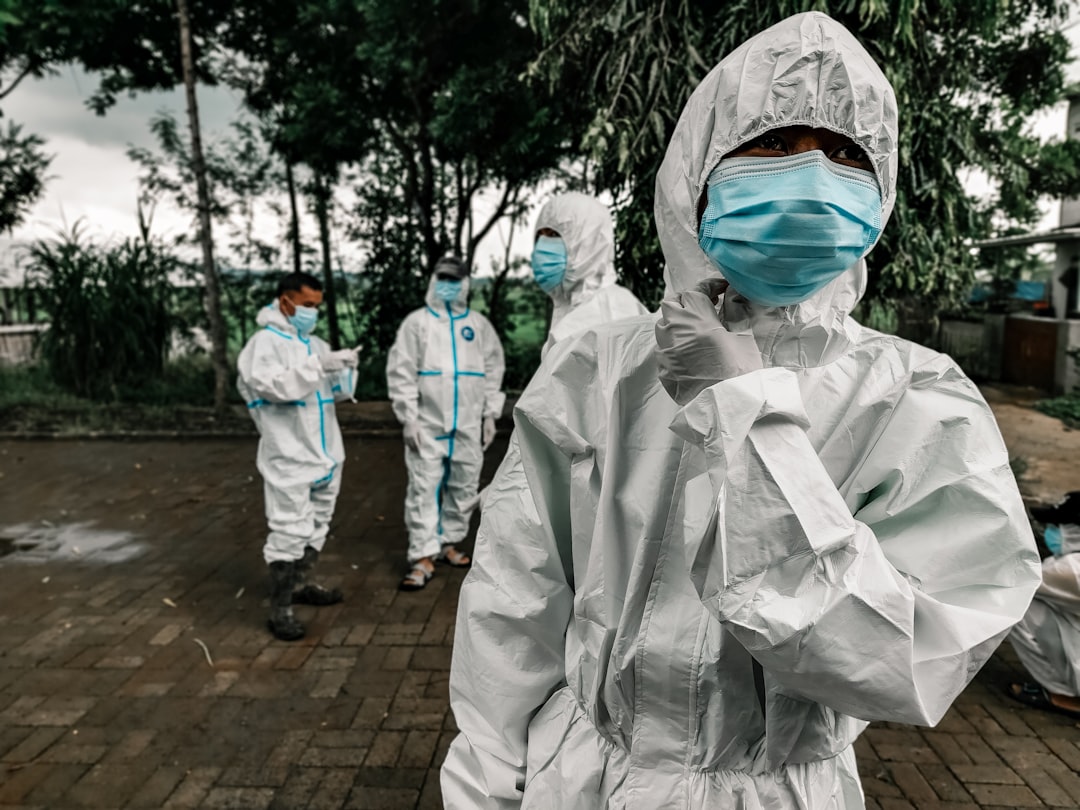
Few diseases in modern history have generated the level of fear associated with Ebola. With graphic symptoms, high mortality rates, and images of overwhelmed treatment centres etched into public memory, Ebola became synonymous with the dangers of global outbreaks long before COVID-19 reshaped how the world thinks about pandemics. But what exactly is Ebola? Where did it come from? How dangerous is it today? And should the public still be worried? A Deadly Virus with a Modern Legacy Ebola virus disease was first identified in 1976 during simultaneous outbreaks in what is now the Democratic Republic of the Congo and South Sudan. The virus was named after the nearby Ebola River, and from the beginning it proved exceptionally dangerous, capable of causing severe hemorrhagic fever with fatality rates that have ranged from 25 to 90 percent depending on the outbreak and available medical care. For decades, Ebola outbreaks were typically isolated to remote regions of Central and West Africa. That changed dramatically in 2014 when the largest Ebola outbreak in recorded history spread through Guinea, Liberia, and Sierra Leone, infecting more than 28,000 people and killing over 11,000. The crisis exposed major weaknesses in global health preparedness and demonstrated how quickly infectious diseases can overwhelm healthcare systems and destabilize economies and communities. The outbreak also fundamentally changed international public health policy. Governments, hospitals, and health organizations around the world began investing more heavily in infectious disease surveillance, emergency response planning, quarantine procedures, and vaccine development. What Ebola Actually Does to the Body Ebola begins much like many common viral illnesses, which can make early detection difficult. Initial symptoms often include: Sudden fever Severe fatigue Muscle pain Headache Sore throat As the disease progresses, patients may develop: Vomiting and diarrhea Rash Liver and kidney impairment Internal and external bleeding Multi-organ failure The virus attacks the immune system and damages blood vessels and organs, often leading to shock and death in severe cases. Patients who survive can still face long-term complications including joint pain, neurological problems, eye disorders, and ongoing fatigue months or even years later. How Ebola Spreads - And How It Does Not One of the most important public health facts about Ebola is that it does not spread through the air like influenza or COVID-19. Transmission occurs through direct contact with: Blood or bodily fluids of infected individuals Contaminated needles or medical equipment Infected animals Surfaces contaminated with infectious fluids This means Ebola is highly contagious in healthcare settings and among close family caregivers without proper protective equipment, but far less transmissible in casual public settings than many people assume. Funeral practices involving direct contact with deceased individuals have also historically contributed to outbreaks in some regions, making culturally sensitive public health education critically important during containment efforts. Treatments and Vaccines Have Changed the Outlook For years, Ebola was viewed almost as a death sentence. That perception has begun to change. Major advances in medicine and outbreak response have significantly improved survival rates, including: Rapid testing and surveillance systems Specialized isolation units Improved supportive care and hydration Monoclonal antibody treatments Effective vaccines for certain Ebola strains The development of the rVSV-ZEBOV vaccine represented a major breakthrough and has helped contain several recent outbreaks before they expanded into international crises. Global health organizations are now far better equipped to identify and isolate cases quickly compared to the early years of Ebola response. Should the Public Be Worried? Ebola remains a serious and deadly disease, but experts generally emphasize that widespread public panic is not warranted. Most outbreaks remain geographically limited and are aggressively monitored by national governments, the World Health Organization, and international health agencies. Countries with advanced healthcare systems also have far stronger infection prevention and containment capabilities than existed during earlier outbreaks. Still, Ebola continues to command attention because it highlights how interconnected global health has become. International travel, fragile healthcare systems, political instability, climate pressures, and human interaction with wildlife all increase the risk of future outbreaks of emerging infectious diseases. In many ways, Ebola serves as both a warning and a lesson: deadly viruses can emerge unexpectedly, but rapid science, coordinated public health measures, and global cooperation can dramatically reduce their impact. The world’s experience with Ebola helped shape many of the outbreak response systems now used to confront emerging diseases today, and public health experts continue to view it as one of the clearest examples of why pandemic preparedness remains essential. Connect with an expert:
