
Experts Matter. Find Yours.
Connect for media, speaking, professional opportunities & more.
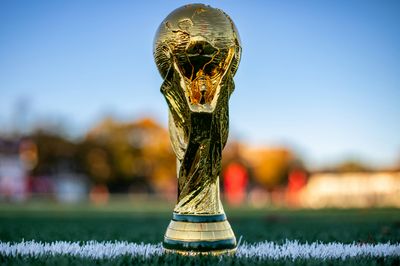
World Cup 2026: Hofstra experts on the science, health, and business behind the tournament.
The 2026 FIFA World Cup comes to the New York metro area, and Hofstra University is ready. From the training room to the boardroom, Hofstra faculty bring research-backed expertise to the stories journalists are chasing this tournament season. Featured Topic The Cultural Game Why soccer means what it means and what this World Cup moment represents The World Cup has always been about more than the game. Brenda Elsey, Professor of History, studies soccer as a cultural and political force across the Americas -- from grassroots identity to gender and power. She can speak to what this tournament represents as a historical moment, on and off the field. Expert Brenda Elsey - History Featured Topic Health and Performance on the World Stage Expert insight on what it takes to compete and recover at a World Cup. Competing at this level means managing the body and the mind across weeks of high-stakes matches with almost no recovery time. Hofstra's health and kinesiology faculty are your sources for the stories behind the performance. Experts Jayne Ellinger - Athletic Training Katie Sell - Exercise Physiology Anna Len - Physical Therapy Genevieve Weber - Mental Health Featured Topic Beyond the Pitch What the World Cup does to cities, economies, and public health systems From local business impact and tourism economics to disease surveillance and emergency preparedness - Hofstra faculty are ready to talk. Experts Andy M. Forman - Marketing & Tourism Lauren Hindman - Management Martine Hackett - Population Health Meshack Achore - Population Health
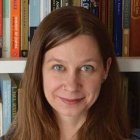

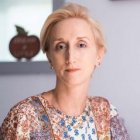
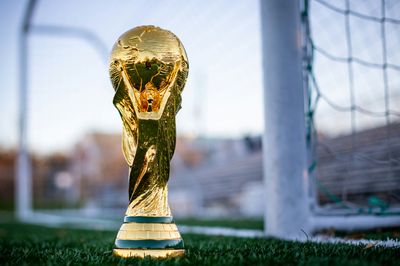
World Cup 2026: Georgia Southern University Experts on the Game Behind the Game
Atlanta is one of the World Cup's biggest host cities. Georgia Southern faculty across economics, health sciences and international studies are ready to speak to the stories behind the tournament. Featured Topic The Atlanta Advantage: Regional Economics of Hosting the World Cup What it means for local businesses, tourism, and the long-term economic legacy of a host city Atlanta's World Cup moment is as much an economic story as a sporting one. Georgia Southern University economics professors Michael Toma, Ph.D., and Anthony Barilla, Ph.D., can speak to tourism revenue, infrastructure investment and what host cities actually gain — and manage —- when the world comes to town. Experts Michael Toma, Ph.D. - Regional Economics and Development Anthony Barilla, Ph.D. - Economics and Public Policy Featured Topic Playing Across a Continent: The Physical Demands of a 48-Team Tournament What elite athletes face competing across climates, time zones and a month-long schedule 48 teams. Multiple cities. Almost no recovery time. Georgia Southern health sciences and kinesiology professor Samuel Wilson, Ph.D., and sports psychologist Brandonn Harris, Ph.D., can explain how a World Cup schedule affects the human body and how elite teams prepare for it. Experts Samuel Wilson, Ph.D. - Health Sciences and Athletic Performance Brandonn Harris, Ph.D. - Kinesiology and Exercise Science Featured Topic More Than a Match: The World Cup as Cultural and Political Exchange How the world's biggest sporting event becomes a stage for diplomacy, identity, and soft power When 48 nations converge on American soil, the game is only part of the story. Political science and international studies expert Christopher M. Brown, Ph.D., can speak to the geopolitical dimensions — national identity, soft power and what it means for the U.S. to host global soccer for the first time in a generation. Experts Christopher M. Brown, Ph.D. - Political Science and International Studies


Happiness isn’t just about chasing big, exciting moments. A lot of the science points to the smaller, everyday things that help people feel connected, calm and grounded. Simple habits like helping others when we see them struggling create a bigger impact than we often expect. University of Delaware's resident "happiness expert" Amit Kumar, a psychologist and assistant professor of marketing in UD's Lerner College of Business & Economics, appeared on NPR's Hidden Brain to discuss that very topic. Kumar discusses why sometimes it feels like we can't help others and how we can surmount those fears to build strong connections and also feel a greater sense of happiness. To speak with Kumar about this topic, click his profile.

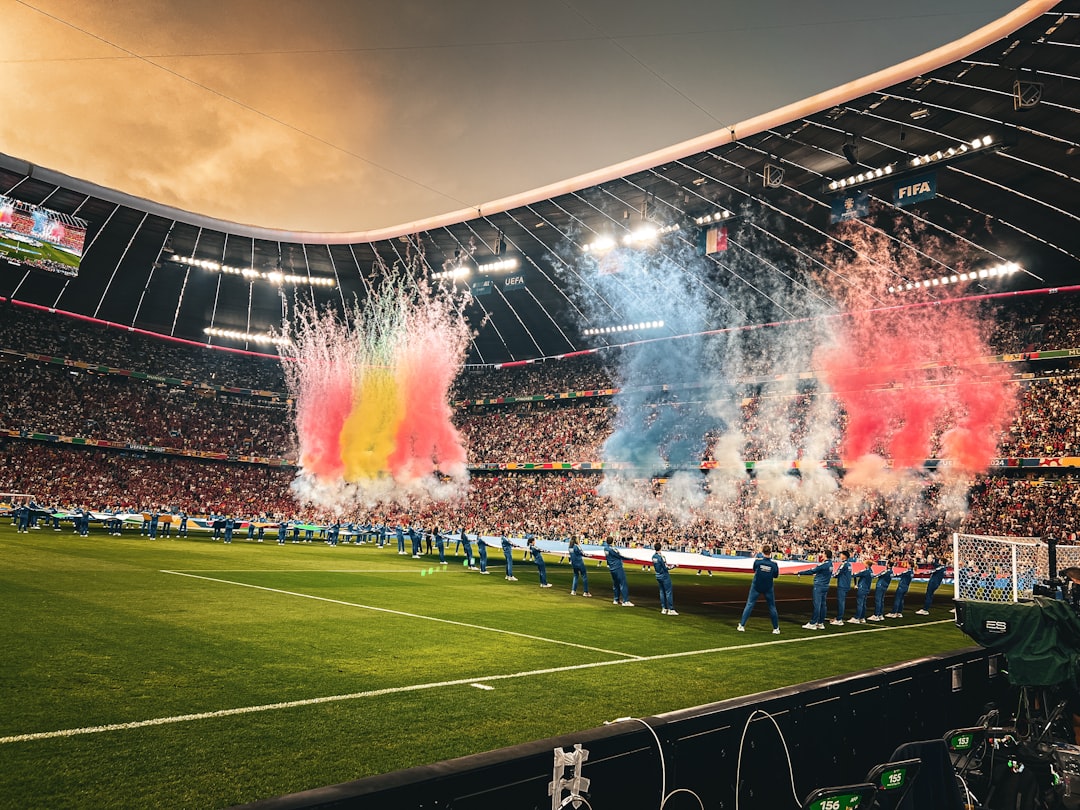
World Cup 2026: Story Angles Beyond the Pitch
The 2026 FIFA World Cup will be one of the biggest sports stories of the year, with matches underway across Mexico, Canada and the United States. But the story will reach well beyond the field. As the tournament moves from city to city, it will bring host communities, public agencies, local businesses and civic leaders into the spotlight. That creates a wide range of story angles for journalists, from public health and safety, tourism and economic impact to sports technology, fan culture, athlete performance, national identity and the politics of international sport. Institutions using ExpertFile are helping media cover these broader World Cup stories through dedicated Topic Authority Hubs, Spotlight posts and expert profiles featuring trusted sources across health, business, technology, public policy, culture and sport. Featured World Cup Expert Hubs With the World Cup coming to the New York metro area, Hofstra University’s hub brings together experts on athlete health, recovery, injury prevention, mental performance, public health, tourism, local business impact and the cultural history of soccer. Explore Hofstra’s World Cup 2026 Hub. Source: Hofstra University The University of Delaware’s hub focuses on player safety, concussion research, sports analytics, tourism, youth development, fan behavior, shared experiences and the science behind elite competition. Explore the University of Delaware’s World Cup 2026 Hub. Source: University of Delaware Carnegie Mellon University’s hub looks at the tournament through the lenses of geopolitics, diplomacy, sports marketing, fan engagement, AI, robotics, biomechanics, human performance and emerging sports technologies. Explore Carnegie Mellon’s World Cup 2026 hub. Source: Carnegie Mellon University Emory University’s Goizueta Business School hub explores World Cup 2026 through the business of the tournament, including host city economics, ticket pricing, fan engagement, sports marketing, global sponsorship, brand strategy and the rise of the player brand. Explore Goizueta Business School’s World Cup 2026 hub. Story Angles As coverage plans take shape, these are some of the World Cup 2026 story angles journalists may want to explore. The Topic Authority Hubs featured above offer a helpful starting point, with Spotlight posts and expert profiles connected to many of these issues. Journalists can also search directly on expertfile.com to find additional academic experts who can bring depth, context and clarity to their coverage. The politics behind the tournament The World Cup is never just about sport. It can become a global stage for diplomacy, national pride, protest, soft power and political tension, with countries not only competing on the field but also presenting themselves to the world. For journalists, that creates timely story opportunities around national identity, international relations and the political flashpoints that often surface around major global sporting events. The next generation of fans A World Cup can shape how young people connect with sport, family, community and national identity. For many children and teenagers, this may be the first tournament they experience in a big way — at school, at home, in their community or through local soccer programs. The mental pressure of representing a country Few sporting events carry the emotional weight of the World Cup. Players are not just competing for clubs or contracts. They are carrying national expectations in front of a global audience, often under intense media and social media scrutiny. The science of movement under pressure World Cup matches are full of moments that happen almost too quickly to see: a sudden change of direction, a hard landing, a collision, a late tackle, a split-second decision to accelerate or pull back. Experts can help explain the biomechanics behind elite soccer movement, how the body absorbs stress during competition, and why injuries such as ACL tears and concussions remain such important issues at the highest level of the game. How technology is changing the game AI, sports analytics, wearables, robotics, motion tracking and virtual experiences are changing how soccer is played, trained, analyzed and watched. Some of this technology is visible to fans. Much of it is happening behind the scenes. The hidden science behind the tournament Some of the most important parts of the World Cup are easy to overlook. Playing surfaces, stadium preparation, natural grass requirements, turfgrass systems and venue logistics all play a role in the quality of the tournament. What host cities gain — and what they have to manage The World Cup can bring major attention to host cities, along with increased demand on hotels, restaurants, transportation systems, small businesses and public services. The story is not only how many people visit, but who benefits and what remains after the tournament moves on. Sports analytics in action Data is now part of how elite soccer is understood, taught and analyzed. From performance trends to real-time decision-making, analytics can help explain what is happening inside the game and how teams, coaches and analysts evaluate play at the highest level. Soccer as culture and identity For many fans, soccer is tied to family, community, immigration, history and belonging. The World Cup offers a chance to tell stories about fan culture, grassroots soccer, Latin American soccer history, gender and power in the sport, and why watching together can feel so meaningful. Public health and mass gatherings Millions of fans travelling across borders and gathering in stadiums, fan zones and public spaces create important public health questions. Cities need to think about disease surveillance, emergency preparedness, health system readiness and health equity — all while hosting one of the most visible events in the world. About ExpertFile ExpertFile helps organizations become the most trusted and visible source of expertise in an AI-driven world. The platform combines expert profiles, content publishing, inquiry management, analytics and media distribution into a single Visible Authority infrastructure - enabling universities, healthcare organizations, corporations and associations to improve how their expertise is discovered, cited and engaged across search engines, AI assistants and media channels. Built-in workflow orchestration, governance controls and compliance oversight help organizations reduce risk and achieve greater impact with existing resources. Trusted by leading institutions including Carnegie Mellon University, the Massachusetts Institute of Technology (MIT) and ChristianaCare, ExpertFile helps organizations unlock the full value of their expertise at scale. The ExpertFile Mobile App connects journalists, conference organizers, policymakers, researchers and industry partners with authoritative expertise across more than 50,000 topics.


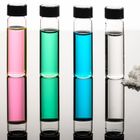
Research Matters: Water, Water Everywhere — and Lots to Drink
Researchers at the University of Rochester have discovered a better way to turn seawater into drinking water as climate change, population growth, and drought intensify pressure on freshwater supplies. Desalination, as the process of converting saltwater to freshwater is known, has been used for some time. But desalination methods commonly used today have significant drawbacks: they require large amounts of energy and generate brine waste that can damage marine ecosystems. Enter University of Rochester optics and physics professor Chunlei Guo and his research team, who have developed a solar-thermal desalination technology that converts seawater into drinking water without chemical additives and without producing the harmful brine. Their system uses a specially engineered solar panel made of “superwicking” black metal etched with ultrafast lasers that allow it to absorb light and attract water. The panels have a laser-treated “active” region that pulls a think layer of water across the surface, absorbs sunlight, distills the water, and deposits leftover salts and minerals onto the untreated “passive” region. The technology also transforms waste into a resource. Instead of generating brine, the process captures salts in solid form, creating opportunities to recover valuable minerals. Guo's team has already demonstrated the ability to extract lithium, a critical component in rechargeable batteries, from salt-rich water sources. For reporters covering sustainability innovation, Guo is available to discuss: • Why desalination is becoming increasingly important worldwide • The environmental challenges associated with current desalination technologies • How solar-powered desalination works • The role of advanced materials and laser engineering in water purification • Recovering valuable minerals such as lithium from seawater • The future of sustainable water and resource management With an estimated 2.2 billion people worldwide lacking access to safely managed drinking water, Guo's research offers a glimpse of how next-generation technologies could help address both global water shortages and growing demand for critical minerals. Researchers recently explained their method in a paper published in Light: Science & Applications. Journalists can connect with Guo by contacting Luke Auburn, director of communications at the University of Rochester’s Hajim School of Engineering and Applied Sciences, at luke.auburn@rochester.edu.

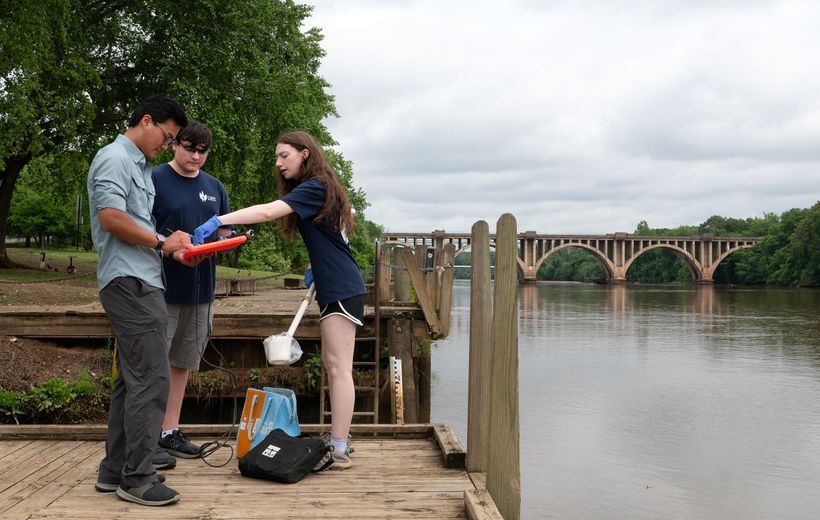
What's in the Water? New Research Brings Weekly River Health Data to the Public
A recent article in the Fredericksburg Free Press highlighted a new University of Mary Washington initiative that is testing the Rappahannock River weekly for fecal coliform bacteria and sharing the results publicly. Led by Associate Professor of Earth and Environmental Science Tyler Frankel, the program aims to provide residents with accessible information before swimming, fishing, paddling, or otherwise enjoying one of the region's most important waterways. Dr. Tyler Frankel is an Assistant Professor in the Department of Earth and Environmental Sciences at the University of Mary Washington. He is an expert on ecotoxicology, specifically the impact of pharmaceutical, industrial waste products, & pesticides on aquatic wildlife. View his profile The project addresses a significant gap in environmental monitoring. While bacteria levels can change rapidly following rainfall and other environmental conditions, routine testing has historically been limited. Frankel and his student research team are collecting samples from five locations along the river and building a long-term database that can help identify contamination trends and potential pollution sources. The effort also provides valuable hands-on research opportunities for students while generating information with direct public health benefits. “There isn’t really a program that exists like that for the Rappahannock where the public can get access to weekly data sets.” — Tyler Frankel, Associate Professor of Earth and Environmental Science, University of Mary Washington The research focuses on fecal coliform bacteria, including E. coli, which can enter waterways through sewage, failing septic systems, agricultural runoff, pets, wildlife, and other sources. Elevated levels can pose health risks to people who come into contact with contaminated water, making timely and accessible monitoring an important tool for both recreation and environmental stewardship. Connect with an Expert Interested in discussing water quality monitoring, bacterial contamination in rivers, watershed management, citizen science, or environmental health risks? Connect with Tyler Frankel, Associate Professor of Earth and Environmental Science at the University of Mary Washington, for expert insight into water quality testing, pollution tracking, environmental monitoring, and the science behind protecting freshwater ecosystems.

Psychology Expert Explains Why Nostalgia Hits Us So Hard
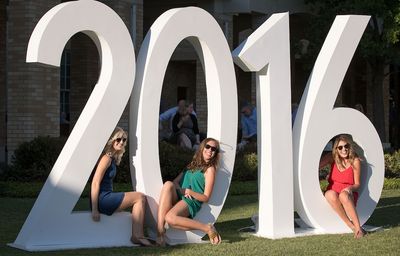
Whether it’s the smell from a vintage shop or the recent social media trend of sharing 2016 photos, Professor Cathy Cox from TCU’s Louise Dilworth Davis College of Science & Engineering recently spoke to TCU News about why our brains respond so strongly to nostalgia. Read the full interview below and check out her Explained in 60 Seconds video: Looking to connect with Cathy Cox? Simply contact Holly Ellman, Associate Director of Communication, today at h.ellman@tcu.edu.

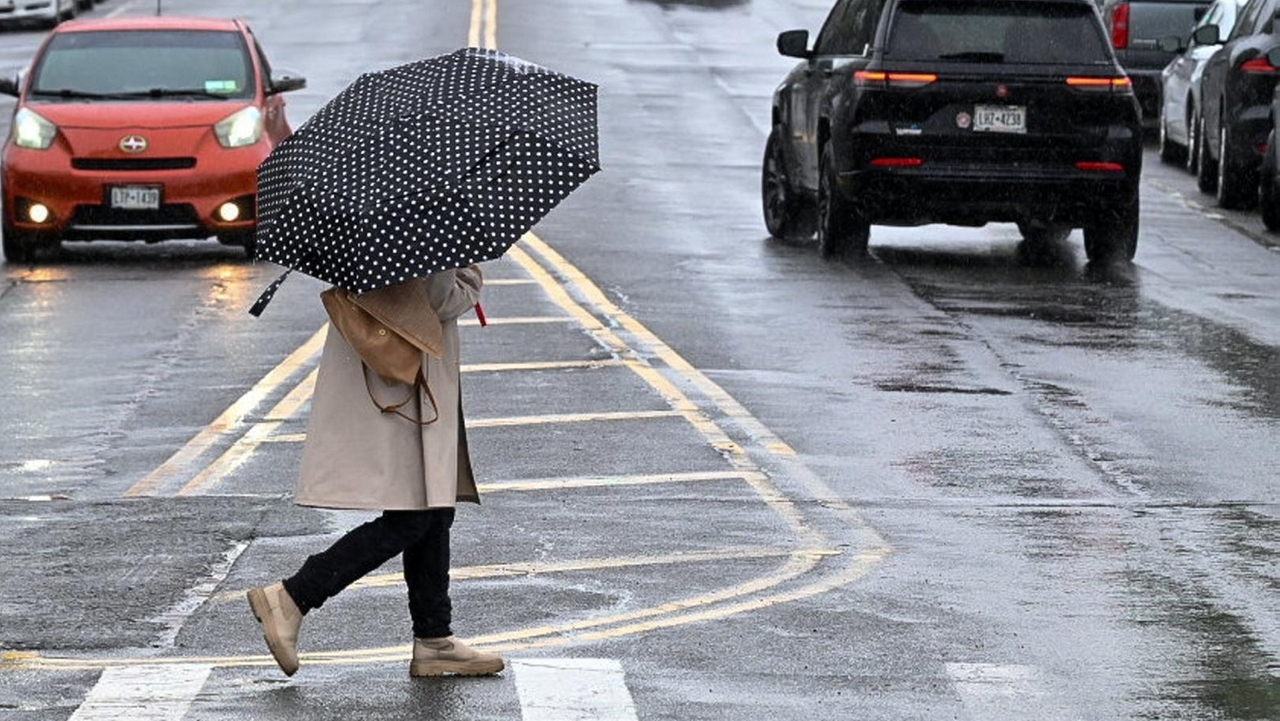
Science Says Rainy Weekends are Simply Bad Luck
Beyond bad luck, could there be a reason why recent weekends have been more rainy than the rest of the week? From the start of spring to the end of May, it rained on half, or 10, of 20 weekend days. By comparison, it rained one-third of the 46 workweek days. Newsday interviewed Jase Bernhardt, associate professor of geology, environment, and sustainability, to see if there is a scientific explanation for the frequently soggy Saturdays and Sundays. According to the National Weather Service, data collected over five, 10 and 40 years found that rain was not any more frequent on weekends than weekdays. It also found no statistically significant change in the overall occurrence of rain events. “You try to slice up these data sets in all these different ways, and inevitably, you will find random patterns that at first seem like something meaningful.” But often, he said, “when you peel back the data, look at an appropriate sample size, you realize it goes away, there wasn’t anything actually meaningful here.”

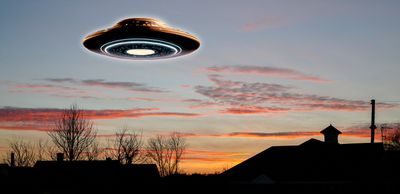
Spielberg's "Disclosure Day" Revives the UFO Debate. But What Would Real 'Disclosure' Mean?
What if the government finally revealed the truth about UFOs and extraterrestrial visitors? That’s the premise of the new Steven Spielberg film “Disclosure Day,” which the director has said was inspired by the U.S. government’s release of previously classified records related to unidentified aerial phenomena (UAPs) that sparked congressional hearings and renewed interest in so-called “disclosure.” But to University of Rochester astrophysicist Adam Frank the real question isn't whether the government is hiding secrets. It's what would count as actual evidence of extraterrestrial interaction. “Over the last several years, we’ve had hearings, testimony, and lots of extraordinary claims,” Frank says. “What we haven’t had is the one thing science requires: hard physical evidence.” Frank, an award-winning science communicator, astrophysicist, and leading expert on the search for extraterrestrial life, says the distinction matters. Stories, rumors, and secondhand accounts may generate headlines, but they don't constitute proof. "What true disclosure would mean is simple," Frank says. "It wouldn’t be stories about alien spaceships, but the actual spaceships. Not stories about alien bodies, but actual physical evidence that independent scientists around the world could examine and verify." As media coverage surrounding UFOs, government transparency, and extraterrestrial life intensifies, Frank offers a grounded scientific perspective on what we know, what we don't know, and how science separates possibility from proof. Frank is available to discuss: • The science behind UFO and UAP investigations • What constitutes evidence of extraterrestrial life • Why government disclosures have so far failed to provide proof • The search for life elsewhere in the universe • How Hollywood portrays alien contact versus scientific reality • Why scientists remain open to — but skeptical of — extraordinary claims "The universe is vast, and the possibility of life elsewhere is real," Frank says. "But if we're going to claim aliens have visited Earth, then we need evidence that meets the same standards we would demand for any other scientific discovery." Frank is a frequent on-air commentator for live interviews and segments in national media outlets and the author of The Little Book of Aliens (Harper Collins, 2023). He also regularly contributes to written publications, including Forbes, The Atlantic, The New York Times, and Scientific American. He is a recipient of the Carl Sagan Medal, which recognizes and honors outstanding communication by an active planetary scientist to the general public. Click on Frank's profile to connect with him.


Georgia Southern selected as Census Bureau hub
Georgia Southern University’s Statistical Consulting Unit (SCU) in the College of Science and Mathematics has been selected as the Census Bureau Higher Education Consortium – Southern Hub. The partnership places the University as an access point between regional experts and the public to make the vast data of Census reports usable for research, business and individual discovery. SCU director Divine F. Wanduku, Ph.D., says that cooperation is the key element of the program. “We want to facilitate high-level access to this data and the tools to apply it,” noted Wanduku. “We are the liaison between other universities, the government and those who could use this information if they can learn how it works.” As a regional Census hub, Georgia Southern will host a series of webinars. Experts from Georgia Southern, partner universities and the Census Bureau will address specific methods to access and analyze otherwise overwhelming data. Wanduku says the partnership opens up development opportunities for everyone involved. “This will help students prepare for jobs in the federal government or anywhere that uses government data because they get to try it out themselves,” said Wanduku. “It also helps to show how faculty are able to impart knowledge of research and then make recommendations to the Census Bureau about what works. So the federal government helps higher education institutions provide access to the raw material and then we help the Census Bureau by making recommendations on where our research is going and what data is most useful.” Beyond the webinar series, Wanduku sees the partnership as a stepping stone to future collaborations. “This expands our network with everyone from other universities to contractors,” said Wanduku.”We get to meet each other and find out what we’re all working on separately and turn it into projects we can work on together.” Looking to know more about the Census Bureau Higher Education Consortium or Gerogia Southern University? Simply contact Georgia Southern's Director of Communications Jennifer Wise at jwise@georgiasouthern.edu to arrange an interview today.