
Experts Matter. Find Yours.
Connect for media, speaking, professional opportunities & more.
Beyond the field: New research highlights how NIL is reshaping college athlete identity
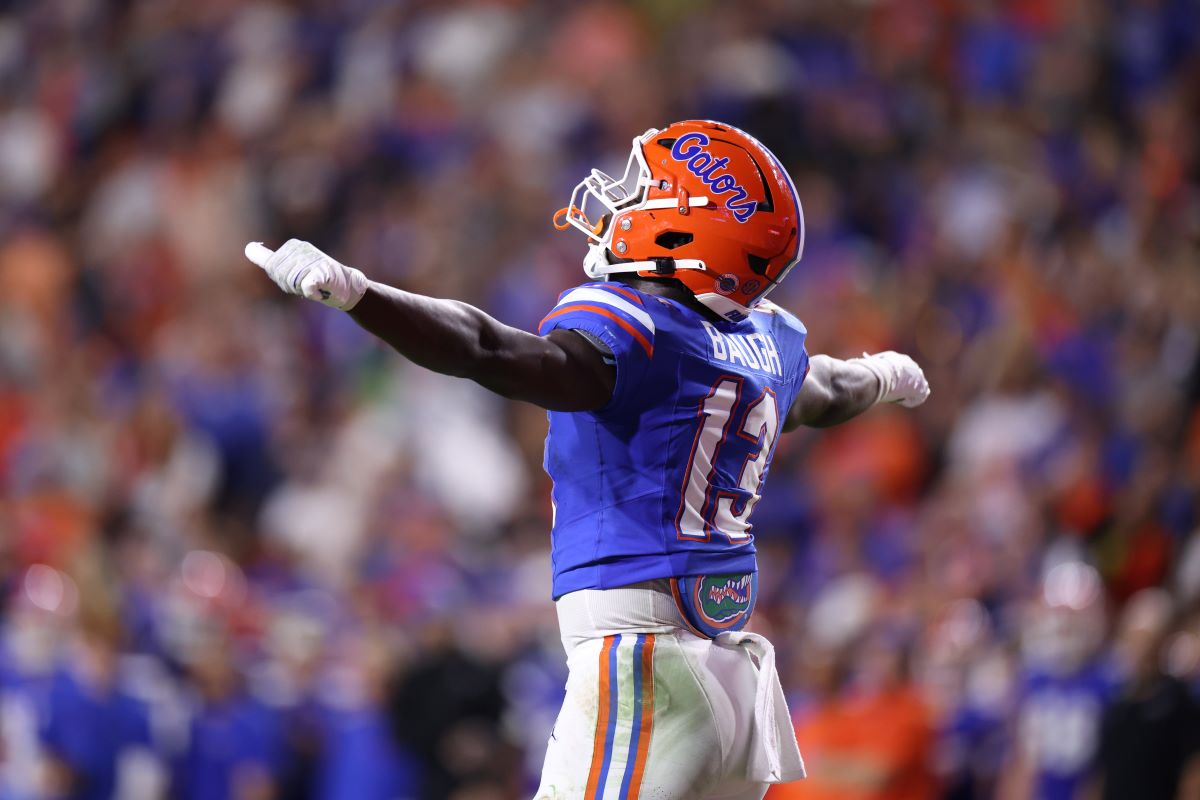
In an era of name, image and likeness, or NIL, many college athletes are thinking differently about who they are — seeing themselves not just as competitors or students, but also as influencers with distinct voices and causes, according to a new study from the University of Florida. Molly Harry, Ph.D., an assistant professor in the Department of Sport Management at the UF College of Health and Human Performance, surveyed 200 athletes from 21 Power Four universities to better understand how NIL, which refers to the rights of college athletes to earn money through endorsements, sponsorships, social media promotions and other commercial opportunities, has impacted the way athletes perceive their roles and identities. “Historically, we’ve viewed them (college athletes) through the lens of athletics or academics, but they’re daughters, brothers, role models, and increasingly, they’re now cultivating public personas and marketing skills.” —Molly Harry, Ph.D., an assistant professor in the Department of Sport Management The findings, published Friday in the Sociology of Sport Journal, reveal a growing recognition among athletes that they are more than the two-dimensional “student-athlete” model that is traditionally used in research and policy. “With the shift in NIL policies, athletes are starting to develop roles and identities related to that of the influencer,” Harry said. “Historically, we’ve viewed them through the lens of athletics or academics, but they’re daughters, brothers, role models, and increasingly, they’re now cultivating public personas and marketing skills.” Through survey responses across seven major sports — football, baseball, men’s and women’s basketball, gymnastics, volleyball and softball — Harry and UF doctoral student Hannah Kloetzer examined athletes' engagement with NIL opportunities, as well as the personal sacrifices they made to pursue them. They found that many athletes now view NIL as a platform to promote causes they care about, build connections with their communities and explore career pathways after college. One softball player described the value of NIL in a way that highlights the broader impact: “It’s been great to feel seen and have your hard work in a sport help in other parts of life. It’s really nice to use NIL on a resume as marketing experience.” Athletes surveyed said they found deals not just with big-name brands, but more often with local businesses like restaurants, boutiques and community partners. This entrepreneurial approach often required initiative and personal outreach, something many athletes had to learn on their own. “Some athletes told us they felt lost when trying to navigate NIL,” Harry said. “Others shared how they reached out to local businesses or organized their own camps.” One particularly striking finding, Harry said, was that some athletes were making athletic sacrifices — like spending less time training — to pursue NIL work, a shift that underscores the importance of these opportunities. Harry stressed that while no one reported skipping practices, athletes did acknowledge shifting their priorities to make room for NIL-related endeavors. “If you’re willing to give up something in your athletic routine, that speaks volumes about how central NIL — and influencer identities — could become for some athletes,” she said. Another key insight: football players of color from low socioeconomic backgrounds were most likely to self-identify as influencers. This emerging pattern stands in contrast to perceived broader trends in the social media world. “That was one of the most fascinating takeaways,” Harry said. “We have this unique subset of influencers — college football athletes — that are starting to enter this space.” Harry’s research builds on a growing conversation in the academic community about the evolving identity of college athletes. A few conceptual pieces have previously proposed the idea of a “student-athlete-influencer,” but Harry’s team is one of the first to gather empirical data to back it up. This new perspective has broad implications for how universities and organizations like the NCAA support college athletes, both during their playing years and as they prepare for life after sport. “As fans, we often see athletes as commodities on the field,” Harry said. “But they’re humans first, and they’re starting to recognize their own value and tap into their potential beyond the playing field.” In addition to academic and athletic support, Harry believes universities should invest in more targeted resources tailored to influencer pressures, like mentorship opportunities and training that goes beyond basic social media etiquette. “Athletes who take on influencer roles may deal with unique stressors, whether it’s comparing engagement numbers or coping with public scrutiny,” she said. “It would be valuable to provide opportunities where athlete-influencers can support each other, share strategies and protect their mental health.” A football player who participated in the study summed up the broader potential of NIL: “I’m very appreciative of NIL opportunities and the ability to continue to grow my camp and greater brand outside of my football program.” Looking ahead, Harry plans to explore this evolving identity through more qualitative research, with a focus on what it truly means to be an “influencer” in the context of college athletics. “Athletes are more than football players. They are more than swimmers,” she said. “They are people who we walk with on our college campuses, and they are people who bring value to our society in a host of ways.”


What makes the NFL's biggest game so Super?
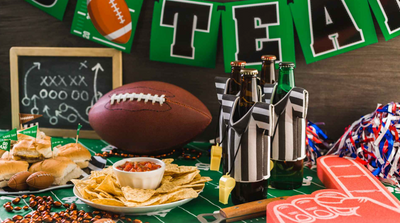
Why would someone pay $10,000 for a Super Bowl ticket? Why does the big game serve as a reason for a party – perhaps the only event to do so on a national level? How do teams lock in and play their best while the whole world is watching? University of Delaware experts can deliver answers to those and other questions long before the first chip hits the dip. Amit Kumar, an assistant professor of marketing and expert on happiness, said that part of the reason people derive hedonic benefits from buying tickets to sporting events like the Super Bowl is because of the memories they provide and the conversational value they generate. He pointed to his study on consuming experiences, which found that consumers derive more happiness from purchasing experiences than from buying possessions. Kumar can also talk about the benefits of Super Bowl parties and the psychology behind the social connections that take place at sports-related gatherings. Other UD experts who can comment on the Super Bowl include: • Kyle Emich, professor of management: The inner-working of teams, decision-making and how emotions influence cognitive processing. • John Allgood, instructor of sport management: Fan engagement and the economics of sports. • Nataliya Bredikhina, assistant professor of sport management: Athlete branding and event sponsorships. • Tim Deschriver, associate professor of sport management: Topics related to sports economics, finance and marketing. • Karin Sabernagel, professor of physical therapy: Specializes in lower extremity musculoskeletal injuries, sports medicine and tendon injuries (ankle, knee). To reach these experts directly and arrange interviews, visit their profiles and click on the "contact" button. Interested reporters can also contact MediaRelations@udel.edu.



Training champions: University of Delaware experts prepares students Olympic success
University of Delaware students, alumni and experts are very involved with this year's Olympics. The following are available for interview. Alumni Attending Olympic Games Shannon Colleton is a 2022 graduate of UD's Physical Therapy Sports Residency Program heading to the Winter Olympics with the U.S. Ski and Snowboard Team. She's specifically working as a PT for the women's speed skiing team (Super G and the downhill competitions). Students Covering Olympics Cris Granada, a senior communication major and member of UD's soccer team, has parlayed a summer internship with NBC Sports into a position as a production assistant with the network at the Winter Olympics. Professors with Olympic Expertise Matthew Robinson, professor of sport management in Lerner, is an all-around Olympics expert. He can talk about the host city, Milan, and the IOC's evolving model of hosting games in multiple locations. He can also talk about the idea of sport as a unifier despite what's going on in the world around us. Robinson can also talk about the burden the NHL faces, having to pause its season so players can compete on the world stage. While it's an honor to have an athlete represent their country on the world stage, it's also a risk to the professional team if they get hurt. The NBA feels similarly about the Summer Games. Soccer also pauses for the World Cup. Jeffrey Schneider, clinical instructor of kinesiology and applied physiology, has worked with Olympic figure skaters in the past and can speak as an expert on this sport. Thomas Buckley, professor of kinesiology and applied physiology, is an expert in ice hockey and bobsledding. He can talk about common injuries, risks/benefits. He noted that bobsledding has a surprisingly high rate of concussion and repetitive head trauma due to the speed of the sport. To contact Robinson and Buckley directly, visit their profile pages and click the "contact" button. Interviews for all the experts featured here can also be arranged by contacting mediarelations@udel.edu.


One AI-based advancement at a time, UF leaders are transforming the sports industry
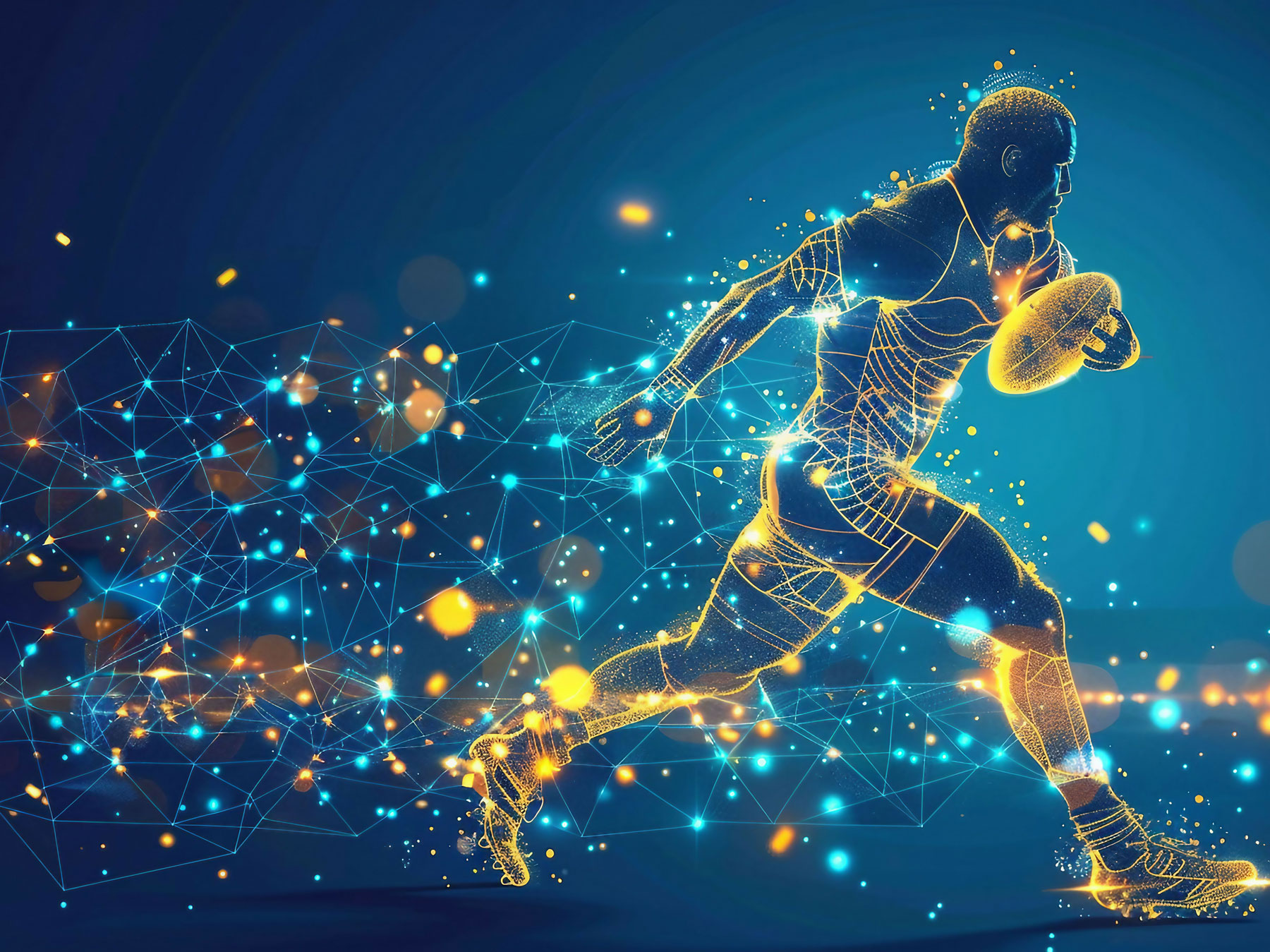
As emerging technologies like AI reshape sport industries and professional demands evolve, it is essential for students to graduate with the expertise to thrive in their future careers. To ensure that these students are set up for success, the UF College of Health & Human Performance has launched a new sports analytics program. Led by Scott Nestler, Ph.D., CAP, PStat, a professor of practice in the Department of Sport Management and a national analytics and data science expert, the program ties back to the UF & Sport Collaborative – a five-part project intended to elevate UF’s presence on the global stage in sports performance, healthcare and communication. “Tools and insights that previously were only available to professional sports teams are now coming to the college level, and it makes sense for universities to begin using these data, technologies and new analytic methods,” Nestler said. The sports analytics program fosters collaboration between academic units, such as the Warrington College of Business and the University Athletic Association, helping bridge the gap between sport research and innovation and empowering students to address real-world challenges through data and AI. For example, the program offers opportunities to leverage technology and analytics for strategic decision making in player acquisition, team formation and in-game decisions. Beyond performance metrics, the program also explores marketing strategies and revenue analytics, providing a well-rounded understanding of the field. “When you have enough data and a large enough sample of individuals, AI can help make predictions that otherwise would take prohibitively longer for a human to accomplish with traditional methods,” said Garrett Beatty, Ph.D., the assistant dean for innovation and entrepreneurship and an instructional associate professor in the College of Health & Human Performance’s Department of Applied Physiology and Kinesiology. “Because those data volumes are getting so large, AI models, machine learning, deep learning and other strategies can be leveraged to make sense and glean insights from sport and human performance data in ways that have never been done before.” The program seeks to offer several educational opportunities, such as individual courses, certificate programs and potentially a full degree program. In the long term, Nestler envisions the program evolving into a center or institute, beginning with establishing a research lab in the spring. Additionally, the program will leverage the university’s supercomputer, HiPerGator, to analyze larger data sets and use newer predictive modeling machine learning algorithms. “As faculty and staff move from working with box score and play-by-play data to using tracking data, which contains coordinates of all players and the ball on the field or court tens of times per second, the size of data files in sports analytics has grown tremendously,” Nestler said. “HiPerGator, with its large storage capacity and multiple central processing units/graphic processing units, is ideal for using in sports analytics work in 2025.” Nestler also aims to increase student involvement by enhancing UF’s Sport Analytics Club and hiring research assistants to work on projects for the University Athletic Association. “We need to take a broader view of what AI is and realize that it incorporates a lot of what we’ve been calling data science and analytics in the form of machine learning models, which came more out of statistics and computer science. Those are types of AI and those that I think will largely continue to be used in the coming years within the sports space,” Nestler said. “Also, we’re continuing to see growth in the number of people interested in working in this space, and I don’t foresee that changing. Fortunately, we are also seeing the number of opportunities available to those with the appropriate skills increase as well.”


March Madness: Experts comment on picking underdogs, prop bets and economic benefits
Why do people pick underdogs when filling out their brackets for the NCAA men's and women's basketball tournaments? How do people consume March Madness? How does the tournament benefit host cities and teams economically? University of Delaware experts have the answers. The following UD faculty members can provide their expertise for journalists working on stories about the tournaments. • Jackie Silverman, assistant professor of marketing: Why people might have chosen underdogs still hanging around in their brackets, • John Allgood, instructor of sport management: How people consume March Madness (streaming vs. cable TV) and how major collegiate sports events can help brand individual schools. Contact UD media relations to reach him. • Tim DeSchriver, associate professor of sport management: Sports gambling (including prop bets) and advertising targets. • Matthew Robinson, professor of sport management: Economic benefits of the host city. • Matt McGranaghan, assistant professor of marketing: Consumer attention span during commercial breaks. To reach these experts directly and set up interviews, visit the expert profiles below and click on the contact button.


Success stories: How Team USA racked up so many medals
Team USA took home 120 medals from the 2024 Paris Olympics – the highest total of any nation. This didn’t come as a big surprise to Matt Robinson, professor of sport management at the University of Delaware. Robinson says the U.S. is an example of a trend in Olympic success: Nations perform better when they are hosting the next Olympics. "With the 2028 L.A. Olympics on the horizon, Team USA performed as expected for a nation that is next in line for hosting the games," he said. Robinson, who was in Paris to watch the Summer Games, has researched and published text about the Olympics and can give the backstory on The International Coaching Enrichment Certificate Program (ICECP). Robinson is the author of a number of highly successful sport management texts: Profiles of Sport Industry Professionals: The People Who Make the Games Happen and Sport Club Management and has authored over 25 articles and has made over 100 national and international scholarly and professional presentations. He can be contacted by clicking his profile.

Gold medal-worthy experts for Olympic Summer Games coverage
The University of Delaware boasts several experts who can comment on health-related topics such as injuries and training and business-focused areas like marketing and team behavior as they relate to the 2024 Olympic Games in Paris. Matt Robinson Professor, sport management Relevant expertise: Will be in Paris and can discuss the Olympics from an onsite perspective; can give the backstory on The International Coaching Enrichment Certificate Program (ICECP) and what’s new in the Paris Olympics. Link to profile and contact Tom Kaminski Professor, kinesiology and applied physiology Relevant expertise: Can comment on the impact of heading in Olympic soccer and has studied the risks of concussions in sports for nearly three decades. Link to profile and contact Karin Silbernagel Professor, physical therapy Relevant expertise: Research aims to advance the understanding of tendon and ligament injuries and repair. Can also discuss sailing. Link to profile and contact Tim DeSchriver Associate professor, sport management Relevant expertise: Sport finance, economics and marketing Link to profile and contact Other experts: INJURIES: Tom Buckley Associate professor, kinesiology and applied physiology Relevant expertise: Head impacts from boxing. Stephanie Cone Assistant professor, biomedical engineering Relevant expertise: Studies the structure-function relationship that exists in tendons and ligaments with a special interest in changes in this relationship during growth and following injury. Mike Eckrich Clinical instructor, physical therapy Relevant expertise: Weightlifting; can talk about the difference between men’s and women’s injuries and form in the sport. Donald Ford Physical therapy Relevant expertise: Shoulder injuries/rehab expert Jeffrey Schneider Senior instructor, kinesiology and applied physiology Relevant expertise: Athletic training and injury prevention, with a particular interest in ice skating injuries. Worked with athletes competing in Winter Olympics (2002, 2006) as a strength and conditioning coach and athletic trainer. EVENTS: Jocelyn Hafer Assistant professor, kinesiology and applied physiology Relevant expertise: Race Walk events and how biomarkers are used in walking studies. Airelle Giordano Associate professor, physical therapy Relevant expertise: Gymnastics; she was a collegiate gymnast Kiersten McCartney Doctoral student Relevant expertise: Can chat about Paralympic Triathlon (running, hand cycling, swimming). Steve Goodwin Associate professor, health behavior and nutrition sciences Relevant expertise: He is also in Paris leading a study abroad cohort. He has been to multiple Olympics, and can also speak to on-site experience, differences in games, etc. George Edelman Adjunct professor, physical therapy Relevant expertise: How the "underwaters” technique gives Olympians an edge. BUSINESS: John Allgood II Instructor, sport management Relevant expertise: Sport business management, event management SCIENCE: Joshua Cashaback Assistant professor, biomedical engineering Relevant expertise: Specializes in neuromechanics and control of human movement. His research falls under two major themes: The neuroplasticity and adaptation research line tests how reinforcement feedback can subserve our ability to acquire new motor skills.


Can the Olympics Help Americans Forget Politics (at Least for 16 Days)?
Americans are divided on a multitude of different issues, but could the Olympic Games unite the country – at least for the duration of an Olympiad? A Baylor University sports marketing and branding expert says yes, the Olympics can help bring people together even when it’s hard for them to agree about anything else. In his latest Forbes Sports Money column, Baylor University sports marketing and branding expert Kirk Wakefield, Ph.D., executive director of the Curb Center for Sales Strategy in Sports and Entertainment (S3E) program at Baylor’s Hankamer School of Business, analyzed a July 8 national population poll that asked Americans questions about politics but also included the Steen Happiness Index (SHI). The 20-item happiness index provides a series of statements for participants to read and choose the one from each group that describes their state at that moment. Happiness items focus on three types of happy lives: the pleasant life (experiencing and savoring pleasures), the engaged life (losing the self in engaging activities) and the meaningful life (participating in meaningful activities). Are people happier when watching the Olympics? “Happy people follow the Olympics and people who follow the Olympics are happy people,” Wakefield wrote. The higher people scored on the happiness index, the more likely they are to: Watch at least some of the Olympics (49.75%) Root for the U.S. to win (31.8%) Follow the results of the Olympics (28.1%) Read stories about athletes in the Olympics (19.6%) Will talk with others about the Olympics events (18.7%) “Controlling for age, gender, income, education, race and marital status, Americans who follow the Olympics in one, two, or three of these ways are somewhat more happy people (+4% on the SHI). But those who follow the Olympics in four or all five of these ways are significantly happier people (+10% on the SHI),” Wakefield wrote. Who is happiest when the Olympics are on? The happiest? Those would be the Americans who love to talk about the Olympics with others while also cheering for U.S. athletes to win. In fact, they are about 14% happier than those who don’t follow the Olympics, according to the SHI. “Perhaps best of all, people of all political leaning and presidential preferences are equally likely to follow the Olympics. No matter the party, people can party together in unity following the Olympics,” Wakefield wrote. “Maybe we can’t forget politics. But we can give it a break to watch the Olympics.” ABOUT KIRK WAKEFIELD, PH.D. Kirk Wakefield, Ph.D., is The Edwin W. Streetman Professor of Retail Marketing at Baylor University, where he is the Executive Director of the Curb Center for Sales Strategy in Sports and Entertainment (S3E) program in the Hankamer School of Business. The author of Team Sports Marketing and founder of Wakefield Research Partners, Wakefield has conducted fan research on partnerships, pricing, promotions, sportscape, service, and anything else that explains why fans do what they do in nearly every venue in sports, including the NBA, NFL, MLB, MLS, NHL and NASCAR. His scholarly works appear in a breadth of journals: Journal of Marketing, Journal of Consumer Research, Journal of the Academy of Marketing Science, Journal of Service Research, Journal of Retailing, Journal of Advertising, Journal of Advertising Research and Journal of Sport Management, among others. Wakefield is a regular contributor to Sports Money on Forbes.com. ABOUT THE CURB CENTER FOR SALES STRATEGY IN SPORTS AND ENTERTAINMENT (S3E) The Center for Sales Strategy in Sports and Entertainment (S3E) at Baylor University is the only program in the U.S. focused on generating revenue for sports. S3E graduates have career opportunities in sales, digital marketing or business analytics for major league teams, university athletics, corporations and agencies. Baylor is the only university combining learning with practice in partnership with the Athletics Department to prepare graduates for careers in the business of sports. The S3E program is unique in vision, values, mission and culture to transform the business of sports and entertainment. Consistent with the Christian mission and purpose of Baylor University, we prepare passionate servant leaders to positively influence lives in places people go to play or watch others play.


It Has to Matter Who Wins: Futurecasting the MLB All-Star Game
Globe Life Field in Arlington, home of the 2023 World Series champion Texas Rangers, will play host to the 94th edition of the Major League Baseball All-Star Game on July 16, marking the second time in franchise history the Rangers will host the Midsummer Classic. MLB’s All-Star game – which matches up the best players from the American League and National League as selected by fans, managers and players – is considered one of best all-star contests among professional sports, said Kirk Wakefield, Ph.D., executive director of the Curb Center for Sales Strategy in Sports and Entertainment (S3E) program at Baylor University’s Hankamer School of Business. However, the game faces continued headwinds, Wakefield said, ranging from lagging viewership to fan voting to a game that is more an exhibition than a meaningful game. Wakefield Weighs In: Five Thoughts on MLB's All-Star Game Is the MLB All-Star game the best All-Star contest of all major leagues? Wakefield: Yes, it’s the only one where players seem to try their best. The NBA and NFL – who have practically given up – have declining viewership since 2011. Unfortunately, MLB All-Star game is on the same downhill skid. (According to Statista, viewership has declined from 22 million in 1993 to seven million in 2023.) The reason why is it doesn’t really matter who wins. If the players don’t care who wins, neither will fans. Further, fans aren’t particularly a fan of only one league so that it really matters if one league has bragging rights. That was less the case years ago before interleague play. How could viewership improve in any of the All-Star games? Wakefield: It has to matter who wins. MLB tried this with home field advantage for the World Series. They gave that up. The current approach in baseball is truly an exhibition because every player gets to play, so it’s like three players at every position playing three innings. That’s not how a manager would play it if trying to win. And it’s not like it used to be when the starters (who were more likely to be the best at their positions) played longer. One suggestion I’ve heard is to make the payoff big enough for the winners so that the players gave it their best. Get a sponsor to put up the money so the winners each make seven figures and could be the players and managers will play more like a team trying to win. Does Monday’s prelude, the hugely popular Homerun Derby, enhance Tuesday’s game? Wakefield: The Homerun Derby is popular because fans do follow individual players. It matters more who wins. That said, the HR derby’s viewership has still lagged. Bottom line: Fans are loyal to teams more than to leagues or individual players. Fan voting… Need we say more? Wakefield: Major market teams with huge fan bases will dominate, but what about the Kansas City Royals, who at one point in the season were on pace for the biggest year-over-year improvement in wins and losses? Given the way fan voting has become essentially a promotion game to get more fans to vote more often, it’s hardly representative of anything other than largest markets with the best promoters. The good news is that the MLB All-Star game will be quite the occasion in Arlington, Texas, with a bevy of game-related activities and events July 13-16. Wakefield: Arlington is an optimal location central to the U.S. with plenty of space to blow out the occasion. It’s like the Texas State Fair came to baseball, where all the rides and attractions are baseball-happy. ABOUT KIRK WAKEFIELD, PH.D. Kirk Wakefield, Ph.D., is The Edwin W. Streetman Professor of Retail Marketing at Baylor University, where he is the Executive Director of the Curb Center for Sales Strategy in Sports and Entertainment (S3E) program in the Hankamer School of Business at Baylor University. The author of Team Sports Marketing and founder of Wakefield Research Partners, Wakefield has conducted fan research on partnerships, pricing, promotions, sportscape, service, and anything else that explains why fans do what they do in nearly every venue in sports, including the NBA, NFL, MLB, MLS, NHL and NASCAR. His scholarly works appear in a breadth of journals: Journal of Marketing, Journal of Consumer Research, Journal of the Academy of Marketing Science, Journal of Service Research, Journal of Retailing, Journal of Advertising, Journal of Advertising Research and Journal of Sport Management, among others. Wakefield is a regular contributor to Sports Money on Forbes.com. ABOUT THE CURB CENTER FOR SALES STRATEGY IN SPORTS AND ENTERTAINMENT (S3E) The Center for Sales Strategy in Sports and Entertainment (S3E) at Baylor University is the only program in the U.S. focused on generating revenue for sports. S3E graduates have career opportunities in sales, digital marketing or business analytics for major league teams, university athletics, corporations and agencies. Baylor is the only university combining learning with practice in partnership with the Athletics Department to prepare graduates for careers in the business of sports. The S3E program is unique in vision, values, mission and culture to transform the business of sports and entertainment. Consistent with the Christian mission and purpose of Baylor University, we prepare passionate servant leaders to positively influence lives in places people go to play or watch others play.

Batter Up! Major League Baseball Season Begins Tomorrow! | Media Advisory
The start of the Major League Baseball season is more than just America's favorite pastime returning; it's a cultural event that ties into themes of community, nostalgia, and the ever-evolving narrative of sports in society. Like every big league, the start of the season speaks to the unity and division that sports can create, the economics of professional leagues, and the role of athletes in social movements. Possible story angles include: The economic impact of MLB on local communities Innovations in sports technology and data analytics The role of sports in bridging cultural divides MLB's response to social justice issues Health and safety protocols in professional sports Gambling, is it a growing problem for athletes? Connect with an Expert about Major League Baseball For journalists seeking research or insights for their coverage about the MLB and the economics behind professional baseball, here is a select list of experts from our database. To search our full list of experts visit www.expertfile.com Curt Smith Senior Lecturer – University of Rochester Christina Gipson Assistant Professor of Sport Management – Georgia Southern University Greg Stewart, MD W. Kennon McWilliams Professor of Sports Medicine – Tulane University Photo Credit: Michael Lewis Professor of Marketing; Faculty Director, Emory Marketing Analytics Center · Emory University, Goizueta Business School Lisa Pike Masteralexis Senior Associate Dean and Professor of Sport Management – University of Massachusetts Amherst Photo Credit: Joshua Peacock
