
Experts Matter. Find Yours.
Connect for media, speaking, professional opportunities & more.

Veronica Chandler’s north Wilmington home is her sanctuary, and it shows. From the soft instrumental music to the scent of lavender to the comfy seats that invite visitors to put up their feet, the message is clear – rest, relax, recharge. Original artwork by Veronica Chandler In this space, Chandler celebrates her rediscovered self, and it’s a journey she shares with all who visit. Part of the cozy feeling in her home comes from the artwork that lines the walls – mostly her own paintings and drawings created over the last six years as she navigates the challenges and triumphs of motherhood and discovers new ways to care for herself and those she loves. After experiencing anxiety, panic attacks and profound depression following the birth of her daughter in 2018, Chandler sought help at the ChristianaCare Center for Women’s Emotional Wellness, where a combination of medication and therapy helped her feel healthier and reconnected. She also returned to a former passion – art. “When I started painting, I found a way of silencing my brain, of calming it down. Being able to just focus on one thing on its own let my body regulate my nervous system,” she said. “I didn’t know what was happening to me. I just felt amazing.” More than ‘baby blues’ Perinatal mood and anxiety disorders are among the most common complications that occur in pregnancy or in the first year after delivery, according to the American College of Obstetricians and Gynecologists. Although many parents experience feelings of anxiety, fatigue and sadness in the first days with a new baby, postpartum depression can occur several months after childbirth. Symptoms are often more severe and can include extreme stress. Despite increased awareness efforts in recent years, perinatal mood and anxiety disorders – including postpartum depression, which occurs in up to 20% of all births – remain underdiagnosed, untreated or undertreated, even though the health impact extends beyond the person giving birth, said Malina Spirito, Psy.D., MEd, director of the Center for Women’s Emotional Wellness. The center opened in 2013 to help patients and their loved ones understand the challenges associated with perinatal mood and anxiety disorders. Since then, the program has tripled the number of clinicians and expanded services to include inpatient and outpatient consultations, ongoing psychotherapy and psychiatric medication management. “Just because we know something is common does not mean we have to put up with it, especially because the effects will be lasting if we don’t address them,” Spirito said. “Perinatal mood disorders have an impact on the overall health of a family. When a mom feels better, the relationships they have with the people around them are better as well.” Breaking the ‘super mom’ stereotype Looking back, Chandler recognizes her struggles with sleeping and anxiety following the birth of her first child may have been signs of postpartum depression. The symptoms went away only to return after her daughter was born two years later. Veronica Chandler sought help from the ChristianaCare Center for Women’s Emotional Wellness for postpartum depression. Caring for herself helped her rediscover her love of creating art. Although overjoyed by her growing family, Chandler deeply missed her mother, who lived in her native Ecuador. Added to those challenges were longer stays in the hospital for Chandler, who had a Caesarean section birth, and for her daughter, who had some minor health issues. In the weeks after giving birth, Chandler battled dizziness caused by anemia. Though exhausted by caring for a newborn, she couldn’t sleep. She constantly felt on edge, and her skin itched without relief. Worried when her symptoms didn’t abate after three months, Chandler’s husband broached the idea of postpartum depression. For Chandler, it was a relief another person noticed something was wrong, but she was scared to think about what might be needed to get better. “I think we’re programmed by our cultures and by our beliefs to think that we need to be ‘super moms’ and give everything we have,” said Chandler, who grew up in Ecuador and moved to the United States after marrying her husband. “I was in such a fog that I didn’t know I could still shine and be happy and content. The default for so many moms is to pour until there’s nothing left.” ‘Rediscovering who I was’ Chandler sought help at the Center for Women’s Emotional Wellness and soon began taking an anti-depressant as part of her treatment. She also saw a therapist to talk about the feelings she was experiencing. “Therapy was such a big part of this whole journey of rediscovering who I was. When you talk and someone listens, you figure things out,” Chandler said. While on a trip to Arizona with a cousin, Chandler discovered kachina dolls, a Native American art form often used to provide guidance to young people and instill the connection between nature and the spirit. The intricately designed images further fueled Chandler’s reignited passion for art. That passion helped Chandler manage the additional challenges brought on by the COVID-19 pandemic when her anxiety and depression resurfaced. Using painting, sculpture and other media, she has examined her own feelings relating to motherhood, family and society. Her work has been featured internationally in Vogue and closer to home in local art galleries. “Some people like to cook, and some people like to write. Art is my creative outlet that allowed me to come back to who I am,” she said. “We all have to release that creativity in some way.” Entering care sooner While the Center for Women’s Emotional Wellness has always focused on pregnant and postpartum patients, it has grown to address mental health needs related to preconception health, including artificial reproductive technology such as in vitro fertilization, Spirito said. The center also sees patients grieving a pregnancy or neonatal loss. More people are thinking about their mental health before they give birth, said Malina Spirito, Psy.D., MEd, director of the ChristianaCare Center for Women’s Emotional Wellness. “One of the most notable observations I’ve seen over the years is that birthing people are entering care sooner. It isn’t uncommon for women to seek out consultation prior to getting pregnant about how to manage their mood disorder should they become pregnant,” said Megan O’Hara, LCSW, a behavioral health therapist with the Center for Women’s Emotional Wellness. “Patients are educating themselves now and expecting their providers to consider their mental health as well as their physical health when getting care.” Women’s mental health care also has become more accessible, said Cynthia Guy, LMSW, MSCC, a women’s health behavioral consultant with the Center for Women’s Emotional Wellness. Behavioral health services are available in every ChristianaCare women’s health practice, including virtual and in-person care. “I can be the bridge connecting the patient with the resources they need to help them manage symptoms and what they are going through,” Guy said. Filling the cup As a result of her own experiences, Chandler teaches classes to help other mothers create their own art as a means of expression. It’s a small way of helping them to fill their own cup. The woman who once hid in her own closet to hide her feelings speaks openly about mental health with the hope people will lose their preconceived ideas about depression and anxiety. “I am so thankful for the journey and the many people I’ve met that have postpartum depression,” she said. “When we talk about what makes the best moms, I think the best mom is a healthy mom who is in balance and harmony.”



Gold medal-worthy experts for Olympic Summer Games coverage
The University of Delaware boasts several experts who can comment on health-related topics such as injuries and training and business-focused areas like marketing and team behavior as they relate to the 2024 Olympic Games in Paris. Matt Robinson Professor, sport management Relevant expertise: Will be in Paris and can discuss the Olympics from an onsite perspective; can give the backstory on The International Coaching Enrichment Certificate Program (ICECP) and what’s new in the Paris Olympics. Link to profile and contact Tom Kaminski Professor, kinesiology and applied physiology Relevant expertise: Can comment on the impact of heading in Olympic soccer and has studied the risks of concussions in sports for nearly three decades. Link to profile and contact Karin Silbernagel Professor, physical therapy Relevant expertise: Research aims to advance the understanding of tendon and ligament injuries and repair. Can also discuss sailing. Link to profile and contact Tim DeSchriver Associate professor, sport management Relevant expertise: Sport finance, economics and marketing Link to profile and contact Other experts: INJURIES: Tom Buckley Associate professor, kinesiology and applied physiology Relevant expertise: Head impacts from boxing. Stephanie Cone Assistant professor, biomedical engineering Relevant expertise: Studies the structure-function relationship that exists in tendons and ligaments with a special interest in changes in this relationship during growth and following injury. Mike Eckrich Clinical instructor, physical therapy Relevant expertise: Weightlifting; can talk about the difference between men’s and women’s injuries and form in the sport. Donald Ford Physical therapy Relevant expertise: Shoulder injuries/rehab expert Jeffrey Schneider Senior instructor, kinesiology and applied physiology Relevant expertise: Athletic training and injury prevention, with a particular interest in ice skating injuries. Worked with athletes competing in Winter Olympics (2002, 2006) as a strength and conditioning coach and athletic trainer. EVENTS: Jocelyn Hafer Assistant professor, kinesiology and applied physiology Relevant expertise: Race Walk events and how biomarkers are used in walking studies. Airelle Giordano Associate professor, physical therapy Relevant expertise: Gymnastics; she was a collegiate gymnast Kiersten McCartney Doctoral student Relevant expertise: Can chat about Paralympic Triathlon (running, hand cycling, swimming). Steve Goodwin Associate professor, health behavior and nutrition sciences Relevant expertise: He is also in Paris leading a study abroad cohort. He has been to multiple Olympics, and can also speak to on-site experience, differences in games, etc. George Edelman Adjunct professor, physical therapy Relevant expertise: How the "underwaters” technique gives Olympians an edge. BUSINESS: John Allgood II Instructor, sport management Relevant expertise: Sport business management, event management SCIENCE: Joshua Cashaback Assistant professor, biomedical engineering Relevant expertise: Specializes in neuromechanics and control of human movement. His research falls under two major themes: The neuroplasticity and adaptation research line tests how reinforcement feedback can subserve our ability to acquire new motor skills.


Associate Professor of Voice Emily Grundstad-Hall, DMA, left, plays the piano while members of the Savannah Song Birds sing. If you asked Alyson Brinkley what her favorite day of the week was, her answer of “Monday” might surprise you. But Monday mornings are her favorite because Brinkley, a graduate student in the Communication Sciences and Disorders (CSDS) program at Georgia Southern University, teams up with fellow students and faculty to sing and harmonize while simultaneously helping Parkinson’s disease (PD) patients with therapy. Through a unique and collaborative singing group called the Savannah Songbirds, the RiteCare Center for Communications Disorders uses this group to raise awareness of PD while providing therapeutic support through the power of music. “It is the best part of my week and the best way to start my Monday morning,” Brinkley said. “It has enhanced my experience as a student by providing a unique experience I would not have received at any other school. The Savannah Songbirds is the only choir for people with Parkinson’s in the nearby area.” Founded in 2023 by Tory Candea, clinic coordinator for the RiteCare Center, the Savannah Songbirds gather weekly for rehearsals. Inspired by The Parkinson Voice Project, the group’s formation reflects Candea’s dedication to functional communication, community engagement and enriching the lives of those battling neurological diseases. The therapeutic benefits of music and vocal exercises for PD patients are profound,” Candea said. “PD often impairs communication by affecting the muscles involved in speech production. Through singing and vocal exercises, individuals engage these muscles in a demanding yet enriching manner, enhancing communication abilities and overall quality of life.” Candea partnered with Associate Professor of Voice Emily Grundstad-Hall, DMA, from the Gretsch School of Music to enhance the Savannah Songbirds choir. Grundstad-Hall directs the choir, facilitates the rehearsals, selects music and helps organize an end-of-semester concert. “This is a great collaboration between the two departments,” said Grunstad-Hall. “There has always been a positive outlook on departments and schools working together ‘across the curriculum.’ Singing is housed in the arts and speech is housed in health professions, but singing and speaking use the same instrument/anatomy to achieve a goal. It makes sense that we would work well together.” During their sessions, the Savannah Songbirds learn a repertoire of songs, including classics like “Moon River,” “Danny Boy,” “That Old Black Magic,” “Dona Nobis Pacem” and “Give Me Your Tired.” “I have enjoyed the collaboration with my colleagues and students in the CSDS department,” Grundstad-Hall said. “The singers that participate in the choir are amazing and I benefit from the community that being in a choir can bring. We are all working toward a common goal and we get to do it by singing songs. What could be better than that?!” Participants describe the experience as both enjoyable and rewarding, highlighting the therapeutic value of music in their journey with PD, Candea said. Students like Moriah Pearce, also a graduate student in the CSDS program, see the benefits of participating. “This experience working with these individuals has cemented my passion for working with individuals with Parkinson’s disease,” said Pearce, whose interest in working with PD patients developed in her undergraduate coursework at Texas Woman’s University. “It has provided me with experience outside of a therapy room in a different environment. It is rewarding to see these individuals who are motivated and happy to be part of this wonderful group.” Like Brinkely, Pearce describes the Monday meetings as her favorite way to start the week. “The most rewarding part of being in this choir is being part of a program that provides a sense of community and camaraderie for these individuals,” Pearce said. “Our weekly meetings provide these individuals an opportunity to spend time with people who may have the same or similar experiences with PD and who have a passion for music.” Seeing the motivation of participants has also been rewarding for Brinkley. “The most rewarding part of the choir is to see the members sing when they thought that their singing voices would be diminished due to Parkinson’s,” Brinkley said. “Although Parkinson’s is a progressive neurological condition, our members show up every Monday to rehearse. Some travel from South Carolina to be a part of the choir. It is so rewarding to see such strong motivation and to create a safe space for members to sing with their new voices and recognize what they are capable of.” For the clinicians and faculty involved, the collaboration represents a unique opportunity to provide evidence-based therapy creatively and engagingly. By integrating music into therapy sessions, they aim to enhance outcomes and promote community service-minded efforts. “Overall, working with the Savannah Songbirds has been immensely educational and rewarding, and one of the most enjoyable experiences of my professional career,” Candea said. “Being afforded the opportunity to provide evidence-based speech therapy services in a less traditional way has been engaging. Learning to enhance outcomes and the enjoyment of treatment through the addition of creative arts has been eye-opening. Promoting the importance of community service-minded efforts has been gratifying.” The Savannah Songbirds will host their next performance in the Fine Arts Auditorium on the Armstrong Campus on April 29 at 11 a.m. The event is free and open to the public. The partnership between the CSDS program, music department, and RiteCare Center offers a multitude of benefits for both PD patients and the broader community. Beyond therapeutic support, the collaboration fosters awareness and education about PD while showcasing the diverse programs offered by the RiteCare Center. For those seeking assistance, the RiteCare Center for Communication Disorders, located in the Armstrong Center, offers comprehensive evaluation and treatment services for individuals of all ages impacted by speech, language, cognitive, or swallowing disorders. Interested in learning more about the RiteCare Center? Contact Georgia Southern's Director of Communications Jennifer Wise at jwise@georgiasouthern.edu to arrange an interview today.

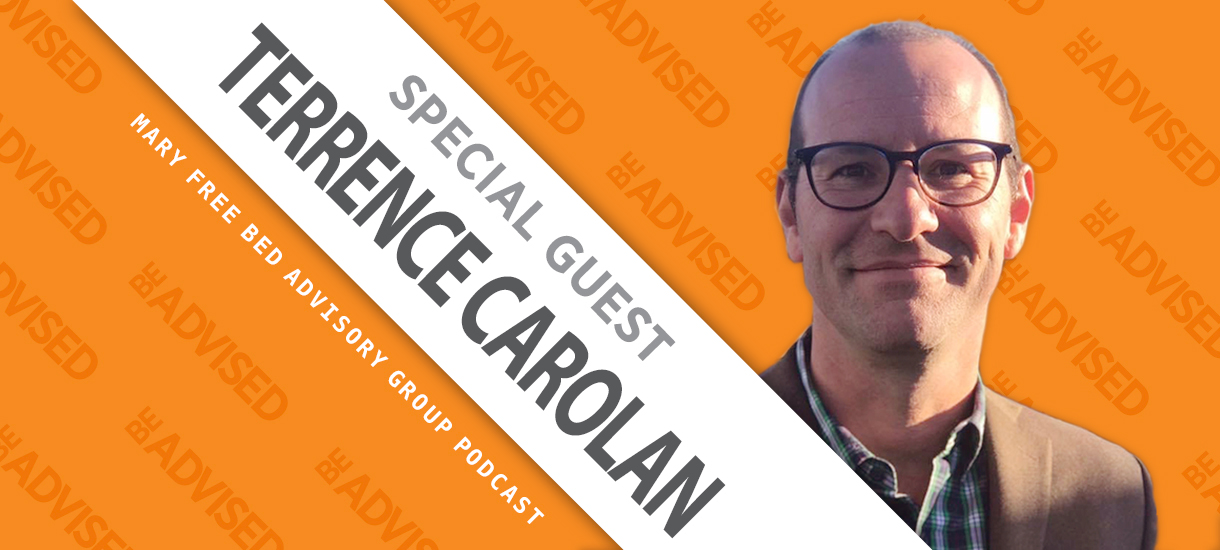
#Expert Podcasts: How CARF Accreditation supports development and adds value
Thinking about accreditation for your rehabilitation facility? The newest Be Advised podcast is for you. Mary Free Bed’s Advisory Group podcast, Be Advised, is diving into the benefits of CARF Accreditation for health and human service organizations. The Commission on Accreditation of Rehabilitation Facilities (CARF) has been accrediting organizations since 1966. The guest for this episode is Terrence Carolan, managing director of the Medical Rehabilitation and Aging Services for CARF International. Carolan has more than 20 years of experience in the field of medical rehabilitation as an administrator, provider, and educator. He holds two master’s degrees, one in physical therapy and one in business administration. Before joining CARF as the managing director, Terrence was a CARF surveyor for more than 10 years. In his managing director role, Terrence oversees CARF’s medical rehabilitation area which includes standards for: Comprehensive Integrated Inpatient Rehabilitation Program Outpatient Medical Rehabilitation Program Residential Rehabilitation Program Home and Community Services Concussion Rehabilitation Program Interdisciplinary Pain Rehabilitation Program Occupational Rehabilitation Program Occupational Rehabilitation Program–Comprehensive Services Vocational Services Independent Evaluation Services Case Management CARF also accredits specialty programs in the areas of: Pediatrics Amputation Brain injury Cancer Spinal Cord Injury Stroke Be Advised is hosted by Joyal Pavey, vice president of the Mary Free Bed Advisory Group. On this episode of Be Advised, Joyal and Terrence discuss: What makes CARF unique? The national and international span of CARF Common questions about the accreditation process Advice for first time accreditation What’s next for CARF in the coming five years You can check out the podcast here: Looking to know more about accreditation or connect with Terrence? View his profile below to arrange an interview today.



Research finds video games improve mobility for children with autism
University of Delaware professor Anjana Bhat has a long history of finding creative ways to keep autistic children engaged with the added benefit of improving their flexibility and gross motor skills. She’s used dance and play in the past but is now testing video games to see if they’re a viable intervention to promote movement in this population. Bhat and her team in the Move to 2 Learn Innovation Lab at UD's STAR Campus have been using Ring Fit on Nintendo Switch to help children with autism get their daily dose of exercise. “Children love video games, and they’re fun,” said Bhat, professor of physical therapy in UD's College of Health Sciences. “But there’s also a lot of evidence that video games with an exercise component have positive effects on cognition, social interactions and general physical activity levels.” She added that children with autism have a predilection for technology with a love of computers and robots, but exergaming hasn’t been studied in this population. “Technologies that have been tested and studied in children with autism mainly target sedentary functions that look at improvement in executive function and decision-making, but not necessarily exergaming,” Bhat said. “Exergaming has been studied in older populations and healthy children, but not so much in children with autism, so this study is unique.” After testing the intervention on a dozen children with autism over eight weeks, the consensus is that it works. “I’ve never seen anything grab their attention so much. Across the board, this tool is far more engaging than any other tool we’ve used before, including music and movement, yoga, general exercise, and outdoor play, which do not always work for every child,” Bhat said. “With exergaming and the variety of content that exists, most children remain engaged, and that’s what’s so unusual about this intervention compared to past interventions.” Games like tennis, volleyball, badminton, golf, sword fighting and bowling focus on the upper extremities, while soccer focuses on the lower extremities. Bhat receives accurate measures of improvement in a child’s ability through accelerometers in the video game controllers. “This is one place where children with autism shine,” Bhat said. “Their visual learning and sensory enhancements help them excel. This gives them a sense of self-efficacy and self-assurance that — they’re good at this,” she said. “It also gives them a sense of connection to the community because they can make friends and feel empowered. Video games are a great equalizer.” Bhat’s innovative pilot study was funded through a $50,000 award from the donor-created Maggie E. Neumann Health Sciences Research Fund, which targets research and innovation that aims to improve the lives of people with disabilities. Equipped with data from this study, Bhat hopes to expand access to the intervention and test it in the community. It’s already available at D-Fit Plus, an inclusive fitness center in New Castle that aims to help those with special needs explore fitness to build social skills and confidence, grow cognition, and manage stress. “It’s relatively low cost,” Bhat said. “Another advantage of this intervention is that you don’t need a highly skilled person present to work the intervention because the game leads the activity, making it accessible if embedded in the community.” This also provides a social outlet for the child’s parents. “Community settings bring a sense of connection for the child’s parents, who are always looking for community-based activities, and many environments aren’t suitable for children with autism,” Bhat said. “Many environments are too noisy or distracting. Exergaming removes those barriers and allows the child to engage with the game and maybe another partner.” Bhat’s previously published research has shown that 80% of people with autism face motor challenges. Her research is so compelling that she’s made a case to change the definition of autism to include motor impairments so those on the spectrum can get the proper physical therapy or gross motor interventions that could dramatically improve their quality of life.

Improving Care for Black Patients With Heart Failure and Hypertension
ChristianaCare’s Center for Heart & Vascular Health has dramatically improved the clinical outcomes of Black patients living with heart failure and hypertension by using a digital hybrid platform that provides patients with a dedicated health coach to ensure their care plan is followed and treatment goals are achieved. Through this innovative approach, ChristianaCare achieved a significant improvement in the number of Black patients adhering to prescribed doses of guideline-directed medical therapy (GDMT) for heart failure. “At ChristianaCare, we are deeply committed to eliminating disparities and achieving health equity in the communities we serve,” said Kirk Garratt, M.D., medical director of the Center for Heart & Vascular Health. “We are proud that we have been able to significantly improve the health outcomes of our patients, especially addressing health disparities in the Black population for patients with heart failure and hypertension.” Approximately 32% of ChristianaCare’s heart failure patient population identify as Black, which is a higher percentage compared to the Black population nationally (12.4%). Historically, Black Americans have experienced racial disparities in heart failure treatment and experience worse patterns of adherence to guideline-directed medical therapy (GDMT) . Additionally, Black Americans have a 30% greater risk of death from heart disease than white Americans. Combining technology and human-powered guidance This novel approach to care is powered by Story Health, a leading health technology services company. Its digital platform and health coaches have been able to deliver superior outcomes for ChristianaCare’s patients regardless of race. Black patients in particular have made remarkable gains: 6 times improvement on target doses of beta blockers (76%). 7 times improvement on target doses ACE/ARB/ARNIs (54%). 2 times improvement on target doses of MRAs (57%). ChristianaCare was also able to achieve improvement in Black patients taking SGLT2 inhibitors, rising from a 32% baseline to 74%. Despite their vital role in treating heart failure, SGLT2 inhibitors are historically underprescribed and see lower adherence – largely due to affordability challenges, as costs can be $500 per month or more. Helping patients overcome cost barriers is critical, which is why the health coaches directly engage with patients to identify those who may need assistance and will work on their behalf to qualify for prescription assistance programs. “Along with their digital platform, the health coaches from Story Health understand the unique needs of our patients and have helped us create deeper, more accessible relationships with our patients to help improve their health and outcomes,” said Sourin Banerji, M.D., medical director of Advanced Heart Failure and Mechanical Circulatory at ChristianaCare. The health coaches serve as an extension of the clinician to identify and resolve challenges such as medication adherence, lab work coordination, transportation arrangement and even prescription assistance that cause disruptions in a patient’s care journey and lead to negative outcomes. Improved control of hypertension In addition to heart failure patients, ChristianaCare’s collaboration with Story Health supported patients with hypertension, delivering significant reductions in blood pressure for those enrolled regardless of race. Among Black patients specifically, there were significant decreases in average absolute systolic and diastolic blood pressure levels (17 mm Hg and 8 mm Hg, respectively) after 120 days, compared to 8 mm Hg and 5 mm Hg decreases for uncontrolled hypertensives in another digital program after 12 months. As a result of this initial success, ChristianaCare’s Center for Virtual Health is expanding the use of this care model beyond cardiology to support all patients in the population. Many of these patients struggle to manage high blood pressure, and the use of a continuous care program will be an important tool to help with medication management and addressing social barriers. “Health equity is an incredibly important initiative, and we see our mission as critical to helping specialty and primary care providers drive more equitable care,” said Story Health Co-founder and President Nita Sommers. “As an industry leader, ChristianaCare understands that every individual deserves compassionate care that is accessible, so we are honored to be working with its cardiology team and now the Center for Virtual Health to improve the health of patients.” ChristianaCare has been recognized numerous times for high-quality heart care. Among the many achievements are the American College of Cardiology HeartCARE National Distinction of Excellence Award for three consecutive years (2020-2023) and being named among Healthgrades top 100 hospitals for heart care in the U.S. for the past two years (2022-2023).


New Aston University spin-out company will develop novel ways to treat non-healing wounds
EVolution Therapeutics (EVo) has been founded on the work of Professor Andrew Devitt into the causes of inflammatory disease A failure to control inflammation in the body, usually a natural defence mechanism, can cause chronic inflammation, such as non-healing wounds Non-healing wounds cost the NHS £5.6bn annually, so there is a vital need for new treatments. Aston University’s Professor Andrew Devitt, Dr Ivana Milic and Dr James Gavin have launched a new spin-out company to develop revolutionary treatments to treat chronic inflammation in patients. One of the most common inflammatory conditions is non-healing wounds, such as diabetic foot ulcers, which cost the NHS £5.6bn annually, the same cost as managing obesity. Such wounds are generally just dressed, but clinicians say there is a vital need for active wound treatments, rather than passive management. The spin-out, Evolution Therapeutics (EVo), will aim to create these vital active treatments. Inflammation in the human body helps to fight infection and repair damage following injury and occurs when the immune system floods the area with immune cells. Normally, this inflammation subsides as the damage heals, with the immune system signalling to the immune cells to leave. However, in some cases, the usual healing mechanism is not triggered and the inflammatory response is not turned off, leading to chronic inflammation and so-called inflammatory diseases. EVo is based on Professor Devitt’s work on dying cells in the body, known as apoptotic cells, and how they contribute to health. Dying cells release small, membrane-enclosed fragments called extracellular vesicles (EVs), which alert the immune system to the death of cells, and then trigger the body’s natural repair mechanism and remove the dead cells. It is estimated that 1m cells die every second. Professor Devitt and his team have identified the molecules within the EVs which control the healing process and are engineering new EVs loaded with novel healing enzymes, to drive the body’s repair responses to actively heal wounds. Much of the research has been funded by the Biotechnology and Biological Sciences Research Council (BBSRC) with additional support from the Dunhill Medical Trust. Professor Devitt, Dr Milic and Dr Gavin received Innovation-to-Commercialisation of University Research (ICURe) follow-on funding of £284,000 to develop the vesicle-based therapy with EVo. Most recently, in December 2023, Professor Devitt and Dr Milic were awarded £585,000 from the BBSRC Super Follow-on-Fund to develop engineered cells as a source of membrane vesicles carrying inflammation controlling cargo. The team, together with Professor Paul Topham, also received funding from the National Engineering Biology Programme (£237,000) to support polymer delivery systems for vesicles. EVo is one of the 12 projects being supported by SPARK The Midlands, a network which aims to bridge the gap between medical research discoveries of novel therapeutics, medical devices and diagnostics, and real-world clinical use. SPARK The Midlands is hosted at Aston University, supported by the West Midlands Health Tech Innovation Accelerator (WMHTIA), and was launched at an event on 31 January 2024. Professor Devitt, EVo chief technical officer, said: “Inflammation is the major driver of almost all disease with a huge contribution to those unwelcome consequences of ageing. We are now at a most exciting time in our science where we can harness all the learning from our research to develop targeted and active therapies for these chronic inflammatory conditions.” Dr Gavin, EVo CEO, said: “The chronic inflammation that results in non-healing wounds are a huge health burden to individuals affecting quality of life as we age but also to the economy. Our approach at EVo is to target the burden of non-healing wounds directly to provide completely novel approaches to wound care treatment. By developing a therapy which actively accelerates wound healing, we hope to drastically improve quality of life for patients, whilst reducing the high cost attached to long term treatment for healthcare systems worldwide.”


Managing Menopause: Mind-Body Solutions for Hot Flashes, Sleep and Well-Being
In recognition of World Menopause Day, Baylor psychologist shares research on hypnotherapy's beneficial effects in relieving hot flashes (Image credit: Rana Hamid via Getty Images) The natural aging process of perimenopause and menopause can create a wide range of symptoms for women, with hot flashes and poor sleep being the most frequently reported – and most disruptive – symptoms. World Menopause Day is recognized on Oct. 18, and one Baylor University researcher has been on a 20-year mission to identify safe and effective options to hormone replacement therapy (HRT) to help women find relief from hot flashes and improve sleep and well-being during the menopause transition. Gary Elkins, Ph.D., professor of psychology and neuroscience and director of the Mind-Body Medicine Research Laboratory at Baylor University, is among the nation’s leading researchers on hypnotherapy and mind-body approaches, including continued funding by the National Institutes of Health (NIH) to evaluate the efficacy of a self-hypnosis intervention to reduce hot flashes and improve sleep, as well as other outcomes. “It is important to recognize that hot flashes are a natural part of menopause,” Elkins said. “They are not caused by stress or personality but are due to the decline in estrogen that occurs naturally with aging.” Perimenopause (the hormonal transition leading up to menopause) and menopause (the cessation of menstrual cycles) is the natural aging process marked by the decline in the reproductive hormone estrogen and progesterone in women and can last anywhere from seven to 20 years. Menopause usually begins around age 52 or can result from breast cancer treatment or hysterectomies. Although HRT remains the most effective treatment for hot flashes, it is not appropriate for everyone. A major NIH study found that HRT led to an increased risk of breast cancer and cardiovascular disease in some post-menopausal women and breast cancer survivors. Elkins’ research is aimed at giving women choices for their own healthcare, including alternatives such as hypnotherapy. “While hypnotherapy is not widely understood by many people, it can regulate hot flashes and improve sleep by managing how temperatures are perceived and regulated in the brain,” Elkins said. “Hypnotherapy is a mind-body therapy, similar to mindfulness and guided imagery, that involves the focus of attention, a relaxed state and therapeutic suggestions.” Elkins’ research on hot flashes and sleep and hypnotherapy has been clinically shown to reduce hot flashes by up to 80%, more effective than any other hot flash management tool available, with the exception of HRT. He also has found that hypnotherapy, as a mind-body intervention, can reduce hot flashes to a degree comparable to HRT, improve sleep quality by over 50% and reduce anxiety while increasing well-being. “Hypnotherapy involves daily practice of 15-minute hypnotic relaxation sessions that teach your brain to adapt to your body’s changing hormone level. Mental images for coolness and control are used to empower women to take control of the two most troublesome menopause symptoms – hot flashes and sleep,” Elkins said. Elkins offers the following suggestions for women to empower them and help them find relief from hot flashes, anxiety and interrupted sleep. Remember that hot flashes are a normal part of the perimenopausal/menopausal transition, and the effects a woman experiences are real. Talk to your doctor about options that may work for you. Everyone is an individual, and it is important to find what works best for you. A combined approach of mind-body hypnosis therapy along with low-dose medications can be helpful for some women. It can be helpful to keep a daily diary of your hot flashes to monitor them. Get good sleep. Poor sleep and night sweats can make hot flashes worse. Be knowledgeable about things that have not been shown to work, such as fans, cold packs and certain herbs. Seek support from family and friends. Elkins has developed the Evia from Mindset Health App to give women easy access to hypnotherapy for hot flashes. The app comes with a free trial that delivers evidence-based hypnotherapy intervention for women during the menopause transition and beyond.


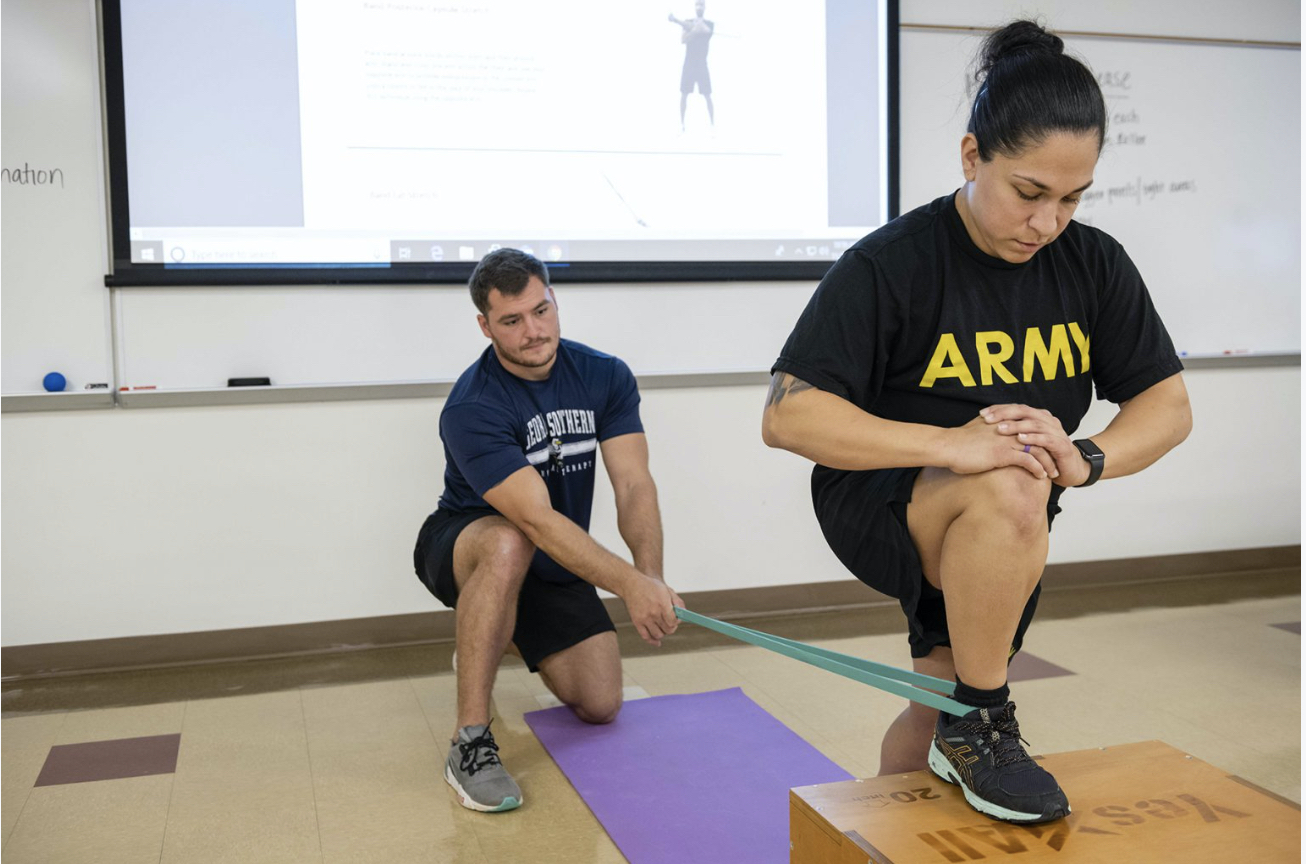
The Georgia Southern University Soldier Performance and Readiness (SPAR) program received a $1.5 million, two-year grant from the Department of Defense’s U.S. Army Medical Research and Development Command (USAMRDC). The grant will expand Georgia’s Southern research and programming capacity in injury prevention techniques that ensure force readiness for the Army. “Through this large-scale research study, Georgia Southern doctoral students have opportunities to be involved in the research process and work directly with soldiers,” said Nancy Henderson, Ph.D., assistant professor in the Doctor of Physical Therapy (DPT) program. “Additionally, the grant will fund graduate assistant positions in the Doctor of Physical Therapy program.” USAMRDC’s mission is to provide solutions to medical problems for American service members at home and abroad, as well as to the public at large. The scope of this effort and the priorities attached to specific projects are influenced by changes in military and civilian medical science and technology, operational requirements, military threat assessments and national defense strategies. Extramural research and development programs play a vital role in the fulfillment of the objectives established by the organization. Research and development funded through this are intended to benefit both military and civilian medical practices. “The grant investigates different physical training programs to identify those practices that best prevent non-combat injuries,” said Henderson. “Faculty on the research team will seek to advance the body of literature by determining the best educational models to educate soldiers on injury-prevention topics.” This is the first time that Georgia Southern will act as lead investigator on a collaborative research project with an Army research institute. However, SPAR has long been involved in multiple branches of research with community impact. “Georgia Southern has several initiatives underway to help improve the health, fitness and performance of military service members, law enforcement personnel and firefighting and rescue personnel,” said Joseph Kardouni, Ph.D., director of the Tactical Performance Group. “The Tactical Athlete Certificate (TAC) program is one of these initiatives that teaches service members exercise fundamentals to help mitigate training-related injuries. The funding coming through Medical Research and Development Command will improve evidence-based teaching methods and inform similar efforts to teach service members within this field. Leaders from health and human performance programs within the Army understand the importance of leveraging partnerships with academic institutions to work toward improving the quality of life, health and occupational performance of soldiers.” Faculty and students in the DPT program have educated soldiers on injury prevention topics since 2016 and this grant further provides students with the opportunity to assess effectiveness while learning how to improve educational methods with military service members. “This research is an important next step in delivering on the promise of the SPAR program and Georgia Southern’s close working relationship with Army research partners,” said Interim Vice President for Research and Economic Development Christopher Curtis, Ph.D. Curtis also noted that funding was made possible by the advocacy of U.S. Rep. Buddy Carter and the strong support of Georgia’s legislative delegation in Washington D.C. Interested in learning more or looking to talk with Nancy Henderson? Simply click on her icon now or Contact Georgia Southern's Director of Communications Jennifer Wise at jwise@georgiasouthern.edu to arrange an interview today.

Hospital at Home: Understanding How It Works
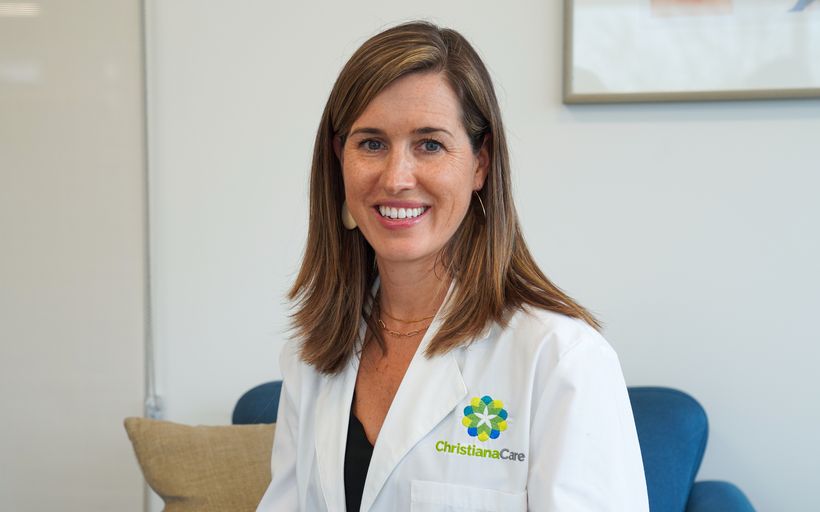
As the ChristianaCare Hospital Care at Home program grows, we see the benefits of improving the way we deliver care to our patients. With each patient we care for, we are reminded that a big part of recuperating and getting better is not just physical but mental and emotional. Being home allows patient to visit with loved ones, cuddle with pets and sleep in their own bed. It also helps our health care providers better understand a patient’s living environment, making it possible for us to provide the individual services they need. Q. What is hospital care at home? A. I think of a virtual hospital as three components: a command center, technology and in-home care. The command center is a 24/7, 365-day- a-week center staffed by physicians, nurses, advanced practice clinicians and patient digital ambassadors. This team of health care providers is tethered to patients in the home by way of our technology. We give our patients a tablet that lists their daily schedule so they know who to expect in their home and the time our health care providers will arrive. It also allows them to contact the command center at any time by pressing a button. When they do that, a nurse appears on the screen right away. Edwin Bryson Sr. said ChristianaCare made it easy to treat his diabetes complications from the privacy and comfort of his own home. With hospital care at home, he said, “all I do is hit the button and a nurse comes on to assist me with anything I need. It was 24-hour service here, just like I was in the hospital.” Technology also allows us to monitor patients’ vital signs at home as we would in the traditional hospital setting. We use Bluetooth technology to upload that information into the electronic medical record. In-home care is made up of a team that goes into the home to deliver the services that a particular patient needs. This includes radiology (X-rays and ultrasound), blood tests, intravenous medications, physical therapy, occupational therapy and more. A licensed professional, such as a nurse, also visits the patient at home at least twice a day. Q. Who is eligible for hospital care at home? A. There are requirements for participation. Patients need to live within 25 miles from our Delaware hospital campuses which are in Newark and Wilmington. We also are looking for patients that meet our acute, inpatient level of care. So if they’re in observation status, for example, they wouldn’t be a good candidate. We also need patients who don’t require continuous monitoring: If a patient has telemetry monitoring or if they’re in the intensive care unit or a step-down unit, they would not be a good candidate. Our team works every day with caregivers at both Delaware hospitals to identify patients who would benefit from hospital care at home. Q. What are common sicknesses that can be treated at home? The first 20 patients we admitted into this program had 20 different diagnoses. But after treating more than 500 patients, the most common diagnoses that we see are cellulitis, sepsis, pneumonia, chronic obstructive pulmonary disease (COPD) exacerbation and congestive heart failure. Hospital at home may not be the solution for all patients, but in many cases it can help patients get better quicker and in a place where they most feel comfortable. As ChristianaCare strives for greater access to care, home may be where the health is.