Experts Matter. Find Yours.
Connect for media, speaking, professional opportunities & more.
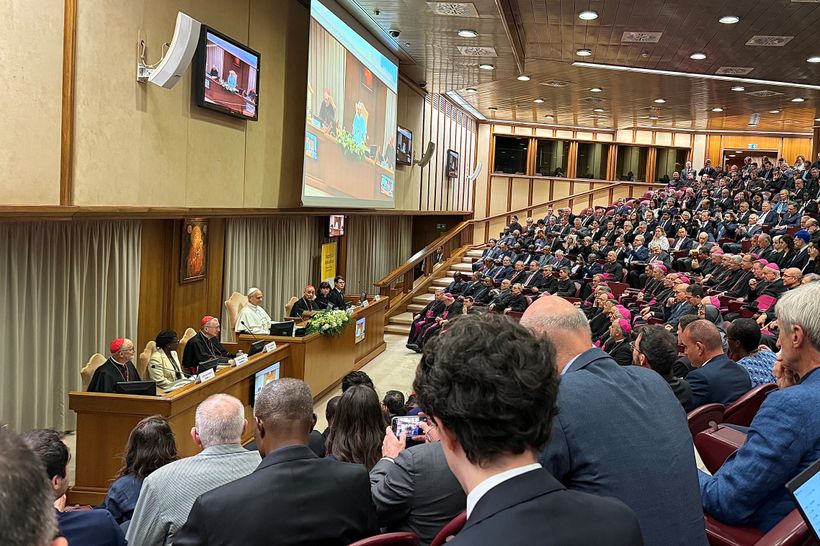
Pope Leo XIV Releases First Encyclical, "Magnifica Humanitas"
On May 25, 2026, Pope Leo XIV released his first papal encyclical, “Magnifica Humanitas: On Safeguarding the Human Person in the Time of Artificial Intelligence.” The letter—true to its title’s meaning of “magnificent humanity”—addresses how society, collectively, must preserve human virtues in a time of rapid technological advancement. The 42,000-word document features five distinct chapters, exploring various elements of the broader issue at hand and serving as a guidepost for moral and ethical use of technology, through the lens of Church teachings. It covers everything from the development and principles of Church social doctrine to technological responsibility, the culture of power, building civilization through love and preserving humanity through truth, work and freedom. “In recent years, it has become increasingly evident how rapidly and profoundly digitalization, artificial intelligence (AI) and robotics are transforming our world,” wrote Pope Leo in the encyclical’s introduction. “Technology should not be considered, in itself, as a force antagonistic to humanity. On the contrary… “Over the centuries, technological development has significantly improved the living conditions of humanity. At the same time, each phase of progress has also revealed the ambiguity of tools that can cause harm when not oriented toward the good… The power and prevalence of emerging technologies are interwoven into the fabric of daily life, shaping decision-making processes and deeply affecting the collective imagination: ‘Never has humanity had such power over itself.’ “[Most] people are watching and waiting, observing from afar and merely hoping for the best. For this very reason, crucial questions impose themselves on our conscience and can no longer be avoided: Where are we going? Toward what goal do we wish to orient ourselves? What direction should we choose as a people and as a human community?” What Is a Papal Encyclical? Popes have written more than 300 encyclicals—or “circulating letters”—since the mid-18th century. They were initially used to clearly communicate doctrine and guidance to priests throughout the world who were facing religious, political or social issues, which was especially useful as the world grew more interconnected and the Church grew larger. Beginning with Pope Leo XIII’s Rerum Novarum and continuing today, some papal encyclicals have been referred to as “social encyclicals” because they address a pervasive social issue through the lens of Catholic Social Teaching and are written not only for those within the Church, but laypeople as well. Some examples of those included Pope Saint John Paul’s 1987 Sollicitudo Rei Socialis on international inequality, and Pope Francis’ 2015 Laudato Si’ on environmental care and social justice. “[Pope Leo XIII and his successors] were developing a new way of teaching the world how to order itself according to Catholic principles, now translated into a vocabulary that would be intelligible to the larger world,” said Patrick Brennan, JD, Chair of Catholic Legal Studies at Villanova University Charles Widger School of Law, on LiveNow From Fox. “They try to address important social questions in ways that any person of goodwill can read and understand.” “Encyclicals contribute to our collective wisdom for how to live as community,” wrote Sally Scholz, PhD, professor of Philosophy at Villanova, in her recent contribution to Church Life Journal titled “What to Look For in Pope Leo XIV's First Social Encyclical.” “The principles and various themes they discuss offer guidance for day-to-day interpersonal interactions as well as for how to participate as a Catholic and as a “person of good will” at every level of social existence: in our families, our communities, our institutions, our states and in our ‘one human family.’” Observations From Magnifica Humanitas A New Twist on a Longstanding Issue While the types of technology being discussed in the letter—particularly artificial intelligence—are unique to our modern times, encyclicals addressing how to interact with contemporary technology are far from it. “Discussion of the relationship between humans and technology appears in many of the previous social encyclicals,” wrote Dr. Scholz in Church Life Journal. “It is a social phenomenon with so much promise but inspires so much fear for how it will change work and the workplace, communication, global trade, war and the family.” “Technology is integral to evolution. Understanding technology's relationship to human welfare means grasping its role within the flow of biological and human life,” wrote Sister Ilia Delio, OSF, PhD, the Josephine C. Connelly Endowed Chair in Christian Theology in the 2025 Global Sisters Report. What Pope Leo argues in his lengthy letter, boiled down to a few sentences, is that while technological advancements, and AI in particular, can be beneficial to society, they must never supersede human dignity, moral responsibility and the common good. A society that allows systems to replace human judgment, concentrate power or exploit workers risks dehumanization. For Jaisy Joseph, PhD, assistant professor of Theology and Religious Studies at Villanova University, particularly striking was something not written in the document itself, but rather spoken at the official promulgation of the letter in Rome. There, Pope Leo was joined in powerful reflection by Anthropic co-founder Christopher Olah. Olah analogized the current reality with bringing a fictional character to life, citing that while technical fields build the machinery of AI, “what character we choose, how it interacts with the world, how it ought to interact with the world— these are more clearly questions for the humanities, for religion, for philosophy, for society at large.” On that front, he then enlisted the help of the Church in addressing three pressing concerns related to AI and human flourishing, before ending with a request for the Church to continue to be an unyieldingly moral voice and informed critic. “The dynamic dialogue and discernment between Leo and Olah reflect a significant continuity with the Francis papacy,” Dr. Joseph said, referencing the late pontiff’s encouragement of “theology to adopt a transdisciplinary method that recognized how this discipline is part of a web of relationships among disciplines.” Technology Through the Lens of Augustinian Theology Throughout Magnifica Humanitas, Pope Leo’s ubiquitous thoughts and guidance on safeguarding humanity—particularly in the context of modern technology—are infused with references to the teachings of St. Augustine. “[Augustine’s teachings say] we need standards to guide our judgements and actions,” said Terence Sweeney, PhD, assistant teaching professor of Humanities at Villanova. “Pope Leo XIV, ‘a son of St. Augustine,’ offers us standards for how we judge our world in the age of AI. “One surprising standard in a document on Big Tech is that ‘a litmus test for social justice today is the treatment of migrants, refugees and those forced to move.’ Why this litmus test? Leo is shaped by Augustine’s rejection of communities of perfection where only the pure, powerful and perfect are welcome.” “Pope Leo beautifully aligns himself with traditional Catholic Social Teaching while grounding his vision in the theology of St. Augustine,” Dr. Joseph added. “The result is a groundbreaking defense of the human person in our new age of artificial intelligence.” Pope Leo, through a scriptural metaphor of the Tower of Babel, “resurrects Augustine’s famous warning that human history is a constant struggle between two loves fighting for our hearts,” Dr. Joseph said. He references how the builders of the tower tried to create “a single language, a single technology, a single direction” without reference to God. “The concluding paragraphs of chapter three highlight Pope Leo XIV’s distinctively Augustinian approach to evaluating the place of technology and scientific progress in the world,” said Emma Kennedy, PhD, assistant professor of Christian Ethics at Villanova University. “What we love, ‘both as individuals and as a society,’ will guide us to participate in ‘the rebuilding of Jerusalem’ or ‘the construction of Babel’––a contrast that hearkens back to Augustine’s ‘two cities.’” “Pope Leo [also] draws on an Augustinian spirituality that highlights fundamental desiring in the shared search for truth,” added Tim Hanchin, PhD, associate professor of Practical Theology at Villanova. “Our desire for truth, or wonder, reflects humanity’s transcendent origin and end. That we are created in the image and likeness of the Triune God (Genesis 1:26-27) distinguishes human knowing from mere data processing.” A Discussion on Slavery, Past and Present Intermixed with Pope Leo’s chapter four thoughts on modern slavery—such as various forms of human trafficking that he says are “directly linked to the digital economy”—he made an historic recognition and apology for the Church’s role in the transatlantic slave trade centuries ago. Tia Noelle Pratt, PhD, special assistant to the Vice President of Mission and Ministry at Villanova University, assistant professor of Sociology, and editor of the Journal of Catholic Social Thought, said that what makes this acknowledgement so important is how it differs from the way previous popes have addressed the issue, which have condemned slavery but remained at the individual level. “They spoke of their papal predecessors and those popes’ actions, but stopped short of invoking the institution itself and the institution's role in the promulgation of slavery,” Dr. Pratt said. Tying it back to current affronts on human dignity fueled by the digital age, Pope Leo penned his own papal version of the famous saying that “Those who cannot remember the past are condemned to repeat it.” “If we want to avoid the need to ask for pardon again in the future for having failed to respect the treasure of human dignity that is required by our faith, it falls to us today to denounce, clearly and firmly, trafficking in its many forms,” he wrote. “Pope Leo is telling us today that we cannot have detachment between the past and the present,” Dr. Pratt said. “We must see how these things are connected.” Inspired by Rerum Novarum, but Far From a Repeat Pope Leo XIV signed Magnifica Humanitas on May 15—the 135th anniversary of the release of Pope Leo XIII’s Rerum Novarum. That was the most famous social encyclical issued by the long-reigning pontiff and is considered to be a foundational text of modern Catholic Social Thought. It addressed numerous issues facing the working class during the time of the Industrial Revolution. On May 10, 2025—just two days after his election—Pope Leo referenced his namesake’s 1891 encyclical in an address to the College of Cardinals, foreshadowing the attention he intended to pay to the modern version of the same issue. “Pope Leo XIII in his historic encyclical Rerum Novarum addressed the social question in the context of the first great industrial revolution,” Pope Leo said in that address. “In our own day, the Church offers to everyone the treasury of her social teaching in response to another industrial revolution and to developments in the field of artificial intelligence that pose new challenges for the defense of human dignity, justice and labor.” Yet, while he was explicitly inspired by the 19th-century pontiff and his text, Pope Leo makes it clear early in Magnifica Humanitas that “While Leo XIII spoke in his time of ‘new things’ (rerum novarum), today we cannot limit ourselves simply to repeating his insightful teachings. “Instead, we must ask God for the wisdom to interpret the great trends of our time, particularly technological advances.”






Provincial Trunk Highway 34 is Named the Worst Road in Manitoba for the Second Year in a Row
Provincial Trunk Highway 34 (PTH 34) has been named Manitoba’s worst road for the second year in a row, according to the results of the 2026 CAA Worst Roads campaign. The Pembina Valley highway, located west of Winnipeg, has previously appeared on the provincial top ten list seven times, and this is the second consecutive year it has claimed the top spot. Manitobans who nominated PTH 34 did so because of potholes, poor maintenance, and uneven road surfaces. “The roads on this list reflect what Manitobans experience every day,” says Ewald Friesen, manager of government and community relations for CAA Manitoba. “Manitobans want roads that are safe, reliable and properly maintained, whether they live in Winnipeg or in a rural community. This year, 711 roads across 69 municipalities were nominated for the top spot. The most common concerns cited were potholes, poor maintenance and uneven road surfaces. “This year’s list shows that road issues are not just a Winnipeg problem or a rural problem, they’re a Manitoba problem,” Friesen said. “There is an even split between rural and urban roads on the provincial list.” Many of the roads identified are major commuter, trade and connector routes relied on by families and businesses. As governments focus on inter-provincial trade, congestion in Winnipeg and critical road safety issues, investments in the roads and highways are more important than ever. “When key routes fall into disrepair, it affects more than just convenience,” Friesen said. “Vehicle repair costs go up, fuel efficiency goes down, and delays increase. That adds pressure to already stretched household budgets and affects our economy.” Repeated nominations often signal that communities want long-term solutions, not temporary fixes. Several roads that have appeared on past lists are now under construction, resurfaced or scheduled for rehabilitation. “We’ve seen that sustained public input makes a difference,” Friesen said. “The CAA Worst Roads campaign gives governments a clear snapshot of where funding and attention are wanted most.” CAA Manitoba is urging provincial and municipal governments to continue prioritizing predictable, year-over-year investment in road maintenance and safety. “Stable funding allows governments to plan ahead, address safety concerns earlier and avoid higher costs later,” Friesen said. “It’s about keeping people safe and keeping Manitoba moving.” Top 10 worst roads in Manitoba for 2026 Provincial Trunk Highway 34 — Central Plains/Pembina Valley Provincial Road 307 — Whiteshell Kenaston Boulevard/Route 90 — Winnipeg Saskatchewan Avenue — Winnipeg Richmond Avenue — Brandon Gateway Road — Winnipeg Leila Avenue — Winnipeg 1st Street — Brandon Provincial Road 422 — Pembina Valley St. Mary’s Road — Winnipeg For more information and historical results, please visit: https://www.caamanitoba.com/advocacy/government-relations/worst-roads



Beyond the Recipe: Rebecca Sharpless Explores the Hidden History of Southern Baking
Recently published stories exploring the history of baking traditions are shedding light on how many beloved holiday treats are rooted in centuries of trade, survival and innovation. According to Rebecca Sharpless, professor of history in Texas Christian University’s AddRan College of Liberal Arts, staples like gingerbread and fruitcake carry surprisingly deep historical connections, from medieval spice routes to 19th-century preservation methods that allowed cakes to survive nearly year-long journeys. Sharpless, whose upcoming book People of the Wheat examines the history of wheat culture in North Texas, says many foods now associated with “traditional” Southern baking are actually far more modern than people realize. From red velvet cake to pecan pie, marketing and industrial food production played a major role in shaping today’s culinary traditions. Her research also highlights the social and economic realities behind baking history, including how access to ingredients like wheat and sugar once reflected class, geography and race. The full article and interview is attached below - and if you're a baker, a foodie or a journalist looking to know more about this popular topic - it's a must read. For journalists exploring food history, holiday traditions, agriculture, or the cultural roots of Southern cuisine, Sharpless offers expert insight into how everyday recipes reveal larger stories about migration, labor, trade and identity. And if you're looking to connect with Rebecca Sharpless, simply contact Holly Ellman, Associate Director of Communication, today at h.ellman@tcu.edu.

Levy on Bipartisan Success to Protect the WTC Health Program; DiNapoli’s Primary Opponents
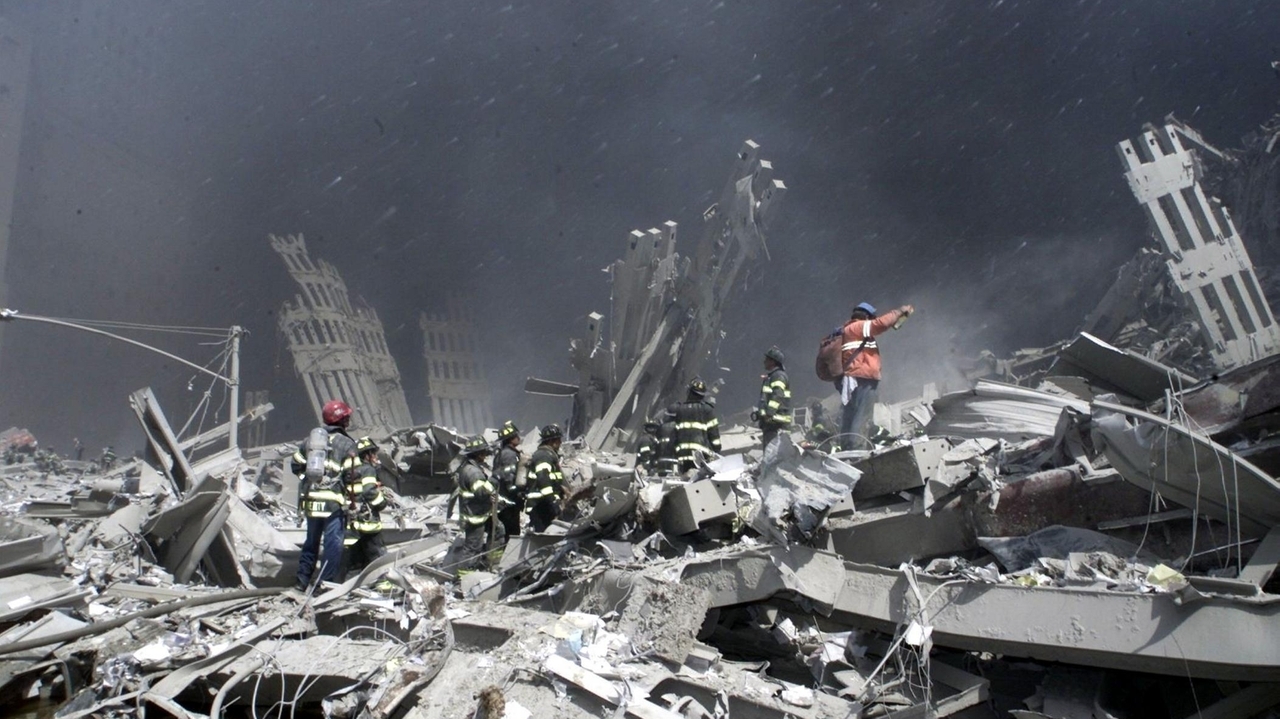
Lawrence Levy, associate vice president and executive dean of the National Center for Suburban Studies, talked to Newsday about successful bipartisan efforts to protect the World Trade Center Health Program from attempts by the White House to reduce the federal workforce. Levy explained to Newsday that advocates and New York lawmakers from both sides of the aisle have found success protecting the program from cuts this past year underscored “the power to get things done, not only when Republicans and Democrats come together, but through urban-suburban coalitions.” Levy also spoke to Newsday about New York State Comptroller Tom DiNapoli facing several primary opponents this year. Levy said that DiNapoli is seen as an establishment figure within the Democratic Party who is more cautious than the progressive wing would like. He also has deep ties to the state’s politically powerful unions. “In a close race, he’s going to count on them to get out the vote,” Levy said.


ExpertSpotlight: From Revolution to Ritual: The Enduring Power of May Day Parades in Russia
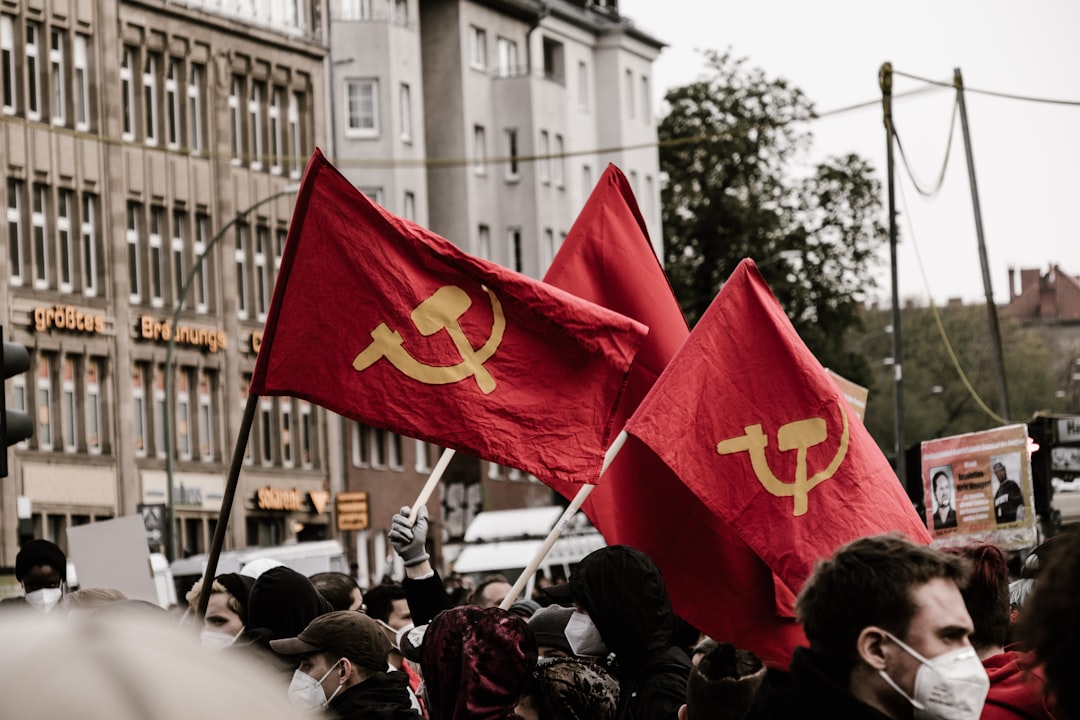
Each year on May 1, images of grand parades, waving flags, and tightly choreographed displays evoke a powerful legacy rooted in ideology, identity, and statecraft. In Russia, May Day—known as International Workers’ Day—has evolved from a revolutionary rallying point into a symbolic expression of national unity, political messaging, and historical continuity. Origins in Revolution and Worker Solidarity May Day celebrations in Russia trace their roots to the late 19th century, inspired by international labour movements advocating for workers’ rights—particularly the push for the eight-hour workday. Following the Russian Revolution, the holiday was institutionalized by the Bolsheviks as a cornerstone of socialist identity. Under leaders like Vladimir Lenin, May 1 became more than a labour holiday—it was a stage for demonstrating the strength and unity of the working class under communist rule. Early celebrations blended grassroots enthusiasm with emerging state control, reinforcing the ideological foundations of the new Soviet state. The Soviet Spectacle: Power on Display During the era of the Soviet Union, May Day parades transformed into highly orchestrated spectacles. Held prominently in Red Square, these events showcased military hardware, industrial achievements, and mass participation from workers, students, and state organizations. Under Joseph Stalin, the parades took on an increasingly propagandistic tone, emphasizing Soviet strength both domestically and to the outside world. Precision choreography, symbolic imagery, and sheer scale reinforced narratives of unity, productivity, and ideological superiority during the Cold War. Post-Soviet Transition: From Ideology to Identity Following the collapse of the Soviet Union in 1991, the meaning of May Day in Russia shifted significantly. While it remains a public holiday, its overt ideological messaging has softened. Today, events often blend labour advocacy, political expression, and seasonal celebration. Modern observances frequently include rallies organized by trade unions such as the Federation of Independent Trade Unions of Russia, alongside state-supported demonstrations that emphasize national unity and economic stability under leaders like Vladimir Putin. Why May Day Still Matters May Day parades in Russia continue to serve as a barometer of the country’s political and social climate. While the overt revolutionary fervor of the early 20th century has faded, the event remains deeply symbolic: Historical Continuity: A living link to the Soviet past and its defining narratives Political Messaging: A platform for governments to project stability and cohesion Labour Identity: An enduring reminder of workers’ rights and collective action Cultural Tradition: A widely recognized public celebration marking the arrival of spring Expert Insight What makes May Day in Russia particularly compelling is its adaptability. Across more than a century, it has shifted from protest to propaganda to public ritual, each iteration reflecting the priorities of the state and the sentiments of its people. Connect with more experts here: www.expertfile.com


Your Retirement Reset: My New Book will Be in Stores on Sept. 8th
This one has been a long time coming. My new book, Your Retirement Reset: How to Convert Home Equity into Financial Security, published by ECW Press, finally has a publication date. Why I Wrote This Book I have spent decades watching far too many older Canadians carry unnecessary financial stress into what should be a more secure and dignified stage of life. Throughout my career as a mortgage broker, business owner, and later as an executive at HomeEquity Bank, I saw the same painful pattern again and again: people who had worked hard, paid down their homes, built real equity, and still felt trapped. Many were living with fear, cutting back on basic pleasures, worrying about every bill, and feeling ashamed that they had not “saved enough.” Meanwhile, a major asset was sitting right beneath their feet. What struck me most was this: younger homeowners often see home equity as a financial tool, but many retirees do not. For many older Canadians, the idea of borrowing against their home feels frightening, even when it could improve their quality of life and help them stay independent. This resistance is not just about math. It is emotional. It is psychological. And it is deeply tied to identity, security, family, and fear. The Retirement Problem We Are Not Talking About Honestly Enough The old retirement script is failing too many people. We are living longer. The cost of living keeps rising. Private sector pensions have largely disappeared. Healthcare and long-term care costs are real concerns. And many people reaching retirement are discovering, far too late, that the traditional advice to simply save, downsize, and make do does not reflect today’s reality. At the same time, most older Canadians want to age in place. They want to remain in the homes and communities they know and love. They do not want to be pushed into selling, renting, or moving in with family unless they truly choose that path. Yet many are gripped by what I call FORO — Fear of Running Out. That fear shapes countless decisions and robs people of peace of mind. It’s actually rooted in neuroscience and the way we’re wired to behave as we do. I’ve posted about this here in my newsletter and Substack a lot. Because it’s important. This is not a fringe issue. It is a national issue. And it deserves a more honest conversation. Why This Book Matters for Canadians 55+ There is a critical gap in this country when it comes to retirement literacy. Many Canadians over 55 have substantial value tied up in their homes, yet traditional retirement advice often does not seriously incorporate home equity into the conversation. At the same time, the information people do find is often fragmented, biased, overly technical, or scattered across lenders, planners, brokers, lawyers, accountants, media stories, and well-meaning family members. That leaves people vulnerable. They may rely on outdated assumptions. They may wait too long to explore options. They may make decisions out of fear rather than clarity. And because older adults usually do not have decades to recover from a financial mistake, the stakes are high. I want to be direct about this: one wrong decision later in life can be extremely hard to reverse. Seniors need unbiased, transparent information they can actually trust. I wanted to create a resource that is practical, plainspoken, and empowering. Not a sales pitch. Not a jargon-filled textbook. Not a one-size-fits-all solution. What I Hope This Book Will Accomplish I hope “Your Retirement Reset” helps Canadians 55+ do a number of things. First, I hope it helps people understand their options more clearly. Too many retirees only hear about a narrow set of choices. I want readers to see the full landscape and understand how different strategies work, including the pros, cons, and trade-offs. Second, I hope it helps people replace fear with confidence. Retirement should not be defined entirely by scarcity thinking. When people understand how to use all of their assets strategically, including home equity, they can make decisions from a position of strength rather than panic. Third, I hope it helps families have better conversations. One of the great hidden challenges in retirement planning is communication. Adult children often mean well, but they may not understand the emotional reality of aging, independence, or financial vulnerability. These conversations matter, and they are often avoided until a crisis forces them. This book is meant to encourage healthier, earlier, and more respectful dialogue. Fourth, I hope it helps more older Canadians protect their dignity and independence. To me, this is the heart of the matter. As I work through my current MBA studies, my life today is filled with spreadsheets. But retirement shouldn’t be. It is about autonomy, confidence, lifestyle, peace of mind, and the ability to live on your own terms for as long as possible. The Information Gap Nobody Is Filling One reason I felt so compelled to write this book is that the resources simply are not where they need to be. There is no shortage of opinions in the marketplace. But there is a shortage of clear, balanced, accessible education specifically designed for older Canadians trying to navigate retirement in the world as it actually exists now. Many books in this category are dated, narrowly focused, or too technical for many of the people I speak with. And it’s to be expected that much of the consumer-facing content around financial products like reverse mortgages comes from lenders themselves. Many seniors are left trying to piece together a life-changing financial strategy from disconnected advice and Google searches. That is the gap I am trying to fill. Canadians need impartial, balanced information they can trust — especially around home equity strategies and retirement financing. I believe Canadians deserve better than that. They deserve a resource that speaks to them in plain language, respects their intelligence, acknowledges the emotional complexity of these decisions, and gives them practical tools to move forward. We Need a More Modern Retirement Roadmap This book is built around a simple idea: retirement planning cannot just be about accumulating savings. It also has to be about learning how to use those resources wisely. That includes understanding how to: • create income • manage spending • shelter income from unnecessary tax pressure • protect savings from fraud and bad decisions • evaluate whether home equity should play a role in your retirement strategy These are the pillars I keep coming back to. They reflect what I believe Canadians in this stage of life truly need. I want readers to come away not just informed, but steadier. More capable. More hopeful. This Is Personal for Me I am part of this demographic myself. I understand the questions, the transitions, the uncertainty, and the pressure. I also know from lived experience that retirement is not simply a financial event. It is a life event. It affects your confidence, your relationships, your routines, your health, and your sense of who you are. That combination — professional experience and personal experience — is exactly what I bring to every page. That is why I have approached this book not simply as a finance book, but as a practical guide for real people facing real decisions. My hope is simple: that this book helps more Canadians 55+ move into the next chapter of life with greater knowledge, less fear, and a stronger sense of possibility. Because retirement should not just be about getting by. It should be about living with confidence, dignity, and choice. The Book is Now Available for Pre-Order If this message speaks to you, or to someone you love, I hope you will pre-order a copy of Your Retirement Reset. Available September 8, 2026. PRE-ORDER NOW: https://ecwpress.com/products/your-retirement-reset And if you love supporting Canadian booksellers, please also check with your local independent bookstore. Most can easily order it for you. Don’t Retire… Re-Wire! Sue


User-submitted photo of Barton Street in Hamilton, which placed second on Ontario’s 2025 top ten list. Concern about road conditions continues to be top of mind for Ontarians, with eight in 10 CAA members worried about the state of the province’s roads, according to new survey data released as CAA South Central Ontario (CAA SCO) launches the 2026 CAA Worst Roads campaign. The survey also found that nearly 70 per cent of CAA members don’t believe enough is being done to maintain Ontario’s roads, up five per cent from last year, reinforcing what many road users experience daily. Cracks in pavement remain the most common issue (88 per cent) identified by respondents, followed closely by potholes (87 per cent), uneven or bumpy road surfaces (81 per cent) and congestion (80 per cent). “Ontarians are telling us loud and clear that road conditions are not keeping pace with expectations,” says Teresa Di Felice, Assistant Vice President, Government and Community Relations for CAA South Central Ontario. “The Worst Roads campaign gives Ontarians a direct way to raise their concerns and helps decision-makers understand what roads need attention according to their constituents.” Despite widespread frustration, the survey suggests most concerns are not reaching decision-makers. It found that nearly 80 per cent of Ontarians commonly complain about road conditions to a spouse, co-worker or mechanic rather than to the governments responsible for road maintenance. CAA calls on Ontarians to nominate roads in urgent need of repair “We know this campaign works,” says Di Felice. “When Ontarians speak up and nominate roads they want to see repaired, we consistently see action.” Many nominated roads are critical trade and supply‑chain corridors, linking the CAA Worst Roads campaign to community growth and economic strength. “Growing population pressures in Ontario, particularly in the GTA, are driving the need for improved infrastructure to mitigate congestion issues, and the rapid wear and tear of our roads,” adds Di Felice. Poor road conditions contribute to vehicle damage, congestion, and safety risks for all road users, including pedestrians and cyclists. With the cost of living already high, the added expense of repairs caused by potholes and deteriorating roads is placing further strain on household budgets. The survey found that 80 per cent of Ontarians are paying out of pocket for those repairs, while ten per cent are forgoing repairs altogether. For more than two decades, the CAA Worst Roads campaign has influenced infrastructure decisions across the province. Roads that appear on the annual Worst Roads list often see repairs prioritized or moved up, as governments respond to public feedback. In the last five campaigns, over 10 roads have received attention due to their appearance on the CAA Worst Roads list. Most recently, County Road 49 in Prince Edward County received a large provincial investment supporting the repair of over 18 kilometres of the road. County Road 49 has been a popular road on the CAA Worst Roads Campaign’s top 10 list for some time. Ontarians can nominate any road for issues, including potholes, congestion, faded road markings, poor signage, traffic light timing, and pedestrian or cycling infrastructure. CAA SCO is encouraging all road users to participate. Nominations for the 2026 CAA Worst Roads campaign are open now and can be submitted online at www.caaworstroads.com until April 17. Once nominations close, CAA will compile and release Ontario’s Top 10 Worst Roads later this year, as well as regional top five lists. CAA conducted an online survey with 2,718 CAA SCO Members between January 6 to 14, 2026. Based on the sample size and the confidence level (95 per cent), the margin of error for this study was +/- 2 per cent.



MEDIA RELEASE: Manitobans paying more for vehicle repairs as CAA Worst Roads campaign launches
Submitted photo of Saskatchewan Avenue, Winnipeg’s Worst Road in 2025. Manitobans are paying more out of pocket to fix their vehicles as concerns about road conditions continue to grow, according to new survey data released as CAA Manitoba launches its annual CAA Worst Roads Campaign. The survey found 92 per cent of Manitobans are concerned about the state of roads in the province and are spending an average of $944 to repair vehicle damage caused by poor road conditions. This is $122 more than last year, when the average repair cost was $882. As Winnipeg grows and congestion worsens, fixing key trade and connector routes isn’t just about road conditions; it’s about protecting the economy, keeping our city moving, and prioritizing affordability. “Most of the roads people flag as priorities are the same routes our supply chain depends on, they’re how goods get in, out, and across the province,” says Ewald Friesen, manager, government and community relations for CAA Manitoba. “With Manitoba’s growing population, especially in Winnipeg, there is a need for improved infrastructure.” At the same time, the rising cost of living has made consumers more mindful of their spending, and people are opting to keep their cars longer rather than buy a new one. Poor roads increase the wear and tear of tires, lead to higher fuel consumption, and increase the risk of other costly repairs. Nearly half of drivers (45 per cent) reported experiencing vehicle damage due to poor road conditions, with potholes cited as the leading cause, accounting for 86 per cent of damage. Most drivers (75 per cent) are paying for repairs out of pocket; 12 per cent filed a claim with Manitoba Public Insurance. Another 14 per cent said they chose not to repair the damage, up six per cent from last year. Despite widespread frustration, the survey suggests most concerns are not reaching decision-makers. It found that 85 per cent of Manitobans commonly complain about road conditions to a spouse, coworker or mechanic rather than to the governments responsible for road maintenance. Manitobans encouraged to nominate roads most in need of repair “The Worst Roads campaign is a proven platform that gives Manitobans a voice and helps governments identify the roads causing the most frustration,” says Friesen. “We know it works because we see governments prioritize budgets and move up road repairs every year after appearing on the list.” Manitobans can nominate any road for issues, including potholes, congestion, faded road markings, poor signage, traffic light timing, and pedestrian or cycling infrastructure. CAA Manitoba is encouraging all road users to participate. Nominations are open at www.caaworstroads.com from March 17 to April 10. Once nominations close, CAA Manitoba will release a list of the top 10 worst roads in the province, along with regional lists. CAA conducted an online survey with 649 CAA Manitoba Members between January 6 to 14, 2026. Based on the sample size and the confidence level (95 per cent), the margin of error for this study was +/-3 per cent.

Oil Shock: How the War in Iran Could Send Global Fuel Prices Soaring
The ongoing war involving Iran has rapidly become one of the most consequential energy stories in the world. Oil markets have reacted sharply as military escalation threatens critical energy infrastructure and shipping routes in the Persian Gulf. Brent crude prices have surged past $100 per barrel as traders react to supply disruptions and the growing risk that the conflict could persist or expand across the region. At the heart of the concern is the Strait of Hormuz, a narrow but vital shipping corridor through which roughly one-fifth of the world’s oil and liquefied natural gas flows. Any disruption to this route has immediate ripple effects across global energy markets, transportation costs, supply chains, and ultimately consumer fuel prices. Analysts warn that if disruptions continue, the world could face sustained higher oil prices, tighter energy supply, and inflationary pressure across multiple sectors including transportation, manufacturing, and food production. In some scenarios, oil prices could climb significantly higher if shipping through the region remains restricted or if energy infrastructure becomes a sustained target in the conflict. For journalists covering the evolving situation, the energy implications of this conflict are complex and rapidly changing. From geopolitical strategy and energy security to economic ripple effects and consumer fuel prices, reporters need credible expert voices who can explain what’s happening and what comes next. ExpertFile connects journalists with leading experts across energy economics, geopolitics, global supply chains, and international security who can provide timely analysis on questions such as: Why the Strait of Hormuz is so critical to global oil markets How war in the Middle East impacts gasoline and diesel prices worldwide Whether oil prices could spike to $120 or higher The economic ripple effects of energy shocks on inflation and global markets How governments and energy companies respond to supply disruptions What the conflict could mean for long-term energy security and global trade Journalists covering the global energy story can connect with the many experts available through ExpertFile to provide context, analysis, and insight as this rapidly evolving crisis unfolds. Our experts can help! Connect with more experts here: www.expertfile.com
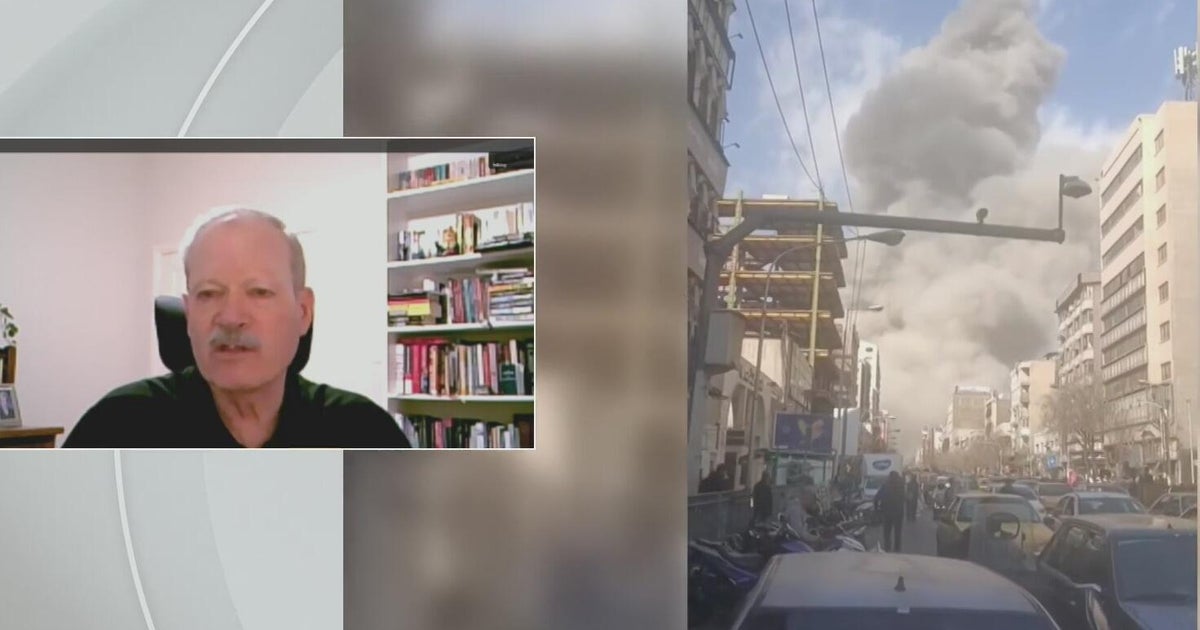
Covering the War in Iran? TCU has Experts that Are Getting National Coverage
As the war against Iran continues to unfold, global media coverage has intensified, with major news organizations providing near-constant reporting on the conflict and its geopolitical implications. From live battlefield updates to analysis of regional alliances, energy markets, and international diplomacy, the story has become one of the most closely followed developments in international affairs. Networks such as CBS News are dedicating significant airtime to helping audiences understand the rapidly evolving situation and the broader implications for global stability. To provide credible context and insight, these outlets often turn to academic experts who specialize in Middle East politics and international relations. Experts like Ralph Carter from Texas Christian University (TCU) are among those providing research-based analysis that helps explain the historical roots of the conflict, the motivations of the key actors involved, and what developments could come next. Their expertise allows journalists to translate complex geopolitical dynamics into clear, accurate information for audiences trying to make sense of a fast-moving global crisis. Professor Ralph Carter teaches introductory courses in political science and international politics as well as advanced courses in Middle East conflicts, U.S. foreign policy and Russian foreign policy. He is the author or editor of eight books and the author or co-author of over 50 journal articles, book chapters, and other professional publications. His research agenda focuses on the making of U.S. foreign, trade, and defense policy, with a particular emphasis on the roles played by members of Congress. Recently, Professor Carter's expertise was sought out by CBS News in Dallas/Fort Worth as journalists were updating Americans on the current situation in the war in Iran. Ralph Carter is available to speak with the media about the ongoing war in Iran - simply click on his icon now to arrange an interview today.