
Experts Matter. Find Yours.
Connect for media, speaking, professional opportunities & more.
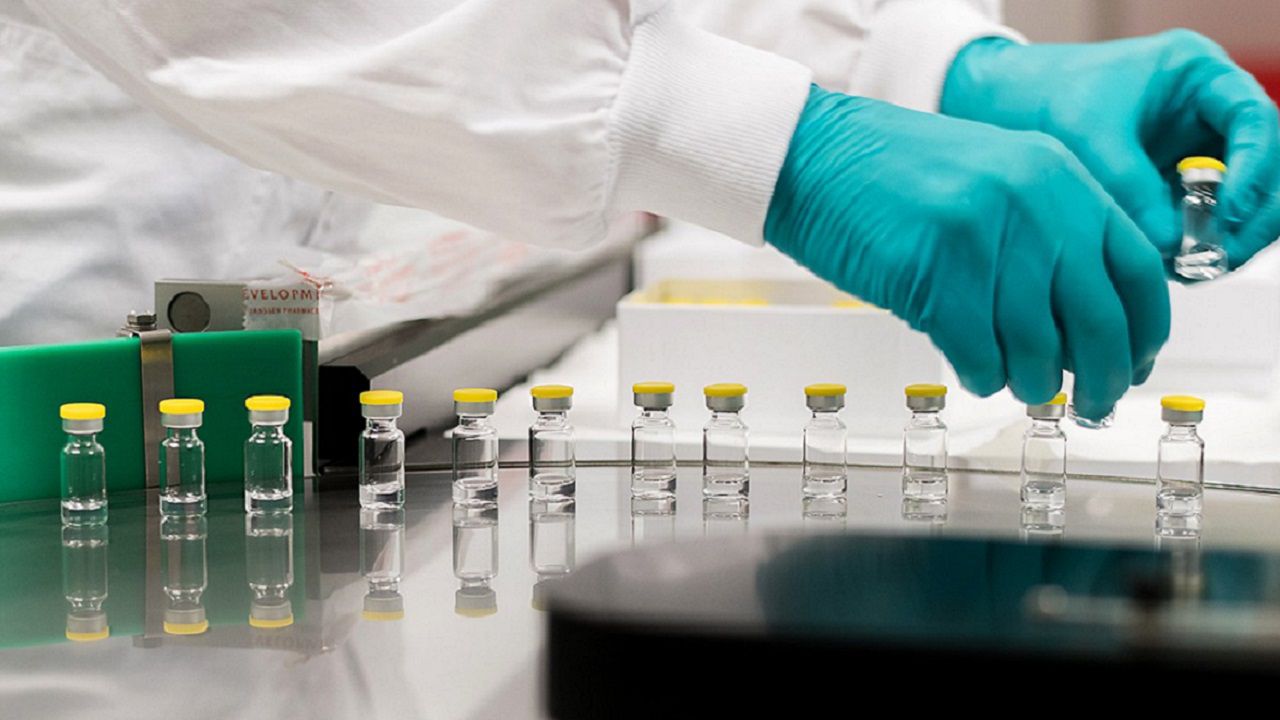
The Food and Drug Administration and the Centers for Disease Control and Prevention recently lifted the pause on the Johnson & Johnson COVID-19 vaccine. The agencies had shelved the vaccine after it was linked to cases of an extremely rare blood clotting disorder. Public health officials are now concerned that as news gets out about the potential side effects of the Johnson & Johnson vaccine, some members of the Black and Hispanic communities may opt out of what could be a life-saving act. “To the Black and Hispanic communities, there has been a long history of untrustworthy behavior by health care systems, and the current issue with Johnson & Johnson may have worsened some hesitancy,” said Dr. Justin X. Moore, an epidemiologist in the Department of Population Health Sciences at the Medical College of Georgia. “To overcome this barrier, companies must continue being open about side effects of the vaccine, and health care workers must be empathetic and listen to their patients’ concerns.” Vaccine safety and the importance of everyone being vaccinated is crucial as America looks to get to the light at the end of this pandemic. If you are a journalist covering COVID-19 and the issues surrounding vaccine hesitancy, then let our experts help. Dr. Justin Moore is an expert in spatial epidemiology and an associate professor at the Institute of Public and Preventive Health at Augusta University. He is available to speak with media regarding this topic – simply click on his name to arrange an interview.

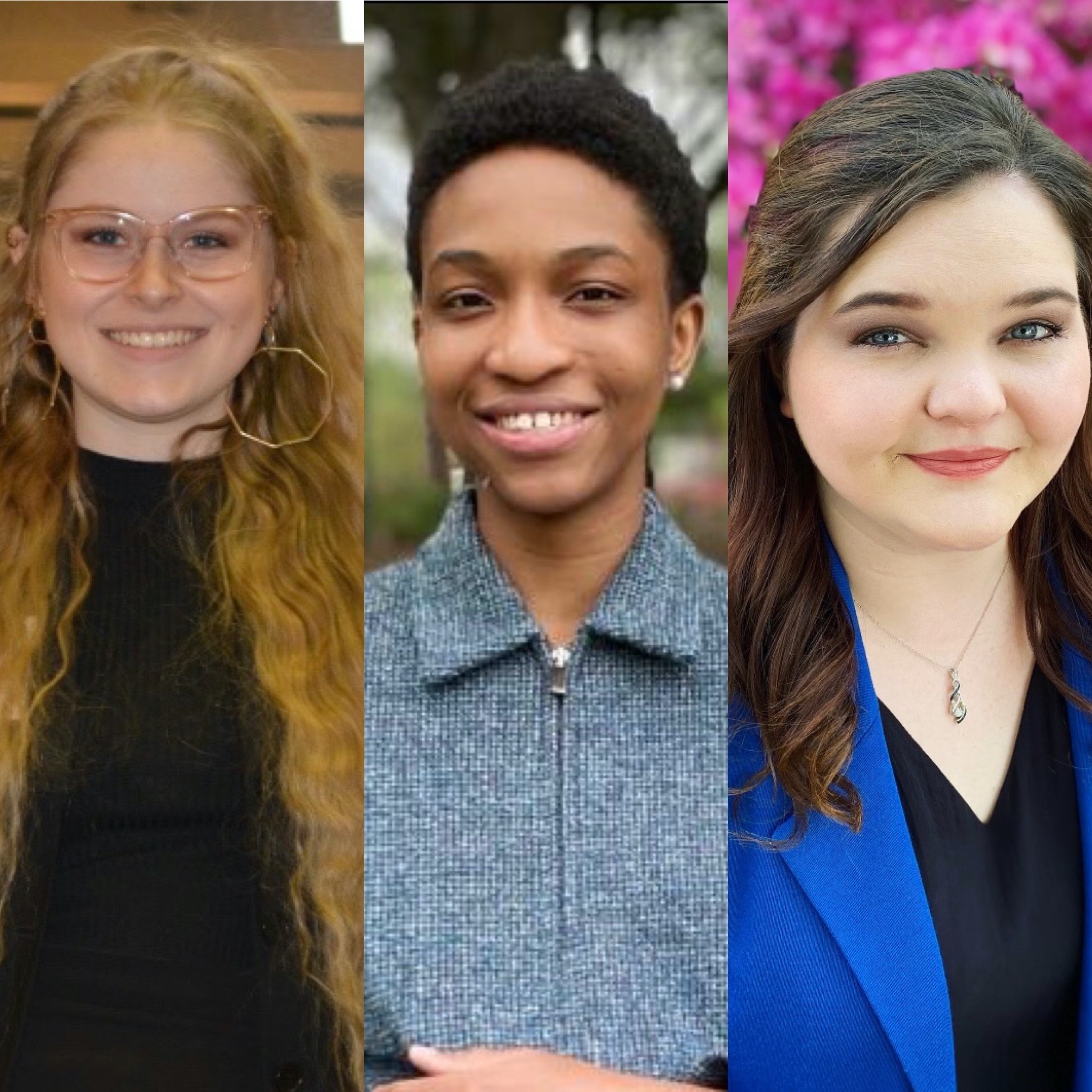
Ambitious student research collaborations with faculty members often lead to much more than good grades. The mentorships encourage professional growth, confidence and creativity, even in the midst of a pandemic. Georgia Southern University’s Spring 2021 Honors Research Symposium, which is being held virtually April 26 through April 30, will showcase faculty-student partnerships through a broad range of scholarly and creative research projects produced by more than 100 honors students across multiple disciplines on the Statesboro and Armstrong campuses. A few of the presenters include: Chelsea Riley, a triple major in international studies, political science and Spanish, worked with political science and international studies professor Srobana Bhattacharya, Ph.D., on her thesis, “The Culture Gap: The Role of Culture in Successful Refugee Settlement.” History and English major Jacey Thomas, mentored by associate professor of history Alan Downs, Ph.D., will present, “Irish Rock Music amid a Time of Troubles: Thin Lizzy and U2 as a Bridge During a Time of Division.” Biology major Susan Ihejirika’s presentation, “A Forward Genetic Screen to Identify Human Genes of Interest and Their Roles in Ovarian Cancer,” was guided by biology assistant professor Dongyu Jia, Ph.D. The Honors College, as the university-wide center for excellence in undergraduate education, plays a crucial role with undergraduate research at Georgia Southern. Since the beginning of the College, students have been required to complete honors theses or capstone projects. The faculty-mentored projects have spanned traditional research models, applied research and creative activities in all academic colleges and majors. “Through faculty-mentored research and scholarly activities, honors students create new knowledge and the Honors Research Symposium is the venue where we share it with the broader scholarly community,” said Honors College Dean Steven Engel, Ph.D. “ I am proud of the fact that they have been able to complete these projects despite the challenges of the past year.” Presentations will be posted on YouTube and the comments section will be open for audience engagement with presenters. If you're a journalist looking to learn more about this year’s Honors Research Symposium — simply reach out to Georgia Southern Director of Communications Jennifer Wise at jwise@georgiasouthern.edu.


New prostate cancer urine test shows how aggressive disease is and could reduce invasive biopsies
Researchers from the University of East Anglia have developed a new urine test for prostate cancer which also shows how aggressive the disease is. A new study shows how an experimental new test called ‘ExoGrail’ has the potential to revolutionise how patients with suspected prostate cancer are risk-assessed prior to an invasive biopsy. The research team say their new test could reduce the number of unnecessary prostate cancer biopsies by 35 per cent. Prostate cancer is the most common cancer in men in the UK. It usually develops slowly and the majority of cancers will not require treatment in a man’s lifetime. The most commonly used tests for prostate cancer include blood tests, a physical examination known as a digital rectal examination (DRE), an MRI scan or an invasive biopsy. However, doctors struggle to predict which tumours will become aggressive, making it hard to decide on treatment for many men. Lead researcher Dr Dan Brewer, from UEA’s Norwich Medical School, said: “While prostate cancer is responsible for a large proportion of all male cancer deaths, it is more commonly a disease men die with rather than from. “Therefore, there is a desperate need for improvements in diagnosing and predicting outcomes for prostate cancer patients to minimise over-diagnosis and overtreatment whilst appropriately treating men with aggressive disease, especially if this can be done without taking an invasive biopsy. “Invasive biopsies come at considerable economic, psychological and societal cost to patients and healthcare systems alike.” The research team developed the new ExoGrail urine test by combining two biomarker sources - measurements of a protein-marker called EN2 and the levels of gene expression of 10 genes related to prostate cancer risk. It builds on previously developed tests called PUR and ExoMeth. They tested it using urine samples from 207 patients who had been undergone a biopsy for prostate cancer at the Norfolk and Norwich University Hospital (NNUH). When the urine results were compared to biopsy results, the study showed that the test had successfully shown which patients had prostate cancer and which did not. The ExoGrail test also provided risk scores for patients and highlighted those for which an invasive biopsy would have been beneficial. The findings show that using information from multiple, non-invasive biomarker sources has the potential to greatly improve how patients with suspected prostate cancer are risk-assessed prior to an invasive biopsy. Dr Brewer said: “Our new urine test not only shows whether a patient has prostate cancer, but it importantly shows how aggressive the disease is. This allows patients and doctors to select the correct treatment. And it has the potential to reduce the number of unnecessary biopsies by 35 per cent.” The research team was led by Dr Shea Connell, Prof Colin Cooper, Dr Daniel Brewer and Dr Jeremy Clark, all from UEA’s Norwich Medical School, in collaboration with the Norfolk and Norwich University Hospital, the University of Surrey, the University of Bradford, The Earlham Institute, and The Movember GAP1 Urine Biomarker Consortium. The urine biomarker research was funded by the Movember GAP1 Urine Biomarker project, Prostate Cancer UK, The Masonic Charitable Foundation, The Bob Champion Cancer Trust, the King family, The Andy Ripley Memorial Fund, the Hargrave Foundation, Norfolk Freemasons and the Tesco Centenary Grant. Paul Villanti, executive director of programmes at Movember, said: “We are proud to have supported the development of the ExoGrail urine test as part of our Global Action Plan Urine Biomarker project. “Having non-invasive tests which can accurately show how aggressive a man’s prostate cancer is not only reduces the number of men having to undergo painful biopsies, but also ensures that the right course of treatment for the patient is selected more quickly.” ‘Integration of Urinary EN2 Protein & Cell-Free RNA Data in the Development of a Multivariable Risk Model for the Detection of Prostate Cancer Prior to Biopsy’ is published in the journal Cancers on Tuesday, April 27, 2021.


Novel coronavirus discovered in British bats
A coronavirus related to the virus that causes Covid-19 in humans has been found in UK horseshoe bats – according to new collaborative research from the University of East Anglia, ZSL (Zoological Society of London), and Public Health England (PHE). However, there is no evidence that this novel virus has been transmitted to humans, or that it could in future, unless it mutates. UEA researchers collected faecal samples from more than 50 lesser horseshoe bats in Somerset, Gloucestershire and Wales and sent them for viral analysis at Public Health England. Genome sequencing found a novel coronavirus in one of the bat samples, which the team have named ‘RhGB01’. Due to the rapid response nature of this research, it has not yet been peer reviewed. It is the first time that a sarbecovirus (SARS-related coronavirus) has been found in a lesser horseshoe bat and the first to be discovered in the UK. The research team say that these bats will almost certainly have harboured the virus for a very long time. And it has been found now, because this is the first time that they have been tested. Importantly, this novel virus is unlikely to pose a direct risk to humans, unless it mutates. A mutation could happen if a human infected with Covid-19 passes it to an infected bat, so anyone coming into contact with bats or their droppings, for example those engaged in caving or bat protection, should wear appropriate PPE. Prof Diana Bell, an expert in emerging zoonotic diseases from UEA’s School of Biological Sciences, said: “Horseshoe bats are found across Europe, Africa, Asia and Australia and the bats we tested lie at the western extreme of their range. “Similar viruses have been found in other horseshoe bat species in China, South East Asia and Eastern Europe. “Our research extends both the geographic and species ranges of these types of viruses and suggests their more widespread presence across more than 90 species of horseshoe bats. “These bats will almost certainly have harboured this virus for a very long time – probably many thousands of years. We didn’t know about it before because this is the first time that such tests have been carried out in UK bats. “We already know that there are different coronaviruses in many other mammal species too,” she said. “This is a case of ‘seek and you will find’. “Research into the origins of SARS-CoV-2, the virus that causes Covid-19 in humans, has focussed on horseshoe bats - but there are some 1,400 other bat species and they comprise 20 per cent of known mammals. “Our findings highlight the need for robust genotype testing for these types of viruses in bat populations around the world. And it raises an important question about what other animals carry these types of viruses.” Prof Andrew Cunningham, from the Zoological Society of London, said: “Our findings highlight that the natural distribution of sarbecoviruses and opportunities for recombination through intermediate host co-infection have been underestimated. “This UK virus is not a threat to humans because the receptor binding domain (RBD) – the part of the virus that attaches to host cells to infect them - is not compatible with being able to infect human cells. “But the problem is that any bat harbouring a SARS-like coronavirus can act as a melting pot for virus mutation. So if a bat with the RhGB01 infection we found were to become infected with SARS-CoV-2, there is a risk that these viruses would hybridise and a new virus emerge with the RBD of SARS-CoV-2, and so be able to infect people. “Preventing transmission of SARS-CoV-2 from humans to bats, and hence reducing opportunities for virus mutation, is critical with the current global mass vaccination campaign against this virus.” Prof Bell added: “The main risks would be for example a bat rehabilitator looking after a rescued animal and infecting it with SARS-CoV2 - which would provide an opportunity for genetic recombination if it is already carrying another sarbecovirus. “Anyone coming into contact with bats or their droppings, such as bat rescuers or cavers, should wear appropriate PPE – in order to reduce the risk of a mutation occurring. “We need to apply stringent regulations globally for anyone handling bats and other wild animals,” she added. The new virus falls within the subgroup of coronaviruses called sarbecoviruses which contains both SARS-CoV-2 (responsible for the current pandemic) and SARS-CoV (responsible for the initial 2003 SARS outbreak in humans). Further analysis compared the virus with those found in other horseshoe bat species in China, South East Asia and Europe and showed that its closest relative was discovered in a Blasius’s bat from Bulgaria in 2008. Ivana’s story The UK discovery was made by undergraduate ecology student Ivana Murphy, from UEA’s School of Biological Sciences, who collected bat droppings as part of her final year research dissertation. Jack Crook conducted the genetic analyses in partnership with other researchers at PHE. A total of 53 bats were captured, and their faeces collected in sterile bags. The research was conducted under strict Health and Safety protocols. Full PPE was worn and Ivana was regularly tested for Covid-19 to avoid any chance of cross contamination. The bats were released immediately after their droppings had been collected. Ivana said: “I am very fortunate to be surrounded by so many experts in their fields, which has allowed me access to resources that many undergraduates wouldn’t have. I feel extremely lucky to have been able to conduct such an advanced study.” “We weren’t shocked by the results, but I am extremely eager to carry out further research. “I chose to study ecology at UEA as I have a passion for trying to protect and conserve nature. I wanted a better understanding of the global situation and so chose UEA to study ecology and conservation. “The plan after graduation is to do an extended study of viruses in UK bats, very similar to the one I carried out as an undergraduate. There is still a lot more to understand and I am extremely excited to see what else we can find out.” But she says that she doesn’t want her research to turn people against bats. “More than anything, I’m worried that people may suddenly start fearing and persecuting bats, which is the last thing I would want and would be unnecessary. As like all wildlife, if left alone they do not pose any threat.” ‘Metagenomic identification of a new sarbecovirus from horseshoe bats in Europe’ is published on the Research Square pre-print server. Read the full story, including a Q&A with all you need to know.

Smell training, not steroids, best treatment for Covid-19 smell loss
Steroids should not be used to treat smell loss caused by Covid-19 according to an international group of smell experts, including Prof Carl Philpott from the University of East Anglia. Smell loss is a prominent symptom of Covid-19, and the pandemic is leaving many people with long-term smell loss. But a new study published today shows that corticosteroids - a class of drug that lowers inflammation in the body – are not recommended to treat smell loss due to Covid-19. Instead, the team recommend ‘smell training’ – a process that involves sniffing at least four different odours twice a day for several months. Smell loss expert Prof Carl Philpott from UEA’s Norwich Medical School, said: “The huge rise in smell loss caused by Covid-19 has created an unprecedented worldwide demand for treatment. “Around one in five people who experience smell loss as a result of Covid-19 report that their sense of smell has not returned to normal eight weeks after falling ill. “Corticosteroids are a class of drug that lowers inflammation in the body. Doctors often prescribe them to help treat conditions such as asthma, and they have been considered as a therapeutic option for smell loss caused by Covid-19. “But they have well-known potential side effects including fluid retention, high blood pressure, and problems with mood swings and behaviour.” The team carried out a systematic evidence-based review to see whether corticosteroids could help people regain their sense of smell. Prof Philpott said: “What we found that there is very little evidence that corticosteroids will help with smell loss. And because they have well known potential adverse side effects, our advice is that they should not be prescribed as a treatment for post-viral smell loss. "There might be a case for using oral corticosteroids to eliminate the possibility of another cause for smell loss actually being a confounding factor, for example chronic sinusitis – this is obviously more of a diagnostic role than as a treatment for viral smell loss. “Luckily most people who experience smell loss as a result of Covid-19 will regain their sense of smell spontaneously. Research shows that 90 per cent of people will have fully recovered their sense of smell after six months. “But we do know that smell training could be helpful. This involves sniffing at least four different odours twice a day every day for several months. It has emerged as a cheap, simple and side-effect free treatment option for various causes of smell loss, including Covid-19. “It aims to help recovery based on neuroplasticity - the brain’s ability to reorganise itself to compensate for a change or injury,” he added. The research was led by researchers at the Cliniques universitaires Saint-Luc in Brussels (Belgium) in collaboration with the Univeristé catholique de Louvain, Brussels (Belgium), the University of East Anglia (UK), Biruni University, Istanbul (Turkey), Aarhus University (Denmark), Université du Québec à Trois-Rivières (Canada), Geneve University Hospitals (Switzerland), Harvard University (USA), Aristotle University, Thessaloniki (Greece), University of Insubriae (Italy), University of Vienna (Austria), the University of Chicago (USA) and the University of Colorado (USA). ‘Systemic corticosteroids in COVID-19 related smell dysfunction: an international view’ is published in the journal International Forum of Allergy & Rhinology.
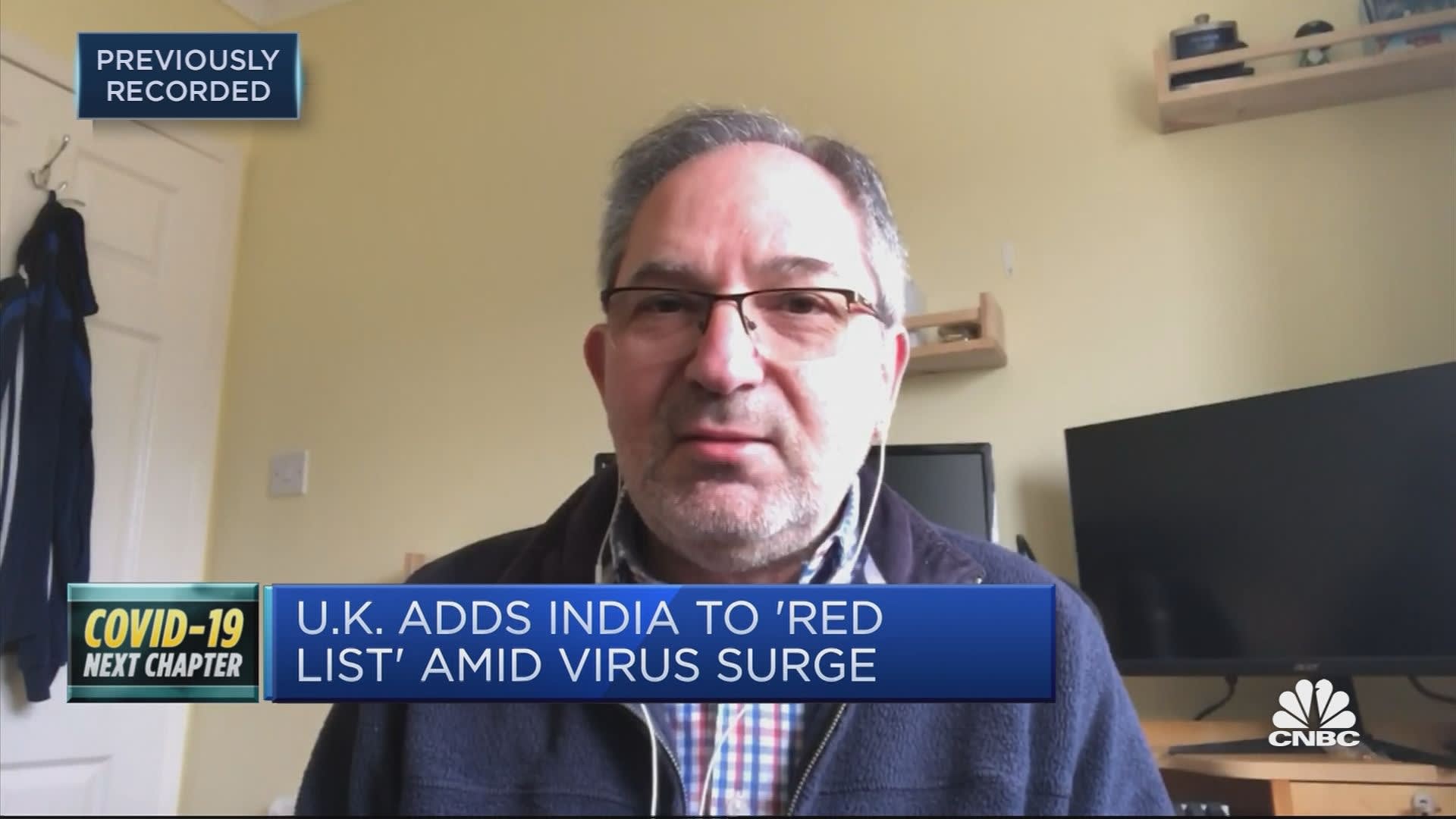
COVID expert: Prof Lawrence Young, UK
Professor Lawrence Young of the University of Warwick is one of the go-to experts in the UK on COVID-19. A Professor of Molecular Oncology at Warwick Medical School, he can comment on many aspects of the pandemic -- from the nature of the virus itself and its effects in patients, to its impacts on hospitals and wider society. He regularly features on TV, radio, and newspapers in the UK and worldwide, including: If you would like to book an interview with Prof. Young, contact press@warwick.ac.uk or L.Walton.1@warwick.ac.uk

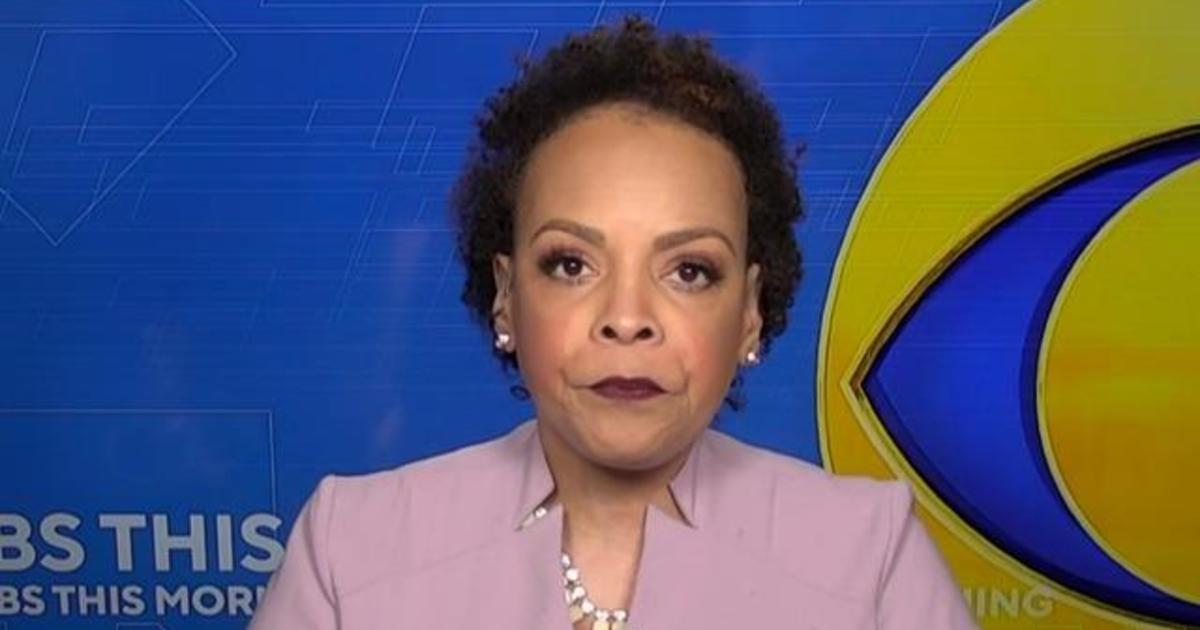
UConn Expert Dr. Wizdom Powell on the mental health impact of Chauvin trial
For weeks, Americans closely watched the trial of the police officer charged in the death of George Floyd last May, and as the jury's guilty verdict brings those proceedings to a close, the impact on communities across the country may be lasting. Dr. Wizdom Powell, director of UConn's Health Disparities Institute Director, joined CBS This Morning to discuss the impact of the Chauvin trial on mental health, particularly among members of the Black community. "The thing about racism, in general, is that it is a bio-social stressor. And incidents, like being in a courtroom and repeating the exposure to those eight minutes and forty-six seconds – and, now we know, nine minutes – of George Floyd’s demise can be triggering for everyone who is exposed to it. And so, there is a consequence of having that be replayed in an open court." **** "I think that we all have had our breaths collectively stolen by the incidents of racial violence that we’re all baring witness to virtually and directly, for those who were actually on scene during the tragic event. So, I would say that, what you can do now, if you’re really wanting to rise up and meet Black, Indigenous, and People of Color in this moment, is to act in true allyship. Listen with a third ear. Accept the reality and truths of what people are experiencing, without requiring them to explain away or to offer additional context for what they are feeling. Believe people when they tell you they’re hurting the first time. That kind of response – legitimating the wounds that we are experiencing in this moment – can go a long way in promoting racial healing, unity, and restorative justice." If you are a journalist looking to discuss this issue or cover this very important topic – then let us help. An associate professor of psychiatry at UConn Health, Dr. Powell is an expert on the role of racism and gender norms in African American male health and healthcare inequities. Dr. Powell is available to speak with media about this topic – simply click on her icon now to arrange an interview today.


News of the newly proposed European Super League has left a storm of concern, criticism, threats and even political intervention in its wake. The announcement of a mid-week league consisting of a dozen of the top-tiered clubs from across Britain and Europe would rival the popular UEFA Champions League. No doubt, more football to watch is good for fans, and for club owners – but the backlash has been harsh from other stakeholders and teams left on the sidelines. The media coverage has been intense. Meanwhile, UK Prime Minister Boris Johnson met with the Football Association, Premier League officials and fans' representatives on Tuesday, after which the government said it will take "whatever action necessary", including legislative options, to ensure the proposals were stopped. Downing Street added: "No action is off the table." In other developments: Uefa president Aleksander Ceferin called on the English clubs to "come to your senses" Everton criticised the "preposterous arrogance" of the clubs involved Real Madrid president Florentino Perez said that the new league was needed to "save football" The proposed tournament would see teams play one another in midweek games in an attempt to have more matches between the big-name clubs. The other clubs involved are AC Milan, Atletico Madrid, Barcelona, Inter Milan, Juventus and Real Madrid. The plans have been heavily criticised by fans, pundits, football's governing bodies and members of the UK government. "It is our task to protect the European sport model. If some elect to go their own way, they must live with the consequences of their choices," said Infantino, the president of world football's governing body. "They are responsible for their choice completely. This means you are either in or you are out. You cannot be half in and half out." April 20 – BBC If you are a journalist covering this emerging story – then let us help with your questions by providing expert opinion, perspective, and analysis. Peter Dawson from the University of East Anglia is a Professor of Economics and an expert in sports economics. Peter is available to speak with media about this topic – simply click on his icon now to arrange an interview today.

UMW’s foreign security expert Jason Davidson weighs in on America’s exit from Afghanistan
It is America’s longest war, and after 20 years on the ground, President Biden has announced it’s time to recall the troops and bring them home. As media looked to cover this breaking news, experts from the University of Mary Washington were there to answer the call and help with coverage that has been dominating headlines. “I think the Biden administration is trying to balance the president’s desire to get out and cut U.S. losses, but also the fact that the Taliban has not really complied with their side of the deal so far and they are unlikely to fully comply with a deal, period,” said Jason Davidson, a political scientist at the University of Mary Washington. President Donald Trump’s administration agreed more than a year ago to pull U.S. and NATO troops out of the country by the start of next month. The Taliban has warned of violence if that deadline is not met, but Biden administration officials are hopeful setting a firm withdrawal date a few months down the line will not result in reprisals. Trump’s plan spurred bipartisan objections in Washington when it was announced last year, with Republicans and Democrats denouncing a seemingly arbitrary deadline and predicting chaos if U.S. troops were withdrawn prematurely. Progress toward peace has been sporadic since then, with the Taliban continuing to engage in violence as negotiations stalled. April 13 - ABC News Exiting Afghanistan will be a process that will take time and garner lots of media coverage. And if you are a journalist covering this topic, then let our experts help. Dr. Jason Davidson is a professor of Political Science and International Affairs and is also an expert in American Foreign and Security Policy, and International Security. If you’re looking to arrange an interview with Dr. Davidson, simply click on his icon now to arrange an interview today.


UMW's psychological trauma expert Laura Wilson weighs in on survivors of recent mass shootings
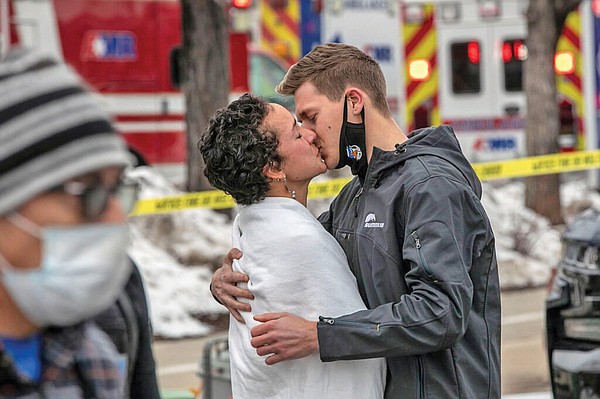
Media have been covering what has been a deadly year in America, with nearly a dozen mass shootings to date. UMW's psychological trauma expert Laura Wilson has been the go-to person to help journalists understand the impact these horrific events have on survivors. Recently, Dr. Wilson was interviewed about the recovery process American Olympic hopeful Maggie Montoya is facing after witnessing first-hand the shooting in Boulder, Colorado, as she prepares to represent America this summer in Tokyo. Laura C. Wilson, associate professor of psychology at the University of Mary Washington in Fredericksburg, Va., has focused on post-trauma functioning from mass trauma. She says most people's exposure and understanding of mass shootings consists of the immediate aftermath. "They see the news coverage of the crime scene and watch the investigators' news briefing," Wilson said. "Within a few days the news trucks leave and people's attention turns to the next major news event. This is when the grief and recovery work starts for the survivors." Wilson said every person will process the events differently. Some will have intense, acute reactions that subside in a few days or weeks. Effects could be chronic for others, and some experience delayed reactions. "Each person is different, and their recovery will look different," she said. Wilson didn't speak specifically about Montoya's running community but said community overall is a powerful strength for survivors in the aftermath of a mass shooting. "It creates a sense of belonging, which can promote psychological recovery," Wilson said. "Having supportive family and friends to validate the feelings and help you process your thoughts is certainly a protective factor." April 18 - The Northwest Arkansas Democrat-Gazette If you are a reporter looking to cover the issues survivors of mass-shooting events will experience, then let us help. Dr. Laura Wilson is a clinical psychologist whose expertise focuses on post-trauma functioning, particularly in survivors of sexual violence or mass trauma (e.g., terrorism, mass shootings, combat). Her research interests extend to predictors of violence and aggression, including psychophysiological and personality factors, as well as indicators of PTSD following mass trauma, long-term functioning among first responders, outcomes among survivors of sexual violence and the influence of media on mental illness stigma. Dr. Wilson is available to speak with media, simply click on her icon to arrange an interview today.
