Experts Matter. Find Yours.
Connect for media, speaking, professional opportunities & more.

Georgia Southern faculty featured on prestigious top 2% of scientists list
Twelve outstanding active faculty members from Georgia Southern University were featured on Stanford and Elsevier’s 2025 list of the top 2% of scientists in the world. This annual list features scientists whose work has had the highest citation count and citation impact in their fields within a given year. This year’s Georgia Southern honorees represent a diverse range of disciplines, from physics and chemistry to epidemiology and business. Ten of the 12 faculty members were also featured on last year’s list. Vice President for Research and Economic Development David Weindorf, Ph.D, P.G., is among them and takes pride in seeing so many familiar names, and a couple of new ones, included. “Seeing names from so many different disciplines, both old and new, speaks volumes about our growth and consistency,” said Weindorf. “I’m so thankful for these faculty who relentlessly pursue excellence and truly embody growing ourselves to grow others in research.” Check out who made the list from Georgia Southern by clicking on the attached media release below: Looking to know more about Georgia Southern University and it's nationally recognized faculty — simply contact Georgia Southern's Director of Communications Jennifer Wise at jwise@georgiasouthern.edu to arrange an interview today.


A popular on-the-go sandwich is now the subject of a mega trademark lawsuit between two food industry giants. The J.M. Smucker Company, more commonly known as Smucker's, recently filed a trademark lawsuit against grocery chain Trader Joe's over what it alleges is infringement upon its iconic billion-dollar investment: the Uncrustables sandwich. Smucker's seeks to obtain unspecified monetary damages from Trader Joe's, as well as profit from its similar product. But beyond the novelty of the sandwich suit lies a complex case built around a lesser-known morsel of trademark law, says Waseem Moorad, Esq., assistant professor of Law at Villanova University Charles Widger School of Law and director of the school's Intellectual Property Clinic. Professor Moorad, a former U.S. Patent and Trademark Office Patent (USPTO) examiner, recently discussed the actual claims of the lawsuit, and how both parties are preparing for a potential trial. Q: Since this lawsuit was filed, it has been a popular topic of public discourse, much of which has centered on the product—a crustless peanut butter and jelly sandwich—itself. Is that what this is truly about? Professor Moorad: Much of the commentary has been focused on the argument of whether Smucker's is permitted to have a monopoly of peanut butter and jelly sandwiches, or if Trader Joe's can actually infringe upon the Uncrustables product without necessarily using the actual trademarked name. While both discussions are legitimate conversations folks could have while munching on the delicious snack products, they are not necessarily the relevant legal claims at the crux of this lawsuit. Q: Before we get into what those relevant legal claims are, Smucker's has filed dozens of trademarks in its 128-year history. What sorts of intellectual property do these trademarks generally protect? PM: Most of their trademarks filed with the USPTO are registered to protect against competitors from using words, logos, slogans, symbols and other materials that are linked to the brand name of the company, its affiliates, or its respective products. Well-known examples include Smucker's, Folgers, Jif and, of course, Uncrustables. If a competing company has a brand or a product that has a similar sounding name or appearance, such as "Giff Peanut Butter," then Smucker's could sue that company for trademark infringement. That name is not only infringing upon a trademark that Smucker's has federal protection over, but also is in the same related industry (food products), within which Smucker's has protection. Q: But Trader Joe's did not necessarily infringe on any trademarked words, symbols, slogans or the like. What, then, is the basis for the claims of infringement? PM: The issue is related to a deeper subset of trademark law, specifically the concept of "trade dress." Trade dress is the intellectual property associated with the visual and aesthetic characteristics of a product or its related packaging that allows a consumer to know with whom that product or packaging is associated. For example, Coca-Cola's name, which is federally protected, is well known as a registered trademark; however, the Coca-Cola bottle, with the curvy appearance where it gets slimmer in the middle, is an example of a registered trade dress belonging to Coca-Cola. If there was no logo or word mark on the bottle, the average consumer would still be able to recognize it as a Coke bottle. There are several trademarks that Smucker's owns that are related to the trade dress of its products. Smucker's isn't alleging that Trader Joe's is copying any of the branding names of their products; they are accusing their competitor of mimicking the trade dress or aesthetic appearances, textures and characteristics of its Uncrustables products and packaging. Q: What specific trade dress trademarks are they claiming have been infringed upon? PM: There are at least two registered trademarks that Smucker's is drawing legal attention to. In 2002, Smucker's had trademarked the image of an Uncrustables sandwich that has pie-crimping indentations or marks along the circumference of the sandwich, and in 2019, the company trademarked the image of an Uncrustables sandwich with a bite taken out of it. Smucker's argument is that the Trader Joe's packaging for a similar crustless peanut butter and jelly shows an image of a sandwich with a bite taken out of it, as well as the crimping along the outer edges. Q: How does one make a legal case out of something like this? PM: In order to effectively file a trademark infringement lawsuit, the plaintiff must not only show that their federally-protected intellectual property rights are being infringed upon, but also demonstrate that as a result of this infringement, the customer or consumer is being confused. Smucker's alleges that as result of Trader Joe's actions, customers are now confused over the product and are purchasing Trader Joe's peanut butter and jelly sandwiches thinking they are actually Smucker's Uncrustables sandwiches. Smucker's is of the belief that if the Trader Joe's packaging did not show pie-like crimped edges and the image of the sandwich with a bite taken out of it, confused consumers would not have purchased the Trader Joe's products and would have instead purchased Smucker's Uncrustables. It is this argument that will be the crux of the court cases to follow. Q: Assuming this goes to trial, how will the two parties prepare and what are some of the challenges for Smucker's as plaintiff? PM: Part of the case on Smucker's end will be to gather customer feedback or testimony that demonstrates confusion in the marketplace as a result of the similar packaging and trade dress. Trader Joe's will focus on the fact that even though the packaging may be similar, there would be no reason or basis for a customer to be confused between a Trader Joe's-branded product and a Smucker's-branded product. As the plaintiff in this case, the burden shall be on Smucker's to prove the confusion element necessary to have trademark infringement. The Trader Joe's product clearly says Trader Joe's, and the chain has a marketplace reputation for selling its own products rather than other-branded products. The challenge in such a scenario will be to prove, despite this, that customers purchasing this product would still have gotten confused and either assumed that they were purchasing Uncrustables, or mistakenly believed that Uncrustables may now have a commercial relationship with Trader Joe's.


A new national Unity Poll from Vanderbilt University shows overwhelming agreement among Americans on one core belief: colleges should teach students how to think, not what to think. At a time when higher education is under intense political and cultural scrutiny, this finding reveals an unexpected area of unity. Amid debates over free speech, curriculum design, and the purpose of a degree, Americans are signaling a shared expectation for colleges to cultivate critical thinking and reasoning — not ideological conformity. For journalists, observers or anyone keeping a close eye on post-secondary education, this is a rare lens into what the public actually wants from higher education, and a timely point of entry into stories about academic freedom, the value of a college degree, political polarization, and workforce readiness. “Many observers think current debates about the nature of higher education are relatively new but they are not,” said John Geer, co-director of the Vanderbilt Unity Poll and professor of political science. “The country, for example, was debating the purpose, value and direction of higher education in the 1940s when the federal government made major investments in research and teaching during and after World War II.” “People want colleges and professors to teach students how to think, not what to think,” added Vanderbilt Poll Co-Director Josh Clinton, who holds the Abby and Jon Winkelried Chair at Vanderbilt and is a professor of political science. “The public most highly values those parts of higher education that help students think critically, process information and contribute meaningfully to society. The closer you get to subjects and content that has associations with contemporary political divisions, the more you see public support fracture.” John Geer and Josh Clinton, Co-Directors of the Vanderbilt Unity Poll and Professors of Political Science, are among the nation’s leading experts on public opinion, political behavior and democratic attitudes. With decades of research experience and multiple national polls under their leadership, Geer and Clinton bring essential context to these findings. Their perspective helps media interpret not only the data itself, but the broader social forces shaping how Americans view higher education, institutional trust and the role of colleges in preparing the next generation. What the Data Reveals: 1. A Return to Fundamentals: The Public Wants Critical Thinking Above All Ninety percent of Americans say “the ability to think more logically” is extremely or very important for their children to gain from college. Factual knowledge matters too, but the public places higher value on reasoning, analysis and cognitive skill-building. Geer can help illuminate why this shift is resonating so strongly now — and what it suggests about the changing expectations placed on colleges and universities. 2. A Rare Point of Consensus in a Polarized Era The emphasis on teaching students how to think cuts across political, geographic and demographic lines. Geer notes that agreement of this magnitude is increasingly uncommon in today’s contentious climate. This story angle gives journalists a data-driven counterpoint to the typical “campus culture wars” narrative — showing where unity still exists and why. 3. Is College Worth It? Depends How You Ask When asked about long-term value, a majority of Americans say a college degree is worth the time because it opens better job prospects. But when the question focuses on financial cost, support drops significantly. Geer and Clinton can walk reporters through why perceptions differ depending on how “value” is framed — and how these attitudes influence choices about pursuing postsecondary education. 4. Americans Oppose Government Control of College Teaching Most respondents say the federal government should not direct how professors teach. This adds nuance to ongoing debates about curriculum oversight, classroom autonomy and political influence in higher education. Geer and Clinton’s expertise help explain how this preference aligns with longstanding public attitudes about institutional independence. 5. Curriculum Flashpoints Reveal Sharp Divides While many Americans agree on the need for core historical and civic content, support fragments around politically charged topics. Issues such as gender identity, sexual orientation, and certain cultural topics show much lower consensus. Read the full article and report here:



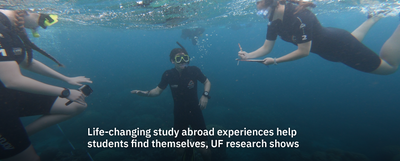
Life-changing study abroad experiences help students find themselves, UF research shows
Studying abroad is about more than just enrichment for college students; it’s often about personal transformation, UF researchers have found. Every year, UF sends nearly 2,600 students overseas to become immersed in diverse cultures, gain international perspectives, and create social bonds with fellow Gators – experiences so profound that UF researchers recently published a study about their long-term impact in Leisure Sciences. And this week, the UF International Center is hosting a Study Abroad Fair from 10 a.m. to 3 p.m. Wednesday, Jan. 29 on the Reitz North Lawn to generate even more interest in these life-changing programs. “You’ve got to look at travel as not a frivolous thing because it’s part of your life story,” said Heather Gibson, Ph.D., a professor in the UF College of Health & Human Performance’s Department of Tourism, Hospitality & Event Management, who co-authored the study. “The impact isn’t just for the semester when they return; it’s now shown to be over 20 years or more. Very few studies focus on this formative phase of adult development, and these emerging adults are very malleable to be shaped. They’re searching for different sources of identity and different directions.” Conducting this research with Gibson was Hongping (HP) Zhang, Ph.D., a UF graduate of 2020 and clinical assistant professor at the University of Tennessee, Knoxville’s Department of Retail, Hospitality, and Tourism Management. Zhang said that, in 2019, tourism literature began focusing on memory theories, but research primarily looked at memorable tourism experiences and how to better attract tourists. Zhang wanted to dive deeper into how travel memories affect a person’s development and identity. This retrospective longitudinal study examined 115 alumni who traveled as part of the College of Health & Human Performance’s South Pacific program, or the Florida Down Under Program, from 2007 to 2019. The program, led by Gibson, brings students to Australia for four weeks, New Zealand for four weeks, and/or Fiji for 10 days to study sustainability, with trips including a snorkeling expedition to the Great Barrier Reef and to Mungalla Station (a land occupied by the Nywaigi Aboriginal Land Corporation). These students’ memories of studying abroad proved to be positive and an “important building block to enhance the existing feeling of self,” Zhang said. For example, one study participant shared that reflecting on her experience in Australia was a conversation starter that sparked an initial social connection with her now husband, who had also traveled to Australia on a separate trip. Other students said the program impacted their travel behaviors such as spending money, as well as their eco-conscious behaviors like using coral-reef-friendly sunscreen. Overall, Gibson believes that experiential learning like studying abroad plays a significant role in helping students find themselves at pivotal times in their lives. In fact, research from the Consortium for Analysis of Student Success through International Education shows that students who participate in study abroad programs may earn higher grades, be more likely to graduate, and be better positioned for the global workforce. “Getting students out of the classroom and pushing them out of their comfort zone is where they learn,” Gibson said. “We need to think about the undergraduate experience as more than earning credits for a degree. Study abroad provides students with friends, experience, and direction, and that’s very crucial, especially at a large university. Study abroad allows students to find their tribe.”



Experts share practical guidance for a healthier, happier holiday season
The holiday season is a time of tradition, connection and celebration – but it also brings its own set of challenges, from food safety concerns to emotional stress. University of Delaware experts are available to speak with reporters and provide practical, research-backed guidance to help audiences make the most of the season. Avoid common food safety mistakes Holiday meals are a centerpiece of celebration, but preparing them safely is essential. Diane Oliver, UD Health and Well-being Extension agent, has identified the top five mistakes people make when handling and preparing turkey – and how to avoid them. She can offer timely food safety tips to ensure families enjoy their meals without risk. Protect your mental well-being The holidays can stir up complex emotions as families come together. UD psychology professors Franssy Zablah and Zachary Meehan can provide expert insight into how to maintain mental wellness, manage stress, and set healthy boundaries during holiday gatherings. Find genuine holiday joy Beyond checklists and shopping, how do people actually experience lasting happiness during the holidays? Assistant professor Amit Kumar can share research-backed strategies on pursuing meaningful, authentic joy rather than fleeting holiday pressure. Preserve your decorations for years to come Family ornaments and decorations often carry sentimental value. Art conservation expert Debra Hess Norris can explain how to properly store and care for holiday decorations so they remain vibrant and intact year after year. Connect with these experts All of these University of Delaware experts are available for media interviews and commentary. Reporters and editors interested in speaking with them can reach out to mediarelations@udel.edu for a quick response and support.


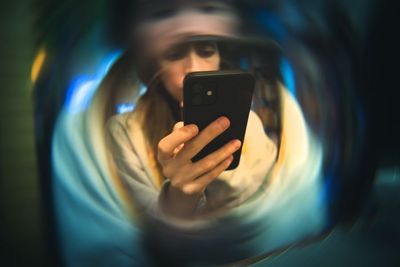
Why TikTok Keeps You Scrolling: Baylor Research Explains the Science Behind Social Media Addiction
Why is it so hard to stop scrolling TikTok? A new study by Baylor University marketing professors and social media researchers James A. Roberts, Ph.D. and Meredith E. David, Ph.D., reveals that the answer lies not only in the app’s content, but in its design. Their research, published in the journal Cyberpsychology, Behavior, and Social Networking, is among the first to compare the technological affordances – the built-in design features that shape user behavior – of three leading short-form video (SFV) platforms: TikTok, Instagram Reels and YouTube Shorts. The findings reveal that TikTok’s combination of ease of use, highly accurate recommendations and surprising content variety creates a powerful recipe for user engagement – and, in many cases, addiction. The power of effortless design In their study, Roberts and David had participants rate each platform on three key technological affordances: perceived effortlessness, recommendation accuracy and serendipity (the element of surprise) and answer questions measuring their levels of social media engagement and addictive use. The results were clear: TikTok scored significantly higher than Instagram Reels or YouTube Shorts across all categories. Users in the study said TikTok required the least effort to use, delivered the most relevant videos and surprised them most often with unexpected but enjoyable content. “It’s the combination of all three that keeps people scrolling,” David said. “But the prerequisite is effortlessness. Without that ease of use, the other two wouldn’t matter as much.” TikTok’s seamless experience – where videos begin playing automatically the moment the app opens – creates a sense of immersion unmatched by competitors. Other platforms require users to click or select a video before viewing begins, a subtle difference that nonetheless makes TikTok feel faster and more intuitive. Engagement becomes addiction The study found that TikTok’s technological affordances indirectly increase addiction by first increasing engagement. The more users engage, the more likely they are to lose track of time – a phenomenon known as time distortion. David said this design is no accident. “TikTok’s algorithm is intentionally created to be addictive,” she said. “Their own materials acknowledge that users can become hooked after less than half an hour on the app.” She noted that even users who recognize these patterns often underestimate how long they spend scrolling. “We all need to be more cognizant of our time on these platforms,” David said. “Check your phone’s screen-time data – you may be surprised.” Implications for users and policy Beyond individual awareness, the researchers point to the broader social impact of overuse – particularly for young people. Excessive time on short-form video apps can erode attention spans, foster expectations for instant gratification and displace face-to-face interaction. “These platforms are designed to hold our attention,” David said. “But the opportunity cost is huge. The more time we spend scrolling, the less time we have for the activities that build real connection and meaning.”



How mitochondria shape brain health from childhood to old age
From the first spark of neural development to the challenges of ageing, Dr Lissette Sánchez Aranguren is uncovering how the cell’s powerhouses — mitochondria — hold the key to a healthy brain across the human lifespan. Her pioneering research at Aston University explores how these microscopic energy generators safeguard the brain’s communication network and how their dysfunction may underlie conditions such as dementia, stroke, and neurodevelopmental disorders. Mapping the brain’s energy defence system Dr Sánchez Aranguren’s work focuses on the partnership between brain cells and the blood vessels that nourish them — a relationship maintained by the blood–brain barrier. When mitochondria fail, that protective interface can weaken, allowing harmful molecules to penetrate and trigger inflammation or cell loss. Her team’s studies show that mitochondrial malfunction disrupts the dialogue between neurons and vascular cells, an imbalance seen both in the developing and ageing brain. To counter this, she and her collaborators have engineered a mitochondria-targeted liposome, a nanoscale “bubble” that delivers restorative molecules directly where they are needed most. By re-balancing cellular energy and communication, this innovation could one day reduce brain injury or slow neurodegenerative decline. From heart cells to the human mind Originally trained in cardiovascular science, Dr Sánchez Aranguren became fascinated by how mitochondria regulate energy and stress in blood-vessel cells — insights that ultimately led her toward neuroscience. View her profile here “Mitochondria do much more than produce energy. They send signals that determine how cells communicate and survive.” That realisation inspired her to trace mitochondrial signalling across the continuum of life — linking early brain development to later-life vulnerability. Her research now bridges traditionally separate fields of developmental biology, vascular physiology, and ageing neuroscience, helping identify shared molecular pathways that influence lifelong brain resilience. Global collaboration for a healthier brain Her work thrives on multidisciplinary and international partnerships. At Aston, she collaborates with scientists from Coventry University, Queen’s University Belfast, and the University of Lincoln, alongside research partners in the Netherlands, Italy, Malaysia, and China. Together they integrate chemistry, biology, and computational modelling to understand mitochondrial function from molecule to organism — and translate discoveries into practical therapies. Towards mitochondria-targeted brain therapies The next frontier is refining these mitochondria-targeted nanocarriers to enhance precision and efficacy in preclinical models, while exploring how mitochondrial signals shape the brain’s vascular and neural architecture from infancy through adulthood. Dr Sánchez Aranguren envisions a future where protecting mitochondrial health becomes central to preventing brain disease, shifting medicine from managing symptoms to preserving the brain’s natural defence and repair systems. “If we can protect the cell’s own energy engines,” she says, “we can give the brain its best chance to stay healthy for life.”

UF expert answers questions about local risk of bird flu
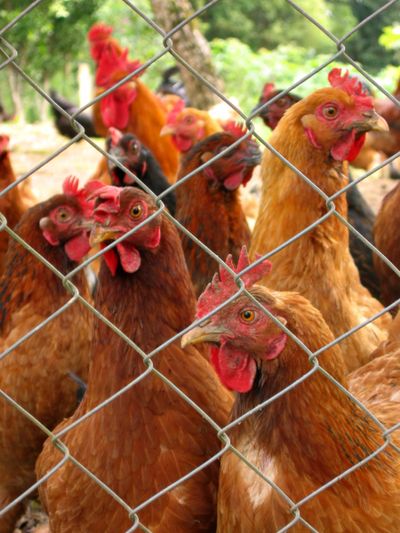
Consumers may have noticed the rising price of eggs and even some shortages at grocery stores lately due to H5N1 avian influenza, but as cases of human and animal infections continue to rise, how concerned should you be about the virus? Benjamin Anderson, Ph.D., an assistant professor in the University of Florida College of Public Health and Health Professions’ Department of Environmental and Global Health and lead for UF’s Emerging Pathogens Institute bird flu response team answers some questions about the risk of infection to humans and animals from bird flu and how to protect yourself. Who is at risk? Currently, the Centers for Disease Control and Prevention says the risk to humans is low. “That is correct on an overall level,” Anderson said. There is no human-to-human transmission right now. Anderson said that while there have been an “alarming” number of human cases, the number of infections is still fewer than 100. Of those, most have resulted in mild illness and were in people who had direct exposure to infected animals. So far, there has been only one death attributed to the current outbreak of H5N1, known more commonly as bird flu – a man in Louisiana who was infected by a backyard flock. “We do have a lot of people who keep chickens,” Anderson said. “Because of the situation in Louisiana, this has, I think, piqued the concern even more so among folks who might have backyard poultry to recognize that is a potential pathway for transmission.” If you see a dead chicken, do not touch it or try to investigate yourself. Instead, report it to the Florida Department of Agriculture and Consumer Services. Report dead wildlife, including migratory birds, to the Florida Fish and Wildlife Commission. Anderson said while the risk to the public is currently low, the future risk, including human-to-human transmission that could result in a pandemic, is still uncertain. Right now, he said, “Unless you’re handling poultry or working with or near dairy cattle, where bird flu outbreaks have been ongoing, your risk is relatively low.” Can I catch the virus from my backyard bird feeder? Gainesville is on a major flyway for migratory birds – a draw for birdwatching enthusiasts, particularly in the winter. This may be how bird flu has made its way into backyard flocks, since infected migratory birds shed the virus in their waste. So far, there is no data that suggests bird feeders could pose a significant transmission risk to people, and no reported human cases of bird flu have been traced to feeders. “However, when I say there’s no data, that means there’s no data. It hasn’t been investigated,” Anderson said. Waterfowl such as ducks and geese are more likely to carry the virus than songbirds. But if backyard birdwatchers are concerned, he said, take precautions such as wearing gloves and disinfecting bird feeders. And whether there’s an elevated risk of bird flu or not, always take care to avoid touching bird feces, which can contain salmonella. “Using some common sense, good hygiene practices, is going to be an effective way of protecting yourself,” he said. Are my outdoor cats in danger? Outdoor cats are susceptible to bird flu through exposure to dairy cattle, wild birds and contaminated raw milk. There is also new evidence of some sources of raw cat food being contaminated with H5N1. H5N1 causes severe infection in cats, with neurological symptoms that could mimic rabies. Infected cats may be disoriented, lethargic or disinterested in food. Florida residents can contact the Florida Health Department if they notice these symptoms in their pet. “If you see something unusual, seeking out professional care for that animal is an important thing to do,” Anderson said. As of now, it’s unclear whether cats can transmit the virus to humans, but as it adapts, transmission to other species could become easier and more widespread. What about eggs and poultry from the farmers market? Florida state statutes require sellers to register as a food supplier and meet certain criteria for food handling safety. But the regulations can be unclear to some small, local egg and poultry producers, and others operate under the radar. “I wouldn’t say that if you go to a farmers market, it’s a guarantee that the products you’re buying are produced under the proper regulations,” Anderson said, but the regulations themselves can be unclear. Some things you can do to keep yourself safe are asking the vendor if they’re registered and permitted with the state’s agriculture agency and checking that the products are labeled. Per the statutes, eggs must be refrigerated at all times between packaging and sale to the consumer. And definitely steer clear of raw milk, which has been tied to several human and animal H5N1 infections and always carries a risk of salmonella. “Don’t drink it, and don’t give it to your animals,” Anderson said. Is there a vaccine? How else can I protect myself? There is a vaccine for bird flu. While it isn’t currently being administered to humans in the U.S., Anderson said some agriculture workers in Europe have received it. “There is a potential justification for starting to release some of the stock of the H5N1-specific vaccine,” but it would come with tradeoffs, he said, such as maintaining stockpiles and keeping the vaccine matched well to an evolving virus. In his opinion, though, it makes sense to start the process now, both to protect workers who are already at higher risk of contracting the virus, and to begin collecting data on how well the vaccine is working. The idea that the U.S. should hold off on releasing a vaccine until bird flu becomes a pandemic is contrary to protecting public health, he said, adding that the tipping point for him was seeing the virus start to show up in backyard poultry. “That’s the rationale that I base my opinion off of,” Anderson said.


Black Friday 2025: Earlier, Bigger and More Digital Than Ever
Black Friday is no longer just a day – it’s becoming an entire season. In 2025, shoppers are starting earlier, spending more and relying heavily on technology to find the best deals. With online shopping now the dominant force, an estimated 71% of consumers plan to browse and buy from their screens rather than stand in long lines. Baylor University consumer behavior expert James A. Roberts, Ph.D., said this year’s sales stretch well beyond Thanksgiving weekend. Top 5 Black Friday Trends from Dr. James A. Roberts Retailers have pushed promotions into early November – and in some cases, late October – creating what many now call “Black November.” And for the true procrastinators, “Desperate in December” is the new reality, with next-day delivery extending holiday shopping right up to the last minute. Even as shoppers plan to spend up to 10% more, they’re extremely price sensitive, Roberts said. Inflation, rising living costs and ongoing economic uncertainty – including concerns over tariffs – are prompting consumers to hunt for deeper discounts and compare prices more closely than ever. That caution is also fueling another trend: increased use of buy-now-pay-later plans. While convenient, Roberts urges shoppers to approach them carefully to avoid overspending. Technology also is accelerating the shift. AI tools and retail chatbots are helping customers track deals and make purchases, while influencers and social media ads continue to shape buying habits. Cost-conscious platforms like Temu and Shein are poised for another strong season. Clothing, electronics and home goods remain top categories, Roberts said, with gift cards still the go-to for last-minute buyers. Walmart, Target and Kohl’s are expected to be the most popular in-store destinations, while Amazon – unsurprisingly – continues to dominate Cyber Monday. Overall spending remains robust. Shoppers are expected to spend roughly $20 billion across online and in-store purchases, split almost evenly between the two. The best bargains will be toys discounted about 25 percent, phones and computers discounted around 30 percent and TVs discounted an average of 23 percent. The typical shopper will spend about $650 this holiday weekend. How to navigate the shopping frenzy Roberts offers some simple advice for navigating the frenzy: Set a budget, stick to it, choose thoughtful gifts and keep the season in perspective. After all, the most meaningful gifts are the ones that show how well you know the people you love. ABOUT JAMES A. ROBERTS, PH.D. James A. Roberts, Ph.D., is The Ben H. Williams Professor of Marketing at Baylor University’s Hankamer School of Business. A noted consumer behavior expert, he is among the Top 2% Most-Cited Researchers in a database compiled by Stanford University. In addition to journal citations, Roberts has often been called upon by national media outlets for his consumer expertise and latest research. He has appeared on the CBS Early Show, ABC World News Tonight, ABC Good Morning America, NBC’s TODAY Show and NPR’s Morning Edition, as well as in articles in The New York Times, USA TODAY, The Wall Street Journal, TIME and many others. Roberts’ research has focused on how individual consumer attitudes and behavior impact personal and collective well-being, including investigating the factors that drive ecologically and socially conscious consumer behavior, the impact of materialism and compulsive buying on well-being and the effect of smartphone and social media use on personal well-being. He is the author of “Shiny Objects: Why We Spend Money We Don’t Have in Search of Happiness We Can’t Buy” and “Too Much of a Good Thing: Are You Addicted to Your Smartphone?”
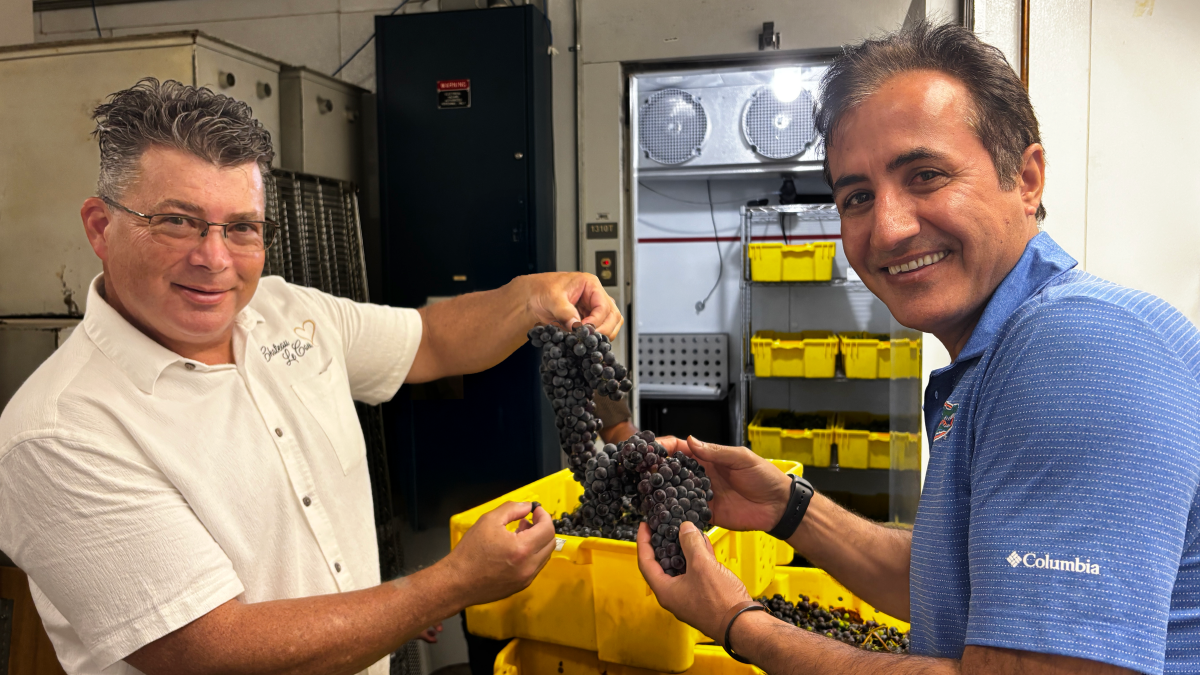
Breakthrough with first disease-resistant wine grapes shows hope for a Florida wine renaissance
In a milestone for Florida agriculture, researchers have grown and harvested wine grapes that are resistant to the main bacterial disease that has long prevented the state from establishing a large-scale wine industry. Researchers successfully grew five grape varieties in Citra, Florida, that are resistant to Pierce’s disease, a bacterial infection that kills the vines and shrivels the grapes. The effort, led by Ali Sarkhosh, associate professor in the UF Institute of Food and Agricultural Sciences (UF/IFAS) horticultural sciences department, produced a harvest of grapes that resulted in 13 cases of wine. “This could be the start of a new chapter for Florida wine.” — Ali Sarkhosh, associate professor in the UF Institute of Food and Agricultural Sciences horticultural sciences department While Florida has a thriving muscadine grape industry, the global market for muscadine wine is small compared to wine made from Vitis vinifera, the species of grapes behind world-famous wines such as cabernet sauvignon, sauvignon blanc and merlot. Florida is already the nation’s second-highest wine-consuming state, behind only California, with an industry valued at $15 billion in 2022. Yet most of the wines served are produced elsewhere, primarily in California, Oregon and Washington. Sarkhosh said he hopes this research will offer a potential additional crop for muscadine grape farmers. As of 2017, there were 547 Florida vineyards, growing muscadine and hybrid grapes. “This could be an enormous opportunity for vineyards in Florida to expand into additional types of wine for a wider market,” he said. “This could be the start of a new chapter for Florida wine.” UF researchers worked with Château Le Coeur, a winery based in DeFuniak Springs, Florida, to make the wine from their harvest. The wine was crafted with 75% Florida-grown fruit and blended with 25% cabernet sauvignon and merlot. The grape used in the wine collaboration is a hybrid called “Erante Noir” and was developed at the University of California, Davis. It carries the genes of sauvignon blanc and cabernet sauvignon. John Choquer, the owner of Château Le Coeur, emphasized the potential for this collaboration. “If we are successful in growing in the area and combating Pierce’s disease effectively, it will be a strong growth industry and emerging market for agri-tourism,” he said. Early tastings point to a dark, fruit-forward wine. Château Le Coeur named this debut wine “Genial,” a French expression for something new and innovative. He said he is also planting a variety of traditional wine grapes, red and white, at his vineyard. He said his winery is grateful for UF’s support and collaboration as he works to create a Florida-based traditional wine industry. “This is not a short-term experiment,” Choquer added. “We plan to test more Pierce’s disease-resistant and traditional vinifera varieties, refine vineyard practices and build a new type of wine industry here in Florida. There will be challenges, there will be setbacks, but the potential is also so great. There is such a strong market potential here in Florida.”