Experts Matter. Find Yours.
Connect for media, speaking, professional opportunities & more.
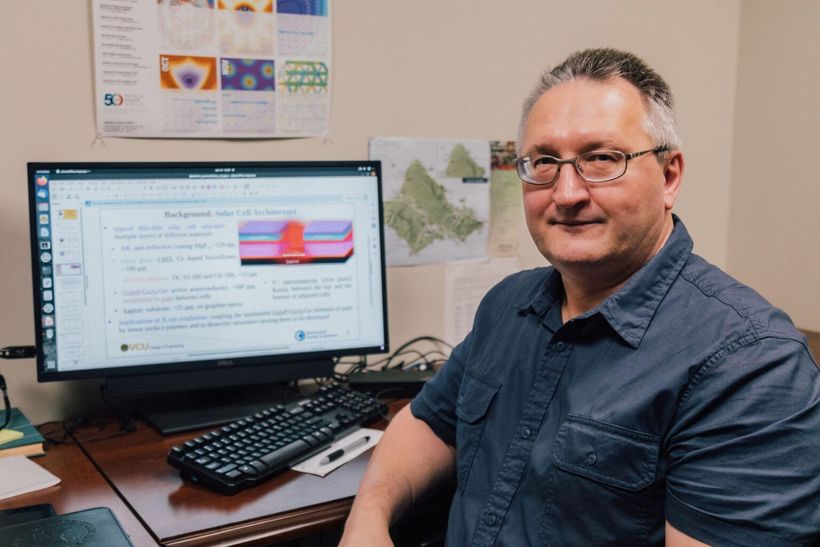
Recently named the nuclear program director at the Virginia Commonwealth University (VCU) College of Engineering, Gennady Miloshevsky, Ph.D., associate professor in the Department of Mechanical & Nuclear Engineering, answers some questions about the direction of VCU Engineering’s nuclear program and what he hopes it can accomplish. What are your top priorities for the nuclear program at the VCU College of Engineering? I want to focus on student development, innovative research and our rankings in best program lists, but that is not everything. Strategy is important. We need to align ourselves with the country’s national energy needs. There are many new developments in the energy sector, like small modular reactors or fusion energy systems, and having the right faculty to engage with these advancements is important. Providing students with a well-rounded education and good opportunities for gaining experience benefits the College of Engineering’s public and private sector partners. Nuclear subject matter is complex, so higher education is very important for workforce development. We want to build partnerships, like the one we have with Dominion Energy, that support this goal. A priority for me is continuing to establish relationships with Commonwealth Fusion Systems, which seeks to build and operate the first commercial grid-scale fusion plant in Chesterfield County, Virginia. Our workforce partners will benefit from VCU’s well-trained nuclear engineering graduates joining the workforce. So, aligning our strategy with national energy needs, hiring the right faculty to support our programs and building industry partnerships that benefit our student’s education and career opportunities are important things for VCU Engineering’s nuclear program. Where would you like to see the College of Engineering’s nuclear program 10 years from now? I would like to see growth in the nuclear program. For example, some new graduate courses on topics like nuclear materials or fusion energy. In 2024, I developed a general course for fusion energy, so building out a curriculum that goes more in-depth would be good. When you look at small modular reactors and micro reactors, current energy policy does not allow private companies to build their own. However, as energy demands increase, policy could change to where you see these compact devices installed in places like data centers, for example. A more in-depth curriculum allows VCU Engineering students to step into industry roles that lead growth of the energy industry while also ensuring students are capable of adapting to the changing field and taking advantage of new developments. What sort of cross-disciplinary opportunities are there for the College of Engineering’s nuclear program? Nuclear engineering and nuclear science are very interdisciplinary fields. You have physics that covers the nuclear reaction and the radiation it generates, for example, then chemistry is needed when talking about nuclear fuel cycles and nuclear waste. You also need materials science because good materials capable of withstanding radiation and high temperatures are needed in nuclear fission and fusion energy systems. This science then connects to engineering, building the reactors, the energy distribution systems like a power grid. It is a small sample of the overall work, but you see how mechanical and electrical engineering are key to this part. All these disciplines come together to solve the same problem. One researcher might be figuring out how to confine plasma and make it stable, then another researcher is looking at how plasma can disrupt the containment wall and how to make materials to protect the wall. Within our department, we are making connections between mechanical-focused faculty working on high-temperature ceramics or additive manufacturing techniques and those of us researching nuclear energy systems in order to make joint proposals. We are also collaborating outside VCU. As an example, I am involved with an alliance founded by the Defense Threat Reduction Agency (DTRA) comprised of 17 universities, research labs and military centers. Coordinated through DTRA, we work together on many of the same problems.Through this partnership, my Ph.D. students do summer research rotations with national labs like Lawrence Livermore National Laboratory in California and The Pacific Northwest National Laboratory. We also bring cadets and midshipman into VCU from other institutions, like the DTRA Nuclear Science and Engineering Research Center, United States Military Academy West Point and the Virginia Military Institute, whose students have been part of research experience for undergraduates programs in the summer. How is artificial intelligence impacting the field of nuclear engineering? So, the United States is sponsoring the Genesis Mission, which seeks to transform science innovation through the power of AI. One area of the Genesis Mission is nuclear fission and fusion energy. I see this playing out with the Department of Energy encouraging national labs, universities and industry to work together on applying these AI advancements to solve the research problems of nuclear energy. It is a great opportunity for students, who we can involve in this work to give them real-world experience with topics they will see after graduation. Last semester I taught a course at VCU on the practical applications of AI on nuclear engineering problems. It is not something like ChatGPT or anything like that. What we did is take Google’s TensorFlow platform that is a library of AI models and machine neural networks. Using Python scripting students learn how to apply these AI resources to about 30 problems in mechanical and nuclear engineering. They create scripts, use data sets and run analytics. We have a nuclear reactor simulator and I have some ideas to create AI-based software we can pair with the simulator, then give the software a data set and let it control the operation of the simulator in a safe way. Tell us about your background. What brought you VCU and the Department of Mechanical and Nuclear Engineering? Actually, I am not a mechanical or a nuclear engineer. My background is in physics. I graduated from the Belarusian State University in 1990 and continued to a Ph.D. in physics from the Heat and Mass Transfer Institute of the National Academy of Sciences of Belarus working on topics related to fusion plasmas and nuclear weapon effects. In space, nuclear weapons produce shockwaves and radiation. I computationally model these effects in my research to determine how something like a nuclear warhead detonation in orbit will impact the materials a satellite is made of, for example. My research also crosses over into nuclear fusion, specifically thermodynamic and optical plasma properties, fusion plasma disruptions, melt motion and splashing from plasma facing components. Accelerating Next-Generation Extreme Ultraviolet (EUV) Lithography (ANGEL) is my most recent collaborative project, supported by the Department of Energy’s (DOE) Office of Science, Fusion Energy Sciences. It involves two national laboratories, three universities and a private-sector company focusing on advancement of future micro-electronic chips, EUV photon sources, mitigation of material degradation and plasma chemistry. Prior to joining the VCU College of Engineering I worked at Purdue University at a DOE-funded center investigating nuclear fusion and the effects of plasma on materials. Around 2019 I wanted to develop my own lab, so I came to VCU with startup funds from the Nuclear Regulatory Commission and DTRA. My first priority after joining the VCU College of Engineering was continuing my fusion research, the second was collaborating with an alliance of universities focused on work for DTRA and DOE.


Assisted by sniffer dogs and DNA sequencing, researchers discover three new truffle species
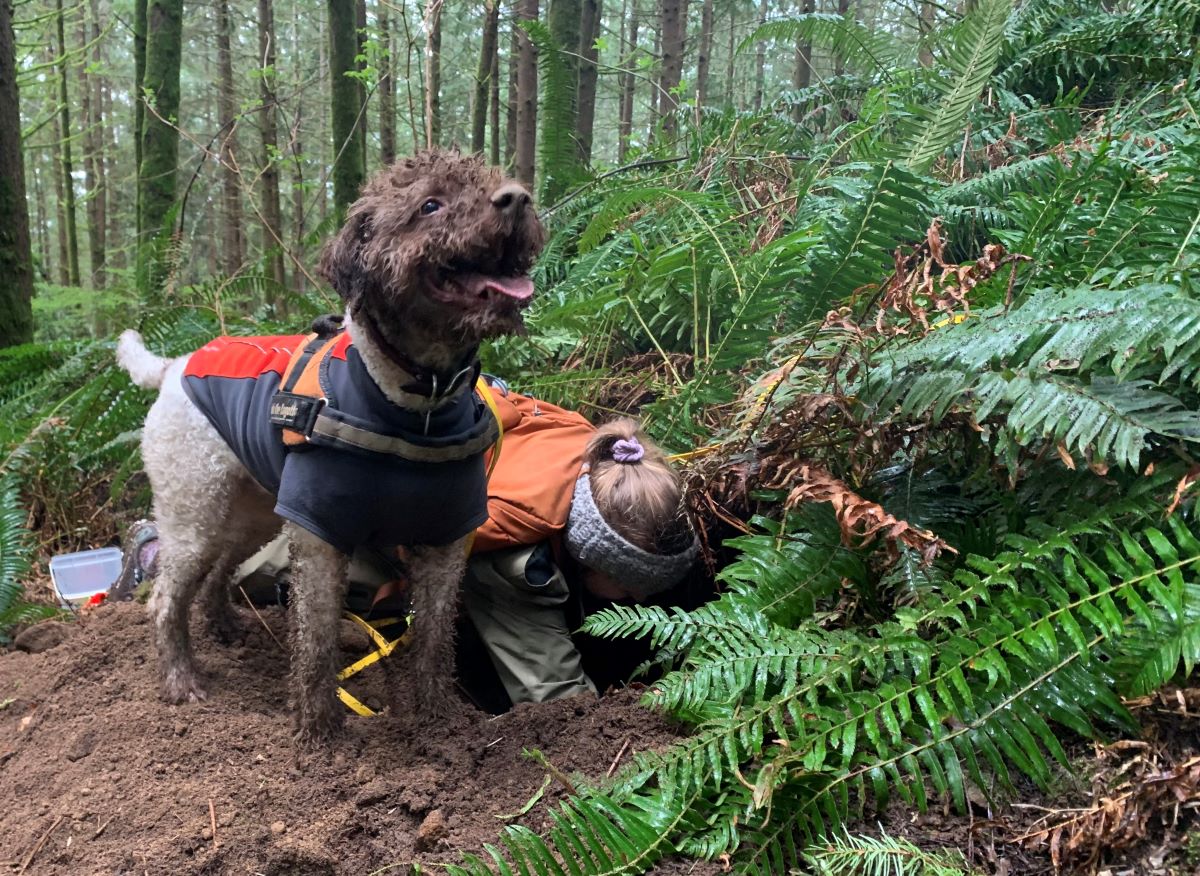
University of Florida biologists studying fungal evolution and ecology have discovered three new truffle species, including one capable of commanding hundreds of dollars per pound within culinary circles. “Our paper confirms what a lot of people had suspected for a long time, which is that the North American truffle species is genetically very distinct from its European relatives.” —Benjamin Lemmond, study co-author and a former UF student The researchers describe their discoveries in a Persoonia. Their work shakes up the Morchellaceae truffle family tree, with key insights related to perhaps the most commercially valuable truffle in North America, the Oregon black truffle. Gourmet chefs, who sometimes grate the odoriferous truffle over dishes or infuse butter with it, have been known to pay as much as $800 per pound for the delicacy. For decades, the Oregon black truffle has been known scientifically as Leucangium carthusianum. It was originally found in Europe and later found in the Pacific Northwest, from California to British Columbia. However, recent genetic testing and field analysis by researchers from UF’s Institute of Food and Agricultural Sciences (UF/IFAS) revealed the North American variety is a distinct species. Scientists are giving this newly recognized species a name honoring the Cascadia region in which it is found: Leucangium cascadiense. “Our paper confirms what a lot of people had suspected for a long time, which is that the North American truffle species is genetically very distinct from its European relatives,” said study co-author Benjamin Lemmond, a former UF student. Lemmond, now a postdoctoral associate at the University of California at Berkeley, began his research into the truffles as a first-year doctoral student studying under professor Matthew Smith of the UF/IFAS plant pathology department. During the COVID-19 pandemic, Lemmond couldn’t access the campus greenhouse where he was conducting an experiment, so Smith secured hundreds of dried truffle specimens from Oregon State University for him to study. The stash included slivers of the Oregon black truffle, a dark-colored, potato-shaped species with tiny, pyramid-shaped warts. When pandemic restrictions relaxed, Lemmond and Smith conducted genetic testing of the Oregon State specimens and others borrowed from Polish, Greek, Italian, French and Japanese collections. Their tests indicated Oregon black truffles from North America had at one point diverged from their European counterparts on the Morchellaceae evolutionary tree, according to the study. They also established the existence of another distinct and very rare species, Imaia kuwohiensis, a pale-colored truffle with dark warts, which is native to threatened spruce-fir habitats in the southern Appalachian Mountains. Their name for the truffle comes from the Cherokee word for the Great Smoky Mountains’ highest peak, Kuwohi. Field tests followed. The researchers wanted to understand the origin of Oregon black truffles’ energy. “Understanding the fundamental, basic biology and life cycle of this truffle is really important,” Lemmond said. “It’s a very valuable commodity, and this knowledge might help us to cultivate the truffle in the future. It also supports long-term conservation and management.” Most gourmet truffles are mycorrhizal, meaning they obtain energy from trees, Lemmond said. It had long been suspected that Oregon black truffles obtain energy through a symbiotic relationship with young Douglas fir trees, but no one had conclusively proven it. Lemmond traveled to the Pacific Northwest and worked with specially trained sniffer dogs capable of detecting truffles buried as deep as 10 inches beneath soil and leaf litter. With the dogs’ help, he unearthed Oregon black truffles nestled among Douglas fir stands. He used fluorescent stain that bonded with the fungal tissue, coloring it green to show where the truffle fungus grew between the cells of the tree root tissue. “The truffle fungi surround the whole root, but the fungus is healthy, and the plant is healthy,” Smith said. “The two trade nutrients back and forth.” DNA sequencing of the roots subsequently proved the truffles rely on the trees as their main source of carbon, according to the study. As the researchers conducted genome sequencing of the Oregon black truffle, they learned of a peculiar find reported by a citizen scientist on iNaturalist, an online science data network: a Leucangium truffle growing among Eastern hemlock trees in Oneida County, New York. It was the first time anyone had ever reported a Leucangium species in the United States, east of the Rocky Mountains, Lemmond said. Lemmond contacted Purdue University, which was preserving the specimen, and requested a sample. The truffle’s physical characteristics, including its dense external hairs and lack of warts, distinguished it from other Leucangium species. DNA analysis confirmed significant variation, too. The researchers named the new truffle species Leucangium oneidaense to recognize the county where it was unearthed. A few years later, just before the researchers submitted their study for publication, someone found a second Leucangium oneidaense specimen growing in Massachusetts, Lemmond said. “It was great timing, and it suggests to me that there are still a lot of undiscovered truffles out there, waiting to be found,” he said.



Operation Epic Fury: Florida Atlantic's Expert is Ready for Your Questions and Coverage
As tensions surrounding Operation Epic Fury in the Middle East intensifies and the risk of regional escalation grows, Robert G. Rabil, Ph.D., professor of political science at Florida Atlantic University, stands out as one of the most authoritative voices journalists can turn to for clear, strategic analysis. A nationally recognized scholar of Middle Eastern politics, political Islam, terrorism and U.S. foreign policy, Rabil brings decades of research, regional expertise and media experience to breaking developments. He does not simply react to headline, he explains the historical forces, ideological movements and geopolitical calculations driving them. At a time when the conflict’s implications stretch far beyond Iran’s borders, affecting Israel, Gulf states, global energy markets and U.S. national security, Rabil provides critical context on both state and non-state actors shaping events on the ground. Robert Rabil, Ph.D., professor of political science at Florida Atlantic University, is a leading authority on Middle Eastern politics, security, and U.S.–Middle East relations. View his profile Recent media coverage: WINK: Dr. Robert Rabil, a political science professor at Florida Atlantic University, said the attack marks one of the most significant escalations in regional conflict in years. "I would say now the joint attack today is one of the very few, if not the only, as a matter of fact, attack on a country in the Middle East," said Rabil. "And today, as we have seen, I believe that the President has taken the final decision, and he said, Listen, it's about time, mainly, either to change the regime or produce a change within the regime.” ABC News: “What the president has done recently, what he did with Maduro, and the assassination of Soleimani — all of that changes the regime’s behavior,” Rabil said. Rabil said if Iran’s government were to collapse or dramatically change, cooperation with Western nations, including the United States, could resume, especially if Iranians pursue a democratic alternative. The Jerusalem Post Op-Ed - The writer is a professor of political science at Florida Atlantic University. He served as chief of emergency of the Red Cross in East Beirut during Lebanon’s civil war. CNN Robert G. Rabil, Special to CNN Rabil offers measured, informed analysis rooted in decades of scholarship and policy study and can help with key story angles such as: • Iran’s Regime Stability and Internal Pressures How domestic dissent, economic strain and political factions inside Iran influence wartime decision-making. • U.S.–Iran Strategic Calculus What options Washington realistically has, historical precedents shaping current policy, and risks of escalation or miscalculation. • Israel and Regional Security Dynamics How Israel, Saudi Arabia and Gulf states are responding — and whether a broader regional war is possible. • Proxy Warfare and Militant Networks The role of Hezbollah, Hamas and other non-state actors in expanding or containing the conflict. • Iran’s Nuclear Program How the conflict affects nuclear negotiations, deterrence strategy and global security concerns. • Energy Markets and Global Economic Fallout Implications for oil prices, shipping lanes and international economic stability. • Long-Term Regional Realignment Whether this conflict accelerates a reshaping of alliances in the Middle East.


Blizzard of ’26 – One for the History Books
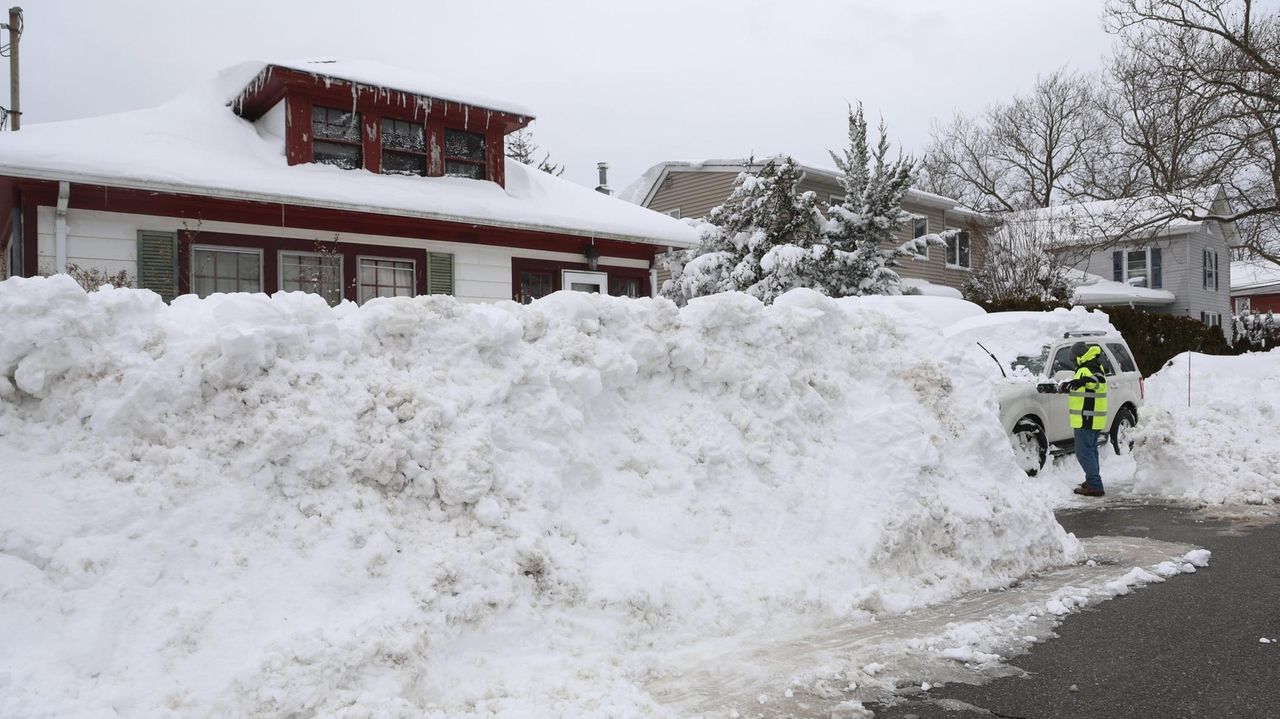
“The blizzard of ‘26 will be remembered in meteorology circles,” Dr. Jase Bernhardt told Newsday about the historic storm this week that dropped approximately 30 inches of snow on parts of Long Island. The Hofstra University associate professor of geology, environment, and sustainability and director of meteorology explained the blizzard hit what’s known as the “70/40 benchmark." That’s 40 degrees north latitude and 70 degrees west longitude, geographic coordinates for a spot over the Atlantic Ocean: “That’s the sweet spot,” said Dr. Bernhardt. “Say it tracks 50 miles south and east, that means the heaviest snow shifts farther away. If it tracks closer, oftentimes, it’s bringing in warm air closer to the center [of the storm], and if it tracks too close, it might yield heavy precipitation, but it’s going to be too warm for all snow.”



Surgery past 65? Brain health screening can aid recovery
Before surgery, your doctor will order evaluations to identify any health problems that may need to be addressed before the procedure. This typically includes medical histories, laboratory tests and checking blood pressure, heart rate and temperature. There’s one vital sign that is often not on the list, but is crucial for older adults: screening for mental and cognitive health. “There is an overwhelming amount of evidence that presurgical brain health predicts complications after surgery,” said Catherine Price, Ph.D., a professor in the University of Florida College of Public Health and Health Professions Department of Clinical and Health Psychology and the UF College of Medicine Department of Anesthesiology. “For example, individuals with weaknesses in memory and attention and people with neurodegenerative diseases, such as Parkinson’s, have higher rates of confusion and memory complications that affect their recovery from surgery.” Research by Price and others has shown that a patient’s cognitive, memory and mental health status before surgery is an excellent indicator of whether they will experience cognitive problems such as delirium, a common complications in older adults after surgery. Delirium, characterized by confusion, disorientation and impaired awareness, can lead to longer recovery times, increased dementia risk, higher mortality rates and health care costs. Price founded and directs the University of Florida Perioperative Cognitive Anesthesia Network, or PeCAN, a first-of-its-kind, multidisciplinary program that seeks to identify older adults who may be at risk of developing cognitive problems after surgery so that clinicians can intervene. In recent findings published in the journal Anesthesia and Analgesia, Price and her colleagues report on two years of PeCAN patient data. Of the thousands of patients over age 65 who received presurgical screening, 23% were found to have issues with their cognitive performance, yet only 2% of the patients screened had a previous note in their medical charts indicating they had a cognitive impairment. “It’s so important to know when an individual has cognitive complications because that changes their care path,” Price said. “From medication to monitoring, the patient’s care is more complex for the perioperative team and family.” For PeCAN patients identified as being at risk for postsurgery cognitive problems, Price and her team will share tailored recommendations with the patient’s care team before, during and after surgery. These may include more monitoring during anesthesia and medication adjustments, such as using medications for nausea and pain management less likely to contribute to delirium. The PeCAN team also might offer the surgical care team specific communication strategies. For example, health care providers should repeat information several times for patients who have trouble remembering new material and ask them to write it down. Recently published research by Price and colleagues found PeCAN patients reported the focus on brain health improved confidence in their surgical team and care plan. Health care systems are only starting to incorporate preoperative brain health teams like PeCAN. Until they are offered more frequently, Price offers a few steps anyone can take to help protect brain health, including a focus on reducing inflammation in the body prior to surgery. To help achieve this: Optimize nutrition. Reduce your intake of added sugars and refined carbohydrates, like white bread. Get good sleep. Improve sleep hygiene so you are well-rested. “Sleep is essential for the brain for a number of reasons,” Price said. Reduce alcohol intake to limit inflammation and dehydration. Pay attention to your medications. Follow your care team’s instructions. Enlist a family member or caregiver to help you keep tabs on what you’re taking, how much and how often. Practice techniques to limit anxiety, such as visualization and deep breathing. The box breathing method is an easy one to remember: Breathe in slowly for four seconds. Hold your breath for four seconds. Slowly exhale for four seconds. Wait four seconds before inhaling again.


Solving for X: Expert highlights importance of algebra in middle and high school
Math educators agree that Algebra is a critical course for middle and high schoolers, often serving as a gateway to more advanced math courses and influencing students’ academic trajectories in STEM pathways. Yet, many students struggle in this important course. Since May 2025, University of Delaware Associate Professor Erica Litke has partnered with the University of Pennsylvania Graduate School of Education and the School District of Philadelphia in a $5 million, three-year initiative to improve algebra teaching in the district. The project offers algebra teachers professional development through a year-long fellowship. With expertise in improving instructional quality in math and supporting algebra teaching, Litke leads the design and delivery of the professional development with Penn GSE experts. Close to 80 teachers participated in the first cohort of the fellowship, which includes a four-day summer institute. Litke’s research in math education has connected instructional quality to broader policy issues in education and focused on teacher knowledge and professional development. “The focus on algebra content and key features of algebra teaching that support students in learning algebra content helps teachers translate their learning from the fellowship directly into their teaching practice,” said Litke. “Being able to translate my research findings into usable knowledge for teachers and contribute to the design of this kind of comprehensive professional learning has been really exciting.” Litke can speak to her role in the Algebra Fellowship project, the importance of Algebra 1 in the trajectory of students’ STEM education and strategies for supporting teaching learning at the school and district levels. ABOUT ERICA LITKE Erica Litke is an associate professor specializing in mathematics education in the School of Education at the University of Delaware. Her research focuses on understanding and improving instructional quality in mathematics for students in the elementary and secondary grades. Her research has described and analyzed instructional practice in mathematics using observation instruments, connected instructional quality in mathematics to broader policy-related issues in education, and focused on teacher knowledge and professional development. She has appeared in The Philadelphia Inquirer, Daily Pennsylvanian and other publications. To speak with Litke or to learn more, email mediarelations@udel.edu.


Florida renters struggle with housing costs, new statewide report finds
Nearly 905,000 low-income renter households in Florida are struggling to afford their housing costs, according to the 2025 Statewide Rental Market Study, released by the University of Florida’s Shimberg Center for Housing Studies. Prepared for Florida Housing Finance Corporation, the report provides a comprehensive look at the state’s rental housing conditions and is used to guide funding decisions for Florida Housing’s multifamily programs, including the State Apartment Incentive Loan (SAIL) program. “Florida’s strong population growth has collided with limited housing supply, pushing rents beyond what many families can afford,” said Anne Ray, manager of the Florida Housing Data Clearinghouse at the Shimberg Center. “This report helps policymakers and housing providers target resources where the need is most acute — including communities that are experiencing the fastest growth and the greatest affordability gaps.” Key findings from the 2025 study include: A growing affordability gap: An estimated 904,635 renter households earning below 60% of their area median income (AMI) are cost burdened, paying more than 40% of their income toward rent. These households are spread across the state, with 64% in Florida's nine most populous counties, 33% in mid-sized counties and 3% in small, rural counties. Surging population and higher rent and housing costs: Between 2019 and 2023, Florida added more than 1 million households — nearly 195,000 of them renters — driven by in-migration from states like New York, Illinois and California. Despite the addition of more than 240,000 multifamily units, median rent soared nearly $500 per month, from $1,238 to $1,719. After years of growth, Florida's older renter population is holding steady: Renters age 55 and older represent 39% of cost burdened households, up from 29% in 2010 but similar to 2022 numbers. Most renters are working: 79% of renter households include at least one employed adult, compared to 67% of owner households. Most non-working renters are seniors or people with disabilities. Homelessness is on the rise: The report estimates 29,848 individuals and 44,234 families are without stable housing, up from 2022, as hurricanes and tight markets contribute to displacement. Assisted housing provides an alternative to high-cost private market rentals: Developments funded by Florida Housing, HUD, USDA and local housing finance authorities provide over 314,000 affordable rental units statewide. Future risks to affordable housing stock: More than 33,000 publicly assisted units may lose affordability protections by 2034 unless renewed. Evalu ating affordable housing in Florida “State- and federally-assisted rental housing developments are essential to providing stable, affordable homes for Florida’s workforce, seniors, and people with special needs,” Ray said. “Florida Housing Finance Corporation’s programs make up a significant portion of this housing, and our study helps ensure those resources are directed where they’re needed most. Preserving these developments — and expanding them — is critical to keeping pace with Florida’s growing population and maintaining affordability.” Since 2001, the Shimberg Center has produced the Rental Market Study every three years to inform strategic investments in affordable housing across Florida. The study evaluates needs across regions and among key populations including seniors, people with disabilities, farmworkers and others. The Rental Market Study and the Florida Housing Data Clearinghouse are part of a 25-year partnership between the Shimberg Center and Florida Housing Finance Corporation to support data-driven housing policy and planning.
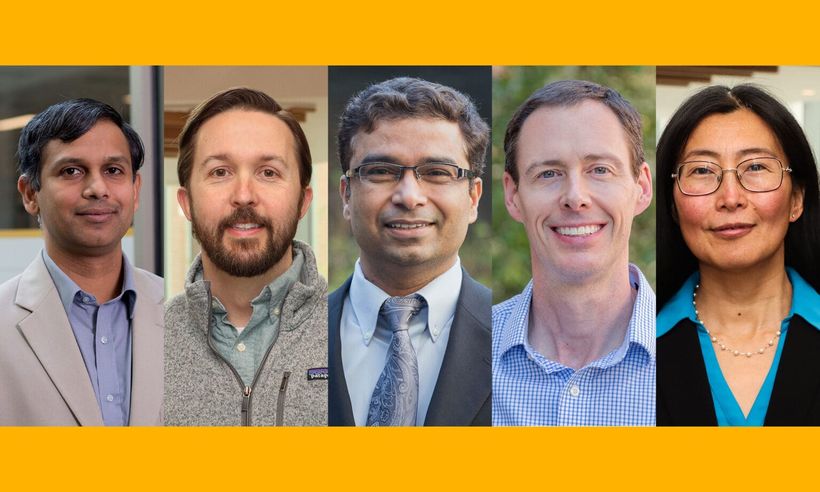
National Academy of Inventors welcomes five VCU College of Engineering researchers
The National Academy of Inventors (NAI) recently inducted five Virginia Commonwealth University (VCU) College of Engineering researchers as senior members. Chosen for their innovative engineering contributions, the honorees are recognized as visionary inventors whose groundbreaking research and patented technologies are driving meaningful societal and economic advancements across the national innovation landscape. “Invention represents the practical application of knowledge and stands as one of the many ways engineers can make a positive impact on their communities and the world,” said Azim Eskandarian, D.Sc, the Alice T. and William H. Goodwin Jr. Dean of the VCU College of Engineering. “This year’s honorees exemplify the interdisciplinary nature of our field, leveraging advanced concepts from mechanical, biomedical, chemical and pharmaceutical engineering to address today’s most pressing challenges. We are immensely proud that our dedicated researchers have earned recognition as members of the esteemed National Academy of Inventors.” The VCU College of Engineering NAI inductees are: Jayasimha Atulasimha, Ph.D. Engineering Foundation Professor Department of Mechanical & Nuclear Engineering An internationally recognized pioneer of straintronics, an approach to electrically control magnetism for ultra-low-energy computing, Atulasimha has made significant research contributions to next-generation memory, neuromorphic hardware and emerging quantum computing technologies. He holds four U.S. patents spanning energy-efficient magnetic memory, nanoscale computing architectures and medical tools. Atulasimha’s commercially viable inventions are funded by organizations like the Virginia Innovation Partnership Corporation and he leads multi-institutional collaborations that drive innovation in computing hardware, AI and quantum technologies with more than $10 million in funded research. Casey Grey, Ph.D. Postdoctoral Research Associate Department of Mechanical & Nuclear Engineering Bridging engineering and medicine, Grey’s work spans life‑saving stroke technologies, breakthrough respiratory and neurological care, and sustainable packaging. As a lead R&D scientist at WestRock, he helped create and commercialize the CanCollar® portfolio, a recyclable paperboard replacement for plastic beverage rings now used on five continents, eliminating thousands of tons of single‑use plastic annually. In medical device innovation, Grey’s patent and development work on a novel cyclic aspiration thrombectomy platform, currently in clinical trials, is advancing stroke treatment by enhancing clot removal efficiency and reducing long‑term disability. At the VCU College of engineering, Grey built a research and commercialization pipeline around neurological and respiratory technologies, securing eight provisional patents and leading multidisciplinary teams in neurology, neurosurgery, surgery, pharmacology and toxicology, internal medicine, and respiratory medicine. His work includes developing dry powder inhaler strategies for delivering life‑saving drugs to patients with acute respiratory distress syndrome (ARDS), a pediatric bubble CPAP system designed to protect brain development in premature infants, and non‑invasive, non‑pharmacological 40 Hz neuromodulation therapies to treat neurodegeneration and conditions with significant central nervous system complications, like sickle cell disease. In collaborations with the VCU Children’s Hospital and VCU Critical Care Hospital, Grey is leading two clinical studies that are translating these innovations to improve patient care. Ravi Hadimani, Ph.D. Associate Professor and Director of Biomagnetics Laboratory Department of Mechanical & Nuclear Engineering Hadimani founded RAM Phantoms LLC, a VCU startup company, commercializing anatomically accurate, MRI-derived brain phantoms for neuromodulation and neuroimaging applications. These brain phantoms help test and tune transcranial magnetic and deep brain stimulation technologies, improving clinical safety and enabling personalized therapy for patients. RAM Phantoms is also developing a highly-skilled workforce for employment in Virginia’s growing biomedical device industry. Beyond commercialization, Hadimani maintains a productive research program with more than $4.5 million in funding resulting in 125 original peer-reviewed publications, 17 current and pending patents, a book, and several book chapters. His biomagnetics lab serves as a training ground for undergraduate, graduate and Ph.D. students to hone their skills in innovation management, intellectual property strategy and startup development. Several students from Hadimani’s lab have engaged in translational research, patent co-authorship and start-up formation, cultivating a new generation of engineer-entrepreneurs equipped to drive future technological advances. Before joining VCU, Hadimani led the development of hybrid piezoelectric–photovoltaic materials that established FiberLec Inc., which commercialized multifunctional energy-harvesting fibers capable of converting solar, wind and vibrational energy into usable electricity. Worth Longest, Ph.D. Alice T. and William H. Goodwin, Jr. Distinguished Chair Department of Mechanical & Nuclear Engineering Uniting aerosol science, biomedical engineering and computational modeling, Longest is revolutionizing inhaled drug delivery. Working with collaborators, his lab has developed novel devices, formulations and delivery platforms that precisely target medications to the lungs, addressing conditions like cystic fibrosis, pneumonia, acute respiratory distress syndrome and neonatal respiratory distress syndrome. These innovations have resulted in multiple patents. Some of them have been licensed through commercial partnerships like Quench Medical, an organization advancing inhaled therapies for applications like lung cancer. Collaborating with the Gates Foundation and the lab of Michael Hindle, Ph.D., from the VCU Department of Pharmaceutics, Longest’s team developed a low-cost, high-efficacy aerosol surfactant therapy for pre-term infants based entirely on technology developed at VCU. The invention eliminates intubation, reduces dosage by a factor of 10, and cuts treatment costs. Over 9 million infant lives are projected to be saved by this technology between 2030 and 2050. Through a long-term collaboration with the U.S. Food and Drug Administration, Longest’s in vitro and computational methods provide federal regulatory guidance for generic inhaled medications. The VCU mouth-throat airway models developed under his leadership are used globally across the pharmaceutical industry and in government laboratories. Hong Zhao, Ph.D. Associate Professor Department of Mechanical & Nuclear Engineering Zhao holds 40 patents with innovations spanning additive manufacturing, stretchable electronics, inkjet printing technologies and superoleophobic materials that repel oils, greases, and low-surface-tension liquids. Her research has applications across health care, sustainable energy and advanced manufacturing. Prior to joining the College of Engineering, Zhao served as a senior research scientist and project leader at the Xerox Research Center, where she developed high-performance materials and printing technologies for commercial deployment. Her industry experience makes Zhao’s lab a hub for innovation and mentorship, with students engaging in innovative research and co-authoring publications. Zhao is an invited reviewer for more than 50 premier journals and grant agencies. “Working with distinguished researchers and innovators like those inducted into the National Academy of Inventors is a great honor for me,” said Arvind Agarwal, Ph.D., chair of the Department of Mechanical & Nuclear Engineering and NAI fellow. “They are an inspiration and showcase the kind of impact engineers can make. Having all five of these innovators as part of our department amplifies the scientific richness of our college and its societal impact. They advance the college’s mission of Engineering for Humanity, with research that brings a positive change to our world.” The 2026 NAI class of senior members, composed of 231 emerging inventors from NAI’s member institutions, is the largest to date. Hailing from 82 NAI member institutions across the globe, they hold over 2,000 U.S. patents.



The science behind the blood moon: Understanding this lunar phenomenon ahead of march's event
March's celestial event – a blood moon – is just around the corner. This captivating lunar spectacle isn't just a cool sight to behold; it has some neat science backing it up. The blood moon phenomenon happens during a total lunar eclipse. "During a total lunar eclipse, the only light that reaches the surface of the moon is refracted through the Earth's atmosphere, which essentially acts like a lens. Light is a wave, and every color of the rainbow has a different wavelength – red the longest and violet the shortest," said Bennett Maruca, associate professor of physics and astronomy at the University of Delaware. What adds to the excitement is the rare nature of total lunar eclipses. While partial eclipses occur more frequently, a full blood moon isn't an everyday event. Depending on where you live, the blood moon may only grace the night skies a few times a decade. "One of my favorite things about total lunar eclipses is that it's hard to know ahead of time quite what it will look like. The moon can take on a color ranging from burnt orange to red to grayish brown," he said. "The closer the Moon passes to the center of Earth's shadow, the darker the color will be." Maruca is available to speak about the event, which takes place in the wee hours of March 3. He can discuss when to wake up to see the phenomenon and how to best capture it. "For photographing the moon, I would recommend a camera with some optical zoom – the moon is only about 0.5 degrees across. Because of the low lighting conditions, a tripod or other support would be helpful since a longer exposure time will be needed," he noted. He has appeared in a number of outlets including Mashable and The Philadelphia Inquirer. He can be contacted by clicking on his profile. ABOUT BENNET MARUCA Bennett Maruca serves as an associate professor in the University of Delaware's department of physics and astronomy. His research focuses on the sun, the solar wind and other space plasmas. He is a recipient of the Antarctic Service Medal and NASA's Silver Achievement Medal. He also serves as an associate director of the Delaware Space Grant Consortium and is currently mentoring over twenty undergraduate students developing experiments to fly into space to observe Earth's ionosphere.

Laura Mauldin's rule of thumb is that if you think you're caregiving, you probably are. The University of Connecticut professor and author has a new book that just been released In Sickness and in Health, where an urgent argument is made that America’s caregiving crisis is not a private family matter, but a structural and political failure. Mauldin isn't just a scholar in the field. She also speaks from personal experience about the impact of caregiving -- as well as how society views and values it -- on both caregivers and those that they care for. It may not have been the birthday present then 32-year-old Laura Mauldin wanted to buy herself, but purchasing long-term care insurance was something she knew she needed. Mauldin, an associate professor in UConn’s Department of Social and Critical Inquiry, had been caring for her sick partner the five years prior, watching as cancer destroyed the promise of a long life. “It’s not about being morbid, rather it’s about recognizing the inevitability of a completely typical, expectable part of life,” Mauldin says of her advanced planning. “Why not just go ahead and in a neutral way have a plan? Then it’s there, you don’t have to worry, and you can feel more prepared.” A detailed account of her caregiving experience is the launching point for her new book, “In Sickness and in Health,” released this month by HarperCollins’ Ecco Press, in which she tells the story of a handful of couples from around the country who she came to know over years of spending time with them, oftentimes days and nights. “I grew to love these people and to care about them,” she says. “Their stories tell us something bigger about our culture, about our society, and about our choices around care policy and care systems. Theirs are the hidden stories that are going on behind millions of closed doors.” In her quest to bring discussions about caregiving to the light of day, Mauldin sat with UConn Today recently to talk about the different forms that caregiving can take, the result of absent social safety nets, and how ableism permeates the culture. February 2026 - UConn Today Drawing from her new book, Mauldin blends her personal experience with sociological research to show how love, marriage, and devotion are routinely forced to compensate for weak public policy, limited Medicaid support, and a culture shaped by ableism. Her work reframes caregiving as essential labor, deeply gendered, largely invisible, and profoundly political, and challenges the notion that “love is enough” in a system that offers far too little support. It’s an old adage: when people get married, they promise to stick together “in sickness and in health.” But that’s easier said than done when you’re caregiving for a spouse or long-term partner, when systemic failures often lead to burnout. In her new book, In Sickness and in Health: Love Stories from the Front Lines of America’s Caregiving Crisis, University of Connecticut professor Laura Mauldin explores the relationships between caregivers and their disabled and sick spouses, and the underlying lack of structural support in the US that makes unpaid care an inescapable feature of most such relationships. The topic is personal for her: Maudlin’s partner’s leukemia came out of remission as they were getting closer in 2006. “Falling in love with J had called upon me to increasingly fill a role that required meeting nearly every one of her needs,” Mauldin writes in her introduction. “This was more than just providing emotional support when the person you love is suffering.” J passed away in 2010. I spoke to Mauldin about crafting this book based on her lived experiences, how systems fail both disabled people and their caregivers, and what is at stake with Medicaid cuts exacerbating the damage to an already broken system. February 2026 - Mother Jones Dr. Laura Mauldin, an associate professor in the Department of Social and Critical Inquiry at the University of Connecticut, blends rigorous scholarship with lived experience to challenge prevailing assumptions about caregiving, disability, and public policy. Her work exposes how cultural norms and policy gaps intersect to offload care onto private homes, obscuring the true costs of care and the human toll of under-resourced support systems. She is available to speak with media - simply click on her icon now to arrange an interview today.