
Experts Matter. Find Yours.
Connect for media, speaking, professional opportunities & more.

Members of the Lived Experience Stakeholder Group meet at Aston University for the first time to give feedback on the project MEDIATE investigated how medication for severe mental illness can be optimised Research funded by the National Institute for Health Research (NIHR). Researchers from Aston Pharmacy School welcomed people with lived experience involved in the MEDIATE research project to campus for a one-day workshop on 17 March to enable these members of the Lived Experience Stakeholder Group - who all live with and take medication for severe mental illness (SMI) - to meet in person to give feedback and discuss their participation in the project. The group members have participated in the National Institute for Health Research (NIHR) funded project since January 2022 until its conclusion in March 2023. The MEDIATE project investigated how medication can be best optimised (safely getting the right drug at the right dose to the individual at the right time) for people living with SMI. The first part of the workshop allowed participants to discuss with the research team their involvement as people with lived experience of severe mental illness in the project. Dr Jo Howe, MEDIATE project researcher at Aston University, said: “Although this group was formed to help us as researchers, we became aware that involvement in the group has also helped group members. They enjoyed linking with their peers, despite having had different lives and journeys, they discovered shared experiences, which helped them feel less isolated. “Importantly some members said that their involvement in our research improved their self-confidence and helped them to speak about their medication concerns with their healthcare team.” The second part of the workshop bought the group together to gauge opinions on three separate research projects currently being planned by the MEDIATE research team. The group were able to give useful insights to help shape the research teams future project proposals. Max Carlish, MEDIATE group member, said: “Our participation throughout this project has really made us feel that we have been influencing the direction of the research. With our unique service user perspectives helping to make the research findings practicable and applicable to the vitally important - and often overlooked - area of medication optimisation.” Mustak Mirza, MEDIATE group member, added: “People will trust their leaders when the leaders do the thing that make them feel psychologically safe. And I believe and feel you (the MEDIATE Team) have done that. Many thanks for being so kind.” Dr Jo Howe added: “Input from the group has been invaluable for this project. Their involvement has shaped the trajectory of our research and they have been instrumental in identifying gaps in the research evidence. “It really was fantastic to meet everyone in person, I felt like we connected at a deeper level and I’m really looking forward to working with everyone again on future research.” Professor Ian Maidment, MEDIATE project lead at Aston University, said: “It is vital that the people who this research affects are actively involved in the process. We aimed to do this in MEDIATE and working with this group has really helped inform the research. For example, any guidance or outputs we produce will be centred on real world experience and are therefore much more likely to have an impact.”



Candida auris: The deadly fungus is spreading and proving difficult to fight
Candida auris is making headlines - and for all the wrong reasons. The fungus can lead to severe infections causing long term health issues and even death. Recently, Fox News in Los Angeles was covering this emerging threat and reached out to Augusta University's Dr. Jose Vazquez for his expert insight and opinion. Here's the piece: The Centers for Disease Control & Prevention says Candida auris, or C. auris, is an emerging health threat, a type of fungus can cause severe, potentially life-threatening infections in people hospitalized with compromised immune systems. Dr. Jose Vasquez, chief of infectious diseases at the Medical College of Georgia at Augusta University, says there are several reasons for concern about this fungus. "The biggest fear is that it is multi-drug resistant," he says. "So, it is resistant to many different drugs." The CDC says most C. auris infections respond to antifungal medication, but some do not. Vasquez says C. auris is also hard to detect without highly specialized lab equipment that many hospitals do not have. And, he says, it is hard to stop the fungus once it gets into a hospital setting, such as an ICU or nursing care facility. C. auris can live on a person's skin without causing symptoms, allowing it to be transmitted from one person to another, or to get into a patient's body through contaminated surfaces or medical equipment like mechanical ventilators, feeding tubes and central lines. 'It is one of the Candidas that lives the longest on a surface, and we're talking about weeks," he sys. "So it can live there, dry and desiccated. Once it gets there, it kind of sets up shop, and it is very, very difficult to eradicate." The rest of the news story is attached: Looking to know more? That’s where Augusta University can help. Dr. Jose Vazquez, division chief and professor of Medicine at the Medical College of Georgia, is an expert in the realm of infectious diseases. He studies and treats infectious diseases, including antibiotic-resistant superbugs and fungal infections. He has been a reliable source for local, statewide and national media regarding the coronavirus outbreak. Dr. Vazquez is available to speak with media regarding this topic – simply click on his icon to arrange an interview.


• Has potential to help geneticists investigate vital issues such as antibacterial resistance • Will untangle the genetic components shared due to common ancestry from the ones shared due to evolution • The work is result of a four-year international collaboration. Aston University has worked with international partners to develop a software package to help scientists answer key questions about genetic factors associated with shared characteristics among different species. Called CALANGO (comparative analysis with annotation-based genomic components), it has the potential to help geneticists investigate vital issues such as antibacterial resistance and improvement of agricultural crops. This work CALANGO: a phylogeny-aware comparative genomics tool for discovering quantitative genotype-phenotype associations across species has been published in the journal Patterns. It is the result of a four year collaboration between Aston University, the Federal University of Minas Gerais in Brazil and other partners in Brazil, Norway and the US. Similarities between species may arise either from shared ancestry (homology) or from shared evolutionary pressures (convergent evolution). For example, ravens, pigeons and bats can all fly, but the first two are birds whereas bats are mammals. This means that the biology of flight in ravens and pigeons is likely to share genetic aspects due to their common ancestry. Both species are able to fly nowadays because their last common ancestor – an ancestor bird - was also a flying organism. In contrast, bats have the ability to fly via potentially different genes than the ones in birds, since the last common ancestor of birds and mammals was not a flying animal. Untangling the genetic components shared due to common ancestry from the ones shared due to common evolutionary pressures requires sophisticated statistical models that take common ancestry into account. So far, this has been an obstacle for scientists who want to understand the emergence of complex traits across different species, mainly due to the lack of proper frameworks to investigate these associations. The new software has been designed to effectively incorporate vast amounts of genomic, evolutionary and functional annotation data to explore the genetic mechanisms which underly similar characteristics between different species sharing common ancestors. Although the statistical models used in the tool are not new, it is the first time they have been combined to extract novel biological insights from genomic data. The technique has the potential to be applied to many different areas of research, allowing scientists to analyse massive amounts of open-source genetic data belonging to thousands of organisms in more depth. Dr Felipe Campelo from the Department of Computer Science in the College of Engineering and Physical Sciences at Aston University, said: “There are many exciting examples of how this tool can be applied to solve major problems facing us today. These include exploring the co-evolution of bacteria and bacteriophages and unveiling factors associated with plant size, with direct implications for both agriculture and ecology.” “Further potential applications include supporting the investigation of bacterial resistance to antibiotics, and of the yield of plant and animal species of economic importance.” The corresponding author of the study, Dr Francisco Pereira Lobo from the Department of Genetics, Ecology and Evolution at the Federal University of Minas Gerais in Brazil, said: “Most genetic and phenotypic variations occur between different species, rather than within them. Our newly developed tool allows the generation of testable hypotheses about genotype-phenotype associations across multiple species that enable the prioritisation of targets for later experimental characterization.” For more details about studying computer since at Aston University visit https://www.aston.ac.uk/eps/informatics-and-digital-engineering/computer-science
/cloudfront-us-east-1.images.arcpublishing.com/tgam/D42Y2GTGHREBRIZEWNRMJB5Y3U.jpg)
Going green: Solar and wind power remain the best alternatives to fossil fuels
Find video for use here. In the U.S., more and more individuals, and even corporations, are making it a priority to go green in an effort to reduce the nation's dependence on fossil fuels. Studies have proven carbon dioxide is a main contributor to human-caused climate change, so we're tapping into natural elements more often to reduce the use of fossil fuels. From solar farms to solar panels on houses and wind turbines, it’s tough not to find efforts to go green, and that’s a move in the right direction, according to Jessica Reichmuth, PhD, professor in the Department of Biological Sciences in the College of Science and Mathematics at Augusta University. She said we’re heading in the right direction, but more can be done. “We are taking the right steps, but I’m not sure if we will be entirely able to be green energy, but we definitely need to be more green than we are today,” said Reichmuth. “Fossil fuels will eventually run out and are a non-renewable resource.” Homeowners and municipalities are tapping into solar panels most often as a green resource. Some concerns include the costs involved and the fact that in most cases, the panels are permanently attached to a house. Reichmuth points to California as an example of a state trying to ease that burden. Some people who are moving into rental houses and know they aren’t going to be there for a long period of time can have a company attach removable panels. There are other companies jumping into the business of leasing solar panels as well. Even small panels the size of a binder located in a backyard can make a big difference in producing a noticeable amount of electricity. These are great steps, said Reichmuth, but more progress can still be made. “We are at a point within society with green technology that we know and understand how to make solar panels, the infrastructure is there to support them, we just need a movement to get them so they’re used everywhere,” Reichmuth said. Wind turbines remain a big source of discussion. Yes, they provide an alternative electric source, but at what cost? A big negative is the possibility of bird strikes. “Birds will learn to navigate around wind turbines. They are not built in a way that they are impervious to long-distance migration.” Hydroelectricity and geothermal energy are two other green sources of energy. There are not a lot of areas in the U.S. that offer geothermal resources, and as far as hydroelectricity goes, there’s still concern in Reichmuth’s eyes. “I think it would be great to see if dams are going to be used for hydroelectricity, but not as a water containment system. There are portions of the U.S., especially in the southwest, that are dealing with water issues because we have dammed them. Hydroelectricity is good if the dam is used specifically for that purpose and not water containment.” Renewable energy, cost savings and ESG are top of mind for corporations, governments and populations as we look to the future, and if you're a journalist covering this topic, then let us help. Jessica Reichmuth is available to speak with media. Simply click on her icon now to arrange an interview today.

Aston University hosts epilepsy experts from across the Midlands
The annual Midlands Epilepsy Research Priority Showcase brought together researchers from across the region The event included academics from Aston University, University of Birmingham, University of Nottingham, Nottingham Trent University and Warwick University Experts discussed latest priorities for epilepsy research. Researchers from Aston University’s Institute of Health and Neurodevelopment (IHN) have hosted colleagues from across the region as part of the Midlands Epilepsy Research Priority Showcase (23 March). The event was organised by researchers in IHN as a response to the UK Epilepsy Priority Setting Partnership’s (PSP) recent launch of their top ten priorities for research, with inputs from patient groups, people affected by epilepsy and healthcare professionals. Following on from the launch, IHN members Dr Sukhvir Wright and Dr Felix Chan co-organised the Midlands Epilepsy Research Priority Showcase to bring together researchers and clinicians from across the Midlands to highlight ongoing epilepsy research across universities, hospitals, and institutions that addresses the top ten priorities. The one-day meeting brought together 63 participants from across the region to discuss a range of topics including the top research priorities in epilepsy and novel biomarkers of epilepsy, as well as sleep and quality of life issues for patients. Speakers attended from across various institutions including Aston University, University of Birmingham, University of Nottingham, Nottingham Trent University and Warwick University. Dr Felix Chan, lecturer in Neuroscience said: “We were delighted to welcome colleagues from across the Midlands to discuss our ongoing and emerging research in epilepsy. The diversity of the research showcased at the event really highlighted the strength that we have as a region in the UK to address the top ten research priorities of epilepsy patients.” The meeting helped to foster collaboration and bolster networking opportunities in order to drive forward research that could have a meaningful and positive impact on the lives of people affected by epilepsy - as well as the research and clinical stakeholders across the region. Three awards were given out to outstanding poster presentations from research trainees from across the region. Winners included, Dr Aditi Kibe and Jess Szeto (Warwick University co-first place winner), Jack O’Brien-Cairney (Aston University) and Dr Isabella Marinelli (University of Birmingham). Following on from the success of the event, the organisers are now looking to hold the Midlands Epilepsy Research Priority Showcase as a regular event and hope to incorporate other pre-existing research networks in the area, such as the Birmingham Epilepsy Research Network (BERN).

Aston University teams up with eye care provider to reduce NHS patient backlog
Aston University and Eye Docs Ltd enter Knowledge Transfer Partnership to establish new shared-care regimes for eye care patients The new model will help patients access Eye Docs surgeons It will help reduce NHS waiting lists, outpatient clinic backlogs, improve patient care and deliver profits of over £8.8 million Aston University has teamed up with private ophthalmic services clinic, Eye Docs, to undertake a 32-month Knowledge Transfer Partnership (KTP), to help clear NHS surgery waiting-lists and outpatient backlogs. In the West Midlands, average NHS waiting times have increased to over 12 months due to the impact of the Covid-19 pandemic, with waiting list contracts ranging from 100 to 1,500 patients. A cross-disciplinary team from Aston University’s School of Optometry and Aston Business School will work with West Midlands-based company Eye Docs to create a ‘shared-care’ model as part of the KTP. A KTP is a three-way collaboration between a business, an academic partner and a highly qualified researcher, known as a KTP associate. The working model will encompass clinical optometry and management science expertise to identify which patient appointments could be undertaken in community practices and which need to be seen by Eye Docs surgeons. It is hoped this way of working will also help reduce pressure on the NHS - creating a more efficient and cost-effective model that will benefit all stakeholders from patients to clinicians. The Aston University team will be led by Professor Shehzad Naroo, professor of optometry, who brings expertise in leading multidisciplinary groups and managing projects that improve eye care service delivery. Professor Naroo has a long history of working with private clinics to improve delivery of eye care, increasing efficiency and widening the role of private clinics to support the NHS. He will be supported by Professor Prasanta Dey, professor in operations and information management, whose research interests are in project management, service operations management, supply chain management and applications of multi-criteria decision making in industry. Completing the team will be Dr Yang Zhao, senior lecturer in operations and information management, whose research interests are in business model design, digital business models, platform business models, digital innovation, digital healthcare and digitalisation in aging societies. Professor Shehzad Naroo, professor of optometry at Aston University, said: “It is a privilege to be involved in this KTP, which will enable Eye Docs to increase patient numbers to fully utilise theatre capacity by receiving more surgical referrals from local optometrists. “We’re thrilled to be able to help Eye Docs to offer community-based services to patients and help to reduce the burden on the NHS.” Professor Shah, consultant ophthalmic surgeon and co-owner of Eye Docs, said: “This partnership will allow us to adopt the latest research and expertise from a world-leading academic institute to develop new patient pathways and shared-care regimes, enabling us to grow our business and profitability, develop new services and improve patient care. “Working with a multidisciplinary team of clinical and business experts from Aston University will help us to achieve the aims of this project.”


Society matters LIVE: Lab made meat on the menu?
• Research at Aston University focuses on both creating lab-based meat and its psychological acceptance • Dr Eirini Theodosiou and Dr Jason Thomas will be speaking at April’s Society matters LIVE event • Lab made meat on the menu? will take place at Cafe Artum in Hockley Social Club on Thursday 27 April. Lab made meat will be the topic of the latest Society matters LIVE event from Aston University at Café Artum at Birmingham’s Hockley Social Club on Thursday 27 April. Dr Eirini Theodosiou and Dr Jason Thomas at Aston University are conducting research into lab-made or cultivated meat, both exploring the creation of the meat and the psychological impact of the product. Dr Eirini Theodosiou, senior lecturer in the School of lnfrastructure and Sustainable Engineering, focuses on ways to produce enough cell mass to create the meat. Meanwhile Dr Jason Thomas’ work explores the psychology behind supporting people to accept lab-made food. The research comes as current trends indicate that demand for animal-based foods will increase by 70% in 2050 to feed the predicted 9.8 billion people. Dr Theodosiou said: “Cultivated or lab grown meat offers a safer, more sustainable and animal cruelty-free alternative for consumers. It is a very young industry trying to replace traditional meat production methods however, with 800 million people worldwide suffering from hunger and malnutrition, it is a viable option.” “In addition, the livestock industry is responsible for 12-18% of the total greenhouse gas emissions and is a cause of deforestation. Increased meat production and factory farming are the topmost likely causes of the next pandemic due to the extensive use of antibiotics and increasing emergence of zoonotic diseases.” Dr Thomas said: “It is a relatively new food technology, and much work still needs to be done to make it affordable and on a massive scale. We are interested in finding out what factors can influence consumer purchase of and consumption of lab-made meat.” The event is organised by Aston University and Café Artum at Hockley Social Club as part of the Society matters LIVE series. Free tickets are available at https://www.eventbrite.co.uk/e/lab-made-meat-on-the-menu-tickets-464161147487?aff=ebdsoporgprofile

UC Irvine NATO expert available to discuss Finland membership
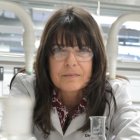
Heidi Hardt, associate professor of political science at UC Irvine, is a scholar whose expertise is in transatlantic security, US foreign policy, national security and European security and defense, including NATO, the EU and OSCE. She is the author of the book, NATO's Lessons in Crisis: Institutional Memory in International Organizations (Oxford UP, 2018). She recently completed a 2021-2022 Council on Foreign Relations International Affairs Fellowship for Tenured International Relations Scholars (IAF-TIRS). During the year, she worked for the US State Department (NATO Desk). Professor Hardt can be reached via email at hhardt@uci.edu.

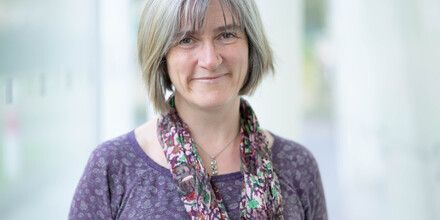
• Professor Patricia Thornley welcomes latest UK energy security plans • But calls for more exploration of bioenergy with carbon capture and storage • She believes plans shouldn’t concentrate solely on energy such as wind and solar power. A leading biomass scientist at Aston University has welcomed the government’s announcement to ensure UK energy is more secure. However, Professor Patricia Thornley, director of Aston University’s Energy and Bioproducts Research Institute (EBRI), believes the government shouldn’t just concentrate on energy such as wind and solar power. She is calling for the government to explore the use of power bioenergy with carbon capture and storage (or power BECCS). On 30 March the Department for Energy Security and Net Zero published the Powering Up Britain: Net Zero Growth Plan, and the Powering Up Britain: Energy Security Plan to set out steps to make the UK more energy independent, secure and resilient. Professor Thornley believes that the UK’s carbon reduction targets could be tackled by delivering negative emission BECCS projects. The process uses sustainable biomass and waste materials to generate electricity in combination with carbon capture and permanent storage. Through this physical removal of greenhouse gases from the atmosphere, power BECCS is able to deliver negative emissions. Professor Thornley said: “It is wonderful to see the government moving forward with its carbon reduction plans, whilst recognising the scale of the challenge faced. “Bioenergy is delivering carbon reductions around the UK today - 62% of our renewable energy and around 13% of our electricity comes from biomass - and developing sustainable biomass conversion with carbon capture and storage (CCS) would be a natural progression for the UK. “So it is good to see commitment to CCS, but to fully leverage the UK’s negative emission potential we need BECCS technology to be rapidly deployed.” EBRI and the Supergen Bioenergy hub, which is led by Aston University, are working on applied research to progress this ambition. Professor Thornley added: “Our research at Aston University has demonstrated the potential for sustainable BECCS facilities to deliver a substantial proportion of UK required negative emissions but that the exact amount of negative emissions achieved can vary hugely with plant design and operational choices. So we hope to use our knowledge and research outputs to support UK deployment of sustainable bioenergy moving forward.“ As well as her research at Aston University, Professor Thornley has been contributing her expertise to a government working group exploring the sustainable use of biomass for two years. ENDS


Aston University establishes new independent investment company
Aston University is part of a group of eight universities which has established a new investment company Midlands Mindforge will accelerate the commercialisation of university research It aims to raise up to £250 million from investors. Aston University is one of eight research intensive universities in the Midlands to establish a new investment company to accelerate the commercialisation of university spinouts and early-stage IP rich businesses in the region. Midlands Mindforge Limited has been co-founded by Aston University, University of Birmingham, Cranfield University, Keele University, University of Leicester, Loughborough University, University of Nottingham and University of Warwick, collectively Midlands Innovation. This ambitious, patent capital investment company plans to raise up to £250 million from strategic corporate partners, institutional investors and qualifying individuals. It aims to transform ground-breaking science and technology into successful businesses with real-world impact. Midlands Mindforge will help to address the significant funding deficit for early-stage technology businesses in the region. Through the combination of additional capital and company-building skills, Midlands Mindforge will lay the foundations of a more vibrant ecosystem for emerging science-backed companies in areas such as Clean Technology, AI and Computational Science, Life Sciences and Health Tech. Professor Aleks Subic, Vice-Chancellor of Aston University, said: "Aston University has a strong track record in bringing together industry and academia to solve real world problems and drive innovation through applied and translational research. Â Investment raised through Midlands Mindforge will enable a step change that will ensure we get the very best outcomes for our research. "The impact of increased investment in research translation will be felt widely, with Midlands Mindforge supporting the growth of high value added businesses and jobs in the region and creating the right conditions to build future global companies. This is a hugely exciting time for Aston University and the wider Midlands Innovation group of universities, and I look forward to seeing the benefits that this strategic development will bring." Collectively, the eight founding universities have the most postgraduate students, the highest levels of annual income, more research disclosures and patents generated per unit of research spend in the last three years, in comparison to any other UK university grouping. Minister of State for Science, Research & Innovation George Freeman MP said: "Commercialising UK science & technology for global industrial adoption has never been more urgent for both the UK economy and the global resource challenges facing us. The Midlands Innovation universities are driving a new era of innovation from robotics and advanced manufacturing to life science and autonomous vehicles and much more. "As we in Government increase UK public R&D to a record £20 billion a year, the key is private finance backing spinouts and scale-ups. The Midlands is rapidly becoming a world class UK cluster of excellence and Midlands Mindforge will play a key role in bringing global investors to help back world class companies." Chairman of the Midlands Engine Partnership, Sir John Peace, said: "The Midlands has always been associated with exceptional invention and creativity, but has long experienced significant underinvestment and consequently productivity levels have lagged behind the rest of the UK. "This bold and ambitious initiative led by the Midlands Innovation universities has the potential to help close the investment gap, supporting our region to reach its true potential for sustainable economic growth. Midlands Mindforge will help to further fast-track commercialisation of research ideas, creating a more resilient economy and playing an important role in levelling up the Midlands." Andy Street, Mayor of the West Midlands, said: "A key part of my mayoral mission is to drive our regional recovery forward and help generate the high-quality jobs of the future in order to improve quality of life for local people. This exciting new investment vehicle will very much support that mission planting the seeds for long-term sustainable economic growth here in the West Midlands. "Many brilliant ideas and top businesses have spun out from Midlands universities and this new venture will help us to advance that agenda and retain more of our innovative success stories within our region. "Together we can better nurture the enterprising talent on our doorstep and this new endeavour creates a wonderful opportunity to do just that." For more information about Midlands Mindforge visit www.midlandsmindforge.com