
Experts Matter. Find Yours.
Connect for media, speaking, professional opportunities & more.

The Role of Artificial Intelligence in Customer Experience
Gaurav Jain, assistant professor of marketing at the Rensselaer Lally School of Management, examines how individuals make judgments, estimates, and decisions in the absence of complete information. Previously, Jain served as the chief marketing advisor at multiple firms. Below are his thoughts on the impact of artificial intelligence (AI) on customer experience. Voice of the Customer In today's hyper-connected world, the voice of the customer (VoC) is louder and clearer than ever. But how do we sift through this cacophony to understand what our customers are really saying? Enter AI. It's revolutionizing the way customer experience teams handle VoC programs, and as a marketing leader, I find this incredibly exciting. Take direct customer feedback, for example. We're no longer just collecting survey responses and storing them in a database for quarterly review. AI algorithms, particularly those using natural language processing, are helping us instantly categorize and prioritize this feedback. Imagine an e-commerce platform that can immediately flag a customer's mention of "late delivery" in a post-purchase survey. That's not just efficient; it's customer-centric. But what about the things customers are saying when they're not directly talking to us? That's where AI-driven sentiment analysis comes in. These tools can scan social media, forums, and review sites to gauge the sentiment behind a customer's words. I've seen hotel chains use this technology to monitor travel forums and review sites. If a guest mentions "noisy rooms," even without lodging a direct complaint, the brand can proactively look into soundproofing solutions. Then there's inferred feedback, the kind you get by reading between the lines. AI can analyze customer behavior, like frequent page visits without conversion or cart abandonment, to suggest what might be going wrong. For instance, an online fashion retailer could use AI to figure out why a particular dress gets a lot of views but few purchases. Maybe it's the sizing, maybe it's the price, but the point is, you get to know without having to ask. And it doesn't stop at gathering feedback. AI is helping us turn this raw data into actionable insights. We can predict future behavior, like churn rates, based on past feedback. This allows us to be proactive rather than reactive, which is a game-changer in customer experience management. Finally, let's talk about what happens after we've gathered all this feedback. AI is ensuring that every customer who takes the time to share their thoughts receives an immediate and appropriate response. Chatbots can handle common queries or concerns, making the customer feel heard and valued right away. So, from the perspective of a marketing leader, it's not just about the efficiency that AI brings to VoC programs. It's about the opportunity to deepen our connection with customers. By truly understanding their words, their sentiments, and even their behaviors, we can craft experiences that resonate on a human level. And in a world that's increasingly digital, that human touch is what sets a brand apart. Customer Service It's truly intriguing to observe how AI is weaving its way into the customers’ experience. Online, chatbots are making waves. Chatbots are not just digital tools; they're our first point of contact, bridging the gap between brands and consumers. However, there was always the question of accuracy versus efficiency while managing these chatbots – AI has answered that question. AI chatbots provide real-time yet accurate assistance, making the digital shopping journey feel more interactive. Companies can reduce customer dropout while avoiding the expense of managing a large human customer service team. AI is revolutionizing phone-based customer service as well. Voice recognition allows natural language processing for easier navigation, while predictive analysis anticipates caller needs based on their history. Enhanced personalization means customers no longer repetitively provide account details, and emotion detection aids in gauging caller mood. The result? Reduced wait times, more efficient interactions, and a significantly improved telephonic customer experience. In essence, AI is bridging the gap between technology and human touch in the retail world, making our interactions with brands more meaningful and personalized. Again, companies can do this in a cost-effective manner. Jain is available to speak with media - - simply click on his icon now to arrange an interview today.


It's only been since January, but the cannabis industry in Connecticut is already a hit among consumers. There was initial worry that the quick expansion of stores and dispensaries could potentially blunt the long-term success of the retail aspect of the product in the state, but according to UConn's Fred Carstensen concerns about the oversupply seen in neighboring states is not a worry. “It’ll take three to four years to see how the market develops,” said Carstensen, a professor at University of Connecticut and the director of the Connecticut Center for Economic Analysis. In an article that goes into great detail, Carsten told the Stamford Advocate about the many factors and influences that can impact what has been a volatile market in some states since legalization became the trend. And as the state government checks the expansion of Connecticut’s adult-use cannabis market, Carstensen said local governments do the same. He said it wouldn’t matter if Connecticut’s retail cannabis scene was over-licensed, under-licensed, or just right. “Every municipality has the right to say yea or nay (to retailers),” Carstensen said. But he said an estimated 69 cannabis retailers in the Nutmeg State’s pipeline will make the bigger picture clearer. “(Then) it's pretty much available to everybody on a relatively short-travel basis,” Carstensen said. “Then we'll actually know what the market is.” Regulation and observation will be key to measure the success or failure of the market. Carstensen said that as the Nutmeg State’s market matures, retailers will “pull that business back into Connecticut when we become more competitively priced.” Peake agreed that “as (more Connecticut retailers) open up, we can probably expect the vast majority of those folks to be buying cannabis in Connecticut.” And Carstensen said that as much as interstate cannabis purchases skew understanding Connecticut’s market, it also serves as a check on oversaturating the Nutmeg State’s cannabis economy... And, Carstensen said, if there were too many cannabis dispensaries, "the market will tell us." "They’ll close,” the economics professor said. If you're a journalist looking to know more about this emerging industry in Connecticut and beyond, let us help. Fred Carstensen is a University of Connecticut professor and director of the Connecticut Center for Economic Analysis. He is a renowned an expert in the areas of public policy, economic history, and economics. Simply click on his icon now to arrange a time to talk today.


With days to go, will politicians force a deal or face a federal shutdown?
Once again, the federal government is facing a shutdown, and it could threaten crucial federal workers and programs. If a new funding agreement is not reached by Sept. 30, numerous agencies could close and many would be forced to work without pay until the funds are appropriated. William Hatcher, PhD, chair of the Department of Social Sciences in Augusta University's Pamplin College of Arts, Humanities, and Social Sciences, said a shutdown would affect all of us. This includes important reviews being done by the federal government, such as the Food and Drug Administration, down to national museums and parks being closed. It would affect a large portion of the population. With the deadline looming, the White House specifically mentioned the numerous agencies that could have services curtailed, and they did this for strategic reasons, according to Hatcher. “They are doing a public service by pointing out all that will be affected via a shutdown,” said Hatcher. “Scholars have said Americans are often theoretical conservatives about the size of government, but when it comes to practice, we support public programs, and many who may say they oppose government, when you start asking them about individual programs, they have a high level of support.” Hatcher added this is partisanship at play. “One party is actually historically the most likely to push these shutdowns, even going back to the federal shutdowns in the mid-1990s. And it has often caused political damage to the party because people really realize how much a shutdown affects them when these things happen,” said Hatcher. He added this hurts the effectiveness of the public sector, our trust in government and the overall condition of our democracy when basic work doesn’t happen. While putting temporary spending plans in place can solve some problems, having a long-term deal in place is ideal. “We should be passing budgets for at least an entire fiscal year, not stopgap measures for weeks or even days. However, there is a logic to this happening. The incentives in the Republican Party reward members of Congress, especially those in the House, from making deals and support the necessity of this government spending, which makes it difficult for agreements to come together.” It's going to be an interesting week, and if you're a journalist covering the looming shutdown, then let us help with your stories. Hatcher is a professor of political science and chair of Augusta University’s Department of Social Sciences. He is an expert in the areas of public administration and social, economic and political institutions. Hatcher is available to speak with media regarding this topic. To arrange an interview today, simply click on his icon now.


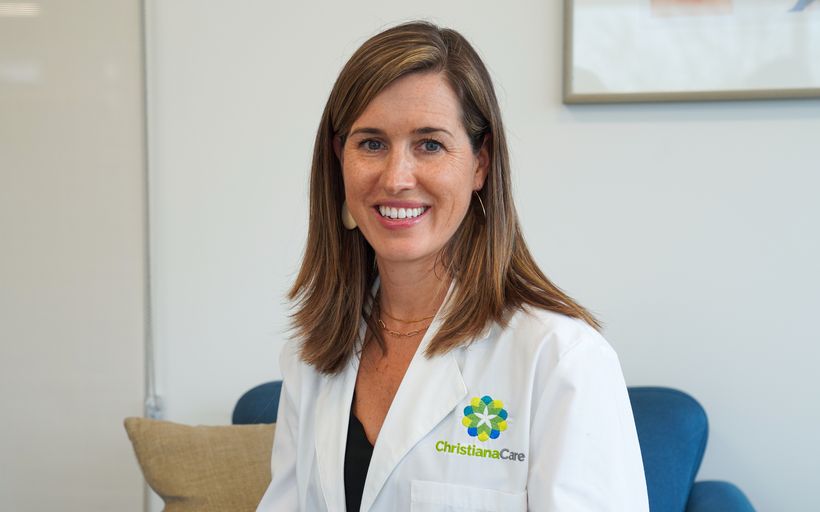
Hospital at Home: Understanding How It Works
As the ChristianaCare Hospital Care at Home program grows, we see the benefits of improving the way we deliver care to our patients. With each patient we care for, we are reminded that a big part of recuperating and getting better is not just physical but mental and emotional. Being home allows patient to visit with loved ones, cuddle with pets and sleep in their own bed. It also helps our health care providers better understand a patient’s living environment, making it possible for us to provide the individual services they need. Q. What is hospital care at home? A. I think of a virtual hospital as three components: a command center, technology and in-home care. The command center is a 24/7, 365-day- a-week center staffed by physicians, nurses, advanced practice clinicians and patient digital ambassadors. This team of health care providers is tethered to patients in the home by way of our technology. We give our patients a tablet that lists their daily schedule so they know who to expect in their home and the time our health care providers will arrive. It also allows them to contact the command center at any time by pressing a button. When they do that, a nurse appears on the screen right away. Edwin Bryson Sr. said ChristianaCare made it easy to treat his diabetes complications from the privacy and comfort of his own home. With hospital care at home, he said, “all I do is hit the button and a nurse comes on to assist me with anything I need. It was 24-hour service here, just like I was in the hospital.” Technology also allows us to monitor patients’ vital signs at home as we would in the traditional hospital setting. We use Bluetooth technology to upload that information into the electronic medical record. In-home care is made up of a team that goes into the home to deliver the services that a particular patient needs. This includes radiology (X-rays and ultrasound), blood tests, intravenous medications, physical therapy, occupational therapy and more. A licensed professional, such as a nurse, also visits the patient at home at least twice a day. Q. Who is eligible for hospital care at home? A. There are requirements for participation. Patients need to live within 25 miles from our Delaware hospital campuses which are in Newark and Wilmington. We also are looking for patients that meet our acute, inpatient level of care. So if they’re in observation status, for example, they wouldn’t be a good candidate. We also need patients who don’t require continuous monitoring: If a patient has telemetry monitoring or if they’re in the intensive care unit or a step-down unit, they would not be a good candidate. Our team works every day with caregivers at both Delaware hospitals to identify patients who would benefit from hospital care at home. Q. What are common sicknesses that can be treated at home? The first 20 patients we admitted into this program had 20 different diagnoses. But after treating more than 500 patients, the most common diagnoses that we see are cellulitis, sepsis, pneumonia, chronic obstructive pulmonary disease (COPD) exacerbation and congestive heart failure. Hospital at home may not be the solution for all patients, but in many cases it can help patients get better quicker and in a place where they most feel comfortable. As ChristianaCare strives for greater access to care, home may be where the health is.

#Expert Insight: Let’s Talk About Maternal and Postpartum Health
With increased maternal mortality rates in the news, and births involving inductions and c- sections on the rise despite their risks, Elizabeth Johnson-Young asks: 'What communication choices and strategies do women use after a negative birth experience?' Many women define certain aspects of childbirth as traumatic – from a mother or child’s life being put at risk to a host of less serious circumstances that can cause an unfavorable natal experience – and that can pose a threat to mental health. Who will they trust next when it comes to their maternal healthcare and their future decisions regarding birth? Johnson-Young’s project, “Birth, Trauma, and Communicating Maternal Health,” uses in-depth interviews of women who define their birth experience as difficult or traumatic. It focuses on choices and perceptions, and discusses the potential outcomes of listening, language and support. This is an important topic for health care providers, families and mothers and if you are looking to know more - then let us help. Dr. Elizabeth Johnson-Young is a published expert on health communication, especially maternal and family health. She is ready to help if you are looking to cover this topic - simply click on her icon now to arrange an interview today.



Back to School: Expert Tips for a Smooth Transition in the New Academic Year
With the start of school now upon us, Gary Henry, dean of the University of Delaware’s College of Education and Human Development and professor in the School of Education and the Joseph R. Biden, Jr. School of Public Policy & Administration, is here to answer some common questions educators and parents may have. What are your three biggest concerns about K-12 education going into this academic year? I think the overarching concern for many K-12 teachers and administrators is creating a sense of continuity as children and young adults go back to school. The three big concerns that contribute to this issue are teacher turnover, school leader turnover and the number of long-term substitutes who are not fully prepared to teach in classrooms. These trends were already in place before the pandemic, but the pandemic heightened this crisis. For the last 20 years, we’ve seen a crisis in the enrollment in traditional teacher preparation programs. Between 2010 and 2018, we saw about a 35% reduction in the number of undergraduates who enroll in education majors across the U.S., but in Delaware, that reduction was 60%. Teacher shortages are affecting every state around the country right now. What is the best way to address these chronic teacher shortages? Chronic teacher shortages are a systemic problem, which means it’s largely a result of the system in which we educate and support teachers. We know, for example, that many alternative teacher preparation programs — where students come in with a bachelor’s degree outside of the field of education and take only a few courses in preparation for teaching — actually contribute to teacher shortages. So part of the answer is investing in traditional teacher preparation programs and in financial aid. Our team at CEHD’s Center for Excellence and Equity in Teacher Preparation is working directly with Delaware students from motivation to pursue teaching, through recruitment into UD teacher preparation programs, through graduation from those degree programs and into schools within Delaware, whenever possible. For example, our Teachers of Tomorrow program introduces underrepresented high schoolers to the field of education through an immersive, two-week summer institute at UD where they can learn about our programs, meet current students and talk with educators. In partnership with high-needs Delaware school districts and the Delaware Department of Education, our Teacher Residency program allows early childhood education, elementary teacher education and secondary STEM education students to pursue yearlong, paid teaching placements in Delaware schools. Overall, we find that 80% of the students we recruit from Delaware stay in our schools to teach. What recommendations do you have for school leaders who are struggling with turnover challenges? The first thing to do is to have a human resources professional conduct exit interviews with teachers who are leaving and for building leaders to pay attention to their responses so they can really understand the key causes of turnover in their school. In my research, I have analyzed exit interview data and I’ve found that teachers are often very straightforward about why they are leaving. The second step is to act on those reasons. And the third step is to constantly check in with the teachers. Ask, “how are things going? What can we do to help you address your instructional needs?” Developing relationships around instructional issues and the teachers’ work with students is fundamental to diagnosing and addressing issues before they lead to teacher turnover. What advice would you give a brand-new teacher about to start their first year in charge of a classroom? I believe that all educators should view students and their families for their assets and recognize that a student’s culture at home is an asset. A relationship with parents and students that recognizes and values the family’s culture allows you to unite with the family, unite with the student and give the student the confidence to take risks, to work hard and to want to come to school because that’s where they feel welcomed and honored. If parents are interested in supporting their child's education, how can they do so? I think the key ingredient for parents is working with teachers and principals to articulate the outcomes that they’re seeking for their children. It’s much easier to get everyone on the same page if you start from a position of common ground. I would also encourage parents to seek the person in the school system that’s closest to the issue. So if your child is struggling in math, reach out to your child’s math teacher first. If the teacher identifies other resources that may be helpful, then seek out additional support from the school principal. Gary T. Henry has much more to talk about as the school year gets underway. He is available for interviews. Click the "View Profile" button to get in touch with him.



Fort Stewart, Georgia Southern University, sign agreement to offer graduate courses on base
Representatives from Georgia Southern University and Fort Stewart signed an official memorandum of understanding Monday morning that clears the way for Georgia Southern to offer a slate of in-demand graduate courses this fall on base. Col. Manuel F. Ramirez, garrison commander at Fort Stewart and Hunter Army Airfield, and Kyle Marrero, president of Georgia Southern University, signed the agreement in front of officials from both organizations and the University’s live bald eagle mascot, Freedom, at Fort Stewart’s SFC Paul R. Smith Army Education Center. With the agreement, Georgia Southern will offer the following degree programs at the Fort Stewart education center: Master of Business Administration Master of Health Administration Master of Science in Information Technology Master of Arts in Professional Communication and Leadership Professional Communication and Leadership – Graduate Certificate Cybercrime – Graduate Certificate “This is truly a collaboration that will provide incredible opportunities and possibilities for our soldiers and our family members here on the installation,” Ramirez said. “Here at Fort Stewart, we’ve always believed in investing in our most precious asset, which is our people. And today, this partnership is a shining testament to that belief. By adding Georgia Southern to our stable of schools here at the Education Center, we’re opening doors to advanced education, professional development, and then a brighter future for all of our soldiers and their family members and all those people who call Fort Stewart home.” This partnership allows soldiers and their families to advance their career prospects by equipping them with the knowledge and skills and preparing them for increased responsibility in the Army and afterward, he said. Marrero said the courses that will be offered are being configured to allow Soldiers and their families to pursue higher education without disrupting their duties or relocating, allowing them to strike a healthier work-life balance while investing in their personal growth. Marrero thanked the teams behind the agreement and noted that the courses will be flexible and compressed to meet the unique needs of military-connected students. Marrero said this partnership between Fort Stewart and Georgia Southern University creates valuable educational opportunities for soldiers and their families by offering accessible and high-quality master’s degree programs on-site. It’s also the latest example of the University’s commitment to the military, which has led to Georgia Southern being named a “Military-Friendly” school for six years in a row and a “Gold School” for 2023-2024 by Viqtory Media, publisher of G.I. Jobs, STEM Jobs and Military Spouse magazines. “We have had a rich history of partnerships here,” Marrero said. “For us, this is a beginning and a continuation of the belief in the transformational power of education. We are proud and excited to be your partner. Thank you so much for this opportunity.” To learn more about the courses being offered at Fort Stewart and Hunter Army Airfield, visit think link below: If you are interested in knowing more about this partnership or would like to speak with Kyle Marrero, president of Georgia Southern University, simply contact Georgia Southern's Director of Communications Jennifer Wise at jwise@georgiasouthern.edu to arrange an interview today.


Sixers' summer soap opera: What the Harden-Morey rift can teach us about organizational dynamics
Did star point guard James Harden quit on the Philadelphia 76ers? Or did general manager Daryl Morey break his promise that a large contract would be coming his way after the former MVP took a pay cut last season? As is almost always the case, the answer sits somewhere in the middle, and that's a complicated place for it to be. But Kyle Emich, professor of management at the University of Delaware, said there are lessons in the latest Sixers' offseason debacle that can be applied to teams and culture in the workplace: When you are part of an organization, you need to feel what's called "task significance" to be motivated to do your job. This means that you need to feel that your job has a positive impact on the organization or broader society. The problems between Harden and Morey indicate that, although playing for the fans may give him some motivation, he no longer believes that the organization is a positive entity. This will greatly decrease his motivation, which influences practice and on-the-court performance (assuming he goes back on his threat to return). There is an even larger potential influence on things he is not paid for, but that are very important for the 76ers (such as informal mentoring of players like rising star Tyrese Maxey; acting as a role model (e.g., arriving early/leaving late), giving the organization positive press and his presence and demeanor at training camp (which he says he won't attend). Whether or not people realize it, organizations are emotional environments. Different emotions do different things and this sense of betrayal and anger is likely to make Harden actively move against the Sixers. This is obviously not ideal. Because Harden is a role model, we need to also be aware of emotional contagion. It is possible teammates will look at the front office with increased scrutiny, which will harm any new players brought in or anyone affected by front office moves. Emich is available for interviews, and can be contacted directly by clicking on his profile.


Aston University crisis management expert aids disaster relief whilst on holiday
Dr Komal Aryal has been supporting mountain tribal communities in Taiwan after a typhoon hit the country, causing US$15m of damage He has been working with various groups to aid civil disaster relief Typhoon Khanun caused debris flows, floods and landslides that blocked transport links affecting thousands of farmers and hundreds of tourists. Aston University crisis management expert Dr Komal Aryal has been helping a humanitarian effort in Asia following a typhoon. Dr Aryal was touching down in Taiwan as part of his holiday when heavy rain, in the wake of Typhoon Khanun, hit the mountainous areas of the country on Saturday 5 August 2023. The typhoon caused debris flows, floods and landslides that blocked transport links affecting over 22,000 mountain farmers and left hundreds of tourists stranded. It’s estimated around US$15m worth of damage has been done following the disaster. Dr Aryal has been working with the Presbyterian Church in Taiwan (PCT) to manage a local humanitarian support camp based at the Wugong Village Puli Township and aid Taiwan's civil disaster relief. He called on his expertise in crisis and disaster management to begin coordinating the humanitarian response to the typhoon, before meeting with the Taiwanese president, Tsai Ing-wen, through the PCT at the local humanitarian response site. He has also helped in the clean-up at houses that have been affected by the typhoon-induced debris flow. Dr Aryal said: “As I was landing in Taiwan on Saturday night, a typhoon hit the country. “The initial disaster incident report came to Taipei from a remote mountain location and my colleagues from PCT informed me about it, so I offered my help for the initial local humanitarian repose coordination and spontaneous volunteers management. “Since then, I have helped to provided technical assistance to set up a local crisis/disaster/humanitarian coordination office and humanitarian logistic management system for immediate crisis response. “It has provided me a great opportunity to transfer Aston University’s crisis and disaster management knowledge to real crisis and disaster situation to help mountain tribe communities in Taiwan.” Dr Aryal has now returned to Taipei after handing over all the technical coordination to local experts.


ChristianaCare expands Health Literacy Partnership through Support from Highmark Health
ChristianaCare has received an $80,000 grant from Highmark Blue Cross Blue Shield (BCBS) Delaware to support the Health Literacy Council of Delaware. Funded through Highmark’s BluePrints for the Community grant program, the money will be used to fund education and awareness for clinicians and other caregivers on best practices in making health care information much easier for patients to understand. “Health literacy is essential to good health,” said Greg O’Neill, MSN, APRN, AGCNS-BC, director of Patient & Family Health Education at ChristianaCare. “Personal health literacy is the degree to which individuals are able to find, understand and use information and services to inform their health-related decisions and actions. At ChristianaCare we are committed to communicating with our patients in ways that enable them to understand so that they can make informed decisions and achieve their best health. “We are deeply grateful that Highmark Health Options shares our commitment to health literacy. Their generous grant will enable us to support our caregivers in their efforts to deliver clear, consistent communication to every patient in every interaction, improving their lives.” In addition to work within health care in Delaware through the Health Literacy Council, the grant also will be used by ChristianaCare to provide education in the community to support increased health literacy and enable people to make informed, healthy choices. Housed by the Delaware Community Foundation, Highmark’s BluePrints for the Community has contributed over $35 million to the community since its inception in 2007. It was established to increase access to care and reduce health care disparities in Delaware. In addition to ChristianaCare, the Health Literacy Council of Delaware is supported by the Delaware Division of Public Health and the University of Delaware’s Partnership for Healthy Communities. “Highmark Blue Cross Blue Shield Delaware and Highmark Health Options are actively engaged with statewide literacy improvement efforts and are pleased to support the Health Literacy Council of Delaware,” said Nick Moriello, president of Highmark Blue Cross Blue Shield Delaware. “By ensuring Delawareans have the tools and resources they need to understand their health information, while simultaneously making inclusive accommodations as health care organizations, we can promote better health decisions and ultimately improve health outcomes.”