
Experts Matter. Find Yours.
Connect for media, speaking, professional opportunities & more.

Two recent incidents highlight concerns about AI misuse - a man used ChatGPT to plan an attack in Las Vegas, and AI video tools were exploited to create harmful content. These events sparked debate about regulating AI and holding developers accountable for potential harm caused by their technology. Carnegie Mellon University professor Vincent Conitzer explained that “our understanding of generative AI is still limited" and that we can't fully explain its success, predict its outputs, or ensure its safety with current methods.


Expert: Meta ditches fact checking, a major loss for the American people
Meta moving away from fact-checking towards a "community notes" model is the equivalent of crowd-sourcing truth, says the University of Delaware's Dannagal Young. This shift in policy is a victory for intuition, common sense and lived experience over data, expertise and evidence. It also stands as another example of media institutions acting preemptively to avoid political and economic fallout under the incoming administration. Young, director of UD's Center for Political Communication and professor of communication, can talk about epistemology (how people understand the world) and how it relates to populism and populist leaders like incoming President Donald Trump. Young can also discuss the following: • The contents of Meta CEO Mark Zuckerberg's announcement video, in which he explains that recent elections mark a "cultural tipping point" in the direction of "free speech." "He's acknowledging that this policy change isn't a principled stance Meta is now taking, as much as a response to what he thinks the public is calling for (a dubious conclusion to draw from a narrow electoral victory)," Young said. • Zuckerberg's new stance, and how it will allow him to curry favor with the incoming administration because it allows Meta to avoid having to moderate Trump-friendly content. • Why content moderation and fact checking are expensive, and how moving away from that model is a "WIN-WIN-WIN for Meta: politically, culturally, and economically. And a LOSE LOSE LOSE for the American people: socially, culturally, and democratically," Young said.


Dangers of the Metaverse and VR for U.S. Youth Revealed in New Study
The metaverse, a space where the lines between physical and digital realities blur, is rising among younger populations. As of March, 33% of teens own a virtual reality (VR) device and 13% use it weekly. With the metaverse offering richer emotional experiences, youth may be particularly vulnerable to significant harm in these immersive spaces, underscoring the need to explore potential risks. Unfortunately, research of online victimization in the metaverse is sorely lacking. A new study by Florida Atlantic University , in collaboration with the University of Wisconsin-Eau Claire, is one of the first to examine the experiences of harm in the metaverse among youth in the United States. Using a nationally-representative sample of 5,005 13 to 17 year olds in the U.S., researchers focused on their experiences with VR devices, including 12 specific types of harm experienced, protective strategies employed, and differences in experiences between boys and girls. Results of the study, published in the journal New Media & Society, found a significant percentage of youth reported experiencing various forms of harm in these spaces, including hate speech, bullying, harassment, sexual harassment, grooming behaviors (predators building trust with minors), and unwanted exposure to violent or sexual content. The study also revealed notable gender differences in experiences. Among the study findings: 32.6% of youth own a VR headset (41% of boys vs. 25.1% of girls) More than 44% received hate speech/slurs (8.9% many times); 37.6% experienced bullying; and 35% faced harassment Almost 19% experienced sexual harassment; 43.3% dealt with trolling; 31.6% were maliciously obstructed; and 29.5% experienced threats More than 18% were doxed (publicly revealing someone’s personal information without their consent); and 22.8% were catfished (creating a false identity online to deceive someone, typically for romantic purposes) Nearly 21% faced unwanted violent or sexual content; 18.1% experienced grooming or predatory behavior; and 30% were targeted for factors like weight, sexual preference, sexual orientation or political affiliation Boys and girls experienced similar patterns of mistreatment, but girls experienced sexual harassment and grooming/ predatory behavior more frequently than boys. Boys and girls were equally as likely to be targeted because of their voice, avatar, race, religion or disability. “Certain populations of youth are disproportionately susceptible to harm such grooming, especially those who suffer from emotional distress or mental health problems, low self-esteem, poor parental relationships and weak family cohesion,” said Sameer Hinduja, Ph.D., first author, a professor in the School of Criminology and Criminal Justice within FAU’s College of Social Work and Criminal Justice, co-director of the Cyberbullying Research Center, and a faculty associate at the Berkman Klein Center at Harvard University. “Due to the unique characteristics of metaverse environments, young people may need extra attention and support. The immersive nature of these spaces can amplify experiences and emotions, highlighting the importance of tailored resources to ensure their safety and well-being.” Findings also reveal that girls employed in-platform safety measures significantly more so than boys such as “Space Bubble,” “Personal Boundary” and “Safe Zone.” “We found that girls are more likely to select avatars designed to reduce the risk of harassment and to use in-platform tools to maintain a safe distance from others. Additionally, both boys and girls feel comfortable leaving metaverse rooms or channels like switching servers in response to potential or actual victimization, although overall, youth tend to use these safety features infrequently,” said Hinduja. Among the recommendations offered to youth by the researchers include: Using platform-provided safety features to restrict unwanted interactions and infringements upon their personal space. It is also essential that youth understand and take advantage of the safety features available within metaverse experiences, including blocking, muting, and reporting functionalities. Continued research and development in these areas to determine how to meet the needs of users in potential or actual victimization contexts Streamlining platform reporting mechanisms to ensure swift action is taken against perpetrators Age-gating mechanisms for metaverse environments where mature content and interactions proliferate Encouraging parents and guardians to take the time to familiarize themselves with available parental control features on VR devices and metaverse platforms to set boundaries, monitor activities, and restrict certain features as needed. An active mediation approach is ideal, where they engage in open and supportive dialogue with children about their metaverse experiences. The integration of updated, relevant, and accessible digital citizenship and media literacy modules into school curricula to provide youth with the necessary knowledge and skills to navigate VR and other emerging technologies safely and responsibly Consideration by content creators of the ethical implications of their metaverse creations, ensuring that they promote inclusivity, respect, and discourage any form of harassment. They should strive to make their virtual experiences accessible to users from diverse backgrounds, languages, cultures and abilities. “VR concerns of parents and guardians generally reflect and align with their historical anxieties about video games, excessive device use, its sedentary nature, cognitive development, and stranger danger,” said Hinduja. “There remains so much promise with these new technologies, but vigilance is required when it comes to the unique challenges they present as well as the unique vulnerabilities that certain youth users may have. As such, it’s ‘all hands on deck’ to build a safer and more inclusive metaverse as it continues to evolve.” If you're looking to know more - let us help. Sameer Hinduja, Ph.D., is a professor in the School of Criminology and Criminal Justice at Florida Atlantic University and co-director of the Cyberbullying Research Center. He is recognized internationally for his groundbreaking work on the subjects of cyberbullying and safe social media use, concerns that have paralleled the exponential growth in online communication by young people. He has written seven books, and his interdisciplinary research is widely published and has been cited more than 18,000 times. Simply click on Sameer's icon now to set up an interview today.



Anticipated Impacts of Trump Administration on ESG Regulations
What are the key environmental and sustainability considerations for US and multinational organizations now that Donald Trump is president-elect in the US? In the video below, J.S. Held environmental and sustainability experts share insights on what organizations can anticipate with the new administration, including: • Likely impacts on environmental regulations • The future for fossil fuels versus renewable energy in the US • Adapting ESG & sustainability programs to evolving factors If you are looking to know more - then let us help. Connect with: Simply click on any expert's profile to connect immediately and arrange an interview today.


Expert Q&A - Craig Albert, PhD, talks election interference
Going into the final days of the 2024 election cycle there is a very real concern about election interference from both foreign and domestic actors, and it's something that will continue to be monitored even after the final votes are tallied. Craig Albert, PhD, graduate director of the PhD in Intelligence, Defense, and Cybersecurity Policy and Master of Arts in Intelligence and Security Studies programs at Augusta University, is a leading expert on propaganda, information warfare and national security studies. Albert has answered key questions about who is trying to interfere in the U.S. elections and why it matters. Q: How and when should someone vote and does it protect you more to avoid interference? The access to instantaneous news or events could affect people and their understanding of whom they want to vote for all the way up until the day they vote. Because of this ease of access, this election cycle has especially shown us how cautious we need to be in regards to scams. It's also why I know there has been a big push for early voting and mail-in voting, and it's necessary in some cases, but I prefer to vote on Election Day because you never know what type of news might come out about one of the candidates or parties. If something comes out that proves to be true, it could affect how someone might vote, but if you voted before Election Day, it's too late. At the same time, a very serious deepfake could be released that could manipulate how people choose to vote and it could mislead people, as well. Q: What are the consequences of the optics of an 'unfair' election? What the U.S. needs to be cautious about is preserving and maintaining the legitimacy of the election cycle. After the election, no matter who wins, narratives of interference and how it impacted the election are going to be shared and that's just irresponsible. Unless there's damning information and very clear evidence, you shouldn't mess around with the idea that the election was interfered with, because that could threaten the very structure of the United States. Q: What's the potential for post-election meddling? We have domestic bad actors as well as foreign maligned actors that are going to say the election was delegitimized no matter who wins. They have social media campaigns ready to post no matter which side wins, they're going to circulate false videos of ballot boxes burning or news that not all the the votes were counted and things of that nature. They're going to do all kinds of things because anybody can fake a ballot box being burned or mail in votes not being counted properly on video or something like that. The problem is if it goes out there or becomes viral, so many people will believe it and that sows discord. So, that creates distrust in the public system on a pretty big swath of the American population. Q: Who benefits from post-election doubts and chaos? You have foreign actors that really build on the type of anger that the political candidates and their parties already use through their propaganda and rhetoric. We have already seen Russia amplifying the message that somebody cheated or elections were hacked, and you have China, Iran, Venezuela, ISIS and Al Qaeda doing that, as well. You also have regular cyber criminals that just want to sew discord and distress so they can manipulate people later on and get into our banking systems and things of that nature. You have potentially hundreds, if not thousands of attack vectors coming at the United States between election night and January 20 when the new President will be sworn in. And then afterwards, they will all still be trying to create chaos, rebellion, civil unrest, or in the case of Iran, China and Russia, open civil war in the United States. Looking to know more and covering the election, Augusta University can help. Albert is available to speak with media – simply click on his name to arrange an interview today.


Ghoulish discovery: Exploring YouTube's role in the rise of belief in the paranormal
In recent years, YouTube has become an influential platform for various communities, notably for enthusiasts of the paranormal and ghosts. Paul Brewer, University of Delaware communication professor, set out to see how this happens and what we can learn from this in terms of how individuals perceive other messaging that may sit at the fringes of mainstream belief. During the 1990s, a big wave of research erupted on how media messages might influence people's belief in paranormal topics with popular television shows like “Alien Autopsy” and “Crossing Over with John Edwards.” A second wave of research occurred in the mid-2000s in response to cable television series such as “Ghost Hunters” and “Finding Big Foot.” Since then, the media landscape has evolved beyond traditional outlets like print, television and radio to include multimedia, such as YouTube, TikTok and other platforms. In his latest work, published in the journal Cyberpsychology, Behavior and Social Networking, Brewer looked beyond consuming paranormal television to include the use of social media, especially YouTube. “If you think about the paranormal, YouTube is a platform that seems like an especially plausible candidate to shape people's beliefs because seeing is believing—and it is a very visual storytelling medium,” said Brewer. "It’s not just a fun, kooky idea to study. About half the public believes in UFOs and almost half the public believes in ghosts and haunted houses, even though these phenomena aren't recognized by mainstream science." By way of example, Brewer pointed to a fictional documentary-style show that claimed the National Oceanic and Atmospheric Administration (NOAA) knew about mermaids and was hiding evidence for them, including real video footage. The show included disclaimers, but viewers ignored them, revealing an important detail about the power of belief. Brewer is available to speak more broadly on the topic and his findings. He can be contacted by emailing mediarelations@udel.edu.

An innovative Baylor University study has shed light on the often-overlooked experiences of women doing “daughtering” in families, particularly during the COVID-19 pandemic, which created immense challenges in their relationships with parents and other family members. “Daughtering” refers to the ways adult daughters contribute to flourishing family relationships, according to Allison M. Alford, Ph.D., clinical associate professor in the Department of Information Systems and Business Analytics in Baylor’s Hankamer School of Business. Alford’s latest research, Daughterwork in Times of Social Upheaval, published in Qualitative Research Reports in Communication, explores how societal changes caused by the pandemic required women to reconfigure their relationships with their parents and emphasizes the critical role adult daughters play in maintaining family connections, particularly in times of crisis. "This study highlights how social upheavals like the COVID-19 pandemic can both challenge and reinforce the essential work that daughters do in their families," Alford said. “Past research has shown that women often bear the brunt of responsibility when crises occur at home, work or in the extended family. Particularly for professional women – those who are balancing changing workplace demands alongside immediate and extended family concerns as well as societal shifts – increased care needs or the perception of such for parents can increase stress and negatively impact well-being, yet women still persist in providing upstream support for a variety of reasons.” Using in-depth, semi-structured interviews of women who identified change to their daughtering, professional and family lives, Alford discovered four themes about how a crisis can provide opportunities for flexible daughtering, meaningful connection and reflection on one’s most important relationships. Daughtering is adaptive action The pandemic forced many daughters to rapidly adjust their caregiving practices with their parents. When normal forms of communication were not an option, many daughters turned to technology to bridge the gap. This included increased use of video calls, social media, and other digital communication tools to maintain contact and promote family connection. Alford’s research found that daughters also took on new, often physically demanding tasks to ensure their parents’ well-being – delivering groceries, managing household repairs and organizing virtual family gatherings. “These actions were not only about adapting to the context of social upheaval but also about intensifying their caring efforts to meet the evolving needs of their parents,” Alford said. Daughtering is adaptive timing The study revealed that daughters had to maintain a heightened state of vigilance, constantly prepared to address unexpected crises, Alford said. Unlike the more predictable daughtering routines of the past, the pandemic introduced a level of uncertainty that required daughters to be in a near-constant state of readiness. One study participant described her experience as being in "constant problem-solving mode," which added significant stress to her daily life. “This ‘adaptive timing’ meant that daughters often found themselves juggling sudden care demands with their own professional and personal obligations,” Alford said. “This theme underscores the mental and emotional toll on daughters who had to manage the unpredictable nature of daughtering during the pandemic.” Daughtering is a priority Despite the challenges, Alford said, many daughters reported that they continued to prioritize their daughtering responsibilities, driven by a deep sense of familial duty and personal values. “For these women, daughtering was not just another task but a core part of their identity, often taking precedence over their professional responsibilities,” Alford said. “This commitment was evident in the time and resources they dedicated to maintaining their relationships with their parents, even when it meant sacrificing their own well-being or career advancement.” One participant noted, “I value family, so I still made it a priority,” reflecting a sentiment shared by many women in the study. This theme, Alford noted, highlights the internal conflict that many daughters faced, balancing their dedication to family with the competing demands of their own lives. Daughtering involves reflecting Challenges prompt many daughters to reflect deeply on their roles and relationships, and the COVID-19 pandemic was no different, Alford said. “This period of social upheaval generated a moment of introspection, leading daughters to reassess their priorities, boundaries and the nature of their relationships with their parents,” she said. “For some, this reflection led to a greater appreciation for the importance of family, while for others, it was a time to set new boundaries and redefine their roles within the family structure.” One participant observed, “COVID was a catalyst for emotional support,” while another reflected on the need to “carve out time mentally” to fulfill her roles as both a daughter and a professional. This theme illustrates how the pandemic not only challenged daughters but also provided an opportunity for personal growth and redefinition of their familial roles, Alford said. Key strategies to recognizing daughters’ “invisible” labor The research underscores the critical need for greater recognition and support for the invisible labor performed by adult daughters, suggesting that both families and society at large have a role to play in alleviating the burden on these women. “It’s crucial that we not only acknowledge the burden placed on these women, “Alford said, “but also seek ways to support them, whether through family empathy, shared responsibilities or societal recognition.” Alford emphasizes the importance of three key strategies: Awareness and acknowledgment Families should recognize the labor involved in daughtering and ensure it is acknowledged and appreciated. This can help prevent the exploitation of this labor and ensure that daughters feel valued for their contributions. Outsourcing and support Where possible, families should consider outsourcing some care tasks or providing additional support to relieve the burden on daughters. This might include hiring help for household chores or seeking external emotional support through counseling. Expressing gratitude Expressing gratitude and acknowledging the efforts of daughters can significantly enhance their sense of well-being and fulfillment. This recognition is vital in helping them feel that their contributions are meaningful and valued. National Daughter’s Day National Daughter’s Day is Sept. 25, and while this holiday has been around since 1932 to honor the daughters in our lives, it can often quietly pass us by. Alford recommends parents using this day to officially acknowledge all the ways in which daughters support their families.


VR Simulation to Demonstrate the Danger of Snow Squalls
Since 2017, Dr. Jase Bernhardt, Hofstra associate professor of geology, environment, and sustainability, has been using virtual reality technology to teach the public about the dangers of rip currents, hurricanes, and flash flooding. His most recent award, a $100,000 Road to Zero Community Traffic Safety Grant from the National Safety Council, is enabling him to tackle another seasonal weather worry: driving in snow squalls. The National Safety Council received funding for this grant from the National Highway Traffic Safety Administration. Bernhardt’s project aims to share information about the onset of snow squalls, the importance of heeding emergency weather advisories, and what drivers should do if they are on the road when a snow squall occurs. Although squalls are infrequent, they are extreme and frightening winter weather events that can result in a rapid onset of heavy snow, low visibility, icy roadways, and frigid temperatures. “Snow squalls are a very specific type of weather phenomenon. They often occur on a clear, calm day, with no warning of precipitation,” Bernhardt said. “Seemingly out of nowhere, you’ll see clouds, followed by a quick burst of very heavy snow. For a short time, perhaps only 10, 15 minutes, there are whiteout conditions where drivers can barely see the road ahead of them.” According to the U.S. Department of Transportation website, 24% of weather-related vehicle crashes occur on snowy, slushy, or icy pavement, and 15% happen during snowfall or sleet. More than 1,300 people are killed and nearly 117,000 people are injured in vehicle crashes on snowy, slushy, or icy pavement annually. Because winters in the New York metropolitan area have been mild for the last few years, Bernhardt worries that people have been lulled into a false sense of security about driving during winter storms or squalls. “We’re not used to being in that kind of severe weather anymore,” he said. “Snow squalls can be deadly in terms of massive collisions and multi-vehicle chain collisions. The key thing to remember is that they come in rapidly, catching people by surprise.” Bernhardt is collaborating on the software for the snow squall VR simulation with Frank Martin ’22, ’23, who earned both a BS and an MS in Computer Science from Hofstra University. Users will wear a headset and hold a device – like a video game controller – in each hand to replicate the movements of a steering wheel. In this way, users will experience what it is like to drive from clear, pleasant conditions into a brutal wall of snow. Bernhardt said that if a warning for a snow squall is issued via emergency broadcast, he hopes people who have used the simulation will understand the urgency of getting off the road or pulling onto the shoulder and remaining in their vehicle. “We want people to have an experience that is as close to reality as possible. The idea is to simulate how sudden and terrifying snow squalls can be and give people an opportunity to learn what they should and should not do if they are caught in one,” Bernhardt said. In conjunction with the VR simulation, Bernhardt is developing a survey to determine people’s reactions to emergency messaging and how effective it is. He will work with the National Weather Service to have the simulation and surveys available by fall 2025 for use at training and outreach events throughout the Northeast. Like Bernhardt’s rip current project, there are plans to have a version of the snow squall simulation and corresponding literature available in Spanish. Dr. Sasha Pesci, Hofstra assistant professor of geology, environment, and sustainability, is co-principal investigator on the grant and is helping with the translation of materials. “More and more, the National Weather Service, state and federal governments, and other agencies recognize the importance of having this information available in other languages,” Bernhardt said. “There are a lot of drivers whose primary language is Spanish, and they include cab and Uber drivers, and truckers.” Jase Bernhardt is available to speak with media about this topic - simply click on his icon now to arrange an interview today.


#Expert Q and A: Disinformation and Elections
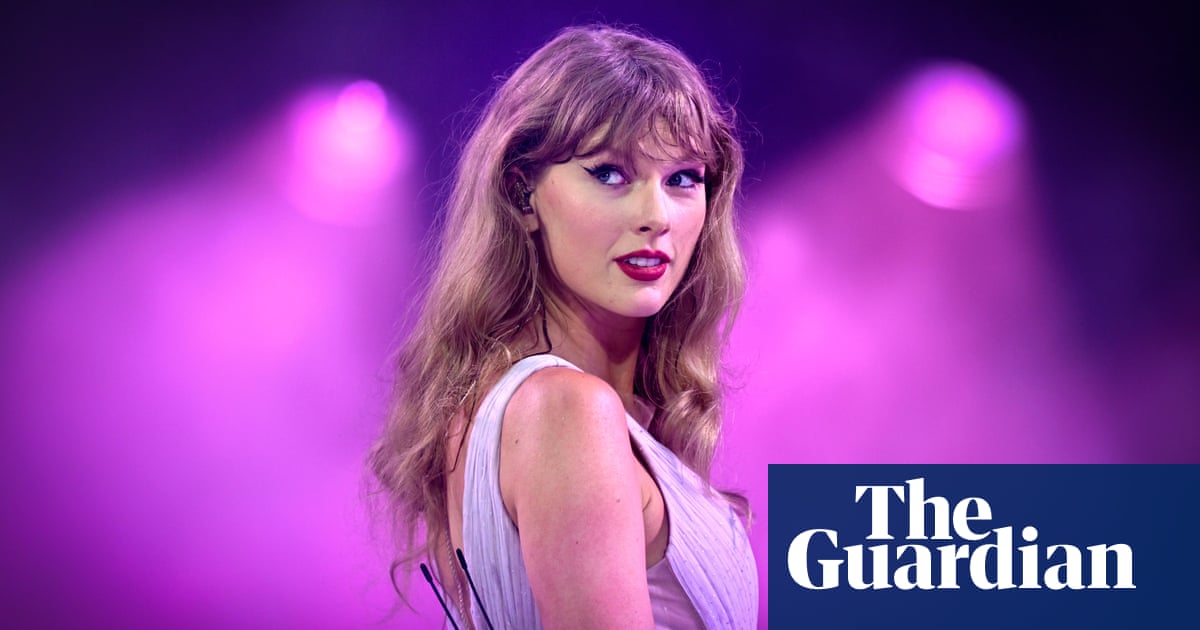
Question: Taylor Swift recently took to her Instagram page to “set the record straight” about an AI version of her that had “endorsed” Former President Donald Trump. What are some of the things people can look for to know if a celebrity has indeed endorsed a candidate? Answer: People can go to the celebrity’s social media page to see their recent social media activity. On the page, people can search for information regarding political endorsements. People should be aware that many fake and parody social media accounts exist for celebrities, so people need to make sure they locate the real social media accounts of the celebrity in question. Also, people can search reputable news sources to see if there is any verifiable information (i.e., the information has been verified by other reputable news sources) regarding celebrity endorsements. Question: In an era where it is too easy for anyone to alter images or video, what are some of the dangers that can be associated with these deep fakes? How can this negatively impact the election, and just life in general with having this kind of misinformation out there? Answer: There can be multiple concerns regarding disinformation and elections. One, if voters make decisions about whether to vote for a candidate based on disinformation/misinformation, this is a concern for elections because in a democracy the hope is that voters can make informed voting decisions based on accurate information. Second, if millions of people are exposed to disinformation/misinformation and only a small percentage of those are not aware that the disinformation/misinformation is false, this could have significant effects for elections. The reason is that in recent presidential elections, and likely in the upcoming election, the margin of victory in some swing states can be less than 1% of the total state vote in some cases. Thus, if only a small percentage of individuals who are exposed to disinformation/misinformation believe the information is true, and the disinformation/misinformation affects their voting decisions, that could have significant effects on the election outcome of a given swing state. Furthermore, we know that the election outcome of each swing state has important implications for the overall presidential election outcome. Question: Do celebrity endorsements still help or hurt candidates? Answer: The empirical evidence linking specific celebrity endorsements to election outcomes is mixed. Based on existing research, we can’t say that a specific celebrity endorsement led to an election victory or loss. However, there has been some interesting research from Harvard (2024) that shows that celebrity endorsements do matter for elections by potentially increasing voter interest, voter engagement and voter registration. One example is in September of 2023 when Taylor Swift made an Instagram post encouraging individuals to vote. Immediately afterward, 35,000 individuals registered to vote on the non-partisan voter registration website Vote.org . So, while we can’t say that a certain celebrity endorsement will directly affect an election outcome, celebrities can move the needle in terms of voter interest, voter registration, and potentially voter turnout, which can influence election outcomes. Interested in learning more - let us help. Lance Hunter, PhD, is a professor of political science with a background in international relations. He is available to speak with media about this important topic - simply click on his icon to arrange an interview today.


Discussion Time: Previewing 1st Presidential Debate
Dr. Meena Bose, professor of political science, executive dean of the Public Policy and Public Service program, and executive director of the Kalikow Center for the Study of the American Presidency, previewed the historic debate between President Joe Biden and former President Donald Trump on Fox 5 WNYW-TV. Watch the video below. Dr. Meena Bose is available to speak with media - simply click on her icon now to arrange an interview today.
