
Experts Matter. Find Yours.
Connect for media, speaking, professional opportunities & more.

Want a Better Thanksgiving? Start With a Screen Break
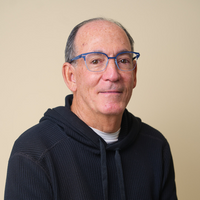
For many families, Thanksgiving weekend has quietly become a four-day screen marathon: football, streaming, shopping, scrolling through sales, and group chats buzzing in the background. Personal development coach Mark Diamond has spent decades seeing what happens when people take a different approach. After running a tech-free camp for 25 years, he’s watched kids and adults transform when phones disappear and the outdoors becomes the main event. “You can actually feel nervous systems reset,” he says. “People sleep better, they laugh more, and they have the kinds of conversations that just don’t happen when everyone’s half-present on their devices.” Diamond believes Thanksgiving is one of the easiest times of year to test what he’s learned - without asking anyone to give up the game or the parade. “You don’t have to cancel screens,” he says. “You just have to make sure they’re not the only thing you remember about the weekend.” He suggests families experiment with one simple offline tradition they can repeat every year: Everyone helps with the meal - put on some good music and try to learn to cook! Hear family stories - instead of talking about trending videos, have some questions ready to learn about the lives of relatives you don't see so often. A tech-free walk before or after dinner - leave phones at home or in pockets on airplane mode. An outdoor game (even in colder weather) - touch football, a scavenger hunt for younger kids, or a quick “around the block” relay. A “no scroll, just snap” rule - photos are fine, but posting and scrolling wait until the next day. When people are already together, Diamond notes, it’s actually easier to introduce new traditions. “You can say, ‘This year, let’s try 30 minutes of no screens while we do X.’ It feels like a shared experiment, not a punishment.” The real payoff, he says, isn’t just fewer hours online. It’s the memories and inside jokes that come from doing something real together, not just watching the same screen side by side. “We’re not going to remember every highlight reel or Black Friday deal,” Diamond says. “We remember the time we got caught in the rain on a walk, or when somebody’s throw went wildly off course and everyone burst out laughing.” In his coaching work, Diamond helps people who feel “glued to their phones” design lives where brief, meaningful offline moments are built in — starting with accessible opportunities like holiday weekends. “Thanksgiving is a perfect low-stakes test. If one tiny offline tradition makes the day feel better, that’s powerful feedback. You can carry that forward into December, and into the new year.” About the Expert Mark Diamond is a personal development coach and founder of a long-running tech-free camp. He focuses on outdoor wellness, sustainable behavior change, and helping people reconnect to happiness and real-world experiences in an age of constant screens. Mark is part of the Offline.now expert directory, contributing to the community supporting better parental modelling for device use.

Do the math: We’re awake roughly 16 hours a day. We spend 10 of those hours staring at screens – phones, tablets, computers, TV, gaming devices. That’s 63% of our waking life. The first platform dedicated entirely to digital balance launching today reveals something even more startling: It's not that we lack willpower to change our behavior. It's that we lack confidence. New proprietary research from Offline.now shows that 8 in 10 people are ready to change their relationship with technology, but more than half are so overwhelmed with their digital habits, they don’t know where to start. “If you don’t learn how to manage the screens in your life, they will manage you,” says Eli Singer, Founder of Offline.now and author of Offline.now: A Practical Guide to Healthy Digital Balance. “When people tell us they feel overwhelmed, it’s not laziness. It’s a crisis of confidence. And confidence is something that can be built.” Digital Wellness Experts Address the Struggles No One Else Will These insights come from digital wellness experts in the Offline.now Digital Wellness Directory – a growing community of licensed professionals across North America specializing in ADHD, relationships, family dynamics, high-achievers, and sustainable behavior change. They’re not offering generic advice. They’re addressing specific digital struggles that define contemporary life. Psychotherapist Harshi Sritharan, who specializes in modern anxiety and ADHD, explains: “The biggest mistake people make is reaching for their phone or turning on their computer first thing in the morning. It injects your dopamine full of uncertainty. You’ve essentially told your brain the most important thing you have to do today is put out fires. I tell clients to delay that first scroll as long as possible and never hit ‘snooze’. You’re fragmenting your REM sleep and making yourself more exhausted. These aren’t willpower issues; they’re about understanding how blue light disrupts your circadian rhythm, especially for those with ADHD who already struggle with sleep regulation.” According to Sritharan, the breakthrough happens when people understand the dopamine cycles driving their dependence and “reframe how they connect with all their screens, whether it’s their phone, gaming console, or streaming TV.” High Achievers Can’t Unplug. The ‘Always-On’ Trap is Killing Productivity, Not Boosting It “A lot of high performers think they need better time management,” says Executive Function Coach, Craig Selinger. “But what they actually need are boundaries. They’ve built empires by being available 24/7, and their phones have become permission slips to say yes to everything.” The difference between old and new technology matters,” he explains. “Back in the day with TV, there was a clear demarcation of beginning and end, right? The episode ends and you move on. Now it’s like Minecraft or TikTok – there’s no ending. And mobility makes it sticky, because you’re physically carrying the drug with you, versus a TV that stayed in one room.” The breakthrough happens when they realize being unavailable on purpose isn’t a weakness. “Things like turning off notifications during deep work, or setting ‘do not disturb’ windows? Those aren’t luxuries. They’re the competitive advantages they’ve been missing.” Digital Dependency as a Third Party in a Relationship Licensed Marriage and Family Therapist Gaea Woods says digital devices are killing interpersonal relationships, not because tech is evil, but because “we use it unconsciously at the moments when connection matters most. When you’re scrolling at dinner, you’re telling your partner ‘my phone is more interesting and important than you’.” The breakthrough happens when couples set explicit agreements: response times, when devices go off-limits – and even what’s it’s OK with AI companions. “We’ve exited the era of meaningful communication without realizing it, and now we must deliberately rebuild it. Nature isn’t ‘Nice to Have’. It’s the Antidote to Screen Fatigue No One is Talking About After running a tech-free camp for 25 years, Personal Development Coach Mark Diamond says he’s seen what happens when kids get genuine face-to-face time interaction outdoors. “Their brains reset. The beauty and physical activity provide perspective that screens can never replicate. Digital dependency has eroded our ability to develop real human connections across all ages, not just teenagers. Screens should not replace the moments that define our wellbeing.” Why This Matters Now The stakes extend beyond personal frustration. Unchecked screen dependency is linked to rising rates of anxiety, deteriorating sleep quality, relationship breakdown, and what mental health experts call “continuous partial attention”, a state where we’re always connected, but never fully present. The Data Reveals When Change is Possible Beyond the confidence divide, Offline.now’s research uncovers the precise moments when users are most open to shifting their digital habits: Evenings from 6 pm-11:59 pm emerge as the “Go Time” window. 40% of self-assessment responders peak readiness to act. Sunday is “Reset Day, when 43% want to set boundaries for the week ahead. Saturdays offer natural opportunities for self-compassion and rest. Afternoons become the “Overwhelm Window”, with 57% feeling consumed by their screens. Critically, Fridays – despite having the highest overwhelm factor – are the worst time for interventions. Users are depleted and change rarely sticks. The Framework That Powers the Platform At the platform’s core is the Offline.now Matrix, a behavioral framework that maps the confidence and motivation levels of users to reveal their starting point: Overwhelmed, Ready, Stuck, or Unconcerned. Based on Singer’s book, Offline.now: A Practical Guide to Healthy Digital Balance, the approach replaces willpower-based advice with microlearning strategies – each taking 20 minutes or less – that track emotional triggers rather than just screen time totals. It offers 100 real-world alternatives to scrolling, from reorganizing a drawer to visiting a thrift shop, and reframes slip-ups as data, not disasters. “The books shows that lasting change doesn’t require deleting Instagram or TikTok tomorrow,” says Singer. “You need to win one personal victory today, and then another tomorrow. That’s how confidence rebuilds.” Propelled by University of Toronto’s Innovation Ecosystem Offline.now is a University of Toronto-affiliated startup, leveraging one of the world’s most powerful innovation networks. U of T is ranked among the top five university-managed business incubators globally and has helped create more than 1,500 venture-backed companies and secured more than CAD$14 billion in investment over the past decade. How Offline.now Works For individuals and families: Take the free self-assessment quiz using the Offline.now Matrix to map your motivation and confidence levels in under three minutes. Receive instant access to practical strategies, curated resources, and a searchable directory of digital wellness experts organized by specialty, location, and insurance coverage. For digital wellness professionals: Join a growing community of licensed mental health practitioners, certified behaviorial coaches, and registered social workers by creating your profile at Offline.now. The platform provides new client leads, professional development opportunities, and visibility in a rapidly expanding market. About Offline.now Offline.now is the first global platform dedicated entirely to achieving digital balance. Founder and author Eli Singer built one of North America’s first social media agencies before seeing technology shift from community-building to attention-harvesting. As a parent, he experienced firsthand the struggle to maintain digital balance. The platform combines proprietary behavioral research, expert guidance and counselling from licensed professionals, and science-backed strategies to help individuals and families build healthier relationships with their screens. Visit Offline.now at https://offline.now Expert Interview Availability Offline.now can arrange interviews with: Eli Singer, Founder – Vision for digital wellness; behavioral data insights Harshi Sritharan, Psychotherapist – Dopamine cycles, ADHD, anxiety and intentional tech use Craig Selinger, Executive Function Coach – Digital distraction in high achievers, family dynamics, ADHD Mark Diamond, Personal Development Coach – Outdoor wellness, sustainable behavior change, happiness, connection Gaea Woods, Licensed Marriage and Family Therapist – Communication, digital third-party relationships, phubbing Additional Resources Free self-assessment quiz - The Offline.now Matrix: https://offline.now/quiz Expert directory and booking: https://offline.now/experts/ Join the directory: https://offline.now/join/ Order Offline.now: A Practical Guide to Healthy Digital Balance: https://offline.now/book/





Heart valve developed at UC Irvine shines in early-stage preclinical testing
UC Irvine researchers designed and developed a minimally invasive replacement pulmonary heart valve. Created for pediatric patients, the device can be expanded as children grow, eliminating the need for multiple surgeries. The team successfully conducted laboratory and early-stage animal feasibility testing of the implant, crucial steps toward approval for human use. Irvine, Calif., June 23, 2025 — Researchers at the University of California, Irvine have successfully performed preclinical laboratory testing of a replacement heart valve intended for toddlers and young children with congenital cardiac defects, a key step toward obtaining approval for human use. The results of their study were published recently in the Journal of the American Heart Association. The management of patients with congenital heart disease who require surgical pulmonary valve replacement typically occurs between the ages of 2 and 10. To be eligible for a minimally invasive transcatheter pulmonary valve procedure, patients currently must weigh at least 45 pounds. For children to receive minimally invasive treatment, they must be large enough so that their veins can accommodate the size of a crimped replacement valve. The Iris Valve designed and developed by the UC Irvine team can be implanted in children weighing as little as 17 to 22 pounds and gradually expanded to an adult diameter as they grow. Research and development of the Iris Valve has been supported by the Eunice Kennedy Shriver National Institute of Child Health and Human Development; the National Heart, Lung, and Blood Institute; and the National Science Foundation. This funding has enabled benchtop fracture testing, which demonstrated the valve’s ability to be crimped down to a 3-millimeter diameter for transcatheter delivery and subsequently enlarged to 20 millimeters without damage, as well as six-month animal studies that confirmed successful device integration within the pulmonary valve annulus, showing valve integrity and a favorable tissue response. “We are pleased to see the Iris Valve performing as we expected in laboratory bench tests and as implants in Yucatan mini pigs, a crucial measure of the device’s feasibility,” said lead author Arash Kheradvar, UC Irvine professor of biomedical engineering. “This work represents the result of longstanding collaboration between our team at UC Irvine and Dr. Michael Recto at Children’s Hospital of Orange County built over several years of joint research and development.” Congenital heart defects affect about 1 percent of children born in the United States and Europe, with over 1 million cases in the U.S. alone. These conditions often necessitate surgical interventions early in life, with additional procedures required to address a leaky pulmonary valve and prevent right ventricular failure as children grow. The Iris Valve can be implanted via a minimally invasive catheter through the patient’s femoral vein. The Kheradvar group employed origami folding techniques to compress the device into a 12-French transcatheter system, reducing its diameter to no more than 3 millimeters. Over time, the valve can be balloon-expanded up to its full 20-millimeter diameter. This implantation method, along with the ability to begin treatment earlier in very young patients, helps mitigate the risk of complications from delayed care and reduces the need for multiple surgeries in this vulnerable population. “Once the Iris Valve comes to fruition, it will save hundreds of children at least one operation – if not two – throughout the course of their lives,” said Recto, an interventional pediatric cardiologist at CHOC who’s also a clinical professor of pediatrics at UC Irvine. “It will save them from having to undergo surgical pulmonary valve placement, as the Iris Valve is delivered via a small catheter in the vein and can be serially dilated to an adult diameter and also facilitate the future placement of larger transcatheter pulmonary valves – with sizes greater than 20 millimeters, like the Melody, Harmony and Sapien devices – if needed.” Kheradvar said that the next phase of preclinical testing of the Iris Valve is funded by the Brett Boyer Foundation, which is committed to supporting research into treatments for congenital heart disease. “We are actively engaged with the U.S. Food and Drug Administration to define and carry out the required experiments and documentation for first-in-human authorization of the Iris Valve,” Kheradvar said. “Our team is urgently advancing the Iris Valve through preclinical studies to enable its clearance for first-in-human use. This is a critical step toward providing toddlers – who currently have no viable minimally invasive treatment until they reach the 45-pound threshold – with a much-needed option.” First co-author Nnaoma Agwu, a biomedical engineering Ph.D. candidate at UC Irvine, said: “The development of the Iris Valve required a strong and knowledgeable team that understood the clinical and mechanical design requirements. This accomplishment would not have been possible without the collaboration of talented clinicians, veterinarians and engineers. With this milestone reached, we are rigorously advancing the Iris Valve’s development, setting our sights on human clinical trials.” Joining Kheradvar, Recto and Agwu as co-authors of the article in Journal of the American Heart Association were Daryl Chau, a recent UC Irvine master’s graduate; Gregory Kelley and Tanya Burney, both research specialists at UC Irvine, with Burney also affiliated with the Beckman Laser Institute; Ekaterina Perminov, a clinical veterinarian with UC Irvine’s University Laboratory Animal Resources; and Christopher Alcantara, a radiology technician at CHOC. About UC Irvine’s Brilliant Future campaign: Publicly launched on Oct. 4, 2019, the Brilliant Future campaign aims to raise awareness and support for the university. By engaging 75,000 alumni and garnering $2 billion in philanthropic investment, UC Irvine seeks to reach new heights of excellence in student success, health and wellness, research and more. The Samueli School of Engineering plays a vital role in the success of the campaign. Learn more by visiting https://brilliantfuture.UC Irvine.edu/the-henry-samueli-school-of-engineering About the University of California, Irvine: Founded in 1965, UC Irvine is a member of the prestigious Association of American Universities and is ranked among the nation’s top 10 public universities by U.S. News & World Report. The campus has produced five Nobel laureates and is known for its academic achievement, premier research, innovation and anteater mascot. Led by Chancellor Howard Gillman, UC Irvine has more than 36,000 students and offers 224 degree programs. It’s located in one of the world’s safest and most economically vibrant communities and is Orange County’s second-largest employer, contributing $7 billion annually to the local economy and $8 billion statewide. For more on UC Irvine, visit www.uci.edu. Media access: Radio programs/stations may, for a fee, use an on-campus studio with a Comrex IP audio codec to interview UC Irvine faculty and experts, subject to availability and university approval. For more UC Irvine news, visit news.uci.edu. Additional resources for journalists may be found at https://news.uci.edu/media-resources.


Seniors Pay the Highest Price When Politicians Dismiss Healthcare Evidence
Disclaimer: This is an opinion piece. It reflects the author's perspective and should not be considered medical advice. Please consult with your physician or healthcare provider to discuss your individual health and vaccination needs. If you’re experiencing health issues, don’t rely on blogs (even snappy ones)—rely on a qualified medical professional. Fall is here. Kids are back in class, pumpkin spice is back in mugs, and—like clockwork—news headlines are back stirring fear and doubt. This season, RFK Jr. is making noise about vaccines, throwing science under the school bus, and leaving some older Canadians wondering: Who should I trust—politics or science? Spoiler: if you’re betting on politics to keep you healthy, you might as well ask your neighbour’s cat for medical advice. So, let’s get back to basics: what shots you really need, why the science is solid, why politics muddies the waters, and how you can be your own best health advocate. Oh, and because you know me—I’ll sprinkle in a few “if only” vaccines we all wish existed. Science vs. Politics: Who Wins? Science: Vaccines work. They reduce severe illness, save millions of lives, and prevent outbreaks of diseases we thought we’d left in history books. COVID-19 vaccines alone are credited with saving over 1.4 million lives in Europe since 2020. Vaccines aren’t some modern fad cooked up in a lab—they’ve been saving lives since 1796, when English doctor Edward Jenner made a discovery that led to the first smallpox vaccines, which at the time was one of the deadliest diseases on earth. Fast forward to today, and the results speak for themselves. Data from the CDC shows that vaccines have slashed major diseases in the U.S. and Canada to the point where polio and smallpox haven’t been seen in decades—down from tens of thousands of cases every year in the 20th century. Even measles, which has made a resurgence due to rising vaccine skepticism, is still nowhere near the half-million infections Americans used to see annually. Thanks to vaccines, measles, pertussis, mumps, and rubella are now more likely to show up in a history book—or on a pub trivia night—than in your family doctor’s office. Over a century of data shows that vaccines don’t just work—they’ve rewritten medical history. A landmark CDC study published in JAMA by researchers Sandra W. Roush (MT, MPH) and Trudy V. Murphy, MD, with Centers for Disease Control and Prevention, Atlanta, Georgia did a major study comparing disease rates before and after vaccines became widespread. The results were jaw-dropping: Cases of diphtheria, mumps, pertussis, and tetanus dropped by more than 92%, and deaths by more than 99%. Endemic polio, measles, and rubella have been eliminated in the U.S and Canada. Smallpox is gone from the globe. Even newer vaccines introduced since 1980—like those for hepatitis A, hepatitis B, Hib, and chickenpox—cut cases and deaths by 80% or more. The evidence found by the CDC study was so overwhelming that the authors called vaccines “among the greatest achievements of biomedical science and public health” (Source: JAMA, 2007) The number of cases of most vaccine-preventable diseases is at an all-time low; hospitalizations and deaths have also shown striking decreases. Think about it. When was the last time someone at your dinner table worried about catching smallpox? Enter RFK Jr., stage left. He has wasted no time since his appointment as US Secretary of Health & Human Services to undermine confidence in the public health system. His recent moves—firing the CDC director, cutting mRNA funding (even for cancer vaccines!), and gutting expert panels—are sowing doubt faster than a Toronto raccoon opening a green bin. Even Dr. Martin Makary, Commissioner of Food and Drugs for the U.S. Food and Drug Administration (FDA), recently chimed in with an opinion piece published last week in The Wall Street Journal. His take? Vaccines should mostly be reserved for high-risk groups, healthy people don’t really need them, and maybe we should start running more placebo trials “just to be sure.” That sounds reasonable until you realize it’s the same playbook RFK Jr. uses: shrink access, shift the burden of proof endlessly, and treat vaccines like optional extras. When Politics Drowns Out Science, Seniors Pay the Highest Price When politics drowns out science, we pay the highest price. Because the truth is: our immune systems age just like our knees do—creaky and slower to respond. Vaccines aren’t optional; they’re essential. Demanding new placebo trials for vaccines we already know work is like asking a baker to prove yeast makes bread rise every single year. And framing vaccines as “only for the sick” ignores the basic truth: when coverage falls, outbreaks rise. Period. Vaccines for Canadian Adults & Seniors (Source: Health Canada) Vaccines aren’t just for kids—they’re part of healthy aging, too. Health Canada has issued clear guidelines on which shots adults and seniors should have on their radar, from flu and pneumonia to shingles and RSV. Think of it as a maintenance schedule for your immune system. That said, every person’s health history is unique, so always check with your doctor or healthcare provider before rolling up your sleeve. Flu shot (Seasonal Influenza Vaccine) – Protects against flu strains that mutate yearly (PHAC – Influenza Vaccine). Everyone should receive it annually; seniors may be eligible for a high-dose version. Pneumococcal (Pneu-C-20) – Shields you from pneumonia, bloodstream infections, and meningitis (PHAC – Pneumococcal Vaccine). One dose at 65+. Shingles (Recombinant Zoster Vaccine – RZV) – Stops the chickenpox virus (that never left your body) from staging a painful comeback tour (PHAC – Shingles Vaccine Guidance)—two doses, starting at age 50. Tdap (Tetanus, Diphtheria, Pertussis Vaccine) – Protects against lockjaw, a throat infection, and whooping cough (PHAC – Tdap Vaccine). One-time booster, then Tdap every 10 years. Polio (Inactivated Poliovirus Vaccine – IPV) – Keeps polio from making a comeback (PHAC – Polio Vaccine). Needed if you missed doses or travel to outbreak zones. RSV (Respiratory Syncytial Virus Vaccine) – Prevents serious lung infections in older adults (Health Canada – RSV Vaccine Information). Recommended for ages 75+ or in long-term care. MMR (Measles, Mumps, Rubella Vaccine) – Blocks childhood triple threats (PHAC – MMR Vaccine). One dose if born after 1970 and not immune. Varicella (Chickenpox Vaccine) – For those who have never had chickenpox (PHAC – Varicella Vaccine). Two doses under age 50; For those over 50, the shingles vaccine is recommended. The Vaccines We Wish Existed Because let’s face it: medicine has cured smallpox, but not small talk. RV – Rectitious Vision Correction: For correcting poor attitudes and selective hearing in spouses. FOMOVAX: Stops the green-eyed monster when your friends are on a Caribbean cruise and you’re at Costco. TechTonic: For when Zoom won’t unmute and your iPad keeps asking for your “Apple ID you made in 2009.” EarPeace: Selective hearing—blocks whining, amplifies compliments. WineNot: The Thanksgiving booster that helps you tolerate in-laws, politics talk, and Uncle Bob’s gravy complaints. MemoryMap: Protects against the “where did I put my glasses?” epidemic. Spoiler: they’re on your head. If only. Until then, we’ll have to stick with flu and shingles shots. Screening Schedule: The Other Half of the Health Checklist Keeping your health on track sometimes feels like managing a full-time maintenance schedule. After all, the human body has more moving parts than a Canadian Tire catalogue—so of course things need regular tune-ups. If vaccines are like scheduled oil changes for your immune system, screenings are more like the regular safety inspections—checking the brakes, the lights, and making sure nothing rattles when it shouldn’t. Our bodies have a knack for keeping secrets until it’s too late, which is why Health Canada and national guidelines recommend routine checks for cancer, heart health, bone strength, and more. Here’s the recommended Health Canada guidelines—your doctor may adjust based on your risk.: Cervical (Pap test): Every 3 years, ages 25–69 (CTFPHC – Cervical Cancer Guideline). Breast (Mammogram): Every 2–3 years, ages 50–74 (CTFPHC – Breast Cancer Screening). Colorectal (Colonoscopy or FIT test): Every 2 years (FIT) or 10 years (colonoscopy), ages 50–74 (CTFPHC – Colorectal Cancer Screening). Prostate (PSA test): Discuss with your doctor around age 50 (CTFPHC – Prostate Cancer Guideline). Lung Cancer Screening: For current/former heavy smokers, typically ages 55–74 (Canadian Partnership Against Cancer – Lung Cancer Screening). Bone Density (DXA scan): At 65+ or earlier if at risk (Osteoporosis Canada – BMD Testing). Blood Pressure & Cholesterol: Annual or as needed (Hypertension Canada Guidelines). Diabetes (A1C test): Every 3 years starting at 40 (Diabetes Canada – Clinical Guidelines). Your Fall Holistic Health Checklist Still with me? Here's a checklist that I personally follow as a seasonal tune-up—part vaccines, part screenings, part lifestyle hacks. It’s not about chasing perfection; it’s about making sure you’ve got the energy to keep doing what you love (and maybe even outpace the grandkids). Whether you’re just easing into retirement, solidly in the groove, or rocking your seventies with style, these age-by-age tips will help you stay sharp, strong, and one step ahead of sneaky health surprises. Pre-Retirees (55–64) • Annual flu shot • Covid-19 shot • Start shingles series (50+) • Tdap booster if due • Immunization catch-up (MMR, polio, varicella) • Screenings: Pap, mammogram, colon, bloodwork • Exercise, hydrate, and learn to say no—yes, that’s preventive care too. Post-Retirees (65+) • Annual flu shot (high-dose if offered) • Covid-19 shot • Pneumococcal vaccine • RSV vaccine (75+ or communal living) • Shingles vaccine if not done • Screenings: colon, prostate, bone density, cholesterol, diabetes • Keep bones strong: vitamin D, weight training, and occasionally lifting grandkids count. Active Retirees (70+) • All of the above • Review meds and fall-prevention strategies • Stay social—book clubs, golf leagues, dance classes. Loneliness is a silent epidemic. • Advocate for friends, spouses, and grandkids—because being the family health quarterback matters. Your Best Shot: Be Your Own (and Your Community’s) Advocate Vaccines and screenings are only half the story—the other half is using your voice. Seniors have enormous influence, and when you speak up, policymakers listen. Here are a few ways to make sure your concerns don’t get lost in the shuffle: Start local. Write a short letter or email to your Member of Parliament, MPP, or Mayor. Personal stories are more powerful than statistics—tell them why vaccines, screenings, and health services matter to you and your community. Pick up the phone. Constituency offices actually log every call, so even a five-minute conversation with a staffer goes on record. Think of it as Yelp for public policy. Go public. A letter to the editor in your local paper or a well-placed comment at a town hall gets noticed by decision-makers. Be persistent (but polite). Politics moves slowly, but steady nudges add up. You don’t need to storm Parliament—just keep knocking on the door. You’ve spent a lifetime paying taxes, raising families, and building communities—you’ve earned the right to be heard. And let’s be real: nobody wants to mess with a senior who’s got a phone, an email list, and time to follow up. This fall, don’t let politics steal your peace of mind. Don’t let headlines plant seeds of doubt. Vaccines and screenings aren’t about fear—they’re about freedom: freedom to keep moving, keep laughing, keep living the “Hip, Fit & Financially Free” life you deserve. And until they invent the "WineNot" booster or the "MemoryMap" shot, your best defence is still the good old-fashioned flu, shingles, and pneumonia vaccines—plus the screening tests that catch sneaky stuff early. So roll up your sleeve. Book that screening. Be your own health advocate. And while you’re at it, sign your spouse up for the RV shot—because an attitude adjustment should absolutely be a household vaccine. Stay healthy. Don't Retire - Rewire! Sue Resources Want to dig deeper? Here are links to a few of my other health and wellness posts where I share practical tips, a little humour, and more ways to keep your retirement years strong, savvy, and stress-free. > The Retirement Games: From Sprint to Marathon, The New Retirement Reality > Life Hacks in Retirement: Strategies for Aging Well Also for each vaccine mentioned, here are some links to trusted sources of information. Please consult with your physician or healthcare provider before commencing with any treatment. COVID-19 Public Health Agency of Canada (PHAC) - COVID-19: Spread, prevention and risks - https://www.canada.ca/en/public-health/services/diseases/2019-novel-coronavirus-infection/prevention-risks.html Flu Shot (Seasonal Influenza) Public Health Agency of Canada (PHAC) – Canadian Immunization Guide, Influenza Chapter: https://www.canada.ca/en/public-health/services/publications/healthy-living/canadian-immunization-guide-part-4-active-vaccines/page-10-influenza-vaccine.html Pneumococcal (Pneu-C-20) PHAC – Canadian Immunization Guide, Pneumococcal Chapter: https://www.canada.ca/en/public-health/services/publications/healthy-living/canadian-immunization-guide-part-4-active-vaccines/page-16-pneumococcal-vaccine.html Shingles (Recombinant Zoster Vaccine – RZV) PHAC – Shingles Vaccine Guidance: https://www.canada.ca/en/public-health/services/publications/vaccines-immunization/shingles-vaccine.html Tdap (Tetanus, Diphtheria, Pertussis) PHAC – Tdap Vaccine - https://www.canada.ca/en/public-health/services/publications/healthy-living/canadian-immunization-guide-part-4-active-vaccines/page-21-tetanus-diphtheria-pertussis-vaccine.html Polio (IPV) PHAC – Polio Vaccine Guidance - https://www.canada.ca/en/public-health/services/publications/healthy-living/canadian-immunization-guide-part-4-active-vaccines/polio-vaccine.html RSV (Respiratory Syncytial Virus) - Health Canada – RSV Vaccine Information - https://www.canada.ca/en/health-canada/services/drugs-health-products/vaccines/respiratory-syncytial-virus.html MMR & Varicella - PHAC – Measles, Mumps, Rubella, Varicella Chapters: https://www.canada.ca/en/public-health/services/publications/healthy-living/canadian-immunization-guide-part-4-active-vaccines.html


For many older adults in Sussex County, Delaware, navigating the health care system can feel overwhelming and difficulty accessing care can create gaps in care that ultimately lead to poor health. To help older adults more easily meet their health needs and be successful in navigating the system, ChristianaCare has brought a variety of services to Sussex County that are specially designed for this population. These include ChristianaCare’s expanding My65+ primary care program, the Swank Center for Memory Care and ChristianaCare HomeHealth—all services that work collaboratively with seniors to help them achieve their best health based on their individual needs. Download Photos. ChristianaCare My65+ ChristianaCare My65+ provides specialized primary care services for people 65 and older. ChristianaCare’s My65+ services include medication management, annual Medicare visits, chronic disease management, coordination with specialists and additional consultation time with health care providers. These services are tailored to meet the specific health needs of seniors. “I can’t express enough how wonderful the My65+ program at ChristianaCare has been for me,” said Linda Martin of Rehoboth, a patient of the My65+ Program. “When they opened the practice in Rehoboth, it made getting the care I need much more convenient. I truly appreciate how the professionals at ChristianaCare take the time to understand my health and offer support for my mother’s care. They have a memory specialist on-site who provides expert care for my mother. It feels like I’m part of a caring community.” ChristianaCare My65+ is available at locations in Rehoboth Beach and at a new primary care practice in Milford, which began accepting My65+ patients in May. “ChristianaCare recognizes the importance of addressing the unique health care needs of our senior community. Our focus is on delivering care that prevents diseases, manages chronic conditions and improves overall well-being, especially for older adults,” said Priya Dixit-Patel, M.D., physician executive for Core and Advanced Primary Care at ChristianaCare. Swank Center for Memory Care Recognizing the significant impact that memory-related conditions can have on individuals and their families, ChristianaCare’s Swank Center for Memory Care serves as a source of hope and support for those dealing with these challenges. A dedicated team of geriatricians, nurses, social workers and other professionals collaborates with patients and their families to offer support, education and guidance throughout the diagnosis and treatment process. “ChristianaCare has consistently been at the forefront of providing excellent patient care, and the Swank Center for Memory Care is another opportunity for us to enhance support for people 65 and older,” said Steven Huege, M.D., MSEd, The Swank Foundation Endowed Chair in Memory Care and Geriatrics at ChristianaCare. “By designing care that meets the specific needs of older adults, we can create a better experience and achieve improved outcomes for everyone involved. This initiative is an important part of our overarching vision to provide every older adult with the best care possible.” The Swank Center was selected by the Centers for Medicare & Medicaid Services (CMS) to participate in the new Guiding an Improved Dementia Experience (GUIDE) Model, aimed at enhancing care coordination and access to services for those living with dementia and their caregivers. Key support services will include comprehensive assessments, care coordination, respite care, a 24/7 support line and education. With locations in Wilmington, Smyrna and Rehoboth, the Swank Center for Memory Care serves patients throughout Delaware and the surrounding region. ChristianaCare HomeHealth ChristianaCare HomeHealth provides a variety of nursing care for all ages in managing chronic conditions, adapting to new diagnoses, and improving daily living activities. It is the leading provider of in-home nursing care and assistance in Delaware. “ChristianaCare HomeHealth designs a plan of care that is personalized for those we serve,” said Donna Antenucci, MHA, BSN, RN, interim president, ChristianaCare HomeHealth. “Treating older adults in their own home is a privilege and brings comfort physically and emotionally to those served and their family. “It is truly rewarding for us as providers of home health services to enhance people’s quality of life and improve their overall well-being. We are truly honored to be a part of their journey to wellness and healing while respecting the dignity of those we serve.” These services are available throughout the entire state and provide comprehensive care through skilled nursing, home health aides, rehabilitative services, and medical social workers. Specially trained professionals offer home care, including physical and speech therapy, to help individuals live independently and safely. ChristianaCare HomeHealth began as a Visiting Nurse Association (VNA) in 1922 and now has more than 350 caregivers who serve patients throughout the state. Currently, there is an active daily census of about 1,500 patients. The service admits approximately 10,000 patients each year across the state. Meeting the Needs of Sussex County’s Rapidly Growing Population Sussex County has been designated as a “Medically Underserved Area” by the federal government, with projections showing that the population will increase from 237,000 in 2022 to over 361,000 by 2050, further intensifying the demand for primary care services. The providers at ChristianaCare’s new Milford location will play a crucial role in addressing the growing health care needs of Sussex County. “My65+ and Swank Center for Memory Care Services are unique programs in Sussex County that are greatly needed because of the growing senior population,” said Anthony Paul Buonanno, M.D., MBA, primary care physician at My65+ at Rehoboth Beach. “The health care infrastructure has not been able to keep up with the demand, and it is essential to provide health care services close to home for Delawareans. I am proud to be part of a program that is innovative, necessary and useful to my community.” While ChristianaCare primary care is a relative newcomer to Sussex County, ChristianaCare already has a large primary care network in northern Delaware, southeastern Pennsylvania, southern New Jersey and Maryland.



How ChristianaCare Built a Blueprint for Better Caregiver Health and Lower Costs
By Donna Antenucci, MHA, BSN, RN, and Emily Sahm, EA We know rising health care costs can feel overwhelming for both employers and employees. As Delaware’s largest private employer — with nearly 23,000 employees, spouses and dependents enrolled in our self-funded health plan — ChristianaCare faces these challenges every day. That’s why we’re committed to finding smart, innovative solutions that improve employee health while keeping costs in check. We don’t stop there — ChristianaCare partners with businesses that have an interest in providing high-quality health care for their employees while keeping costs manageable. Prioritizing preventive care The key to a healthier, more resilient workforce is tackling health issues early in order to prevent the need for costly emergency or “rescue” care. By prioritizing prevention and early intervention, we’ve made progress in improving employee health while controlling costs. In 2023, inpatient facility costs for our employees — which include hospital admissions for surgeries, medical treatments and other care requiring overnight stays — dropped by 9%. Wellness incentives and chronic disease management that shifted care to more cost-effective outpatient settings are driving these results. One of ChristianaCare’s differentiators is CareVio®, our care coordination and chronic disease management platform. CareVio provides personalized support to help employees and their families manage conditions and stay on track with preventive care. CareVio’s diabetes program, for example, has delivered remarkable results. Nearly all participants improved their blood sugar levels in 2023, with average A1c reductions of 1.7 points. Enhancing primary care and wellness programs We’ve also focused on encouraging primary care visits through collaboration between our Population Health and Total Rewards teams. Together, we designed a voluntary wellness incentive program that rewards employees and their families for healthy choices, including support for tobacco-cessation programs to help employees quit smoking and lead healthier lives. In 2023, we expanded our wellness incentive program to include primary care visits for employees and their spouses. Over the next eighteen months, primary care utilization increased over 10%, rising from 66% to 77% as of January 2025. Employees who stay connected to primary care catch health problems early and build stronger relationships with their doctors. We’ve launched programs targeting specific health needs. Our breast cancer screening initiative, focused on women ages 52 to 74, increased participation rates from 63% to 72% in 2023, exceeding our target. Additionally, the CareVio metabolic health program is helping a growing number of participants manage complex conditions with tailored support. Flexibility is essential. That’s why we created the Center for Virtual Health, which provides virtual-first primary care to more than 1,200 employees. This program makes high-quality, preventive care more accessible. Employees can fit care into their schedules while maintaining consistent support for their health. We encourage employees to stay up to date on immunizations by offering frequent vaccination events and tying participation to eligibility for the Caregiver Rewards Program payout. By making it easy and rewarding to stay protected, we’re fostering a safer, healthier workplace for everyone. Collaborative networks and cost management In January 2023, we announced the ChristianaCare Clinical Alliance, a new clinically integrated network in partnership with Highmark. Implemented in our employee health plan in July 2024, the network connects ChristianaCare-employed and community clinicians to provide evidence-based, coordinated care. Focused on improving wellness and managing chronic conditions, the Clinical Alliance is helping caregivers and their families stay healthier while reducing costly emergency visits and hospital stays. Employees who choose Clinical Alliance providers also enjoy lower deductibles for their care. Through all these initiatives, we are making a meaningful difference for our caregivers and our costs. In 2023, thanks to our focus on prevention and smarter care delivery, we kept our overall health care cost growth below the national average. Healthier employees lead to lower expenses and a more engaged, productive workforce. By showing that we value employee health, we’re creating a stronger, more resilient workplace. To learn how ChristianaCare can help you provide better care and control costs for your workforce, contact Donna Antenucci at donna.antenucci@christianacare.org. Donna Antenucci is vice president of population health operations for ChristianaCare. Emily Sahm is vice president of Total Rewards for ChristianaCare.


Reclaiming 'Spend': A Retirement Rebellion
June is Pride Month—a celebration of identity, resilience, and the powerful act of reclaiming. Over the years, LGBTQ+ communities have reclaimed words that once marginalized them. “Queer” used to be a slur. Now, it’s a proud badge of honor. Similarly, the Black community has transformed language once used to oppress into expressions of cultural pride and connection. So, here's a thought: What if retirees approached the word “spend” similarly? Yes, you read that right. The psychological Tug-of-War This isn't just about numbers; it’s about narratives. Most retirees have spent their entire adult lives in accumulation mode: save, earn, invest, delay gratification, rinse, and repeat. But retirement flips that formula on its head, and most people weren’t provided with a “mental user guide” for the transition. Now, instead of saving, they’re expected to spend? Without a paycheck? It triggers everything from guilt to fear to a low-grade existential crisis. The Challenge of Saving for an Extended Period Let’s get serious for a moment. The data tells a troubling story: - Canadians over 65 collectively hold $1.5 trillion in home equity (CMHC, 2023) - The average retiree spends just $33,000 per year, despite often having far more resources (StatsCan, 2022) - Nearly 70% of retirees express anxiety about running out of money—despite having significant savings (FCAC, 2022) We’re talking about seniors who could afford dinner out, a trip to Tuscany, or finally buying that electric bike—and instead, they’re clipping coupons and debating the cost of almond milk. Why? Because spending still feels wrong. I Know a Thing or Two About Reclaiming Words As a proud member of the LGBTQ2+ community and a woman who has worked in the traditionally male-dominated world of finance, I’ve had a front-row seat to the power of language, both its ability to uplift and its tendency to wound. There were many boardrooms where I was not only the only woman but also the only gay person, and often the oldest person in the room. I didn’t just have a seat at the table; I had to earn, protect, and sometimes fight to keep it. I’ve learned that words can be weapons, but they can also be amour—if you know how to use them. Reflect on Your Boundaries Take a moment. Have you ever felt prejudged, marginalized, or dismissed? Perhaps it was due to your gender, sexuality, accent, skin colour, culture, or age. It leaves a mark. One way to preserve your dignity is by building a mental toolkit in advance. Prepare a few lines, questions, or quiet comebacks you can use when someone crosses the line—whether they intend to or not. Here are five strategies that helped me stand tall—even at five feet nothing: 1. Humour – A clever remark can defuse tension or highlight bias without confrontation. 2. Wit – A precisely timed comeback can silence a room more effectively than an argument. 3. Over-preparation – Know your stuff inside and out. Knowledge is power. 4. Grace under fire – Not everything deserves your energy. Rise above it when it matters. 5. Vulnerability – A simple “Ouch” or “Did you mean to hurt me?” can be quietly disarming—and deeply human. Let’s Talk About Microaggressions The term microaggression may sound small, but its effects are significant. These are the subtle, often unintentional slights: backhanded compliments, dismissive glances, and “jokes” that aren’t funny. They quietly chip away at your sense of belonging. Dr. Robin DiAngelo’s book White Fragility is a brilliant read on this topic. She explains how early socialization creates bias— “Good guys wear white hats. Bad guys wear black hats.” These unconscious associations become ingrained from an early age. Some people still say, “I’m not racist—I have a Black friend,” or “I’m not homophobic—my cousin is gay.” The truth? Knowing someone from a marginalized group doesn’t exempt you from unconscious bias. It might explain the behaviour, but it doesn’t excuse it. And no, there is no such thing as reverse discrimination. Discrimination operates within systems of power and history. When someone points out a biased comment or unconscious microaggression, they’re not discriminating against you—they’re holding up a mirror. That sting you feel? It’s not oppression. It’s shame—and it’s warranted. It signals that your intentions clashed with your impact. And that’s not a failure; it’s an invitation to grow. Calling it “reverse discrimination” is just a way to dodge discomfort. But real progress comes when we sit with that discomfort and ask: Why did this land the way it did? What am I missing? Because the truth is, being uncomfortable doesn’t mean you’re being attacked. It often means you’re being invited into a deeper understanding—and that’s something worth showing up for. Let’s Reclaim 'Spend' What if we flipped the script? What if spending in retirement was viewed as a badge of honour? Spending on your grandkids’ education, your bucket list adventures or even a high-end patio chair should not come with any shame. You’ve earned this. You’ve planned for this. It’s time to reclaim it. Let’s make “spend” the new “thrive.” Let’s make super-saver syndrome a thing of the past. Let the Parade Begin Imagine it: a Seniors’ Spend Parade. Golden confetti. Wheelchairs with spoilers. Luxury walkers with cupholders and chrome rims. T-shirts that say: - “Proud Spender. Zero Shame.” - “I’m not broke—I’m retired and woke.” - “My equity funds my gelato tour.” Dreams Aren’t Just for the Young What’s the point of spending decades building wealth if you never enjoy it? Reclaiming “spend” isn’t about being reckless—it’s about being intentional. So go ahead—book the trip. Upgrade the sofa. Take the wine tour. You’re not being irresponsible; you’re living the life you’ve earned. And if anyone questions it? Smile and say: “I’m reclaiming the word spend. Care to join the parade?” Sue Don’t Retire…Rewire! 8 Guilt-Free Ways to Spend in Retirement A checklist to help you spend proudly, wisely, and joyfully: ☐ Book the Trip – Travel isn’t a luxury; it’s a memory maker. ☐ Upgrade for Comfort – That recliner? That mattress? Worth every penny. ☐ Gift a Down Payment – Help your kids become homeowners. ☐ Fund a Grandchild’s Dream – Tuition, ballet, a first car—you’re building a legacy. ☐ Outsource the Chores – Pay for help so you can reclaim your time. ☐ Invest in Wellness – Healthy food, massage therapy, yoga. Health is wealth. ☐ Pursue a Passion – From pottery to piloting drones, go for it. ☐ Celebrate Milestones – Anniversaries, birthdays… or Tuesdays. Celebrate always! Want More? If this speaks to you, visit www.retirewithequity.ca and explore more: - From Saver to Spender: Navigating the Retirement Mindset - Money vs. Memories in Retirement - Fear Of Running Out (FORO) Each piece explores the emotional and psychological aspects of retirement—the parts no one talks about at your pension seminar.

Georgia Southern University’s Office of Student Wellness and Health Promotion, Jiann-Ping Hsu College of Public Health (JPHCOPH) Center for Addiction Recovery and Health Services have partnered to provide overdose prevention education to the campus community. The University will distribute naloxone, which is used to rapidly and temporarily reverse the effects of an opioid overdose, allowing time for first responders to arrive and initiate further intervention, to the campus community at no cost. Savannah nonprofit No More O.D.s donated a large quantity of naloxone to Georgia Southern for this purpose. “The health and safety of our campus and the many visitors it welcomes are of high priority,” said Shay Little, Ph.D., vice president for Student Affairs. “By increasing access to naloxone we are equipping our community with another life-saving tool.” Georgia Southern Public Health Administrator Sean Bear, DPH, agrees. “Naloxone is a life-saving medication,” he noted. “It is safe, fast-acting and easy to use.” Although many in the Georgia Southern community do not consume alcohol or other recreational substances, opioid overdoses can occur under a number of circumstances. Misuse of prescription opioids provided by a health care provider or the use of illegal opioids can result in negative health consequences, including overdoses. Some common prescription opioids include codeine, morphine, hydrocodone and oxycodone, among others. Counterfeit pills designed to look like prescription opioids often contain a synthetic opioid known as fentanyl, with many of these pills containing enough fentanyl in just one dose to cause an opioid overdose. “The primary aim of distributing naloxone and providing education on overdose prevention, recognition and response is to save lives,” said Robert Bohler, Ph.D., JPHCOPH assistant professor. Just as AED/CPR first aid boxes are placed strategically across campus, naloxone kits and utilization instructions will be placed in high-traffic, high-risk areas. Distribution locations include the Campus Food Pantries (all campuses), Center for Addiction and Recovery (Statesboro Campus), Health Centers (Statesboro and Armstrong campuses), Counseling Centers (Statesboro and Armstrong campuses), and Student Wellness and Health Promotion (Statesboro and Armstrong campuses). “All naloxone packages come with instructions, however, additional educational information, such as a video link on how to administer naloxone, where to find additional information and more will be available at each of these distribution locations,” said Gemma Skuraton, DPH, director of Student Wellness and Health Promotion. Universities play a vital role in promoting harm-reduction strategies. As such, Georgia Southern is committed to ensuring the availability, accessibility and education surrounding naloxone on each of its campuses. Educational initiatives will focus on overdose prevention, recognizing signs and symptoms of overdose, overdose response planning, naloxone administration, legal protections (Georgia’s 911 Medical Amnesty Law and Georgia Southern’s Amnesty Protocol), bystander intervention, and treatment and recovery service availability on campus and in the community. You can sign-up for an open workshop to learn more on the Student Wellness and Health Promotion webpage: Interested in learning more? If you want to connect with any of the experts from this story and want to book time to talk or interview, then let us help - simply contact Georgia Southern's Director of Communications Jennifer Wise at jwise@georgiasouthern.edu to arrange an interview today.


University-wide mental health services strengthened by Georgia Southern’s JED Campus initiative
As a result of Georgia Southern’s commitment to increasing student awareness and access to mental health resources, the University has recently been named a full JED Campus (JED) Member university. Georgia Southern recently completed a four-year partnership with JED, a national collegiate mental health program that guides colleges through a collaborative process of building comprehensive systems, programs and policy development with customized support to build upon existing student mental health, substance use and suicide prevention efforts. Along with the JED efforts, Georgia Southern has significantly increased student awareness and access to mental health resources. A recent report shows that 83% of Georgia Southern University students agree that the administration is listening to the concerns of students around health and wellness. This is a 15% increase since 2020. In 2020, the University System of Georgia launched several system-wide initiatives and resources to increase the mental health awareness and resources for all of its institutions. One of these initiatives was to fund the enrollment of all institutions in the JED Campus program. This included the creation of a JED campus team, an initial campus mental health climate study conducted by the Healthy Minds Institute on behalf of JED, the completion of a Georgia Southern self-study, a campus site visit by JED and the development and completion of a four-year strategic plan. “Engaging in the four-year JED Campus process has enabled Georgia Southern to strengthen and expand its university-wide commitment to the mental health of our students, faculty and staff,” said Jodi K. Caldwell, Ph.D., Counseling Center executive director & JED Campus team lead. “The JED team remains committed to growing Georgia Southern’s efforts in providing awareness, education, resources and support for the well-being of our community. We are grateful to the University System of Georgia, whose support funded this opportunity for all USG institutions and to the support of our Georgia Southern administration.” Recently, the University has increased awareness and resources through programs like the H.E.R.O. Folder. Students aware of mental health outreach efforts grew from 40% to 60%, and those knowing where to seek professional help increased from 78% to 84%, according to the JED feedback report. Additional findings can be found in the full report at the bottom of this article. Georgia Southern will now be considered an alumni of the program, and will continue several of the programs and initiatives launched with JED. If you're interested in learning more about Georgia Southern's partnership with JED and want to book time to talk or interview with Jodi Caldwell then let us help - simply click on her icon now contact Georgia Southern's Director of Communications Jennifer Wise at jwise@georgiasouthern.edu to arrange an interview today.


Measuring how teachers' emotions can impact student learning
University of Delaware professor Leigh McLean has developed a new tool for measuring teachers’ emotional expressions and studying how these expressions affect their students’ attitudes toward learning. McLean uses this tool to gather new data showing emotional transmission between teachers and their students in fourth-grade classrooms. McLean and co-author Nathan Jones of Boston University share the results of their use of the tool in a new article in Contemporary Educational Psychology. They found that teachers displayed far more positive emotions than negative ones. But they also found that some teachers showed high levels of negative emotions. In these cases, teachers’ expressions of negative emotions were associated with reduced student enjoyment of learning and engagement. These findings add to a compelling body of research highlighting the importance of teachers’ and students’ emotional experiences within the context of teaching and learning. “Anyone who has been in a classroom knows that it is an inherently emotional environment, but we still don’t fully understand exactly how emotions, and especially the teachers’ emotions, work to either support or detract from students’ learning,” said McLean, who studies teachers’ emotions and well-being in the College of Education and Human Development’s School of Education (SOE) and Center Research in Education and Social Policy. “This new tool, and these findings, help us understand these processes more precisely and point to how we might provide emotion-centered classroom supports.” Measuring teacher and student emotions McLean and Jones collected survey data and video-recorded classroom observations from 65 fourth-grade teachers and 805 students in a Southwestern U.S. state. The surveys asked participants to report their emotions and emotion-related experiences — like feelings of enjoyment, worry or boredom — as well as their teaching and learning behaviors in mathematics and English language arts (ELA). Using the new observational tool they developed — the Teacher Affect Coding System — McLean and Jones also assessed teachers’ vocal tones, body posturing, body movements and facial expressions during classroom instruction and categorized outward displays of emotion as positive, negative or neutral. For example, higher-pitched or lilting vocal tones were categorized as positive, while noticeably harsh or sad vocal tones were categorized as negative. Overall, McLean and Jones found that teachers spent most of their instructional time displaying outward positive emotions. Interestingly though, they did not find any associations between these positive emotions and students’ content-related emotions or learning attitudes in ELA or math. “This lack of association might be because outward positivity is the relative ‘norm’ for elementary school teachers, and our data seem to support that,” McLean said. “That’s not to say that teachers’ positivity isn’t important, though. Decades of research has shown us that when teachers are warm, responsive and supportive, and when they foster positive relationships with their students, students do better in almost every way. It could be that positivity works best when done in tandem with other important teacher behaviors or routines, or it could be that it is more relevant for different student outcomes.” However, they did find that a small subset of teachers — about 10% — displayed notable amounts of negative emotions, with some showing negativity during as much as 80% of their instructional time. The students of these teachers reported reduced enjoyment and engagement in their ELA classes and reduced engagement in their math classes. “We think that these teachers are struggling with their real-time emotion regulation skills,” McLean said. “Any teacher, even a very positive one, will tell you that managing a classroom of students is challenging, and staying positive through the frustrating times takes a lot of emotional regulation. Emotion regulation is a particularly important skill for teachers because children inherently look to the social cues of adults in their immediate environment to gauge their level of safety and comfort. When a teacher is dysregulated, their students pick up on this in ways that can detract from learning.” Recommendations for supporting teacher well-being Given the findings of their study, McLean and Jones make several recommendations for teacher preparation and professional learning programs. As a first step, they recommend that teacher preparation and professional learning programs share information about how negative emotions and experiences are a normal part of the teaching experience. As McLean said, “It’s okay to be frustrated!” However, it is also important to be aware that repeated outward displays of negative emotion can impact students. McLean and Jones also suggest that these programs provide specific training to teachers on skills such as mindfulness and emotion regulation to help teachers manage negative emotions while they’re teaching. “Logically, these findings and recommendations make complete sense,” said Steve Amendum, professor and director of CEHD’s SOE, which offers a K-8 teacher education program. “After working with many, many teachers, I often see teachers' enthusiasm or dislike for a particular activity or content area transfer to their students.” McLean and Jones, however, emphasize that supporting teacher well-being can’t just be up to the teachers. Assistant principals, principals and other educational leaders should prioritize teacher wellness across the school and district. If teachers’ negative emotions in the classroom result in part from challenging working conditions or insufficient resources, educational leaders and policymakers should consider system-wide changes and supports to foster teacher well-being. To learn more about CEHD research in social and emotional development, visit its research page. To arrange an interview with McLean, connect with her directly by clicking on the contact button found on her ExpertFile profile page.

