
Experts Matter. Find Yours.
Connect for media, speaking, professional opportunities & more.

#Experts in the Media – UMW’s Miriam Liss explains to BBC why 'quirky' people are attractive
What could make a face worthy of launching a thousand ships? For thousands of years, and likely long before Helen of Troy, beauty and what makes us attracted to others has been a mystery. There have been studies, theories and tons of experiments – and like a cure for the common cold, finding an easy answer or remedy for the riddle behind beauty is always illusive. However, University of Mary Washington’s Miriam Liss was recently featured on the BBC and explain how sometimes the small things – make the biggest impressions. Recumbent on her chaise lounge, peacock-feather fan in hand, the model casts her gaze over her shoulder towards the artist. It's the early 19th Century, and Jean Auguste Dominique Ingres is painting La Grande Odalisque, a nude oil-on-canvas of a Turkish chambermaid. The painter has captured her allure, but something is not quite right. When it is shown to the public, the painting is heavily criticised – she has a weirdly long back and her body points in too many different directions. A 2004 analysis by French doctors, including one who specialises in vertebral pain, suggests that not only would it be impossible for her to contort her body in this way, she would have needed five extra lumbar vertebrae for her back to look as long as it does. The Romantic style of art from this period is filled with nude women, back to the observer, with tiny waists and wide hips. An "hourglass" figure was thought to be the height of beauty. Whether Ingres had intended to distort her proportions quite so much is debated – though no model could ever have posed like this. Maybe Ingres was exaggerating her slender back, narrow waist and wider hips to add a little more sexiness and slightly overdid it. Subtle differences in our appearance can make a big difference. Slight changes in dress make women seem more trustworthy, competent or attractive. As psychologist Miriam Liss of the University of Mary Washington in Fredericksburg, Virginia, and her co-authors found, to look honest and competent in a career setting, or even electable as a politician, a woman must dress conservatively and not sexily. May 31 – BBC If you are a journalist looking to cover this topic or speak with an expert, then let us help. Miriam Liss is a professor of psychological science and international known expert in the areas of feminism, body image and objectification. She’s available to speak with media; simply click on her icon now to arrange an interview today.


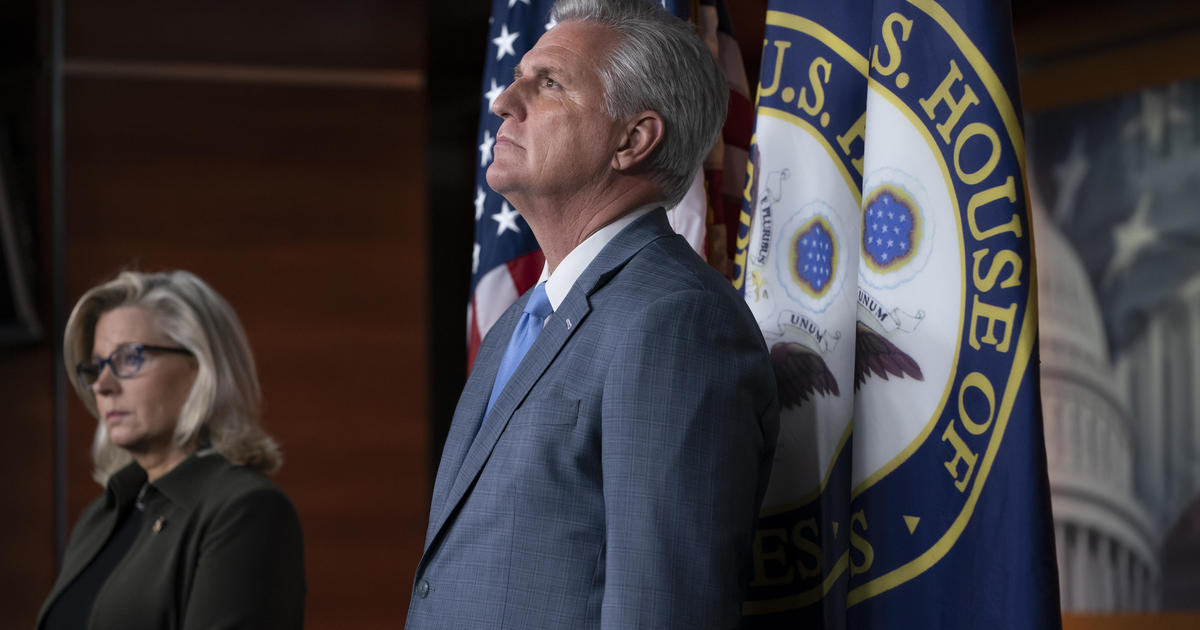
She was once seen as the rising star of the Republican Party, but for Wyoming Congresswoman Liz Cheney, the tides have shifted, and she now finds herself on the outs with the leadership of the GOP. Cheney’s vote to impeach President Donald Trump gained her national attention and accolades from across the aisle, and consequently, several enemies within her own party. Cheney comes with pedigree, profile and a strong following, but with Republicans boasting a record 35 women in Congress, the ousting of Cheney might not have the impact it once did. “It remains to be seen if this decision is a reflection of the Republicans’ willingness to remove a woman from leadership when they aren’t worried about having a ‘woman problem’ in their delegation,” said Dr. Mary-Kate Lizotte, an expert in gender difference in politics and associate professor of political science at Augusta University. What happened Wednesday may have short- and long-term consequences for the Republican party, including how it shapes itself for mid-term elections and the 2024 presidential election. If you are a journalist covering this topic, then let our experts help. Dr. Mary-Kate Lizotte is an expert in political behavior and the implications of gender differences in public opinion. She is available to talk about discuss gender roles in politics and the upcoming Senate runoffs in Georgia. Click on her name to schedule an interview.


UMW's psychological trauma expert Laura Wilson weighs in on survivors of recent mass shootings
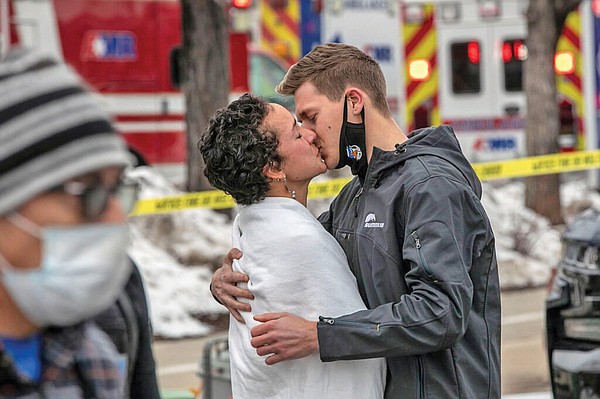
Media have been covering what has been a deadly year in America, with nearly a dozen mass shootings to date. UMW's psychological trauma expert Laura Wilson has been the go-to person to help journalists understand the impact these horrific events have on survivors. Recently, Dr. Wilson was interviewed about the recovery process American Olympic hopeful Maggie Montoya is facing after witnessing first-hand the shooting in Boulder, Colorado, as she prepares to represent America this summer in Tokyo. Laura C. Wilson, associate professor of psychology at the University of Mary Washington in Fredericksburg, Va., has focused on post-trauma functioning from mass trauma. She says most people's exposure and understanding of mass shootings consists of the immediate aftermath. "They see the news coverage of the crime scene and watch the investigators' news briefing," Wilson said. "Within a few days the news trucks leave and people's attention turns to the next major news event. This is when the grief and recovery work starts for the survivors." Wilson said every person will process the events differently. Some will have intense, acute reactions that subside in a few days or weeks. Effects could be chronic for others, and some experience delayed reactions. "Each person is different, and their recovery will look different," she said. Wilson didn't speak specifically about Montoya's running community but said community overall is a powerful strength for survivors in the aftermath of a mass shooting. "It creates a sense of belonging, which can promote psychological recovery," Wilson said. "Having supportive family and friends to validate the feelings and help you process your thoughts is certainly a protective factor." April 18 - The Northwest Arkansas Democrat-Gazette If you are a reporter looking to cover the issues survivors of mass-shooting events will experience, then let us help. Dr. Laura Wilson is a clinical psychologist whose expertise focuses on post-trauma functioning, particularly in survivors of sexual violence or mass trauma (e.g., terrorism, mass shootings, combat). Her research interests extend to predictors of violence and aggression, including psychophysiological and personality factors, as well as indicators of PTSD following mass trauma, long-term functioning among first responders, outcomes among survivors of sexual violence and the influence of media on mental illness stigma. Dr. Wilson is available to speak with media, simply click on her icon to arrange an interview today.

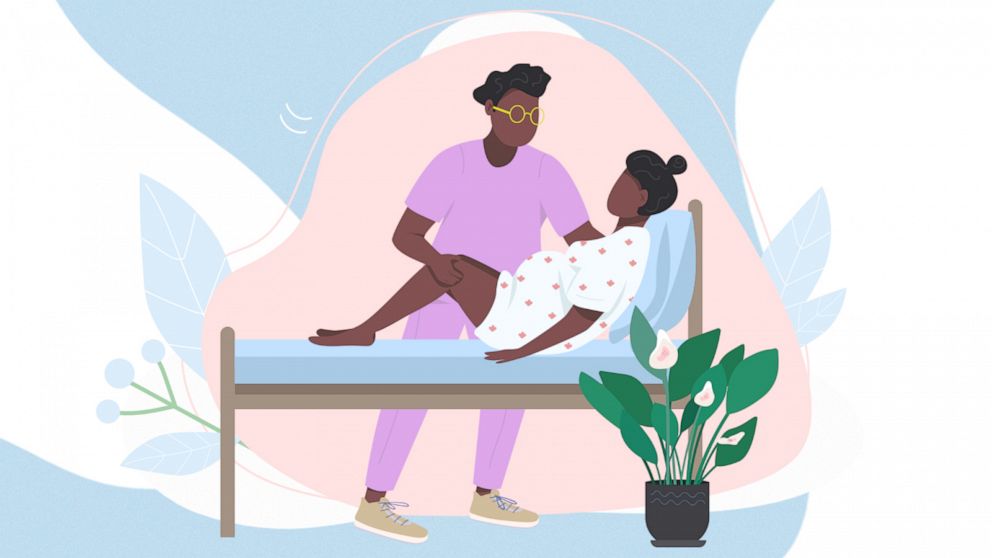
Earlier this week, President Joe Biden proclaimed that April 11 thru 17 would be Black Maternal Health Week in America. In Georgia, the state has consistently been ranked as one of the most dangerous places in this country to be a new mother. Approximately 26 Georgia women die from pregnancy complications for every 100,000 live births, compared to the national average of about 17 women. But even more devastating is the fact that about 60% of the state’s maternal deaths between 2012 and 2016 were found to be preventable, according to the Georgia Department of Public Health. And the mortality rates are much more tragic for Black women in Georgia. African American women are almost three times more likely to die from a pregnancy-related cause than white women in Georgia. Black mothers in rural areas of Georgia are at an even higher risk. “Maternal and infant mortality are really significant indicators of the quality of health in any area, so my colleagues around Georgia really felt challenged to do something that we hadn’t done in a long time in our state, which was to get the data,” says Dr. Chad Ray. “Because you can’t really fix something unless you know who and why. And then you assemble the stakeholders to formulate a plan to make a dent and to move the needle on something that is just so important.” This is an important topic that impacts mothers in Georgia and across the entire United States. And if you are a journalist looking to cover this topic – then let us help. Dr. Chad Ray is the Interim Section Chief of the Department of Obstetrics and Gynecology at the Augusta University Medical Center. He is an expert in the areas of maternal mortality & global women's health initiatives. Dr. Ray is available to speak with media about Black Maternal Health Week - simply click on his icon now to arrange an interview today.


What Can A Forgotten Piece of Our Opioid Addiction and Treatment History Teach Us?
As the nation struggles with the third wave of a continuing opioid epidemic, a newly republished book co-authored by Nancy Campbell, the head of the Department of Science and Technology Studies at Rensselaer Polytechnic Institute, offers insight into present-day drug addiction and treatment by exploring a complex chapter from the nation’s past. Written with JP Olsen and Luke Walden, The Narcotic Farm: The Rise and Fall of America’s First Prison for Drug Addicts details the history of the United States Narcotic Farm, a federal institution that opened in 1935 outside of Lexington, Kentucky. Jointly operated from 1935 to 1975 by the U.S. Public Health Service and the Federal Bureau of Prisons, the Narcotic Farm was a combination prison, hospital, working farm, rehabilitation center, and research laboratory. “All of our scientific knowledge about human opioid addiction comes from that time, comes from that place,” said Campbell, a leading figure in the social history of drugs, drug policy, and harm reduction, on an episode of the Landmark Recovery Radio podcast. The facility, which was also the subject of a 2009 documentary featuring Campbell, has a complicated legacy. It revolutionized treatment methods commonly accepted today, such as using methadone to medically manage heroin detox and the development of drugs like naloxone and buprenorphine. But it fell under a cloud of suspicion in 1975, when Congress learned that researchers had recruited patients as test subjects for CIA-funded LSD experiments as part of the notorious MK-Ultra project. “With the ongoing opioid epidemic worsening this past year in the midst of the COVID-19 pandemic, the lessons learned in this book continue to be relevant today,” Campbell said. Campbell is also the author of Using Women: Gender, Drug Policy, and Social Justice and Discovering Addiction: The Science and Politics of Substance Abuse Research, as well as the co-author of Gendering Addiction: The Politics of Drug Treatment in a Neurochemical World. Her most recent book, OD: Naloxone and the Politics of Overdose, was published in 2020. “Nobody should die of overdose. A high overdose death rate signals that we have not cared for the people who have been hurt most by the war on drugs, first pursued by President Dwight D. Eisenhower in 1954,” Campbell said in a recent “Academic Minute” segment. Campbell is available to discuss a wide range of topics relating to drug policy and history, including the Narcotic Farm.


Immigration history expert can provide insight on anti-Asian racism in the U.S.
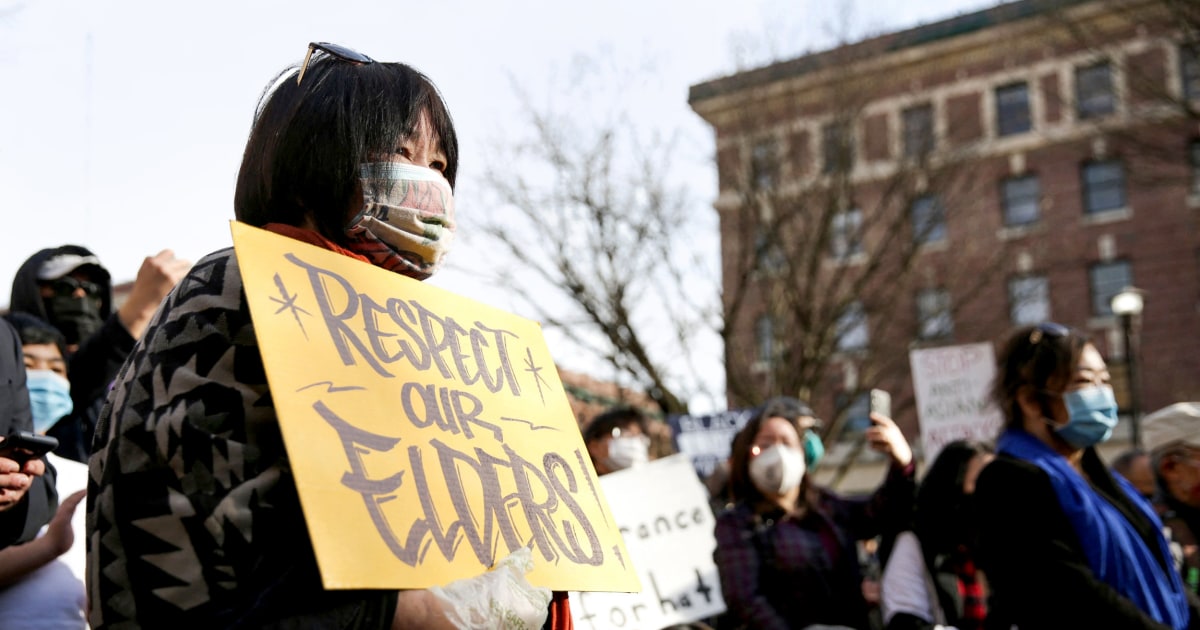
Anti-Asian hate crimes are on the rise in America, and new data has revealed over the past year that the number of these incidents — which can include shunning, verbal harassment and physical attacks — is greater than previously reported. And a disproportionate number have been directed at Asian women, such as the recent Atlanta spa shootings and the assault on an elderly woman in San Francisco. The research released by reporting forum Stop AAPI Hate on Tuesday revealed nearly 3,800 incidents were reported over the course of roughly a year during the pandemic. It’s a significantly higher number than last year's count of about 2,800 hate incidents nationwide over the span of five months. Women made up a far higher share of the reports, at 68 percent, compared to men, who made up 29 percent of respondents. The non-profit does not report incidents to police. The data, which includes incidents that occurred between March 19 of last year and Feb. 28 of this year, shows that roughly 503 incidents took place in 2021 alone. Verbal harassment and shunning were the most common types of discrimination, making up 68.1 percent and 20.5 percent of the reports respectively. The third most common category, physical assault, made up 11.1 percent of the total incidents. More than a third of incidents occurred at businesses, the primary site of discrimination, while a quarter took place in public streets. According to the data, Asian women report hate incidents 2.3 times more than men. A further examination of the submitted reports showed that in many cases, the verbal harassment that women received reflected the very intersection of racism and sexism. March 16 – NBC News If you’re a journalist covering this news story, then let us help. Dr. Krystyn Moon is an expert in U.S. immigration history, popular culture, race and ethnic studies – and is available to speak with media regarding the recent study and the history of the anti-Asian racism and violence in the United States. If you are looking to arrange an interview, simply click on her icon now to book a time today.


Villanova University Professor Breaks Down Wage Gaps as Equal Pay Day Approaches
March 24 marks Equal Pay Day, dedicated to public awareness of the difference in average earnings between men and women. This will be the 25th Equal Pay Day since it was created by the National Committee on Pay Equity. David Anderson, PhD, is an associate professor of analytics at the Villanova School of Business, whose academic research focuses on how companies can measure and address gender pay gaps. (Along with his doctoral advisor, Dr. Anderson also started PayAnalytics, which helps companies measure and close gender and racial pay gaps. They've worked with companies that have from 40 to 100,000 employees to help them close pay gaps.) He explains that there are two key numbers to consider regarding pay gaps: "The 'raw' or 'unadjusted' pay gap is the number when we say, 'women earn 77 cents on the dollar compared to men,'" said Dr. Anderson. "The second is the 'adjusted' pay gap, which is typically smaller, in the single digits of percentages. This is what equal pay for equal work laws usually target." Anderson notes that these divides are calculated differently: "The unadjusted pay gap is a society issue in terms of who has access to education and opportunity, who gets promoted and which types of work are paid more or less money. The adjusted pay gap is calculated within companies and measures how much less women are paid on average compared to men with similar qualifications doing similar work. These are driven by such things as access to overtime, but also this is where bias comes into play—both individual bias and systemic bias." The intersection of gender and sexuality poses additional influence on pay gaps (as well as other workplace discrepancies), and progress on addressing wage gaps is also changing due to our current world. "I think with COVID and the impact it has taken on women's careers, particularly on mothers, it is quite likely we are moving backwards right now," said Dr. Anderson. So how do we combat these gaps? Dr. Anderson believes one step is instituting company regulations. "There's a ton of work on the adjusted pay gap, but very little on the raw pay gap. This is understandable—no one company can fix the unadjusted pay gap by itself, but they can be expected to meet equal pay for equal work requirements. The adjusted pay gap is a company-level responsibility, so it is a really nice target for regulations, while the unadjusted pay gap requires broader social changes, e.g., more flexible parental leave and more access to managerial positions." For the future, Dr. Anderson predicts changes due to COVID: "I think on the domestic front the effects of COVID will definitely make things worse in the short-term. But I think equal pay is on the Biden administration's agenda, so there's probably going to be forward movement on that front on a national level as well as in states, such as California, Massachusetts and New York, that are passing and enforcing stricter laws which will start to have an impact as well," said Dr. Anderson.

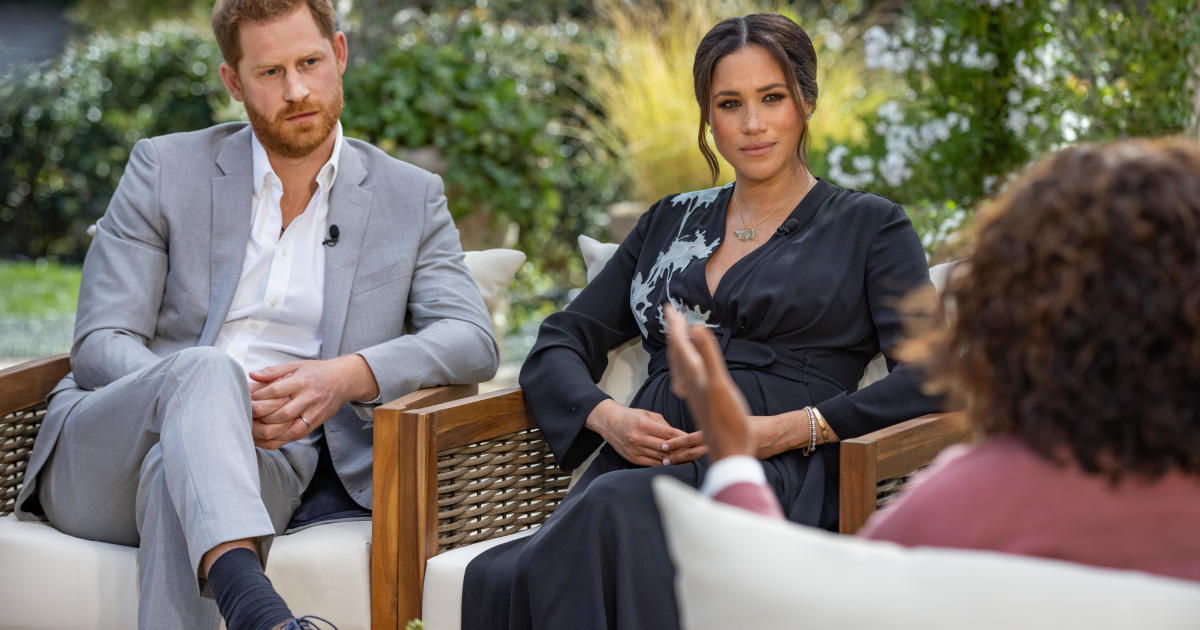
It was hyped, promoted and delivered a ratings bonanza for CBS. Oprah Winfrey’s exclusive, no-holds barred interview with Meghan Markle and Prince Harry, left many aghast by her revelations of mistreatment, constant abuse in the media and even Meghan's experience of racism when it came to the status, security and skin color of her then unborn son. Even the day after, Oprah, praised for her masterful interviewing skills, is still revealing excerpts that shine a brighter light on the situation. The Duchess of Sussex claimed the press team that would defend the royal family "when they know something's not true" failed to come to their defense. Winfrey asked Prince Harry if he hoped his family would ever acknowledge that the differences in treatment were over race. "It would make a huge difference," he said. "Like I said, there's a lot of people that have seen it for what it was… like it's talked about across the world." The people who do not want to see it, Harry claimed, "choose not to see it." March 08 – CBS News The interview has the public discussing racism and misogyny and how these are playing out in the Royal Family dynamics and the British press. And if you are a journalist looking to explore this issue, then let our experts help. Dr. Adria Goldman’s research explores the intersectionality of race, gender, culture and its connection to communication and media. She enjoys examining media’s impact on perceptions, construction of identity, social relationships and belief systems. Dr. Goldman is available to speak with media regarding Oprah Winfrey's interview with Meghan Markle and Prince Harry and what it means when it comes to race, royalty and what impact it may have on the couple and the Royal Family moving forward. If you are looking to arrange an interview, simply click on her icon now to book a time today.


Comfort Women – UConn expert weighs in as a dark piece of history returns to light
A recent article in an academic journal claiming that Korean comfort women -- imprisoned, raped, and subjected to brutal atrocities during World War II -- were "prostitutes" who had willingly entered indentured contracts set off a firestorm of controversy and a chorus from historians and academics calling for the paper's retraction. It's a topic garnering international attention as survivors continue to seek resolution, compensation, and acknowledgement of the past. UConn's Alexis Dudden is a professor of history specializing in Japan and Korea who has heard stories from survivors first-hand and is among those scholars calling out the erroneous claims: A recent academic journal article by the professor — in which he described as “prostitutes” the Korean and other women forced to serve Japan’s troops — prompted an outcry in South Korea and among scholars in the United States. It also offered a chance, on the Zoom call last week, for the aging survivor of the Japanese Imperial Army’s brothels to tell her story to a group of Harvard students, including her case for why Japan should issue a full apology and face international prosecution. “The recent remarks by the professor at Harvard are something that you should all ignore,” Lee Yong-soo, a 92-year-old in South Korea and one of just a handful of so-called comfort women still living, told the students. But the remarks were a “blessing in disguise” because they created a huge controversy, added Ms. Lee, who was kidnapped by Japanese soldiers during World War II and raped repeatedly. “So this is kind of a wake up call.” The dispute over the academic paper has echoes of the early 1990s, a time when the world was first beginning to hear the voices of survivors of Japan’s wartime sexual slavery in Asia — traumas that the region’s conservative patriarchal cultures had long downplayed. Now, survivors’ testimony drives much of the academic narrative on the topic. Yet many scholars say that conservative forces are once again trying to marginalize the survivors. “This is so startling, 30 years later, to be dragged back, because in the meantime survivors from a wide range of countries found a voice,” Alexis Dudden, a historian of Japan and Korea at the University of Connecticut who has interviewed the women. In dual articles from The New Yorker and The New York Times, Dr. Dudden weighed in on the controversial journal article and offered her findings on the atrocities committed against the women: Alexis Dudden, the historian of Japan and Korea, was one of the scholars invited to publish a reply to Ramseyer in the journal. In her comment, she observes that a reason for studying past atrocities is to try to prevent similar occurrences in the future, “not to abuse history by weaponizing it for present purposes.” She told me of meeting Korean comfort women in Tokyo, in 2000, at the Women’s International War Crimes Tribunal on Japan’s Military Sexual Slavery. “One of them had her tongue cut out,” she said. “Another woman literally lifted up her hanbok to show me where one of her breasts had been lopped off.” Dudden said that the tribunal was “a big watershed in terms of understanding how oral testimony really was necessary, to shift the legal approach but also in terms of doing historical evidence gathering” in the study of crimes against humanity. In some sense, such testimony of atrocities is seemingly irrefutable. But historians such as Dudden continually seek to verify it, producing knowledge of unspeakable horrors, through cycles of historical denial, political conflict, and diplomatic irresolution. If you are a journalist covering this topic, Dr. Dudden is available to speak with media about how history is playing a role in the current controversy. Click on her icon to arrange an interview today.


March is Women’s History Month – Let the expert from Georgia Southern help if you are covering
March is Women’s History Month – a full month dedicated to the efforts, rights and advancement of women in America. Felicity Turner, Ph.D., associate professor of history at Georgia Southern University, specializing in women’s issues and is regularly featured in media speaking to the subject. "This year, the pandemic has clearly demonstrated that, despite the great strides that all women have made toward achieving equality, much remains to be done," said Turner. "In many households, ever more women have taken on the multiple roles of principal caretaker and schoolteacher, while holding down full-time jobs. "Looking to the past helps us understand why the burden of this labor has fallen disproportionately on the shoulders of women. Importantly, however, history also helps us appreciate how women today can continue to work toward equality in the future." If you are a journalist looking to cover this angle, or any other aspect of Women’s History Month – then let us help with your coverage. Felicity Turner is available for interviews — simply reach out to Georgia Southern Director of Communications Jennifer Wise at jwise@georgiasouthern.edu to set and time and date.
