Experts Matter. Find Yours.
Connect for media, speaking, professional opportunities & more.

With the MOMitor™ app, Florida mothers have better maternal care right at their fingertips
A program spearheaded by University of Florida physicians recently expanded to improve care for new mothers throughout the state, using tools they have right at home. Five years ago, a team of obstetricians and researchers at the UF College of Medicine launched MOMitor™, a smartphone app that allows new mothers to answer health screening questions and check vitals like blood pressure in the comfort of their own homes, using tools given to them by their health care providers. Depending on the data, the clinical team can then follow up with patients as needed for further medical intervention. Now, the app is expanding beyond North Central Florida — where nearly 4,400 mothers have participated in the program — to other areas in the state. Clinicians are also teaming up with data scientists at the College of Medicine who are using artificial intelligence to study data and identify trends that can lead to more personalized care. Program expansion Thanks to funding from the Florida Department of Health to support the state’s Telehealth Maternity Care Program, MOMitor™ has recently expanded for use in Citrus, Hernando, Sumter, Flagler, Volusia, Martin, St. Lucie and Okeechobee counties, said Kay Roussos-Ross, M.D. ’02, MPAS ’98, a UF professor of obstetrics/gynecology and psychiatry who is leading the program. “The Florida Legislature was really motivated and interested in improving maternal morbidity and mortality, and through this program we’re touching additional parts of the state and helping patients beyond North Central Florida,” she said. Maternal mortality is a serious concern in the United States, with more than 18 deaths recorded per 100,000 births in 2023, according to the latest data available from the U.S. Centers for Disease Control and Prevention. This is a much higher rate than most other developed countries, Roussos-Ross said. Common factors that may lead to maternal mortality, which is measured from pregnancy through the first year after giving birth, include infection, mental health conditions, cardiovascular conditions and endocrine disorders. Many of these complications can go unnoticed or unmonitored, particularly if at-risk mothers are not reporting complications to clinicians. A 2025 study published in the Journal of the American Medical Association shows that up to 40% of women do not attend postpartum visits. “By leveraging AI, we have the opportunity to target moms and moms-to-be who might be at greater risk of complications ... and encourage them to participate in the program to mitigate these.” — Tanja Magoc, Ph.D. “Whereas we’re used to seeing patients pretty routinely during pregnancy, after delivery visits quickly drop off and some women don’t make it back for postpartum care, so we may not have an opportunity to continue supporting them,” Roussos-Ross said. “This can often be because of barriers such as housing, transportation or food insecurity. We offer referrals to help with some of these services.” With MOMitor™, patients can let their clinician know how they are recovering without visiting the clinic, improving access to care in situations where that is not always an easy option for new mothers. “It’s a way to be proactive,” Roussos-Ross said. “Instead of waiting for a patient to come to us when they haven’t been doing well for a while, we connect with them through the app and follow up when they initially begin not doing well, so we can address concerns more quickly.” Studying data to personalize care Roussos-Ross’ team is collaborating with data scientists from the College of Medicine’s Quality and Patient Safety initiative, or QPSi, to determine how AI can assist in finding ways to further improve processes. “By leveraging AI, we have the opportunity to target moms and moms-to-be who might be at greater risk of complications, such as developing postpartum depression or hypertension, and encourage them to participate in the program to mitigate these complications,” said Tanja Magoc, Ph.D., the associate director of QPSi’s Artificial Intelligence/Quality Improvement Program. David Hall, Ph.D., a QPSi data scientist, said his team is working alongside the clinical team to analyze data that can be used to create recommendations for patients. “Everything we do comes from information supported in the patients’ charts,” Hall said. “We also make sure the data upholds compliance standards and protects patients’ privacy.” “We’re interested in finding out what areas might be hot spots and determining what makes them this way, so we can ... better identify areas where there may be high-risk patients and provide interventions to those who need it most.” — David Hall, Ph.D. The teams aim to intervene before patients encounter postpartum complications, addressing potential issues before they become significant problems. After taking into account a patient’s personal and family medical history, the team looks at information such as geolocation, drilling down to areas much smaller than the ZIP code level in order to find points of potential concern. “We’re interested in finding out what areas might be hot spots and determining what makes them this way, so we can study these patterns throughout the state and better identify areas where there may be high-risk patients and provide interventions to those who need it most,” Hall said. Roussos-Ross said she is proud of the work her team has done to improve patient outcomes through the program so far and is excited to empower more patients. “Every year, the participants give us recommendations on how to improve the app, which we love. But they also say, ‘This is so great. It helped me think about myself and not just my baby. It helped me learn about taking care of my own health. It made me remember I’m important too, and it’s not just about the baby,’” Roussos-Ross said. “And that is so gratifying, because women are willing to do anything to ensure the health of their baby, sometimes at the expense of their own care. This is a way for us to let them know they are still important, and we care about their health as well.”


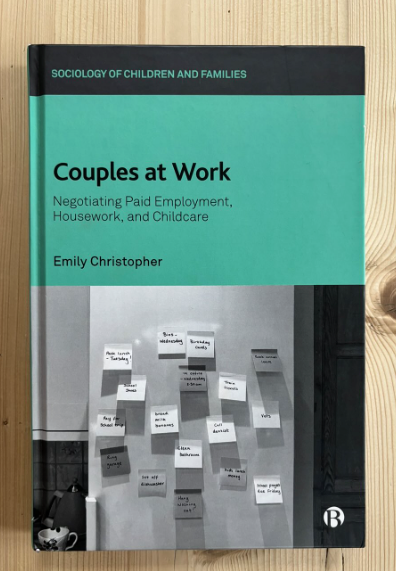
New book from Aston University academic shows that Christmas tasks mostly fall on women
New book by Dr Emily Christopher shows differences in how household tasks are divided by men and women Book highlights that women tend to buy the Christmas presents and send cards Men often see women as being more thoughtful or having better knowledge of what people would like. A new book from Aston University’s Dr Emily Christopher reveals that when it comes to sending Christmas cards and buying Christmas presents, women are still mostly doing the work as they are perceived to have better knowledge of what people would like. Dr Emily Christopher, a lecturer in sociology and policy at Aston School of Law and Social Sciences, has recently published her book Couples at Work: Negotiating Paid Employment, Housework and Childcare, which look at how household tasks are divided by men and women and the reasons behind these divisions. The data for the book has been collated over an eight-year period with couples being interviewed twice to provide a robust set of results. It looks at how different sex parent couples combined paid work, housework and childcare. The research revealed how gender norms continue to shape how certain daily household jobs are divided. Women were more likely than men to clean the house, especially bathrooms, wash clothes and put clothes away. Men still tend to do tasks like mowing the lawn and DIY but now are also more likely to do the cooking and the grocery shopping. The research shows that the key to understanding how household tasks are divided lies in the meaning they hold for partners. With the festive season upon us, the book reveals that woman are largely responsible for the Christmas present buying and sending cards with 100% of those taking part in the research saying that women mostly carried out these tasks. This also included buying for the male partner's relatives. In instances where men had a 'helping' role in these tasks, this included being involved in the discussion or consulting on choice of presents, especially for children, with only a small minority buying presents for their own family. The data revealed that where women didn't choose and buy presents for their partners family, they were still involved in reminding their partners that this needed to be done or advising on choice of gifts, showing that women were still taking on the mental load of planning for the festive season. The book reveals that when men were questioned about why they didn't get involved in present buying, they drew on gender norms. Women were often described, by the men, as being more thoughtful or having better knowledge of what people would like. Men often described how family members wouldn’t receive presents at all if it relied on them. Although much of the gift giving and organising represented love and affection for the women, which many found enjoyable, many still saw it as work and expressed that they would like their partners' to be more involved. Dr Christopher said: “This book takes an in-depth look at the way in which everyday roles around the household are divided between men and women. “The research shows that over a period of eight years fathers increased their role in childcare tasks but this did not always extend to housework. “The pandemic was an opportunity to change how couples share housework but women were still more likely to carry out tasks like cleaning, washing clothes and putting clothes away and overwhelmingly remained responsible for the mental orchestration of family work.”


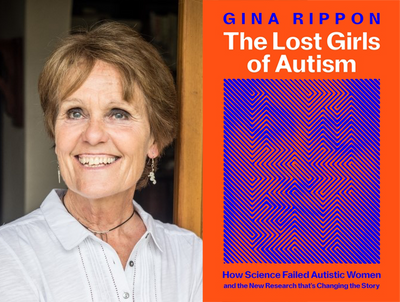
Gina Rippon, professor emeritus of cognitive neuroimaging at Aston University, has won an award for her book, The Lost Girls of Autism The book won the 2025 British Psychological Society Popular Science Award It explores the emerging science of female autism, and examines why it has been systematically ignored and misunderstood for so long. The Lost Girls of Autism, the latest book from Gina Rippon, professor emeritus of cognitive neuroimaging at Aston University Institute of Health and Neurodevelopment (IHN), has won the 2025 British Psychological Society (BPS) Popular Science Award. The annual BPS Book Awards recognise exceptional published works in the field of psychology. There are four categories – popular science, textbook, academic monograph and practitioner text. With the subtitle ‘How Science Failed Autistic Women and the New Research that’s Changing the Story’, The Lost Girls of Autism explores the emerging science of female autism, and examines why it has been systematically ignored and misunderstood for so long. Historically, clinicians believed that autism was a male condition, and simply did not look for it in girls and women. This has meant that autistic girls visiting a doctor have been misdiagnosed with anxiety, depression or personality disorders, or are missed altogether. Many women only discover they have the condition when they are much older. Professor Rippon said: “It's such a pleasure and an honour to receive this award from the BPS. It’s obviously flattering to join the great company of previous winners, but I’m also extremely grateful for the attention drawn to the issues raised in the book. “Over many decades, due to autism’s ‘male spotlight’ problem, autistic girls and women have been overlooked, deprived of the help they needed, and even denied access to the very research studies that could widen our understanding of autism. This book tells the stories of these girls and women, and I’m thrilled to accept this prize on their behalf.”


Reviving the Christmas Spirit: Forgotten Christmas Traditions to Reclaim the Christmas Season
Christmas is just around the corner and many families have already decorated their homes and started celebrating their Christmas traditions – but many stores have had their Christmas products out for months. This early bombardment of holiday advertisements and adornments often takes away from the excitement. So how do you recapture the true spirit of Christmas? Baylor University Honors College professor Michael Foley, Ph.D., who teaches in the Great Texts Program, has researched the history of common Christmas traditions and uncovered forgotten customs. “Christmas is indeed the most wonderful time of year, and that wonder is increased when we understand why we do the things we do,” Foley said. “Our delight in the season becomes greater when we appreciate the history and symbolism of the Christmas tree or why we kiss under the mistletoe.” Foley shares three practices to recapture the essence of Christmas and bring more joy to the season for your family. Enjoy the 12 Days of Christmas Historically, the season of Advent during the weeks leading up to Christmas was a period of joyful restraint and preparation. During the Twelve Days of Christmas, from Christmas Day on Dec. 25 to the Feast of the Epiphany on Jan. 6, people would celebrate a release with a continuous period of leisure and merriment. “Today, the Christmas season seems to start earlier and earlier each year. In the 20th century, the commercial season began the day after Thanksgiving, but now stores inundate the market with Christmas decorations much earlier,” Foley said. “The problem with this arrangement is that by the time Christmas finally comes, you’re tired of it. The older model has an organic build-up to the big day and then a great, 12-day release.” Returning to a slower-paced season full of cheerful spirits in the 12 days following Christmas is a way to recenter, refocus and reignite your Christmas spirit, Foley said. Capture the Joy of Incarnation It’s easy to get caught up in the festivities and pressure of the holiday, but it is also important to return to the reason behind Christmas, Foley said, and take time to understand the meaning behind what seem like meaningless customs. “The best traditions capture the fact that God became man in order to redeem us from our sins out of sheer love for us,” he said. Practices like caroling and gathering with family for food and drink are all acts of gratitude and joy that can remind us of God’s love. What may seem like typical holiday decorations, the holly wreath and the Christmas tree, are actually symbols of Christ bringing new life, Foley said. Embrace the Bizarre Today, Christmas is surrounded by a light, cheery feeling. But history tells us that there has always been a certain “dark side” of Christmas. “There is a reason why Ebenezer Scrooge was visited by three ghosts on Christmas Eve,” Foley said. “All of winter was the season of fiends, and they were not happy that the winter solstice around Christmas Day marked the beginning of the end of the long dark nights and that Jesus Christ was born and triumphed over evil.” Other traditions involve swapping places with someone such as a parent and child, abbots and novices, or men and women. “At one time, this custom of inverted social roles played an important role in gaining clarity and releasing tension in a hierarchical society,” Foley said. While this might seem useless, impractical, or even pointless today, it can still offer value to the Christmas joy. “These inversion customs are a giddy imitation of the ultimate inversion in all of history,” Foley said. “That Almighty God chose to become a little baby in a measly manger.” Although some forgotten customs might seem odd to us today, there can be a certain kind of wisdom behind them – a wisdom that leads us back to the true spirit of Christmas, Foley said. After all, even Ebenezer Scrooge was able to find joy in Christmas again. Michael Foley is a Professor of Patristics in the Honors College at Baylor University and the author of 17 books, including Why We Kiss under the Mistletoe: Christmas Traditions Explained. Looking to know more or arrange an interview? Simply contact: Shelby Cefaratti-Bertin today.

Violence alters human genomes for generations, researchers discover
In February of 1982, the Syrian government besieged the city of Hama, killing tens of thousands of its own citizens in sectarian violence. Four decades later, rebels used the memory of the massacre to help inspire the toppling of the Assad family that had overseen the operation. But there is another lasting effect of the attack, hidden deep in the genes of Syrian families. The grandchildren of women who were pregnant during the siege — grandchildren who never experienced such violence themselves — nonetheless bear marks of it in their genomes. Passed down through their mothers, this genetic imprint offers the first human evidence of a phenomenon previously documented only in animal models. The genetic transmission of stress across multiple generations. “The idea that trauma and violence can have repercussions into future generations should help people be more empathetic, help policymakers pay more attention to the problem of violence,” said Connie Mulligan, Ph.D., a professor of Anthropology and the Genetics Institute at the University of Florida and co-senior author of the new study. “It could even help explain some of the seemingly unbreakable intergenerational cycles of abuse and poverty and trauma that we see around the world, including in the U.S.” While our genes are not changed by life experiences, they can be tuned through a system known as epigenetics. In response to stress or other events, our cells can add small chemical flags to genes that may quiet them down or alter their behavior. These changes may help us adapt to stressful environments, although the effects aren’t well understood. It is these tell-tale chemical flags that Mulligan and her team were looking for in the genes of Syrian families. While lab experiments have shown that animals can pass along epigenetic signatures of stress to future generations, proving the same in people has been nearly impossible. “Resilience and perseverance is quite possibly a uniquely human trait.” —Connie Mulligan Mulligan worked with Rana Dajani, Ph.D., a molecular biologist at Hashemite University in Jordan and co-senior author, as well as anthropologist Catherine Panter-Brick, Ph.D., of Yale University, to conduct the unique study. Dajani envisioned the research project; because of her intimate knowledge of the Syrian population and its tragic history, she designed the study to cover three generations of Syrian refugees to Jordan. Some families had lived through the Hama attack before fleeing to Jordan. Other families avoided Hama, but lived through the recent civil war against the Assad regime. The team collected samples from grandmothers and mothers who were pregnant during the two conflicts, as well as from their children. This study design meant there were grandmothers, mothers and children who had each experienced violence at different stages of development. A third group of families had immigrated to Jordan before 1980, avoiding the decades of violence in Syria. These early immigrants served as a crucial control to compare to the families who had experienced the stress of civil war. Study coauthor Dima Hamadmad, a Syrian researcher and the daughter of refugees, led the search for families that met the study criteria and collected cheek swabs from 138 people across 48 families. "The participants took part in the research out of love for their children and concern for future generations,” she said. “But more than that, they wanted their stories of trauma to be heard and acknowledged.” Back in Florida, Mulligan’s lab scanned the DNA for epigenetic modifications and looked for any relationship with the families’ experience of violence. In the grandchildren of Hama survivors, the researchers discovered 14 areas in the genome that had been modified in response to the violence their grandmothers experienced. These 14 modifications demonstrate that stress-induced epigenetic changes may indeed appear in future generations in humans, just as they can in animals. The study also uncovered 21 epigenetic sites in the genomes of people who had directly experienced violence in Syria. In a third finding, the researchers reported that people exposed to violence while in their mothers’ wombs showed evidence of accelerated epigenetic aging, a type of biological aging that may be associated with susceptibility to age-related diseases. Most of these epigenetic changes showed the same pattern after exposure to violence, suggesting a kind of common epigenetic response to stress – one that can not only affect people directly exposed to stress, but also future generations. “We think our work is relevant to many forms of violence, not just refugees. Domestic violence, sexual violence, gun violence: all the different kinds of violence we have in the U.S,” said Mulligan. “We should study the effects of violence. We should take it more seriously.” It’s not clear what, if any, effect these epigenetic changes have in the lives of people carrying them inside their genomes. But some studies have found a link between stress-induced epigenetic changes and diseases like diabetes. One famous study of Dutch survivors of famine during World War II suggested that their offspring carried epigenetic changes that increased their odds of being overweight later in life. While many of these modifications likely have no effect, It’s possible that some have functional effects that can affect our health, Mulligan said. The researchers published their findings, which were supported by the National Science Foundation, Feb. 27 in the journal Scientific Reports. While carefully searching for evidence of the lasting effects of war and trauma stamped into our genomes, Mulligan and her collaborators were also struck by the perseverance of the families they worked with. Their story was much bigger than merely surviving war, Mulligan said. “In the midst of all this violence we can still celebrate their extraordinary resilience. They have persevered,” Mulligan said. “That resilience and perseverance is quite possibly a uniquely human trait.”

Self-Guided Hypnosis Significantly Reduces Menopausal Hot Flashes
Can a simple daily audio hypnosis session help women find relief from one of menopause’s most disruptive symptoms – hot flashes – without medication? A new clinical trial led by Baylor University’s Gary R. Elkins, Ph.D., professor of psychology and neuroscience and director of the Mind-Body Medicine Research Laboratory, suggests it can. By decreasing hot flash frequency and intensity by over 50%, self-guided hypnosis offers a nonhormonal option for the millions of women whose hot flashes interfere with sleep, mood and quality of life. Published in the journal JAMA Network Open, the multicenter randomized clinical trial evaluated the effectiveness of a six-week, self-administered hypnosis program compared to a sham control using white noise. The study enrolled 250 postmenopausal women experiencing frequent hot flashes, including nearly 25% with a history of breast cancer – a group often excluded from hormone-based treatments. “It is estimated that over 25 million women in the United States have hot flashes, with up to 80% of women in the general population reporting hot flashes during the menopause transition, and 96% of women with breast cancer report hot flashes soon after beginning anti-cancer therapy,” Elkins said. “While hormone replacement therapy is highly effective in reducing hot flashes, it is not a safe choice for everyone, and therefore, women need additional safe and effective alternatives.” After six weeks of daily self-hypnosis audio recordings, participants reported a 53.4% reduction in both frequency and intensity of hot flashes, and at the 3-month follow-up, hot flashes were reduced by 60.9% compared to a 40.9% reduction for women in the control group. The guided self-hypnosis intervention had an even larger treatment effect on reducing hot flashes in women with a history of breast cancer (64% reduction after six weeks). Self-guided hypnosis: A breakthrough approach The study is the first to compare self-guided hypnosis with an active control condition (i.e. sham white noise control group), allowing researchers to better understand how much of the benefit came from people’s expectations or the placebo effect. “This was a major breakthrough and innovation, as almost all prior studies of mind-body interventions have only used wait-list, psycho-education or simple relaxation to compare the active hypnotherapy intervention,” Elkins said. “Also, all sessions were self-administered hypnosis, which demonstrated that women could learn how to use hypnosis for hot flashes on their own with support and guidance. Elkins emphasized that self-hypnosis provides benefits that are easily learned and practiced using audio recordings or app-delivered hypnotherapy. “It can be practiced at home without needing to travel for doctor visits, and it is relatively inexpensive compared to in-person sessions,” Elkins said. “Once a person learns how to use self-hypnosis to reduce hot flashes and improve sleep, it can be used for other purposes such as managing anxiety, coping with pain and for stress management.” At the 12-week follow-up, participants in the self-guided hypnosis group showed a 60.9% reduction in hot flashes as well as significantly greater improvements in sleep, mood, concentration and overall quality of life. Nearly 90% of participants in the hypnosis group reported feeling better, compared to 64% in the control group. “We are very excited about the findings from this important study,” Elkins said. “Our ongoing research aims to further determine how self-hypnosis can significantly improve sleep for breast cancer survivors and women in the peri- to post-menopause transition.” Through this and other studies, Elkins and his team have been able to determine that hypnotherapy is the only behavioral intervention consistently shown to reduce the frequency and severity of hot flashes to a clinically significant amount among both post-menopausal women and breast cancer survivors.


The Conversation: A UF neuroscientist explains the science of pain
Nobody likes to feel pain, but it’s something every person will experience at some point in their life. But why is that? I am a neuroscientist, and my job is to research why and how people feel pain in order to help doctors understand how to treat it better. What is pain? To understand why people feel pain, it helps first to understand what pain is. Pain is the unpleasant sensation you feel when your body is experiencing harm, or thinks it is. Not everyone experiences pain the same way. Pain is a highly personal experience influenced by a variety of biological, psychological and social factors. For example, research has shown differences in the pain experiences of women and men, young and older people, and even across people from different cultures. Danger signals A network of nerves similar to wires runs all through the human body, from the tips of your fingers and toes, through your back inside the spinal cord and up to your brain. Specialized pain receptors called nociceptors can be found at the end of the nerves on your skin, muscles, joints and internal organs. Each nociceptor is designed to activate its nerve if it detects a danger signal. One way scientists classify nociceptors is based on the type of danger signal that activates them. Mechanical nociceptors respond to physical damage, such as cuts or pressure, while thermal nociceptors react to extreme temperatures. Chemical nociceptors are triggered by chemicals that the body’s own tissues release when they are damaged. These receptors may also be triggered by external irritants, such as the chemical capsaicin, which gives chili peppers their heat. This is why eating spicy food can cause you pain. Finally, there are the nociceptors that are activated by a combination of various triggers. For example, one of these receptors in your skin could be activated by the poke of a sharp object, the cold of an ice pack, the heat from a mug of cocoa, a chemical burn from household bleach, or a combination of all three kinds of stimulation. How pain travels though the body When you fall and get a scrape, the mechanical nociceptors in your skin spring into action. As soon as you hit the ground, they activate an electrical signal that travels through the nearby nerves to the spinal cord and up to your brain. Your brain interprets these signals to locate the place in your body that is hurting and determine how intense the pain is. Your brain knows that a pain signal is an SOS message from your body that something isn’t right. So it activates multiple systems all at once to get you out of danger and help you survive. Your brain may call on other parts of your nervous system to release chemicals called endorphins that will reduce your pain. It may tell your endocrine system to release hormones that prepare your body to handle the stress of your fall by increasing your heart rate, for example. And it may order your immune system to send special immune cells to the site of your scrape to help manage swelling and heal your skin. As all of this is happening, your brain takes in information about where you are in the world so that you can respond accordingly. Do you need to move away from something hurting you? Did you fall in the middle of the road and now need to get out of the way of moving cars? Not only is your brain working to keep you safe in the moments after your fall, it also is looking ahead to how it can prevent this scenario from happening again. The pain signals from your fall activate parts of your brain called the hippocampus and anterior cingulate cortex that process memory and emotions. They will help you remember how bad falling made you feel so that you will learn how to avoid it in the future. But why do we need to feel pain? As this example shows, pain is like a warning signal from your body. It helps protect you by telling you when something is wrong so that you can stop doing it and avoid getting hurt more. In fact, it’s a problem if you can’t feel pain. Some people have a genetic mutation that changes the way their nociceptors function and do not feel pain at all. This can be very dangerous, because they won’t know when they’re hurt. Ultimately, feeling that scrape and the pain sensation from it helps keep you safe from harm. Yenisel Cruz-Almeida is a UF Associate Professor of Community Dentistry and Associate Director of the Pain Research & Intervention Center Of Excellence, University of Florida This article is republished from The Conversation's Curious Kids series under a Creative Commons license. Read the original article:


On Sunday, October 19, at 9:34 a.m., four masked individuals surged into the Louvre’s Galerie d’Apollon from a severed, second-floor window. Hurriedly, they smashed open two display cases, seized eight pieces of jewelry, then shimmied down a ladder and sped off on motorbikes toward Lyons. In seven minutes’ time, in broad daylight, they absconded with an estimated $102 million in valuables from the world’s most famous museum. This past Saturday, October 25, French authorities announced the first arrests in connection with the daring heist. However, despite the police’s progress, the country continues to litigate the matter—embroiled in discussions of heritage, history and national identity. Recently, Roderick Cooke, PhD, director of French and Francophone Studies at Villanova University, shared his perspective on the situation as well as the artifacts lost. Q: The Louvre heist has been described as “brazen,” “shocking” and a “terrible failure” on security’s part. Is there any sort of precedent for this event in the museum’s history? Dr. Cooke: Nothing on this scale has ever happened to the Louvre since its founding as a museum during the Revolution. The closest equivalent is the 1911 theft of the Mona Lisa by a former employee who claimed it should be returned to Italy. However, that was one painting, the heist was not committed by organized crime, and the Mona Lisa did not have the renown it enjoys today. The impact of the theft was thus lower, although it did cause major outrage and a sweeping law-enforcement response at the time. Ironically, that theft is often credited with making da Vinci’s painting the global icon it continues to be. Q: What has the reaction to this event been among the French people? DC: It’s harder to get a sense of reactions across French society, because so much of the aftermath has focused on the intellectual milieux’s opinions. And in those realms, it has immediately become a political football. Individuals positioning themselves as anti-elite or anti-status quo, such as Jordan Bardella of the National Rally party, have called the theft a “humiliation,” immediately tying it to French national prestige. Former President François Hollande has conversely and vainly called for the event to be de-polemicized, citing national solidarity. This is happening because the Louvre is one of the most visible manifestations of French soft power—the most-visited museum anywhere on Earth. As such, anything attacking its integrity becomes an attack on the nation, and how individual French citizens feel about the theft is closely tied to their broader view of the nation. Q: Several of the items stolen from the Louvre once belonged to Empress Eugénie. Could you share a bit of information on her story? DC: Eugénie de Montijo was a Spanish aristocrat who married the Emperor of the French, who ruled as Napoleon III between 1852 and 1870. It was a time of authoritarian repression and sham democracy—Napoleon III installed the Empire through a coup. Its clearest legacy is that Paris looks the way it does today largely because of the thorough modernizations overseen by Napoleon III’s appointee Baron Haussmann. So, Eugénie and her now-lost jewels represent a complex point in French history, when culture and the economy developed quickly, but did so in a climate of fear for any French person who opposed the regime too loudly (like Victor Hugo, who went into exile on the Channel Islands and wrote poems savaging Napoleon III and his deeds). Some accused the Empress of being responsible for the more hardline and conservative stances taken by her husband’s government. On a different note, she was a diligent patron of the arts and arguably the most significant figure in the contemporary fashion world, famous for setting trends such as the bustle that radiated across Europe. This explains the mix of anger and admiration that followed her depending on the sphere she was operating in. A new English-language biography argues that far from being a traditionalist, she was a pioneering feminist by the standards of the time. It looks like her historical importance will continue to be debated. Q: Interior Minister Laurent Nuñez described the stolen items as “of immeasurable heritage value.” How significant of a cultural loss do you consider this theft? DC: These jewels are referred to in French as “les Joyaux de la Couronne” (the Crown Jewels), but of course that phrase lands very differently in republican France than it does across the water in the United Kingdom. The items actually represent several different dynasties of French rulers, some of whom came to power through direct conflict with others. The now-ransacked display at the Louvre smoothed over these historical divisions, for which many French people died over the centuries. President Macron referred to the stolen items as embodying “our history,” which is emblematic of the French state’s work to create a conceptual present-day unity out of the clashes of the past. At a time when France is arguably more divided than at any point since World War II, any unitary symbol of identity takes on greater significance. Q: Do you have any closing thoughts on the artifacts taken and what they represent? DC: I’d reemphasize the previous point about the smoothing effect of the museum display on the violent history that made it possible. Much of the reporting on the stolen jewels lists off the different queens and empresses who owned them, without giving readers a sense of the complicated succession of regime changes and ideologies that put those women in power in the first place. The relative stability of the last 60-odd years is an anomaly in modern French history. This set of jewels and the names of their original owners may seem far removed from the concerns of an ordinary French citizen today, but just beneath their surface is a legacy of changing governments and tensions between social classes that survives in new forms in 2025.

Nursing researcher receives over $500K in prestigious grants
For the first time in nearly 15 years, a faculty member from Augusta University’s College of Nursing has been awarded a grant from the National Institutes of Health. Blake McGee, PhD, has secured an R03 award of $176,331 from the Eunice Kennedy Shriver National Institute of Child Health and Human Development to study Medicaid’s expanded role in late postpartum maternal health. But he hasn’t stopped there as McGee is also part of the fifth cohort of Betty Irene Moore Fellows, a prestigious program for nurse leaders and innovators that has awarded CON half a million dollars to support his research project and leadership development. McGee, the prelicensure department chair and an associate professor, is collaborating with colleagues from other Georgia universities on both studies, which are occurring simultaneously. “I began my career as an ER nurse and have always wanted to ask bigger questions about the challenges facing patients and how we might best address them as a society,” said McGee, who was recently selected for publication in Blood Advances, the American Society of Hematology’s journal. “As nursing scientists, we are uniquely poised to ask questions about healthcare policy, specifically from the vantage point of the impact that policy choices have on patients and their health outcomes.” This century, the United States has seen rising maternal mortality rates with alarming racial disparities. Over half of these deaths occur in the postpartum period, with 23% occurring more than six weeks after delivery. Medicaid expansion covers pregnant women in households below 138% of the Federal poverty level through postpartum day 60, which has been associated with decreased mortality and reduced racial disparity in maternal death. At the time of grant submission, pregnancy Medicaid eligibility traditionally lapsed 60 days after delivery, leaving postpartum people vulnerable to disruptions in care. McGee’s work aims to identify changes in maternal health care use and health outcomes 60 days to 1 year after delivery that were associated with state Medicaid expansions (2007–19). The team will examine whether the effects of expansion vary by maternal race or ethnicity and will explore whether patient-reported health care access and quality mediate the relationships between expansion and outcomes. “My hope is that after the study we’ll have a better understanding of how health and health care use change for women in this crucial late postpartum period and how they may differ for people of different backgrounds,” said McGee. “Due to the sample design, findings will reliably inform optimal policy for postpartum coverage duration.” He expects this study to provide preliminary data for a future R01-funded study that directly examines the impact of extending the duration of postpartum Medicaid under the American Rescue Plan. As part of the Betty Irene Moore Fellowship, McGee is one of 15 fellows across the nation in a curriculum co-delivered by the UC Davis School of Nursing and Graduate School of Management. A project coordinator from AU’s School of Public Health will also assist with the fellowship project. McGee hopes to involve graduate research assistants or recent alumni as research associates on the team. Specifically, McGee will be studying the Georgia Pathways to Coverage Program, making him one of the only academic researchers in the nation funded to do so. “As a researcher, it is always a privilege to engage in topics that directly impact the current state of health care, and I’m honored to tackle projects that are so relevant to today’s health policy headlines,” he said. Georgia stands out among other states that are exploring an extension of Medicaid to low-income, working-age adults who demonstrate a monthly commitment of 80 hours to an employment-related activity. By studying the effects of this program, McGee predicts the findings will be highly relevant to anticipating the impact of recent Medicaid changes at the federal level and may indicate differences between Pathways participants and those who might qualify but remain uninsured. This focus could provide data that helps the state target enrollment efforts. The state’s own logic model predicts that the program will reduce hospitalizations, and McGee is eager to determine the program’s success. “Our findings should be helpful to the state to better understand those enrolling, what their experience with increased access to care has been and how their health has improved after receiving coverage,” McGee said.


4 out of 5 US Troops Surveyed Understand the Duty to Disobey Illegal Orders
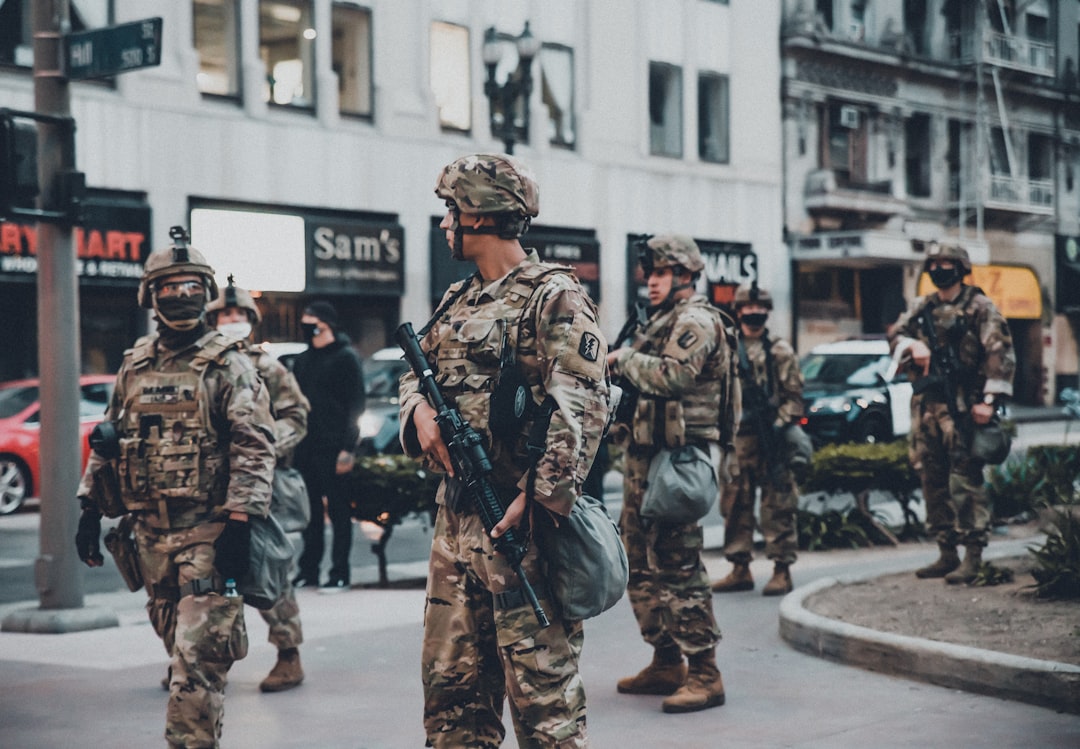
This article is republished from The Conversation under a Creative Commons license. Read the original article here. With his Aug. 11, 2025, announcement that he was sending the National Guard – along with federal law enforcement – into Washington, D.C. to fight crime, President Donald Trump edged U.S. troops closer to the kind of military-civilian confrontations that can cross ethical and legal lines. Indeed, since Trump returned to office, many of his actions have alarmed international human rights observers. His administration has deported immigrants without due process, held detainees in inhumane conditions, threatened the forcible removal of Palestinians from the Gaza Strip and deployed both the National Guard and federal military troops to Los Angeles to quell largely peaceful protests. When a sitting commander in chief authorizes acts like these, which many assert are clear violations of the law, men and women in uniform face an ethical dilemma: How should they respond to an order they believe is illegal? The question may already be affecting troop morale. “The moral injuries of this operation, I think, will be enduring,” a National Guard member who had been deployed to quell public unrest over immigration arrests in Los Angeles told The New York Times. “This is not what the military of our country was designed to do, at all.” Troops who are ordered to do something illegal are put in a bind – so much so that some argue that troops themselves are harmed when given such orders. They are not trained in legal nuances, and they are conditioned to obey. Yet if they obey “manifestly unlawful” orders, they can be prosecuted. Some analysts fear that U.S. troops are ill-equipped to recognize this threshold. We are scholars of international relations and international law. We conducted survey research at the University of Massachusetts Amherst’s Human Security Lab and discovered that many service members do understand the distinction between legal and illegal orders, the duty to disobey certain orders, and when they should do so. Compelled to disobey U.S. service members take an oath to uphold the Constitution. In addition, under Article 92 of the Uniform Code of Military Justice and the U.S. Manual for Courts-Martial, service members must obey lawful orders and disobey unlawful orders. Unlawful orders are those that clearly violate the U.S. Constitution, international human rights standards or the Geneva Conventions. Service members who follow an illegal order can be held liable and court-martialed or subject to prosecution by international tribunals. Following orders from a superior is no defense. Our poll, fielded between June 13 and June 30, 2025, shows that service members understand these rules. Of the 818 active-duty troops we surveyed, just 9% stated that they would “obey any order.” Only 9% “didn’t know,” and only 2% had “no comment.” When asked to describe unlawful orders in their own words, about 25% of respondents wrote about their duty to disobey orders that were “obviously wrong,” “obviously criminal” or “obviously unconstitutional.” Another 8% spoke of immoral orders. One respondent wrote that “orders that clearly break international law, such as targeting non-combatants, are not just illegal — they’re immoral. As military personnel, we have a duty to uphold the law and refuse commands that betray that duty.” Just over 40% of respondents listed specific examples of orders they would feel compelled to disobey. The most common unprompted response, cited by 26% of those surveyed, was “harming civilians,” while another 15% of respondents gave a variety of other examples of violations of duty and law, such as “torturing prisoners” and “harming U.S. troops.” One wrote that “an order would be obviously unlawful if it involved harming civilians, using torture, targeting people based on identity, or punishing others without legal process.” Soldiers, not lawyers But the open-ended answers pointed to another struggle troops face: Some no longer trust U.S. law as useful guidance. Writing in their own words about how they would know an illegal order when they saw it, more troops emphasized international law as a standard of illegality than emphasized U.S. law. Others implied that acts that are illegal under international law might become legal in the U.S. “Trump will issue illegal orders,” wrote one respondent. “The new laws will allow it,” wrote another. A third wrote, “We are not required to obey such laws.” Several emphasized the U.S. political situation directly in their remarks, stating they’d disobey “oppression or harming U.S. civilians that clearly goes against the Constitution” or an order for “use of the military to carry out deportations.” Still, the percentage of respondents who said they would disobey specific orders – such as torture – is lower than the percentage of respondents who recognized the responsibility to disobey in general. This is not surprising: Troops are trained to obey and face numerous social, psychological and institutional pressures to do so. By contrast, most troops receive relatively little training in the laws of war or human rights law. Political scientists have found, however, that having information on international law affects attitudes about the use of force among the general public. It can also affect decision-making by military personnel. This finding was also borne out in our survey. When we explicitly reminded troops that shooting civilians was a violation of international law, their willingness to disobey increased 8 percentage points. Drawing the line As my research with another scholar showed in 2020, even thinking about law and morality can make a difference in opposition to certain war crimes. The preliminary results from our survey led to a similar conclusion. Troops who answered questions on “manifestly unlawful orders” before they were asked questions on specific scenarios were much more likely to say they would refuse those specific illegal orders. When asked if they would follow an order to drop a nuclear bomb on a civilian city, for example, 69% of troops who received that question first said they would obey the order. But when the respondents were asked to think about and comment on the duty to disobey unlawful orders before being asked if they would follow the order to bomb, the percentage who would obey the order dropped 13 points to 56%. While many troops said they might obey questionable orders, the large number who would not is remarkable. Military culture makes disobedience difficult: Soldiers can be court-martialed for obeying an unlawful order, or for disobeying a lawful one. Yet between one-third to half of the U.S. troops we surveyed would be willing to disobey if ordered to shoot or starve civilians, torture prisoners or drop a nuclear bomb on a city. The service members described the methods they would use. Some would confront their superiors directly. Others imagined indirect methods: asking questions, creating diversions, going AWOL, “becoming violently ill.” Criminologist Eva Whitehead researched actual cases of troop disobedience of illegal orders and found that when some troops disobey – even indirectly – others can more easily find the courage to do the same. Whitehead’s research showed that those who refuse to follow illegal or immoral orders are most effective when they stand up for their actions openly. The initial results of our survey – coupled with a recent spike in calls to the GI Rights Hotline – suggest American men and women in uniform don’t want to obey unlawful orders. Some are standing up loudly. Many are thinking ahead to what they might do if confronted with unlawful orders. And those we surveyed are looking for guidance from the Constitution and international law to determine where they may have to draw that line. Zahra Marashi, an undergraduate research assistant at the University of Massachusetts Amherst, contributed to the research for this article.